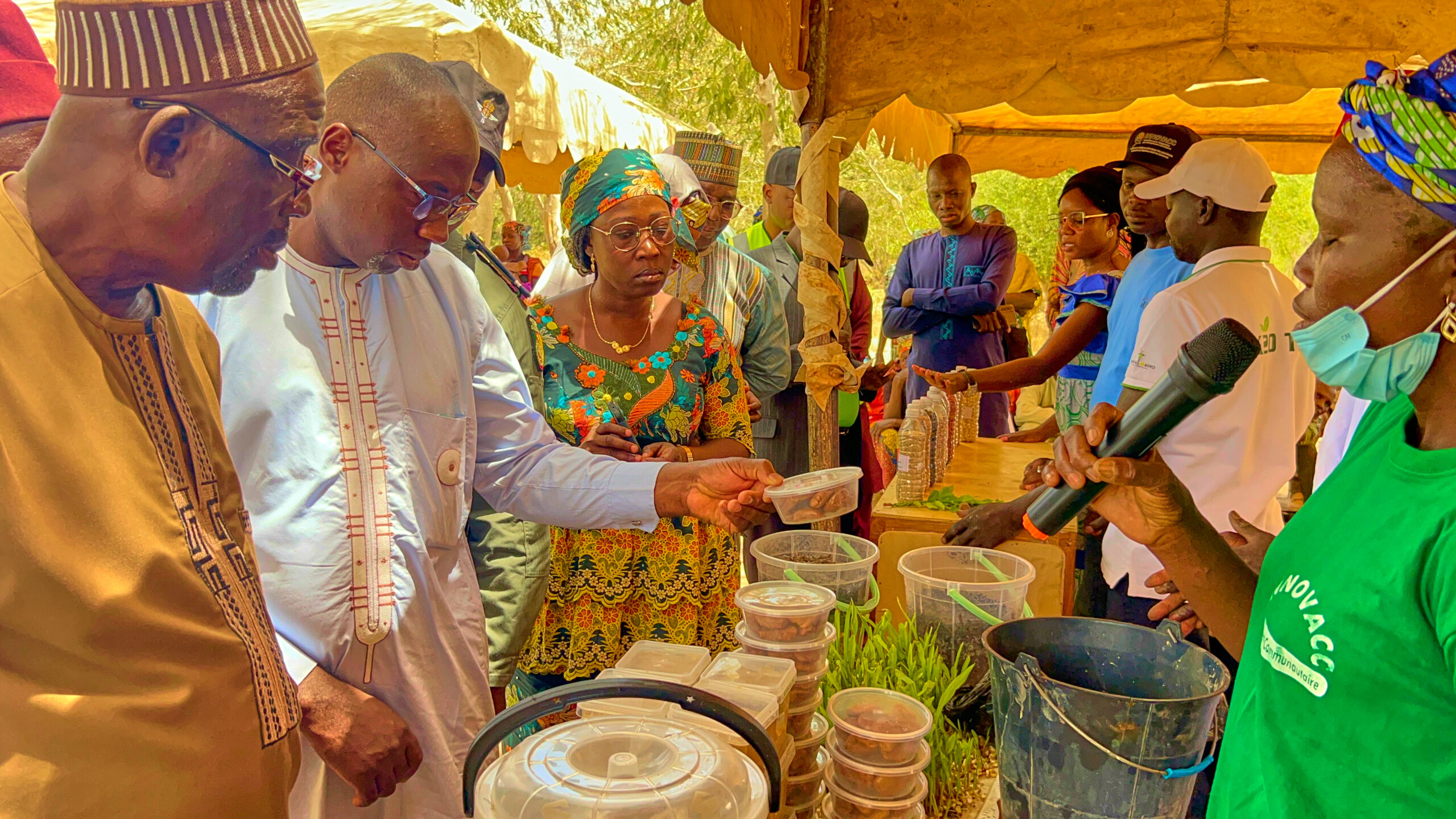



“Many people mistakenly believe that any tree seed can be planted successfully,” said Dr Athanase Mukuralinda, director of the Center for International Forestry Research and World Agroforestry (CIFOR-ICRAF) Rwanda, at a national learning exchange on tree seed systems. “Using low-quality tree seeds leads to weak trees. High-quality seed is essential for effective restoration.”
That assumption – that any seed will do – points to a deeper challenge in landscape restoration across East Africa. Restoration success depends not only on planting more trees, but on planting the right species, in the right place and ensuring that tree seed is sourced from quality tree seed sources of adequate physical, physiological and genetic quality.
In Kenya and Rwanda, restoration efforts across farms, agroforestry systems, forests and degraded landscapes are still dominated by a small number of fast-growing exotic species. Many of these species benefit from decades of research, breeding programmes and well-established seed supply systems that support reliable seed quality and large-scale production.
By comparison, far less research and breeding investment has focused on native tree species in the region — with the exception of a few commercial timber species. As a result, native trees are often less available in seed systems, despite native tree species being better suited to rebuilding diverse and resilient ecosystems.
The Quality Tree Seed (QTS) for Africa project has been examining how tree seed systems function in practice — including which species are of interest to tree growers — and how different parts of the seed value chain can be strengthened. This includes improving links between seed source custodians (those who manage, protect and benefit from seed sources), seed collectors, tree seed centres and the nurseries and growers who ultimately plant the trees.
The unseen layer of restoration
When trees are planted, we see green landscapes return. What we do not see is the genetic variation within those trees – the differences that allow some individuals to better tolerate drought, resist pests or grow vigorously. That variation, critical for thriving ecosystems, begins with tree seed sources and seed collection.
Seed should be gathered from many healthy, unrelated trees within a population. Technical guidance in both Kenya and Rwanda recommends collecting seed from at least 20 to 30 unrelated trees to maintain adequate genetic diversity. Each tree contributes slightly different traits; together, they form a broader genetic base for the next generation. If seed is collected from only a single or a handful of easily accessible trees, much of that natural variation is lost before restoration even begins.
“The documentation of all information related to tree seed sources and superior mother trees is crucial for restoration success,” said Jens-Peter Barnekow Lillesø, senior researcher at the University of Copenhagen and CIFOR-ICRAF fellow. “Seed source custodians play a critical role in protecting some of those sources – and should receive incentives for their work.”
Rebuilding ecological complexity
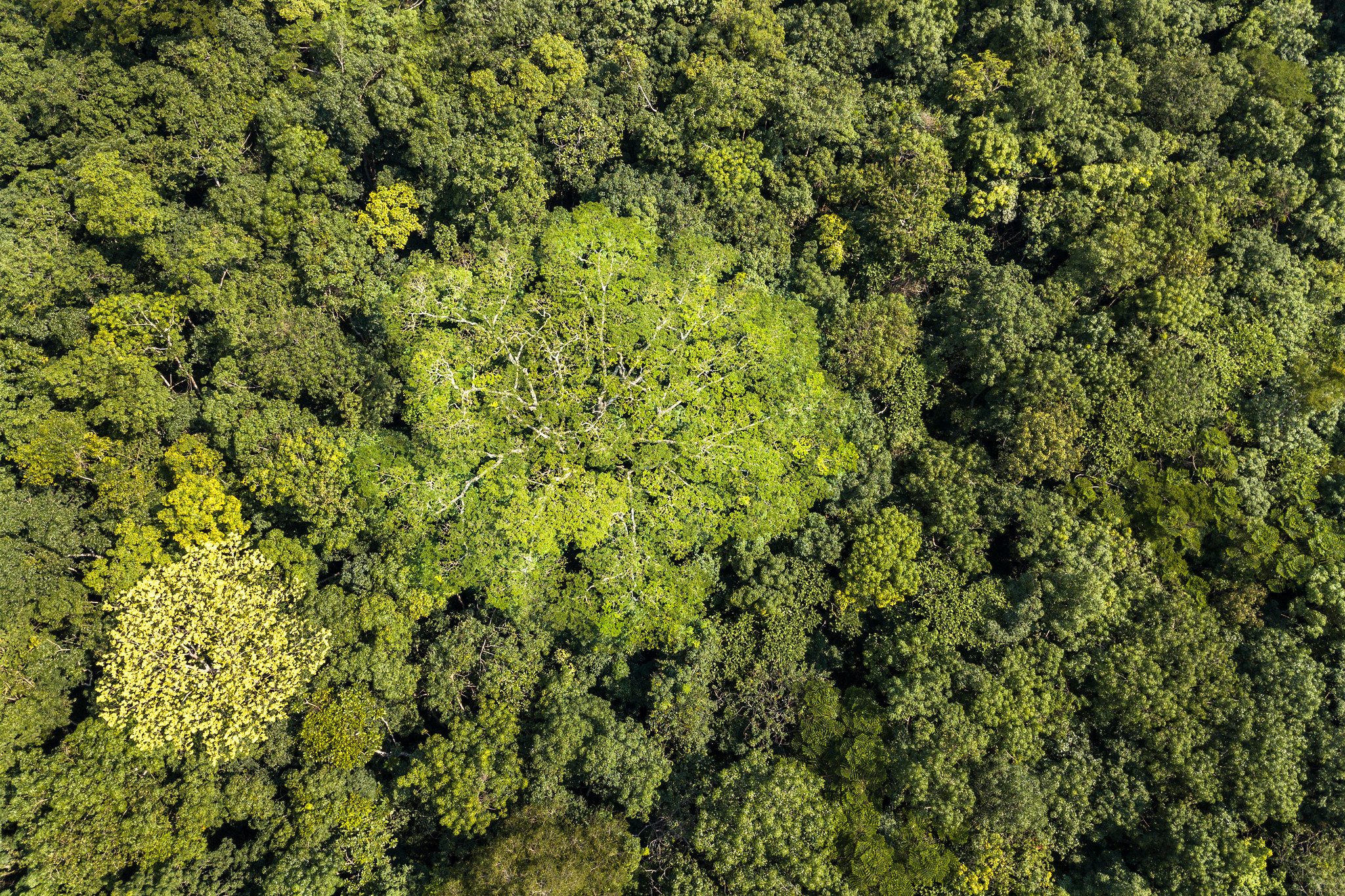
Natural ecosystems such as native forests are not built from one or two species. They are structured around diverse assemblages of native trees shaped by local soils, rainfall patterns and ecological interactions. Planting large areas with a limited set of species may increase tree cover, but it does not restore ecological, structural, and biodiverse complexity. Diverse native species help rebuild different vegetation layers, support biodiversity and reflect the natural ecological character of the landscape being restored.
In Kenya, mapping of potential natural vegetation shows that many current restoration areas once supported distinct forest and woodland types, each with characteristic species combinations. Species such as Red stinkwood (Prunus africana) occur across several of these zones, but tree seed collected from one ecological context may not perform equally well when planted in another. Without linking tree seed sources to ecological zones – a process known as seed zoning – restoration interventions default to using seed that is most accessible rather than what is best adapted. The same challenge applies in agroforestry landscapes, where widely cultivated native species such as the Nile tulip (Markhamia lutea), common on farmland across both countries, are rarely documented as formal tree seed sources, leaving their locally adapted genetic material largely unprotected.
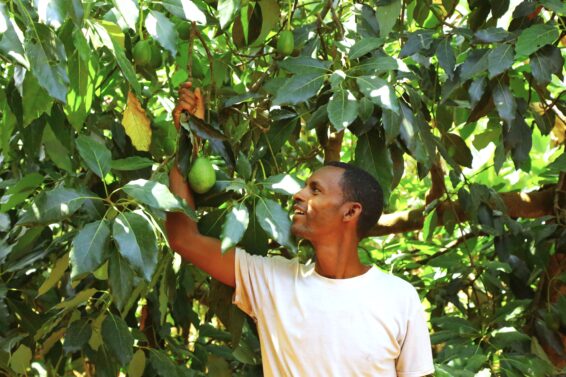
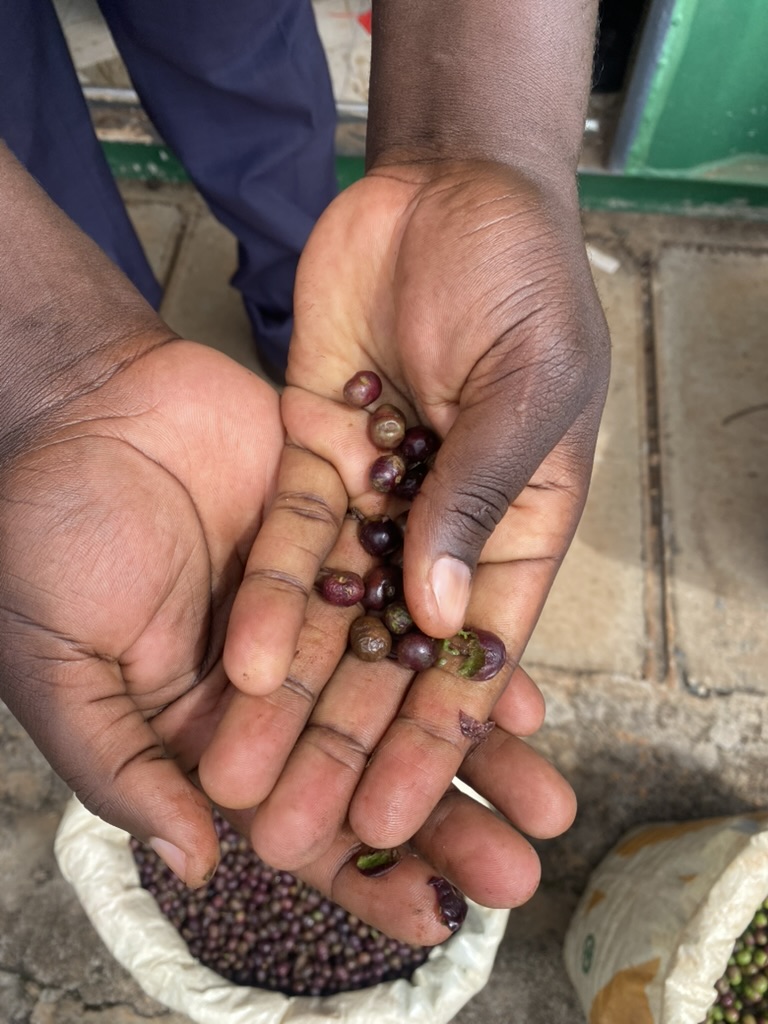
Collection of native tree seeds on a farm in Kenya. Photo by Kelvin Trautman / CIFOR-ICRAF
Native species available – but still not being planted
The challenge is not a lack of commitment to native species. Across both Kenya and Rwanda, there is strong recognition of their ecological importance. The challenge is access – to documented seed sources, to knowledge on collection and storage, and to nurseries with the skills to propagate them.
In Rwanda, research by the QTS project has identified more than 100 native tree seed sources nationally, yet only a small proportion are actively managed or accessible to planting programmes. This evidence is now informing national policy and programme design.
Across both countries, tree seed sector analysis tells a consistent story: weak documentation and inconsistent seed source management limit traceability and genetic quality, making it harder to plan species portfolios suited to diverse landscapes. Collectors frequently face challenges in identifying lesser-known, lesser-used or rare native species, accessing viable seed sources and predicting when trees will produce seed.
When species with well-organized supply chains are easiest to access, those are the ones most often planted — regardless of whether they best reflect local ecological conditions and satisfy community needs. Widely planted commercial species often benefit from documented seed stands and formal improvement programmes and thus reliable growth vigor. Native species, by contrast, frequently depend on informal collection, with limited traceability and unpredictable performance.
Participants in seed collection trainings in both Kenya and Rwanda reflected a shared gap: ‘We have little knowledge on identification of and seed collection methods for native species, and we do not have access to such information.”
In many cases, the challenge is not a lack of interest in native species but the limited documentation and accessibility of their seed sources. Without clear information on where seed can be collected or how it should be handled, nurseries and restoration programmes often rely on species with established seed supply systems.
Nurseries sit at the centre of this dynamic. In Kenya, many rely largely on their own seed collection, often from undocumented sources of unknown quality. Where seed supply chains are unclear or inconsistent, nursery managers tend to prioritize species with reliable, well-established sourcing systems – reinforcing the dominance of a small number of exotics and limiting the range of native species available.
As one practitioner noted during a species selection workshop in Kenya: “We had cases where we selected tree species, but when we went to the nurseries, these were not there.”
When tree seed origin is poorly documented, the connection between seed sources, nurseries and farmers can break down. Nurseries may produce seedlings without clear information on provenance or adaptation. Farmers then plant trees whose genetic background is unknown, which can result in slower growth, lower productivity or poor survival.
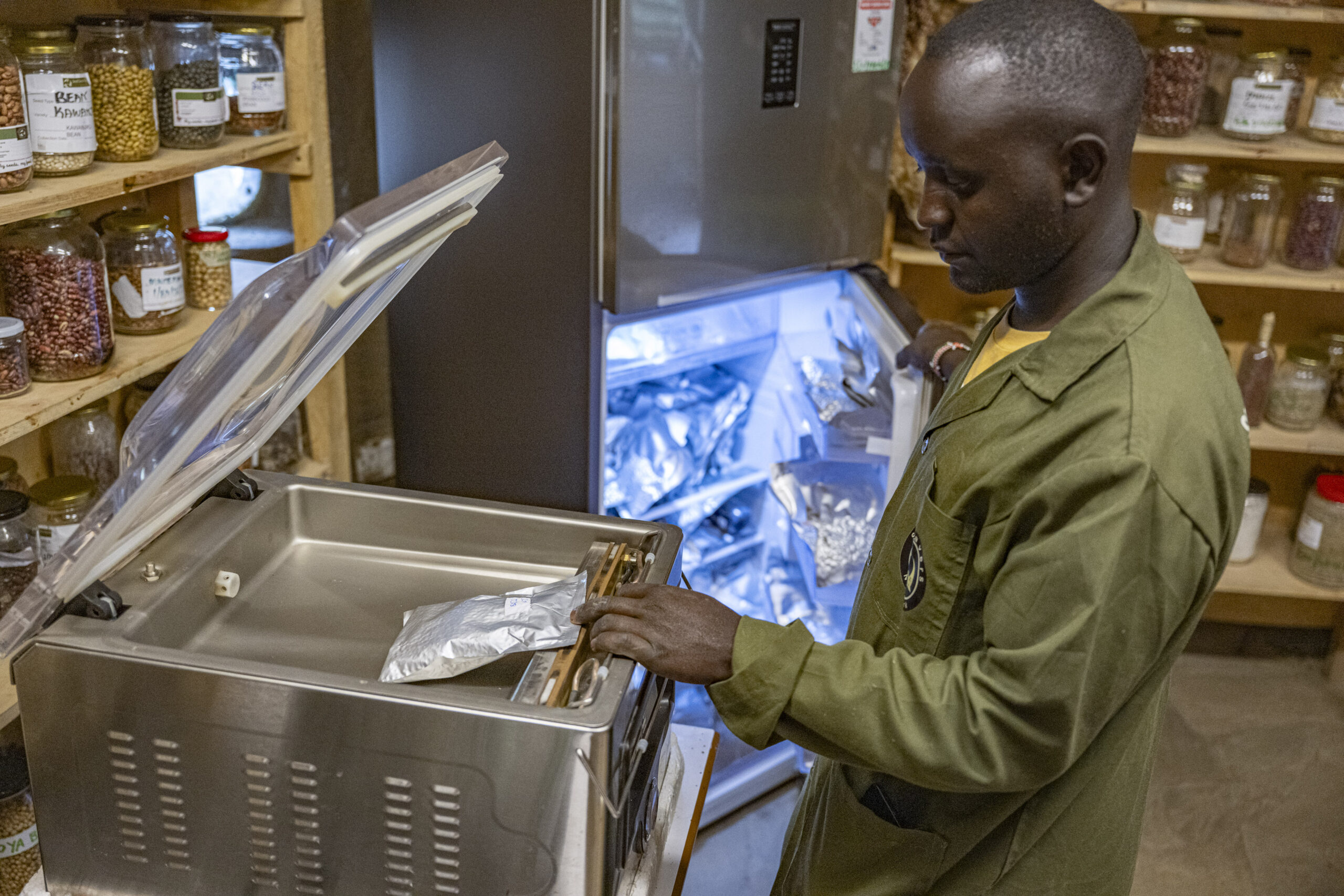
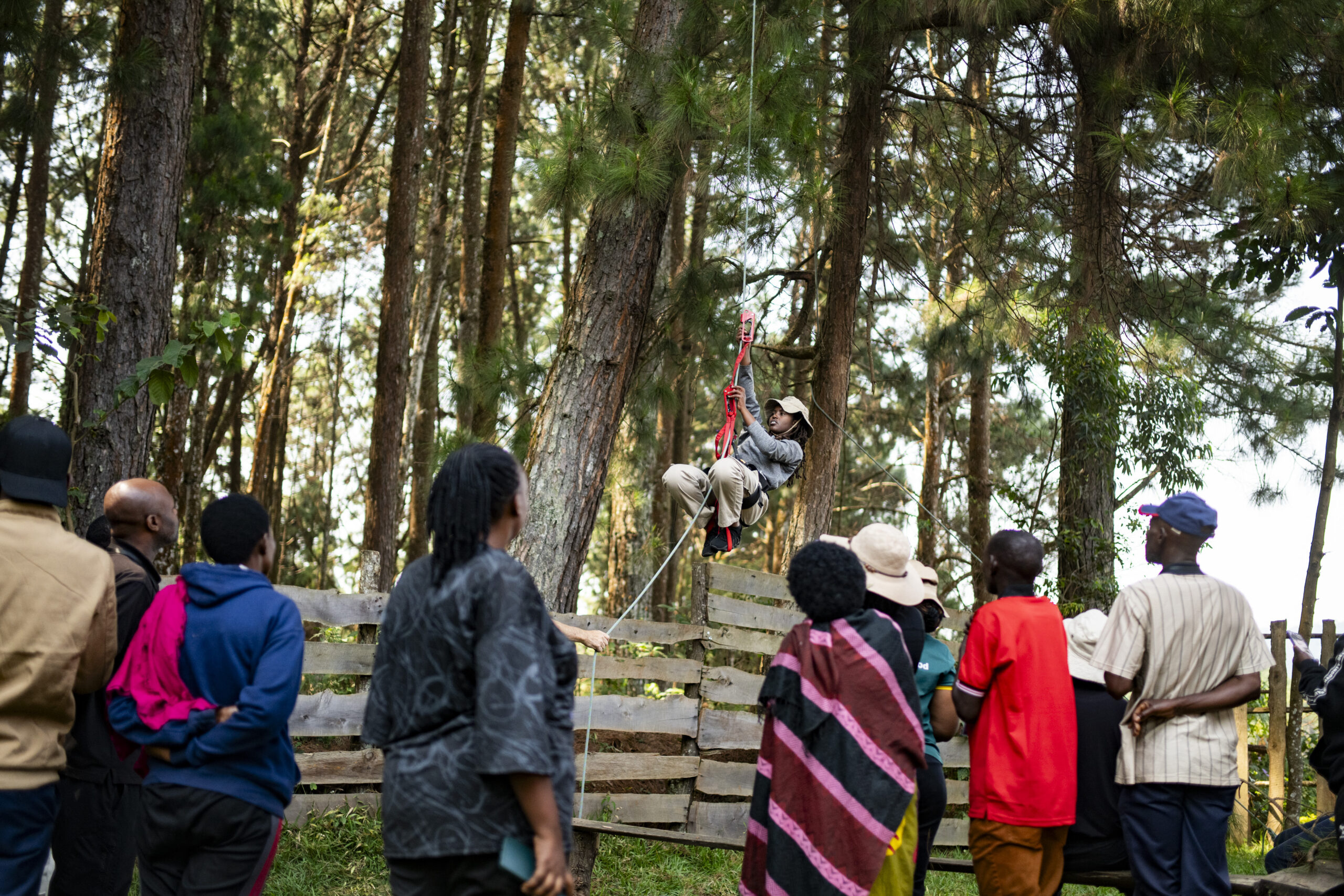
Photo by Herve Irankunda / CIFOR-ICRAF
Species choice as a livelihood decision
Choosing which species to plant is not only an ecological decision – it is also a livelihood one. In Rwanda, where agroforestry is deeply integrated into production landscapes, species choice directly influences soil health, erosion control and household income.
When restoration programmes offer only a narrow range of species, they constrain not just biodiversity but the many benefits from ecosystem services, including enhanced soil health and water retention, that land users can realistically gain from planting.
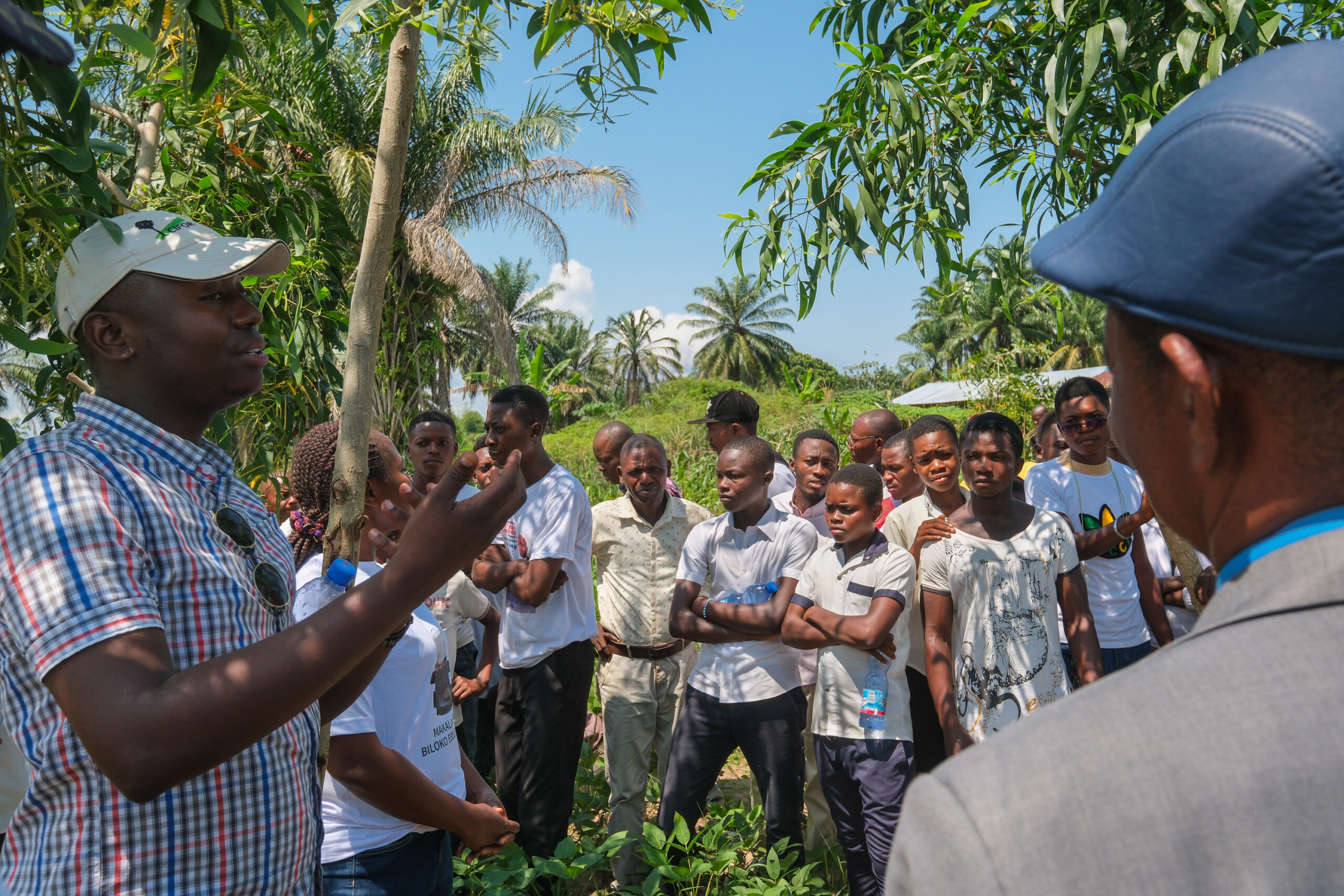
In Kenya and Rwanda, discussions during capacity-building workshops highlighted the different roles trees need to play depending on where and for whom they are planted. Involving communities in tree species selection, with a focus on gender equity and social inclusion, is key to improving the livelihoods and food security of rural areas. Matching species to these realities, rather than defaulting to what is easiest to source, is what separates resilient restoration from opportunistic planting.
Additionally, digital decision-support tools, such as the Global Useful Native Trees database (GlobUNT), are helping practitioners navigate these choices and expand species portfolio.
The seed that shapes the landscape
Improving restoration outcomes requires strengthening the entire tree seed system – from identifying and documenting seed sources, to ensuring nurseries have access to high-quality tree seed suited to local conditions.
Where tree seed systems have been strengthened – connecting better-documented sources to trained collectors, capable nurseries and clearer institutional roles – practitioners in Kenya and Rwanda are already working with a wider range of native species and higher-quality planting material.
Restoration should focus not only on planting the right tree for the right place, but on securing the right seed source of the right tree. That means documenting and protecting seed sources and their custodians, matching them to ecological zones and collecting from enough unrelated trees to preserve the genetic diversity that shapes how a landscape performs across decades.
The long-term strength of restored landscapes will depend not only on how many trees are planted, but on the diversity and quality of the seed from which they grow.
For more information, visit the Quality Tree Seed for Africa Project website: https://www.cifor-icraf.org/quality-tree-seed-for-africa/