
“Thirty by thirty” has become the biodiversity world’s best-known catchphrase. Target 3 of the Kunming-Montreal Global Biodiversity Framework (KMGBF) commits countries to effectively conserving at least 30% of the world’s land, inland waters and coastal and marine areas by 2030. As delegates gather in Yerevan, Armenia, this week for the 17th Conference of the Parties to the UN Convention on Biological Diversity (CBD COP17), that target will be under close scrutiny in the first global review of the framework’s progress.
The 30×30 ambition has captured global attention, mobilized commitments and given conservation a clear, measurable goal. But protecting 30% of the planet will mean little if biodiversity continues to decline across the remaining 70%. Delivering that ambition depends on how 30×30 works alongside the KMGBF’s other land-based targets — Target 2 on restoration and Target 10 on sustainable agriculture and forestry — across the landscapes where much of the world’s terrestrial biodiversity lives. Biodiversity conservation cannot stop at the boundaries of protected areas; it depends on how entire landscapes are managed.
Forests and agricultural land meet in Kenya’s Rift Valley. Photo by Patrick Shepherd / Landscape Alliance
Nature knows no boundaries
We have long known that protected areas alone cannot halt biodiversity loss. Much of the world’s biodiversity exists beyond their boundaries, across farms, forests, cities and working landscapes where people and nature coexist. And the health of protected areas themselves depends on what happens around them. Wildlife moves across boundaries, rivers connect ecosystems, and the impacts of land-use change and degradation rarely remain confined to individual sites.
“Many of the drivers of biodiversity loss within protected areas originate beyond their boundaries,” says Khalil Walji, a landscape restoration scientist at Landscape Alliance. “But it’s not only the threats that extend beyond protected areas — much of the biodiversity we need to conserve does, too.”
According to the Protected Planet Report 2024, around 32% of the world’s Key Biodiversity Areas — sites of global importance for biodiversity — remain entirely outside protected and conserved areas.
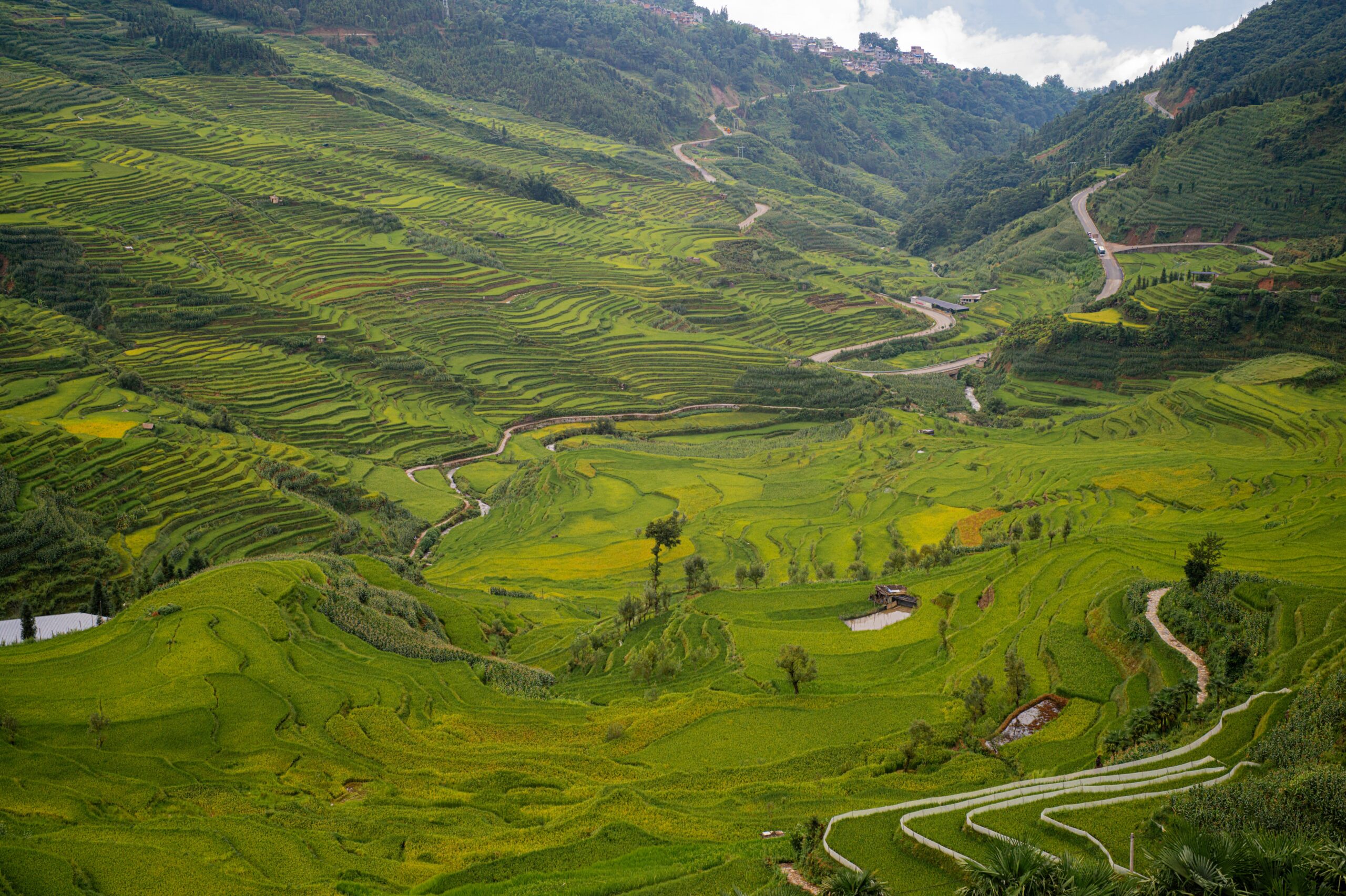
The challenge is moving from isolated conservation interventions to coordinated action across landscapes, where competing land uses, fragmented governance and ecological interdependencies must be addressed together. Integrated landscape management offers an opportunity to reconcile these priorities, bringing conservation, restoration and sustainable production together to address the drivers of biodiversity loss while strengthening ecological integrity, connectivity and resilience.
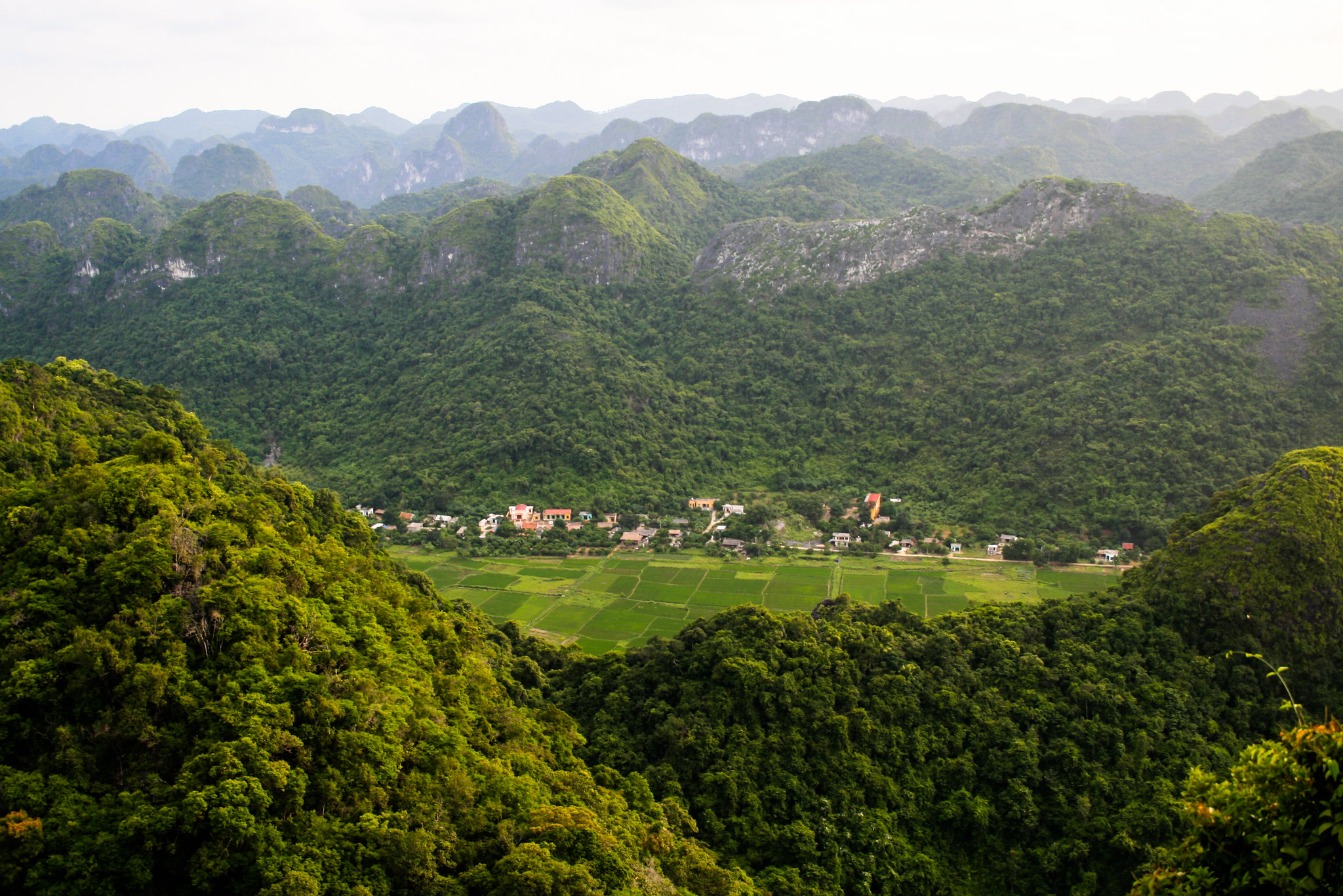
Through the EU-funded Landscapes for Our Future (LFF) initiative, Landscape Alliance has supported 23 integrated landscape management initiatives across the Global South — from the highlands of Viet Nam to the reefs of Mauritius and the tropical savannas of Brazil and Paraguay. Each of these illustrates both the opportunities and complexities of working across entire landscapes, where conservation objectives must be balanced with livelihoods and production.
“A shift towards landscape approaches means catalysing systemic change, tackling root causes rather than symptoms and combining urgent environmental action with rights, livelihoods and well-being,” write Landscape Alliance principal scientist Anne Larson and communications specialist Daniella Silva.
Securing rights, sustaining biodiversity
Effective landscape management depends not only on scientific evidence and institutional coordination. It also requires the knowledge and stewardship of people living in, and living from, the landscapes in question. Growing evidence shows that Indigenous Peoples and local communities (IPLCs) can play a critical role in sustaining biodiversity, particularly where their land and resource rights are secure and they have a meaningful role in decision-making.
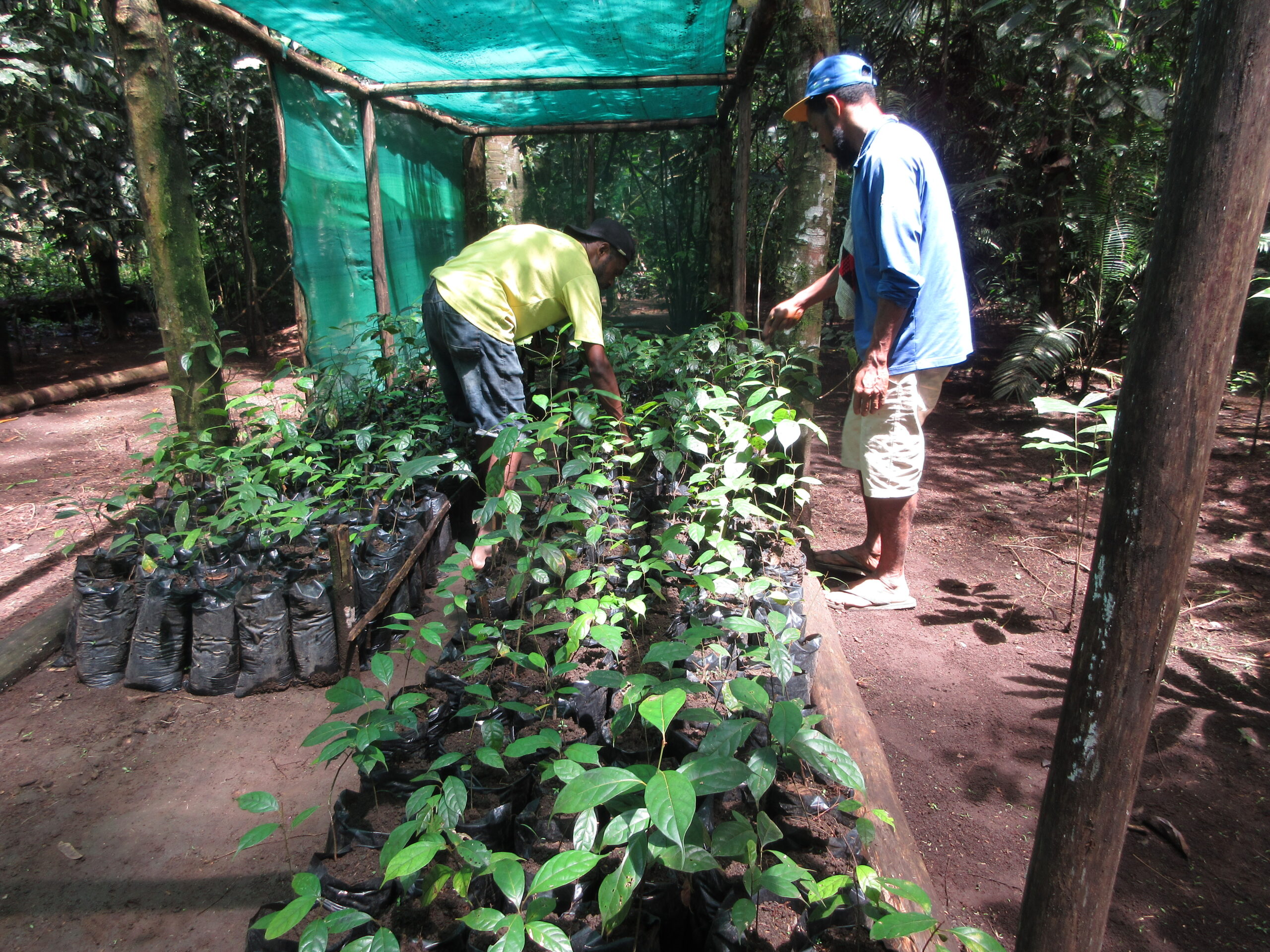
In 2021, Landscape Alliance researchers co-authored a global analysis of 643 community forestry cases across 51 countries, finding that most reported positive environmental outcomes, with tenure rights among the key predictors of success. That finding has borne out across many of its projects, from clan-based biodiversity monitoring in Papua New Guinea to traditional fire management in Peru. Other research has found that across the tropics, Indigenous lands reduce deforestation about as effectively as protected areas — and in Africa, more so.
“Rights-based approaches are not simply a social safeguard; they are fundamental to achieving lasting biodiversity outcomes,” says Walji. “Secure tenure, inclusive governance and recognition of local knowledge create the conditions for effective conservation, restoration and sustainable resource management.”
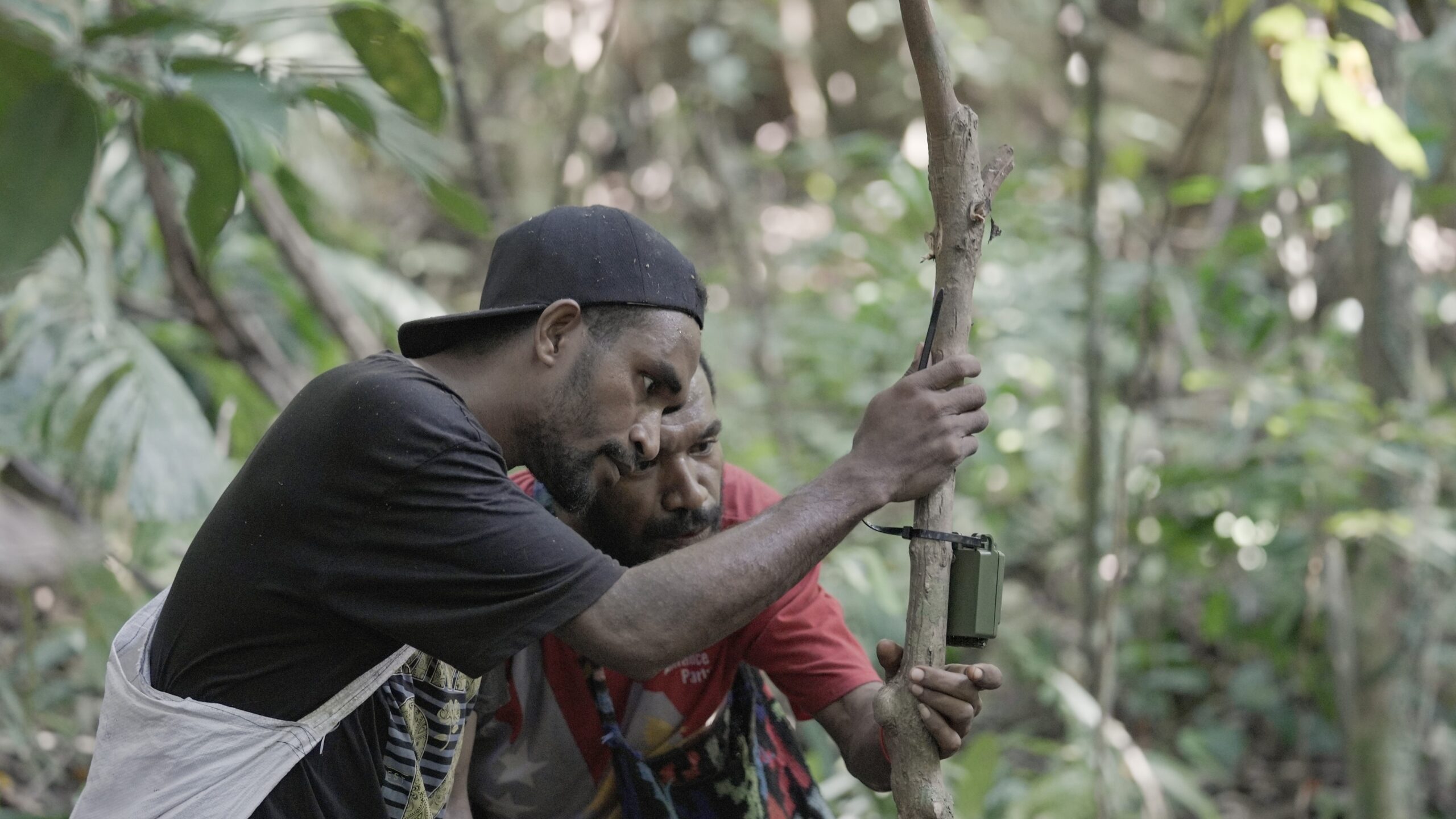
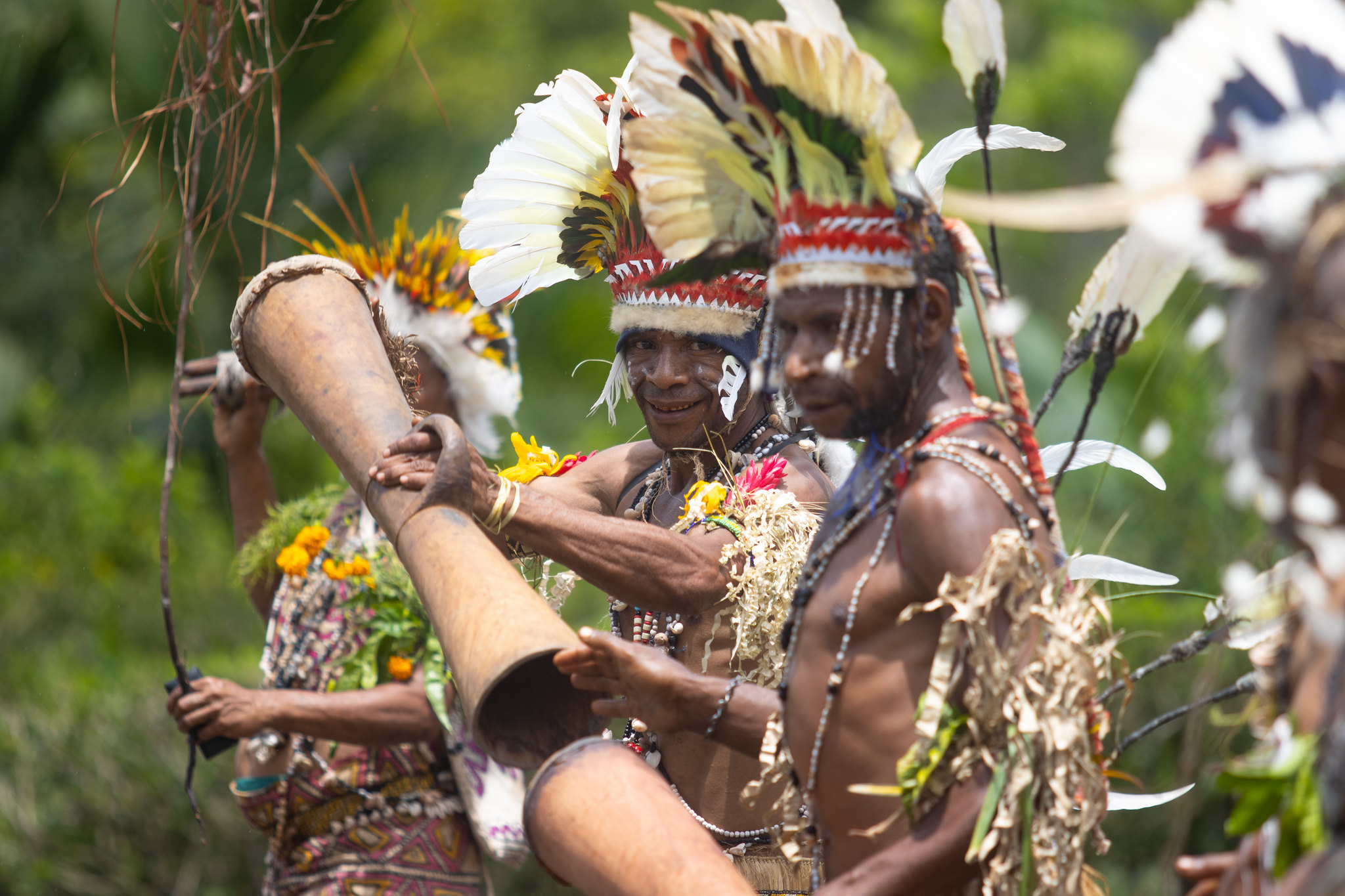
Photo by Dean Arek / Landscape Alliance
Those principles are at the heart of the first voluntary global guidance on sustainable wildlife management under the CBD, which parties are considering at COP17. Covering everything from hunting and fishing to wildlife tourism, the guidance document — which Landscape Alliance scientists helped develop as part of the Collaborative Partnership on Sustainable Wildlife Management (CPW) — advocates for rights recognition, inclusive decision-making, free, prior and informed consent, protection for environmental defenders and fair sharing of costs and benefits from wildlife use.
The sustainable use question
Sustainable use and biodiversity conservation are often framed as competing priorities. Yet when properly managed, they can reinforce one another — protecting wild species populations while sustaining the livelihoods, nutrition and cultural practices of people who depend on them. This relationship is reflected in two of the KMGBF’s targets: Target 5 aims to ensure that the use, harvesting and trade of wild species is sustainable, safe and legal, while Target 9 seeks to ensure that sustainable use continues to benefit people, particularly communities dependent on biodiversity.
Balancing the two is no simple task. Wildlife hunting, for example, is frequently seen solely negatively, as a biodiversity threat and source of zoonotic disease. “Overexploitation of wild species, including overhunting, is a major driver of biodiversity loss,” acknowledges Lauren Coad, Landscape Alliance senior scientist and biodiversity focal point. “But it is also an important source of nutrition, income and cultural connection for more than 150 million households in the Global South.”
A recent Landscape Alliance-linked study found that wild meat food systems are the “backbone” of food security for more than 11 million people across Amazonia, and are critical for the cultural identities and territorial rights of Indigenous Peoples, traditional communities and smallholder farmers.
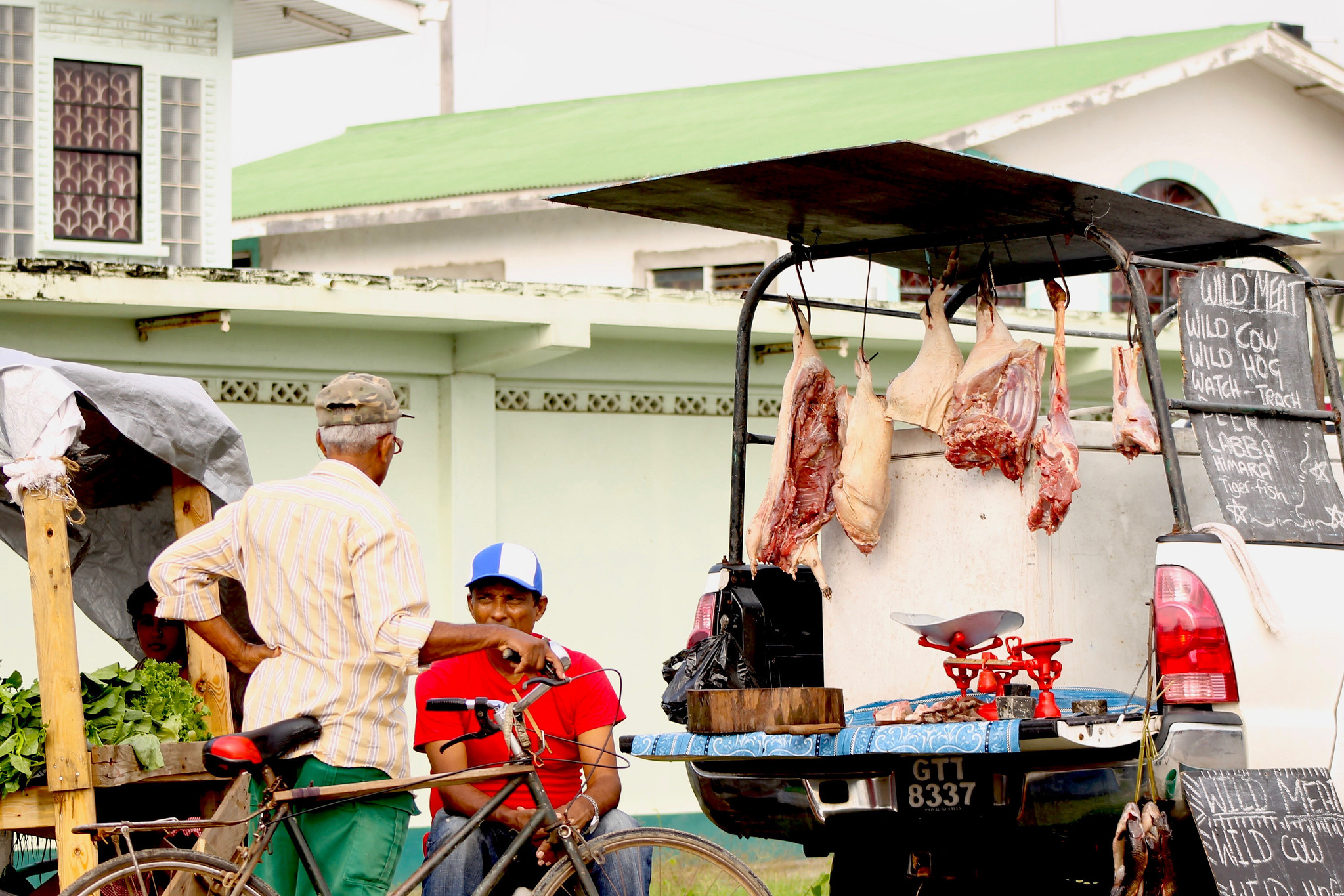
Photo by Manuel Lopez / Landscape Alliance
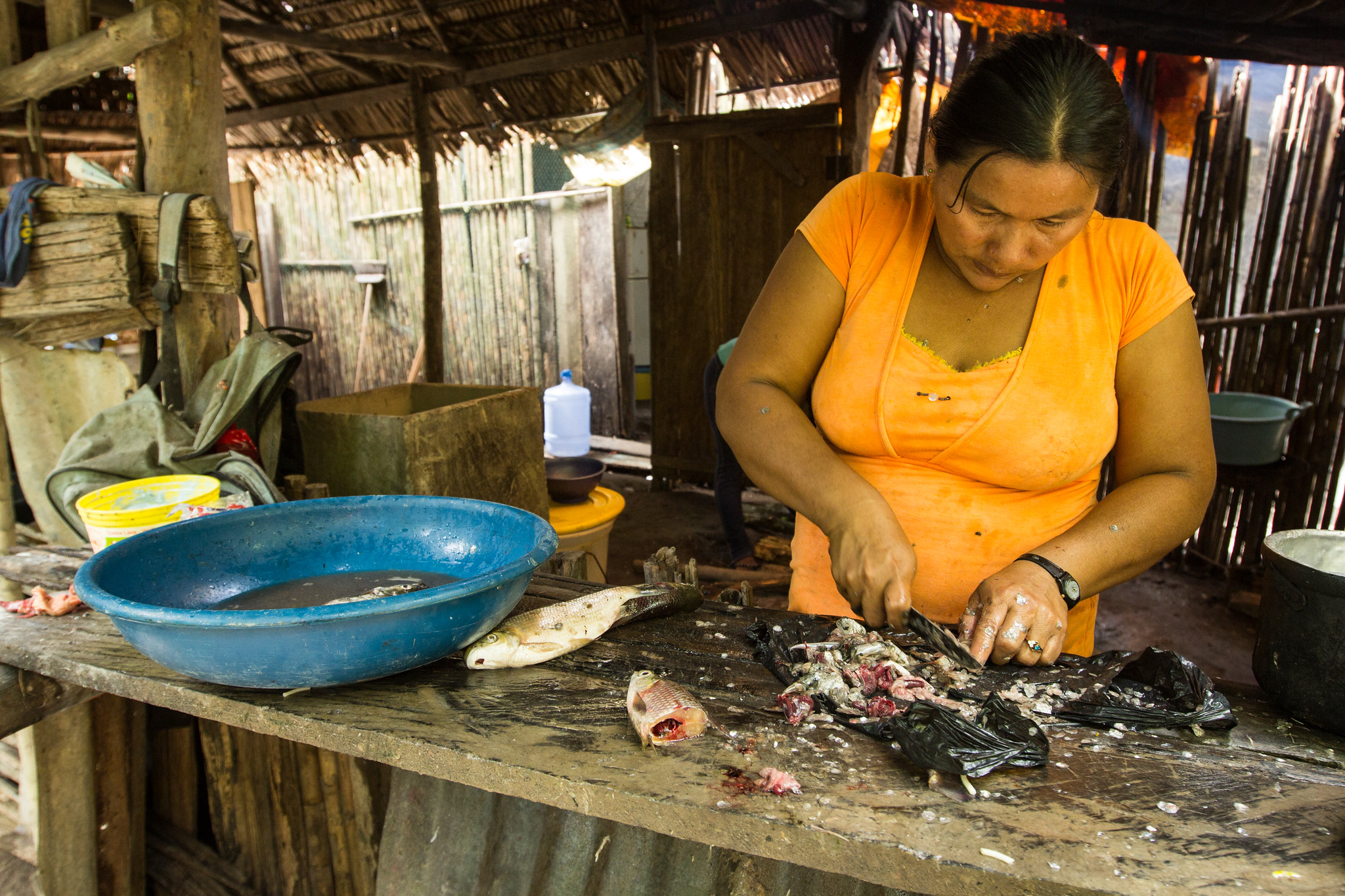
Photo by Juan Carlos Huayllapuma / Landscape Alliance
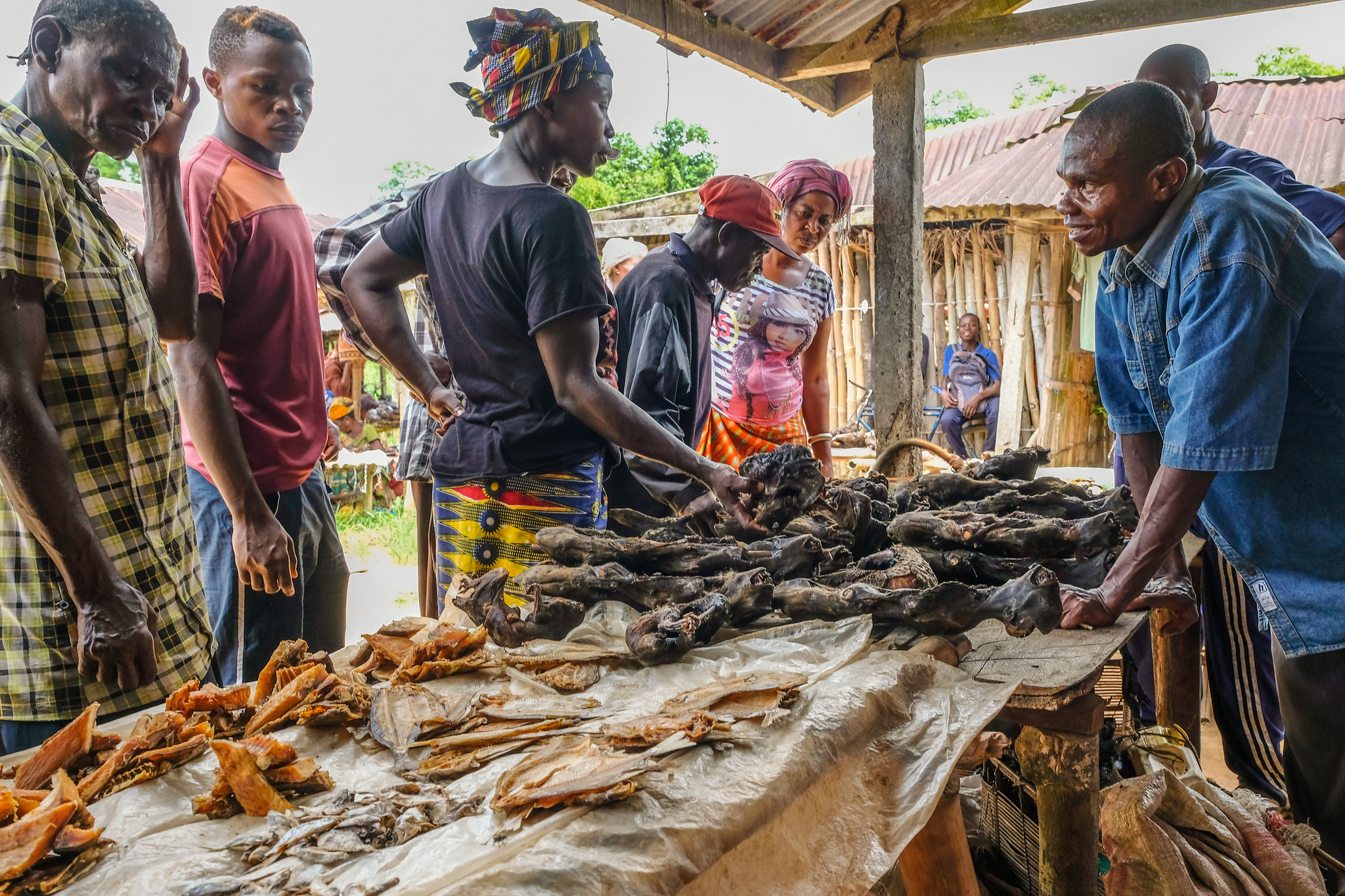
Other Landscape Alliance-led research shows that across 12,000 households in Central Africa, wild meat provided 20% of rural people’s recommended daily protein. Yet it also found that urban consumption was growing rapidly, increasing demand and raising the urgency of sustainable management strategies. The authors concluded that reducing urban consumption is crucial for keeping wildlife populations thriving and wild meat available for rural communities.
Comparable evidence from Asia and the Pacific remains limited. A systematic mapping exercise covering research on wild meat use in Southeast Asia from 2000 to 2023 found that studies were concentrated in a few countries, with Singapore, Brunei and Timor-Leste each represented by just one study. Research has also focused largely on documenting hunting frequency, quantities and prices, with less attention to the social drivers of wild meat use, zoonotic disease mitigation and the effectiveness of interventions. Through regional research and initiatives such as the Wild Meat Dialogues, Landscape Alliance and its partners are working to address these gaps through regional research on wild meat use, consumption and trade, including their implications for food security, livelihoods and biodiversity conservation.
These findings show why sustainable use and conservation must be addressed together, rather than through blanket restrictions that overlook local realities. Bans may be necessary in some contexts, particularly for threatened species or where harvesting is unsustainable, but poorly designed restrictions can undermine food security and livelihoods without necessarily reducing demand.
“Bans do not often stop people from consuming or trading wild species, but they can drive these practices underground, making it harder for people to support themselves and increasing the risks of zoonotic disease transmission from unregulated sources of wild species,” says Hani Rocha El Bizi, lead coordinator of the Sustainable Use of Wild Species Transformative Partnership Platform (SU-TPP) and scientist with the Landscape Alliance COP17 delegation.
“We support context-specific policies and management frameworks that build trust with those who depend on wild species for food and income while also conserving healthy wildlife populations for future generations.”
Farmers plant peanuts in a pilot plantation in Yangambi, Democratic Republic of the Congo. Photo by Axel Fassio / Landscape Alliance
Restoring for the future
Restoration, too, looks different through a landscape lens. Target 2 aims to put at least 30% of degraded ecosystems under effective restoration by 2030. But rather than a binary transition from ‘degraded’ to ‘restored’, global guidance on the target describes a continuum of complementary actions — from reducing degradation and improving sustainable land management to recovering ecosystem integrity and services. This is particularly important across productive landscapes, including agricultural lands, grasslands and rangelands. Global guidance on Target 2, recognizes a restorative continuum of complementary actions, approaches that can contribute to healthier, more connected and resilient landscapes.
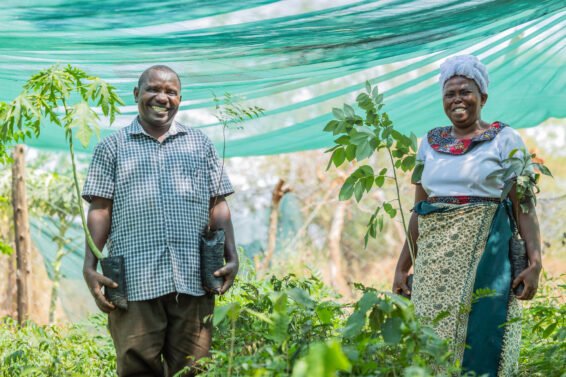
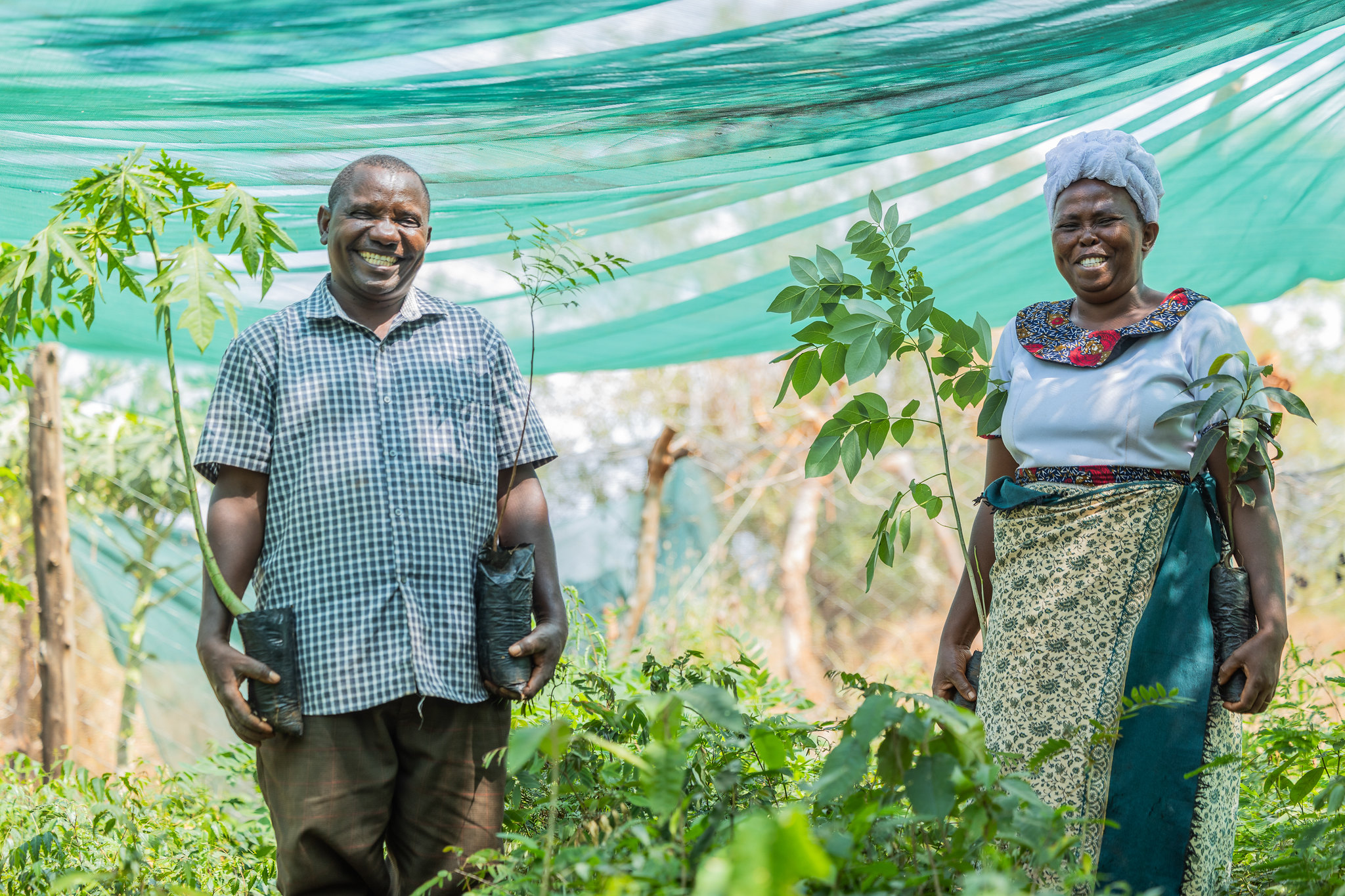
Through initiatives such as Regreening Africa, which Landscape Alliance co-leads, the organization is scaling up farmer-managed natural regeneration, tree planting and soil and water conservation across agricultural landscapes in Sub-Saharan Africa, with the ambition of bringing five million hectares under restoration by 2030. The challenge is ensuring that these interventions deliver lasting ecological benefits, rather than simply adding hectares to restoration commitments.
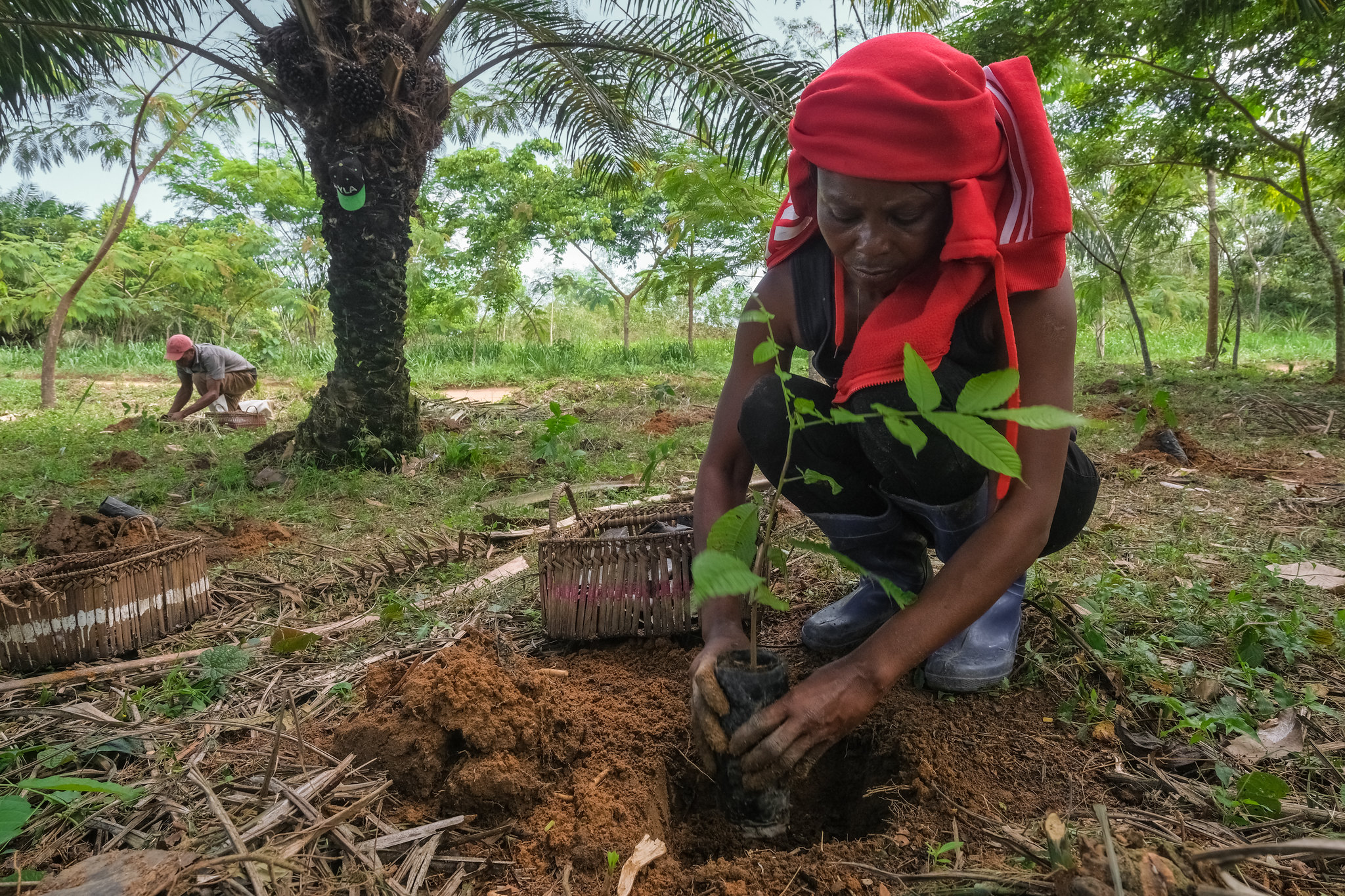
This kind of work is not about turning back the clock, says Walji. “Historical ecosystems provide important reference points, but our goal is to recover ecological integrity, biodiversity and ecosystem functions while building resilience to future environmental change. We need to move beyond hectares restored and ask whether ecosystems are actually recovering — and whether those gains will endure.”
That broader view will be critical to whether or not the KMGBF delivers on its ultimate goals — which by 2050 aim to maintain and restore the integrity of all ecosystems, not just those set aside for conservation. As delegates in Yerevan take stock, the challenge will be to look beyond formerly conserved areas and ask whether biodiversity is recovering across the other 70%.