



Restoring degraded landscapes is widely recognized as a pathway to strengthening biodiversity, food security and climate resilience. Yet the long-term success of restoration often hinges on a factor that receives far less attention than tree numbers or planting targets: the quality and diversity of the seed and seedlings used to restore those landscapes.
Research consistently shows that trees grown from genetically diverse, climate-resilient seed are more likely to survive, adapt and perform their ecological functions over time, particularly as climatic conditions become more variable. Where planting material is poorly matched to local environments or genetically narrow, restoration efforts risk high mortality, limited ecosystem benefits and diminished returns on investment.
In priority landscapes such as the Rusizi Basin and the Great Rift Valley in Rwanda and Kenya, rising restoration commitments have sharply increased demand for planting material. That demand has exposed clear gaps in seed diversity, genetic quality and site-appropriate species selection. These constraints come at a critical moment, as countries work to meet ambitious restoration targets under global and regional frameworks such as the Bonn Challenge, Land Degradation Neutrality (LDN), as well as continental agendas led by the African Union and regional economic communities.
The Quality Tree Seed for Africa (QTS) project was designed to respond to these challenges by strengthening access to quality, diverse and climate-appropriate planting material. Its core premise is simple but often overlooked: restoration outcomes improve when the right trees are planted in the right places, for the right purposes. By improving tree seed and seedling supply systems and supporting the development of Climate Appropriate Portfolios of Tree Diversity (CAPTD), the project aims to lay durable foundations for restoration that can persist over time.
Building reliable seed supply systems
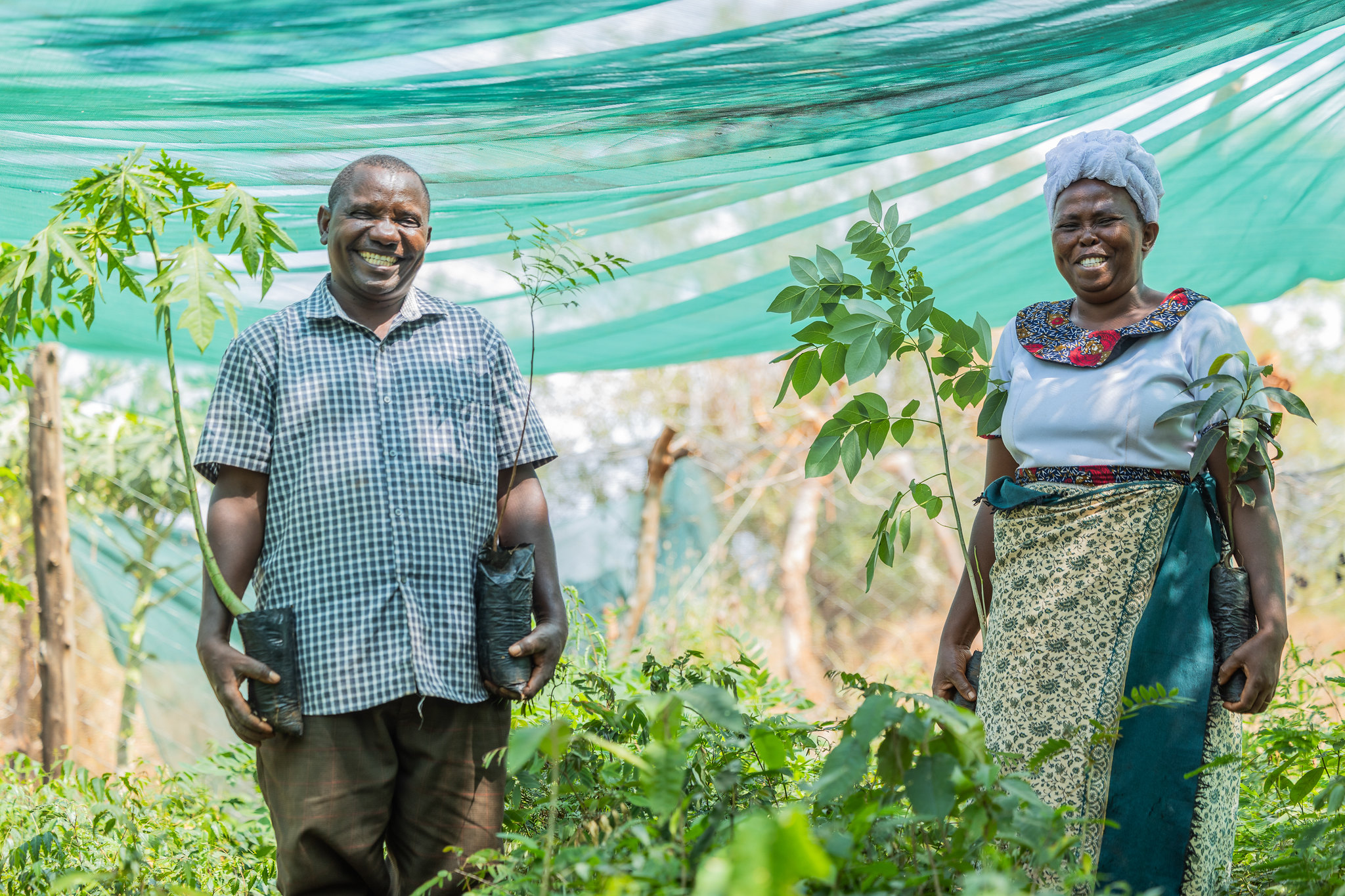
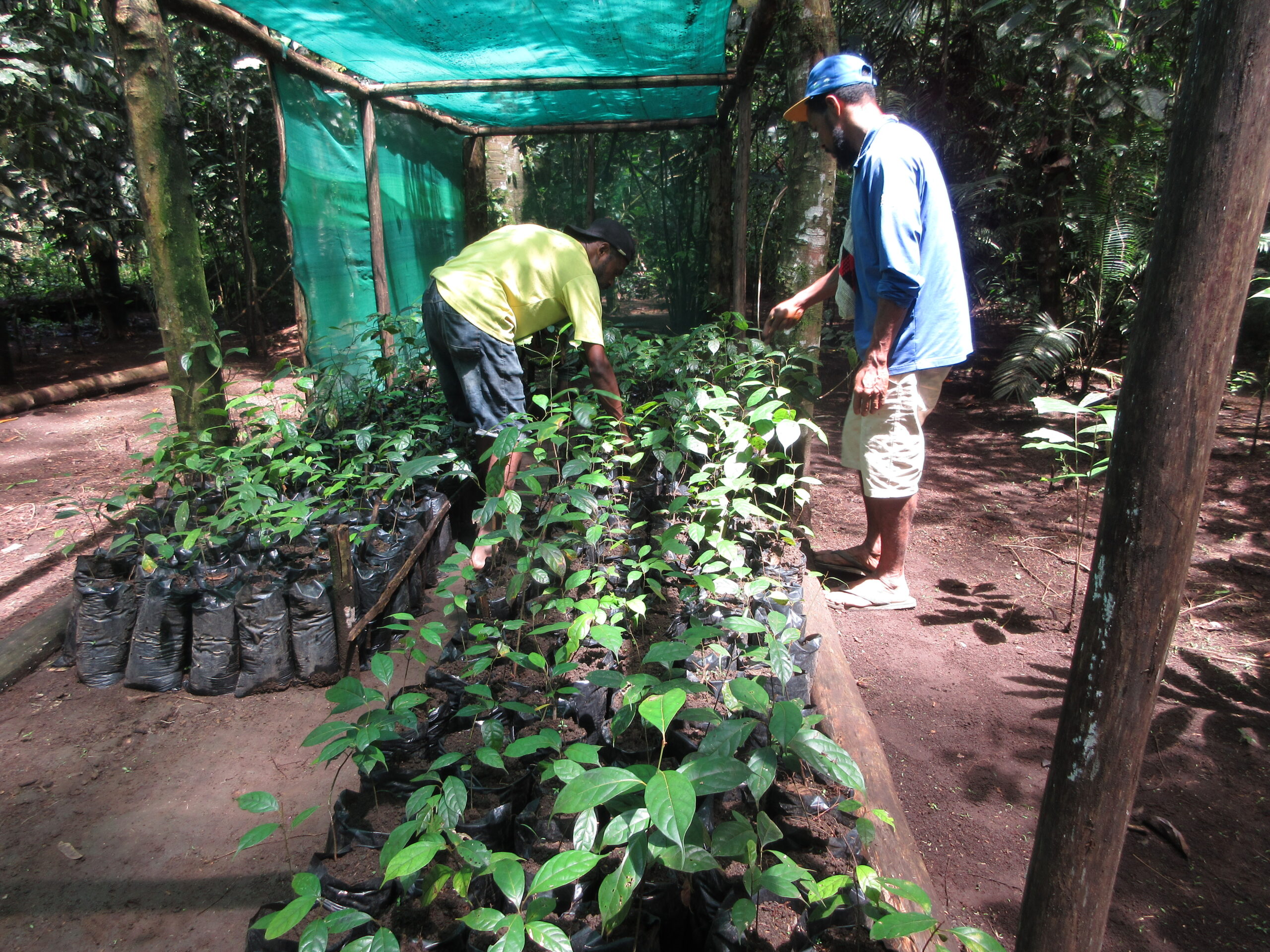
In Rwanda and Kenya, the project focuses on the full tree seed lifecycle, from identifying and documenting tree seed sources to improving collection, handling, storage and traceability. Training seed collectors and technicians is a central component, ensuring that genetic, physical and physiological quality are safeguarded before tree seed reaches nurseries or restoration sites.
These efforts are being implemented in collaboration with 56 TerraFund AFR100 restoration champions, alongside tree seed cooperatives, community actors and national institutions. In Rwanda’s Rusizi basin and Lake Kivu belt, work with cooperatives and government partners has focused on increasing the availability of high-quality, well-documented seed sources, supported by training in nursery management and agroforestry, tree seed collection training, with a focus on native tree species, and the establishment of high-quality fruit orchards (mother blocks) and breeding seed orchards of native tree species to conserve genetic diversity and strengthen long-term adaptability for future ecosystem restoration.
In Kenya, similar approaches are underway with the Kenya Forestry Research Institute (KEFRI), Kenya Agricultural and Livestock Research Organization (KALRO) and TerraFund AFR100 restoration champions and community actors.
Together, these country-level interventions contribute to professionalizing tree seed systems by improving access to quality planting material, strengthening technical capacity and establishing institutional systems that support climate-resilient restoration.
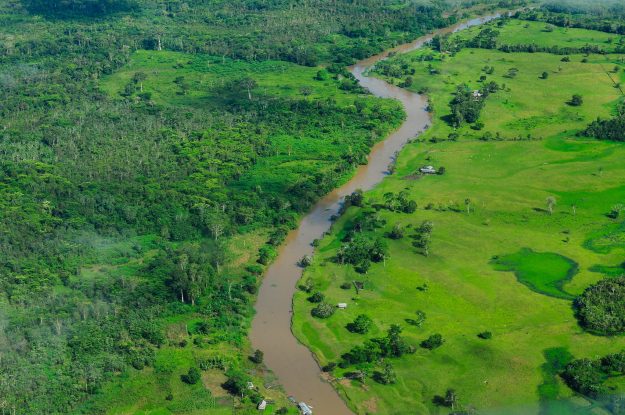
Native forest vegetation in the Cyamudongo forest, part of the Rusizi landscape. Photo by Herve Irankunda / CIFOR-ICRAF.
Digital decision-support for species selection
Species selection is one of the most consequential decisions in restoration, yet it is often made with limited ecological or climatic information. To support this process, the project draws on the Global Useful Native Trees (GlobUNT) resource, developed by the Center for International Forestry Research and World Agroforestry (CIFOR-ICRAF) with national partners.
This online platform helps users identify tree species suited to specific local conditions across Kenya and Rwanda (and beyond), accounting for rainfall, temperature, soil type and ecosystem function. Users can also filter species by intended use, such as timber, fruit, fodder or erosion control, enabling restoration designs that combine ecological and livelihood benefits.
By integrating local knowledge with spatial data, the tool helps reduce mismatches between species and sites, lowering planting failure rates and supporting long-term resilience of restored landscapes.
Complementing this approach, the EcoregionsTreeFinder supports restoration practitioners globally in selecting native species aligned with specific ecoregions, helping landscapes move closer to reference vegetation and pre-disturbance conditions.
Building restoration skills and expertise
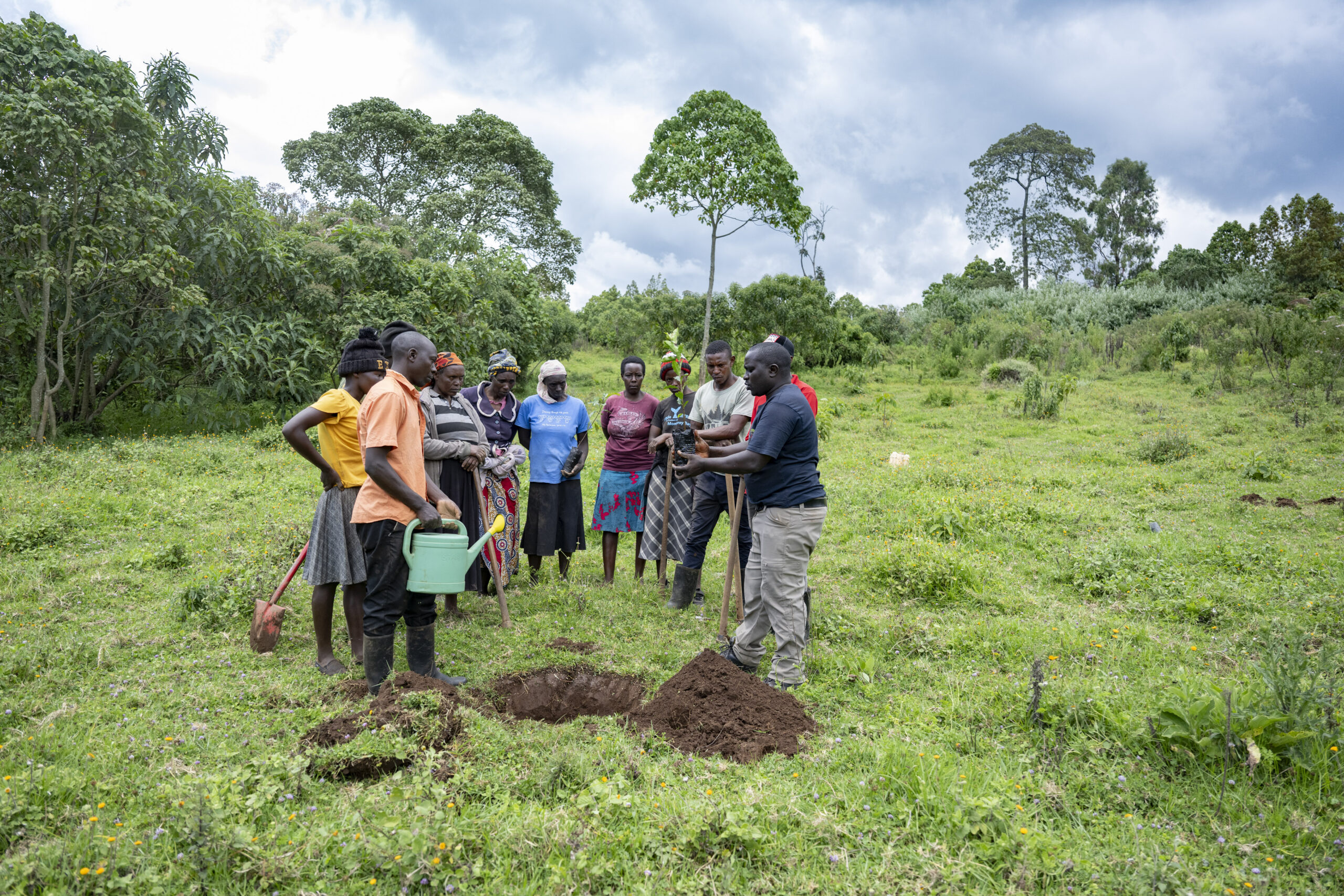
Technical training is central to the QTS approach. Farmers, tree seed collectors, nursery operators and community groups play a role in restoration yet often lack access and exposure to training specific to tree seed quality, species selection and restoration- focused nursery management. While their agricultural knowledge is extensive, restoration requires additional skills to ensure that trees planted today can survive, adapt and contribute to long-term landscape recovery.
QTS responds to this gap by strengthening the capacity of those directly producing and planting trees across farmland and degraded landscapes. Through targeted workshops and field-based learning, participants are strengthening skills in tree seed collection, documentation and traceability. These efforts are reinforcing national tree seed systems by embedding technical capacity where it is most needed and fostering a culture of quality and accountability. As tree seed sources become better documented and protected, restoration outcomes become more reliable across farms and working landscapes.

Laying the groundwork for scale
Taken together, these interventions mark a shift from fragmented activities towards a coherent tree seed-to-system approach. Strengthened tree seed systems, digital decision support, technical capacity training and reinforced institutional coordination are being linked into a functional supply chain for restoration.
Improving access to genetically diverse and climate-adapted tree seed helps move restoration efforts beyond short-term tree survival towards long-term ecosystem resilience and productivity. Diverse tree seed sources increase the capacity of restored landscapes to adapt to climate change, resist pests and diseases and maintain ecological functions over time.
Breeding seed orchards represent a further investment in durability, offering farmers a reliable supply of high-quality, genetically improved planting material that can enhance productivity and income for generations. At the same time, improved planting material supports the restoration of rangelands and natural ecosystems by increasing overall ecosystem productivity and resilience.
Amid the UN Decade on Ecosystem Restoration, experience from the QTS project highlights the importance of investing in the often-invisible systems that support restoration success. When species selection is informed by science and tree seed systems deliver quality at scale, restoration can shift from opportunistic planting to a more deliberate, resilient and enduring process of landscape recovery.
For more information, visit the Quality Tree Seed for Africa Project website: https://www.cifor-icraf.org/quality-tree-seed-for-africa/