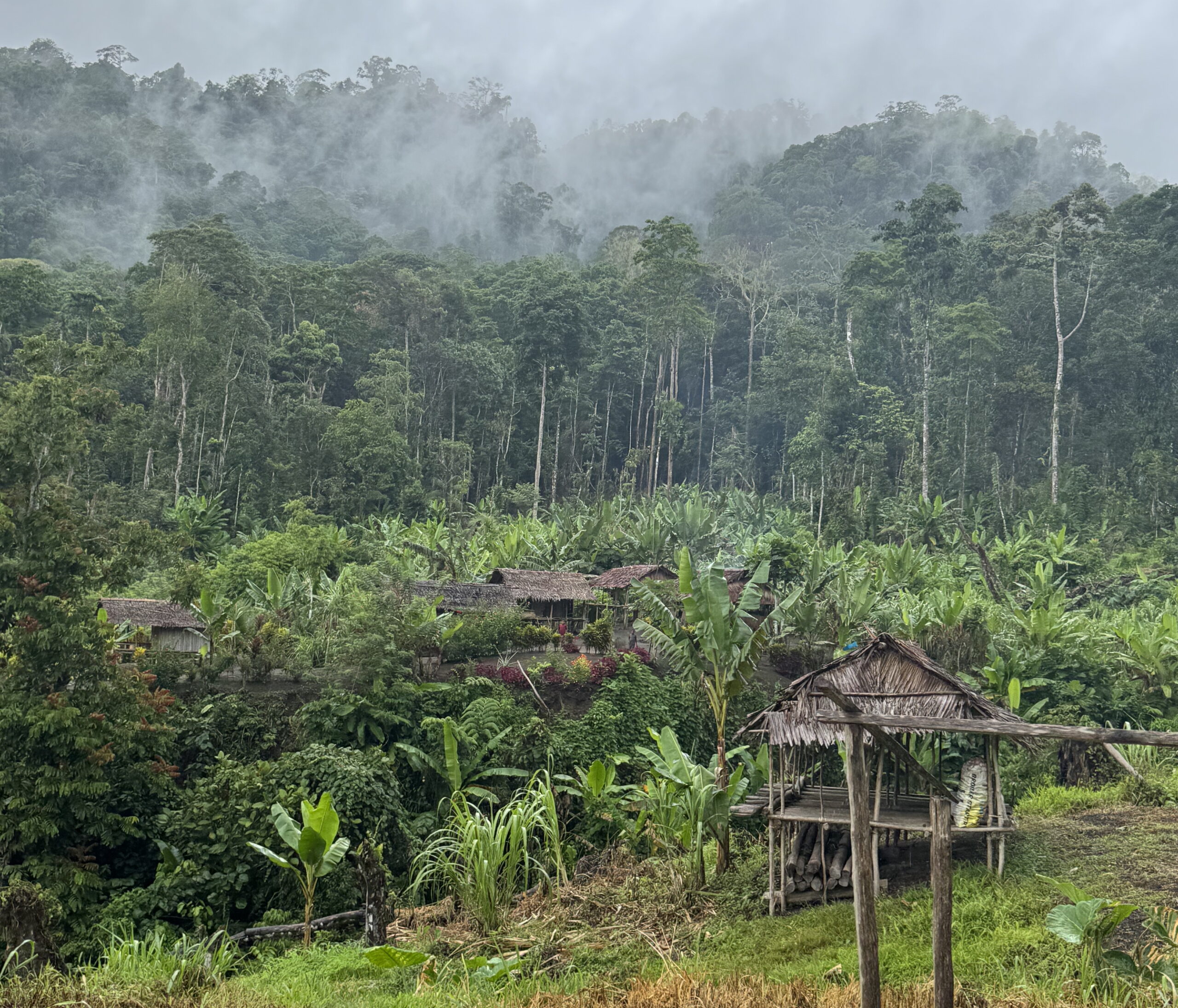
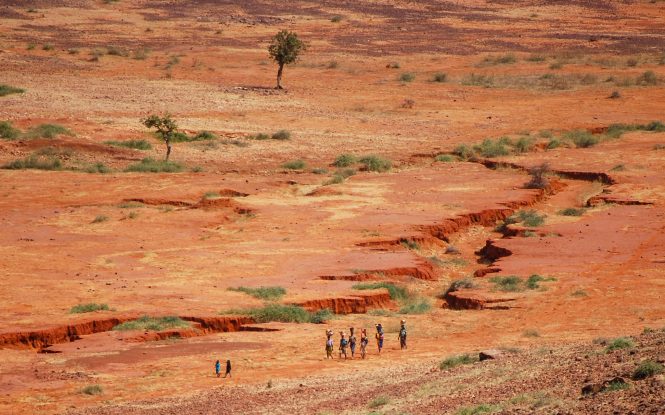

In the sun-baked hills of Timor Tengah Selatan, a regency in East Nusa Tenggara, Indonesia, water scarcity turns daily survival into an uphill struggle. A single drum of water costs Rp 10,000 (US$0.56) to Rp 15,000 (US$0.84), and the dry season stretches for months.
For years, Tabita Taheko, a farmer from Maonum Niki-niki village, walked 30 minutes to her parched field each morning. Her livelihood depended on unpredictable rains and raw coconuts that fetched barely Rp 1,000 (US$0.056) apiece at the local market. The average family in the area earns around Rp 1.7 million (US$95) a month, according to Statistics Indonesia.
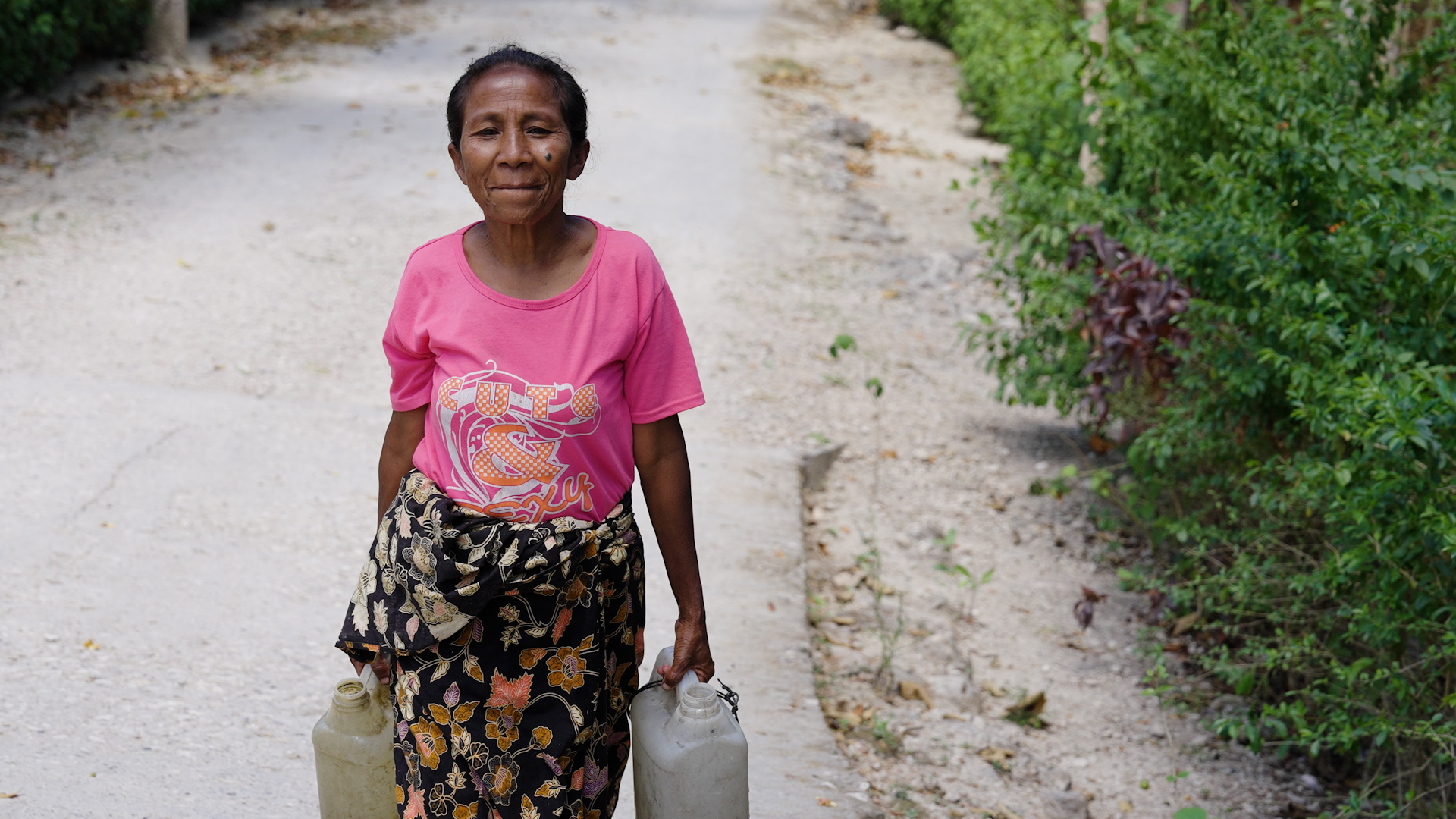
The regency faces a combination of challenges, including semi-arid conditions, water shortages, land degradation, high rates of child stunting and human trafficking. A rigid patriarchal culture can also limit women’s voices in public decision-making. When climate shocks strike, rural women often carry a disproportionate share of the burden.
“When water sources dry up during severe droughts, women must walk kilometres carrying heavy jerrycans just to prepare daily meals,” explained Reverend Seprianus Yoanis Adonis, chair of the Amanuban Tengah Utara Classis, a regional grouping within the Evangelical Christian Church in Timor (GMIT). “Women bear the brunt of climate change, but they also hold the key to household survival.”
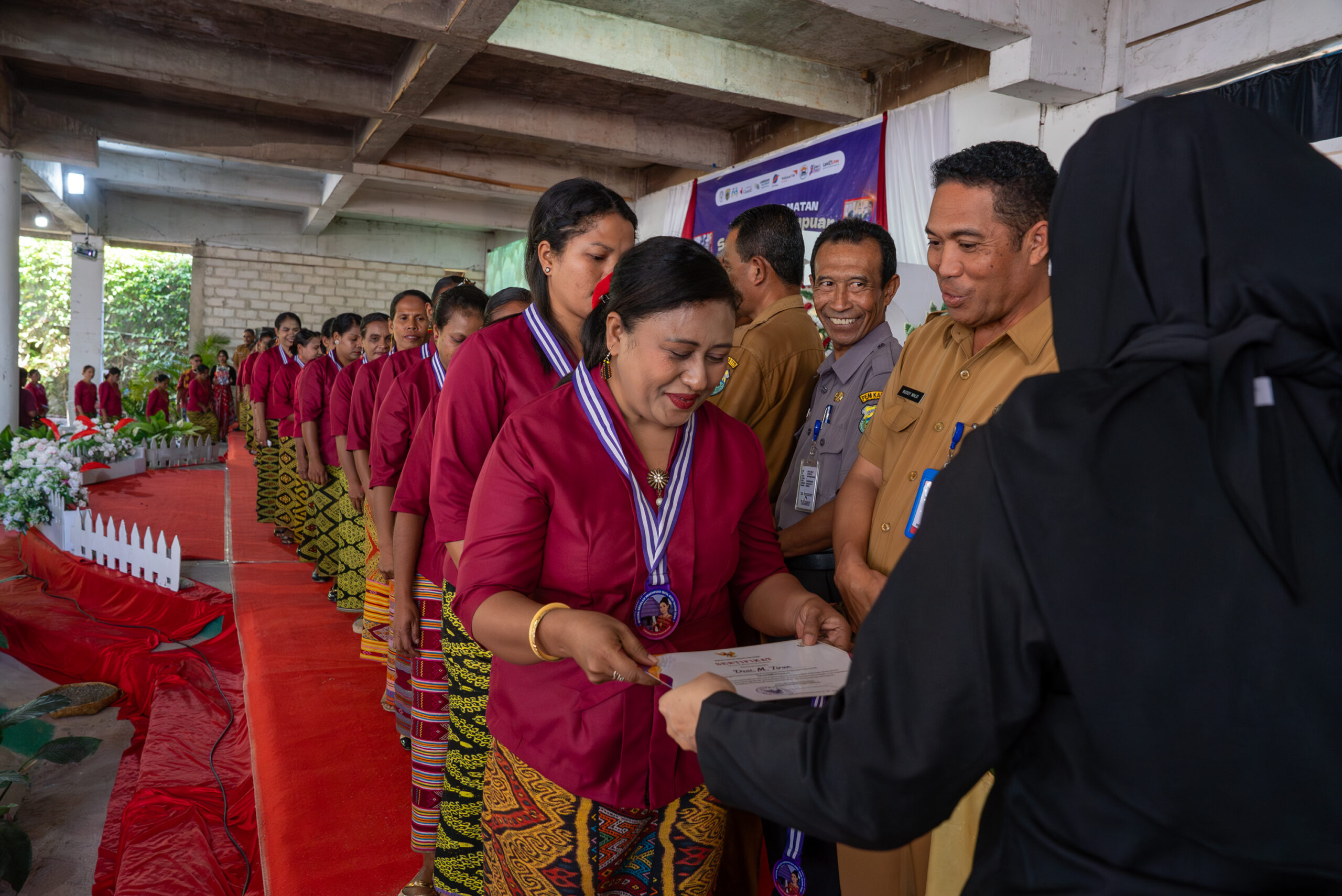
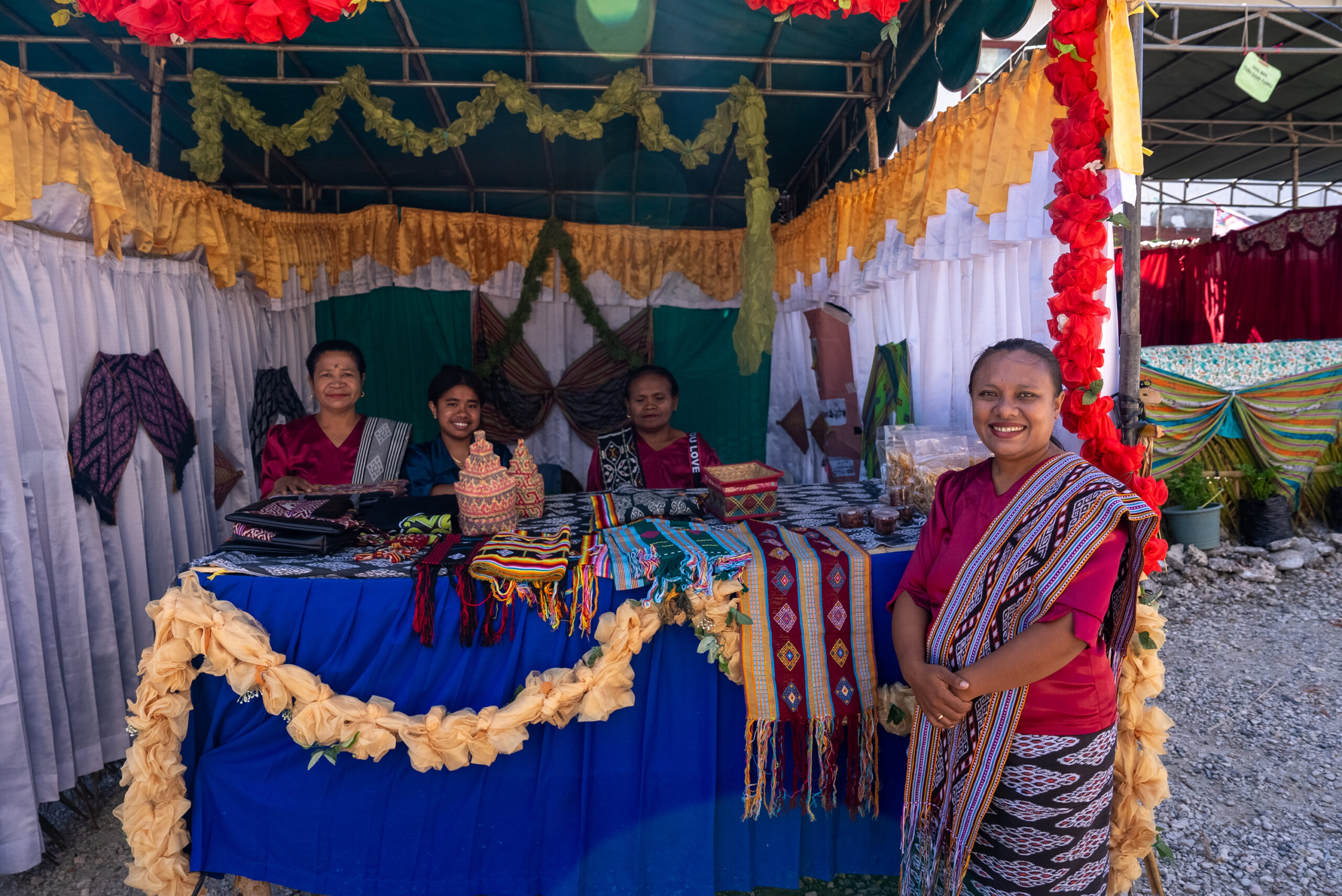
For women in Timor Tengah Selatan, drought and poverty have long shaped daily life. And on 15 September 2026, Tabita joined 712 other women, all dressed in vibrant red attires, at Gereja Jemaat Sonhalan Niki-niki, a congregation of GMIT, to celebrate their graduation from Skol Bife (Women’s Field School).
After 18 months of learning, the graduates are applying their new skills to adapt to climate change, improve their livelihoods and challenge deeply entrenched gender inequality in their communities.
Economic independence and gender equality
The local government’s Women’s Empowerment Agency (DP3A TTS) established women’s empowerment groups in 2018. In 2022, Landscape Alliance, through the Land4Lives project funded by Global Affairs Canada, partnered with GMIT and local authorities to pilot Skol Bife in Desa Neke, a village in Timor Tengah Selatan.
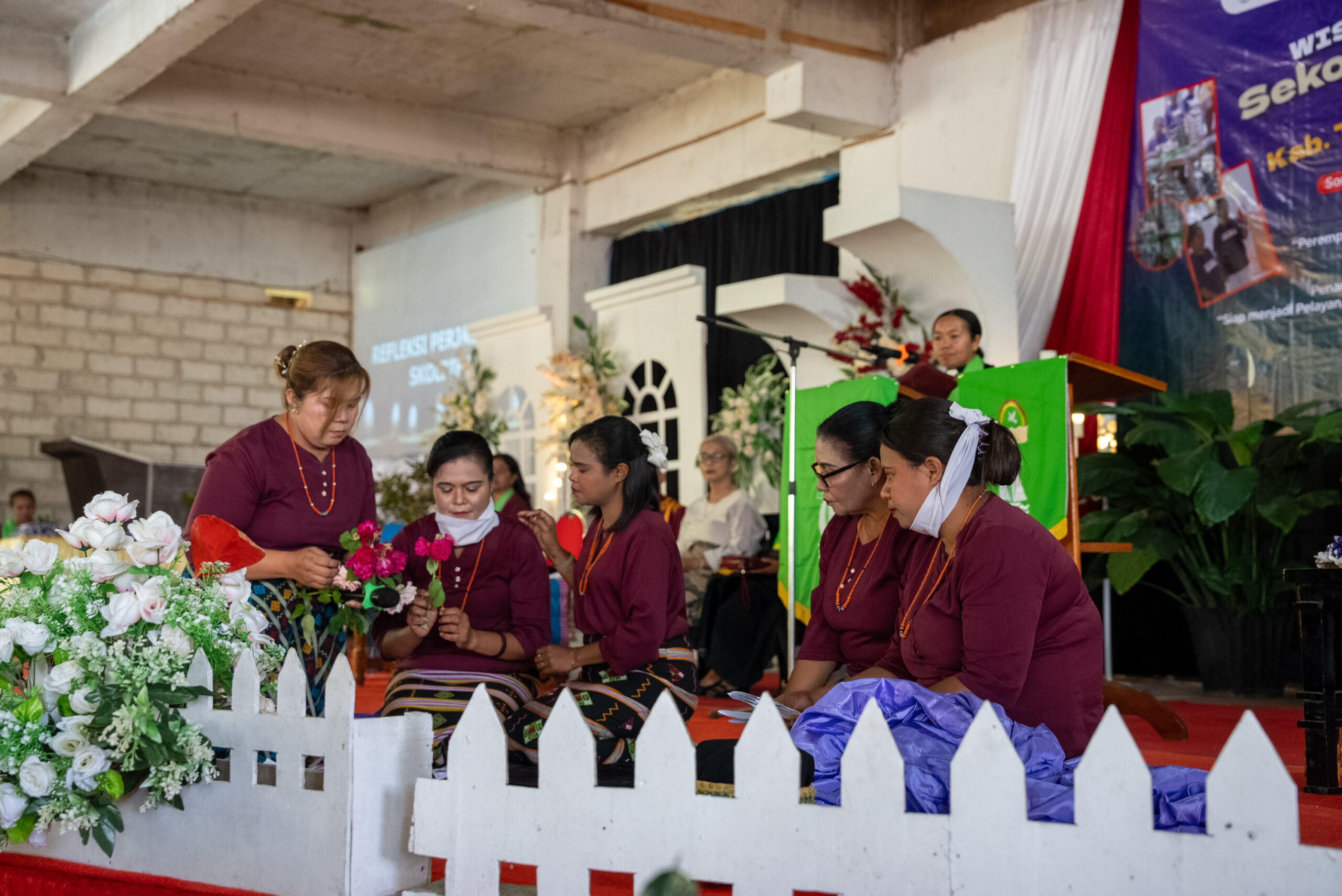
Over an 18-month curriculum, Skol Bife participants completed six practical modules combining basic gender concepts, climate change and sustainable landscape management, climate-smart agriculture, health and stunting prevention, village governance and economic independence.
To address the region’s high stunting rates and climate-driven food scarcity, the training integrated dietary guidelines promoting diverse, nutritious, balanced and safe food. The training also covered health and nutrition during the first 1,000 days of life, from pregnancy through a child’s second birthday.
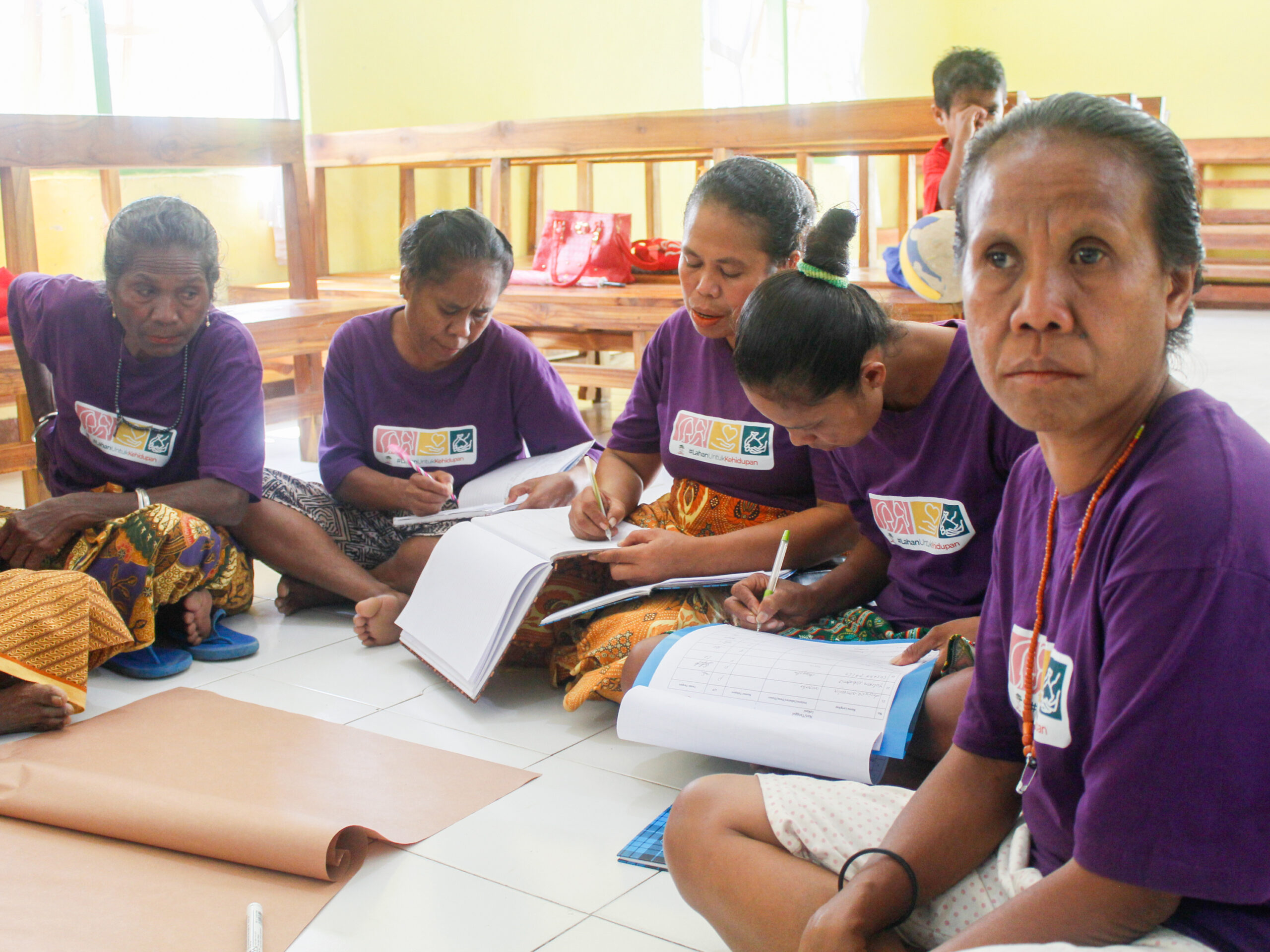
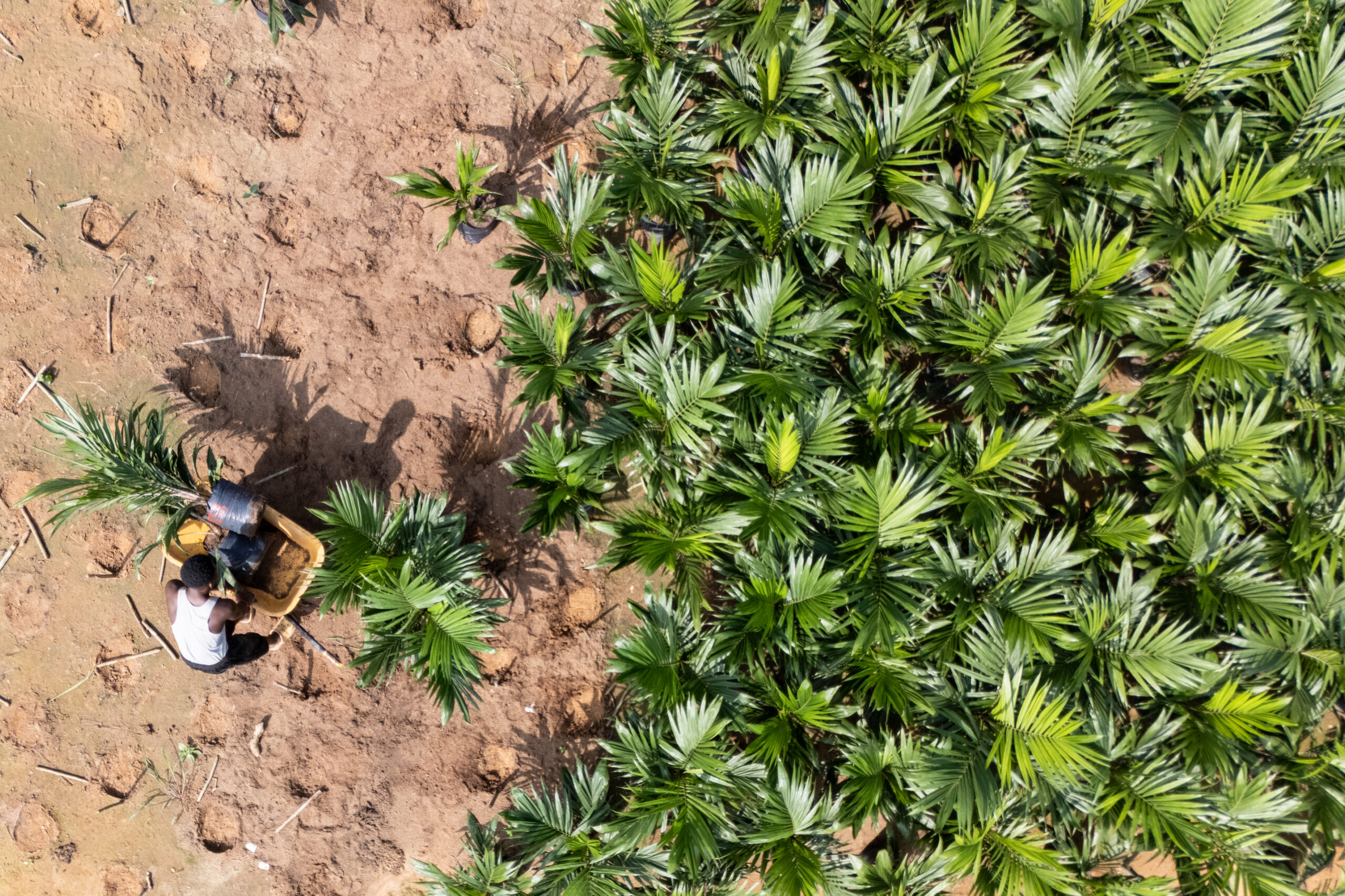
To cope with severe droughts, participants learned adaptive farming techniques, such as constructing polybag kitchen gardens (kebun dapur) using recycled rice-washing water to grow nutritious vegetables without wasting precious drinking supplies. In communal learning gardens (kebun belajar), women adopted drip irrigation and organic composting, helping maintain food supplies even through extended dry spells.
“Before Skol Bife, we only boiled our cassava and bananas, and sold raw coconuts for almost nothing,” Tabita recalled. “Through the school, we learned to process our coconuts into virgin coconut oil (VCO), which we sell in small bottles for Rp 50,000 (US$2.79), increasing our household income.”
The changes have also extended into the home. Initially, local men were sceptical and questioned why learning spaces were reserved exclusively for women. In response, the programme introduced Skol Atoni (Fathers’ School) to engage husbands as active allies. During day-long Skol Bife sessions, husbands gradually took over domestic chores, including cooking, fetching firewood, washing dishes and caring for children.
“At first, there were many questions and pushback,” shared Mega Neolaka, a participant from Skol Bife Hoi, a village in Timor Tengah Selatan. “But over two years, men saw the positive impact; they began supporting us and sharing household responsibilities.” Children also noticed changes at home, observing their mothers adopting gentler, more affectionate parenting methods and replacing shouting and harsh discipline with open dialogue.
A total of 713 participants graduate from the Women’s Field School. Photo by Fajrin Hanafi / Landscape Alliance
Scaling Skol Bife’s impact
Women’s participation in community decisions has grown alongside their economic resilience. Women who once felt too shy to speak in public now take part in village development planning meetings (Musrenbangdes), advocate for health services and take on leadership roles in local government and church councils.
“We have witnessed a profound shift across three dimensions: mindset, daily behaviour and technical skills,” said Aprianus Bennu, head of DP3A TTS. Ratnasari, a gender specialist at Landscape Alliance, said women had moved from silent observers to vocal community leaders. “Local women no longer hesitate to voice their needs in public forums, ensuring that local development plans directly reflect women’s priorities.”
From its pilot in Desa Neke, Skol Bife has expanded to 52 active learning groups across 42 villages in Timor Tengah Selatan. More than 170 volunteer facilitators support the groups and mentor their peers. Although they aren’t paid a regular honorarium, they may receive financial support for transport or meals.
The graduation of 713 women marks a milestone for the programme, but regional leaders see it as the beginning of further work. Local authorities are planning to integrate Skol Bife graduates into the national Ruang Bersama Indonesia community initiative, where they are expected to continue contributing to rural resilience.
Reflecting on the graduates’ achievements, Reverend Seprianus Yoanis Adonis said: “If you want to discuss a problem, talk to a man. But if you want real change, work with women, because a man speaks for himself, while a woman speaks to safeguard her entire family and community.”