

From the animals we eat to the plants we harvest, wild species sustain livelihoods, cultures and communities around the world. But wild species are finite resources, even if renewable. How can we continue to benefit from them without losing the biodiversity we all depend on?
The question of ‘sustainable use’ is taking on renewed importance ahead of the 17th meeting of the Conference of the Parties to the Convention on Biological Diversity (UNCBD COP17), as countries work to operationalize the Kunming-Montreal Global Biodiversity Framework (KMGBF).
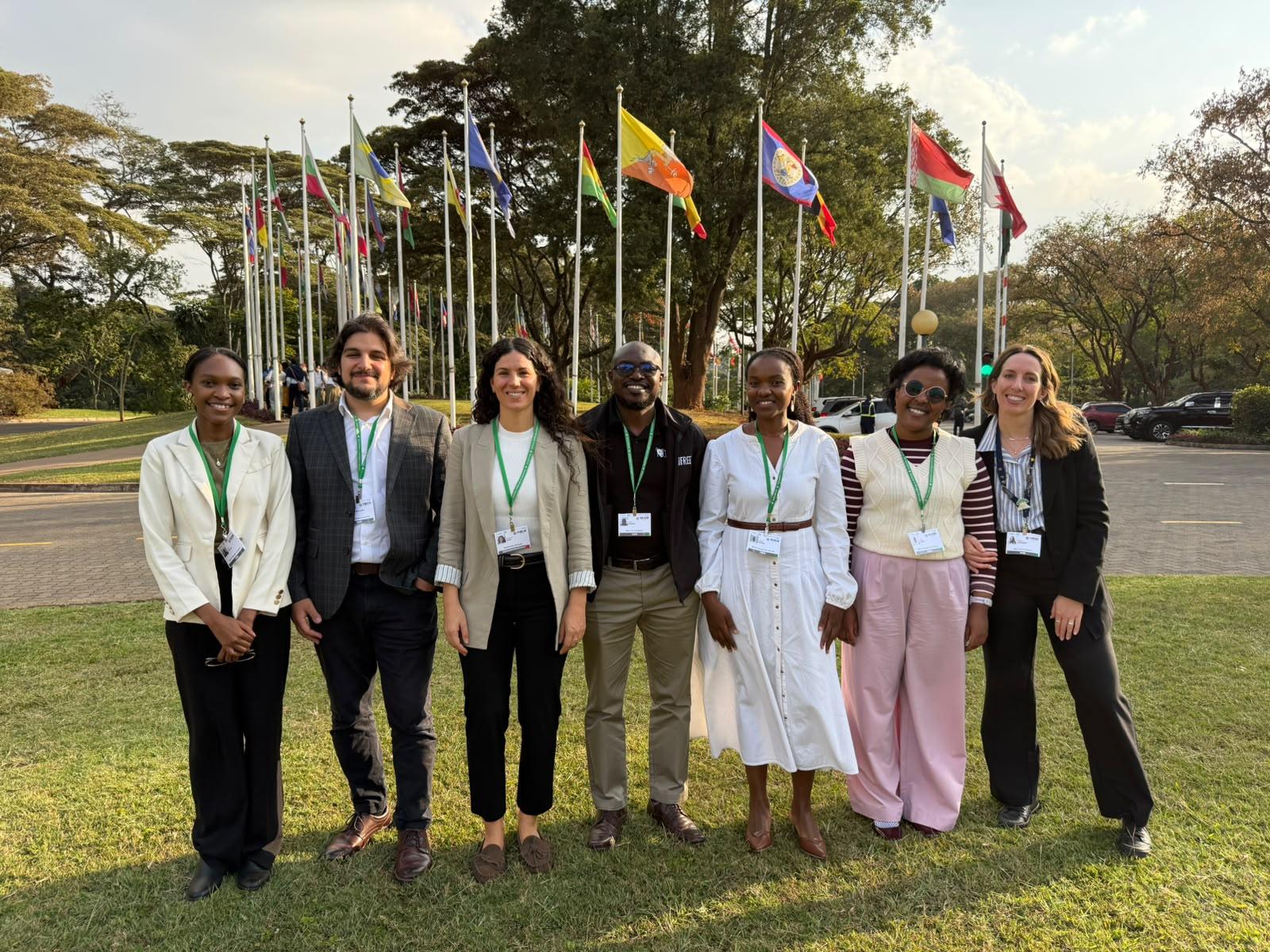
“As scientists, we are working at the CBD COP17 to support negotiators with the evidence they need to design plans and policies that balance human use with conservation,” said Lauren Coad, senior scientist and biodiversity focal point at Landscape Alliance.
The scientists’ work on sustainable use at COP17 will focus on a couple of key priorities: sharing evidence behind the first CBD-wide draft voluntary global guidance on sustainable wildlife management and advocating for standardized indicators to help countries track and report progress towards KMGBF Targets 5 and 9. Together, the evidence can help strengthen the implementation of countries’ National Biodiversity Strategies and Action Plans (NBSAPs), while activating the financing and partnerships needed to put them into practice.

Framing for ‘sustainable use’ at UNCBD COP17: Targets 5 and 9
Article 2 of the Convention on Biological Diversity (CBD) defines ‘sustainable use’ as “the use of components of biological diversity in a way and at a rate that does not lead to the long-term decline of biological diversity, thereby maintaining its potential to meet the needs and aspirations of present and future generations.”
Two KMGBF Targets are especially relevant for sustainable use.
Target 5 focuses on ensuring that the use, harvesting and trade of wild species are sustainable, safe and legal.
Target 9 complements this by emphasizing that sustainable use should continue to benefit people, particularly communities whose livelihoods depend on biodiversity. It also recognizes the customary sustainable use of wild species, including hunting, fishing and harvesting by Indigenous Peoples and local communities (IPLCs).
Achieving these goals together is complex. Overexploitation of wild species is one of the leading causes of biodiversity loss globally, after all. Many scientists, policymakers and civil society groups disagree about whether it is even possible for humans to ‘use’ wild species sustainably. Yet, wild meat remains an important source of food security, nutrition and income for an estimated 150 million households in the Global South. A blanket hunting ban might seem ecologically sustainable under Target 5, but the outcome would likely cause harm to people who most rely on hunting, blocking the successful implementation of Target 9.
“Hunting bans do not often stop people from consuming or trading wild meat,” said Hani Rocha El Bizri, lead coordinator of the Sustainable Use of Wild Species Transformative Partnership Platform (SU-TPP) and scientist with Landscape Alliance COP17 delegation. “But they can drive these practices underground, making it harder for hunters to support themselves and increasing the risks of zoonotic disease transmission from unregulated sources of meat.”
“We support context-specific policies and management frameworks that build trust with those who depend on wild meat for food and income while also conserving healthy wildlife populations for future generations,” El Bizri said.
Implementing global targets and tracking progress nationally
Complicating matters even further, countries have few reporting templates they can use to show progress on sustainable use.
For example, the only accepted indicator for measuring Target 5 focuses on fish stocks, despite the Target covering the much broader “sustainable, safe and legal use” of wild species. At COP17, El Bizri and others will share their work on a complementary indicator for Target 5, designed to help countries assess sustainable use more broadly.
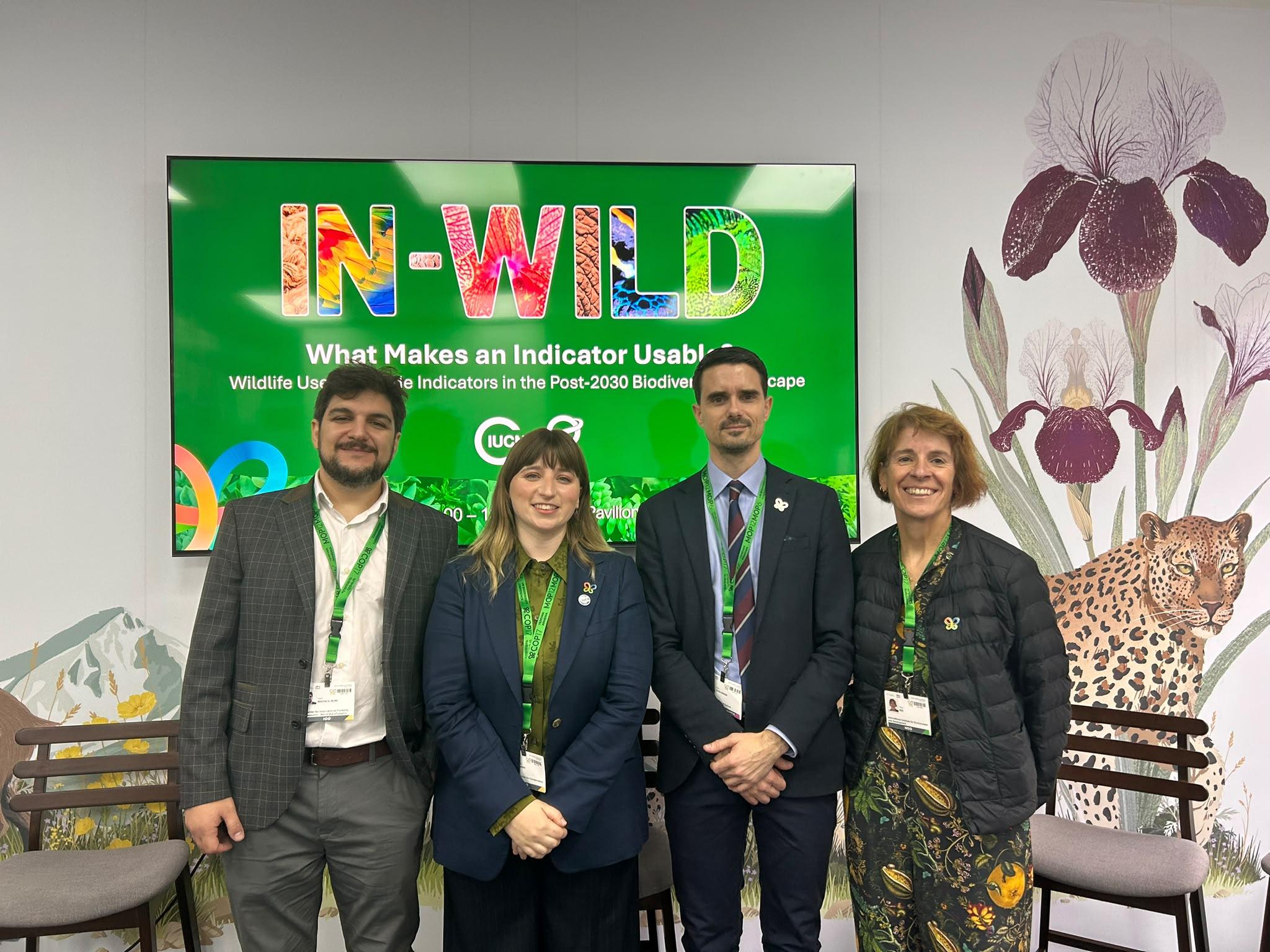
El Bizri will also present reflections on potential indicators for wildlife use in the post-2030 framework, drawing on his work as a member of the Stakeholder Working Group of the IN-WILD project. Led by IUCN, TRAFFIC and the University of Oxford, the initiative develops indicators based on online marketplaces and social media data to generate near-real-time insights into wildlife trade dynamics.
Alongside better ways to measure progress, countries need practical guidance and innovative tools to support implementation. This year, the CBD Secretariat, in collaboration with the Convention on International Trade in Endangered Species of Wild Fauna and Flora (CITES), the Convention on the Conservation of Migratory Species of Wild Animals (CMS) and other key stakeholders, developed a voluntary draft global guidance for sustainable wildlife management. The guidance is expected to be considered for adoption by Parties during the conference. It moves beyond a narrow focus on wild meat or individual species while championing inclusive decision-making, diverse knowledge systems and equitable benefit-sharing.
The Sustainable Wildlife Management (SWM) Programme will also present the Legal Hub, which is designed to help countries strengthen their national legal and policy frameworks for sustainable use and biodiversity conservation.
And the evidence base is growing, too. A recent ‘Special Feature’ in People & Nature highlights howsustainable and equitable wild meat consumption is key to achieving the KMGBF Targets.
Ultimately, it will be up to the Parties to decide how these tools and guidelines shape their approach to sustainable use. With growing scientific evidence, new approaches to monitor progress and stronger partnerships across sectors, COP17 is an opportunity for Parties to move closer toward a future where all species that people use are managed sustainably, equitably and safely.