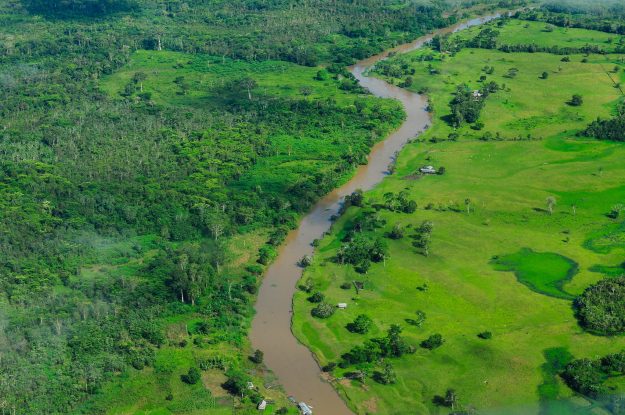





As Indonesia navigates rising demands for food, energy and climate mitigation, a strategic question sits at the centre of national development debates: how can growth continue without converting more natural forests?
A recent perspective published in the Journal of Korean Society of Forest Science offers a clear, compelling and science-based response. The answer, the authors argue, lies not in further forest conversion, but in harnessing and making productive use of degraded, marginal and underutilized lands through integrated food and energy systems that support livelihoods, restore ecological function and store carbon, without compromising forests.
The core challenge: A national trilemma
Indonesia’s policymakers face a familiar but increasingly difficult balancing act. Population growth and economic expansion are driving demand for food and energy, even as the country has committed to ambitious climate targets and a long-standing goal of protecting natural forests.
Conventional approaches to boostingfood and energy production often rely on land expansion, placing pressure on forest landscapes. Such pathways risk undermining biodiversity, carbon stock and long-term resilience, while creating development gains that are difficult to sustain.
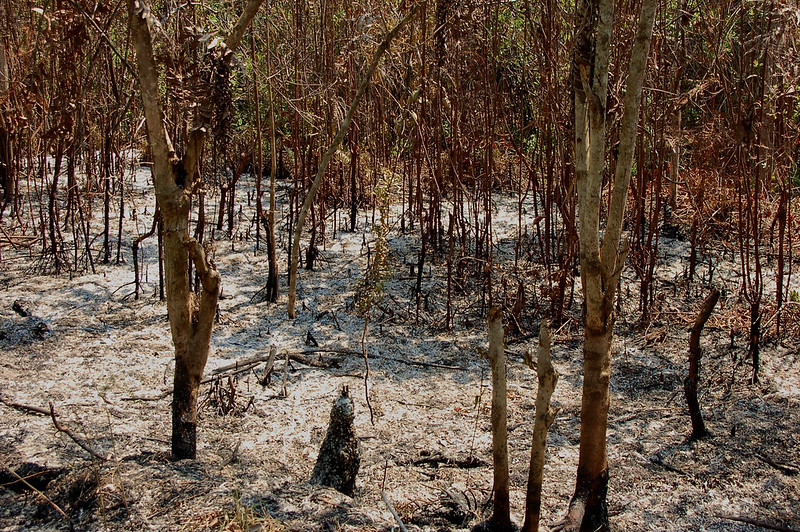
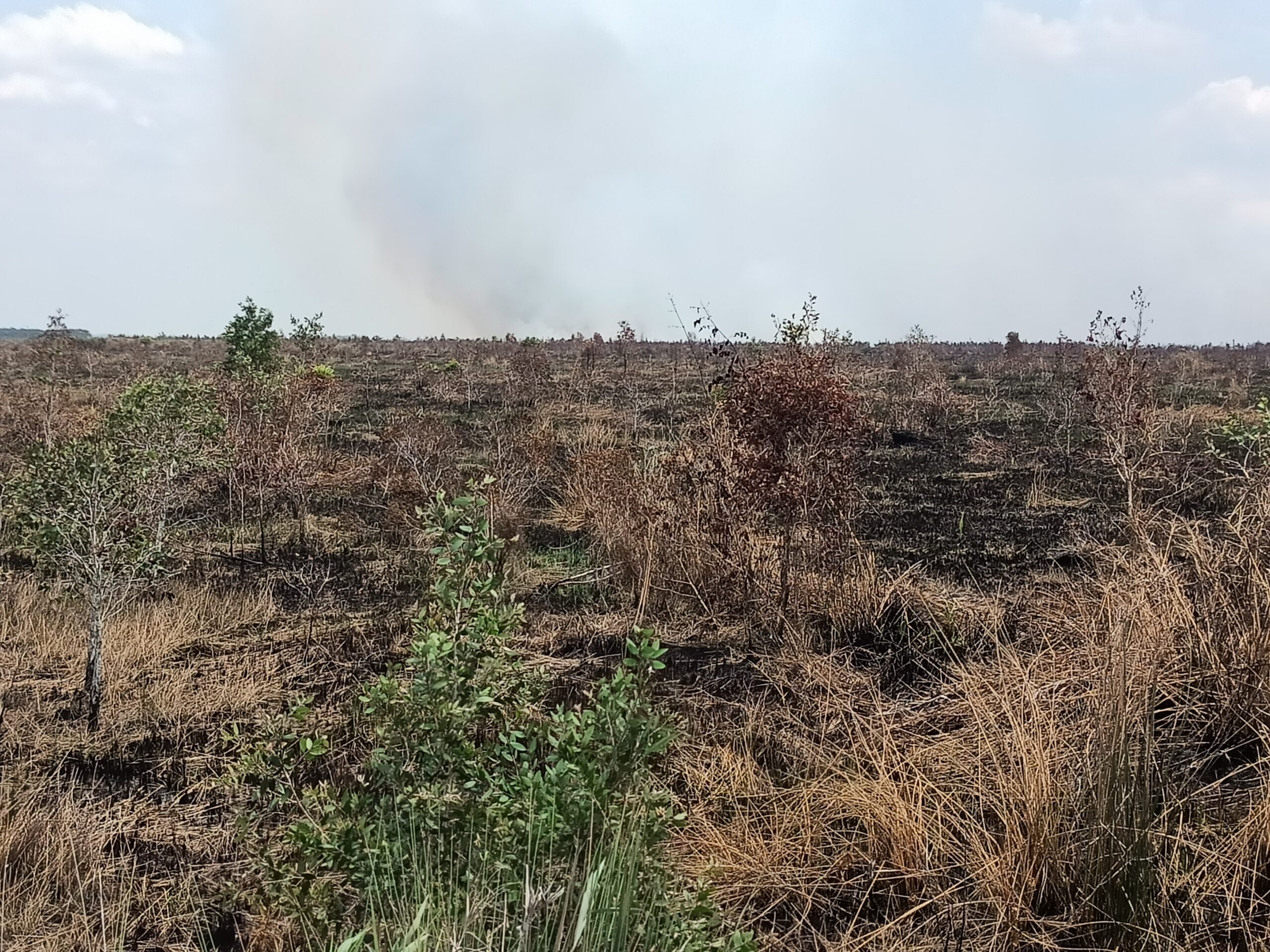
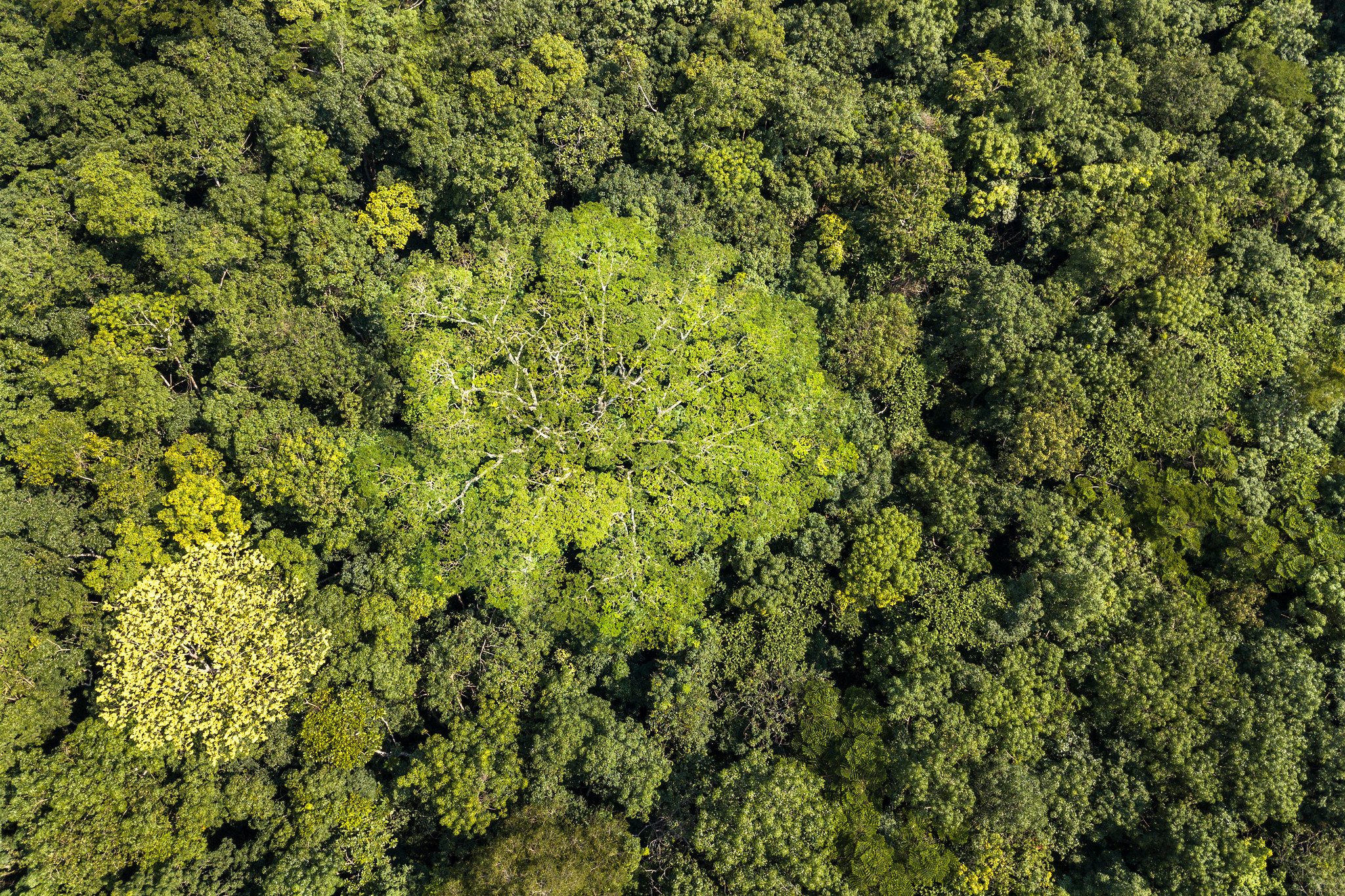
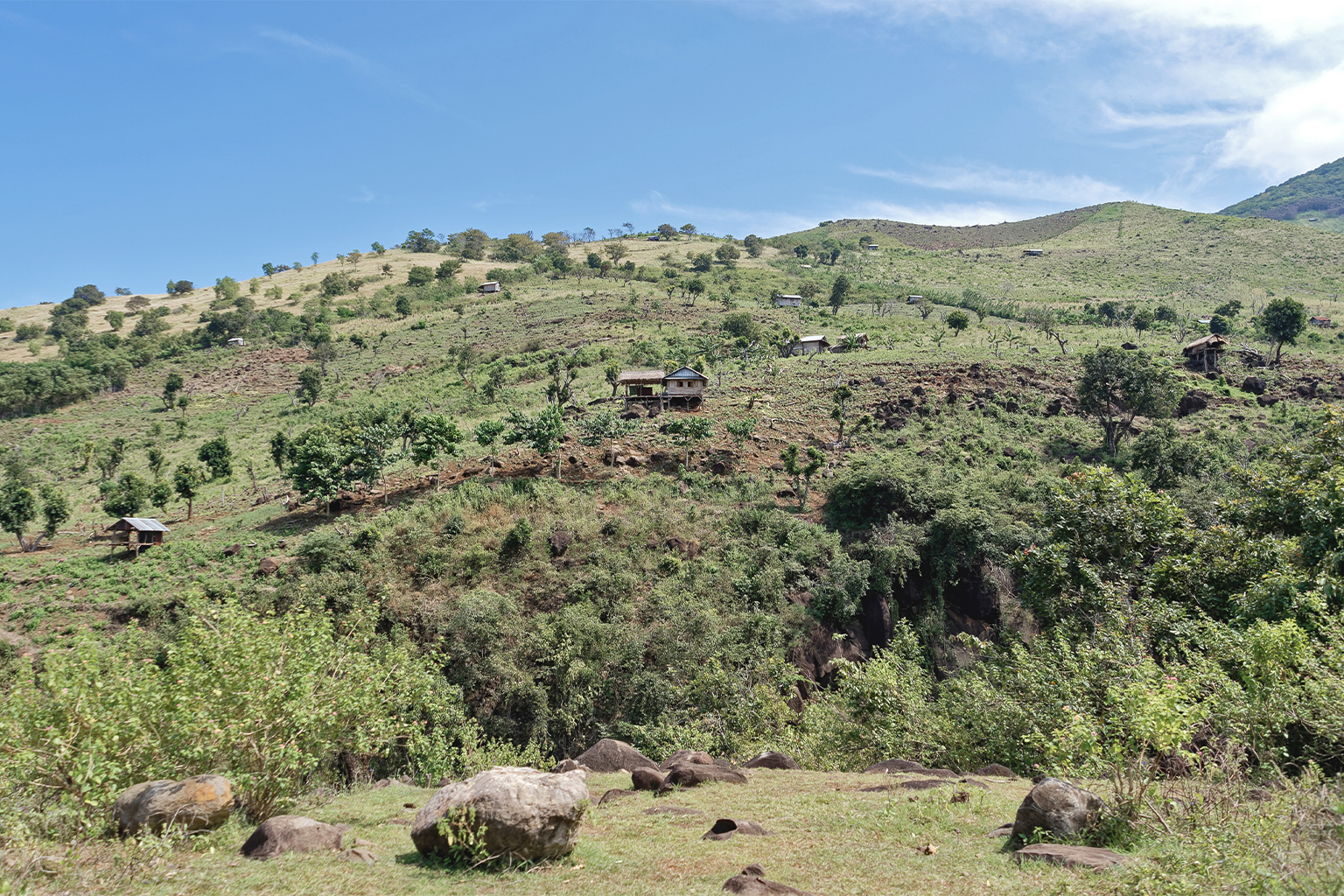
Photo by Robert F. Finlayson / CIFOR-ICRAF
A science-based pathway
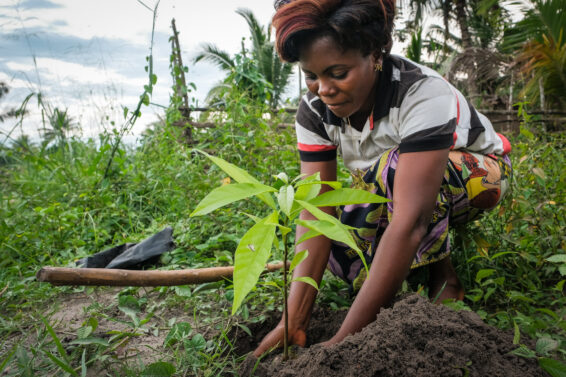
The article by Baral and colleagues, including Robert Nasi, director of science at the Center for International Forestry Research and World Agroforestry (CIFOR-ICRAF), outlines an alternative, science-based pathway that shifts the focus away from forest conversion and toward restoration-oriented, climate-smart, agroforestry and bioenergy systems sited on degraded lands.
These landscapes, already characterized by limited productivity and diminished ecological function, are increasingly recognized as having potential for transformation rather than further loss.
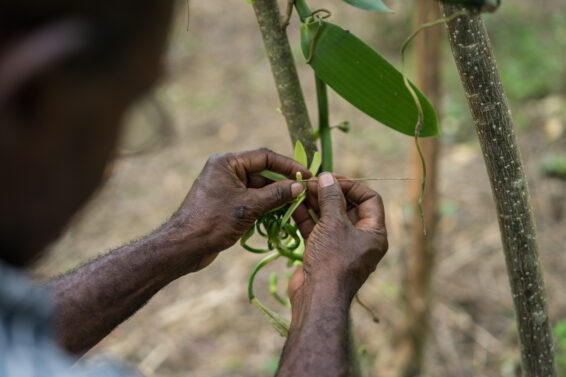
On such lands integrated systems can combine food crops to support nutrition and local markets, bioenergy trees to generate renewable energy and biomass and livestock integrated into agroforestry mosaics.
Together, these combinations can increase land productivity, strengthen rural livelihoods and enhance net carbon sequestration without further forest loss.
Why degraded lands matter
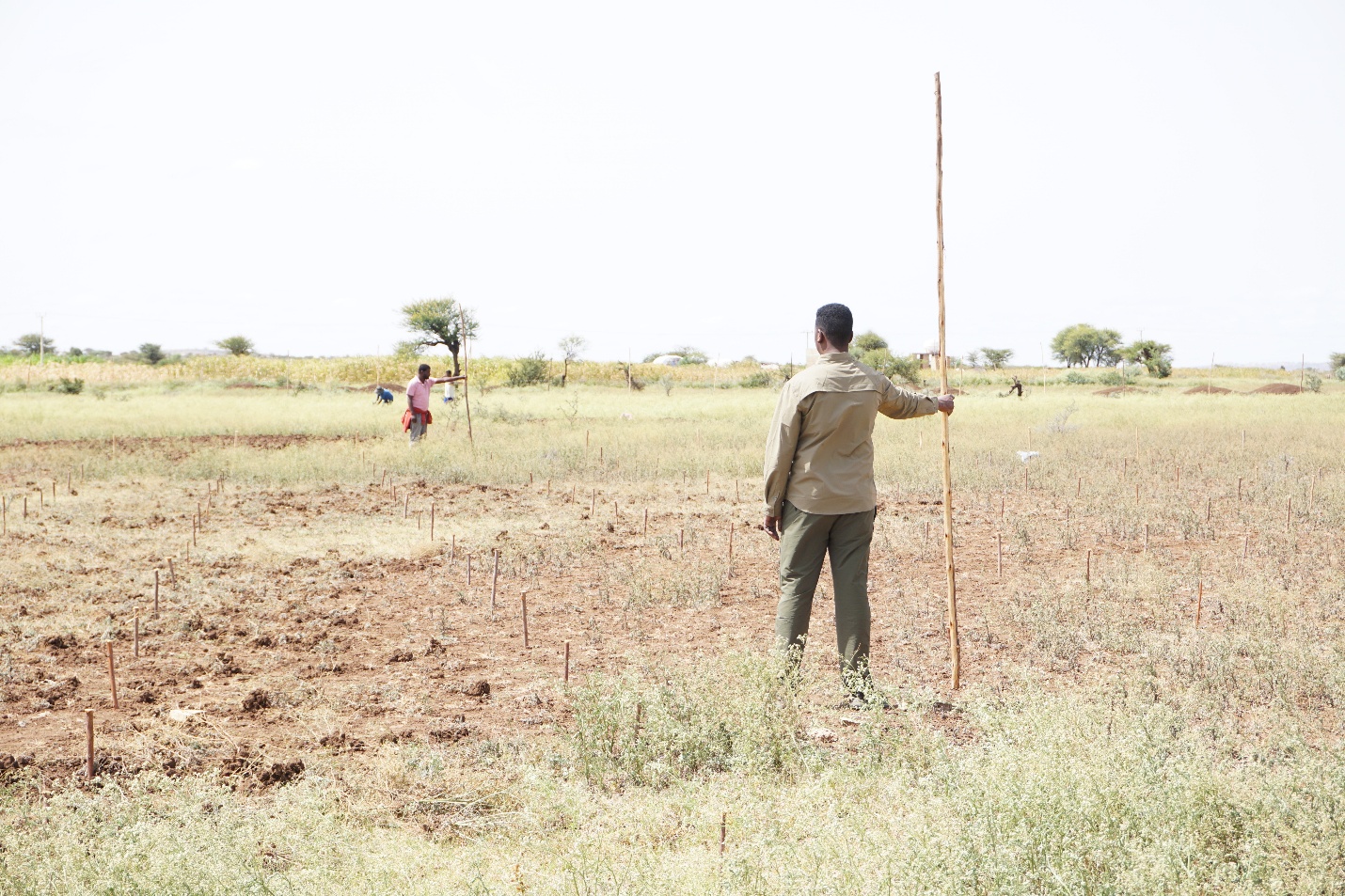
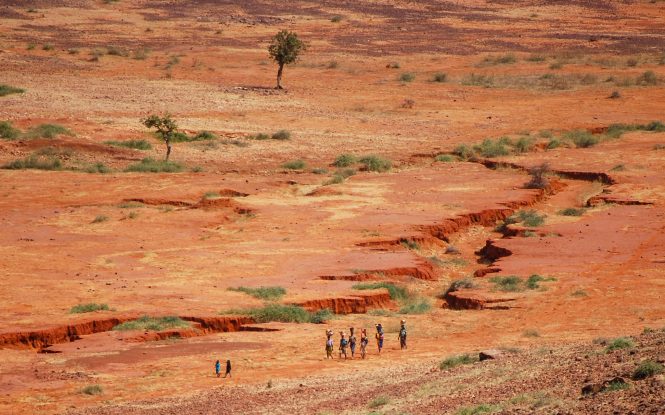
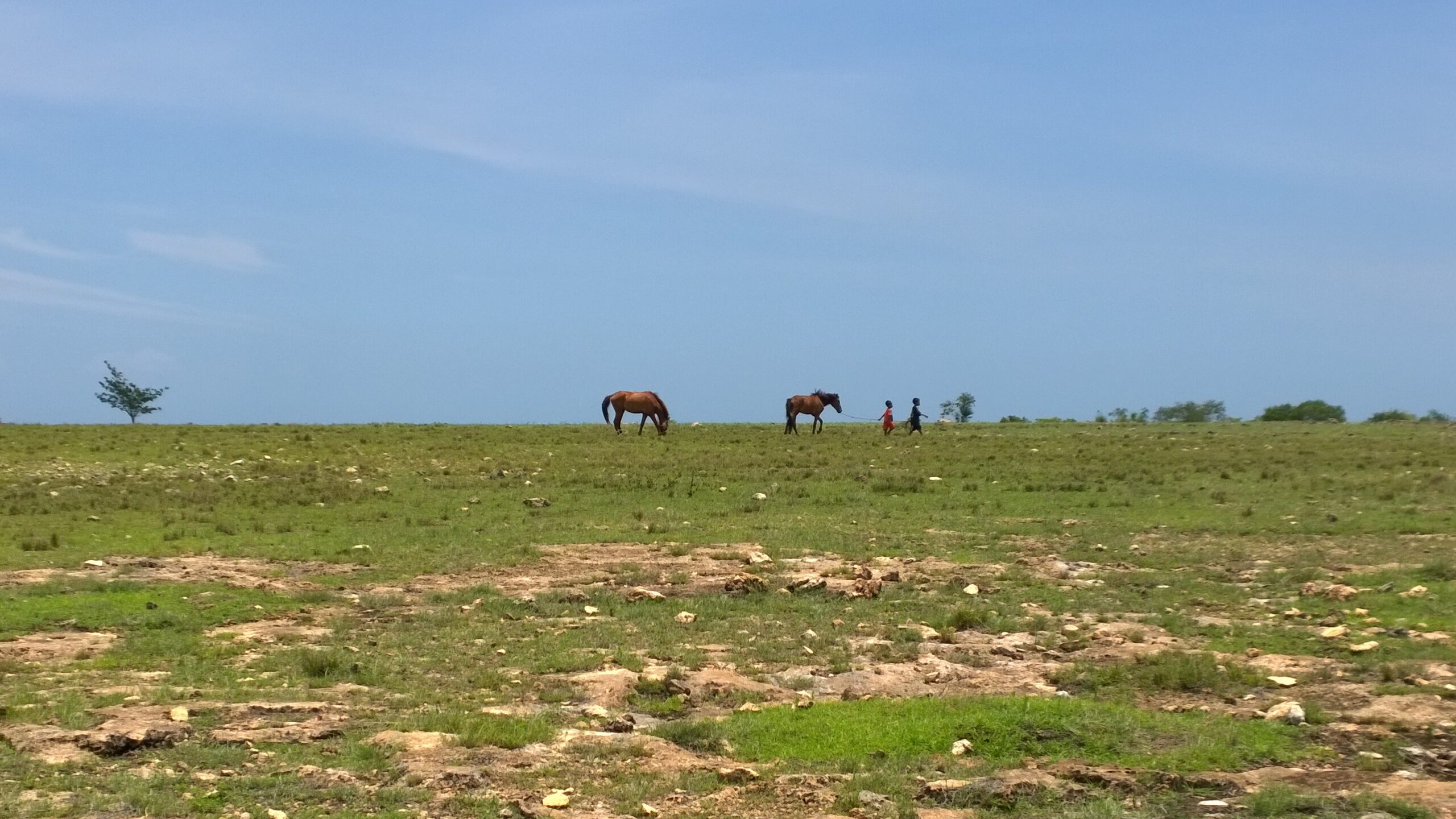
Indonesia has vast areas of degraded, marginal and underutilized lands, including millions of hectares of former agricultural plots, low-productivity forests and soil-impoverished tracts that are unlikely to contribute significantly to food security, carbon or biodiversity goals in their current state.
Redirecting development efforts toward these lands can help decouple economic growth from deforestation, laying the foundation for a forest-positive bioeconomy in which natural forests are conserved and restoration is central.
Multiple benefits, real challenges
Restoration-oriented bioeconomy systems can deliver multiple societal and ecological benefits. They can diversify rural incomes, build renewable energy potential and contribute to carbon sequestration.
They also align with Indonesia’s commitments under the Paris Agreement and national development plans.
However, embedding such pathways at scale requires attention to land tenure and governance clarity, investment in processing and market infrastructure, participatory models that include smallholders and longer-term financing mechanisms that reward restoration outcomes.
These are not trivial challenges, but neither are they insurmountable, especially when framed within coherent landscape-level planning and integrated value-chain strategies.
Policy relevance and next steps
For policymakers and practitioners, the central insight is clear: protecting forests and advancing economic goals are not mutually exclusive. They are interdependent.
By prioritizing degraded lands for multi-purpose land use, Indonesia can pursue a bioeconomy that is productive, equitable and truly forest-positive.
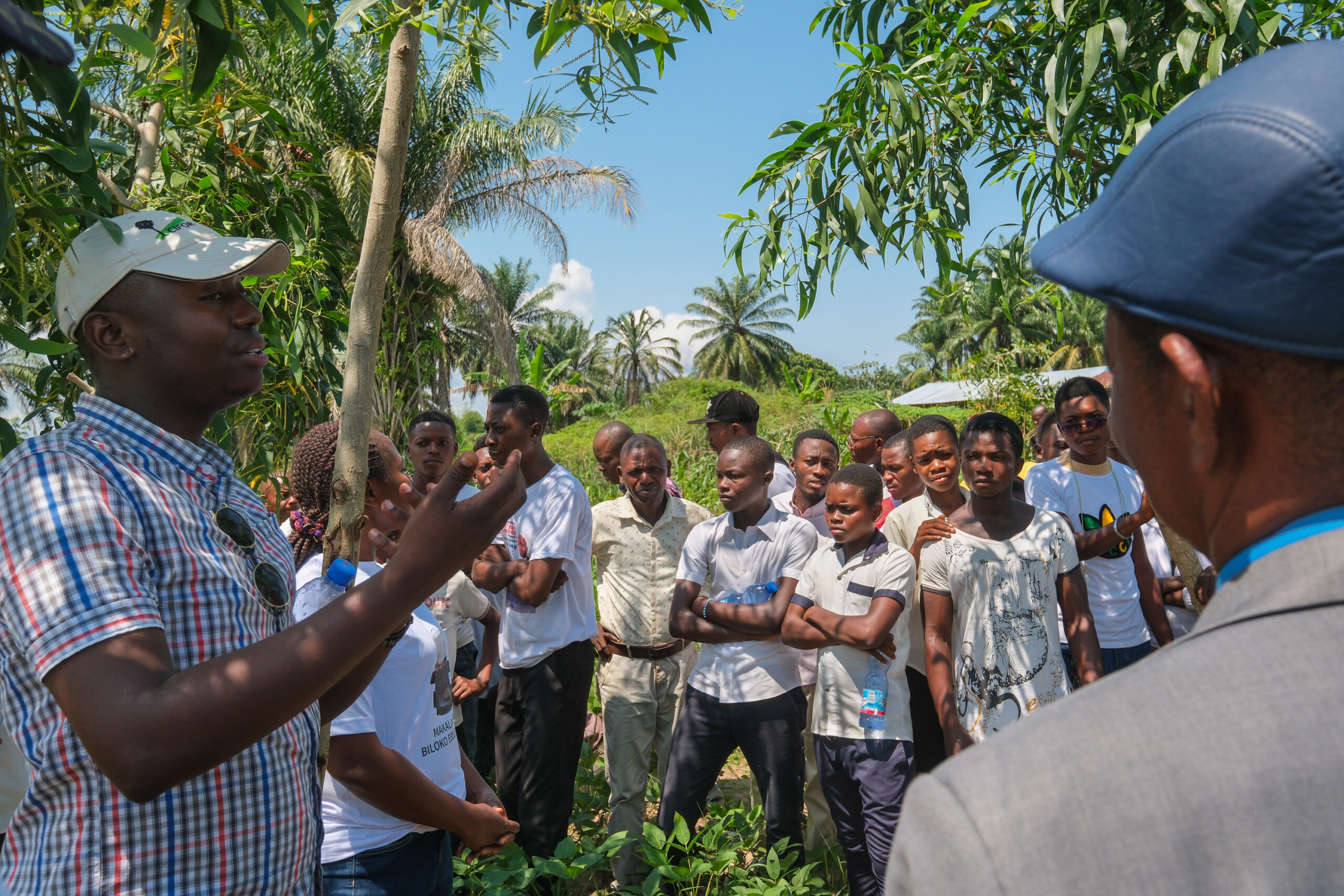
This pathway invites cross-sector collaboration among forestry, agriculture, energy and rural development stakeholders. It also highlights the need for targeted research and pilot implementation that demonstrate how climate-smart agroforestry and bioenergy systems perform under real-world conditions.
As global interest in nature-based solutions intensifies, Indonesia’s experience with degraded land management could become a model for other tropical countries seeking sustainable development without compromising their forest heritage.