

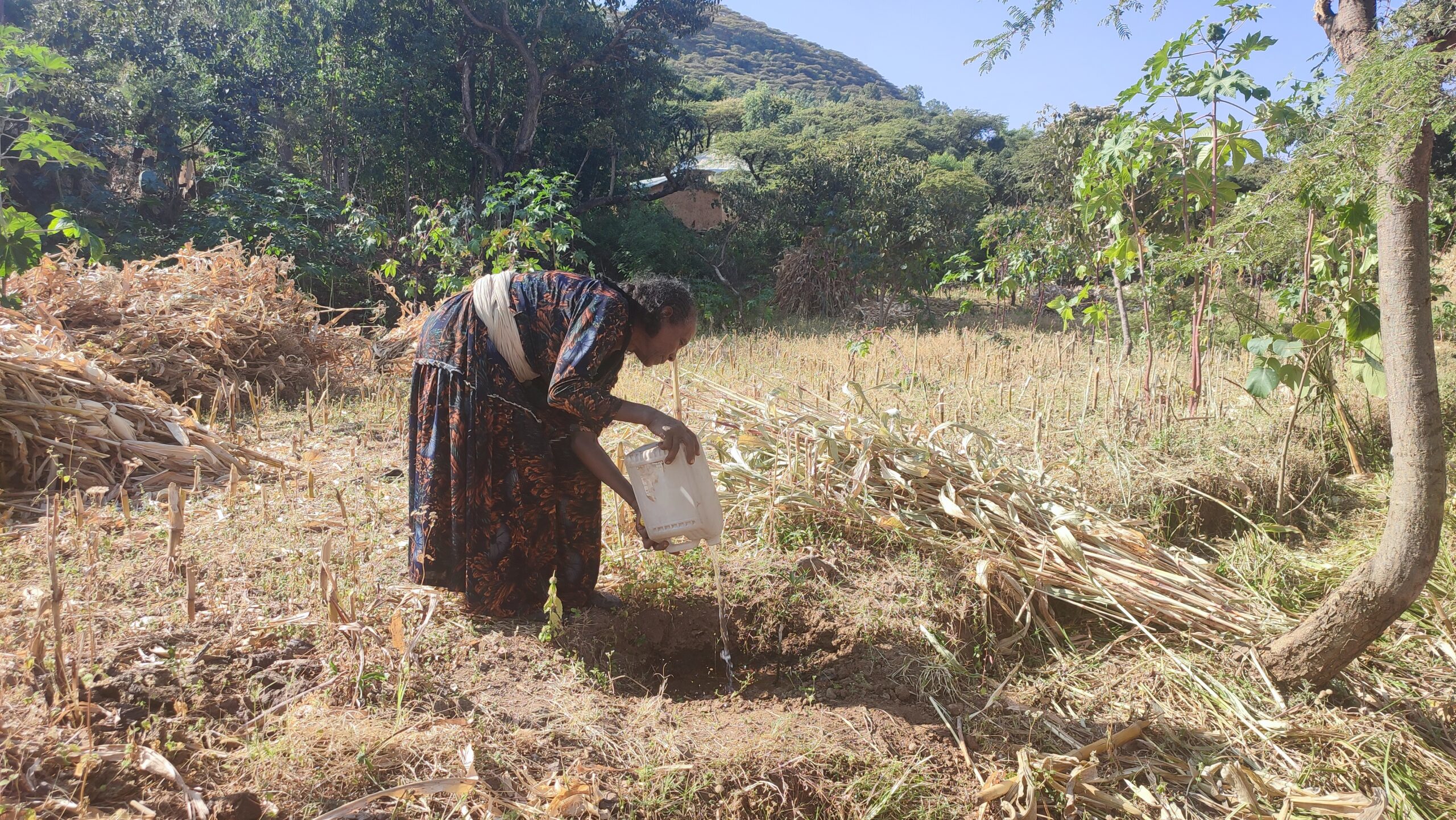
Ethiopia now has a National Agroforestry Development Strategy 2026–2035. Influencing policy is a step and a new strategy is a milestone, but the goal is implementation at scale.
In Part 1 of this series, we showed that agroforestry systems in Gedeo and Tigray deliver different combinations of biodiversity, carbon and restoration benefits. These are the concerns of, respectively, the Convention on Biological Diversity (CBD), the UN Framework Convention on Climate Change (UNFCCC) and the UN Convention to Combat Desertification (UNCCD).
In Gedeo, enset gardens had the highest share of native species. In Tigray, homesteads stored the most carbon, while parklands showed low natural regeneration. One model will not fit everywhere. Technical solutions alone will not deliver these benefits either. Coherent policies, effective governance, recognition of indigenous and local knowledge and sustained investment matter just as much.
From evidence to policy
The Multifunctional Agroforestry for Ethiopia (MAF4E) project, under which this research was carried out, works in Tigray, Gedeo and Oromia. It connects scientific and local knowledge through research, Living Labs and policy engagement. Ecosystem monitoring tools installed in the Living Labs track ecological change and resilience to climate variability over time.
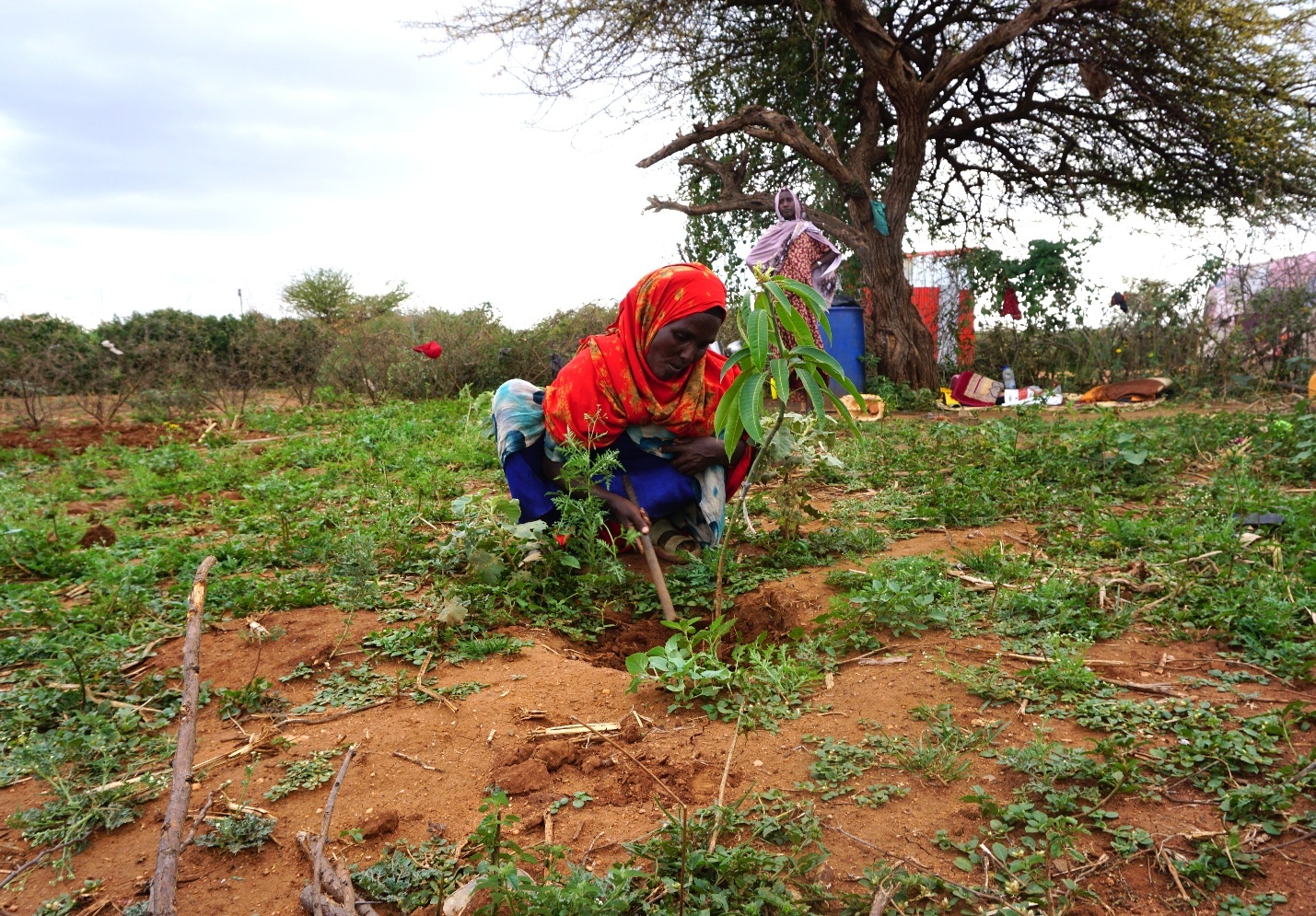
Rural Resource Centres support access to planting materials, practical skills, entrepreneurship and local jobs, particularly for women and youth, while activities such as beekeeping diversify incomes.
Evidence and experience from these processes, alongside wider policy engagement, contributed to the new strategy. The next challenge is translating it into locally appropriate investment and implementation, including through links with national restoration efforts such as the Green Legacy Initiative. That requires clear responsibilities, coordinated planning, incentives and farmer support. Restoration depends on appropriate species, genetic diversity, natural regeneration and long-term stewardship, not on planting targets alone.
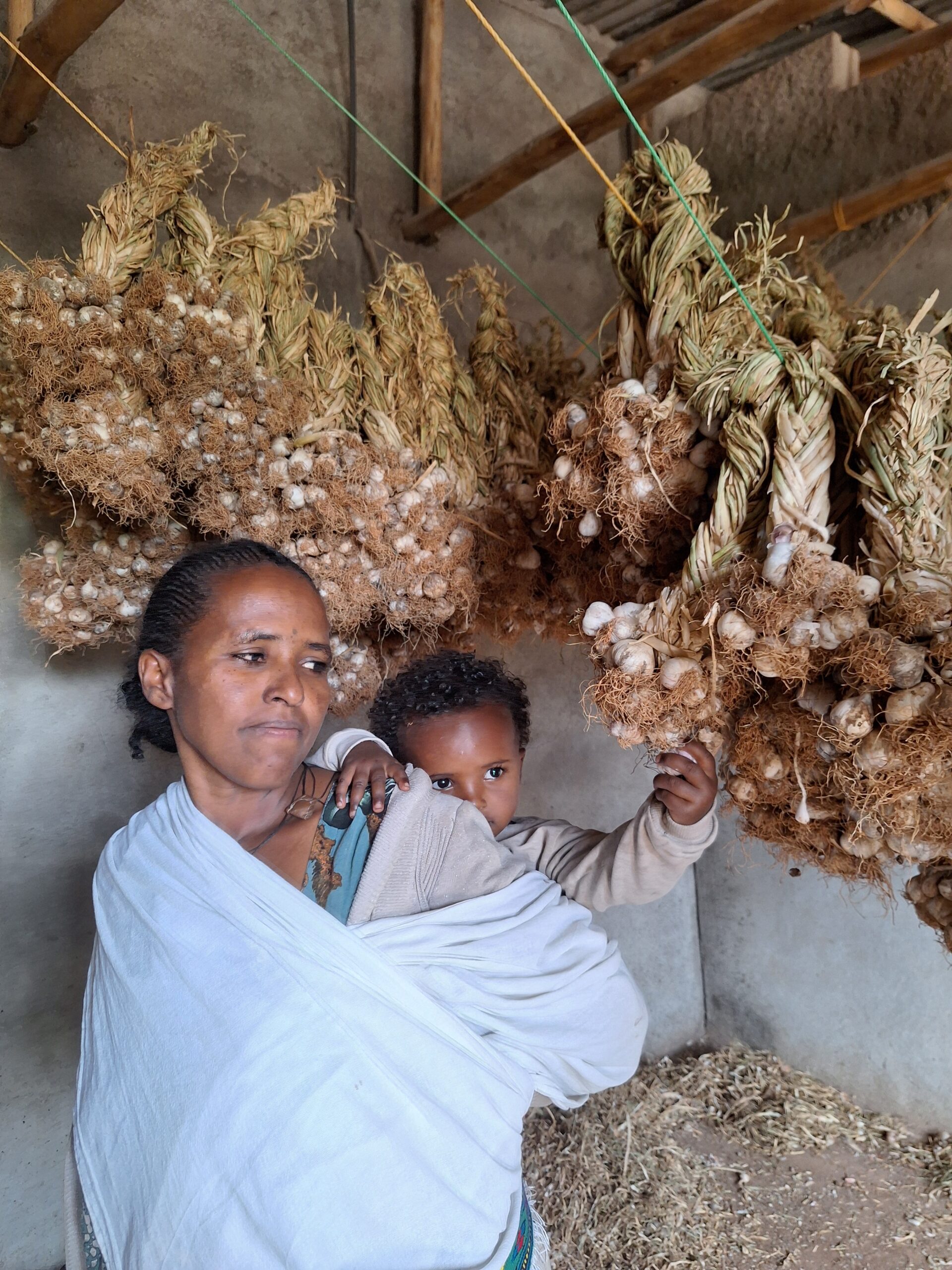
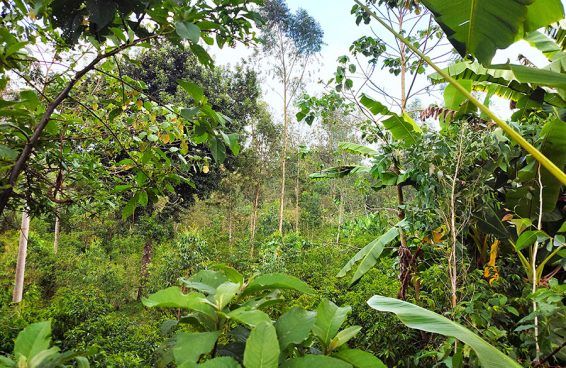
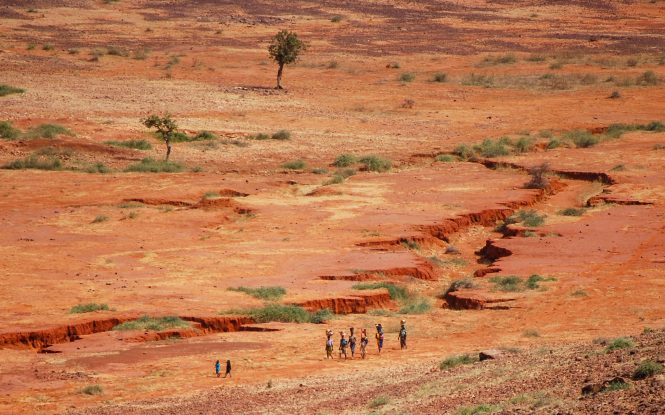
Photo by Aster Gebrekirstos / Landscape Alliance
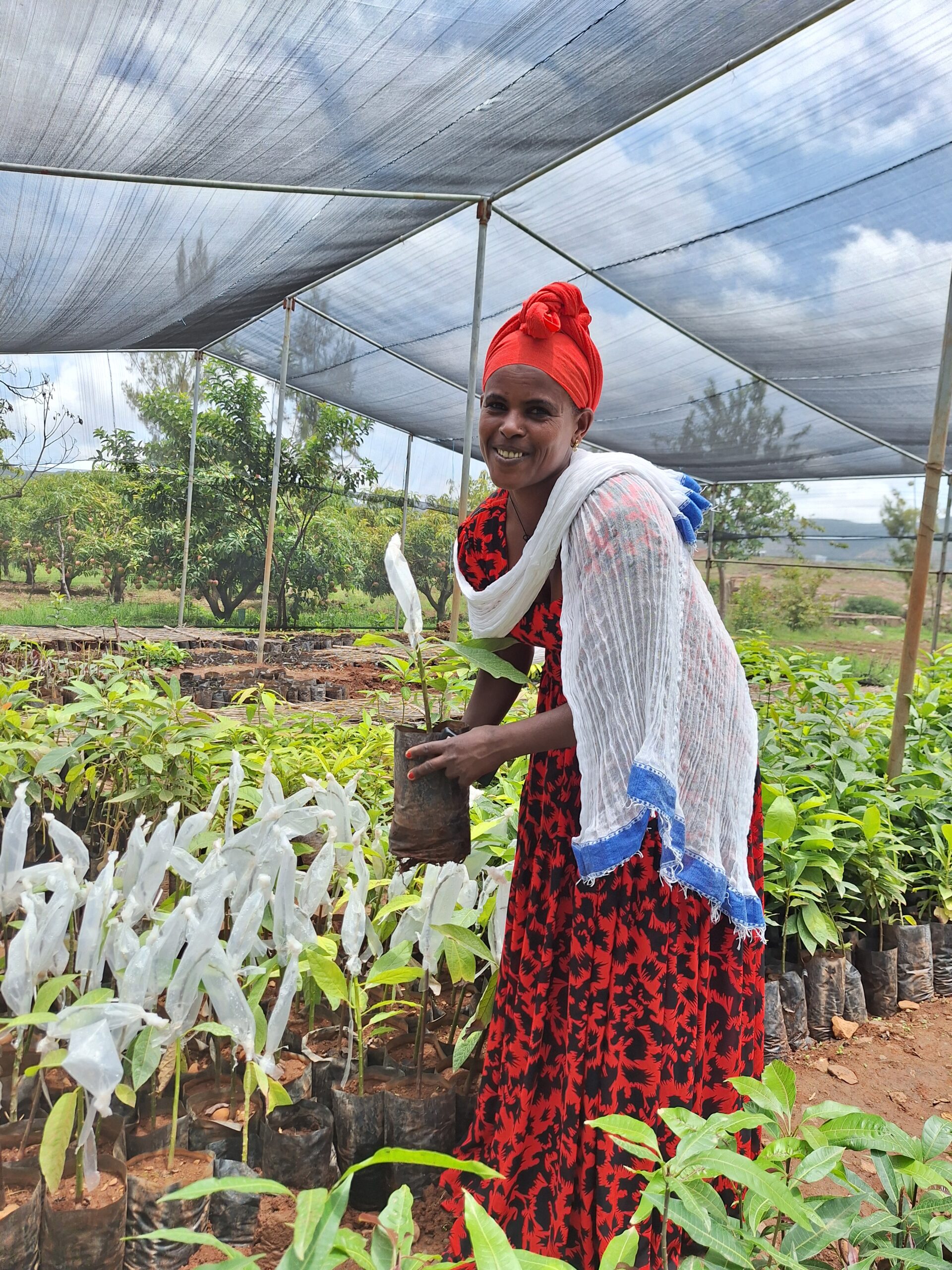
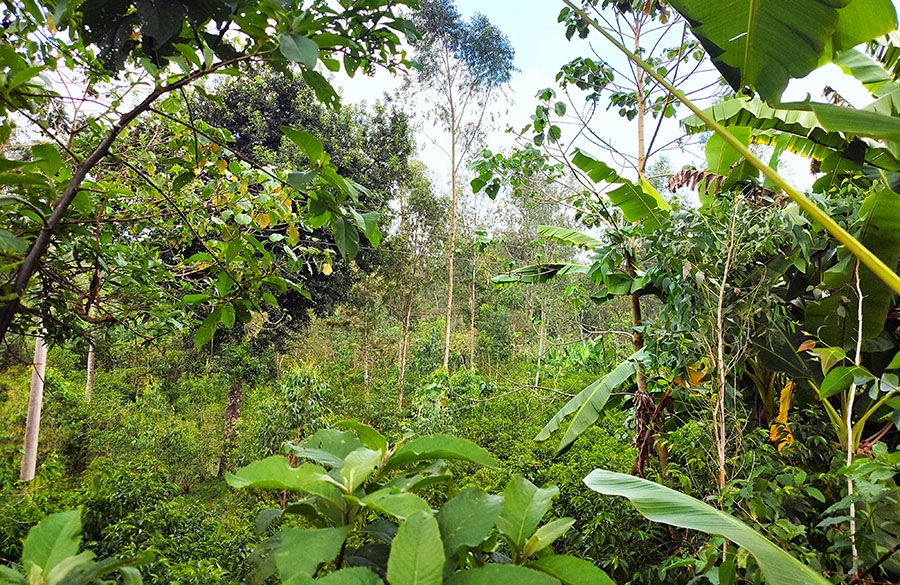
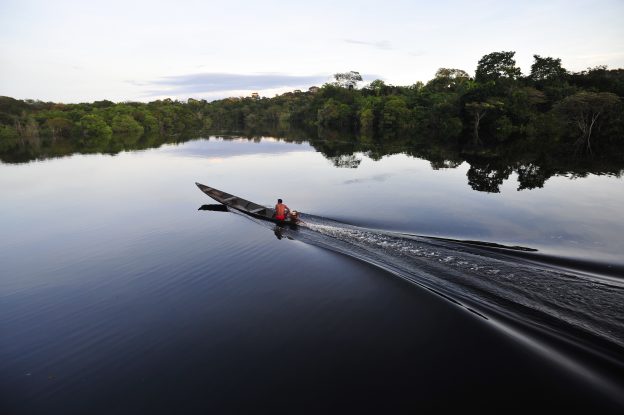
Photo by Aster Gebrekirstos / Landscape Alliance
Governance: Connecting policies, institutions and landscapes
Each convention asks countries for its own plan: nationally determined contributions under the UNFCCC, national biodiversity strategies under the CBD and land degradation neutrality targets under the UNCCD. Delivering them together requires coordination across those three agendas and with agriculture, forestry, land-use planning and rural development. Integrated landscape approaches can bridge these divisions by bringing land users, sectors and levels of government together to set shared priorities, manage trade-offs and coordinate implementation.
Governance must also address the conditions that shape farmers’ decisions. Secure land and tree rights, access to quality planting material and markets, appropriate incentives, equitable benefit-sharing and meaningful participation determine whether agroforestry is adopted and sustained. Participation must influence decisions, not merely validate plans developed elsewhere. In landscapes such as Gedeo, Indigenous and local knowledge should inform policy design alongside science rather than simply being documented or replaced.
National strategies also need practical links to local institutions, extension services and community organisations. Strengthening existing institutions, landscape platforms and partnerships can often achieve more than creating parallel structures. At the continental level, networks such as the African Agroforestry Union can connect experiences across countries, helping farmers, researchers and policymakers learn from one another and bring a stronger collective African voice to global processes.
Financing landscapes, not single outcomes
Policy frameworks create opportunities, but implementation requires finance that reflects the long-term, multifunctional nature of agroforestry and restoration. Public and philanthropic investment in research has generated evidence, built capacity and informed policy. The next challenge is connecting that foundation with the much larger finance needed for implementation.
Here the three-convention problem returns. Agroforestry delivers biodiversity, carbon, soil, water, resilience and livelihood benefits together, yet investment approaches often reward a single outcome, usually carbon. Judged on carbon alone, Tigray’s homesteads would always win over its parklands, and the high share of native species in Gedeo’s enset gardens would not count at all. Integrated landscape approaches can help identify investments that serve several Rio Convention objectives at once while addressing local priorities.

Public budgets, development finance, private investment and climate and biodiversity funds can play complementary roles when coordinated around credible landscape priorities. That means translating policy commitments into investable programmes with clear responsibilities, locally appropriate interventions and credible measures of success. It also means covering the costs of establishing and maintaining systems, accounting for benefits that emerge over years rather than months and reducing the risks farmers face when changing practices.
Finance must also consider who can access funding, who bears the risks and who receives the benefits. Otherwise, investments may bypass smallholders or deepen existing inequalities. The task is to design finance that supports the right practices in the right places, with lasting benefits for people and nature.
Five priorities for Africa
Across Africa, countries have made ambitious pledges under the three conventions, from national climate plans and biodiversity strategies to restoration commitments such as AFR100. Ethiopia’s experience points to five priorities for the governments, financing institutions, development partners and research organisations working to deliver them.
- Align Rio Convention commitments around landscapes.Translate nationally determined contributions, national biodiversity strategies and land degradation neutrality targets into coordinated national and subnational programmes, with shared priorities and monitoring across institutions.
- Support locally appropriate, knowledge-based agroforestry.Build on indigenous agroforestry systems, combining scientific evidence with local knowledge to guide species selection and restoration, and avoid uniform approaches that overlook regeneration, invasive species or food production.
- Turn commitments into investable landscape programmes. Use existing evidence to develop credible investment opportunities across Africa that link national priorities with public, development, climate, biodiversity and private finance.
- Strengthen inclusive governance, rights and regional collaboration.Address land and tree rights, incentives, market access and fair benefit-sharing; make sure communities shape decisions affecting their landscapes; and strengthen regional platforms for knowledge exchange and peer learning.
- Finance long-term outcomes and adaptive scaling.Measure success by biodiversity, natural regeneration, carbon storage, ecosystem resilience, productivity, livelihoods and decent jobs, not only by trees planted or hectares restored. Use long-term ecosystem monitoring, scientific evidence and local knowledge to refine practices, policies and investments over time.
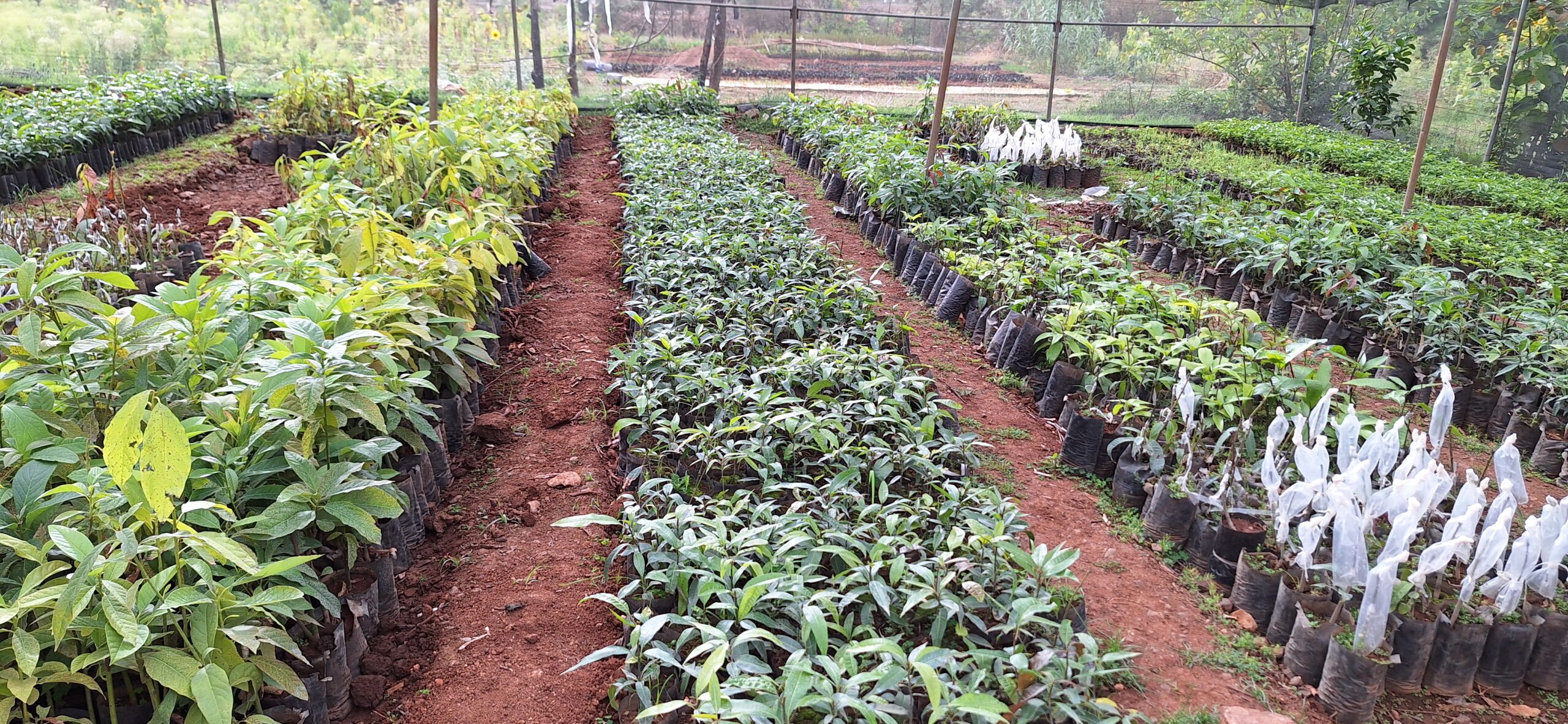
From COP31 to COP32
As COP31 unfolds in Antalya, Ethiopia is preparing to host COP32 in 2027.
Held on African soil, it is a chance for the continent to show how global commitments can become landscape action, with Ethiopia’s experience as one foundation alongside many other African initiatives. The next step is bringing policymakers, funders, development banks, researchers and communities together to identify investment pathways that turn national priorities into sustained, landscape-level action rather than fragmented projects.
The three COPs have different mandates but share one responsibility: healthier landscapes, resilient farming systems, food security, decent jobs and inclusive opportunities for women and youth. Commitments set the direction. Progress will be measured in landscapes, on farms like those in Gedeo and Tigray.
This is the second of two articles. Part 1 sets out the evidence from Gedeo and Tigray.