
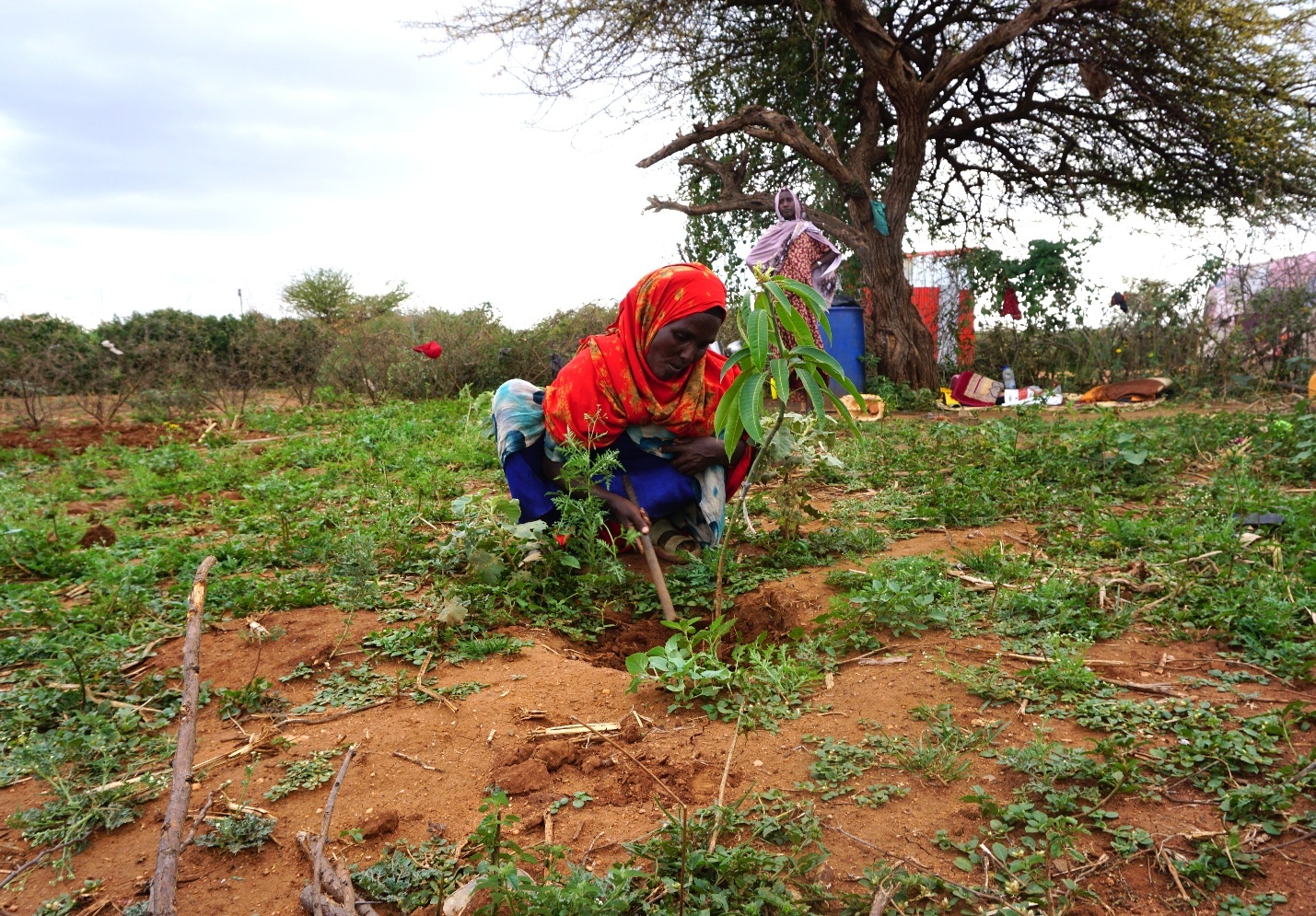
Muluk Muhmed lives in Dhakay, in Gursum District, Somali Region, Ethiopia. She is a semi-pastoralist farmer who maintains gardens in both the front and back yards of her home. Although she had never planted fruit trees before, in July 2026 she planted several after receiving seedlings through the Integrated Climate Smart and Landscape Restoration Practices (ICSLRP) project, implemented by Landscape Alliance with funding from Irish Aid.
“We consume fruits, but I had never planted any fruit tree. People here are very interested in planting fruit trees. I had to give some of the seedlings I received from the project to some of my neighbours,” she said.
Muluk has fenced off the seedlings in her front yard with twigs to protect them from livestock browsing and trampling. The fence also provides some protection from the scorching sun.
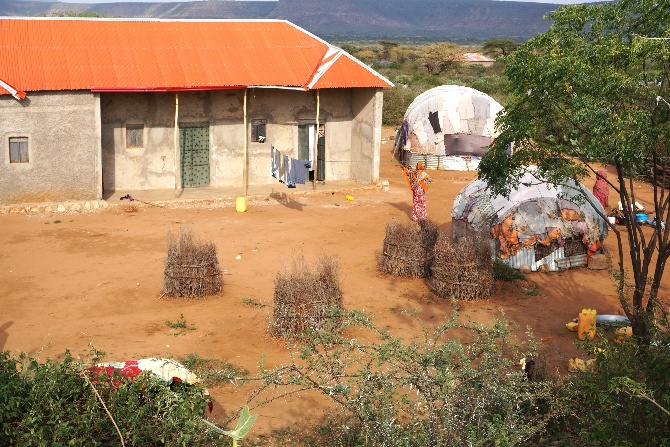
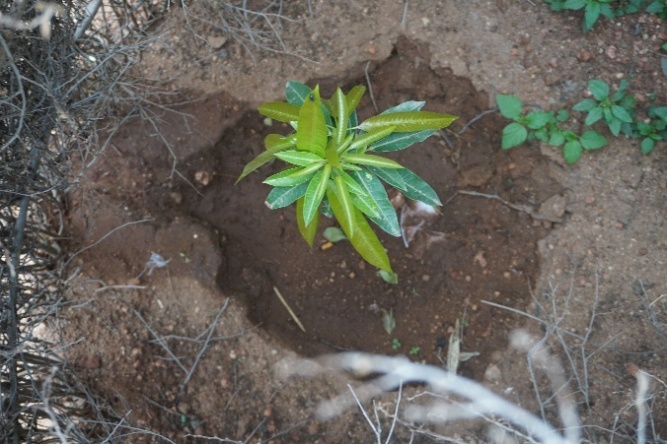
Photo by Eyob Getahun / Landscape Alliance.
Jemal Ali Mohammed, chairperson of Dhakay kebele, the lowest level of local government administration, said demand for fruit tree seedlings extends beyond the households selected to participate in the project.
“We distributed fruit tree seedlings to 50 households in our kebele, but more than 50 households have planted them. Some neighbours received seedlings from the 50 selected households. People here know about fruit trees. Lemon and papaya already grow in our area. There is high demand for more fruit tree seedlings,” he said.
The project aims to strengthen resilience by diversifying household livelihoods, improving incomes, restoring degraded land and empowering women. With continued support from Irish Aid, Landscape Alliance has implemented a similar project in Tigray (Integrated Climate Smart Livelihoods Improvement Program in Tigray) for more than a decade. Activities in Somali Region began in July 2026.
Building resilience in a drought-prone region
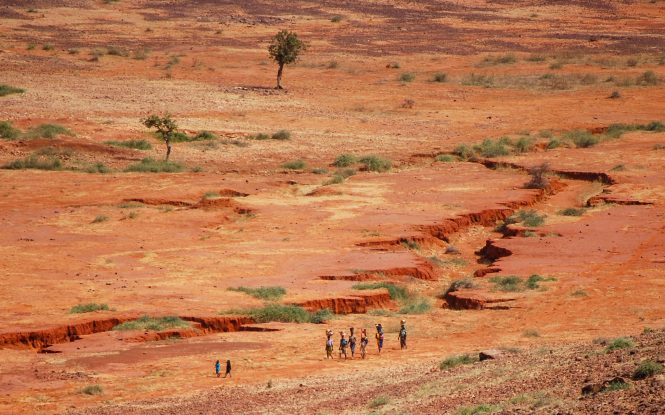
Somali Region is one of Ethiopia’s dryland regions. About 70 per cent of its population are pastoralists, while 18 per cent are agro-pastoralists. The remaining 12 per cent engage in other activities.
Pastoralist and agro-pastoralist livelihoods are highly vulnerable to recurrent and unpredictable droughts. According to Mulugeta Mokria, a scientist at Landscape Alliance’s Ethiopia office, droughts have become more frequent over recent decades. Based on observations dating back to the 1990s, he said droughts that previously occurred every eight to 10 years now occur every two to three years.
The proportion of the region’s population relying on relief assistance also rose from 22 per cent in 2012 to 56 per cent in 2022, he said.
“There is a need for a strategic shift from responding to shocks to building resilience,” Mokria said.
Pastoralists in the region depend exclusively on livestock rearing and follow a nomadic way of life, moving with their herds. Agro-pastoralists, by contrast, combine livestock rearing with farming and live in settled communities. The ICSLRP project therefore works with agro-pastoralist households in Gursum and Shebele districts, in Fafan Zone of Somali Region.
In Gursum, activities take place in Halahago and Dhakay kebeles. In Shebele, the project operates in Hadow and Aroaseka kebeles. The project works directly with 50 farming households in each kebele, benefiting 200 households in total.
The four kebeles were selected based on several criteria, including water availability, community commitment to controlled grazing, experience with agroforestry and home gardening and the motivation of local agro-pastoralist communities.
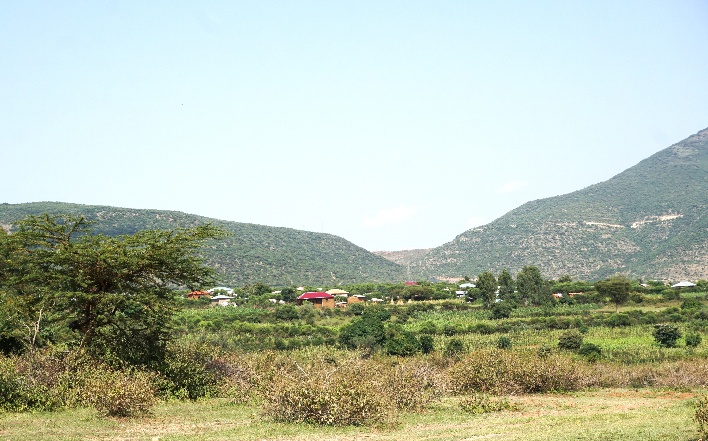
Photo by Eyob Getahun / Landscape Alliance.
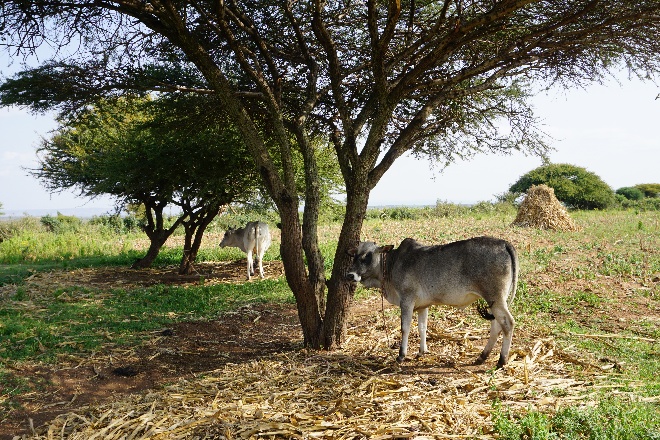
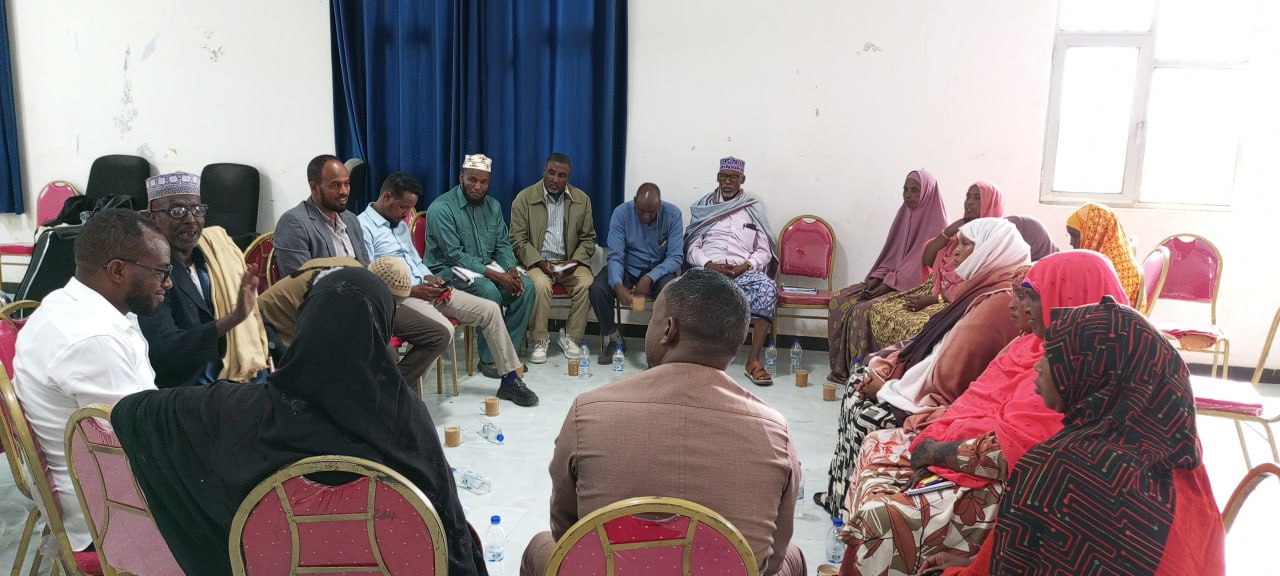
Before selecting participating households, the project team held consultations with farmers and local leaders to understand their needs, priorities and interests. The meetings also provided an opportunity to discuss the benefits of agroforestry trees and forage plants and how they could contribute to more productive and resilient farming systems.
Diversifying crops and household livelihoods
Participating agro-pastoralist households received a variety of fruit trees and perennial crops, including avocado, mango, banana, guava, papaya, Arabica coffee and lemon. These crops offer opportunities to diversify farms, improve food and nutrition security and strengthen household livelihoods.
The crops were selected for their suitability to local conditions, early fruiting and maturity, multiple uses and alignment with farmers’ existing interests and priorities.
The project also introduced cassava, a drought-tolerant root crop, along with forage plants including Guatemala grass and pigeon pea. These plants were selected for their drought tolerance, palatability and nutritional value for ruminants, as well as their ability to regrow and improve soil fertility.
According to Hadia Seid, a Landscape Alliance Ethiopia scientist working on the ICSLRP project, the number of fruit tree seedlings distributed in each kebele was determined by local agroecological conditions and existing planting practices.
Each household also received 25 cassava cuttings and 25 root splits for Guatemala grass and pigeon pea. In total, 3,900 fruit tree seedlings were distributed to the 200 households.
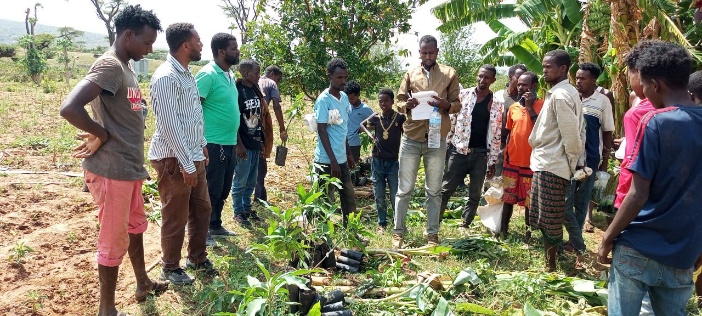
Photo by Mulugeta Mokria / Landscape Alliance.
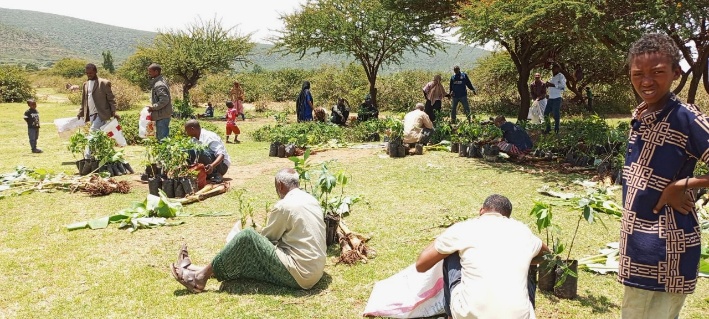
Photo by Mulugeta Mokria / Landscape Alliance.
A new phase of collaboration
On 19 August 2026, stakeholders gathered in Jigjiga for a workshop to officially launch the project.
Muhyadin Abdi, head of the Somali Regional State Environmental Protection and Rural Land Administration Bureau (EPRLAB), said the project was expected to address the challenges posed by climate change, land degradation and declining livelihood security in the region.
Fergal Ryan, deputy head of mission and head of development at the Embassy of Ireland in Ethiopia, said the project would help strengthen the livelihoods and resilience of communities facing climate shocks and related challenges.
“The Government of Ireland has many years of experience working with Landscape Alliance in Tigray. Together, we have achieved a lot by promoting climate-smart agroforestry practices, improving livelihoods and sustaining ecosystems. Building on the success of our investments in Tigray Region, we want to expand our work in Somali Region, working closely with all stakeholders to address new challenges,” he said.
Fergal added that no single organisation could address these challenges alone. Success would depend on collaboration among regional government, local partners, communities, implementing organisations and donors.
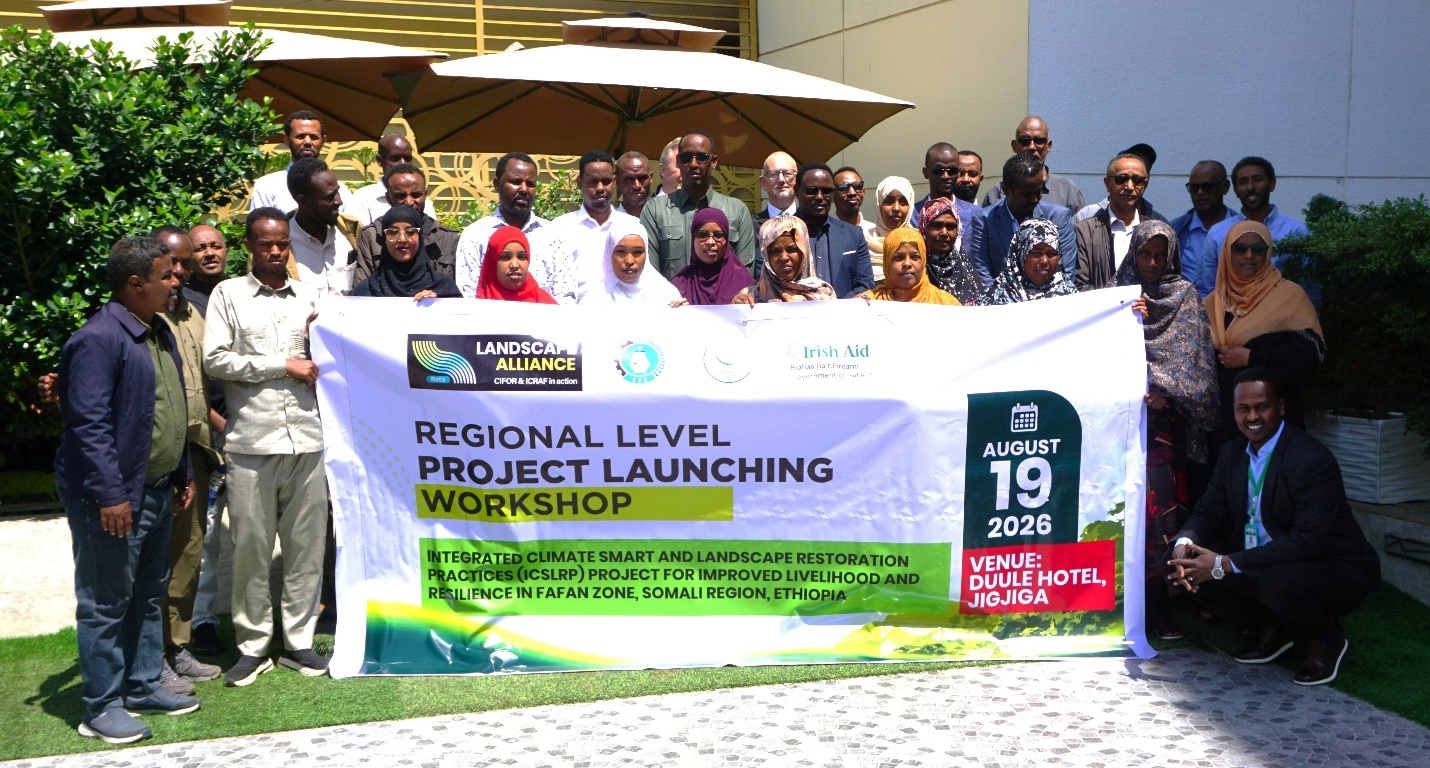
Photo by Eyob Getahun / Landscape Alliance.
Niguse Hagazi, country director of Landscape Alliance Ethiopia, said the project marked a new phase of collaboration between the Government of Ireland and Landscape Alliance Ethiopia.
“We have been working with Irish Aid in Tigray for many years. Its support has significantly changed the lives of many farmers and helped restore the landscape in Tigray. We are extremely grateful for their continued support,” he said.
Hagazi said the project offered an opportunity to build on the work undertaken in Tigray while adapting restoration practices to the specific challenges and experiences of communities in Somali Region.
The project began activities in July 2026, one month before the official launch workshop, to take advantage of the planting season.