
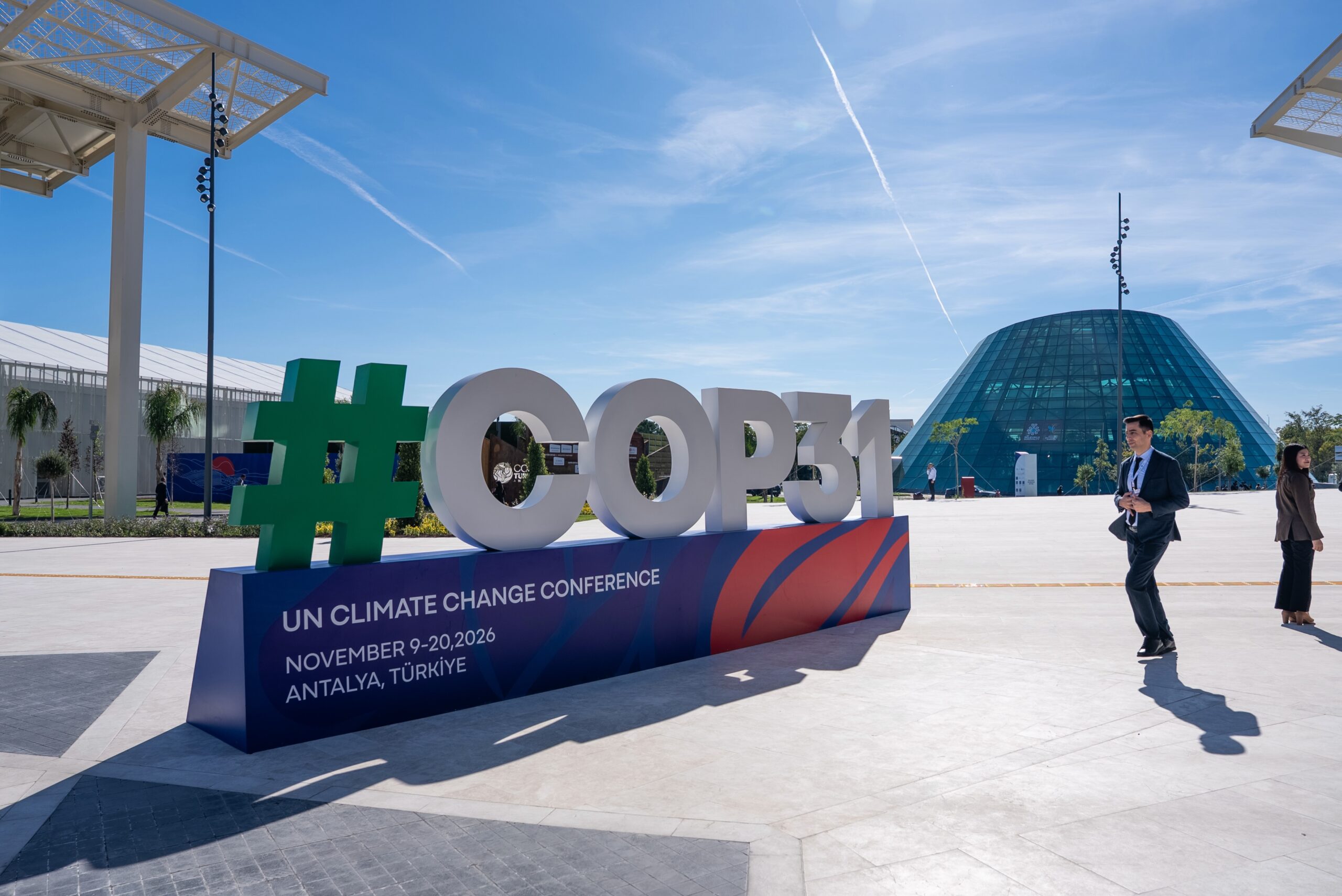
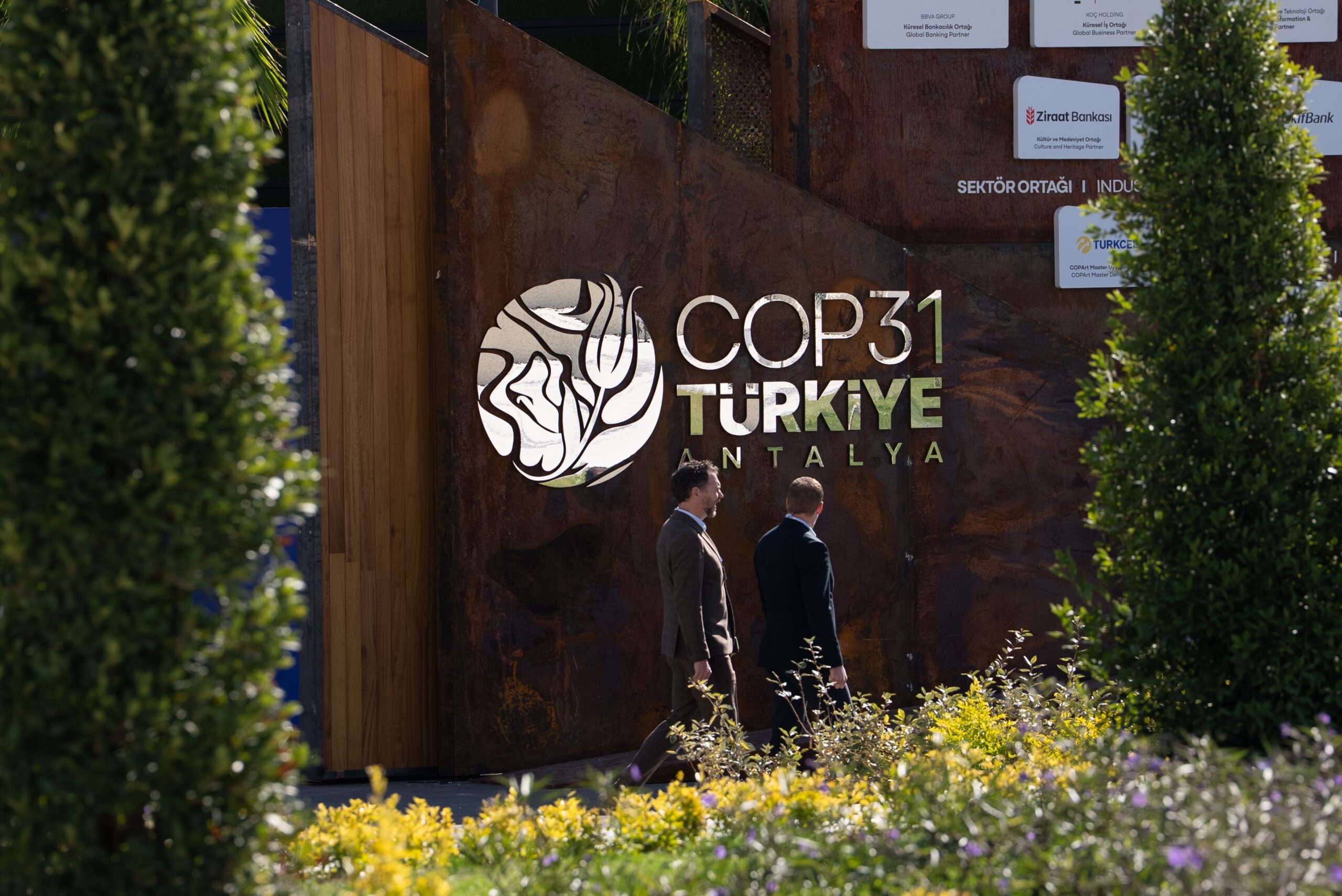
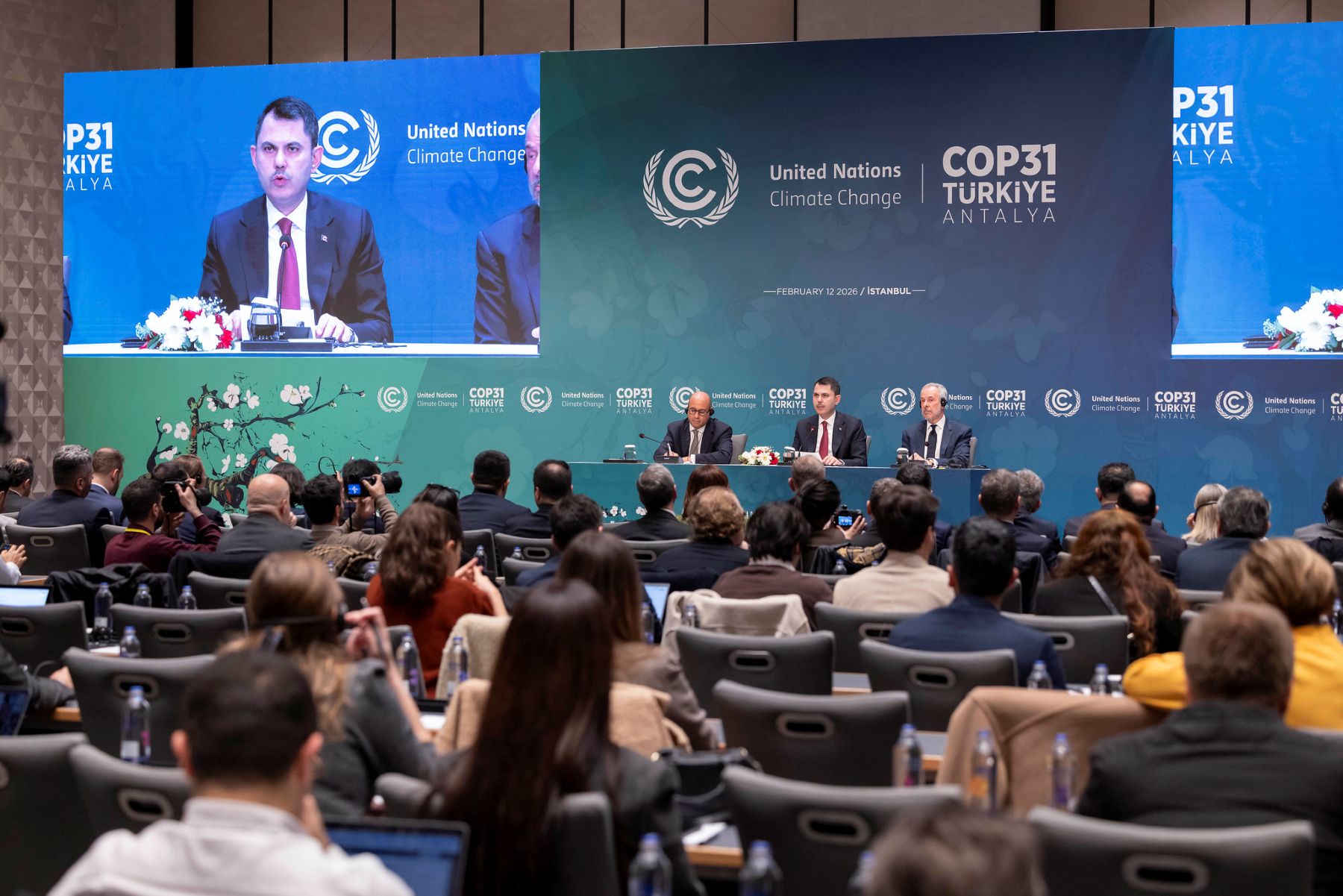
The 31st Conference of the Parties (COP31) to the United Nations Framework Convention on Climate Change (UNFCCC), as it is widely known, will take place in Antalya, Türkiye, from 9 to 20 November. It is the last of three major United Nations environmental conferences scheduled for 2026, following the UN biodiversity and desertification conferences.
As the Paris Agreement enters its second decade, the focus is shifting from what countries have promised to how they will deliver on those commitments. The challenge is to turn collective ambition into concrete action, mobilize investment and strengthen partnerships to accelerate the global response to climate change.
COP31 will operate under a shared leadership arrangement, with Türkiye holding the COP presidency and Australia leading the formal negotiations in close consultation with Pacific island countries.
The summit comes at a particularly challenging time. The United Nations Environment Programme’s (UNEP) Emissions Gap Report 2026 warns that global temperatures are set to exceed the Paris Agreement’s 1.5°C warming threshold. Urgent cuts to emissions are needed to limit the extent and duration of the overshoot.
Climate impacts are already being felt worldwide, from heatwaves and floods to wildfires. Meanwhile, ocean temperatures continue to rise, alongside what is expected to be one of the most severe El Niño events on record. Against this backdrop, Antalya is expected to build on progress made at COP30 in Belém, Brazil, while tackling issues that remain unresolved.
Forests News highlights five key issues to watch closely.
1. Adaptation: Agreeing on indicators and securing finance
One of COP30’s achievements was the adoption of 59 voluntary indicators to track progress on climate change adaptation. They cover areas including water, agriculture, health, ecosystems, infrastructure and livelihoods. The question at COP31 is how these indicators can be made operational and used to drive action.
However, methodological and operational details still need to be worked out before the indicators can be put into practice. Negotiations in Bonn in June 2026 failed to resolve these issues, leaving countries to resume discussions in Antalya.
Finance will be another critical part of the adaptation debate. In Belém, countries agreed to pursue efforts to at least triple adaptation finance by 2035, but how that target will be achieved remains unclear.
Negotiators will also review progress under the Fund for Responding to Loss and Damage, which is intended to channel financial support to developing countries most affected by climate impacts. The scale of demand is already clear. By 29 June 2026, the Fund had received 176 funding requests covering 119 countries, totalling USD 2.8 billion. This highlights the substantial demand for support as the Fund moves towards its first funding approvals.
2.Transition: turning the Belém agreement into a working mechanism
A just transition aims to ensure that the shift towards low-emission, climate-resilient economies takes account of its impacts on jobs, communities and livelihoods, while preventing costs and benefits from being distributed unfairly.
At COP30, countries agreed to establish a mechanism to strengthen international cooperation, technical assistance, capacity development and knowledge-sharing on just transition. The next step is to determine how the mechanism will work, including its scope, functions and governance structure. Although several options were discussed during the Bonn negotiations, countries remained divided over its design.
COP31 is expected to move these discussions forward and establish the steps needed to make the mechanism operational.
3. Energy transition: The search for common ground continues
Moving away from fossil fuels was one of the most contentious issues left unresolved at COP30. More than 80 countries supported developing a roadmap for a just, orderly and equitable transition away from fossil fuels, but the proposal was not included in the final COP30 agreement. The Brazilian COP Presidency subsequently pursued a voluntary roadmap to help guide the process and encourage international cooperation.
It remains unclear what role this proposal will play in the COP31 negotiations. Türkiye and Australia have emphasized accelerating the electrification of transport, buildings and industry as part of the broader energy transition.
There are also expectations that more countries will present their own transition roadmaps, potentially opening discussions on how to translate the commitment to transition away from fossil fuels, agreed at COP28, into concrete measures.
4. Climate finance: Mobilizing resources and turning commitments into investment
Climate finance will once again be central to the negotiations. Developing countries are calling on wealthier economies to deliver on their financial commitments and improve access to the resources needed to cut emissions and respond to climate impacts. But disagreements persist over who should provide funding, how it should be distributed and how investment can be mobilized at the scale required.
One major initiative entering a new phase at COP31 is the Baku to Belém Roadmap to 1.3T, introduced in 2025 by the COP29 and COP30 Presidencies.
The roadmap aims to support efforts to mobilize at least USD 1.3 trillion annually in climate finance for developing countries by 2035, drawing on both public and private sources. Progress on its implementation, along with a monitoring framework, is expected to be presented in Antalya.
Another challenge is connecting climate commitments with projects that can attract investment. To address this, the COP Presidency is promoting the Climate Implementation Bridge (BRIDGE), an initiative designed to connect countries’ climate priorities with project pipelines, technical assistance and potential financial partners. Rather than establishing a new fund, BRIDGE seeks to help turn national climate goals into viable investment opportunities.
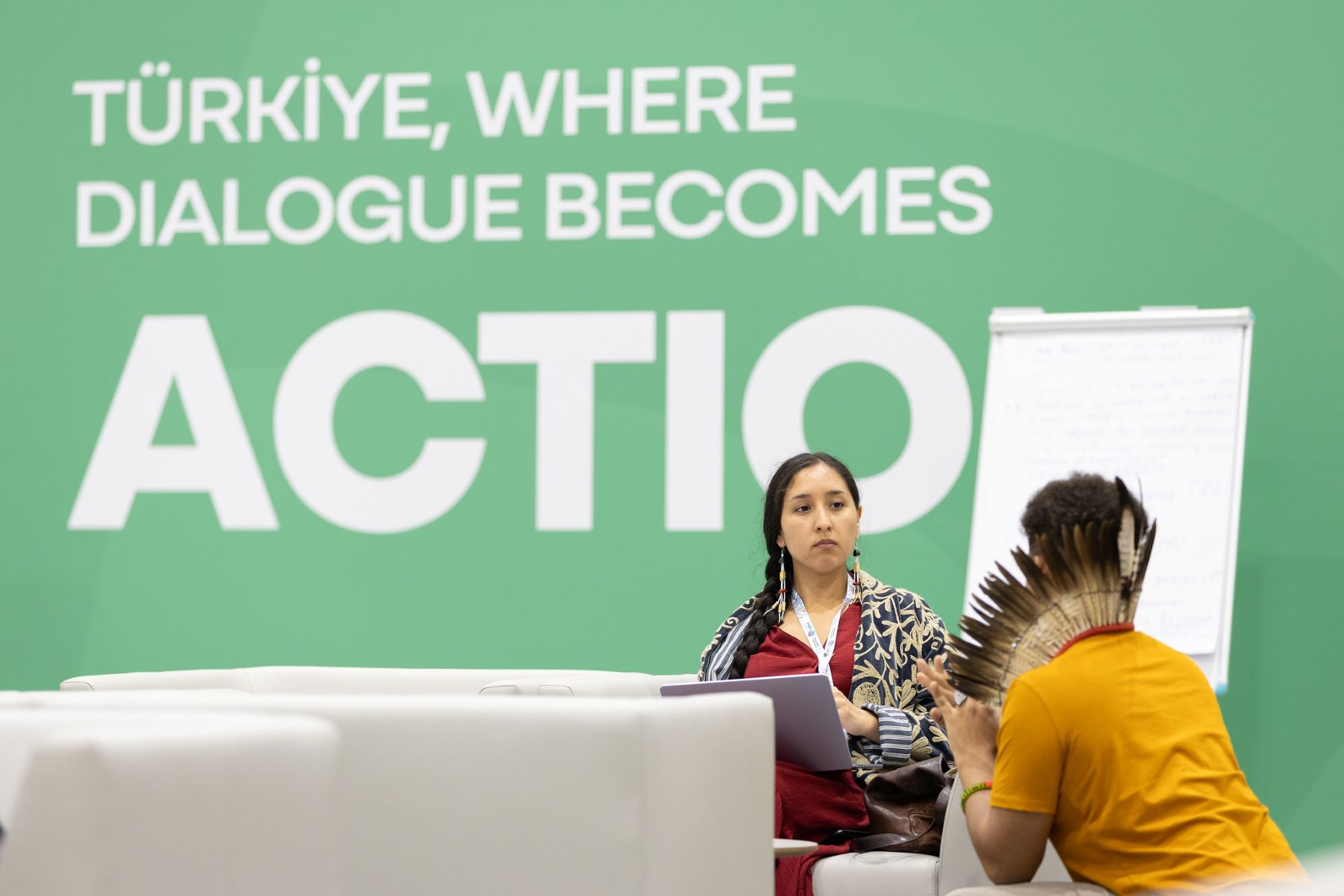
Indigenous participation at COP30, held in Belém, Brazil. Photo by Landscape Alliance
5. Forests, biodiversity and land use: A yet unfinished agenda
COP30 in Belém was widely presented as the “Forest COP”, yet it failed to deliver a binding roadmap to halt and reverse deforestation.
Although the summit helped advance forest finance initiatives and reaffirmed the importance of ecosystem conservation, the challenge remains to translate these efforts into concrete action.
Nature conservation and land use feature in Antalya’s Action Agenda, including a dedicated day focusing on oceans, seas, nature and land use. The COP Presidency has also emphasized the importance of strengthening synergies among the three Rio Conventions.
Forest finance will be another issue to watch. One of Belém’s most prominent outcomes was the launch of the Tropical Forests Forever Facility (TFFF), designed to mobilize long-term funding for countries that conserve their tropical forests. Its capitalization and governance will be important to follow.
By late October 2026, the TFFF had attracted approximately USD 7.8 billion in announced funding commitments, moving closer to its initial USD 10 billion capitalization target. Turning those pledges into available capital and completing the facility’s operational arrangements remain important next steps.
The carbon market mechanisms established under Article 6 of the Paris Agreement will also feature in the Antalya discussions. These allow countries to cooperate on emissions reductions through international transfers of mitigation outcomes and a UN-supervised crediting mechanism. Although the general rules have been agreed, technical and operational details remain. Negotiators are expected to advance implementation and strengthen registration and oversight systems to ensure that carbon credits represent genuine emissions reductions.
From global commitments to national action
According to the UNFCCC’s 2026 NDC Synthesis Report, 127 new nationally determined contributions (NDCs) have been registered, covering 154 Parties to the Paris Agreement. These national climate plans set out countries’ targets and measures for reducing greenhouse gas emissions and adapting to climate change. Yet current projections still fall short of what is needed.
The challenge is no longer simply to set targets, but to translate them into policies and action on the ground. At COP31, heads of state and government will have an opportunity to outline their priorities and reaffirm their climate commitments. Expectations include further progress on reducing dependence on fossil fuels and mobilizing the resources needed for climate action.
The summit will also mark the beginning of the second Global Stocktake, the process that assesses collective progress towards the goals of the Paris Agreement and is due to conclude in 2028. Its findings are expected to inform the next round of NDCs and help identify what is needed to close the gap between current commitments and the action required.
As the world turns its attention to Antalya, a familiar question will once again loom over the negotiations: How can countries move beyond agreements and promises on paper to deliver the rapid, effective action the climate crisis demands?
Follow Landscape Alliance’s experts at COP3
Get insights and updates from our team as they join the conversations shaping climate, nature and people’s futures in Antalya.