



The Ethiopian National Agroecology Strategy was validated at a national workshop held on 11 December 2025 in Addis Ababa, marking the conclusion of more than a year of technical work, consultations and debate.
Opening the workshop, State Minister of the Ministry of Agriculture, Prof Eyasu Elias, described the moment as both an endpoint and a beginning. “Today marks a significant milestone in a journey that began more than a year ago,” Prof Eyasu said. “A journey rooted in our shared vision to transform Ethiopia’s food systems.”
The state minister framed the agroecology strategy not as a purely technical document but as a foundation for sustaining rural livelihoods, enhancing ecosystem resilience, and ensuring food systems remain productive amid climate change and environmental degradation. Its success, he stressed, would depend on the coordinated action across institutions.
Prof Eyasu acknowledged the technical expertise and coordination provided by the Center for International Forestry Research and World Agroforestry (CIFOR-ICRAF) and the Alliance of Bioversity International and CIAT, as well as the dedication of the task force members drawn from diverse institutions.
He gave special recognition to CIFOR-ICRAF’s scientist, Dr Endalkachew Wolde-Meskel, for his role in coordinating thematic working groups, facilitating stakeholder engagement and linking the task force with technical teams throughout the strategy’s development.
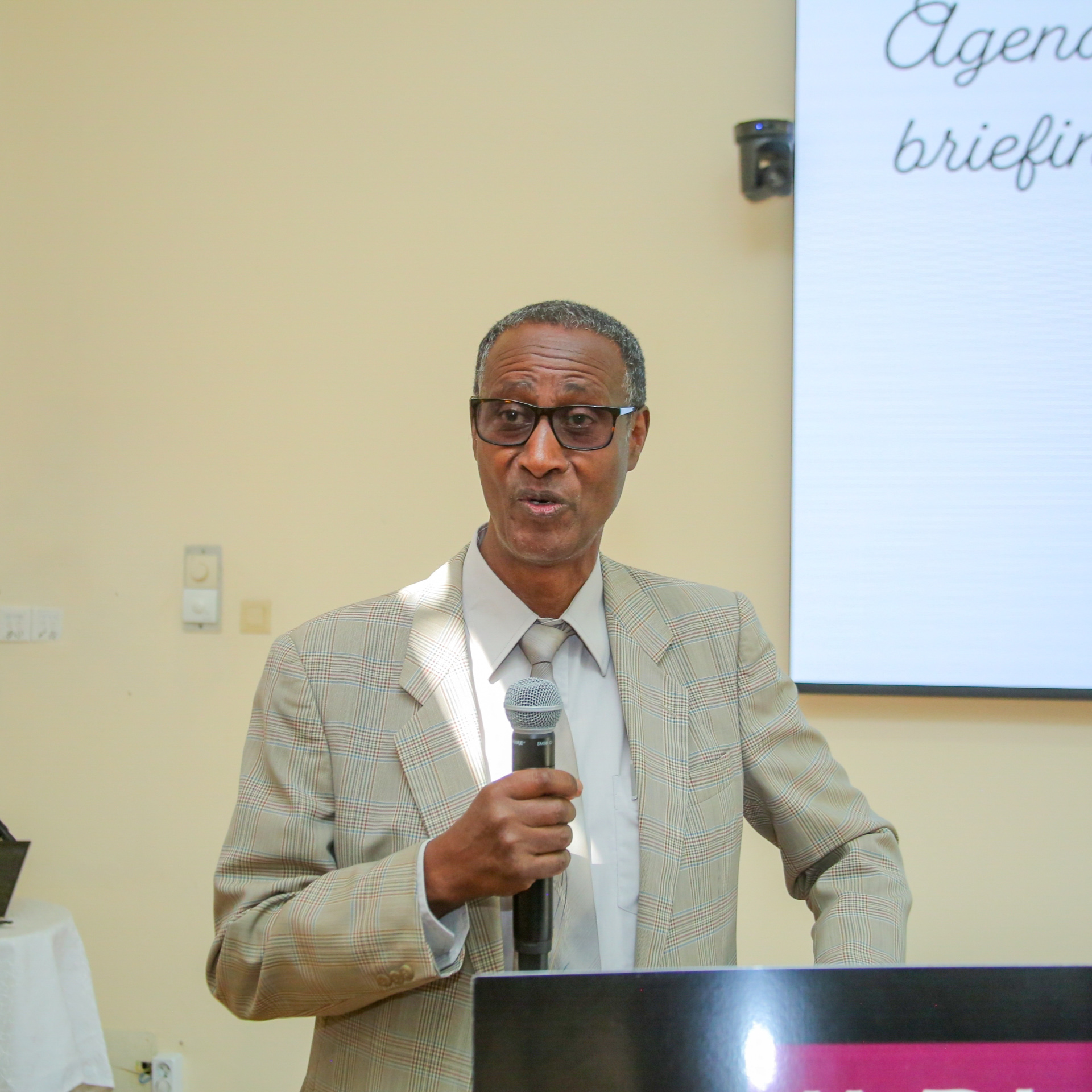
From concept to consensus
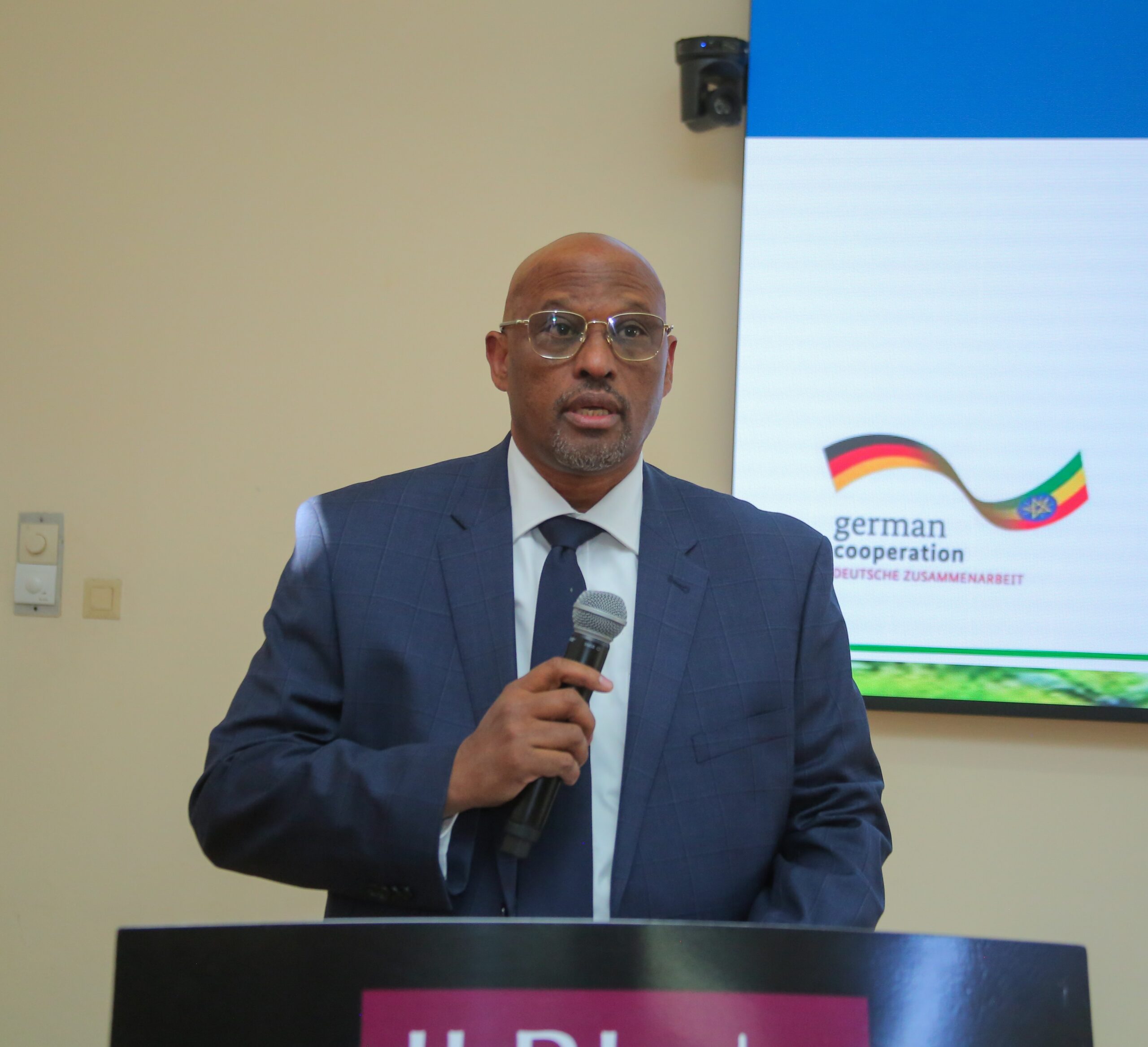
In his remarks, Endalkachew traced the process back to November 2024, when the Ministry of Agriculture convened the first meeting that launched the strategy’s development.
He thanked the thematic working groups that gathered for the Adama write-shop in August 2025, recalling the intensity of the discussions. “They all arrived early in the morning, worked late in the afternoon, and had to be reminded to take a break,” Endalkachew said.
Dr Zenebe Adimasu from the Alliance of Bioversity International and CIAT presented an overview of the one-year strategy development process. Following the strategy’s official launch, a 14-member task force was established. The first draft strategy was then prepared by the technical team in the following months.
Between 11 and 15 August 2025, more than 40 experts drawn from 26 institutions met in Adama to build on the draft strategy. Their work fed into the National Consultative Workshop on the Draft National Agroecology Strategy for Food System Transformation of Ethiopia held in Addis Ababa on 23 and 24 October 2025, where the consolidated draft strategy was presented to over 120 stakeholders drawn from 86 institutions.
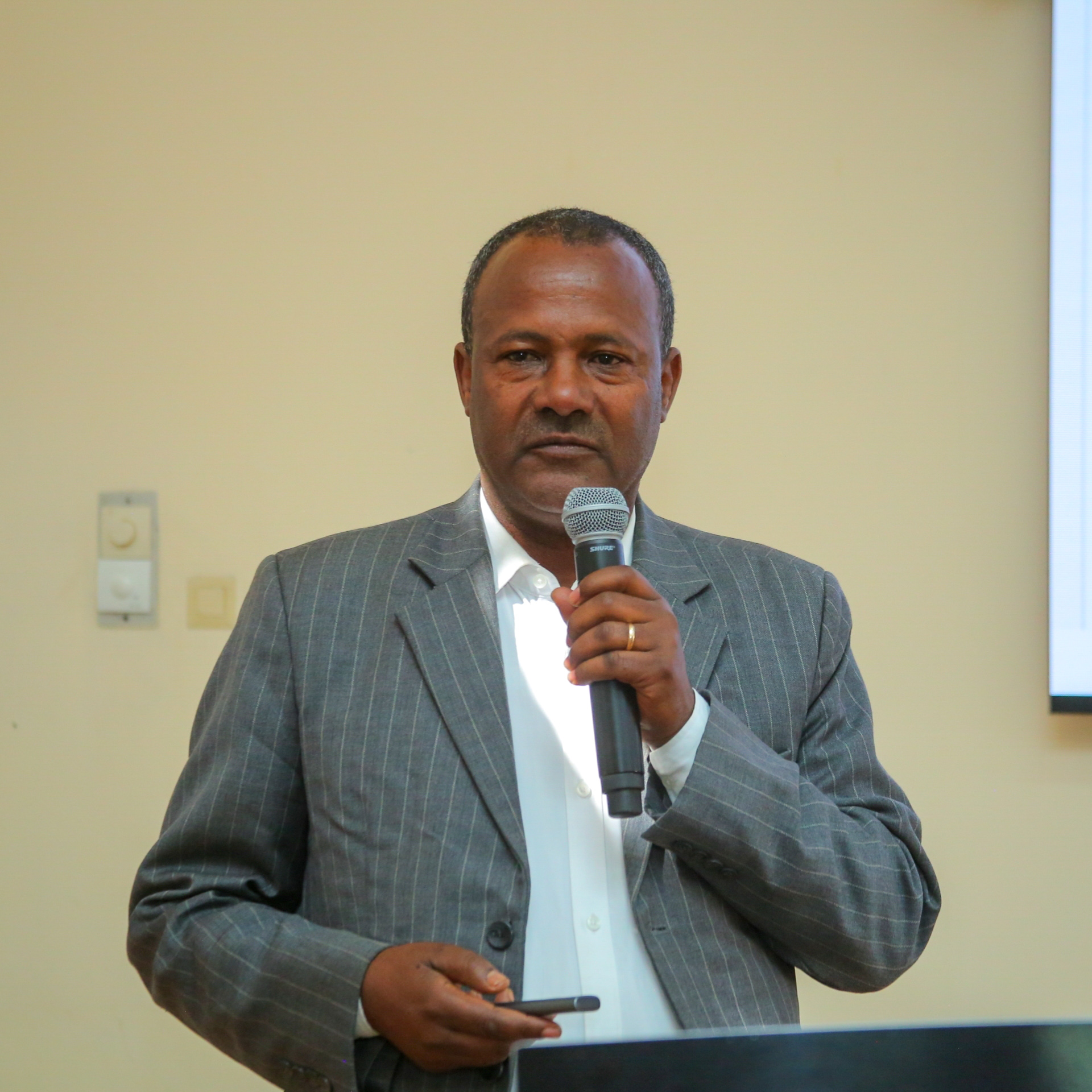
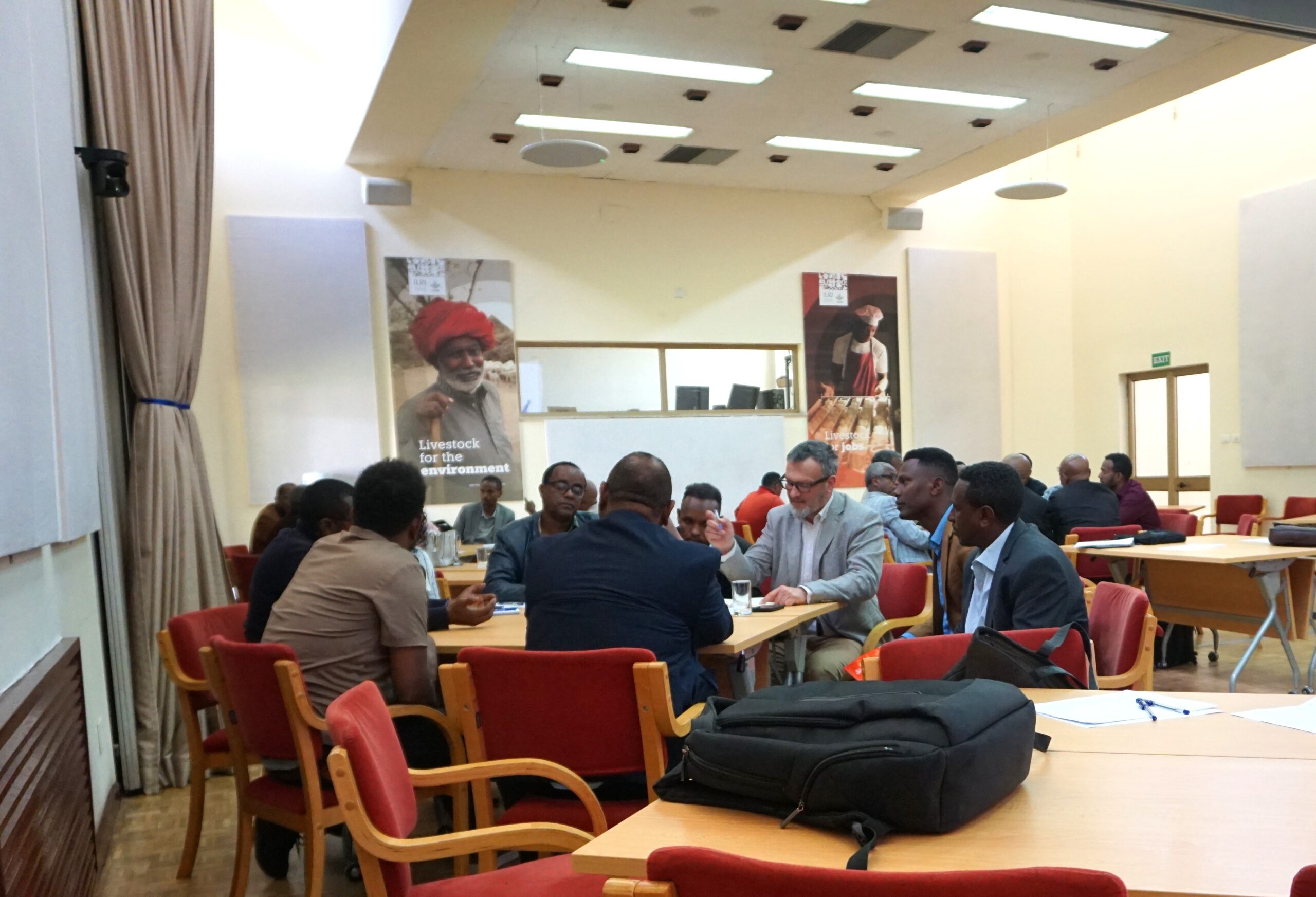
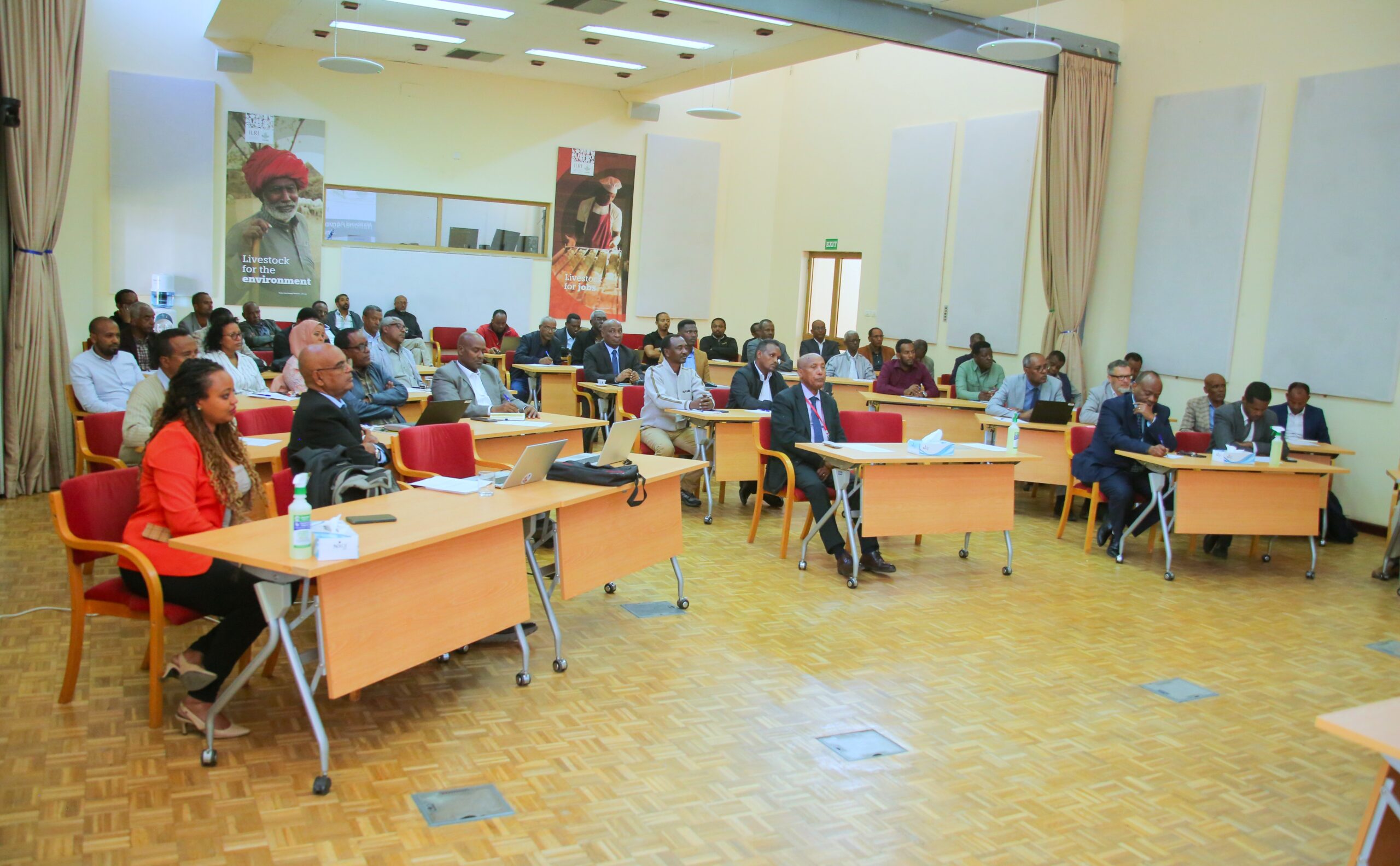
Photo by Getachew Mitiku / Ministry of Agriculture
External review and validation
Prior to the validation workshop, the consolidated strategy was evaluated by two external reviewers, Ethiopian scholars, emeritus Prof Mitiku Haile and Eshetayehu Tefera of Mekele University, former director at the International Fertilizer Development Center.
Both reviewers expressed confidence in the document. “The strategy is comprehensive and overarching,” Mitiky said, while Eshetayehu highlighted its alignment with existing national strategies.
According to their assessment, the document is clear, coherent and evidence-based, drawing on up-to-date references. The reviewers also pointed to its explicit attention to social inclusion and equity, particularly its recognition of smallholder farmers, pastoralists and agro-pastoralists and the value of local knowledge.
Farmers prepare land using animal traction in a rural landscape in Ethiopia, reflecting agricultural practices the National Agroecology Strategy seeks to support and strengthen. Photo by Owen Kimani / Alliance of Bioversity International and CIAT
Linking policy to practice
During group discussions at the validation workshop, participants agreed that the strategy responds to Ethiopia’s complex rural challenges and builds on the country’s rich indigenous knowledge and experience.
They emphasized that effective implementation would require strong links to the national agricultural extension system and existing government structures.
Melese Diaz, a member of the Agriculture Standing Committee of Ethiopia’s House of People’s Representatives, thanked those involved in developing the strategy and pointed to parliament’s role in turning policy into action.
“The parliament is responsible for legal and budget allocation,” Diaz said. “We will do our best to address these issues during the parliamentary session when examining the national budget, as agroecology is critically important for the country’s development.”
Acknowledgments