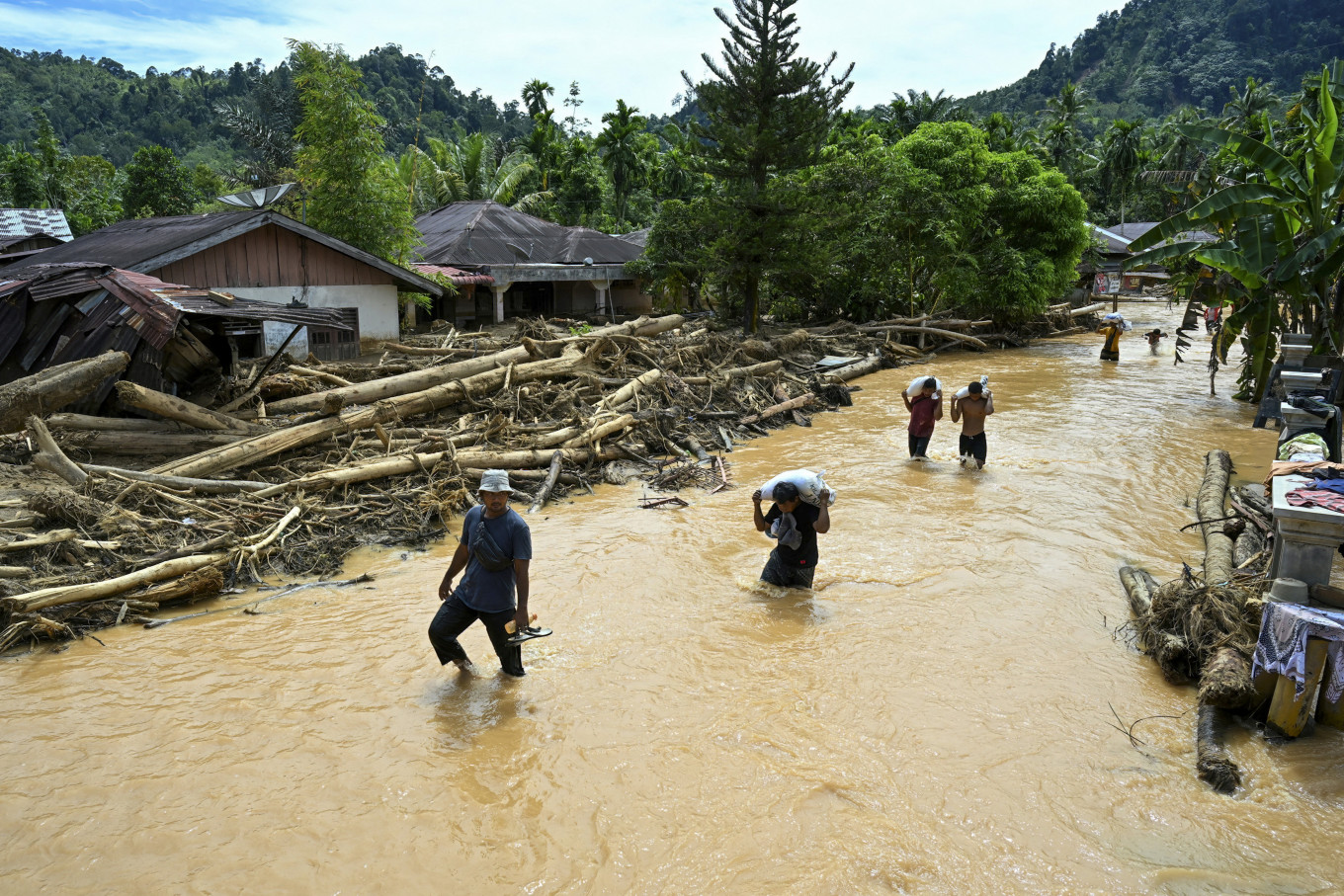


Farmers do not live in sectors. They live in landscapes.
Take a coffee and enset agroforestry homegarden in Gedeo, in southern Ethiopia, or a parkland or woodlot in Tigray, in the north. On each of these farms, decisions about which trees to keep, what to grow, how to manage soil and water and where to restore degraded land affect biodiversity, carbon storage, food security and household income at the same time.
At the global level, however, those decisions fall under three separate treaties. Biodiversity loss is the remit of the Convention on Biological Diversity (CBD), climate change of the UN Framework Convention on Climate Change (UNFCCC), and land degradation is the remit of the UN Convention to Combat Desertification (UNCCD). Each has its own conference of the parties (COP), institutions, policies and financing mechanisms. In 2026, all three convene: UNCCD COP17 in Mongolia,CBD COP17 in Armenia and UNFCCC COP31 in Türkiye.
So why three COPs for one farm? The conventions have distinct mandates, but their commitments converge in the same landscapes. The growing emphasis on synergies among the three Rio Conventions is a chance to move beyond fragmented commitments towards coordinated implementation.
Integrated landscape approaches offer a practical foundation, connecting agriculture, agroforestry, forests, restoration and livelihoods while managing competing land uses. Multifunctional agroforestry is part of these approaches and can support biodiversity, climate mitigation and adaptation, land restoration and rural incomes together.
Our recent studies in Ethiopia show what it contributes, and why one model will not fit everywhere.
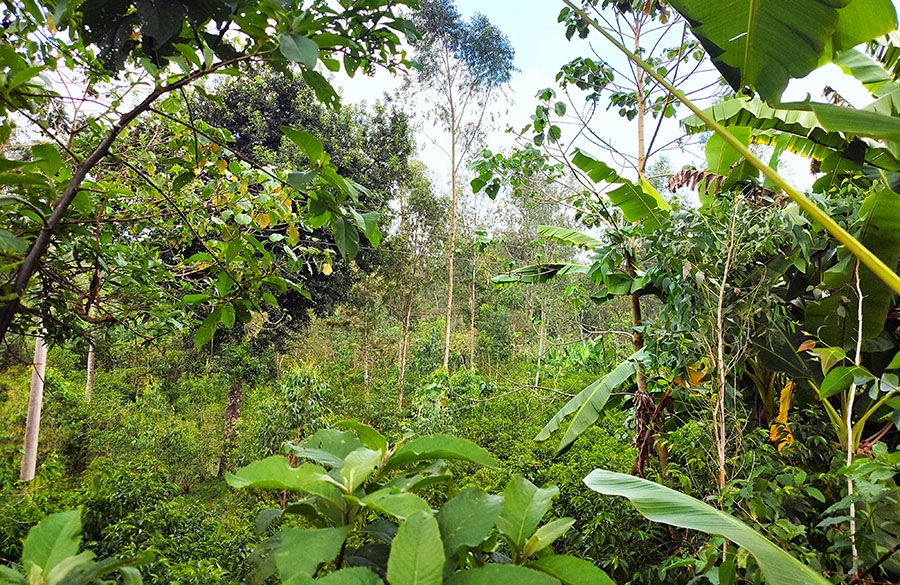
A typical multilayered farm in Gedeo where trees are grown together with coffee, false banana (enset), and other crops. Photo by Eyob Getahun / Landscape Alliance
Two landscapes, six systems
We worked in two contrasting places. The UNESCO-listed Gedeo Cultural Landscape is a traditional agroforestry system, where we surveyed 39 homegardens across three types: enset-based, coffee–enset and coffee–fruit. In northwestern Tigray, agroforestry is emerging in a very different agroecology; there, we studied homestead, parkland and woodlot agroforestry across 68 plots. All of these systems serve the three conventions at once, but not in the same way. Looking at them side by side shows which practices deliver which benefits and with what trade-offs.
Biodiversity (CBD)
Gedeo’s homegardens held 156 plant species from 74 families, about three-quarters of them native. The three types differed markedly. Coffee–fruit gardens had the highest species richness and diversity, but also the largest share of exotic species. Enset-based gardens were less diverse overall, yet nearly 87% of their species were native. Diversity also varied with elevation and was linked to farmers’ socioeconomic characteristics. In Tigray, we recorded 38 woody species, about 58% of them native, with homesteads the most diverse. Both sites show that farmed landscapes have conservation value beyond protected areas.
Carbon (UNFCCC)
The same homesteads in Tigray also held the most carbon, around 32 tonnes per hectare, compared with about 18 in woodlots and under 5 in parklands. In Gedeo, a separate study now under review puts biomass carbon at about 84 tonnes per hectare.
Land restoration (UNCCD)
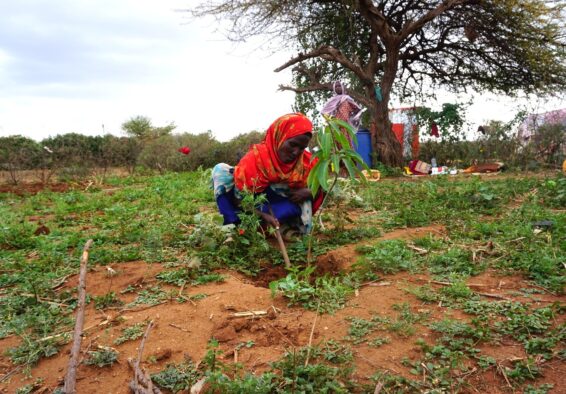
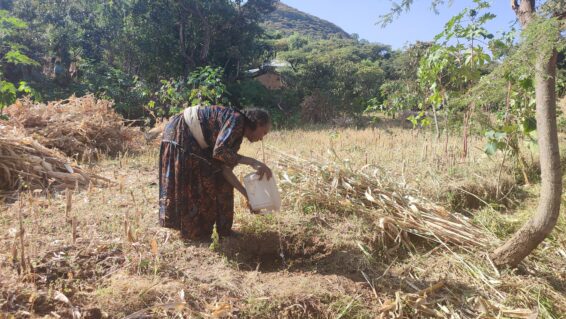
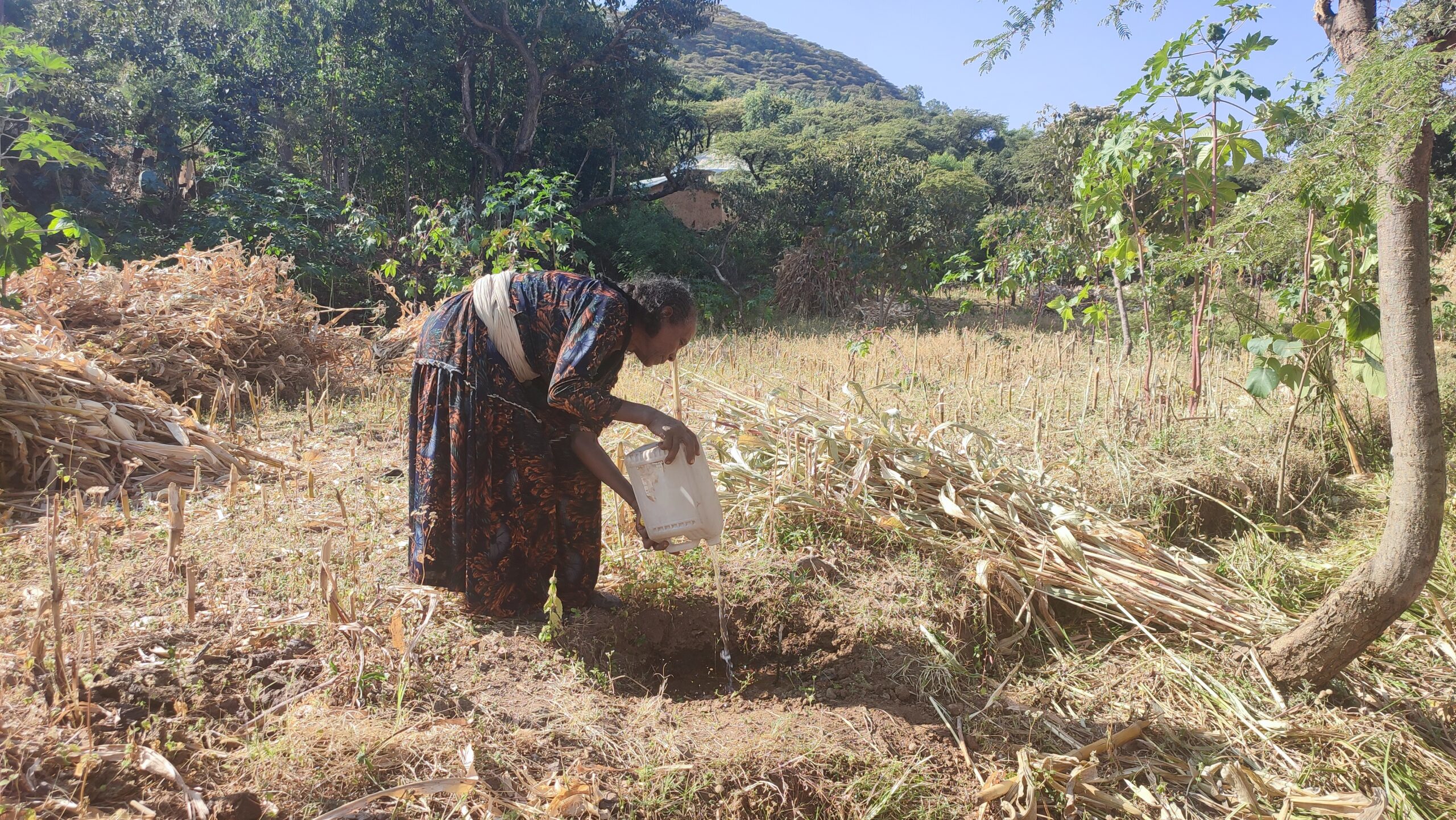
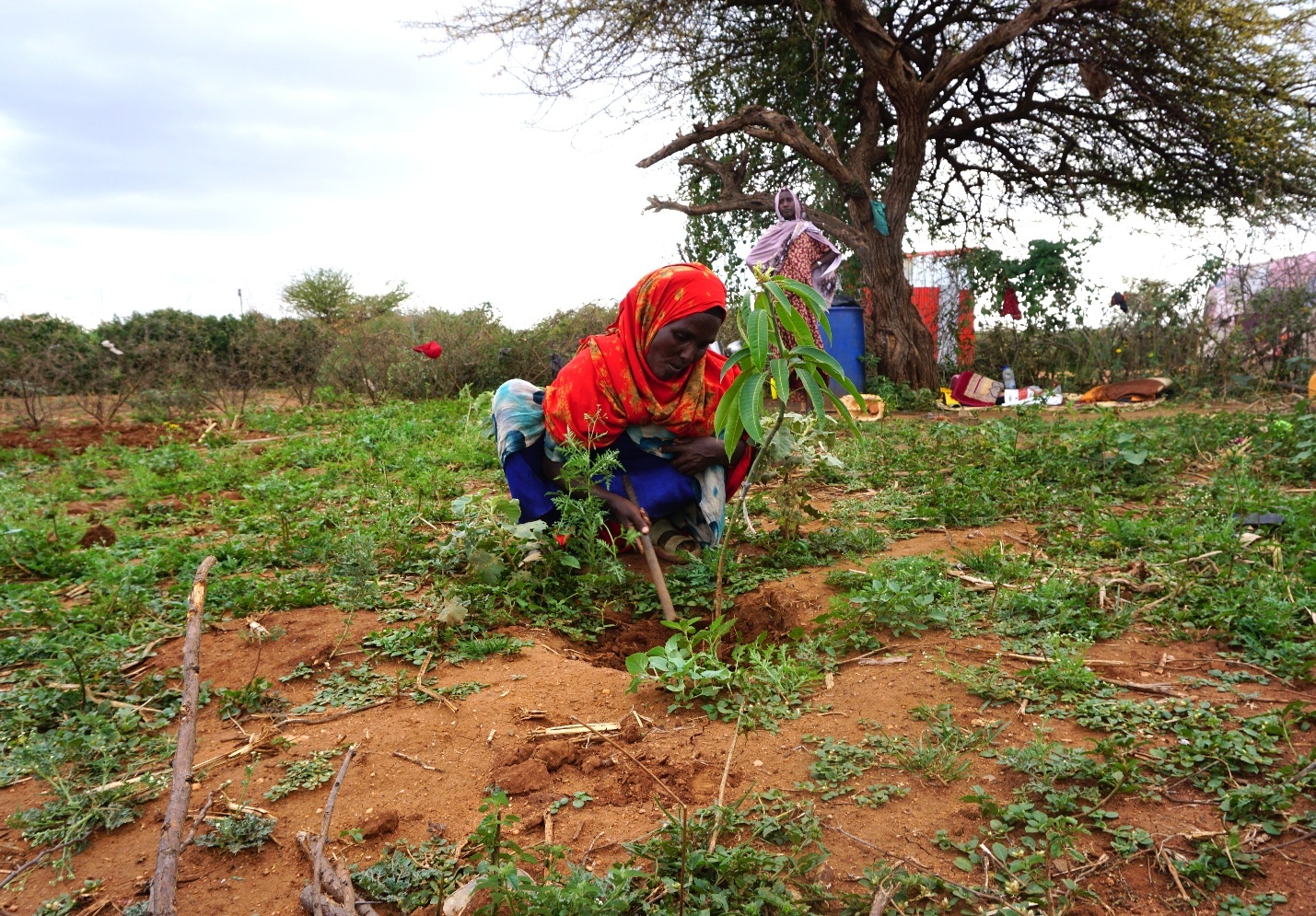
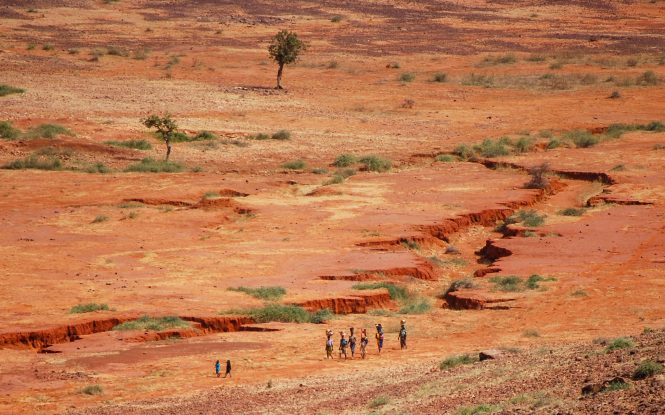
Both sites offer real opportunities for restoration, but each faces pressures that need attention. In Tigray, low natural regeneration in parklands raises concerns about their long-term future. Woodlots on productive farmland can compete with food crops, and invasive species threaten native biodiversity. In Gedeo, homegardens shaped by generations of knowledge about species selection, food production and landscape management face growing pressure from pests and diseases, climate change, agricultural simplification and the decline of native shade trees.
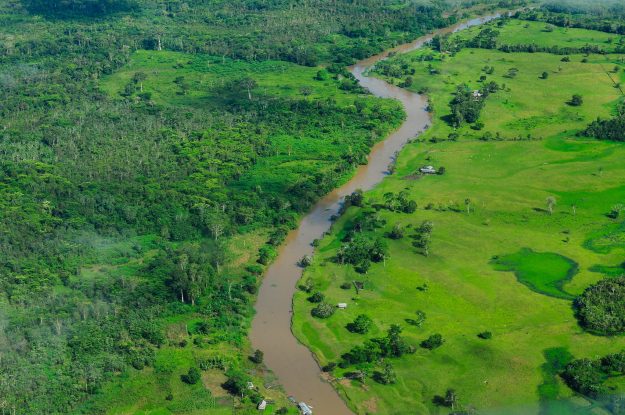
Gedeo is not an isolated case. Across Africa, from the tree-studded parklands of the Sahel to the Chagga homegardens on the slopes of Kilimanjaro and farmer-managed natural regeneration in Niger, communities have long integrated trees, crops and livestock. These systems are a foundation to build on, not a gap to fill. Combining them with scientific research shows not only which practices work, but also their cultural relevance, livelihood benefits and suitability under different conditions.

Photo by Landscape Alliance
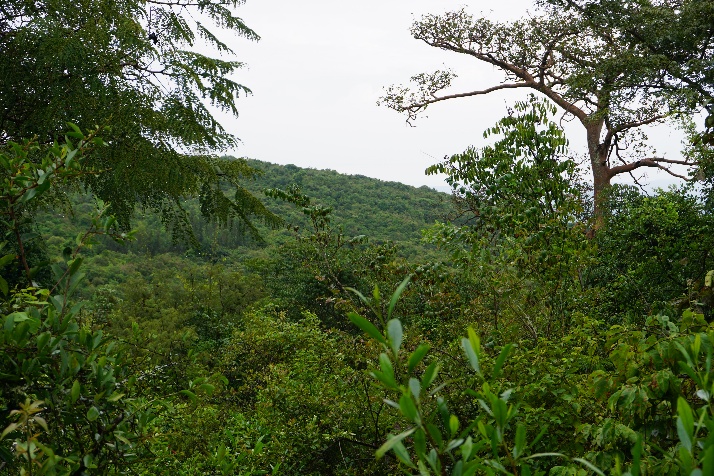
Photo by Eyob Getahun / Landscape Alliance
No single model
The benefits rarely line up neatly. In Gedeo, the most diverse gardens were also the least native. Agroforestry systems deliver different combinations of biodiversity, carbon and livelihood benefits depending on ecological conditions, species, management and farmers’ decisions.
Scaling multifunctional agroforestry therefore means supporting diverse, locally appropriate systems, not replicating one practice across very different landscapes. It requires attention to native species, genetic diversity, natural regeneration, invasive species and agricultural productivity, and respect for the knowledge and priorities of the communities managing these landscapes.
This is the first of two articles. Part 2 looks at what it will take to turn this evidence into policy, governance and finance, from Ethiopia’s new agroforestry strategy to COP32.