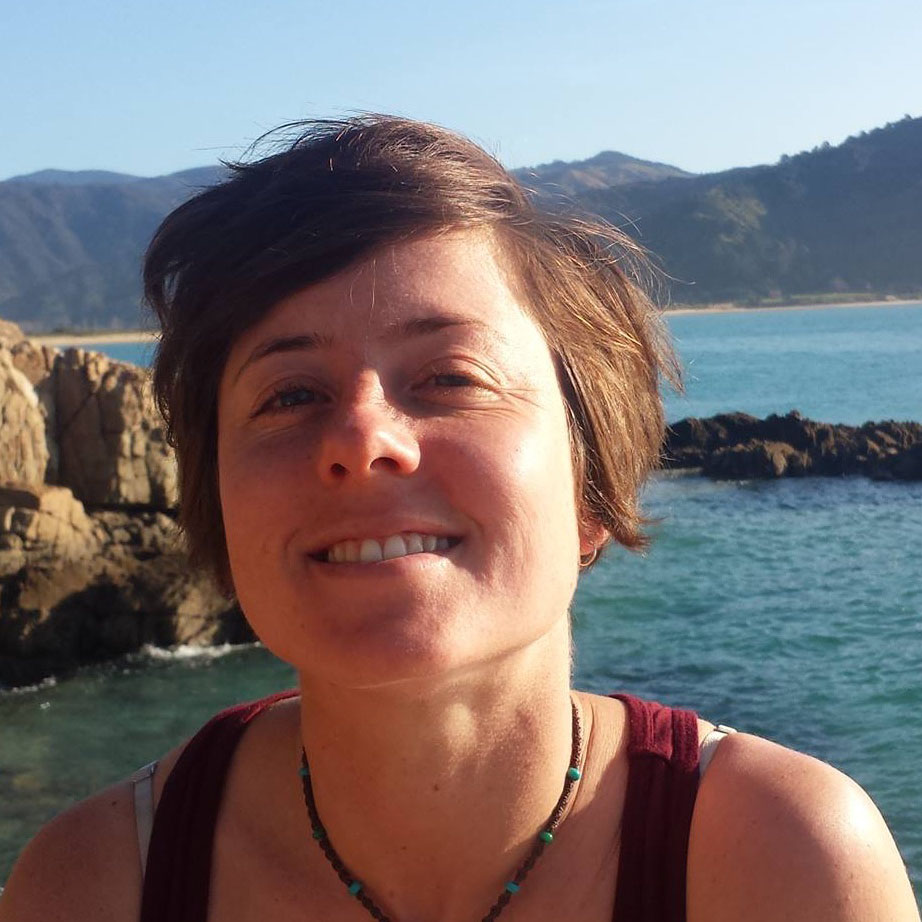
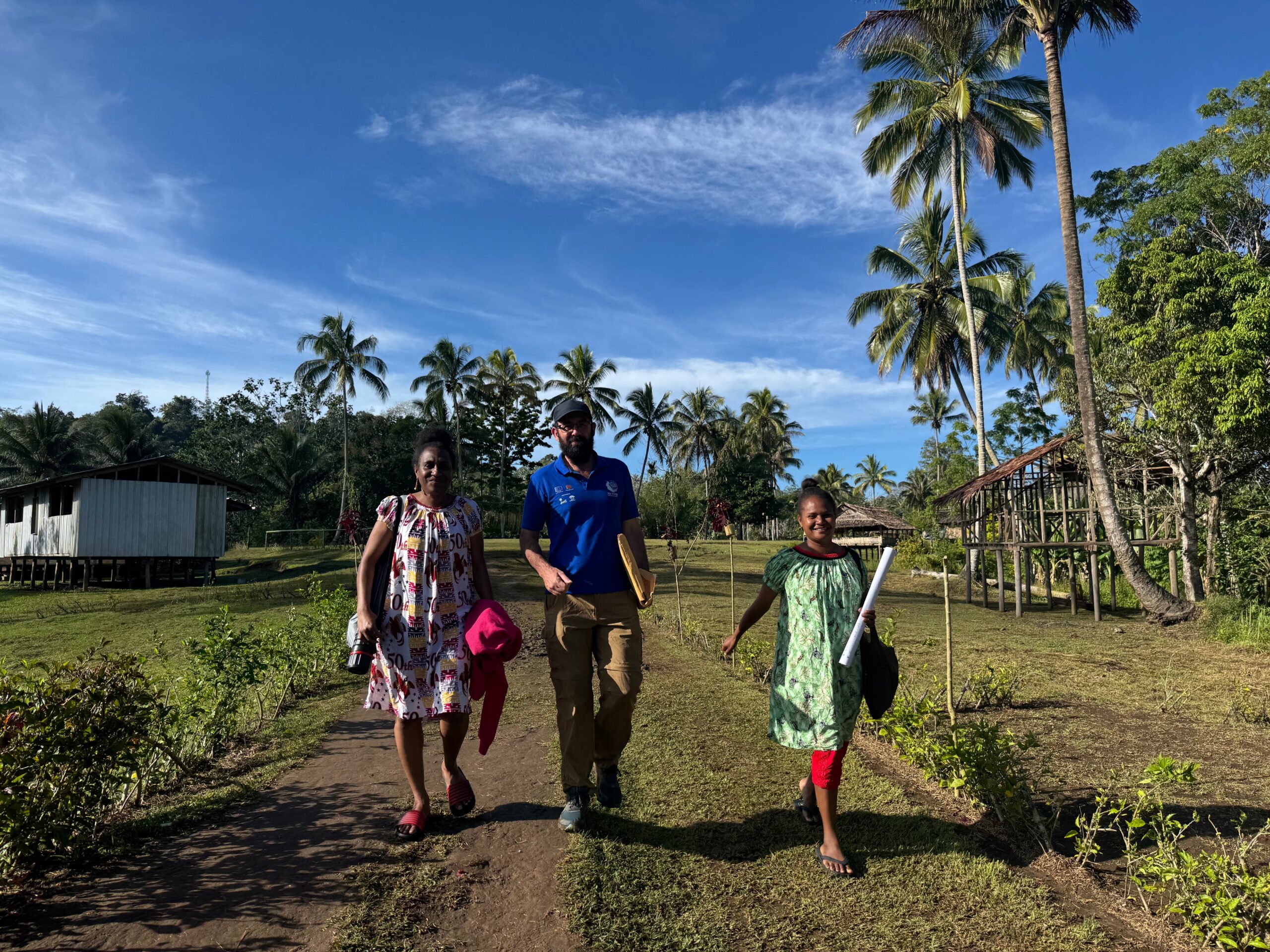
When Evangelyne Kove first visited communities bordering Papua New Guinea’s Managalas Conservation Area (MCA) in 2011, an elder’s challenge stopped a village visit in its tracks. What she did in response taught her something no university course had prepared her for.
Kove grew up in Port Moresby, but her roots on her father’s side are firmly in Oro Province, in a village of the Binandere people on the coastline north of Popondetta. After graduating from university in 2011, she spent six years working in Managalas through Partners with Melanesians (PwM), the national NGO that supported the conservation area’s establishment over several decades.
Later, she founded Resilient Peers, a consultancy focused on bioculture, systems thinking and place-based leadership. She has since returned to the Managalas Plateau through engagements with Landscape Alliance, which continues to support conservation and governance processes in the area.
She spoke with Forests News about that formative early experience, what three decades of conservation intervention have and have not built in Managalas, and why Indigenous knowledge systems should be understood as part of the foundation of conservation practice.
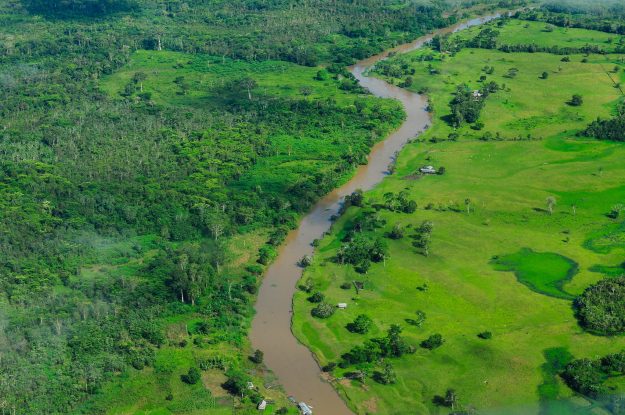
An aerial view of forest surrounding Affore Lake on the Managalas Plateau, Papua New Guinea. Photo by Dean Arek / Landscape Alliance
Q: What happened during that first formative visit to Managalas?
A: “I don’t know what came over me,” I remember thinking: I just stood up, almost on instinct.
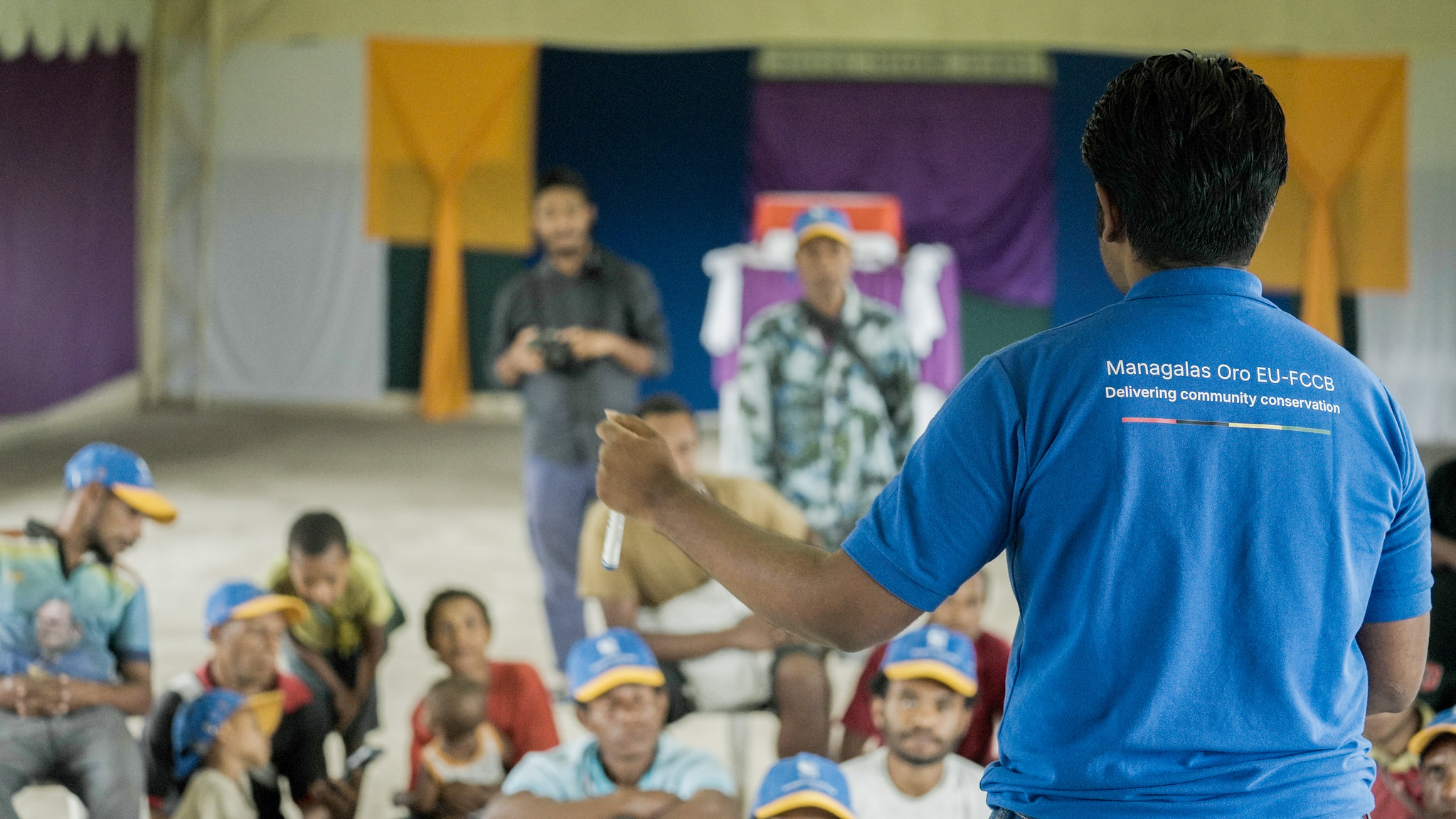
We were visiting communities along the boundaries of what was then the proposed conservation area to better understand how people defined land borders. That day we were in Pongani, a village bordering the Managalas Conservation Area, as part of a boundary patrol and community engagement exercise with Partners with Melanesians (PwM).
The late Patrick, one of my colleagues, stood up to introduce our team. Before he could continue, one of the elders interrupted him.
“Are you the NGO that came last time with the map? You people tricked us and brought in the logging company to cut our forest.”
The statement landed heavily. I remember sitting there with my notebook, suddenly aware that the subjects I had been trained to rely on — consultation, participation, facilitation — were not enough to explain what was unfolding.
I looked at my supervisor and thought: I have just finished university, is this really what I am getting myself into?
What I was encountering was not simply disagreement. It was history being spoken into the present: accumulated experiences of external interventions shaping how every new arrival is interpreted.
Then I remembered something my father always said: when you enter a community, you do not begin by speaking about your work. You begin by locating yourself, your lineage, your clan, your place of origin.
Only then are you recognized as someone who can speak.
So I stood up. I greeted the elder and the community in Binandere. The language is closely related, and while not identical, it was enough for meaning to carry.
The elder turned to me and asked directly, “Who are you?”
I responded with my Tugata — our form of introduction in Binandere, where you must first situate yourself before anything else.
I said: I am Evengelyn. I am an Oro woman, daughter of Rodney Kove. I come from the Pu’re Tatoro-unji clan of the Binandere tribe. I am here with this organization, and I am here to work alongside you.
I was drawing on a protocol I had grown up with, but had never fully understood as something that carried authority in formal conservation spaces.
When I finished, there was a pause. Then the meeting shifted.
The elder’s expression softened. He explained that his reaction came from experience. Communities in the area had seen many organizations arrive with maps, plans,and promises, but not all had resulted in what was expected or understood.
He said: “I had to talk aggressively. A lot of times people come in saying they’re helping us. Oro culture is known for welcoming people, but things have happened to our communities. So I had to stand up and make sure that you were genuine, that you were sincere.”
That moment stayed with me because it changed how I understood legitimacy in conservation work.
Before that, I’d never really thought about that knowledge of mine as part of my education. I was expecting to draw from my formal education to resolve conflicts like that. But that process showed me that I already had something to offer that was really important.
It showed me that authority in these spaces is negotiated through systems of identity, language and relational accountability that already exist within communities.
Q: You’ve spoken about bioculture as a foundation for this kind of work. What does it mean in a place like Managalas?
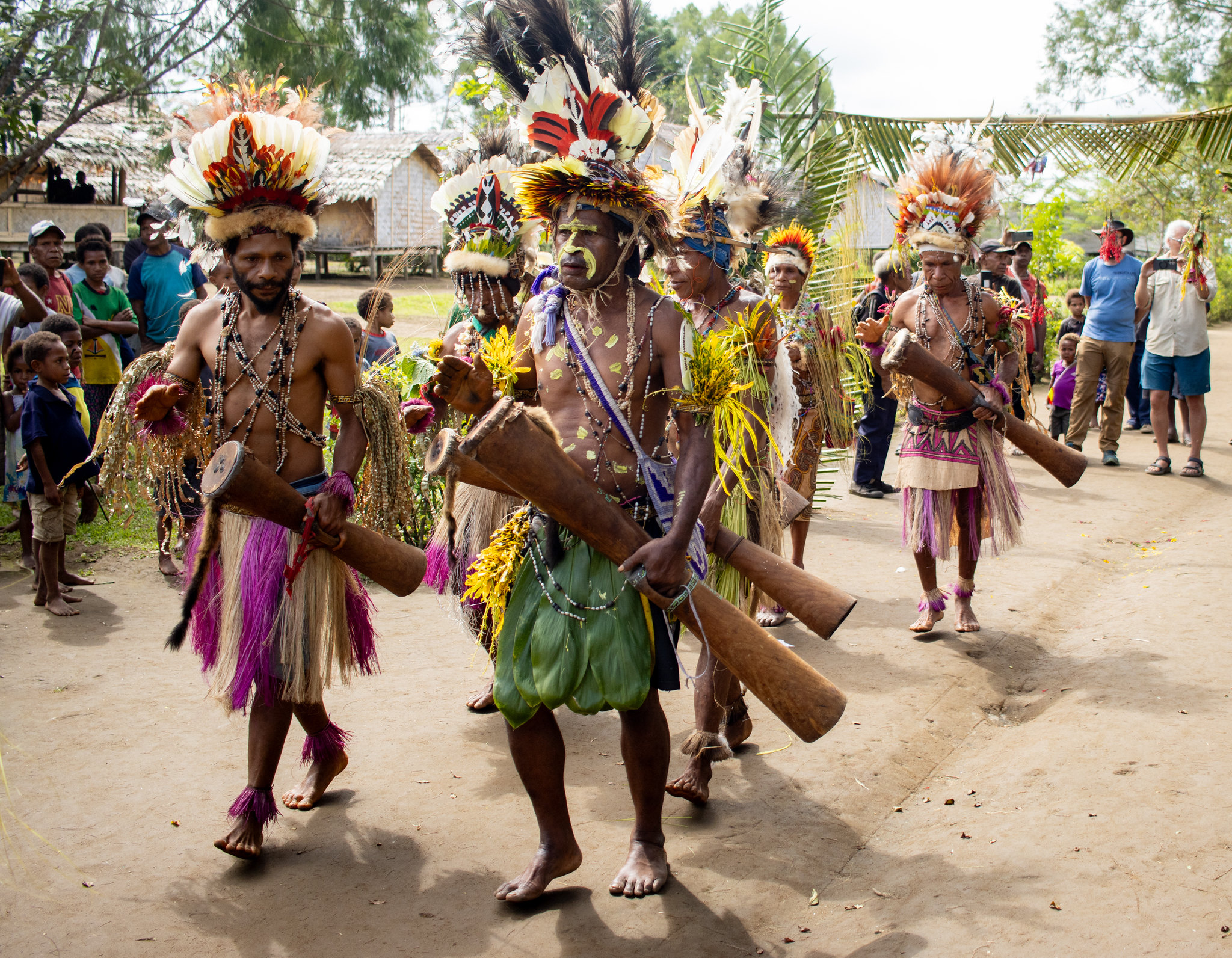
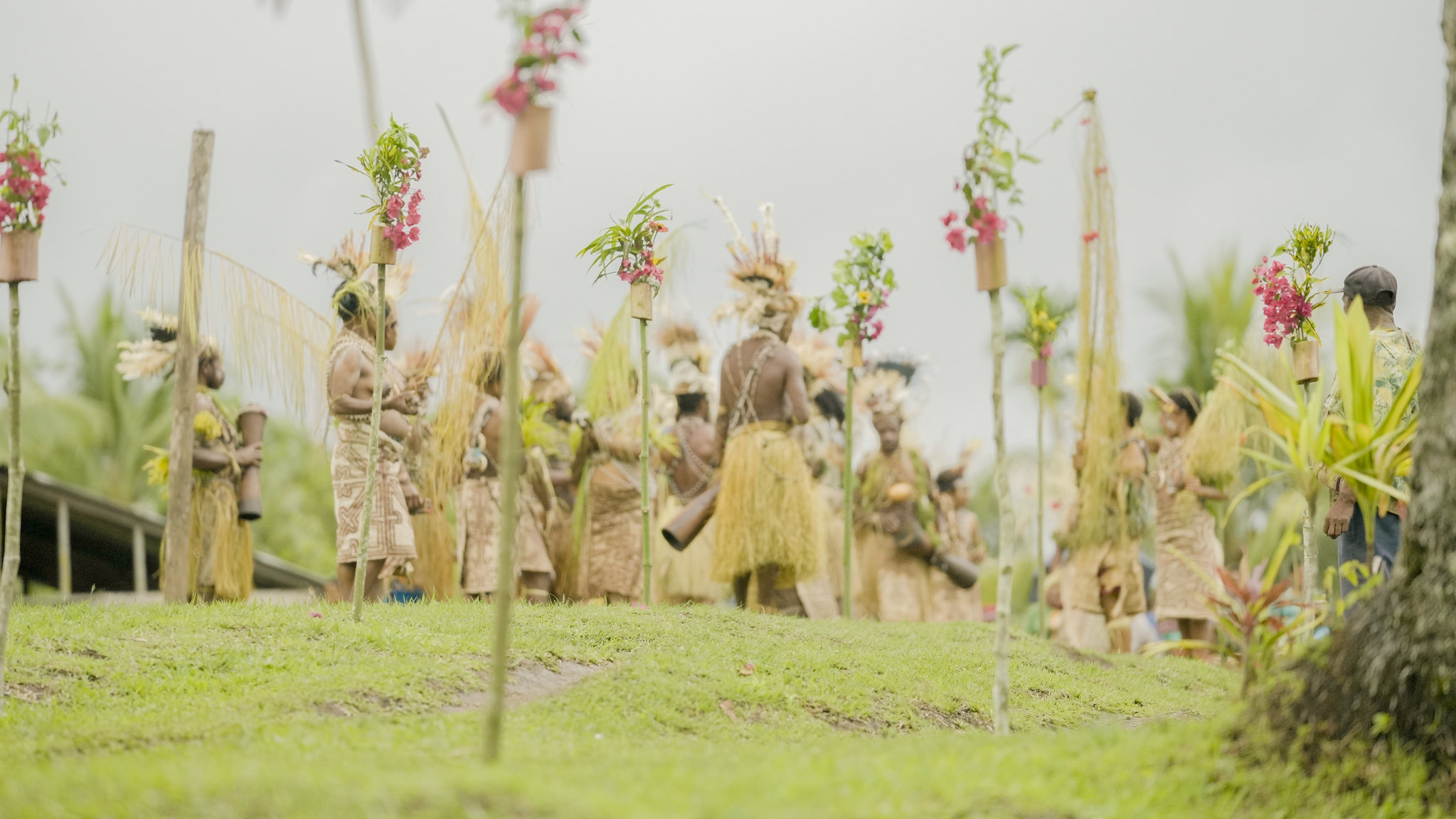
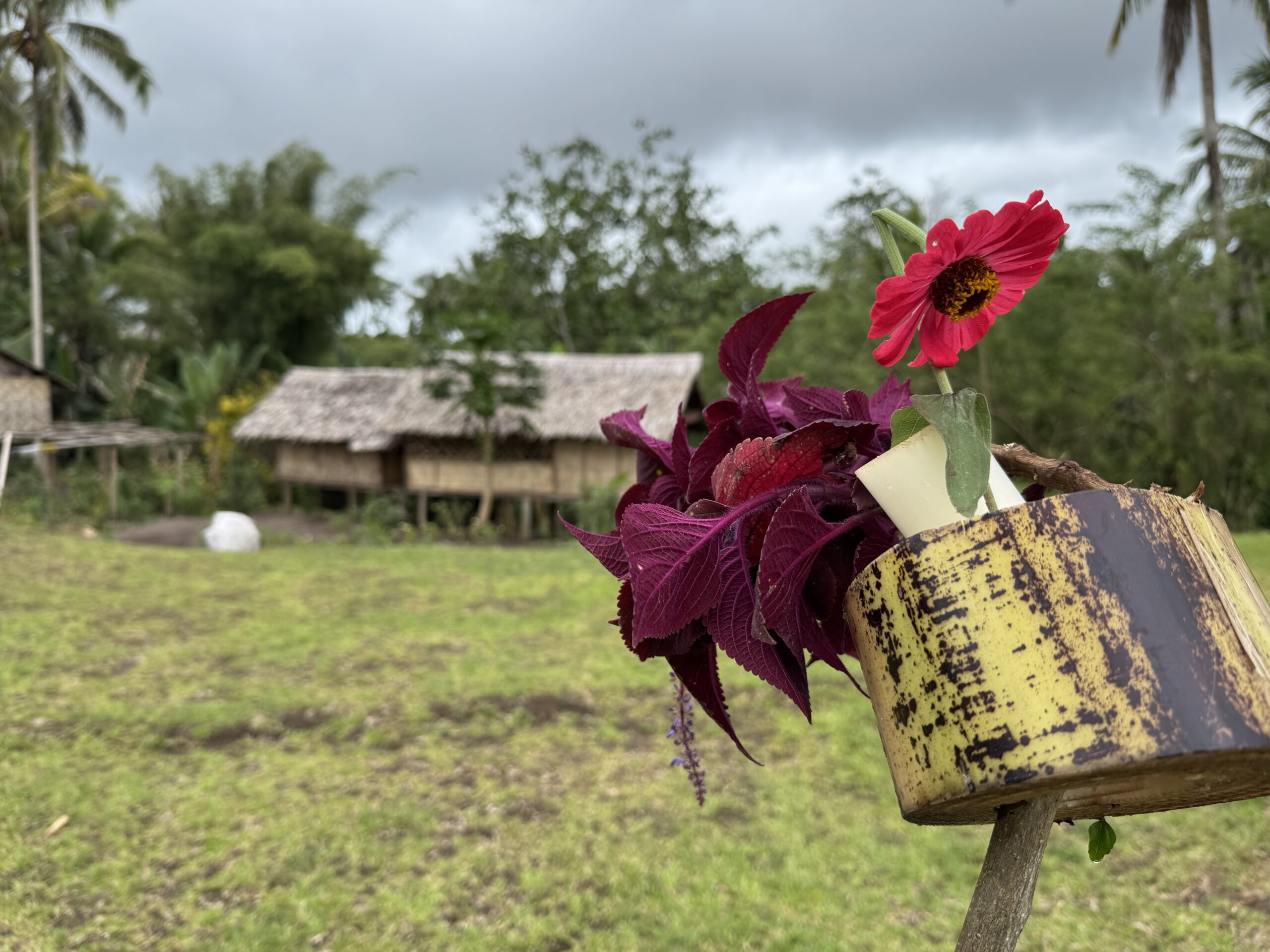
A: Bioculture refers to the long-standing relationships between clans, land, knowledge and environment that shape how communities organize life and survival. In Papua New Guinea, identity is not only individual: it is embedded in clan structures, place-based histories and ecological relationships that have evolved over generations. Within these systems, people inherit not just land, but responsibilities: as custodians, knowledge holders, mediators and decision-makers. These roles are not assigned externally; they are socially and culturally embedded.
Seen through this lens, conservation interventions in Managalas are not entering a vacuum. They are entering an already-functioning system of governance. Over time, this has created layers of engagement, expectation and disappointment, with each new initiative interpreted through the memory of those that came before.
There’s also a generational knowledge gap emerging in many communities now. I remember one elder at the Plateau Combined Forum saying repeatedly: “I’m worried about the younger generation, about what they’re going to carry forward from what we started.”
That concern connects directly to Bioculture because it raises the question: what kind of development are communities actually trying to sustain? Is development only about infrastructure and projects, or is it also about maintaining systems of responsibility, identity and ecological relationship across generations?
One of the ways these systems are carried is through naming. In many parts of Papua New Guinea, names are not simply identifiers. They carry stories of lineage and relationships between people and the environment.
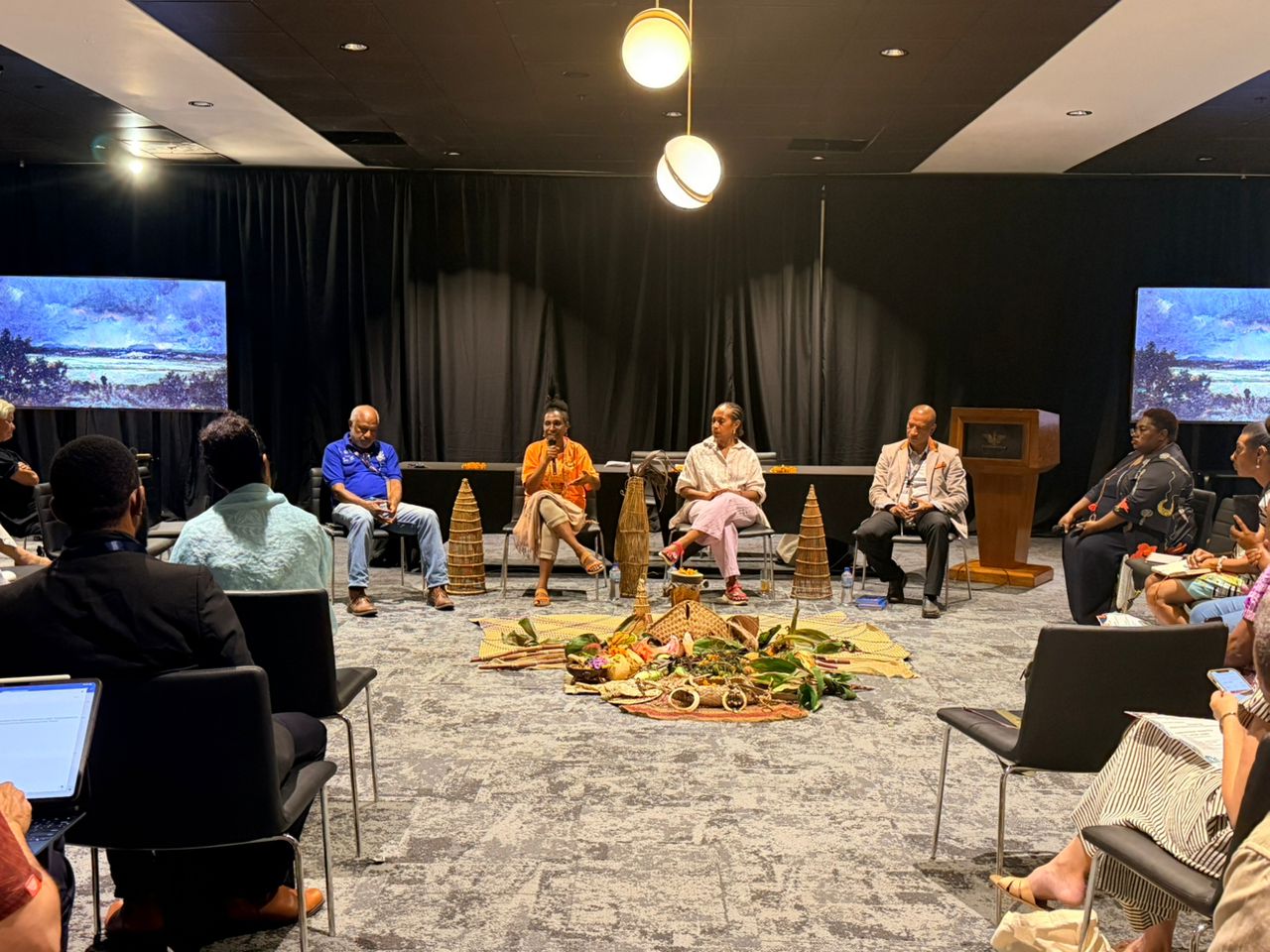
When I returned to my father’s village in 2023, I learned that I carry another traditional name: Baori — the cuscus [a tree-dwelling marsupial that lives in PNG and northern Australia]. I had always known my other name, Dawari, associated with a female warrior lineage. But Baori added another layer of meaning. Lo and behold, I am the cuscus mirrored in my leadership style. I’m introverted, and I do a lot of work on intergenerational leadership — while the cuscus moves quietly through the forest canopy and contributes to regeneration through seed dispersal. In this way, names often reflect ecological relationships and ways of being within a system. These naming systems are part of how knowledge is embedded, remembered, and passed forward across generations.
Another example is the sirawa, a conical fishing trap used by my people in rivers and swamps, which the late Binandere academic Professor John Douglas Dademo Waiko draws on in Be Jijimo, his PhD thesis on the Binandere oral tradition of transmitting lineage histories, clan stories and cultural knowledge across generations. The name itself encodes the practice: derived from “Be” (to speak) and “Jijimo” (to continue), Bejijimo describes the ongoing passage of knowledge through spoken word, traditionally carried by elders sharing tok stori [storytelling] with younger generations, often around the fire.
The sirawa is a metaphor for how this transmission works. Fish enter through a wide mouth and pass through inner chambers that filter larger from smaller; as a knowledge system, that wide opening represents the ancestral body of knowledge, while each successive chamber stands for a generation receiving, interpreting and adapting what came before. Knowledge is not transferred all at once, but gradually through observation, participation and readiness, each stage opening the next layer of responsibility. Each stage opens the next layer of responsibility, shaping how trust is extended and how roles are taken on within communities.
This way of thinking does not follow short project cycles or fixed programme timelines. It is closer to a seven-generation perspective where decisions are understood in relation to those who came before and those who are yet to come. Responsibility is therefore not measured in project years, but in continuity across generations.
Q: Managalas has experienced three decades of conservation interventions. How do you see it now?
A: What communities are dealing with in Managalas now are layers upon layers of expectation, frustration, and unfinished experiences from earlier interventions. Each organization that enters the space is often interpreted through the memory of those that came before.
That is why entry points matter as much as interventions themselves. Before technical planning or implementation begins, there needs to be grounding in the social and cultural systems that already shape how people understand responsibility, land, and change.
In practice, this means beginning with biocultural processes that allow communities to re-engage their own systems of knowledge and governance before external frameworks are introduced. Tok stori, storytelling, theatre, and participatory mapping are not supplementary tools: they are ways of reactivating systems of meaning and accountability that communities already understand. This started off well with the Rainforest Literacy Program and the District Wide Combined Forum but fell through as the process continued.
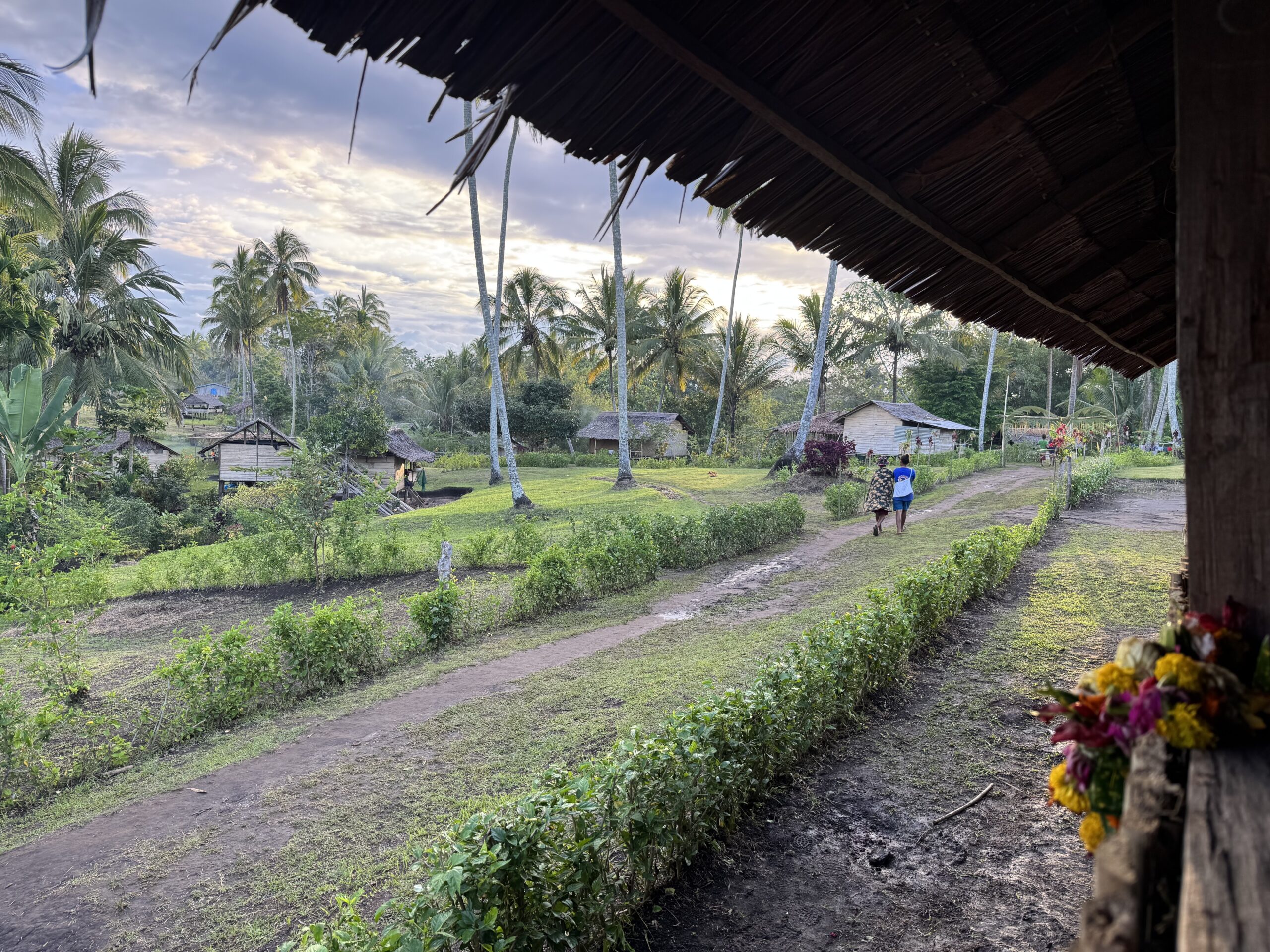
Without that grounding, new initiatives risk being filtered through the disappointments of previous engagements rather than the intentions of the current one. When communities can locate themselves within the process, they stop seeing themselves only as beneficiaries of outside interventions and begin reconnecting with their own responsibilities within the system.
This also changes how time is understood. Conservation planning needs to align more closely with generational timelines of trust and knowledge transfer, rather than short project cycles. That does not slow action, but it changes the sequencing of how relationships and responsibility are built.
The experiences in Managalas continue to show how conservation outcomes are shaped as much by how relationships are entered as by the technical solutions being proposed. Effectiveness is not only a question of technical design, but of whether conservation practice can align with the relational, cultural, and generational systems through which communities already govern their environments.
For more information on the project, please contact Landscape Alliance’s PNG Program Manager, Will Unsworth: [email protected]