



This article is Part 1 of a two-part series on community forest management and climate finance.
For years, the story told about community forests in the global tropics has followed a familiar script: local people are good at using forests, but they need outside experts, financing and rules to manage them well. A new study, conducted by the Foundation for Ecological Security (FES) with support from LandStack and Landscape Alliance, argues that this script has it backwards and that getting it backwards is costing the climate movement real results.
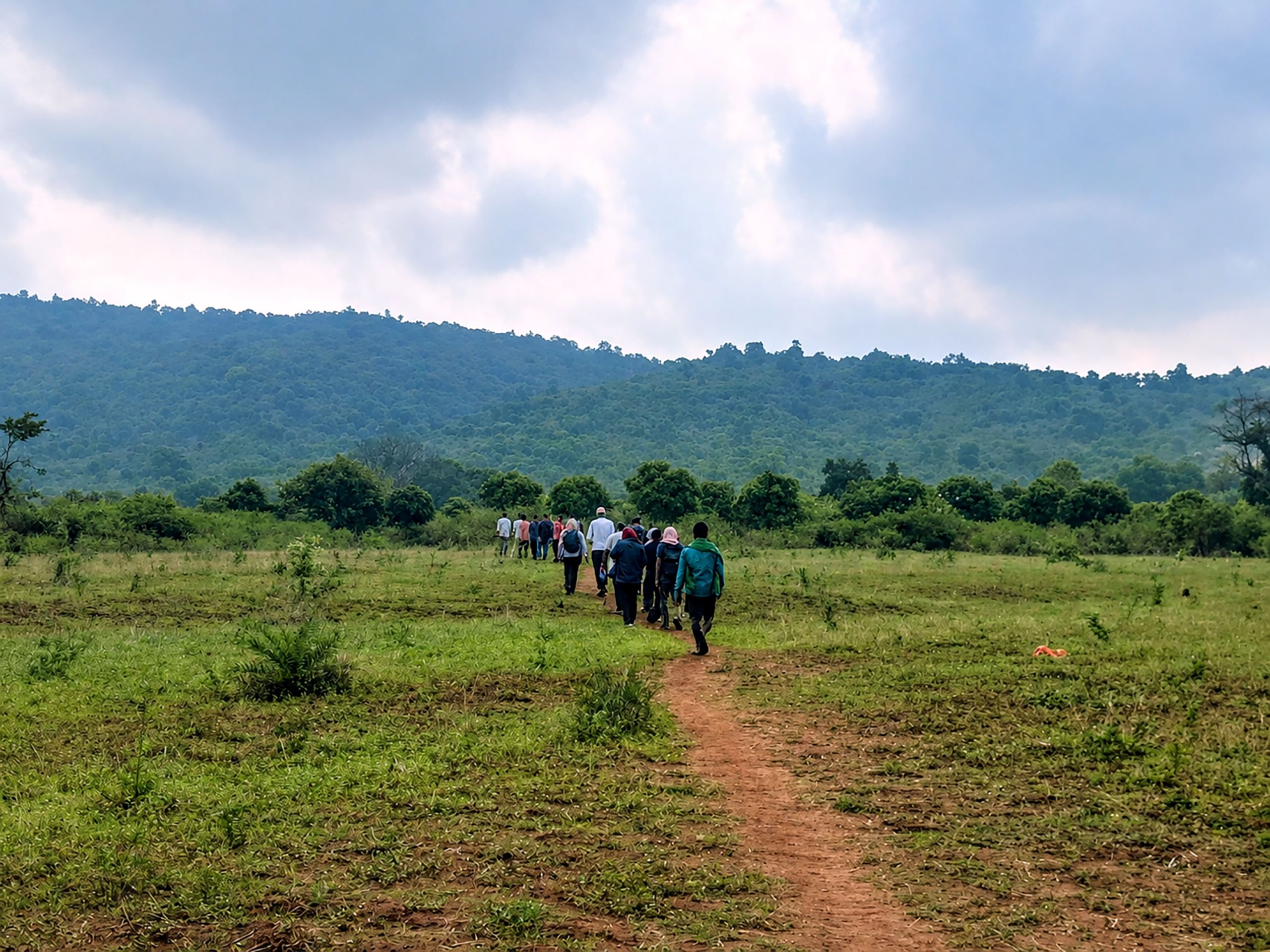
Based on fieldwork in 15 villages across the state of Odisha in eastern India and Meghalaya in the northeast, the study finds that communities with secure rights to their forests are already excellent stewards. They balance needs for timber, fuelwood, grazing, food and water while maintaining rich biodiversity and healthy carbon stocks.
Yet the payment-for-ecosystem-services (PES) programmes increasingly arriving in these landscapes are largely designed as if none of this was true. They ask communities to fence off forests, restrict grazing and hand management decisions to outside agencies in exchange for cash, often disrupting the practices that made the forests worth paying for in the first place.
The paradox at the heart of climate finance
Here’s the contradiction the study opens with: global climate advocates, donors and governments regularly praise community-managed forests as some of the best carbon sinks on the planet. But when it comes time to design programmes that pay for that carbon, those same institutions rarely ask communities what they need. Instead, financing is conditional on adopting management practices set by market or donor agencies. These practices can require communities to give up meaningful parts of their land-based livelihoods.
The study’s authors put it simply: local stewards should be treated as forest managers, not as labourers carrying out someone else’s plan.
Odisha and Meghalaya were chosen because both states have unusually strong histories of community forest rights, though in different ways. In Meghalaya, these rights have constitutional protections under the Sixth Schedule. In Odisha, decades of grassroots forest-protection movements eventually won legal recognition through the 2006 Forest Rights Act. This tenure security offers a rare, real-world test of what happens when communities are allowed to run their own forests.
How the study was done
Stewardship is easy to assert and hard to demonstrate, so the study set out to make it observable. It works with three attributes that West and colleagues (2018) identify as constituents of effective stewardship: care, knowledge and agency. To surface evidence of each, the team developed a 12-tool “stewardship assessment toolkit” combining qualitative and quantitative methods.
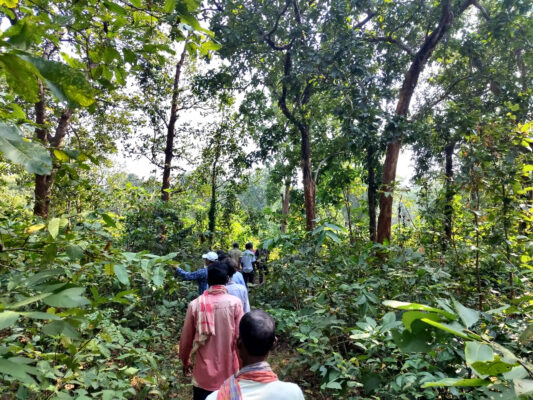
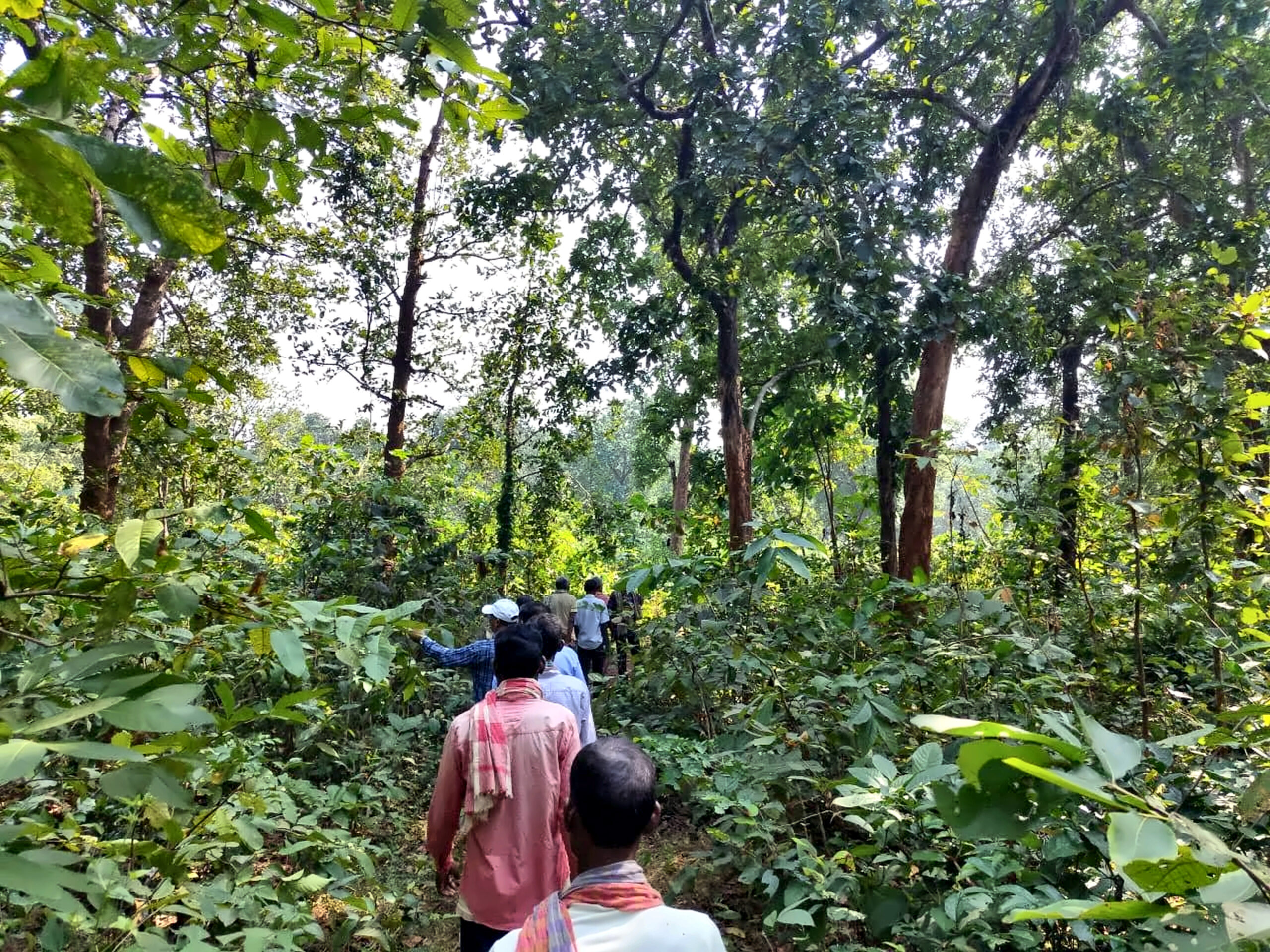
Researchers held focus group discussions, conducted participatory mapping exercises and took transect walks in each village. They also carried out household surveys with roughly 60 questions about how families interact with their forests.
To measure ecological outcomes, the team conducted biodiversity and biomass surveys using sample plots in community-stewarded forests and “control” sites. These included areas under other tenure arrangements, such as open-access forests, timber plantations and state reserve forests.
This let the team compare not just what people say about their forest management, but what is growing in the ground.

What care, knowledge and agency looked like in the villages
The study organizes its findings around these three attributes of stewardship and found all three in each of the 15 villages.
Care is the ethical foundation: a sense of duty and attachment to the land. It showed up in unexpected ways. In Balikuma village in Odisha, one of the first things the community did after winning formal forest rights was reintroduce grazing, which had been banned under the previous joint-management regime. Villagers explained that cattle grazing helps pollination, aids seed penetration through hoof action and improves soil moisture. In their view, livestock are part of forest health, not a threat to it.
In Meghalaya’s Khasi Hills, the village headman of Mawdulop offered a version of reciprocity that sums up the ethic: communities look after the forest because they trust the forest to look after them in return. Sacred groves, seasonal harvest festivals tied to specific forest products and local names for individual forest patches all reflect this deep, place-specific relationship. One Odisha village, for example, has 14 separately named patches.
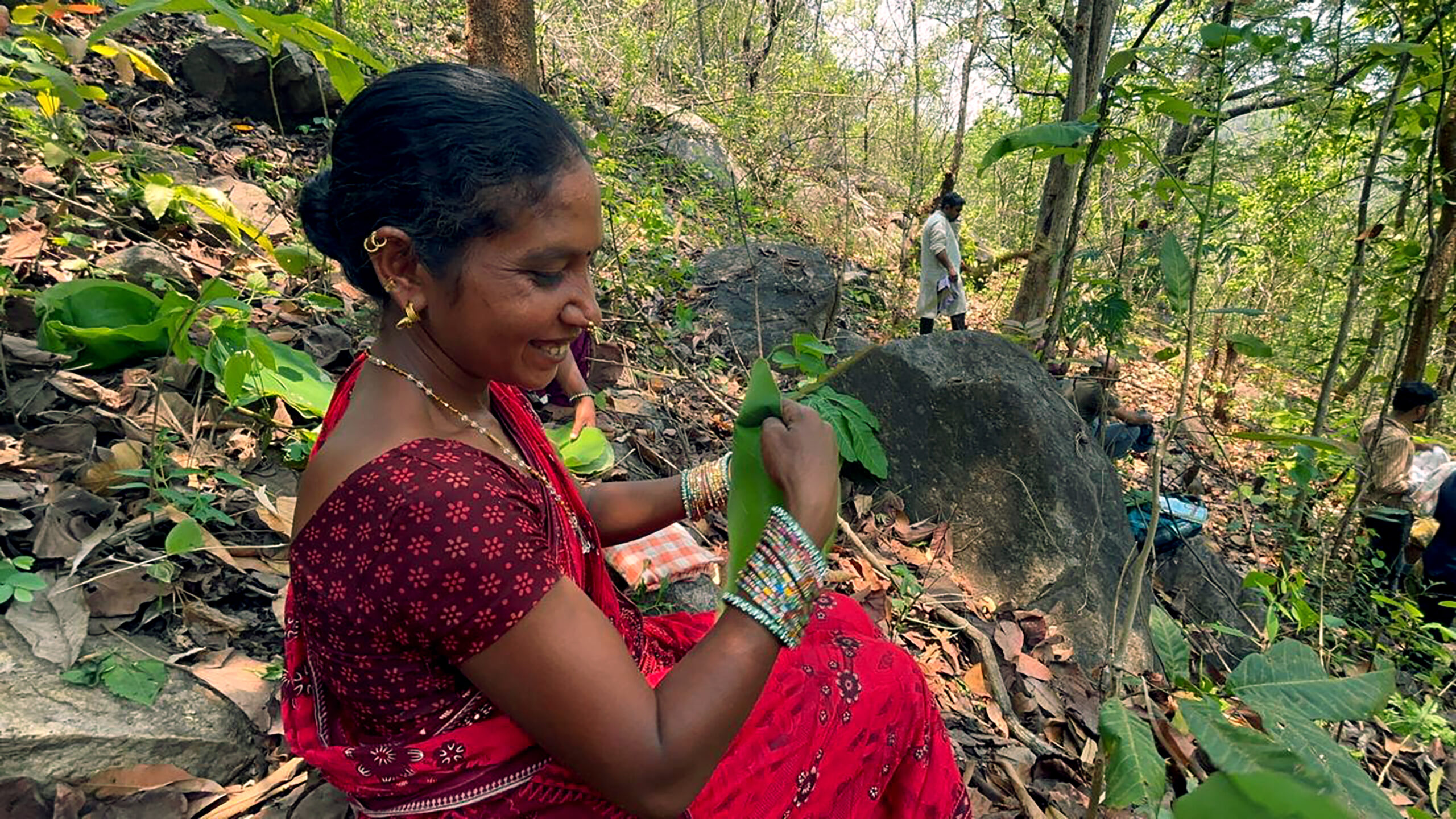
Intrinsic knowledge is knowledge gained through using and managing resources. In Meghalaya, communities practise sophisticated tending techniques, including coppicing, pollarding and seasonally timed pruning, suited to the biology of specific tree species. Women play a central role in seed collection and forest regeneration in Meghalaya, while communities in Odisha use grafting and seed-based propagation for species such as sal and mahua.
Both regions have detailed ethno-veterinary and ethno-medicinal knowledge, traditional pest-control methods using plants such as tobacco and neem, and fire-control techniques that include controlled burns to create natural firebreaks. Traditional weather forecasting is also extensive: people use ant movement, bird calls and even cobra mating behaviour as monsoon indicators, drawing on generations of close observation.
Agency is the ability to act on that knowledge without outside interference. It is where Odisha and Meghalaya diverge most sharply, and where the study’s argument gets its sharpest edge. Where communities hold real decision-making power, they use it.
Balikuma restored grazing to its forest within months of receiving its title. In Sahala, a surge in demand from an Ayurvedic company led to indiscriminate digging of Anantamula roots. The village’s women imposed a limit: only mature roots could be collected. They wrote the rule into the village bylaw through mutual agreement and enforced it without an external programme.
In Meghalaya, the Dorbar Shnong and the Hima above it allocate land and resources to communities and set rules for sacred forests, community-conserved forests and community supply forests. Monitoring and enforcement are handled within the community. These are not consultative inputs into somebody else’s plan. They are management decisions, taken according to seasonal needs rather than a project cycle. But the legal room to make those decisions is unevenly distributed, and it is exactly what the arrival of climate finance puts at stake.
Measurable results: stewarded forests outperform the alternatives
The ecological data back up the qualitative picture. Stewarded forests had significantly higher tree species richness than control sites: 41 species versus 31 in Odisha, and 65 versus 49 in Meghalaya. Stem density was consistently higher too. Diameter-class distributions showed a healthy mix of young and mature trees, a pattern ecologists associate with resilient, actively regenerating forests.
In Odisha, stewarded forests also stored substantially more carbon than control sites, an estimated 337 tonnes per hectare versus 243. The comparison in Meghalaya was complicated by the inclusion of an old timber plantation among the control sites. Even so, the broader ecological indicators, including humus build-up, signs of active management such as coppicing and wildlife presence, consistently favoured stewarded forests over degraded or extractively managed alternatives.
This is Part 1 of a two-part series; read Part 2, “Climate finance must work with community forest management.”
Acknowledgements