Satia Ras, a communications officer at Landscape Alliance, led a four-day social media training for biodiversity team leaders, youth and other community members from across Papua New Guinea’s Managalas Conservation Area (MCA). The participants were split into two groups, with one day specifically focused on the biodiversity team leaders. Here, Satia reflects on what did and didn’t go to plan, and what that might mean for the project’s next moves.
Q: What were you hoping the workshop would achieve?
A: The idea is to encourage community members to use social media platforms to share stories from Managalas, so that more people outside the area can hear about the place, its communities and what is happening on the ground. It is important for local people to tell their own stories, share their experiences and show the realities of the place they call home.
For the biodiversity team leaders especially, seeing the species records their monitoring work has generated can strengthen their sense of what they’re protecting. Social media can then become a space for them to casually share some of these findings, stories and experiences with wider audiences.
This is not about making communities responsible for communications or awareness raising, but rather about creating opportunities for young people to express their pride in their landscape, connect with others who share similar interests, and show the richness of biodiversity found in Managalas to broader networks across Papua New Guinea and beyond.
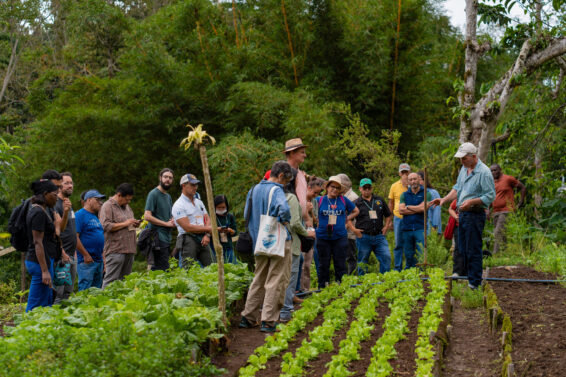
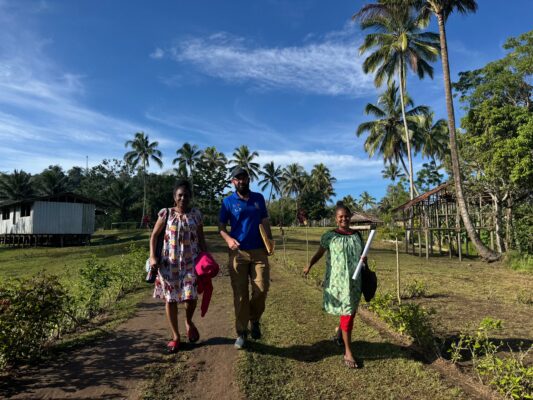
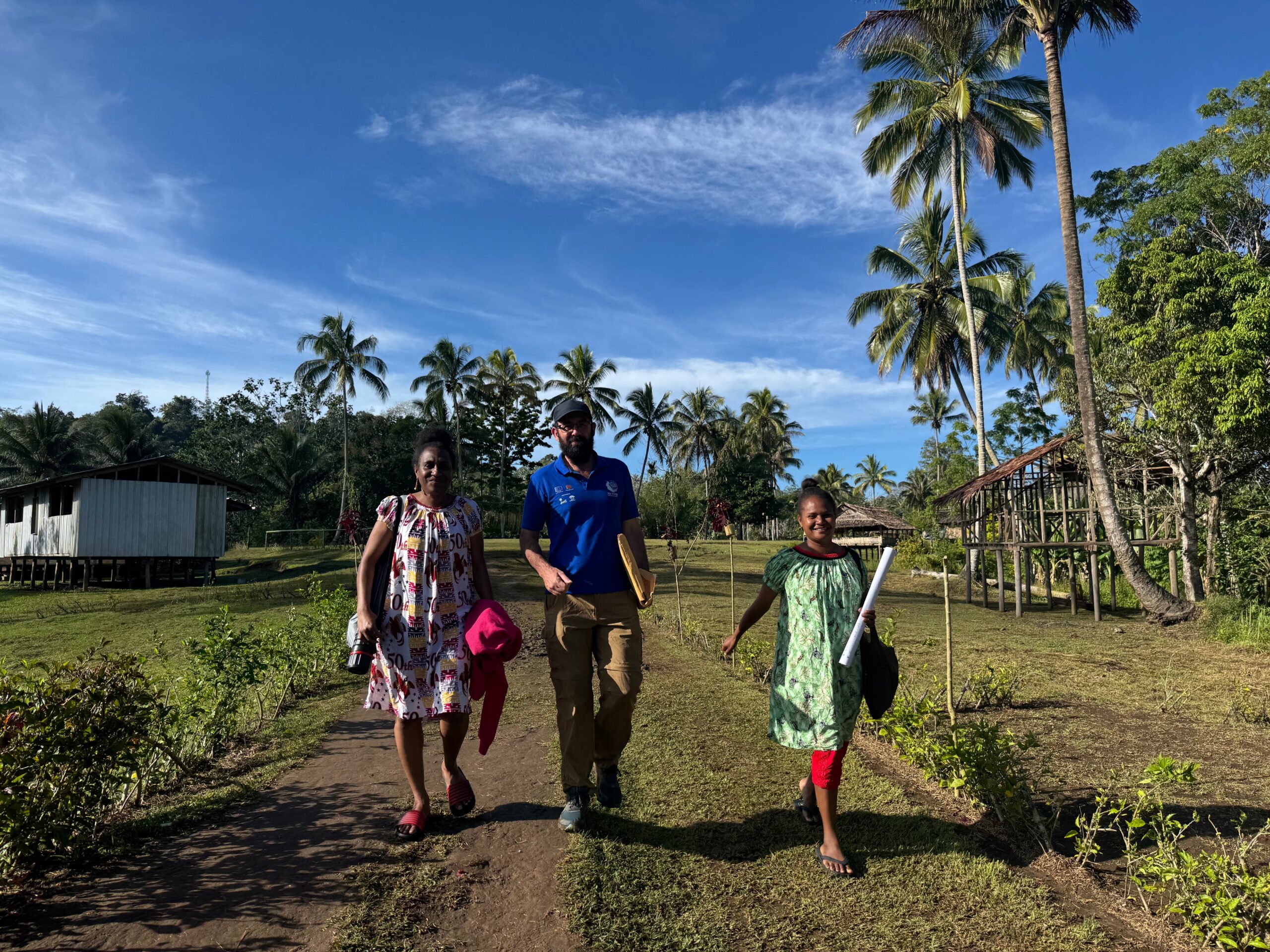
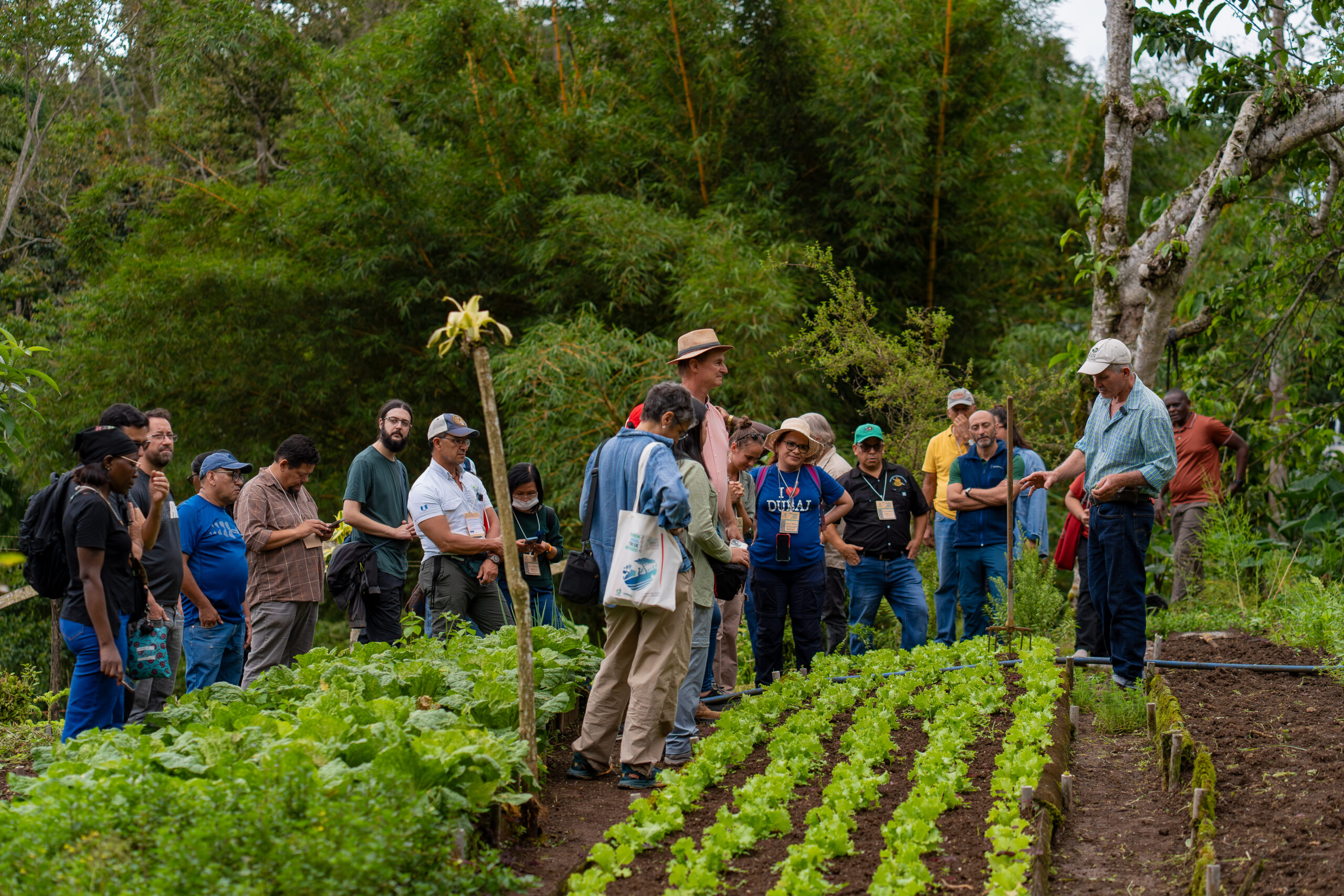
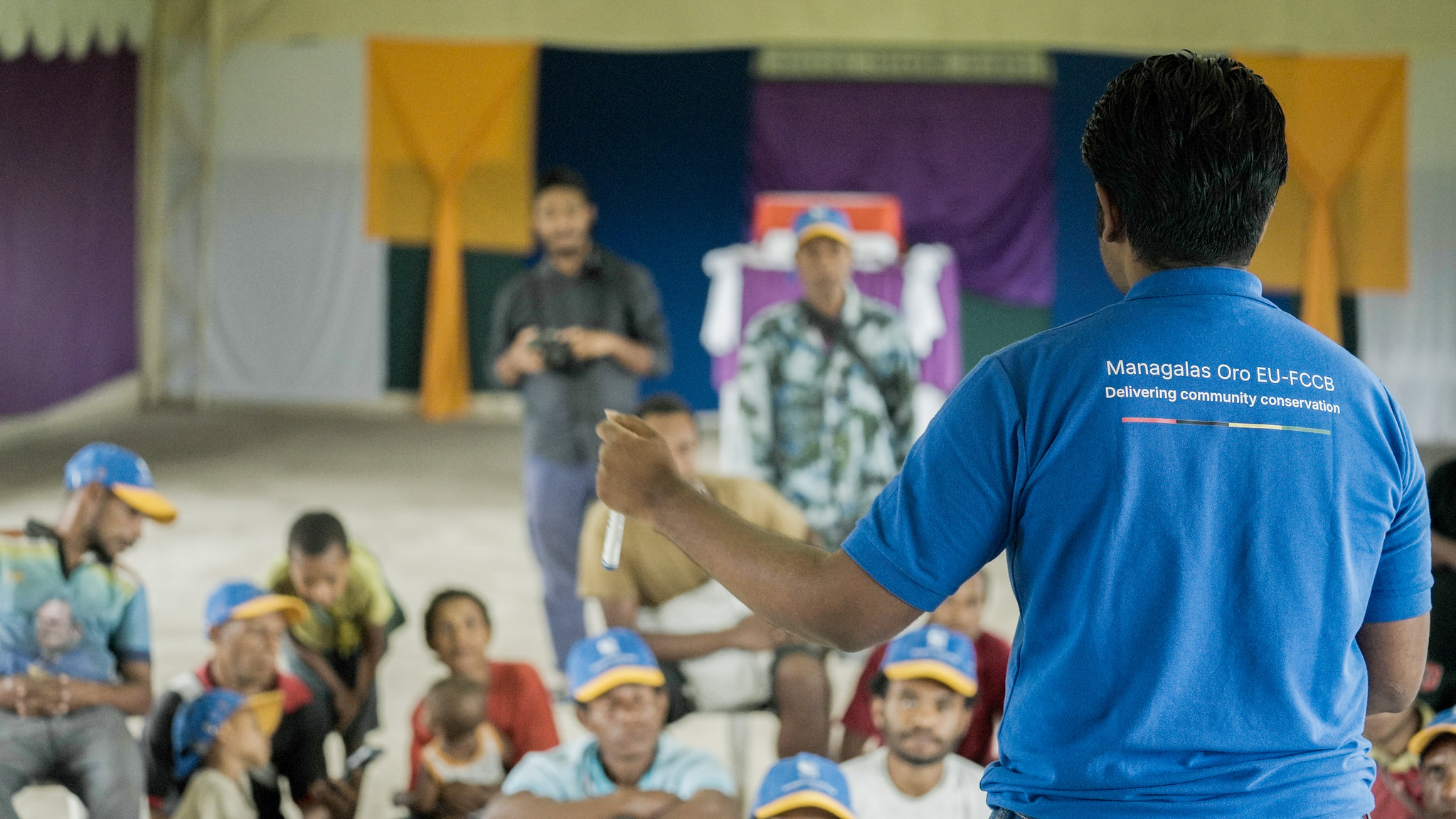
Participants take part in discussions and training during a social media workshop in the Managalas Conservation Area, Papua New Guinea. Photo by Dean Arek / Landscape Alliance
Q: What did you find when you got there?
A: Some participants already had access to smartphones, but many of them were shared family phones rather than personal devices. Most participants only used smartphones during project activities and did not have the chance to practise regularly outside the training.
Charging access was also something participants talked about a lot. During the training, the project team helped charge the phones using generators, so participants did not need to worry about charging costs while attending the sessions. However, outside project activities, participants explained that people often need to pay someone who owns a generator or solar panel to charge their phones.
Participants also shared that getting a SIM card is not always easy in the MCA. Some people need help with the registration process, especially if they do not yet have formal documents such as IDs or birth certificates.
Internet access was another challenge. One biodiversity team leader shared that he lives in an area without network coverage and has to travel quite far just to access the internet. Even in areas with network coverage, the connection can be unstable, which made it difficult at times to demonstrate browsing and other online activities during the training. Participants also mentioned that mobile data is expensive, so staying connected regularly is not always easy.
The digital readiness survey conducted before the training also revealed an important gap between access and confidence. While many participants had already heard about platforms such as Facebook, WhatsApp, YouTube and TikTok, actual digital literacy levels were still very basic for many of them. Some participants had never used messaging applications independently before, despite recognizing the names of social media platforms.
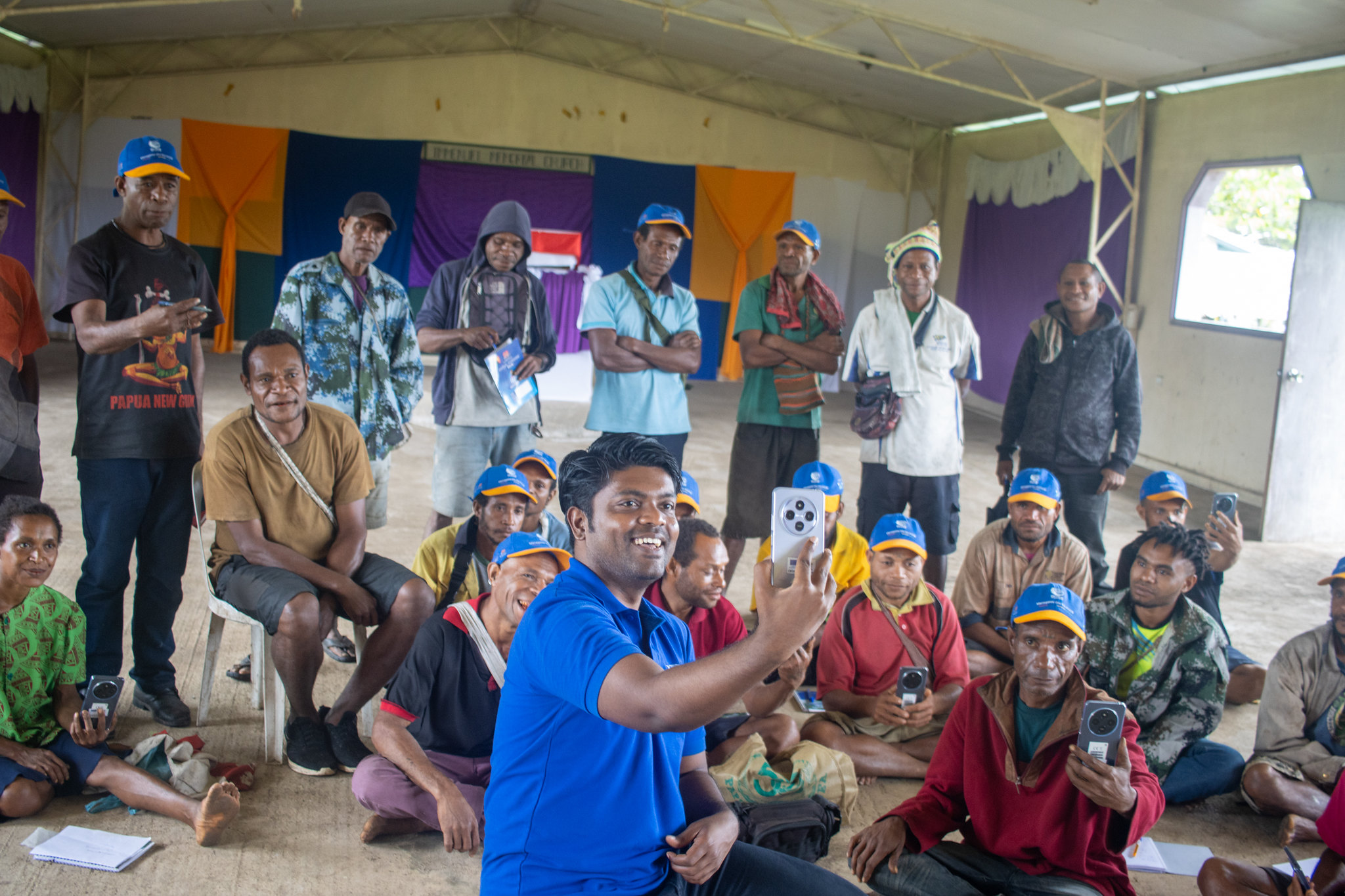
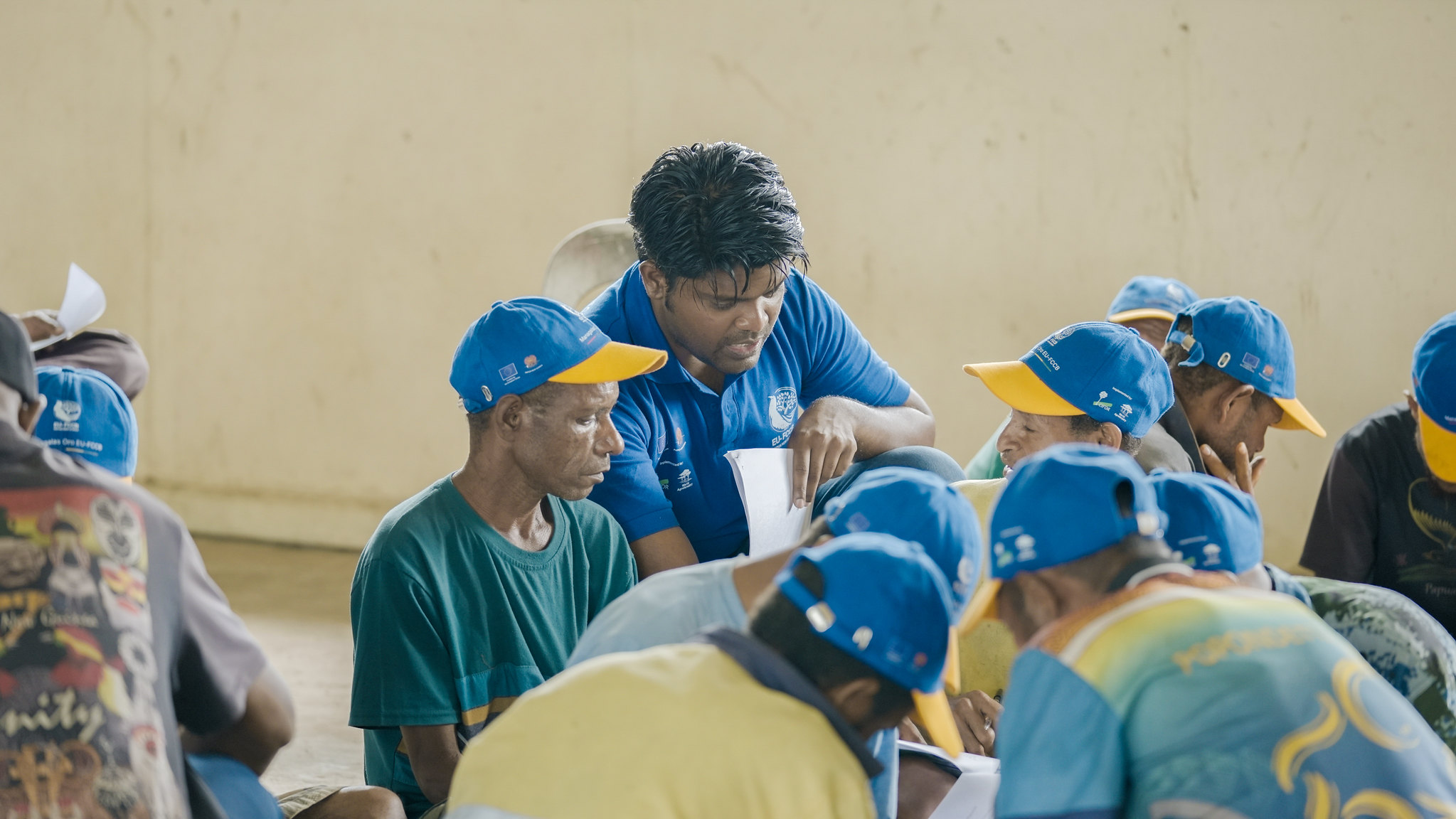
Photo by Dean Arek / Landscape Alliance
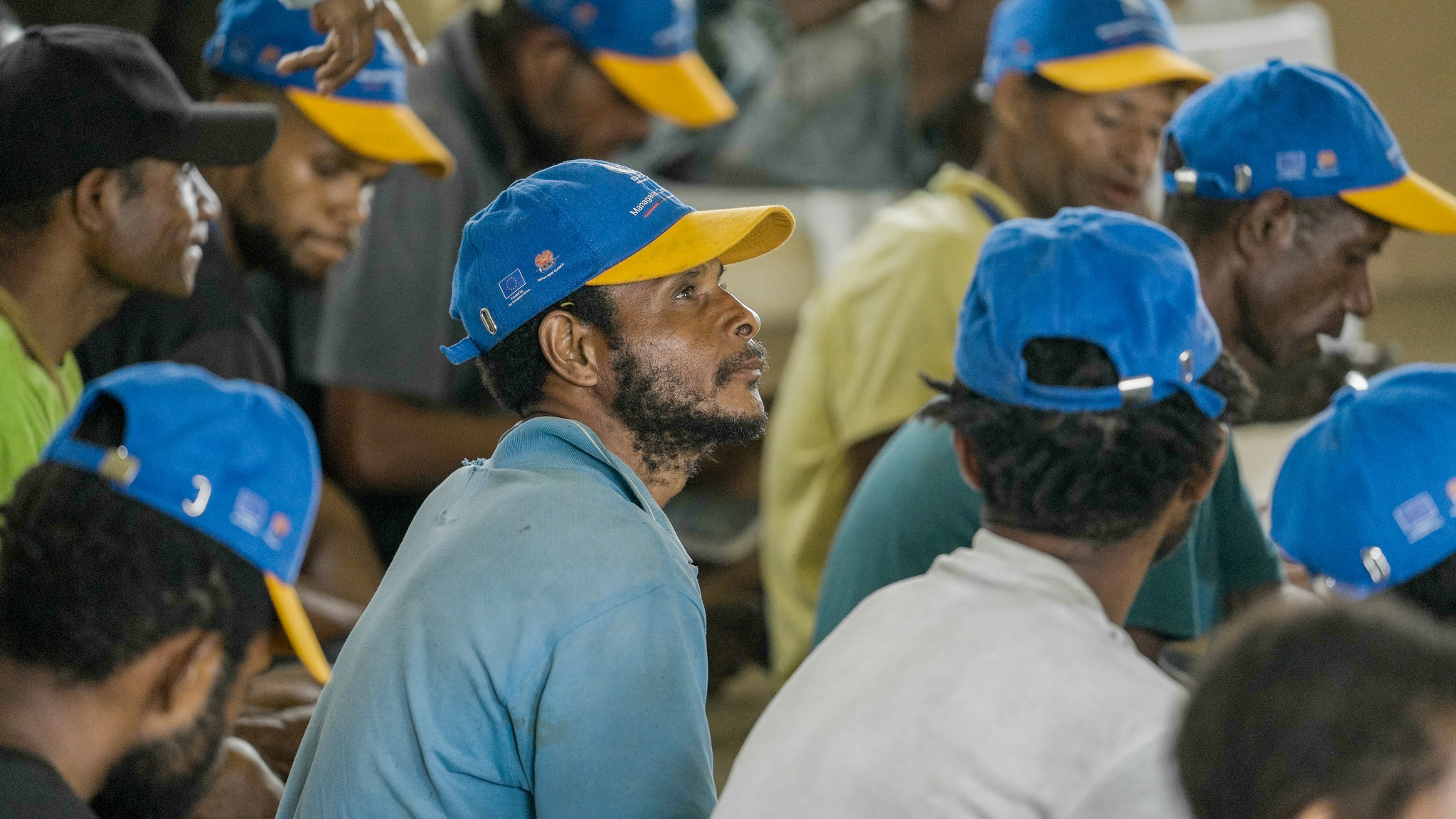
Photo by Dean Arek / Landscape Alliance
Q: What were the training sessions like?
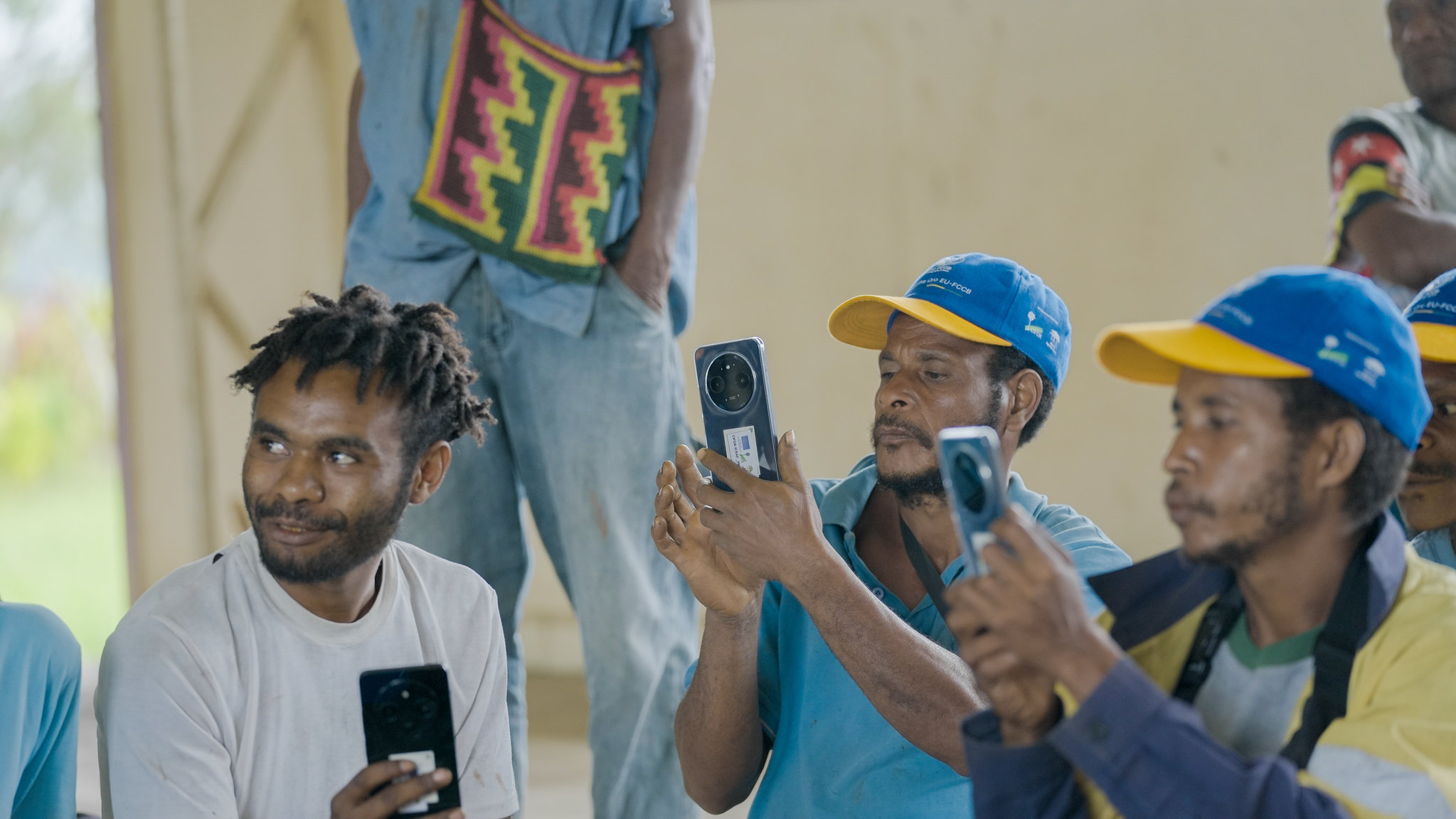
A: It was pretty challenging. Participants were struggling with things we hadn’t anticipated: how to type, how to delete, how to save a contact. They were nervous; their hands were shaking. At one point, someone accidentally deleted the GPS app – used by biodiversity teams for mapping and field monitoring activities – without realising.
But despite all these limitations, the participants were genuinely excited and curious throughout the training. Many of them were especially interested in learning how to use the internet and messaging platforms. When they had the chance to send text messages, photos, audio recordings, and videos, you could really see their excitement. There was a lot of laughing, smiling, and curiosity during the sessions.
One of the most interesting things was how excited participants became when they started exploring internet search tools and voice-based functions. For many participants, using Google to search for information appeared to be a completely new experience. During the reflections, several participants identified Google searching as one of their favourite activities from the training.
Voice recording and voice messaging activities also became very popular. In many cases, audio-based communication felt more accessible than typing, especially for participants who were still unfamiliar with smartphone keyboards and text messaging.
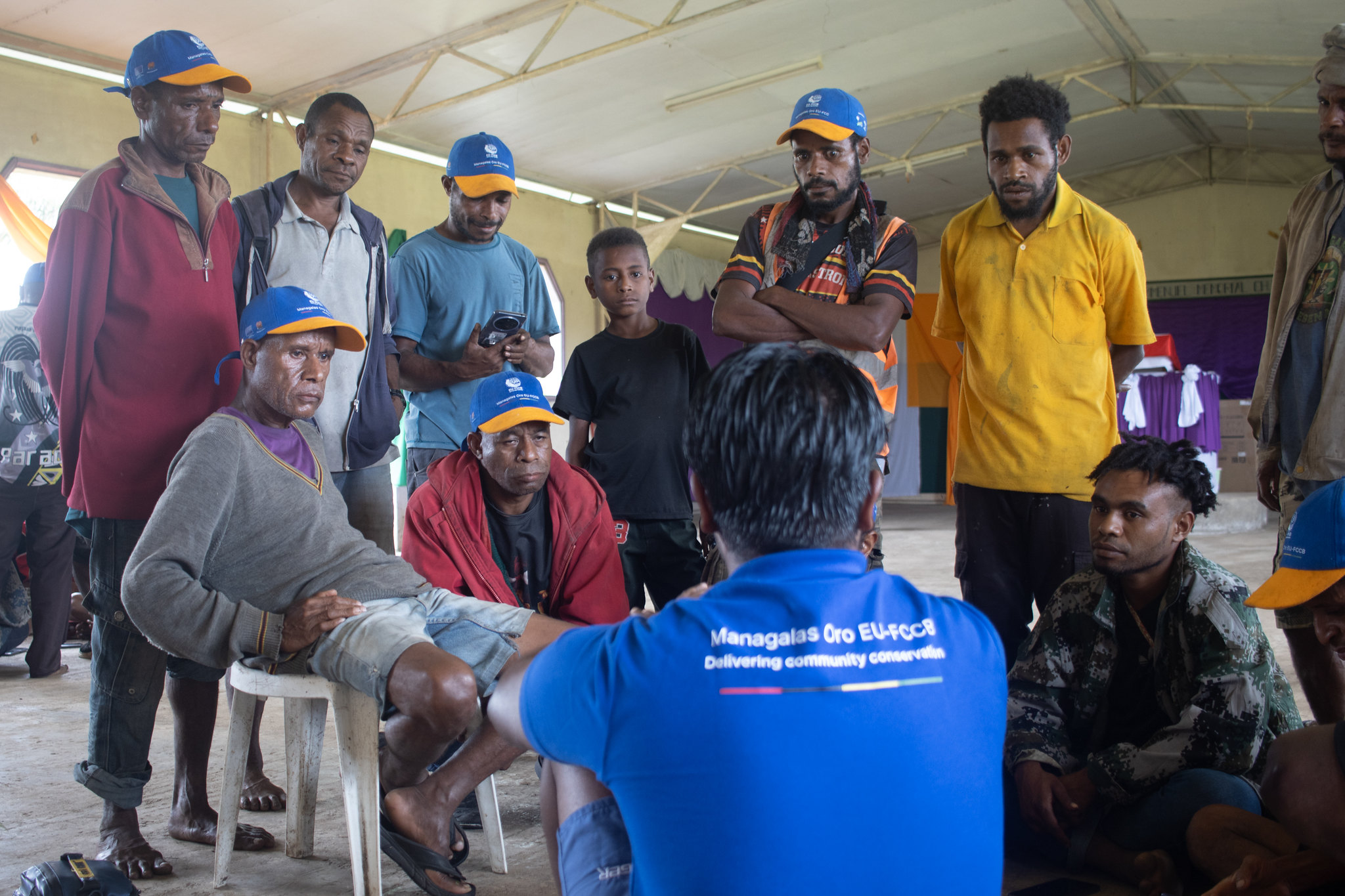
Photo by Dean Arek / Landscape Alliance
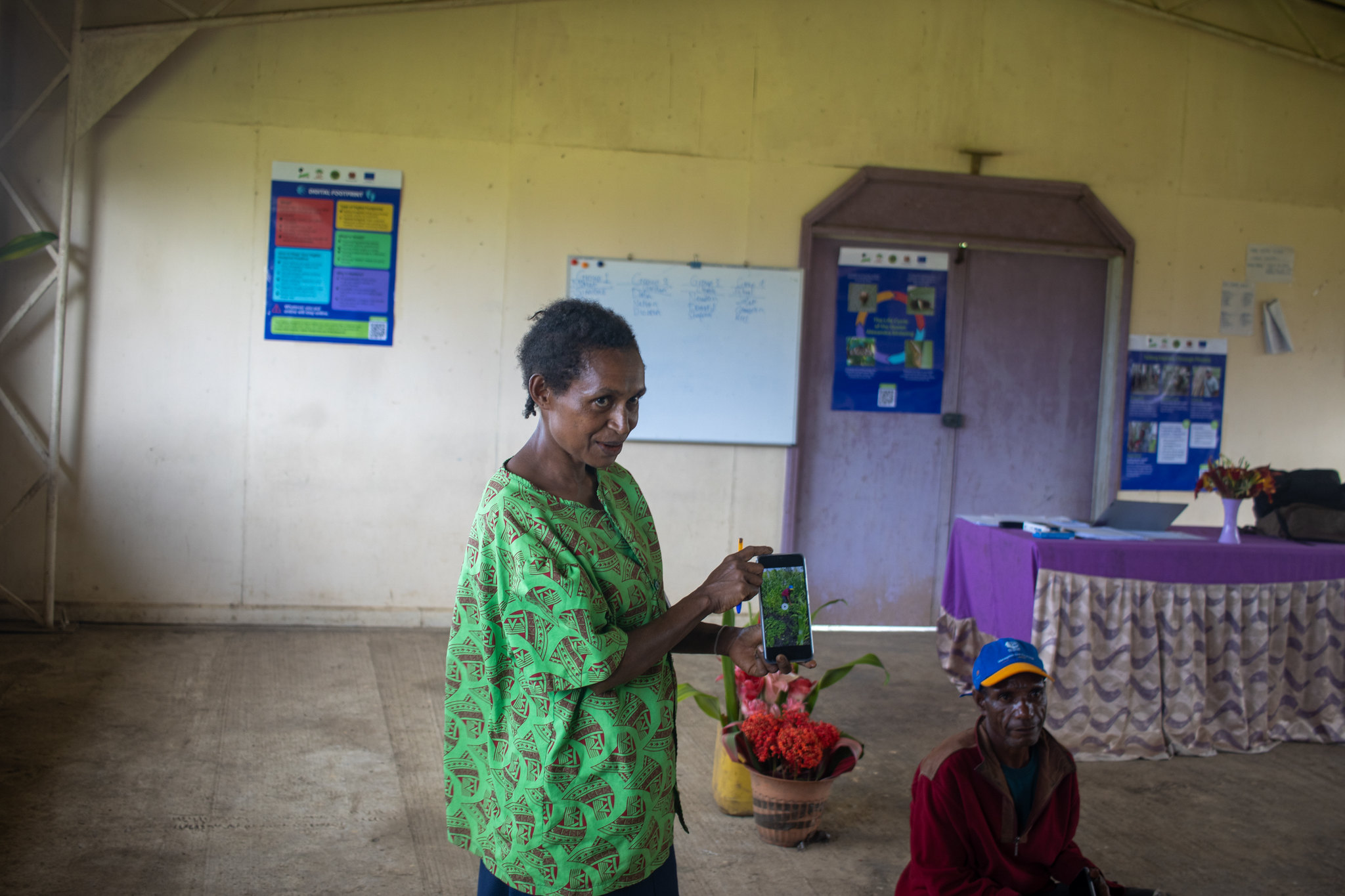
Photo by Dean Arek / Landscape Alliance
Q: How did you adapt?
A: We quickly realized that we needed to focus on foundations before anything else. So instead of beginning directly with social media introductions, we started with the basics: how to turn a phone on and off, how to charge it, how to take photos and videos and how to use the core functions of a smartphone.
Creating a comfortable learning environment also took deliberate effort — some participants were still building confidence in expressing themselves openly, so it took time and patience to encourage more interaction and discussion.
Interestingly, as the workshop progressed, participants’ interests also began changing. During the earlier sessions, many participants mainly focused on understanding basic phone functions and communication tools. But later, participants were increasingly asking about storytelling, captions, photo editing, videos, online marketing, and how social media could help share positive stories from their communities. Several participants also expressed interest in using social media to promote farming activities, environmental work, and community initiatives.
Participants take part in a storytelling exercise during a social media workshop in the Managalas Conservation Area, Papua New Guinea. Photo by Dean Arek / Landscape Alliance
Q: Despite all of this, are participants willing to engage?
A: I could clearly see this from their excitement to attend the workshop. I remember that it was raining, but they still walked long distances to come to the sessions. Some participants even waited for others so they could all gather before the workshop started. You could really see a strong sense of community and teamwork among them.
They were also very curious about the tools and activities introduced during the workshop. Even when they made mistakes, they kept trying and practising. We gave them group tasks, and they worked together to complete them. Some groups created simple video stories and photo stories, which they later presented in front of the other participants. In general, the participants already knew what stories they wanted to tell. The training was just about finding the tools to say it.
For more information on the project, please contact Landscape Alliance’s PNG Program Manager, Will Unsworth: [email protected]