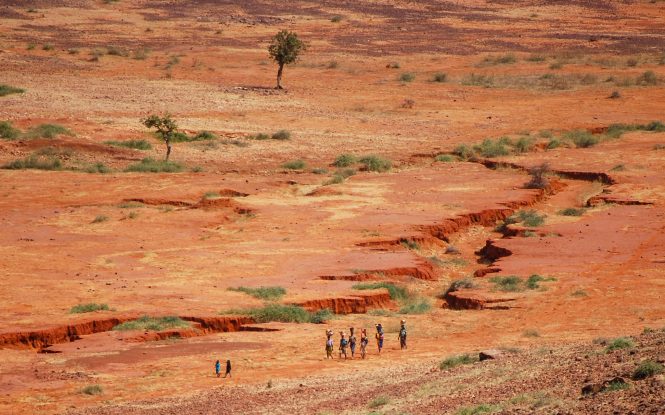



Why are we ignoring the regions that feed three billion people? Corporate supply chains quietly buy up sesame, cotton and cashmere from parched soils, but international investors look away. They’re missing a massive financial reality: every dollar spent on dryland restoration returns 30 dollars.
Shifting from drylands to productive “thrivelands” relies on practical, community-led tools. In Rajasthan, low-cost greenhouses protect crops from extreme heat and cut water use by 90 per cent, helping smallholder families quadruple their income. In Egypt, where desert covers 96 per cent of the country, the social enterprise Sekem uses biodynamic farming to re-green the soil, scaling to 40,000 farmers through ecosystem service payments.
This transition requires market equity. Western consumers pay top dollar for dryland goods like fonio and mangoes, but minimal profit trickles back to the growers. Sourcing companies must build fair procurement partnerships to secure these supply chains and safeguard global climate stability.
Watch the full panel discussion on YouTube.