

Across Africa’s drylands, a new push for transformation is underway.
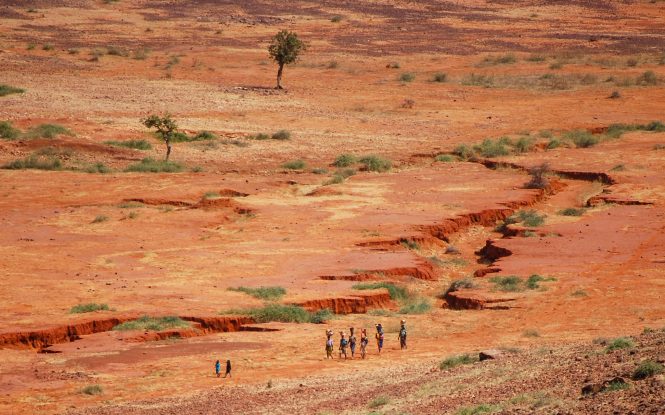
Stretching across 11 countries, from Senegal to Djibouti, the Great Green Wall Initiative (GGW) is no longer simply a line of trees on a map. It is a long-term Pan-African effort to restore degraded land, strengthen livelihoods and build resilience in regions facing some of the world’s most severe biophysical, human-induced and socioeconomic pressures.
Its 2030 targets remain ambitious: restore 100 million hectares of land, sequester 250 million metric tons of carbon and create 10 million green jobs. That makes the Great Green Wall one of the world’s largest restoration efforts, linking ecosystem restoration, climate action and economic development at a scale few initiatives have attempted.
Delivering on that vision requires sustained ambition, coordination, investment and evidence-based action. Progress across countries has often been uneven, shaped by complex social, economic and environmental realities, as well as insecurity in some areas. At times, this has fed narratives that implementation has stalled. Yet in 2026, governments, technical partners and communities across the Sahel and Horn of Africa are working to accelerate progress and turn commitments into action on the ground.
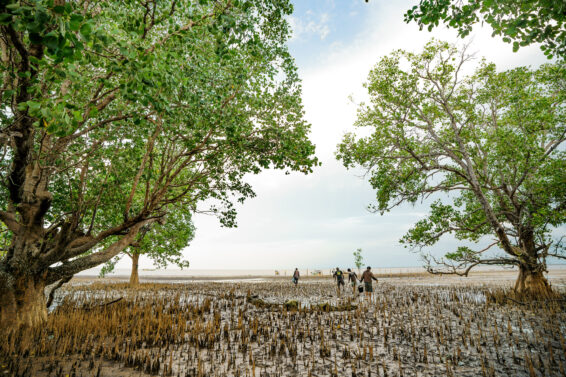
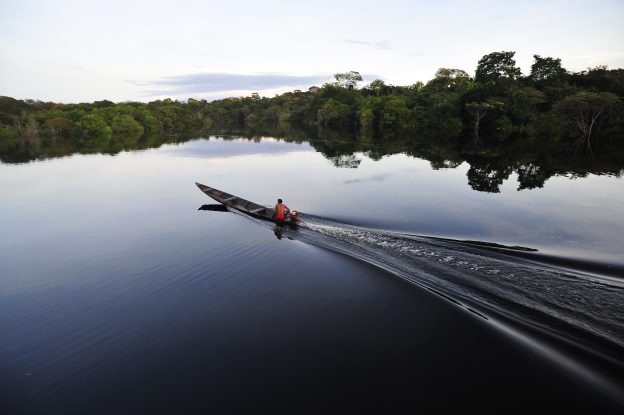
Photo by Kelvin Trautman / CIFOR-ICRAF
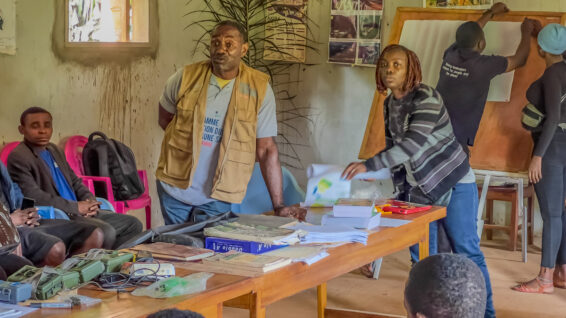
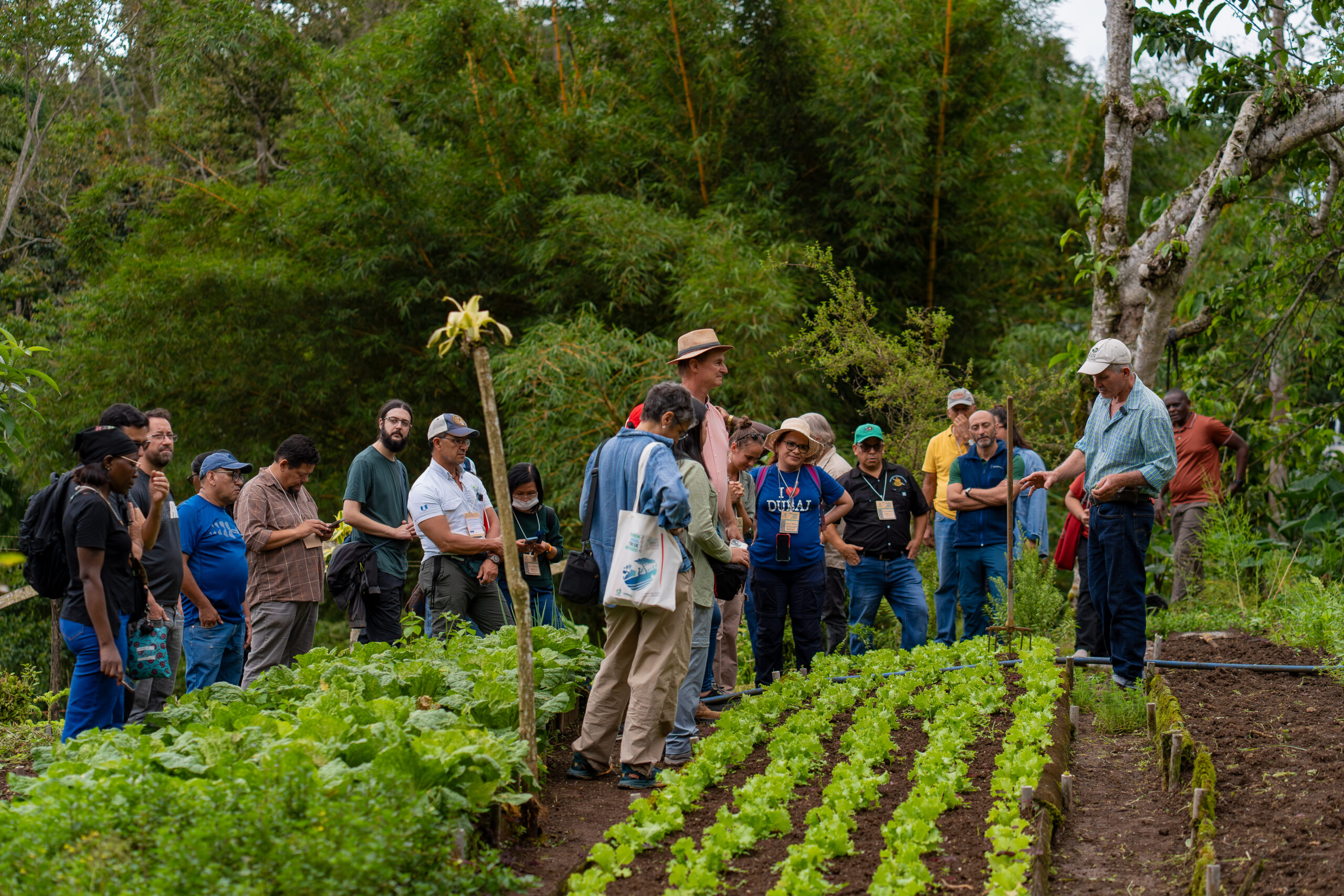
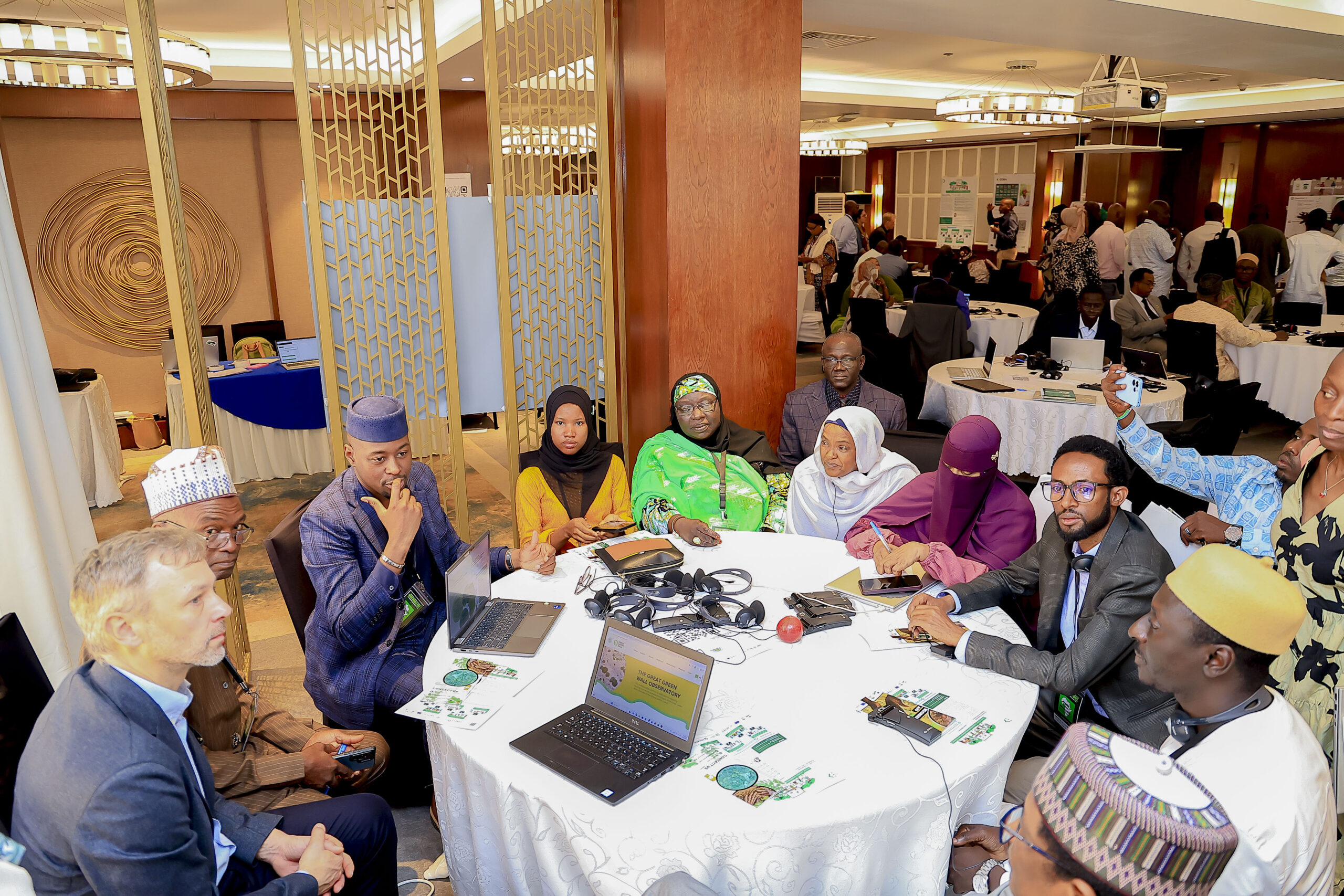
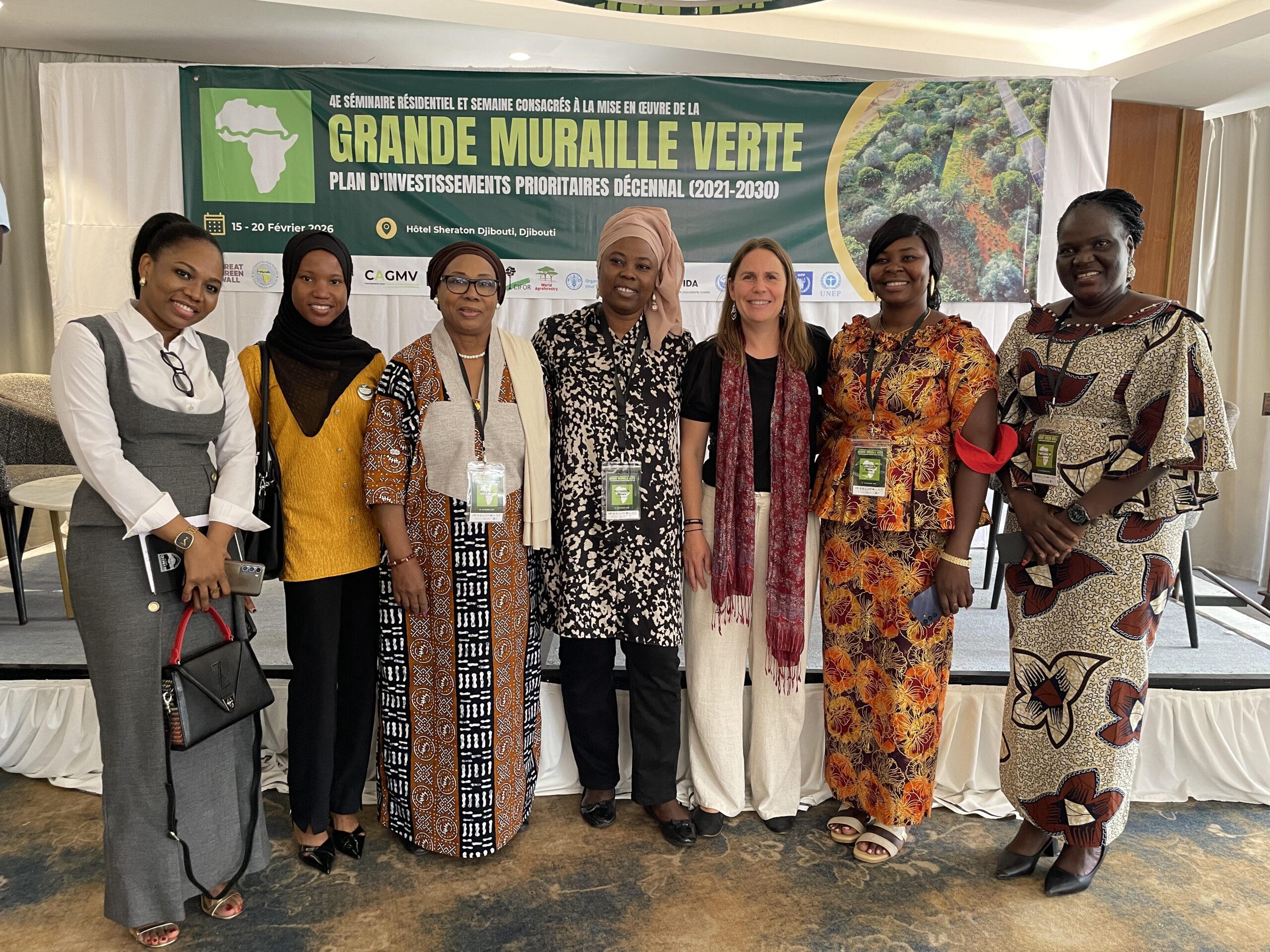
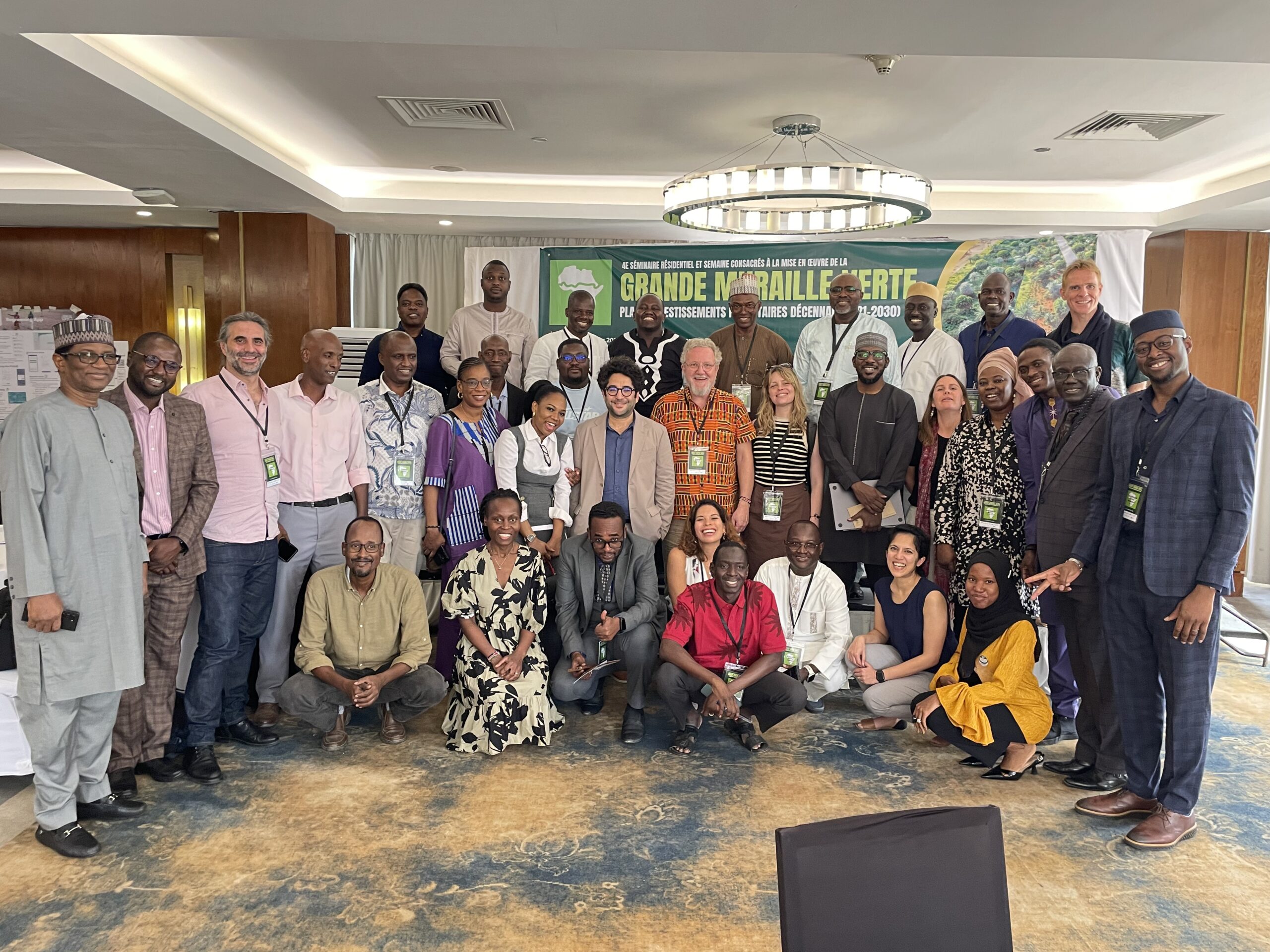
Against this backdrop, governments, researchers and development partners gathered in Djibouti in February 2026, where two major annual Great Green Wall gatherings were merged into a single joint event: the 4th Residential Seminar of the Great Green Wall and the 3rd Week Dedicated to the Implementation of the Great Green Wall.
The Residential Seminar, organized by the Pan-African Agency of the Great Green Wall and hosted by the Government of Djibouti, was held alongside the Week Dedicated to the Implementation of the Great Green Wall, organized under the EU-funded Knowledge for Great Green Wall Action Programme (K4GGWA), led by the Center for International Forestry Research and World Agroforestry (CIFOR-ICRAF) in collaboration with the International Fund for Agricultural Development (IFAD), the United Nations Convention to Combat Desertification (UNCCD), the World Food Programme (WFP) and the Food and Agriculture Organization of the United Nations (FAO).
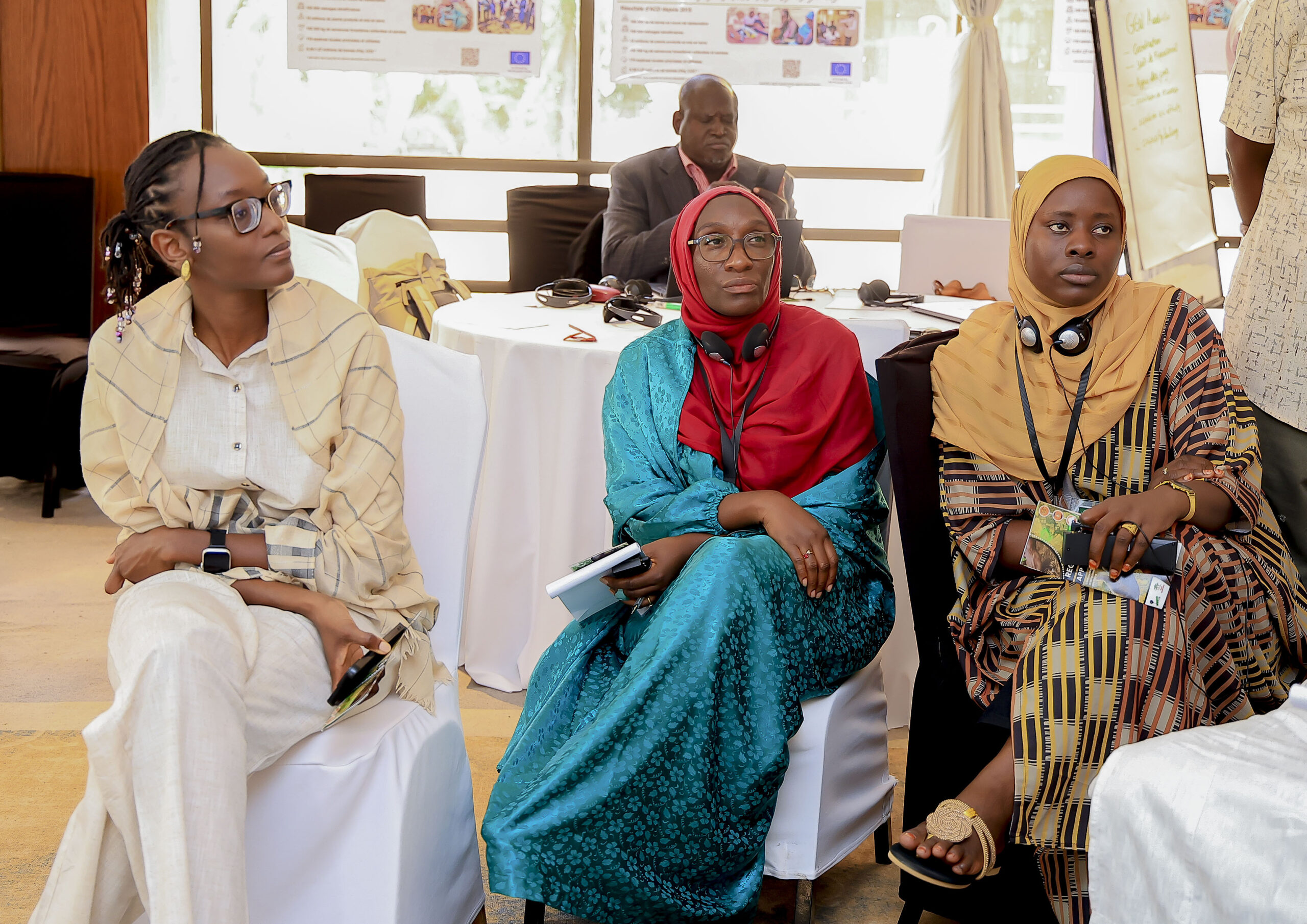
Together, the events brought more than 80 participants to Djibouti, including representatives of national Great Green Wall agencies, civil society organizations, youth and women’s groups, researchers, practitioners and technical and financial partners from across the Sahel and the Horn of Africa.
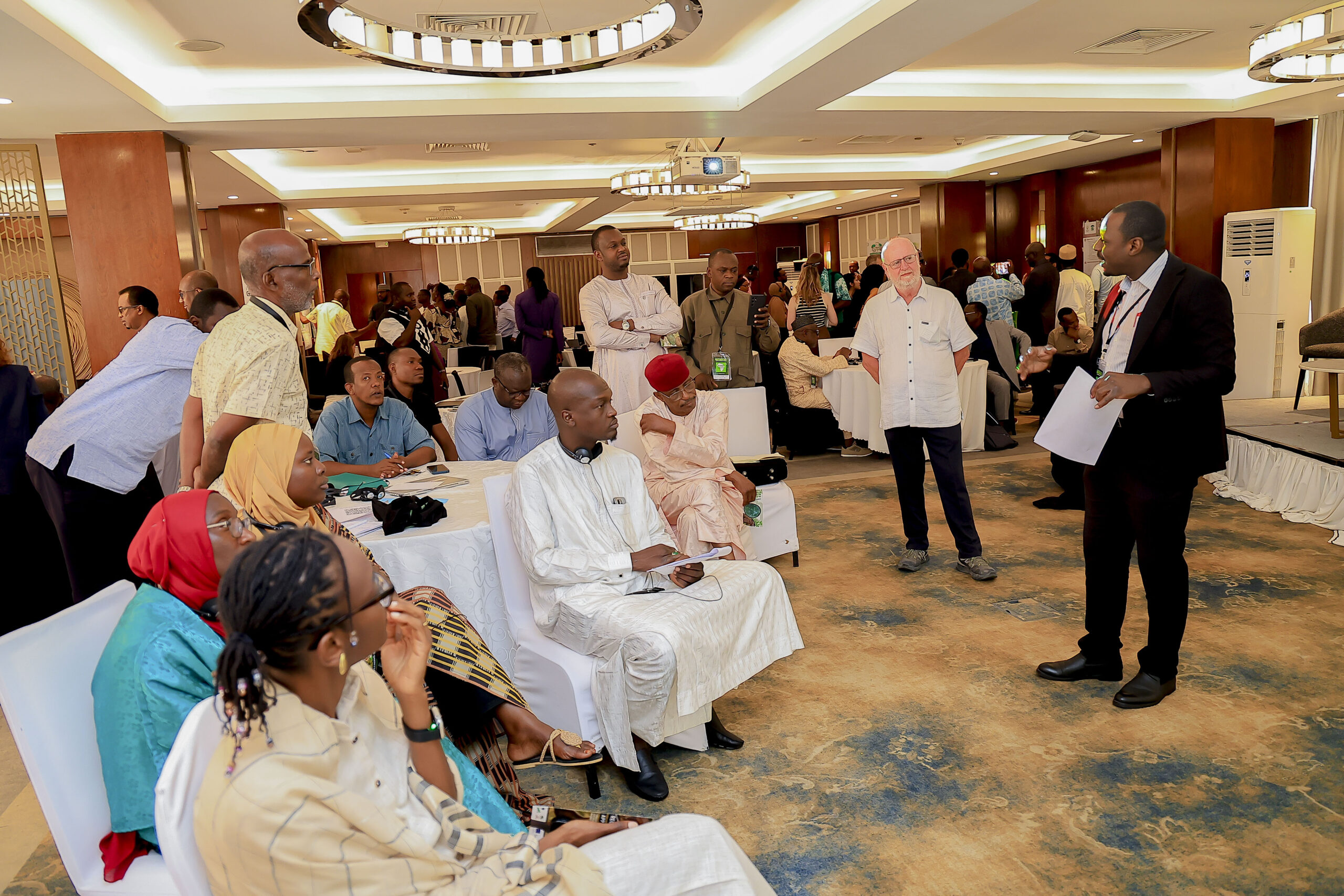
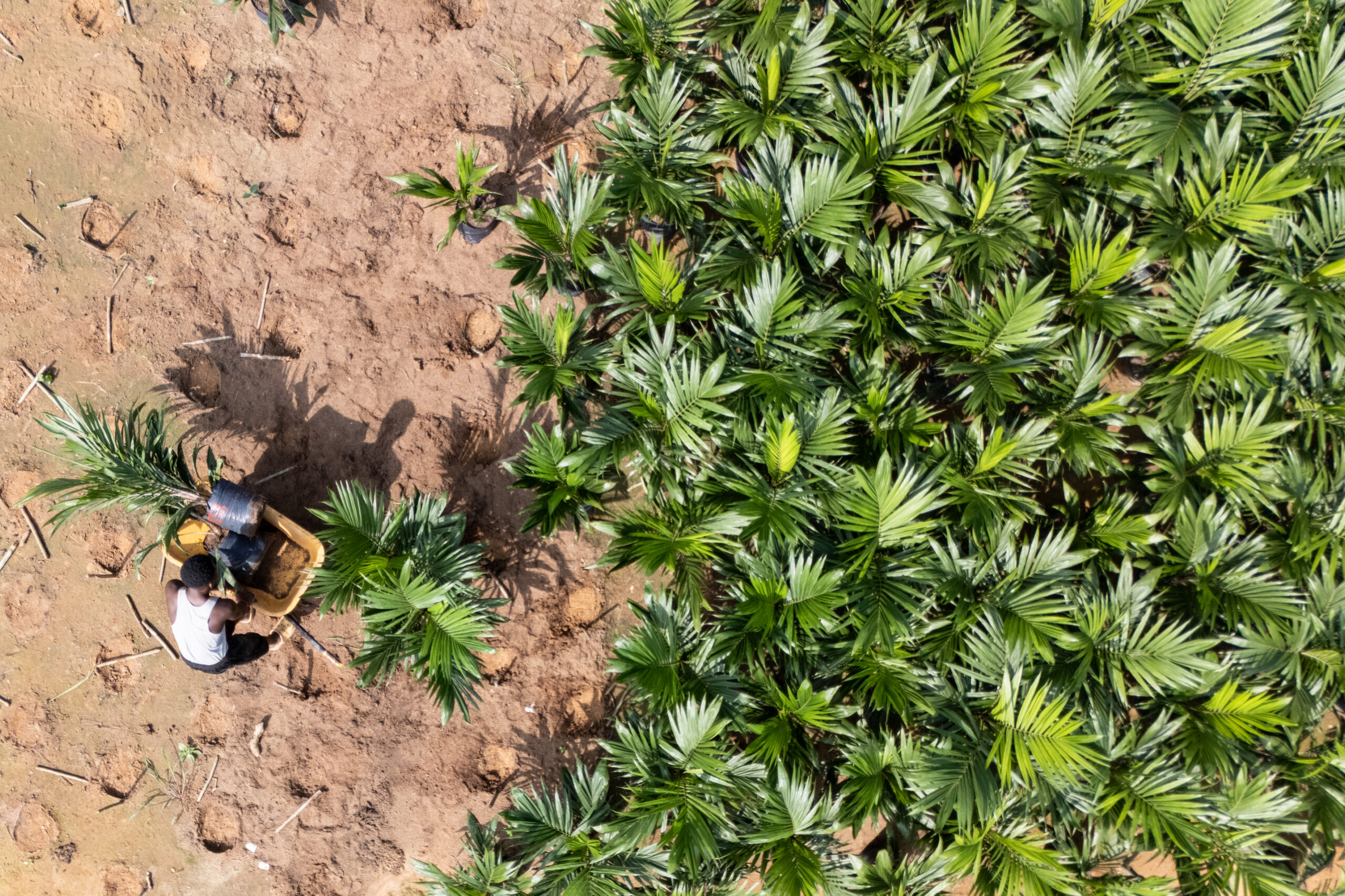
Photo by CIFOR-ICRAF
Participants reviewed implementation in 2025, aligned priorities for 2026 and strengthened coordination ahead of the 17th Conference of the Parties to the United Nations Convention to Combat Desertification (UNCCD COP17), a key global moment to mobilize action on land degradation, drought resilience and sand and dust storms.
“Convening all stakeholders is essential to accelerate progress towards the Great Green Wall’s 2030 goals and unlock its full potential for community resilience, livelihoods and stability,” said Ibrahim Touré, co-lead of K4GGWA.
From ambition to implementation
Launched in 2007, the Great Green Wall has evolved from a vision into a growing portfolio of restoration, resilience and livelihood projects across Africa’s drylands. Nearly two decades on, results are becoming visible.
“We are progressing with the support of our technical and financial partners, with whom dialogue continues to deepen,” said Almoustapha Garba, executive secretary of the Pan-African Agency of the Great Green Wall. “Field-level intervention budgets have grown, the project portfolio has expanded, and we are rolling out more structured programmes to advance the 2030 targets.”
A major boost came with the launch of the USD 222 million SURAGGWA programme in December 2025, which aims to scale up land restoration and climate resilience across eight Sahelian countries with support from the FAO and the Green Climate Fund (GCF).
Complementing this shift toward more structured delivery, a USD 21 million regional programme launched in 2024 is strengthening knowledge management and innovation. Led by IFAD with support from the GCF and the Global Environment Facility, the initiative is deploying specialists across seven countries to improve coordination among stakeholders, with full rollout expected by 2026. It builds on IFAD’s broader portfolio of 35 projects — including 26 in GGW areas — aligned with the initiative’s priorities.
K4GGWA is part of this wider shift towards more coordinated delivery. Through its knowledge management work, the programme has mapped existing solutions, projects and actors across countries, helping clarify what works and where gaps remain. It is also strengthening the capacity of stakeholders on the ground and improving understanding of land degradation patterns so interventions can be better targeted.
“In the coming year, we will support countries in improving coordination at national level, raising awareness about the Great Green Wall, and forging new partnerships to accelerate progress,” said Mieke Bourne, K4GGWA project manager and co-lead.
K4GGWA also works to bring greater visibility to local actors and practical solutions that remain under-recognized, while building on knowledge already generated across countries.
“We identify and support promising young innovators across Great Green Wall countries,” said Patrick Worms, who leads the K4GGWA Innovation Facility. “Through a competitive selection process, we provide targeted funding, mentorship and technical guidance to help them scale solutions that contribute to land restoration and resilient livelihoods.”
More than 18 innovators have already benefited from the programme, with dozens more in the pipeline, including 40 women entrepreneurs in Burkina Faso, Mali, Niger and Senegal. The initiative is supporting restoration and agroecological practices, rural enterprise development and sustainable engineering solutions across the Sahel and the Horn of Africa.
Transforming land and livelihoods
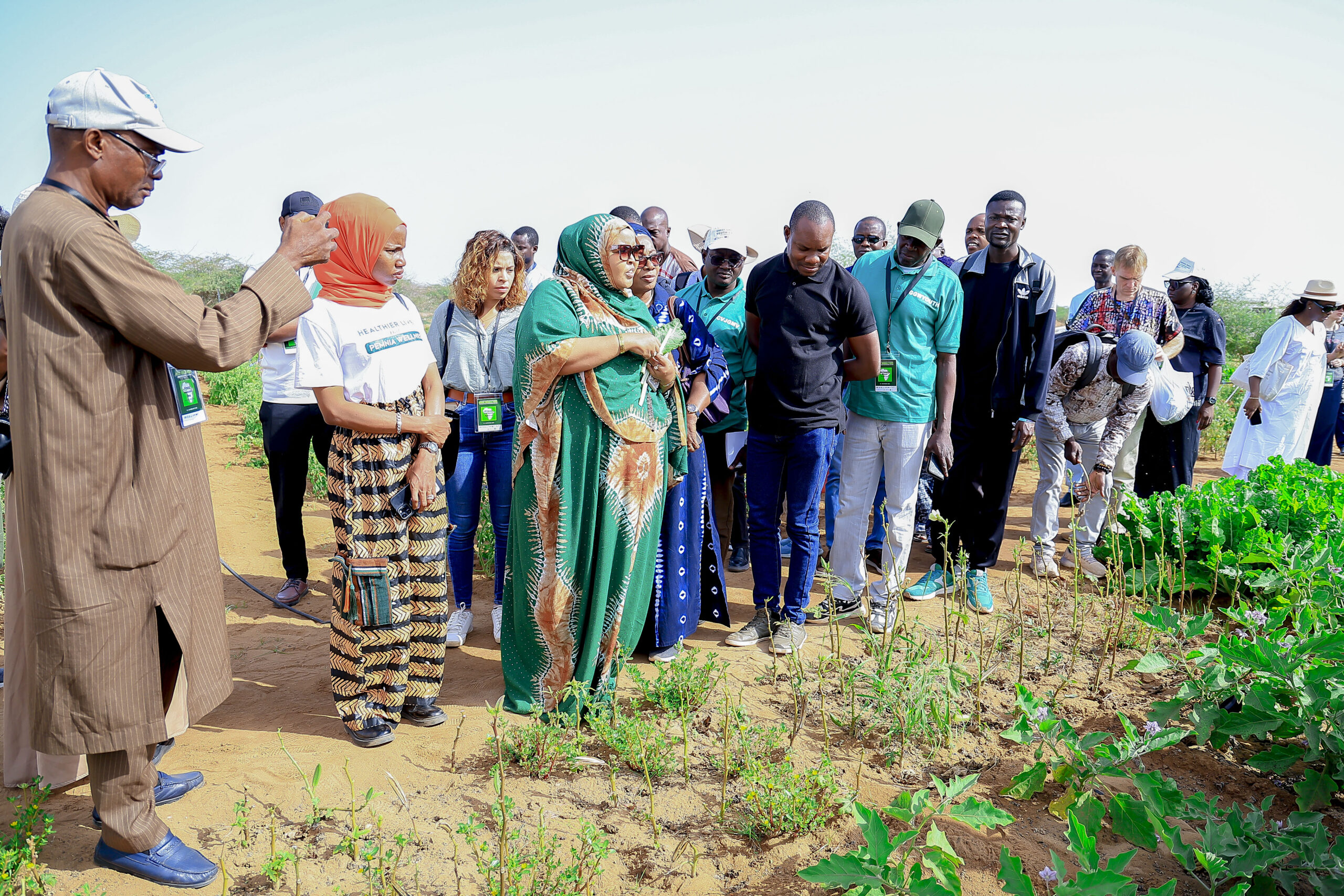
The Djibouti seminar presented progress made in 2025 across several fronts, from land restoration and water management to climate resilience and rural enterprise.
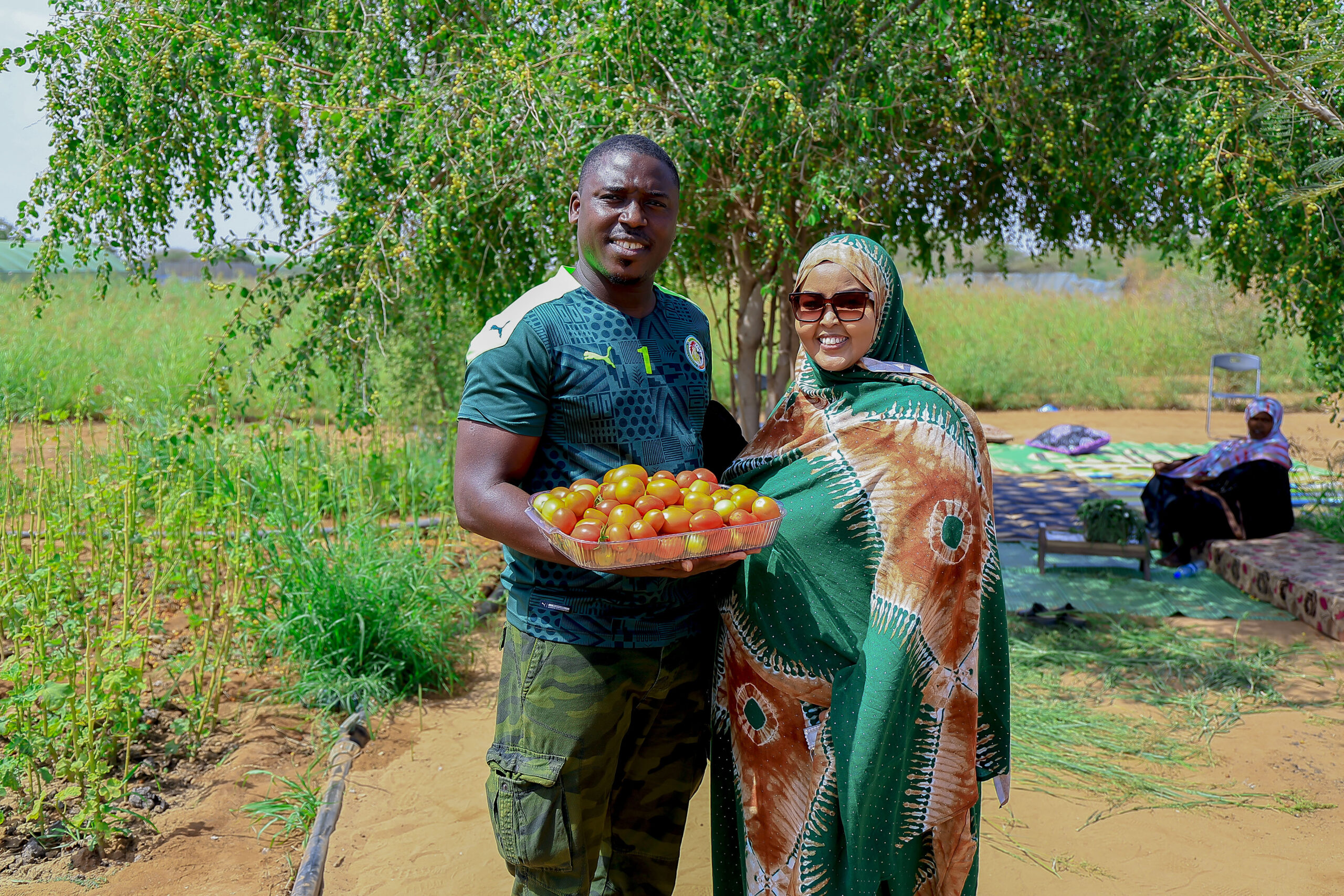
Programmes are also supporting local economies through integrated community farms, value chains for drought-resilient crops such as sunflower and infrastructure investments, including solar energy systems and irrigation, that help sustain rural livelihoods.
At the same time, national GGW coalitions and local platforms are expanding to improve coordination, while capacity building, communication and advocacy are deepening local engagement, particularly among women and youth.
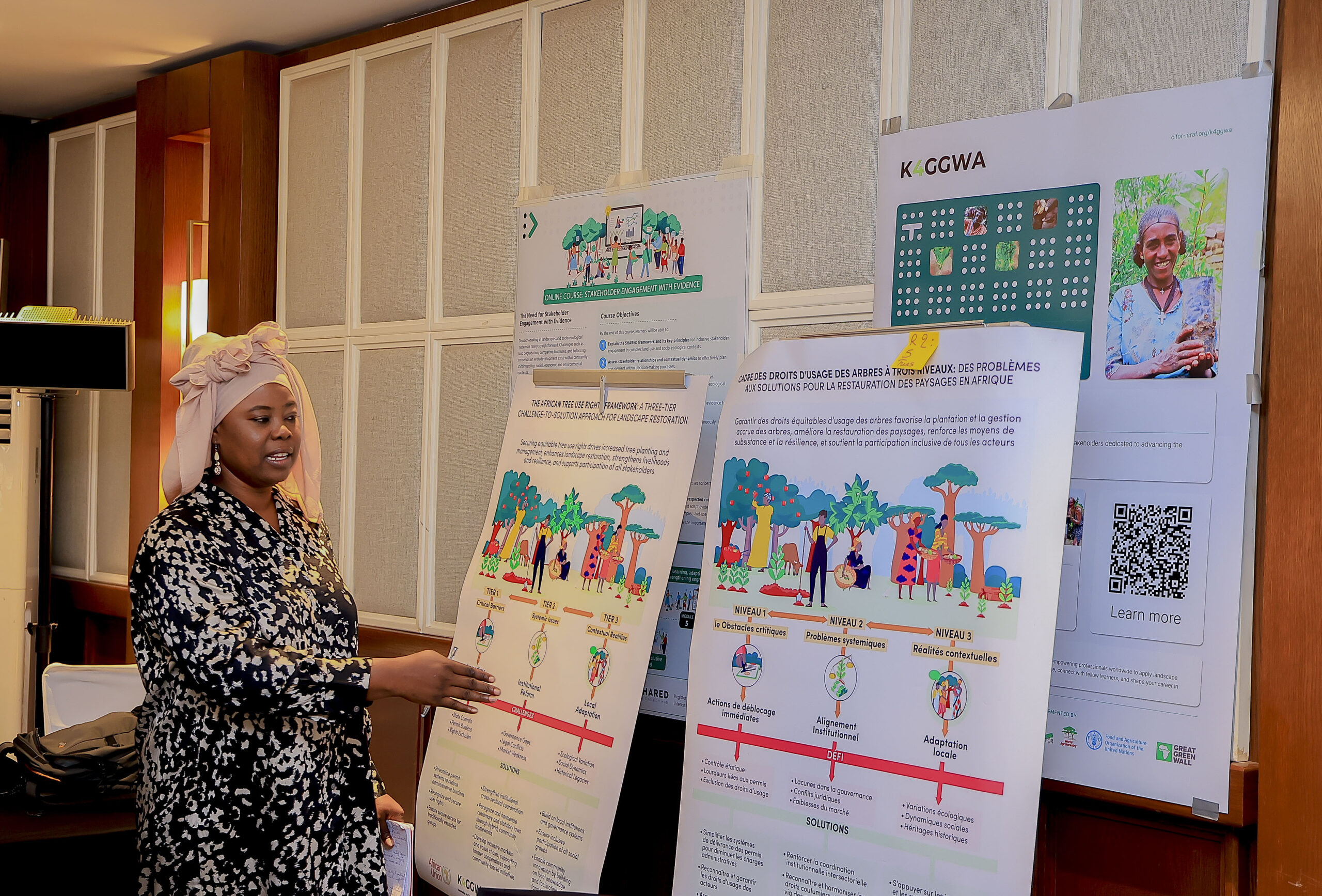
In Nigeria, partnerships are emerging to support restoration-linked value chains, including pilot initiatives with farmers. Elsewhere, efforts are strengthening institutional frameworks and community-based approaches.
“Thanks to the Great Green Wall, we have been able to expand our sales network and significantly increase market access compared to 2024. This makes us hopeful about the future,” said Adebisi Opeyemi Aminat, founder and CEO of Pemnia Wellness in Nigeria.
In Niger, IFAD’s Family Farming Development Programme has restored around 210,000 hectares of land, trained nearly 67,000 farmers and increased yields by 30 percent, while helping create more than 200 rural businesses and improve local infrastructure.
Together, these examples point to a stronger link between restoration and livelihoods.
“They are not only environmental projects, but a strategic investment in the development and stability of our territories,” said Abdoulfatah Abdourahman Arab, from Djibouti’s subdirectorate for the Great Green Wall and reforestation.
Improving how progress is tracked
One of the clearest lessons from the Djibouti discussions was that progress remains difficult to measure comprehensively.
Reporting systems across countries remain fragmented, making it hard to capture the full range of activities and results on the ground. Data is often incomplete or not harmonized, limiting its value for decision-making and for demonstrating impact to investors and partners.
Strengthening monitoring frameworks — through more harmonized reporting systems and tools such as the GGW Observatory — emerged as a priority. Better data, participants stressed, are needed for accountability, for attracting finance and for identifying which approaches can be scaled.
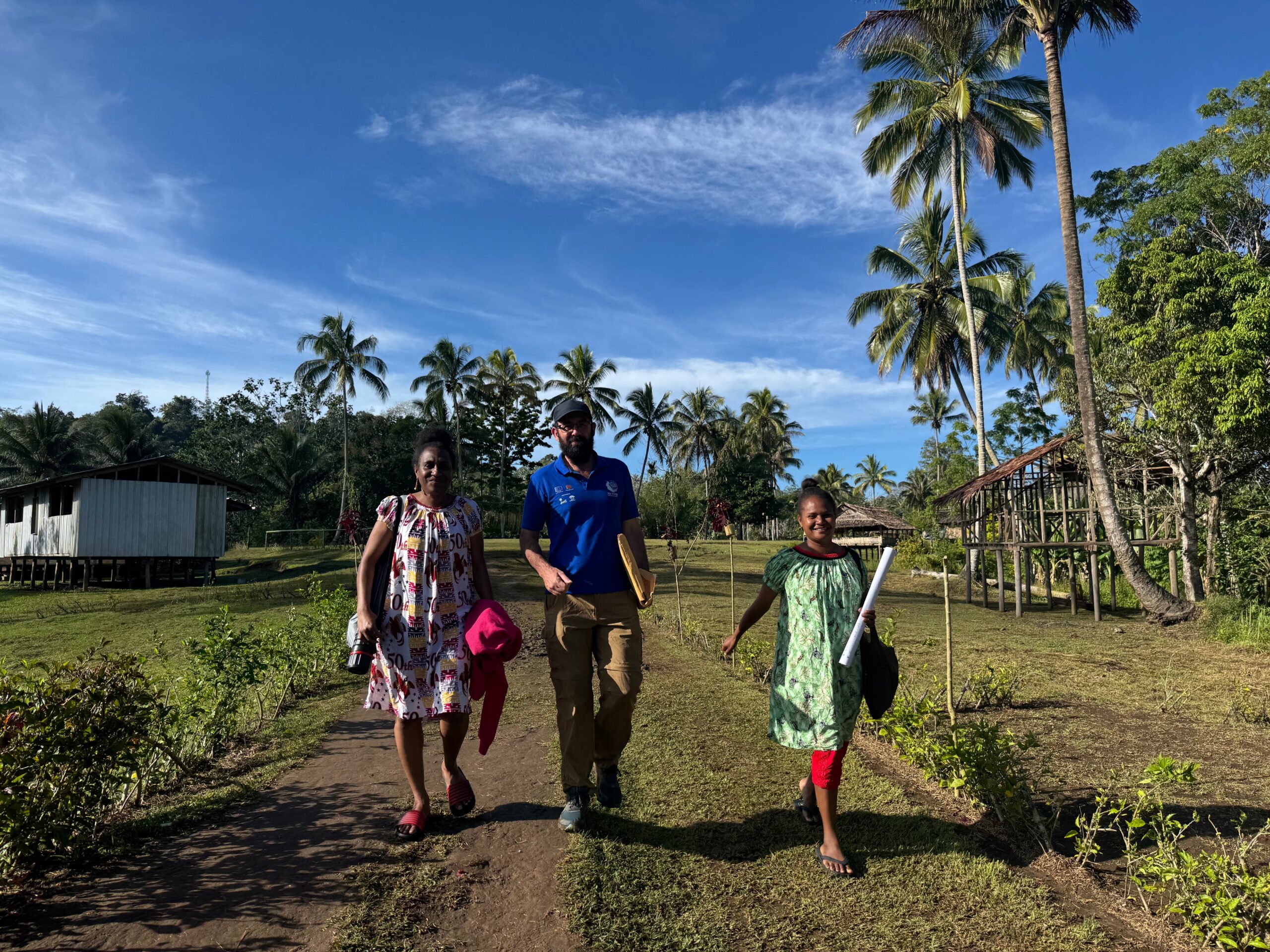
Photo by CIFOR-ICRAF
From knowledge to investment
Another key takeaway was the need to better connect science, knowledge and implementation, ensuring that evidence is translated into policies and bankable projects that can attract investment.
The Great Green Wall is increasingly supported by research, digital tools and knowledge platforms. But the Djibouti discussions made clear that evidence must move faster into national planning, project design and financing pipelines.
Within this broader effort, K4GGWA is helping to strengthen how evidence is generated, shared and applied. In Djibouti, the European Union announced an additional €7 million to extend the programme to 2030, reinforcing its role in supporting coordination, knowledge exchange and innovation across Great Green Wall countries.
Financing the Great Green Wall
Finance remains one of the defining challenges for the Great Green Wall.
Since the 2021 One Planet Summit, where global leaders pledged billions of dollars to accelerate the initiative, funding commitments from partners such as the GCF and other donors have helped scale up investments in land restoration, climate resilience and sustainable livelihoods.
Yet in Djibouti, participants pointed to a persistent gap between pledged funding and disbursement, with many projects still struggling to access the resources needed to move from planning to implementation.
Bridging that gap, they said, will require stronger national coordination, clearer pipelines of bankable projects, and greater engagement with the private sector. Innovative financing approaches — such as carbon markets and green bonds — are also gaining attention as ways to unlock additional investment and accelerate delivery.
People at the centre
Ultimately, participants in Djibouti emphasized, the success of the Great Green Wall depends on people.
Across countries, youth initiatives such as the Youth Green Caravan are helping to mobilize a new generation around land restoration and green entrepreneurship. At the same time, Women’s Green Platforms are strengthening women’s roles in climate resilience and local economic development.
However, barriers remain. Limited access to land, finance and decision-making continues to constrain the ability of women and young people to fully participate. Addressing these gaps, participants noted, will be critical to ensuring that restoration efforts translate into lasting, inclusive benefits on the ground.
Looking ahead to COP17
As preparations for UNCCD COP17 gather pace, the Djibouti meeting offered a timely moment to take stock and refocus.
With global attention turning to land degradation and drought, COP17 is expected to be a key opportunity to mobilize political will, financing and partnerships for initiatives like the Great Green Wall.
The message from Djibouti was clear: progress is underway, but not yet at the scale required. Closing that gap will depend on faster implementation, stronger coordination, and closer alignment between knowledge, policy and finance.