


Across Kenya and Rwanda, farms, forests and degraded landscapes are being restored through tree planting. These trees will support rural livelihoods by providing timber, fuelwood and other products, while restoring biodiversity, improving soil health and stabilizing watersheds. Yet whether those trees survive, adapt and continue providing benefits over decades partly depends on decisions made long before seedlings reach the ground — starting with the genetic diversity and quality of the seed from which they are grown.
While restoration programmes often focus on planting targets, researchers and practitioners working on tree seed systems are asking a deeper question: how can we ensure high-quality, genetically diverse tree seed is readily available to those who need it, now and long into the future?
“Tree seed carries the genetic blueprint of the trees we plant. If we want restoration to succeed across different landscapes, we need seed sources that are both genetically diverse and reliably available.”
– Fabio Pedercini, tree genetic resources and landscape scientist, Landcape Alliance
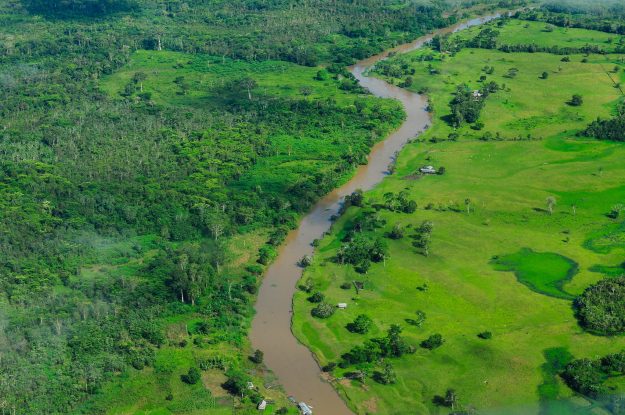
A landscape with agriculture and native forest blocks. Photo by Kelvin Trautman / Landscape Alliance
Natural seed sources remain essential
Across much of Africa, tree seed is collected from natural forests, woodlands and scattered trees growing on farms. These natural seed sources remain fundamental to restoration, particularly for native tree species that support biodiversity and healthy ecosystems.
However, relying entirely on dispersed seed trees also presents challenges. Seed production varies from year to year, access to suitable trees can be difficult, and information about the origin and genetic characteristics of collected seed is often limited.
As restoration efforts expand, these challenges make it increasingly difficult to provide reliable supplies of diverse, high-quality planting material. Although natural forests and scattered farm trees will continue to play a vital role in supplying tree seed, it is essential to develop complementary approaches that strengthen the wider tree seed system and increase supply. Researchers and restoration practitioners are working to address that challenge by improving the availability, documentation and long-term management of quality planting material for a range of valued tree species.
Breeding seed orchards: Planning for the future
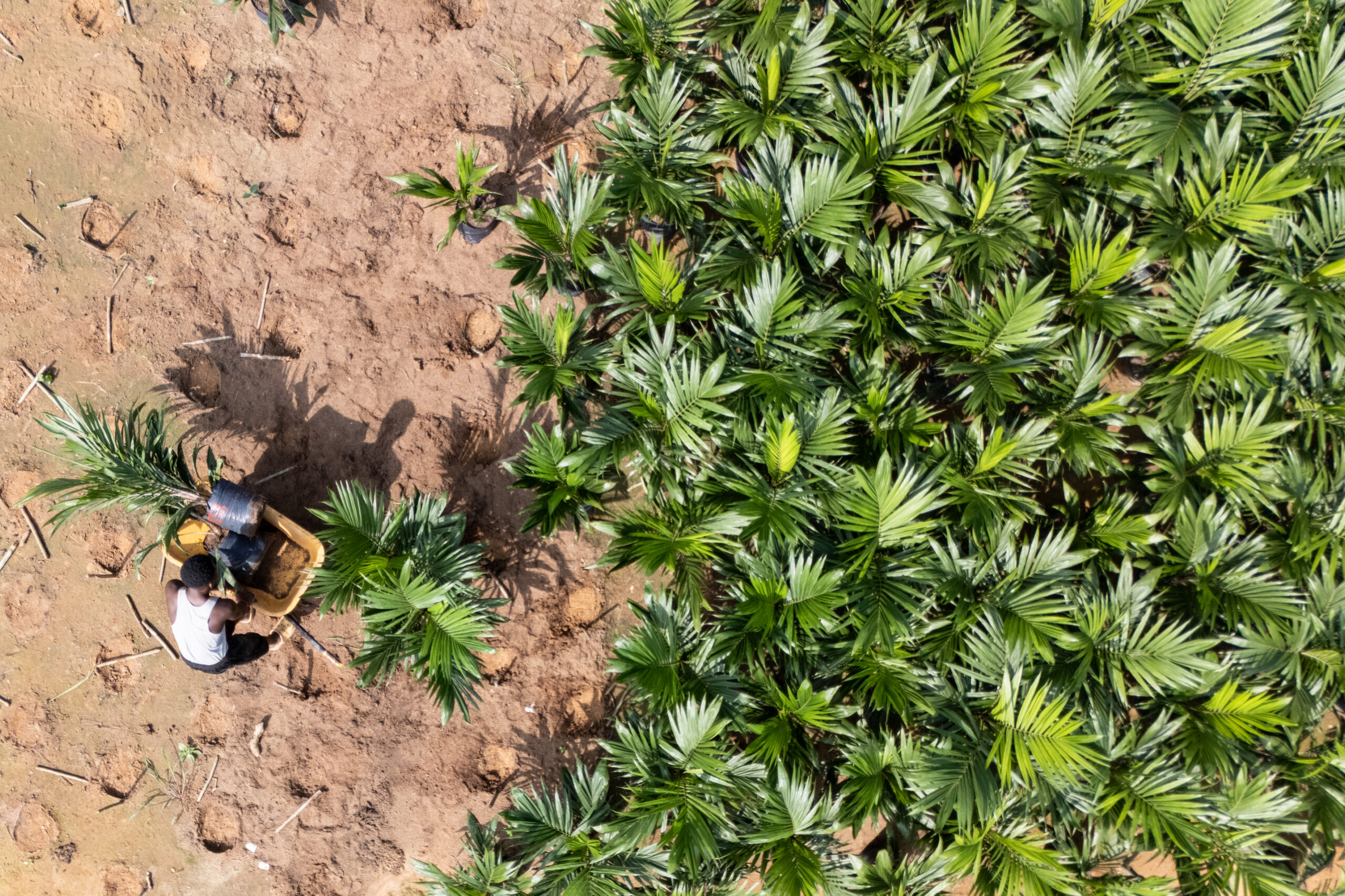
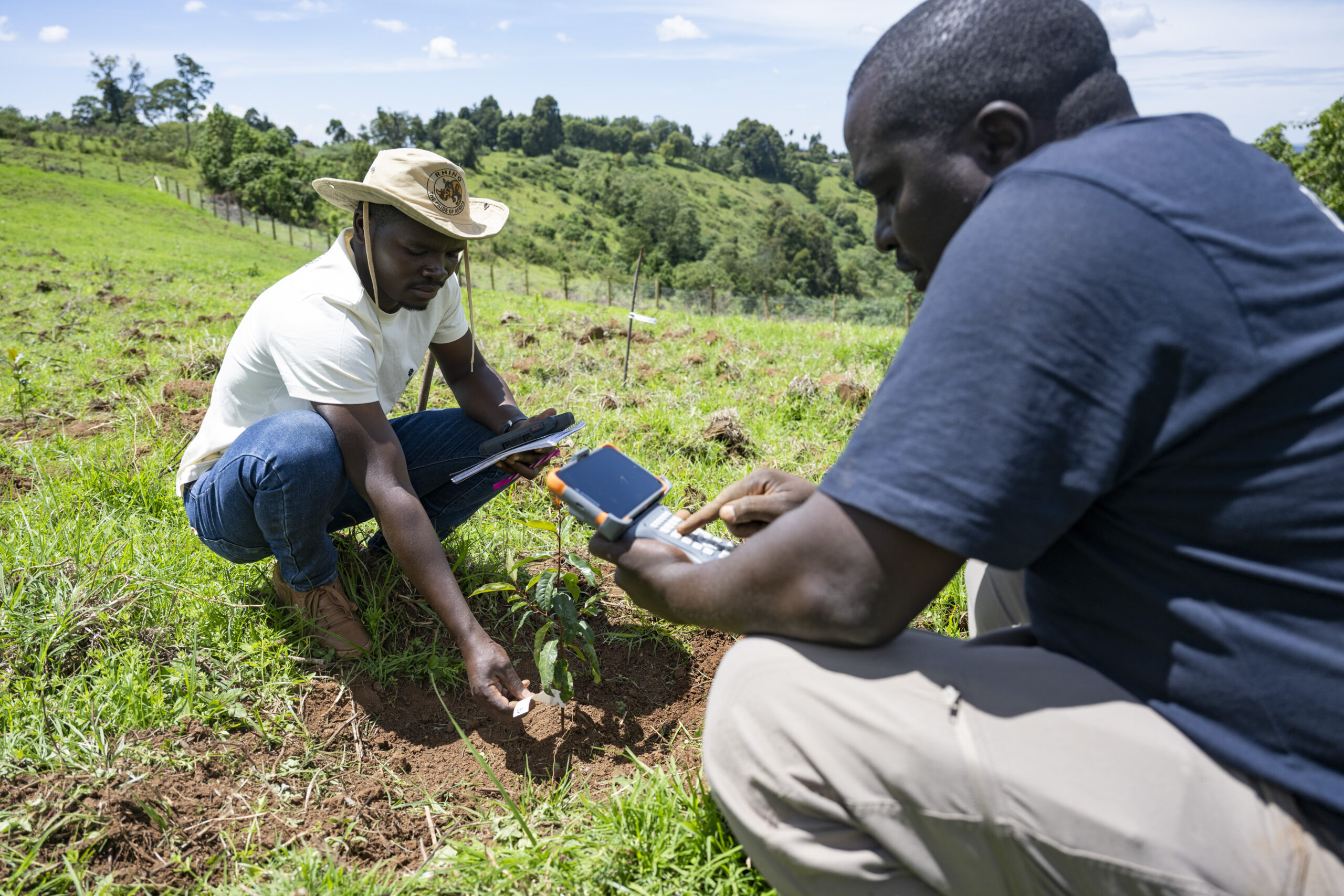
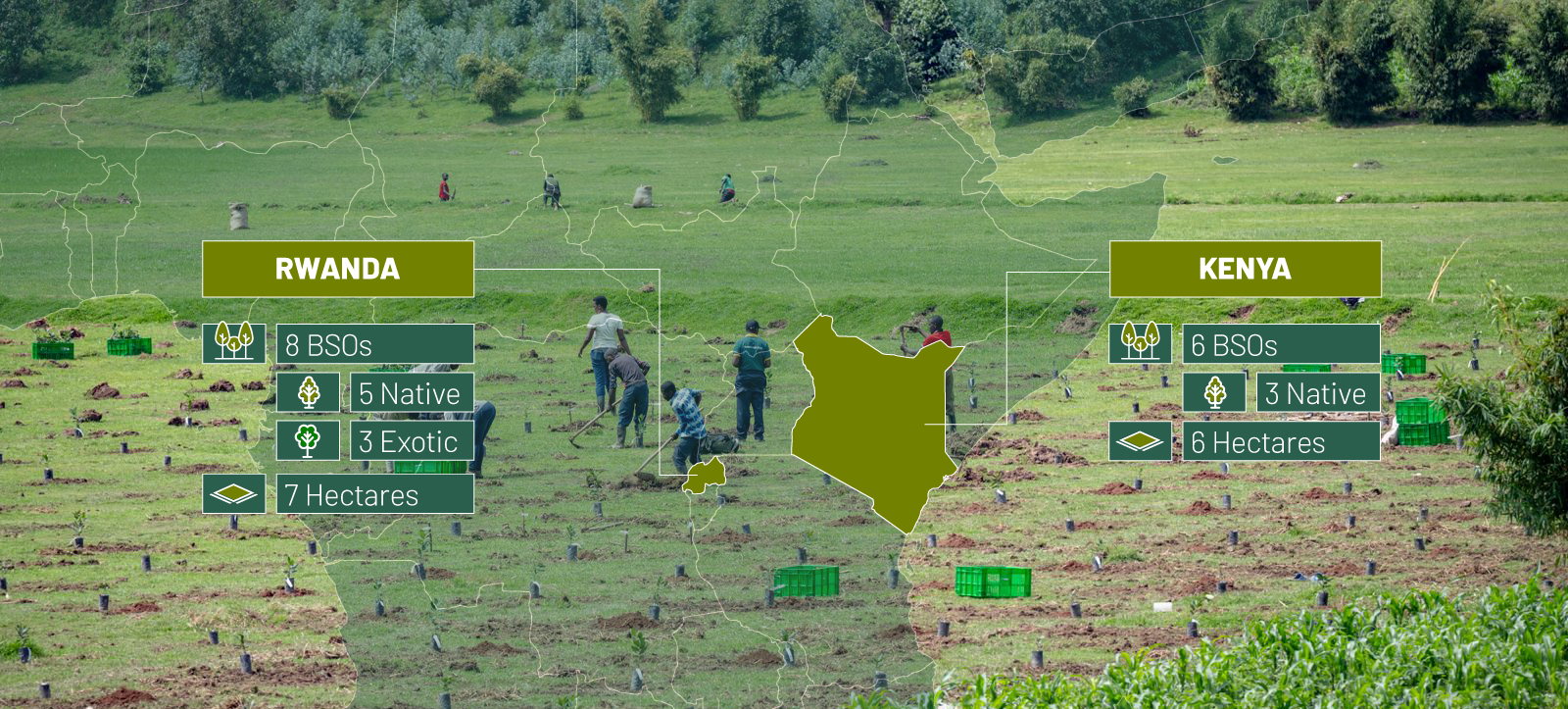
A central part of the solution is the establishment of breeding seed orchards (BSOs). Unlike opportunistic seed collection from natural forests, breeding seed orchards are carefully planned plantings established using seed collected from trees selected for their high-quality characteristics. Trees in the BSOs are arranged to encourage cross-pollination between families, helping maintain high levels of genetic diversity while producing seed under well-managed conditions.
Over time, orchard managers can assess tree performance and gradually remove poorer-performing individuals. This steadily improves the overall quality of seed produced while maintaining the genetic diversity needed for resilient restoration. Importantly, BSOs are not intended to replace natural forests as seed sources. Rather, they complement natural seed collection by providing reliable, documented and genetically diverse seed that can support growing restoration programmes while reducing pressure on scattered natural seed trees.
Through the Quality Tree Seed for Africa project, breeding seed orchards have been established as long-term investments in the future supply of quality tree seed, helping strengthen both conservation and restoration objectives.
Mother blocks: supporting quality planting material
Planned sources of planting material extend beyond seed production.
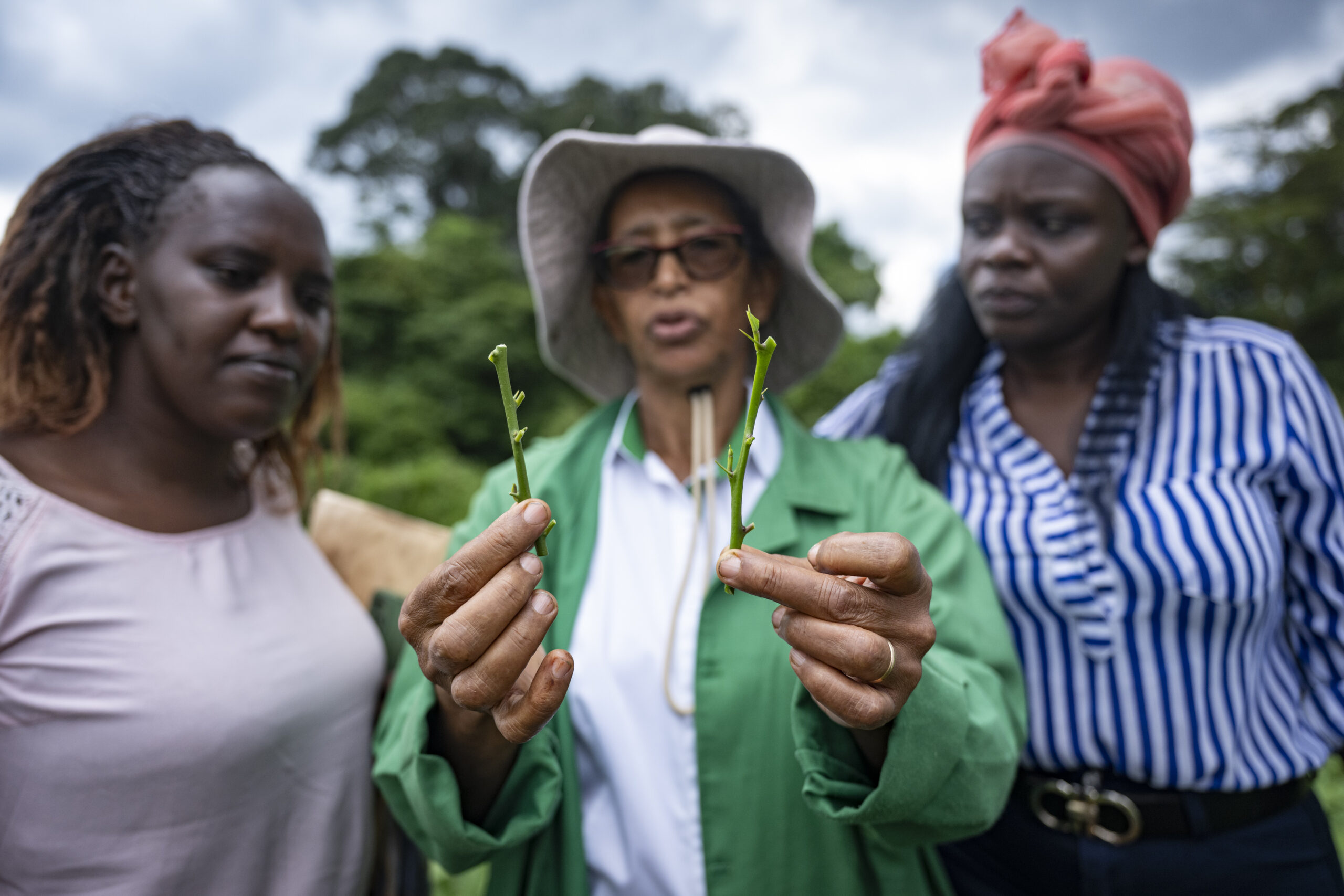
For tree species that are commonly propagated through grafting or other vegetative methods, mother blocks provide carefully managed collections of trees selected for their superior characteristics. These collections provide a ready source of high-quality propagation material to supply to nurseries. In Kenya, the Quality Tree Seed for Africa project has established new guava and citrus mother blocks in collaboration with the Kenya Agricultural and Livestock Research Organisation (KALRO).
According to Dr Kori Njuguna, director of the Horticulture Research Institute at KALRO, communities around Marigat and Lanet are already benefiting from improved access to quality planting material that supports both food security and local livelihoods.
Although breeding seed orchards and mother blocks are distinct and different approaches, both support the shared objective of providing people with better access to quality planting material across a wide range of species.
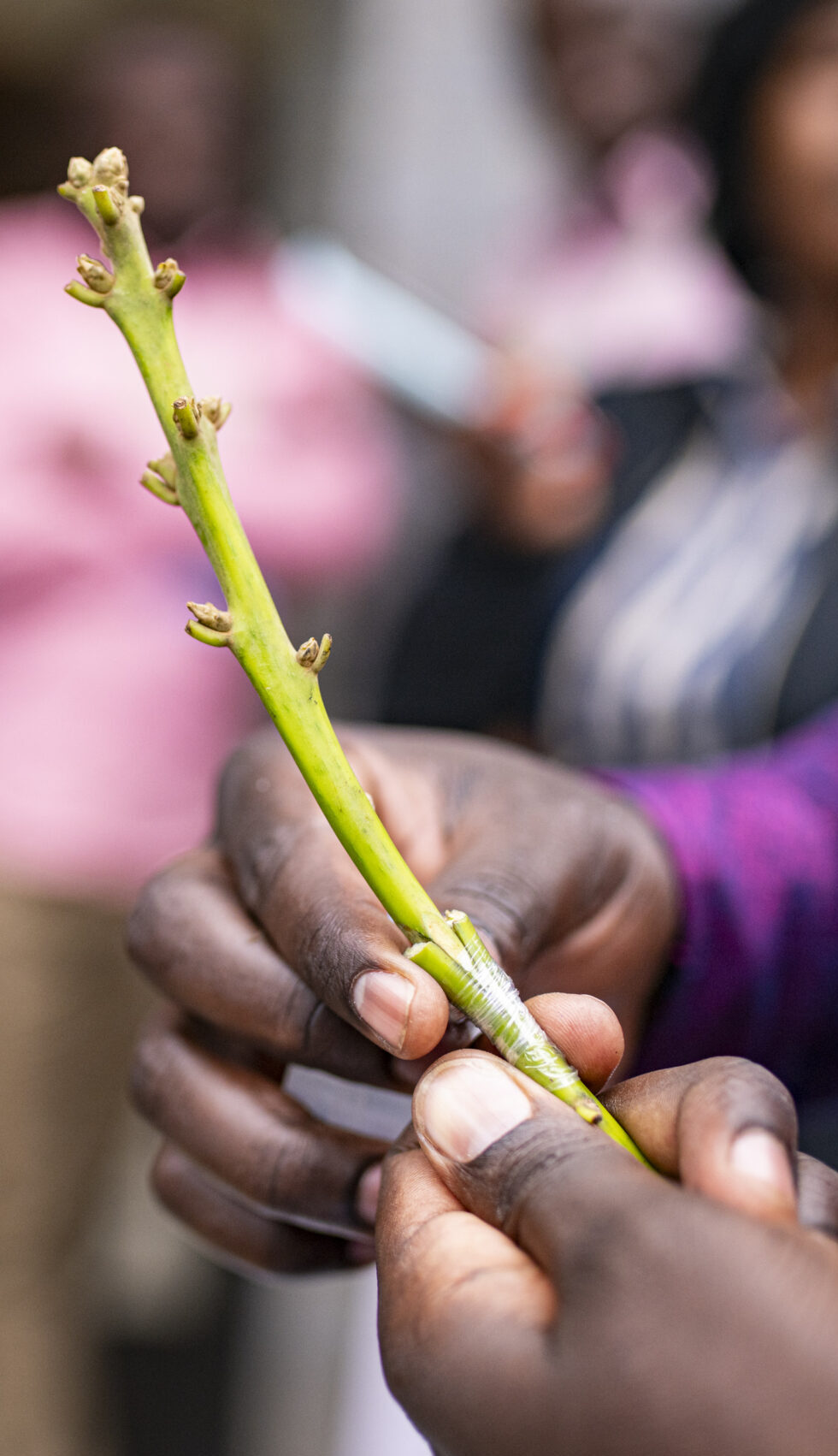
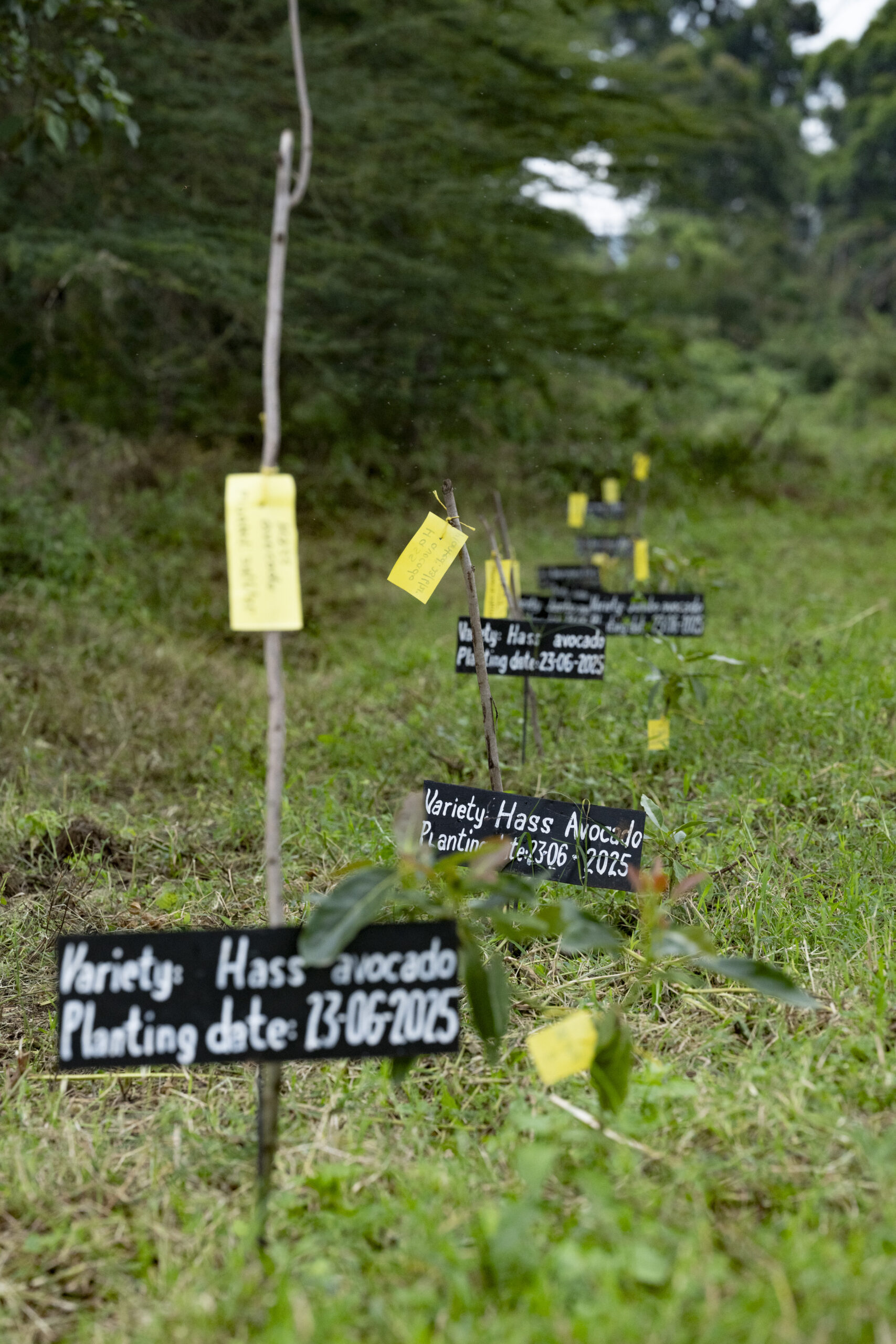
Photo by Kelvin Trautman / Landscape Alliance
Applying the science in Kenya and Rwanda
Across Kenya and Rwanda, restoration programmes urgently need more and better planting material for native and introduced tree species that will thrive on farms, forests and watershed landscapes.
Through the Quality Tree Seed for Africa project, researchers, government agencies and restoration practitioners have worked together to strengthen the genetic foundations of tree seed supply chains in a diverse range of species. By documenting priority seed sources, establishing breeding seed orchards and mother blocks and supporting technical exchanges, the project has strengthened understanding of how genetic diversity can be incorporated into practical restoration planning.
A key achievement is the creation of 16 permanent tree genetic resource sites across Kenya and Rwanda, laying the foundations for conserving, managing and supplying valuable tree genetic diversity far into the future. In addition, exchanges of genetic material between South Africa, Kenya and Rwanda have strengthened regional collaboration and helped broaden access to important tree genetic resources.
Sector assessments and policy reviews carried out in both countries have further highlighted the importance of improving the documentation, management and protection of tree seed sources as restoration ambitions continue to grow.
Reliable seed sources are essential if restoration programmes are to expand while maintaining quality. Investing in seed sources today will strengthen the supply of quality planting material available to farmers and restoration practitioners in the future.
– Marie Claire Twiragijimana, tree seed nursery expert in Rwanda, Landscape Alliance
An aerial view of a breeding seed orchard in Kenya. Photo by Kelvin Trautman / Landscape Alliance
Planning the next generation of quality tree seed
Establishing breeding seed orchards and other planned seed sources takes time. Trees must grow, flower and begin producing seed before they can support restoration at scale.
But these investments will allow practitioners to move beyond relying solely on scattered seed trees. By complementing supplies from natural populations with seed sourced from carefully selected, planned and managed orchards, tree planting of all kinds can be supported and made more resilient.
For restoration practitioners in Kenya and Rwanda, the message is becoming increasingly clear: strengthening tree seed supply is not only about collecting seed when it is available. It means investing today in the seed sources that will support our future restoration efforts.