

supply chains
-
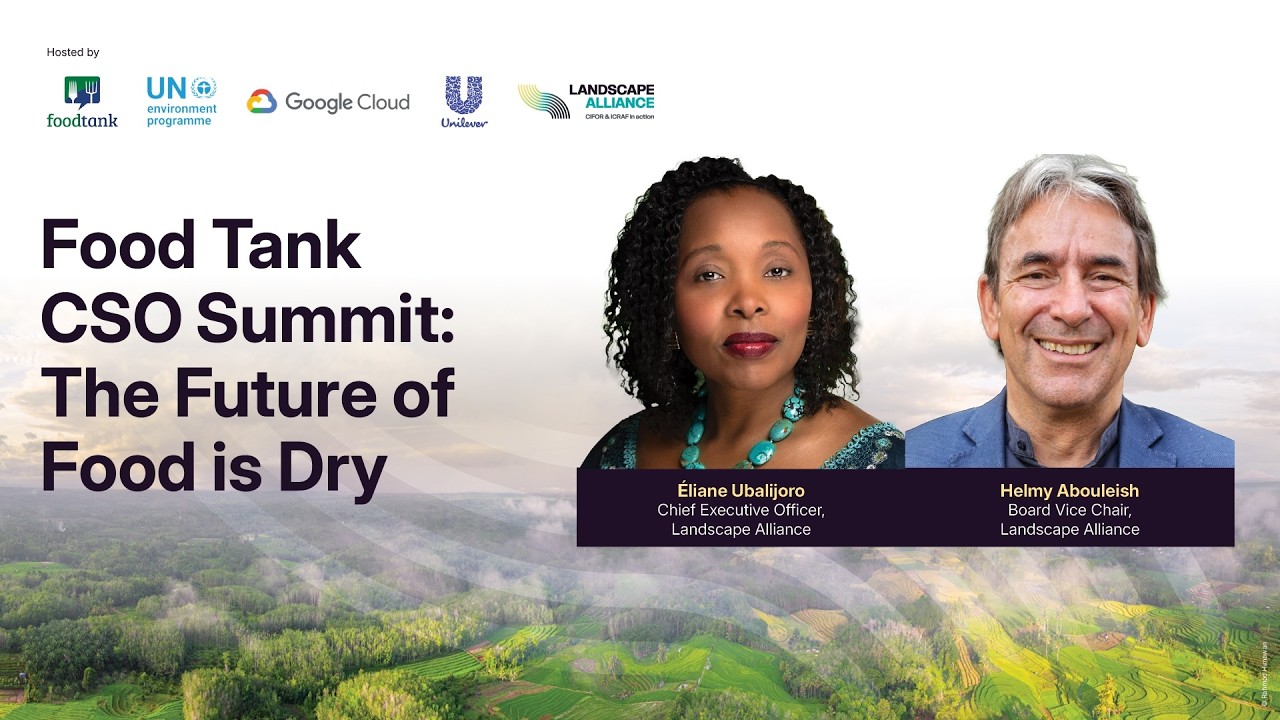
The future of food is dry: Reimagining dryland agriculture
Drylands produce 44 per cent of global food, yet international markets treat them as deficits. Building climate stability requires moving…
1 min read -
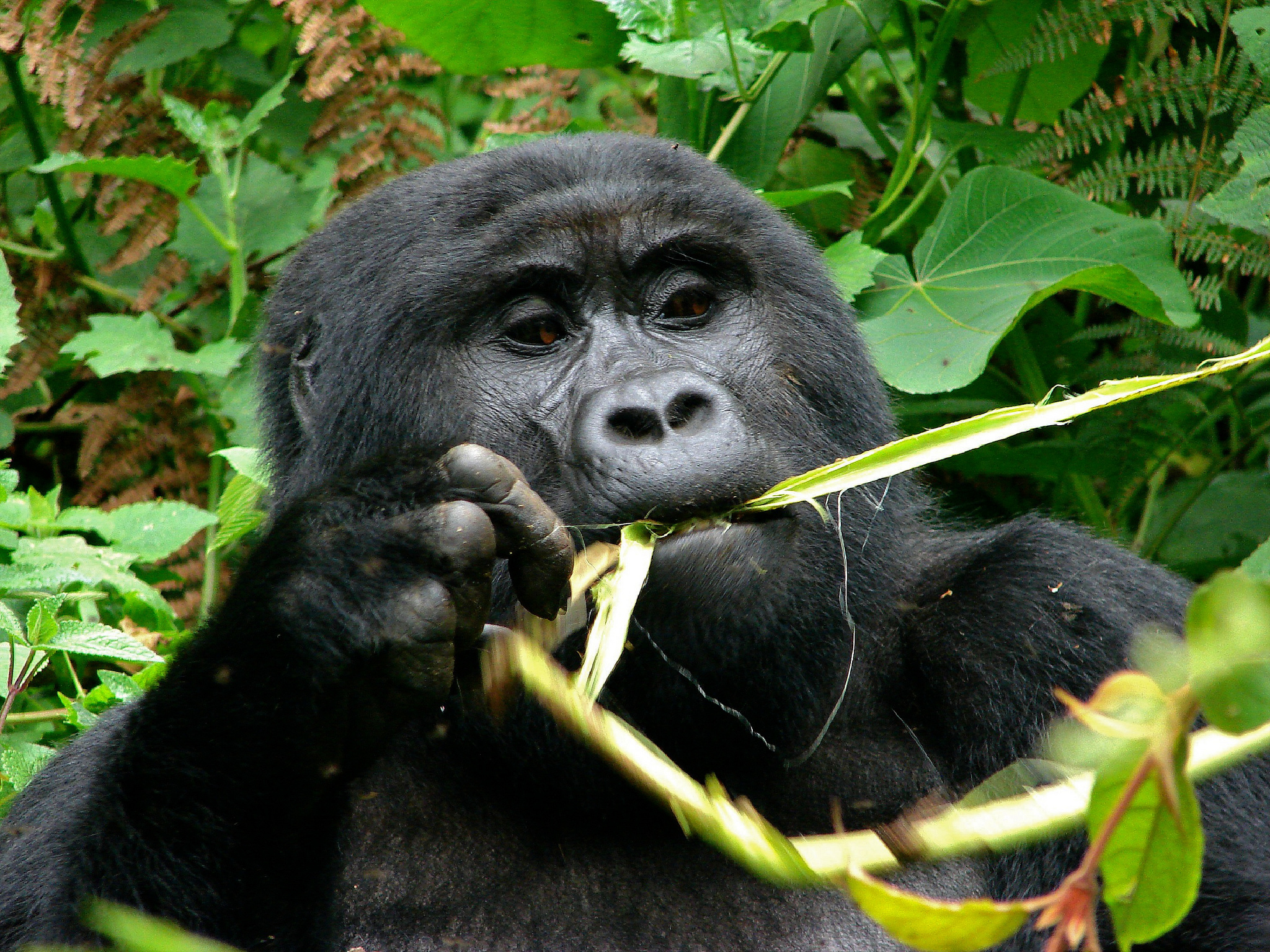
Taste for gorilla and chimp meat fuels illicit trade
Gorilla meat remains a delicacy in Cameroon, even though hunting great apes is illegal in the country. And while the…
6 min read -

In Central Africa, public procurement can boost demand for legal wood
Central African governments and their development partners account for a significant proportion of the region’s demand for domestic timber, mostly…
5 min read -
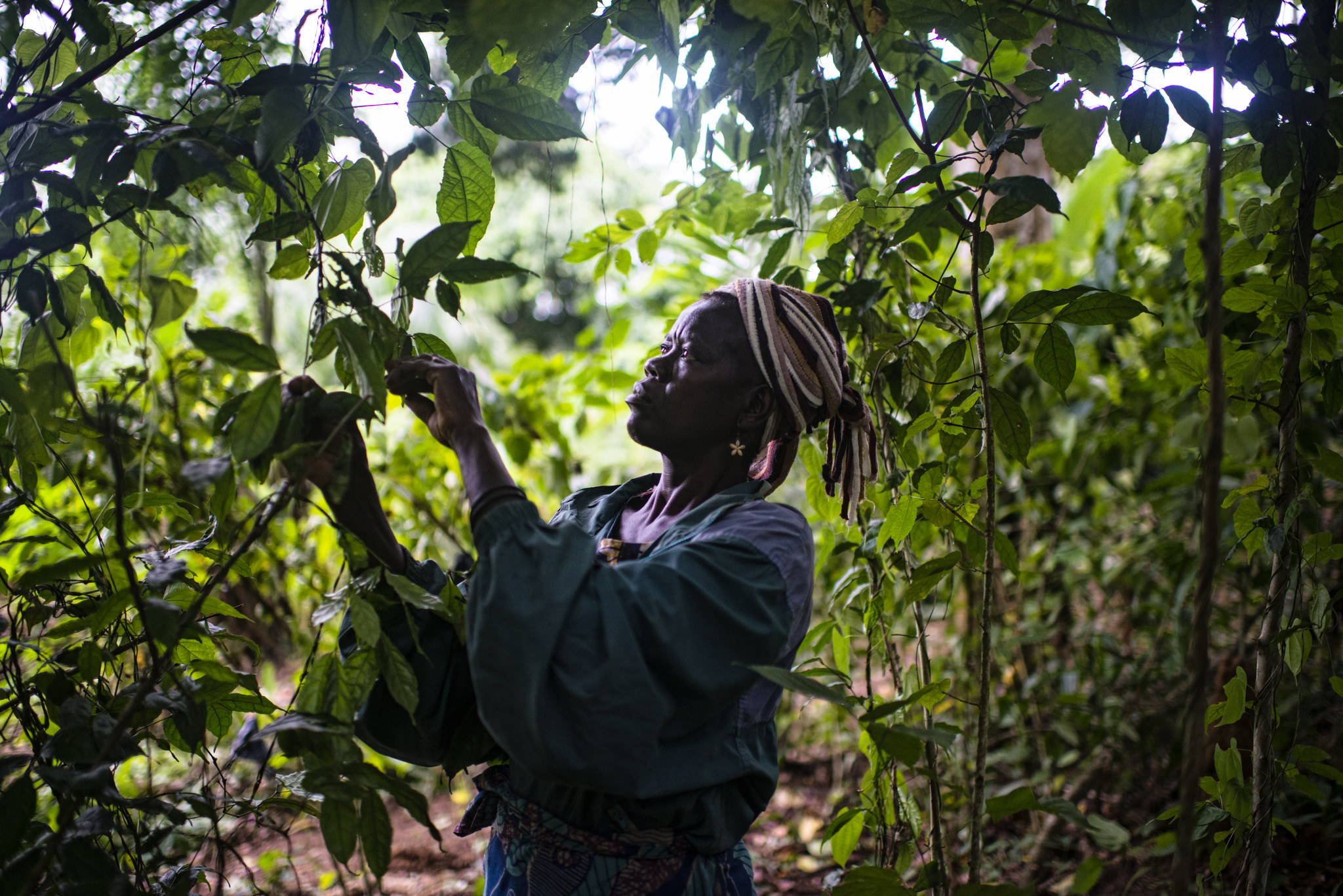
Before a landscape approach, an integrative initiative to try
At the landscape level, tackling one problem invariably involves trade-offs with another. For instance, expanding smallholder oil palm production in…
6 min read -
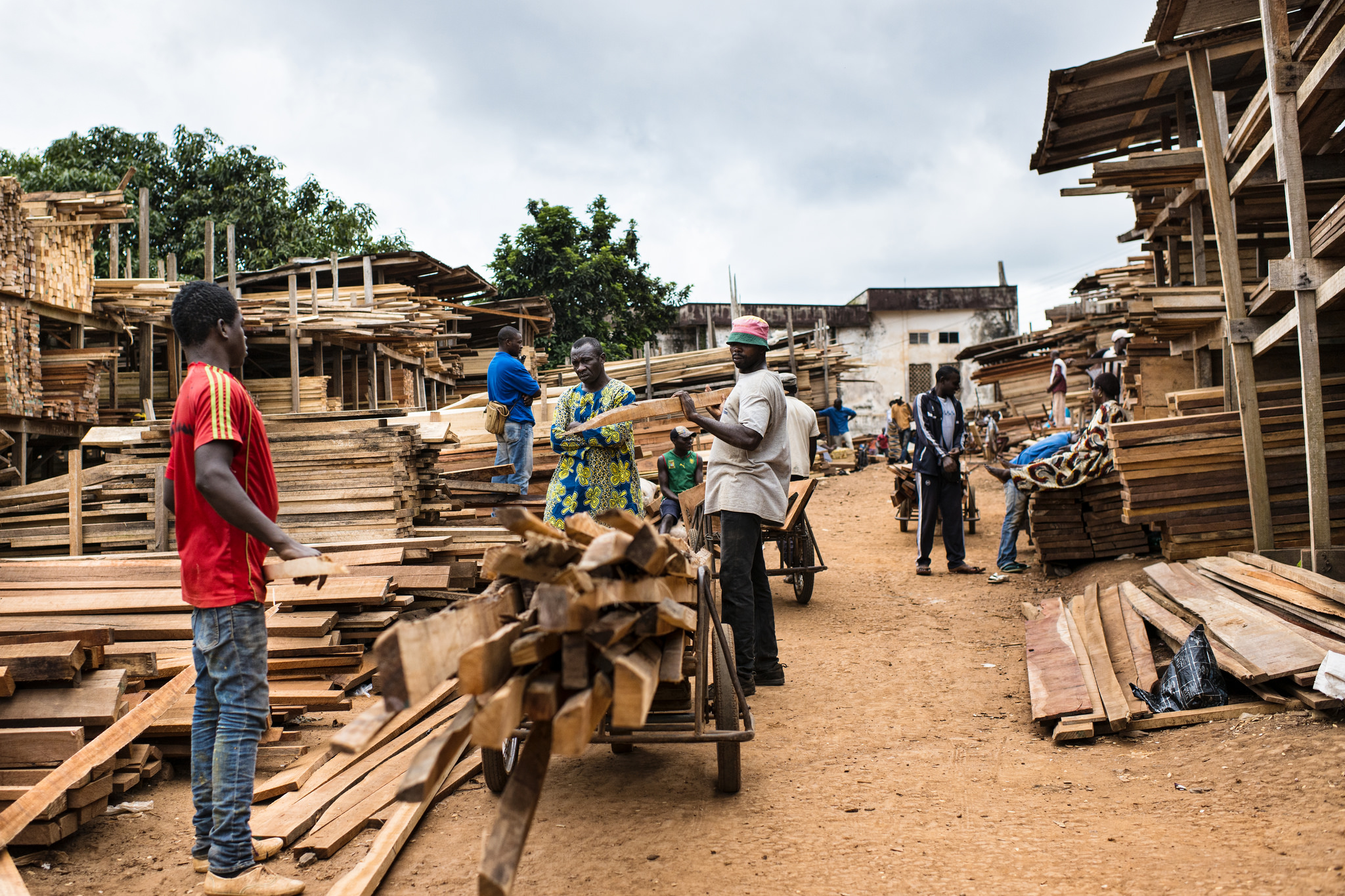
What if Cameroonian consumers wanted legal timber?
Cameroonians are still not very interested in knowing the origin of the wood they buy, but a growing number of…
4 min read -
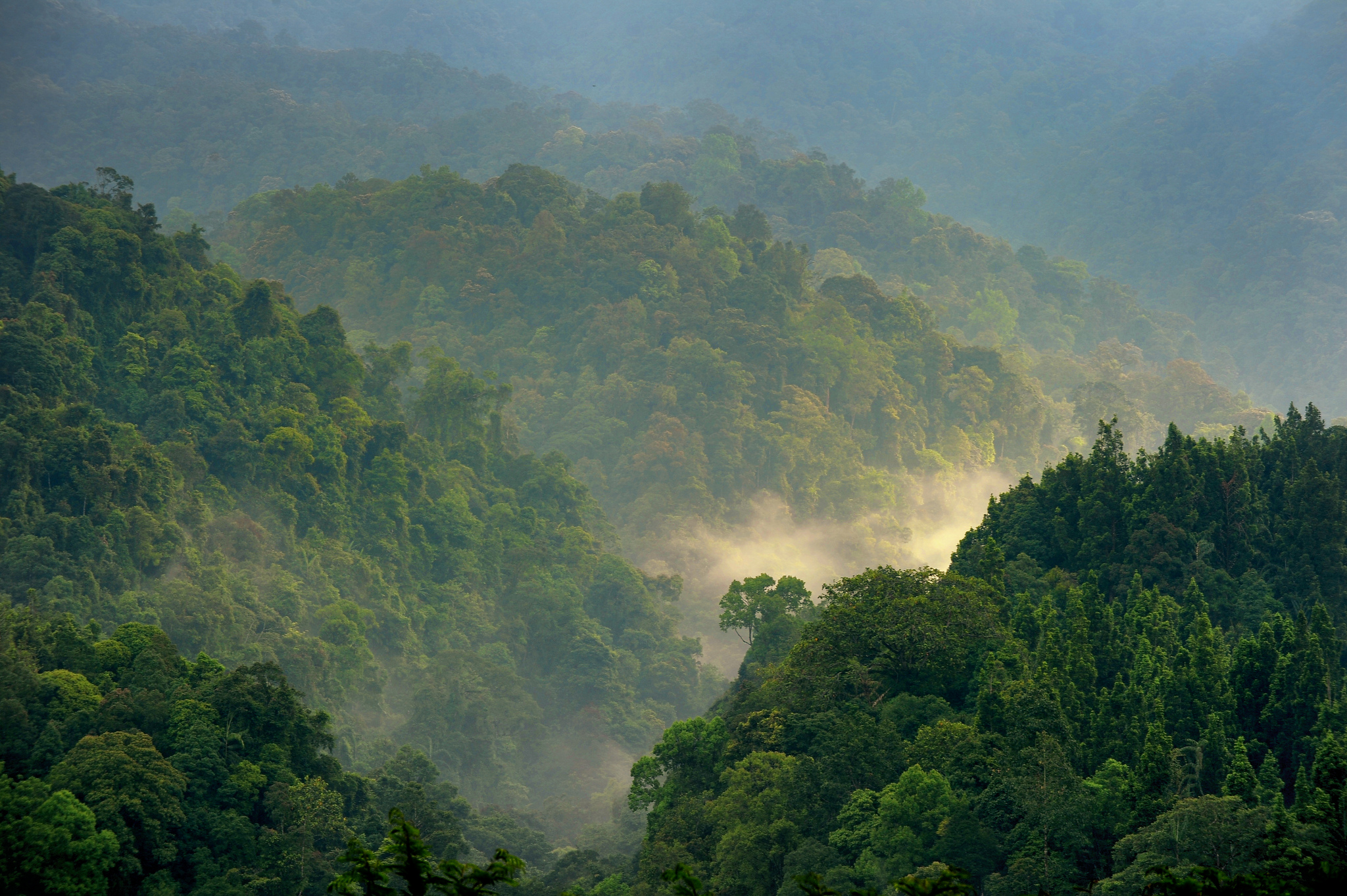
To survive in climate change, look past targets and focus on the long game
Under the theme “Building the Investment Case for Sustainable Landscapes and Restoration,” the 2018 Global Landscapes Forum Investment Case Symposium…
7 min read -
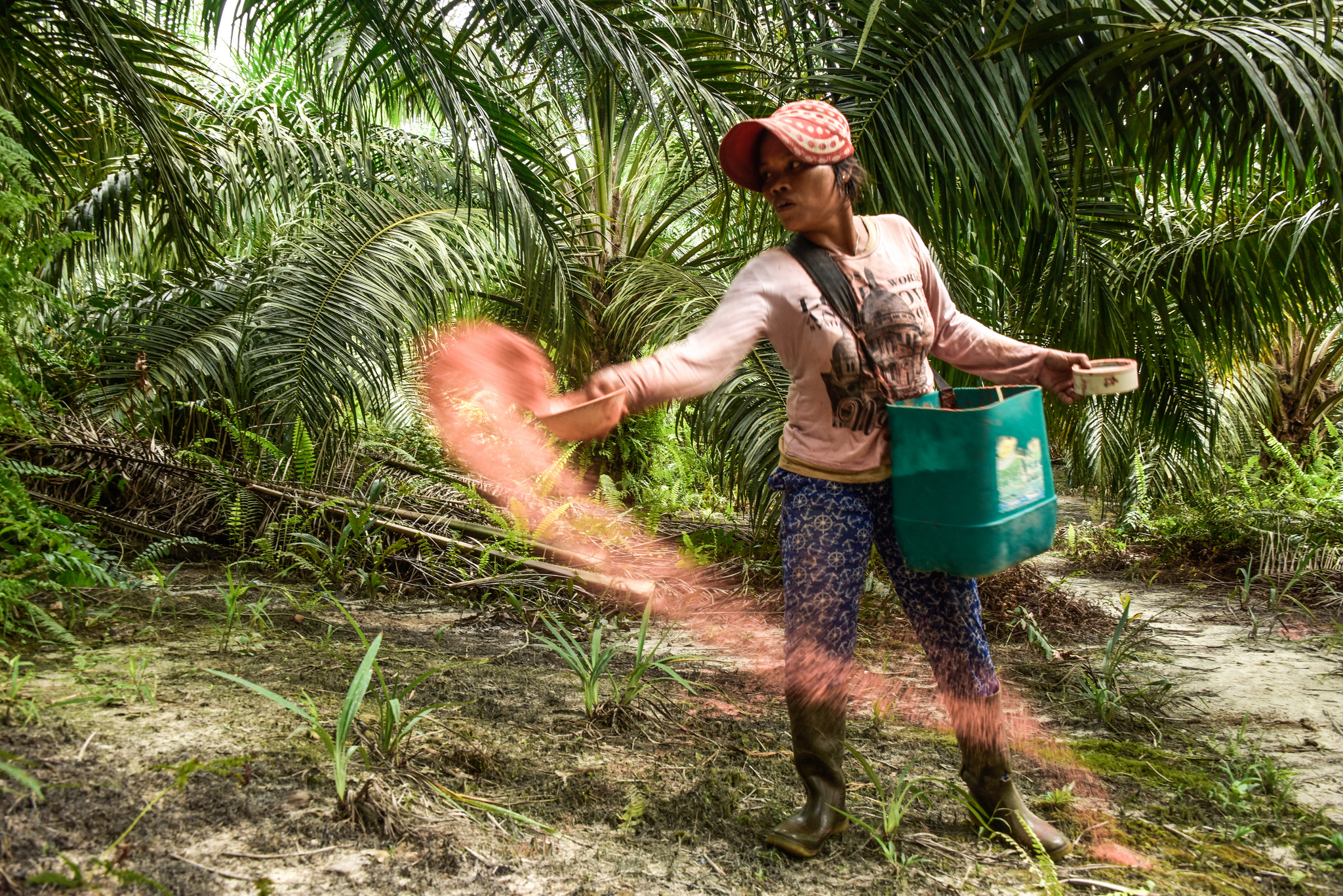
Are deforestation-free commodities too good to be true?
Oil palm, cattle, timber and soy have all received global attention in recent years for their outsized ‘forest footprints’ –…
6 min read -
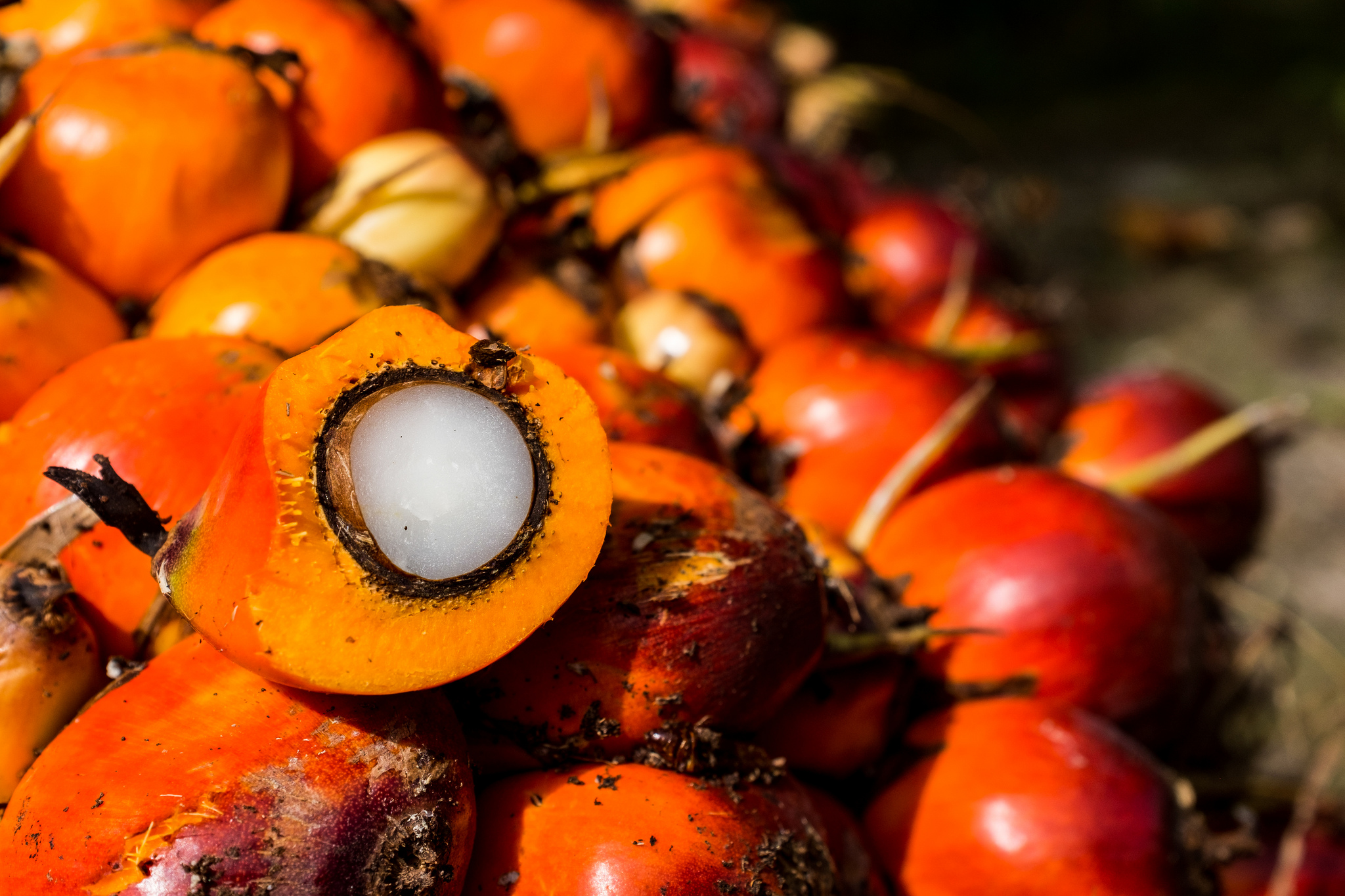
Turning down the heat in Indonesia’s oil palm industry
In Indonesia, palm oil is a hot industry in more ways than one. In 2015 alone, it contributed USD 20.75…
5 min read -
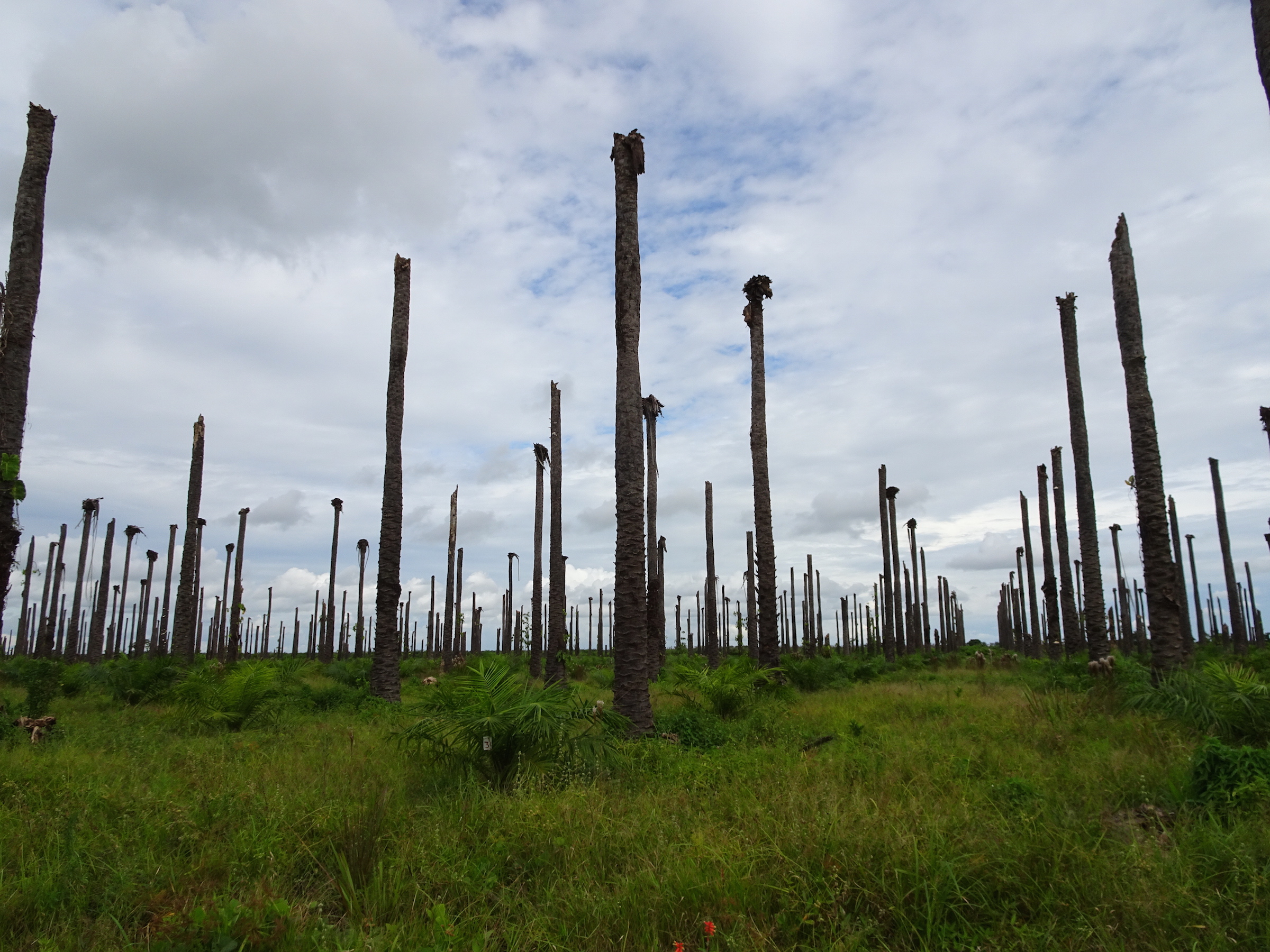
Oil palm landscapes: Sketching out sustainable futures
This article is the fourth in a four-part series on a global study on Oil Palm Adaptive Landscapes. In Colombia,…
5 min read -
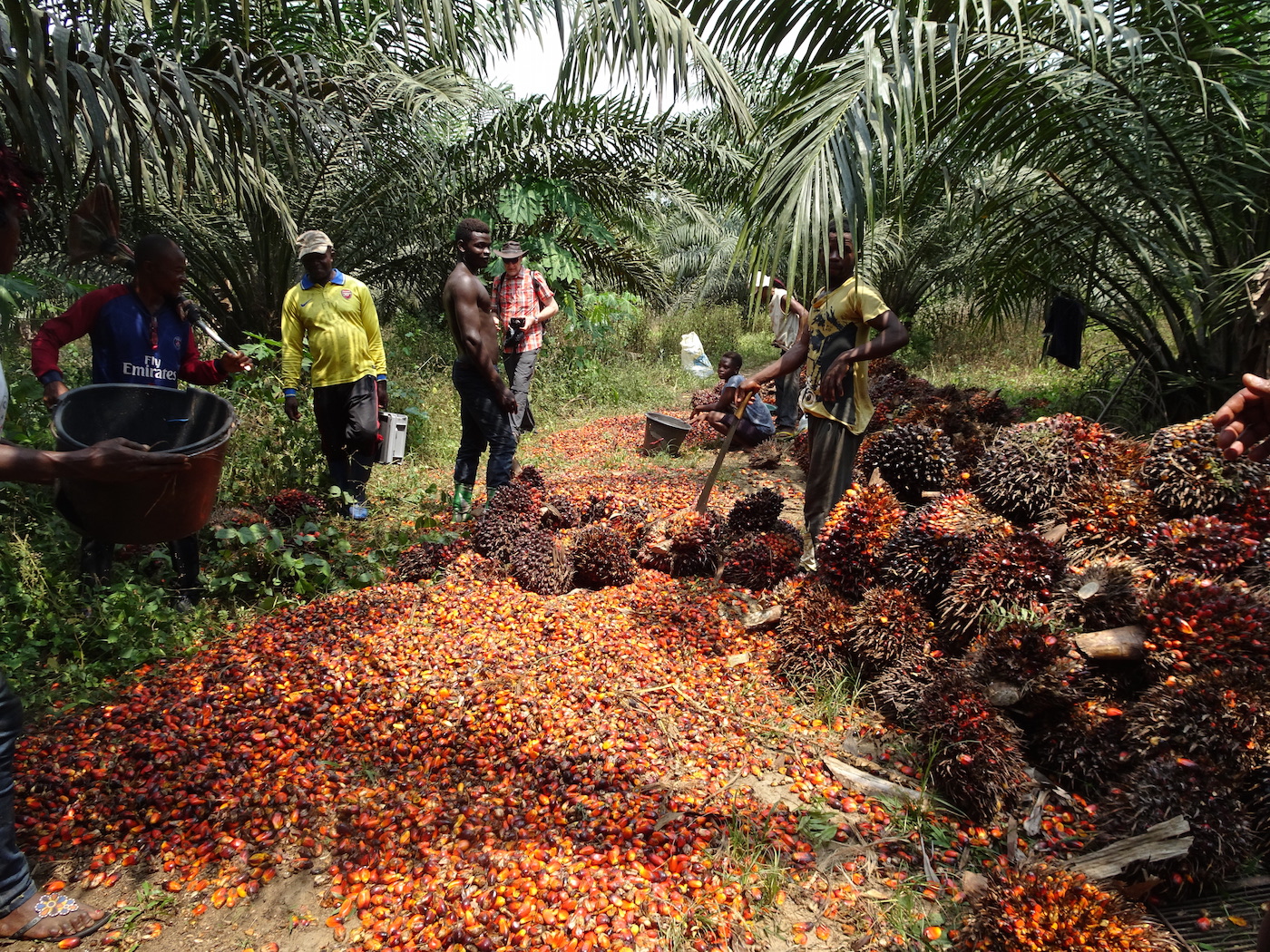
Oil palm landscapes: Playing the long game with palm oil
This article is the third in a four-part series on a global study on Oil Palm Adaptive Landscapes. It might…
7 min read -
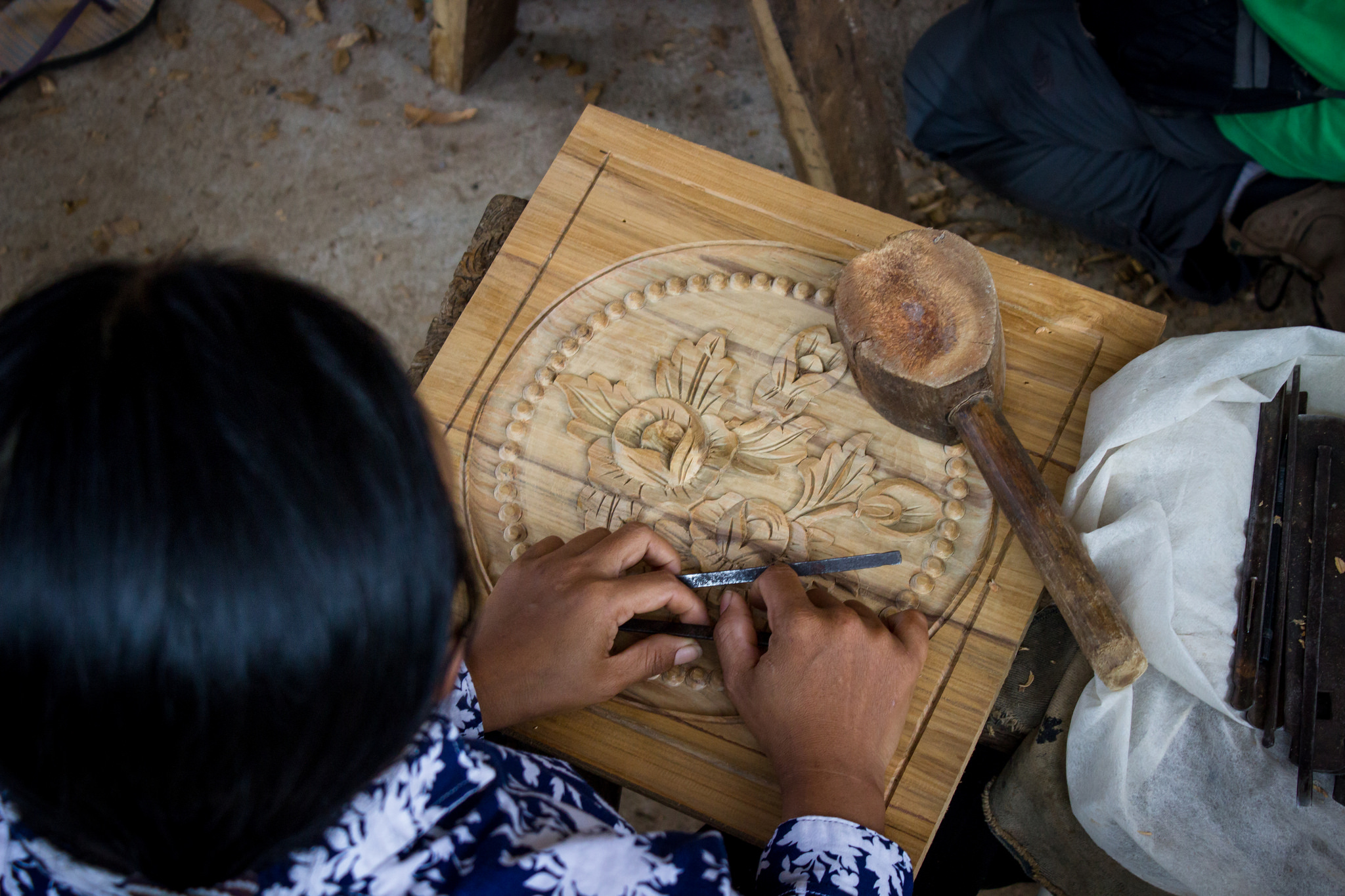
In a Central Java town, local wood enterprises carve a niche in the global market
Sitting in Mbak Njum’s tiny office in the coastal Central Java town of Jepara, talk was of exports, trends in…
6 min read -
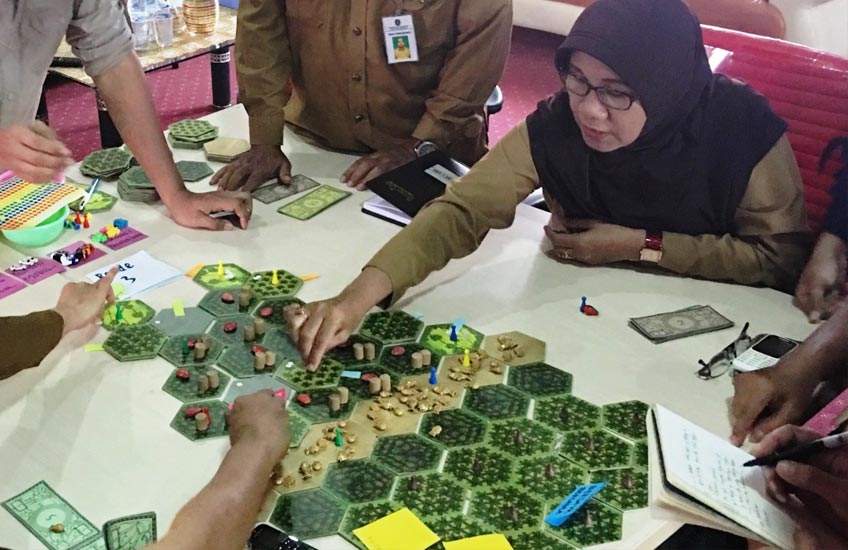
Oil palm landscapes: Playing for keeps
This article is the first in a four-part series on a global study on Oil Palm Adaptive Landscapes. A group…
5 min read -
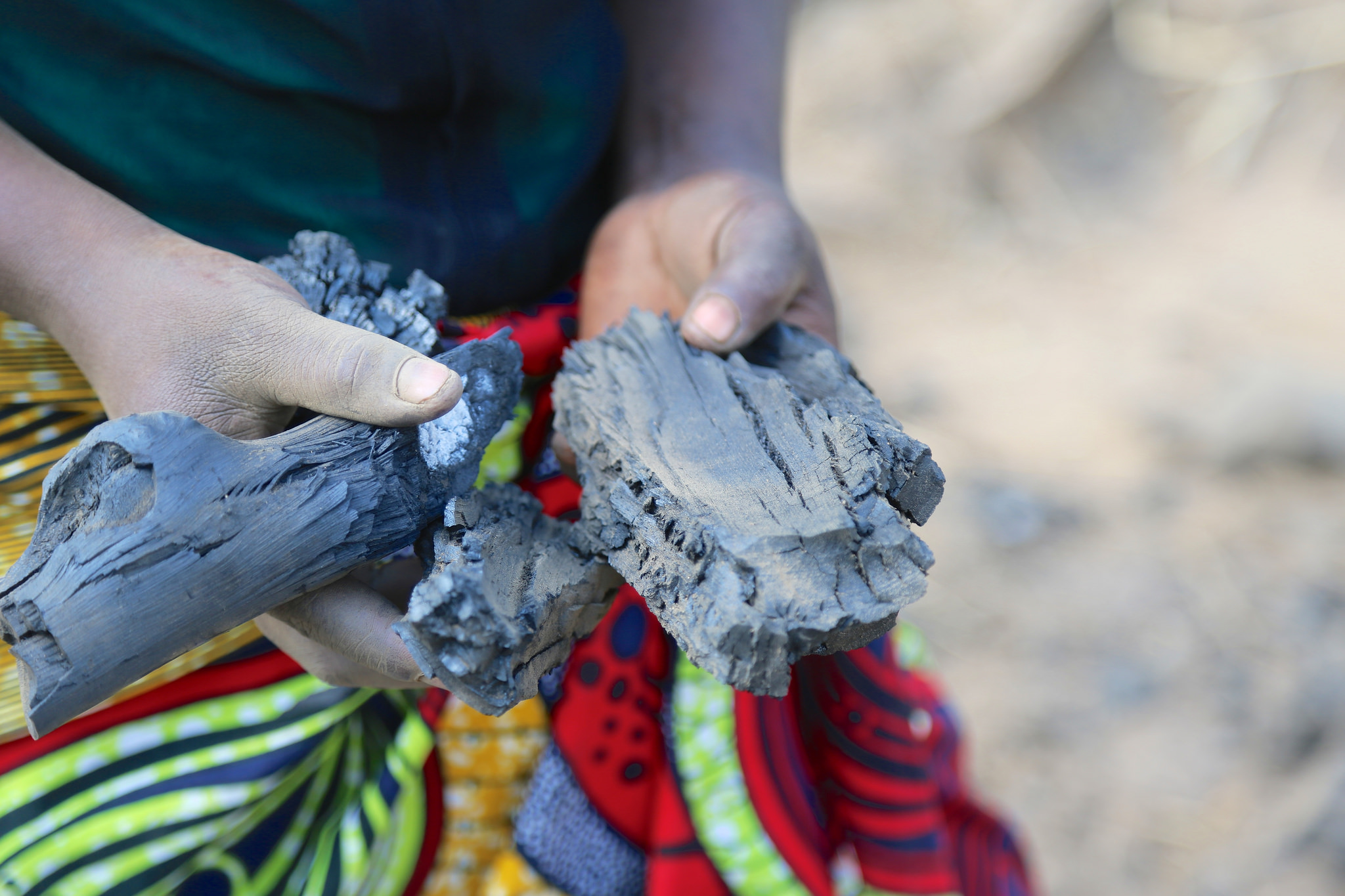
Women producing charcoal in Zambia
In an earlier piece on Forest News, 27-year-old Mabvuto Zulu shared her experiences producing charcoal in Zuwalinyenga village in eastern…
7 min read -
Films spur dialogue on inclusive agriculture in Tanzania
Poorly governed, large-scale land acquisitions are a concern across sub-Saharan Africa. Tanzania’s answer to land-grabbing is a plan for sustainable,…
5 min read -
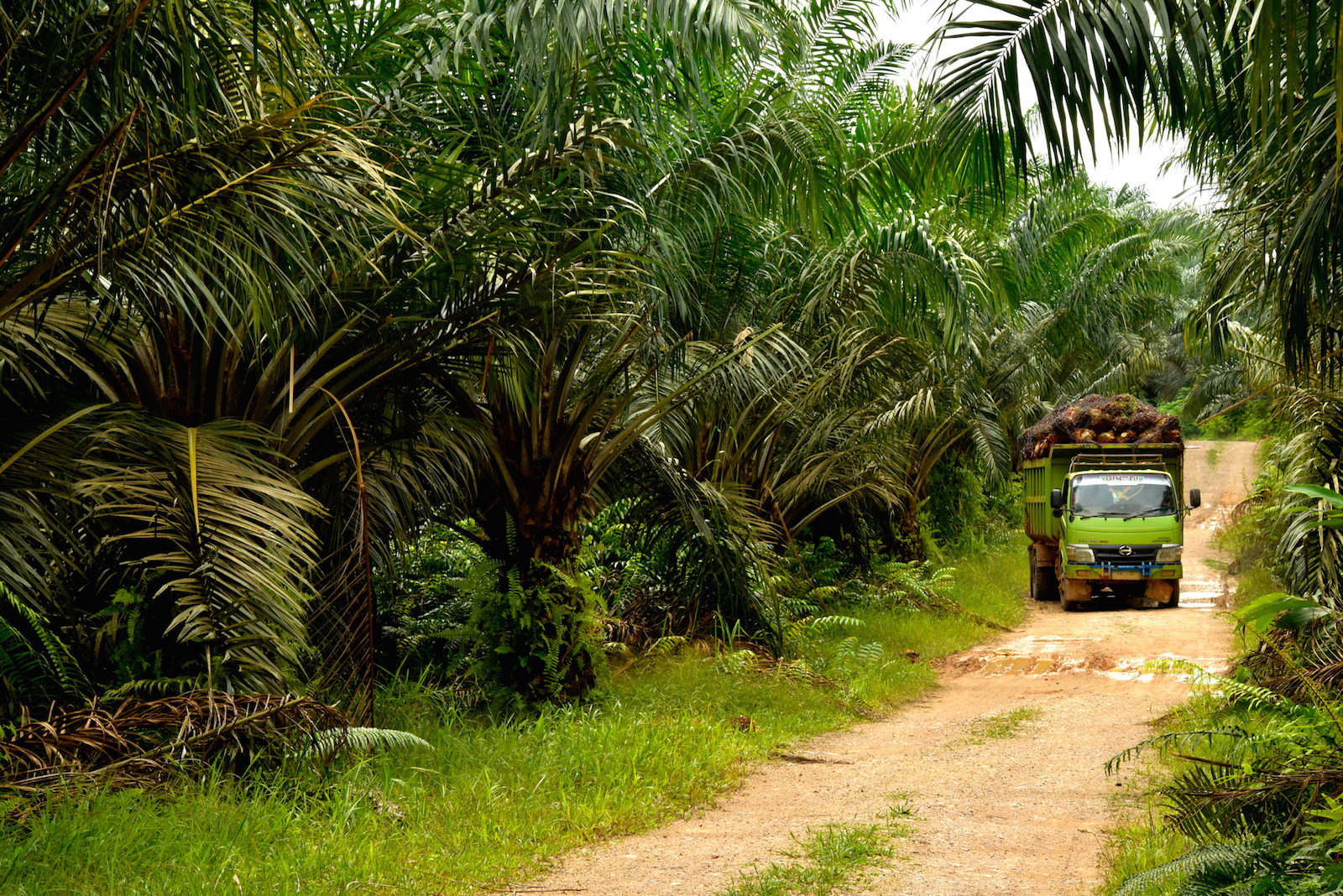
Are ‘No deforestation’ commitments working?
In 2014, many of the world’s major companies buying, trading or producing palm oil and pulp and paper made a…
6 min read