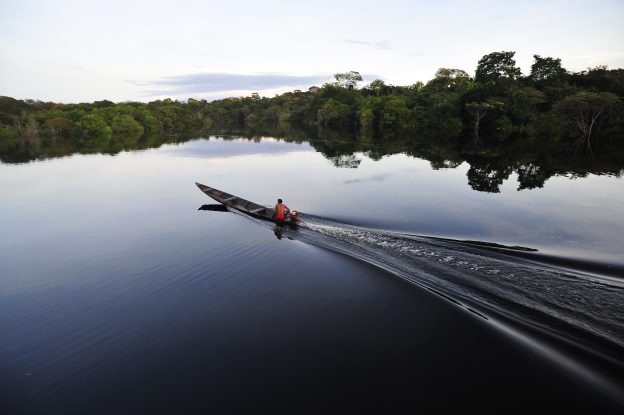
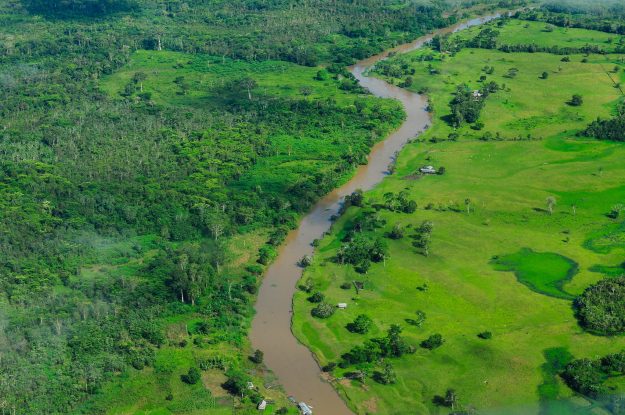


Fed by tributaries rising in the heart of Africa’s tropical forests, the Congo River cuts through the Democratic Republic of the Congo’s Tshopo Province, carrying people, food and the goods that sustain local livelihoods. Along its banks, the Yangambi Engagement Landscape (YEL) is demonstrating what connected systems can look like on land: linking trees, food, energy and enterprise so progress in one area strengthens the others.
Across the Congo Basin, forests face mounting pressure from expanding agriculture, logging, charcoal demand and persistent poverty.
Throughout the YEL, the Center for International Forestry Research and World Agroforestry (CIFOR-ICRAF) and partners are working with communities on a different approach: tackling the drivers of deforestation as a single bundle of related challenges, and co-creating a network of solutions that reinforce each other.
The vision behind this work is explicit. “Each family member, each village or community with whom we work must contribute to the landscape vision with their potential for innovating and for engaging more sustainably with nature,” said Paolo Cerutti, DRC country coordinator with CIFOR-ICRAF.
With long-term support from the European Union, joined in 2025 by the UK Foreign, Commonwealth & Development Office (FCDO) and other partners, the YEL is building a landscape-scale model that links entrepreneurship and economic opportunities with forest conservation.
“Both high(er) value to standard products and innovative products are possible,” said Cerutti, “increasing people’s purchasing power and benefiting the environment along the way.”
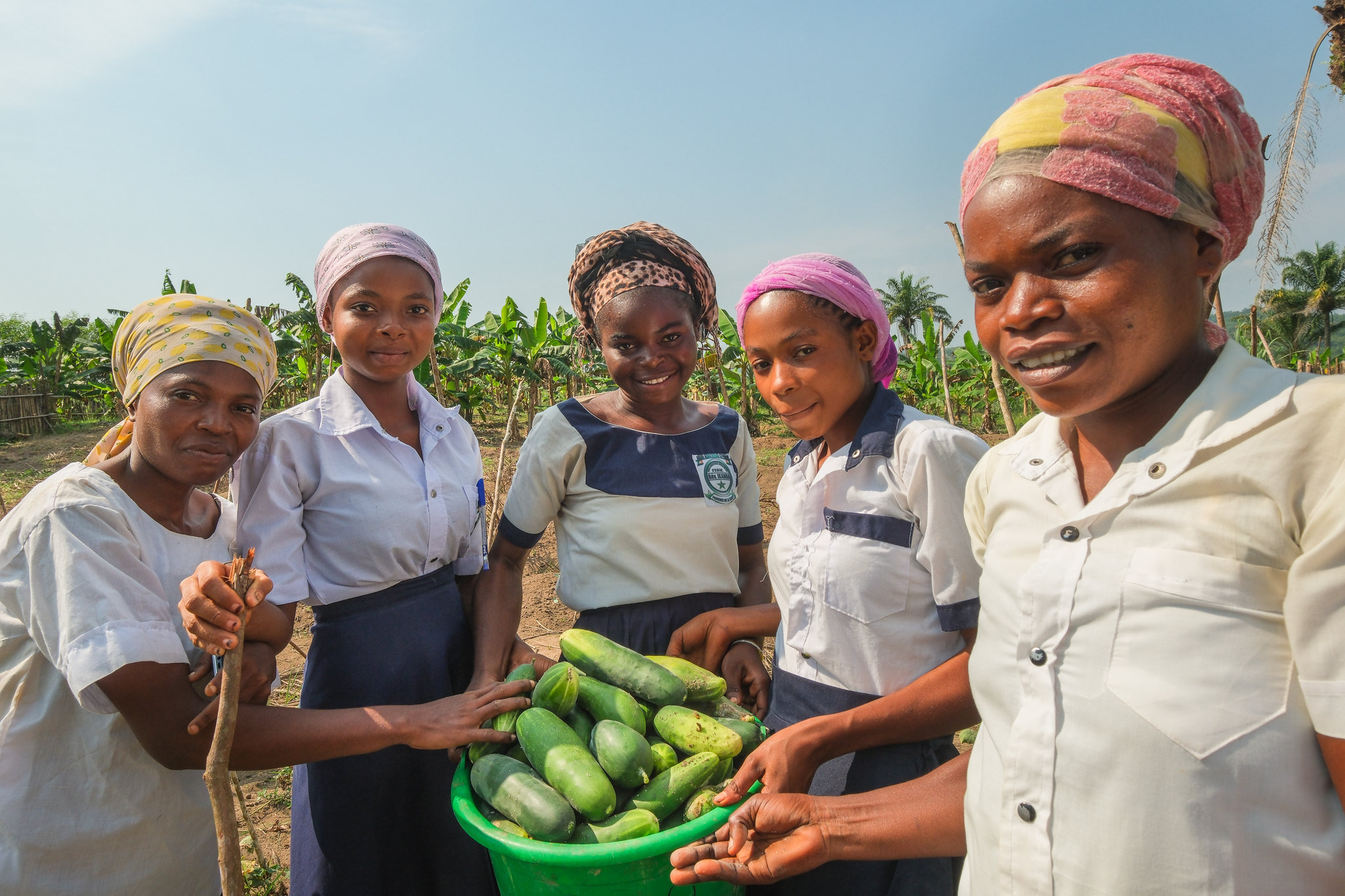
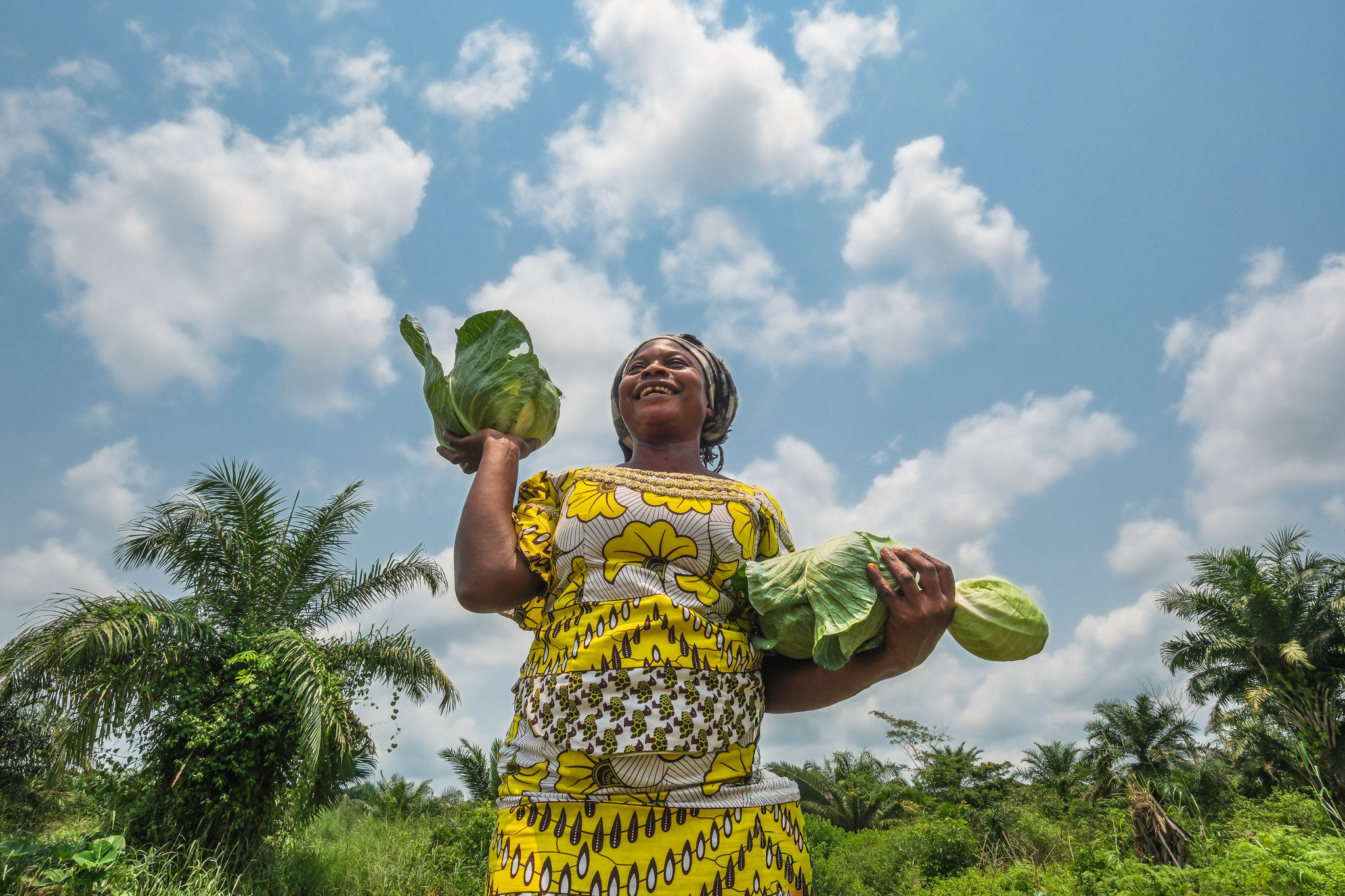
Farmers with their freshly harvested cabbages in a field in Yangambi, Tshopo Province, DRC. Photo by Axel Fassio / CIFOR-ICRAF
A landscape strategy built on connected solutions
Across the landscape, those activities are already delivering measurable results. In 2025, more than 300,000 trees were planted, and over 2,100 hectares of degraded land were restored or supported for more productive agriculture using improved seeds and techniques. At the same time, the core 235,000 hectares of biodiversity-important forest habitat is being supported to bring under sustainable management and to reduce pressure from encroachment, helping balance conservation goals with local livelihoods.
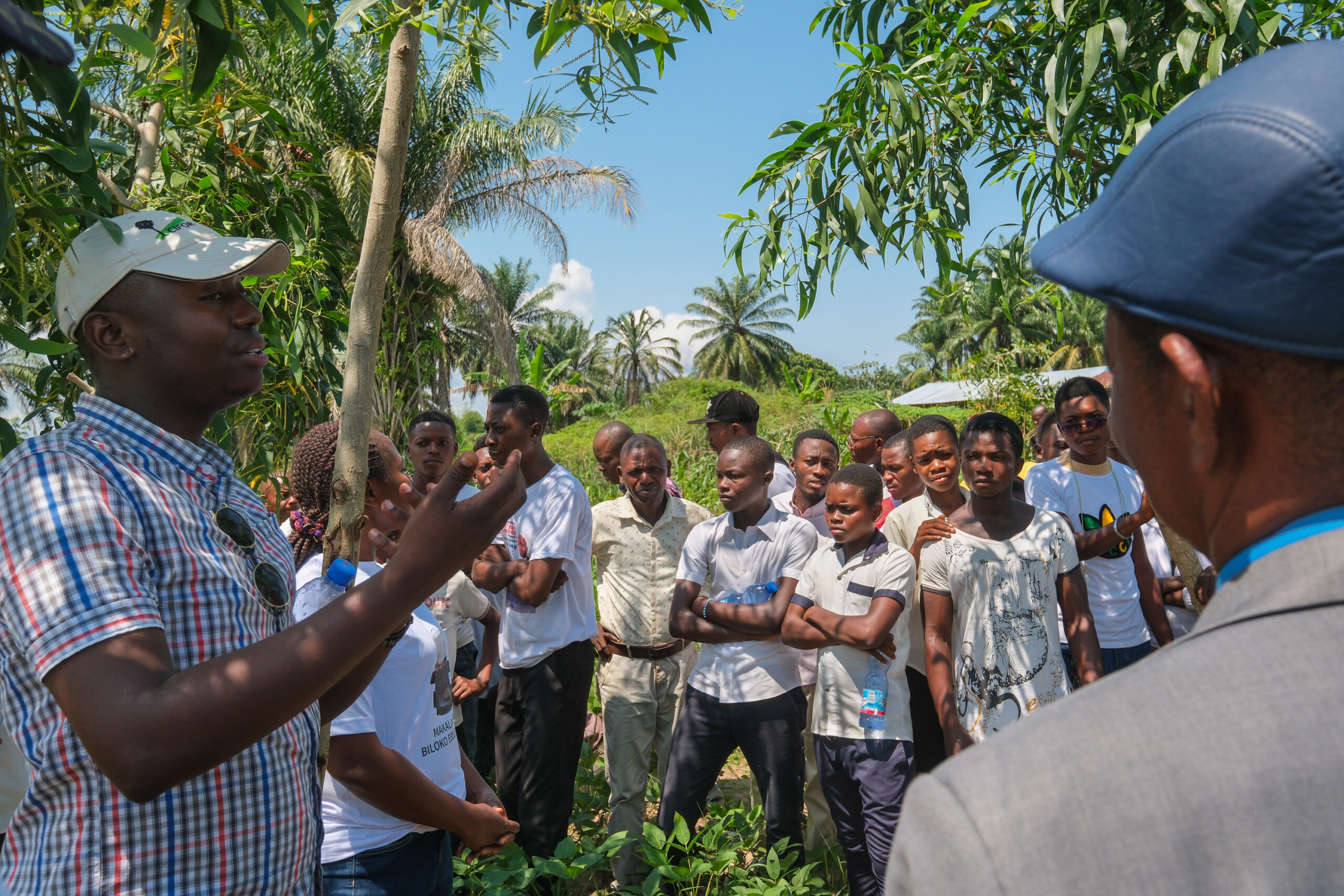
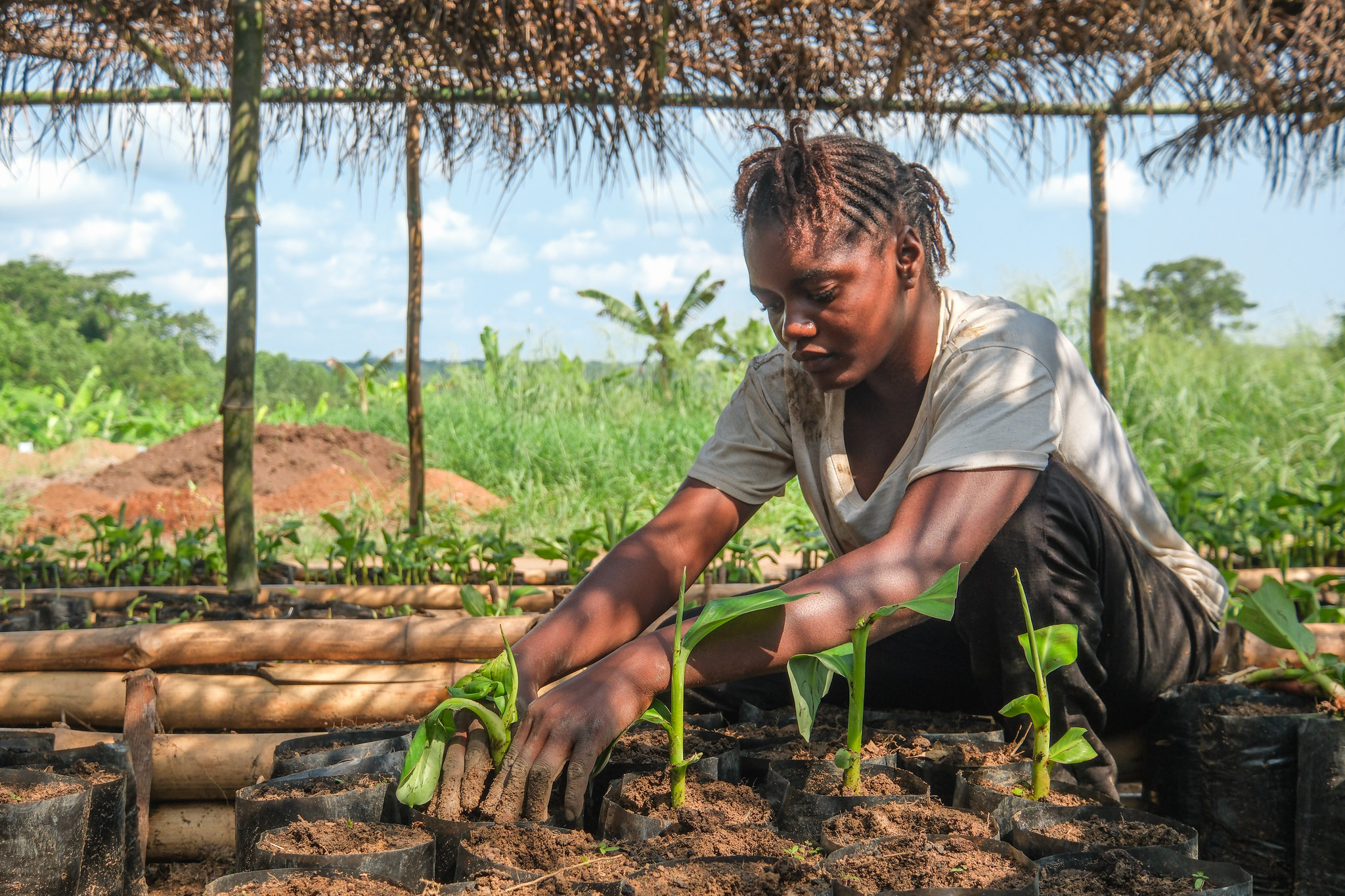
A cornerstone of this work is the Farmer Field School (FFS) network, which now includes 82 sites across the landscape. These community learning spaces allow farmers to learn and apply varied crops, techniques and innovations suited to local conditions.
Through these networks, around 2,200 farmers are now applying improved agroecological techniques, from better seed selection to soil restoration and pest management. Agroecology reflects a systems approach: healthier soils support crop diversity, diverse crops strengthen nutrition and incomes, and more productive farms can reduce the need to clear forests for agriculture.
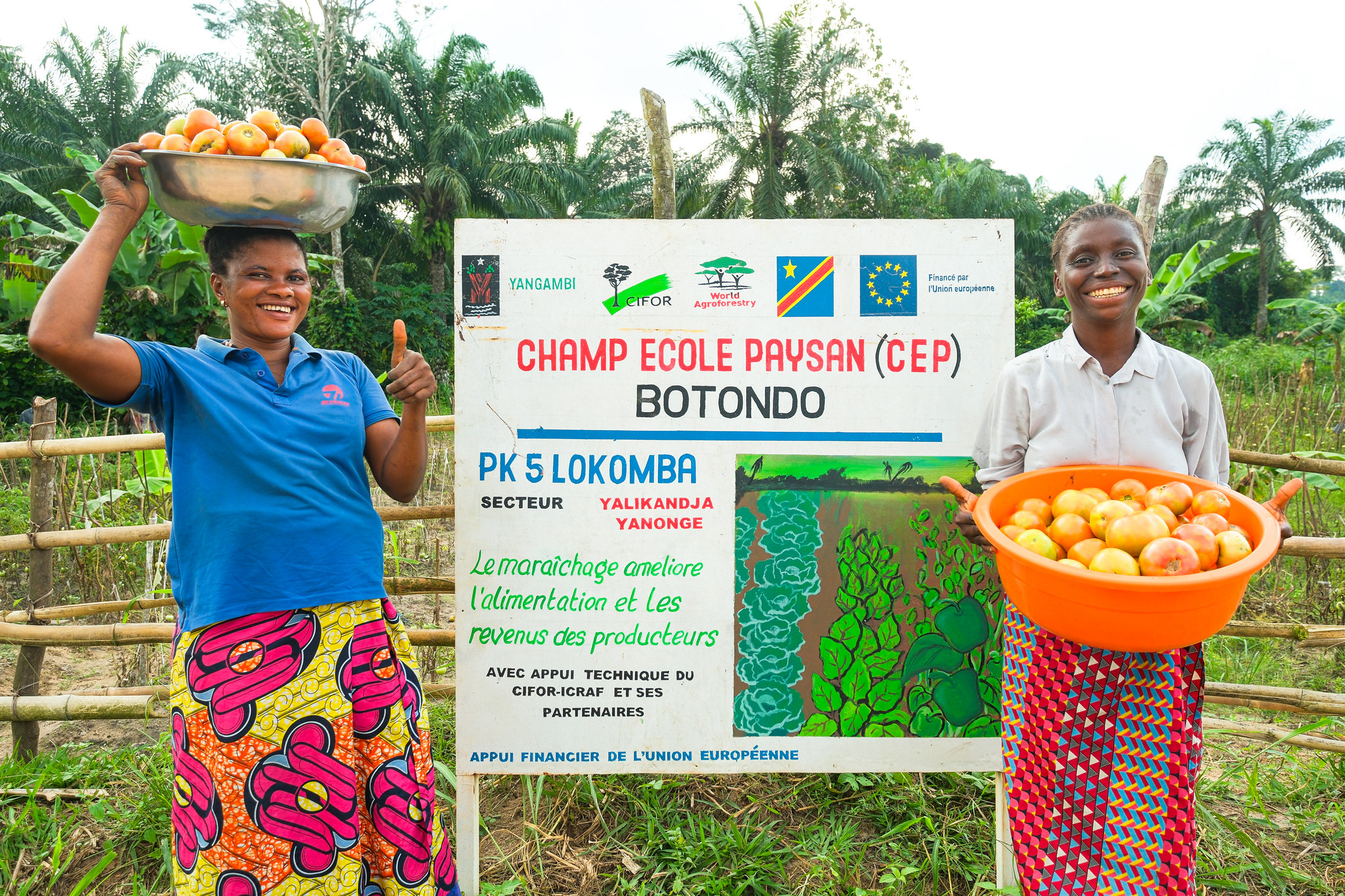
Nutrition-focused work is extending that progress by strengthening access to diverse, locally produced foods. Through the Nutriscapes Yangambi initiative, supported by Good Energies Foundation, CIFOR-ICRAF and partners are helping households improve diets through, combining different high-quality fruit trees with a diversity of nutrient-rich crops such as vegetables and pulses as well as more diverse staple foods. This is delivered alongside targeted nutrition and WASH messaging to create awareness among communities about the importance of consuming a diversity of foods to support their nutrition and health.
“Improving diets here starts in farmers’ fields and gardens,” said Stepha McMullin, a senior scientist with CIFOR-ICRAF. “When families can grow a greater diversity of foods locally, it strengthens both nutrition and resilience.”
“This is critical”, adds Amy Ickowitz, a CIFOR-ICRAF principal scientist who co-leads the project with McMullin, “because our research shows that most families in the landscape eat the same monotonous diet of cassava, cassava leaves, and fish most days – which does not supply enough nutrients for people, especially children.”
Healthy soils are another critical link in the system. Researchers and farmers are scaling the use of biochar produced from charcoal residues, combined with compost and other bio-inputs, to complement agroforestry systems and rebuild soil health for higher yields. By sustaining productivity on existing farmland, healthier soils can reduce pressure to clear new land from nearby forests.
Energy systems form another important piece of the puzzle. Charcoal remains the dominant cooking fuel across much of the region, but improving production methods can significantly increase efficiency. By using more effective kilns and harvesting biomass from fast-growing planted trees (as opposed to from the forest), producers can generate the same amount of charcoal with fewer natural forest resources.
At the household level, over 70,000 efficient cookstoves have been sold, which reduce the amount of charcoal or fuelwood needed for daily cooking while saving families money.
“When charcoal is produced more efficiently, and cookstoves use less fuel, households save money, and fewer trees need to be cut,” said woodfuel expert Georges Mumbere.
Improved cookstoves ready for distribution in Kisangani, Tshopo Province, DRC. Photo by Axel Fassio / CIFOR-ICRAF
Energy, agriculture and forests
These activities are increasingly connected through circular value chains that reduce waste and reinforce local economies. Charcoal dust from processing can be used in improved cookstove production and as a source of biochar for soil restoration. Manure from small pig and goat sties – established to also provide an alternative source of protein to wild meat – is used as fertilizer in FFS members’ plots.
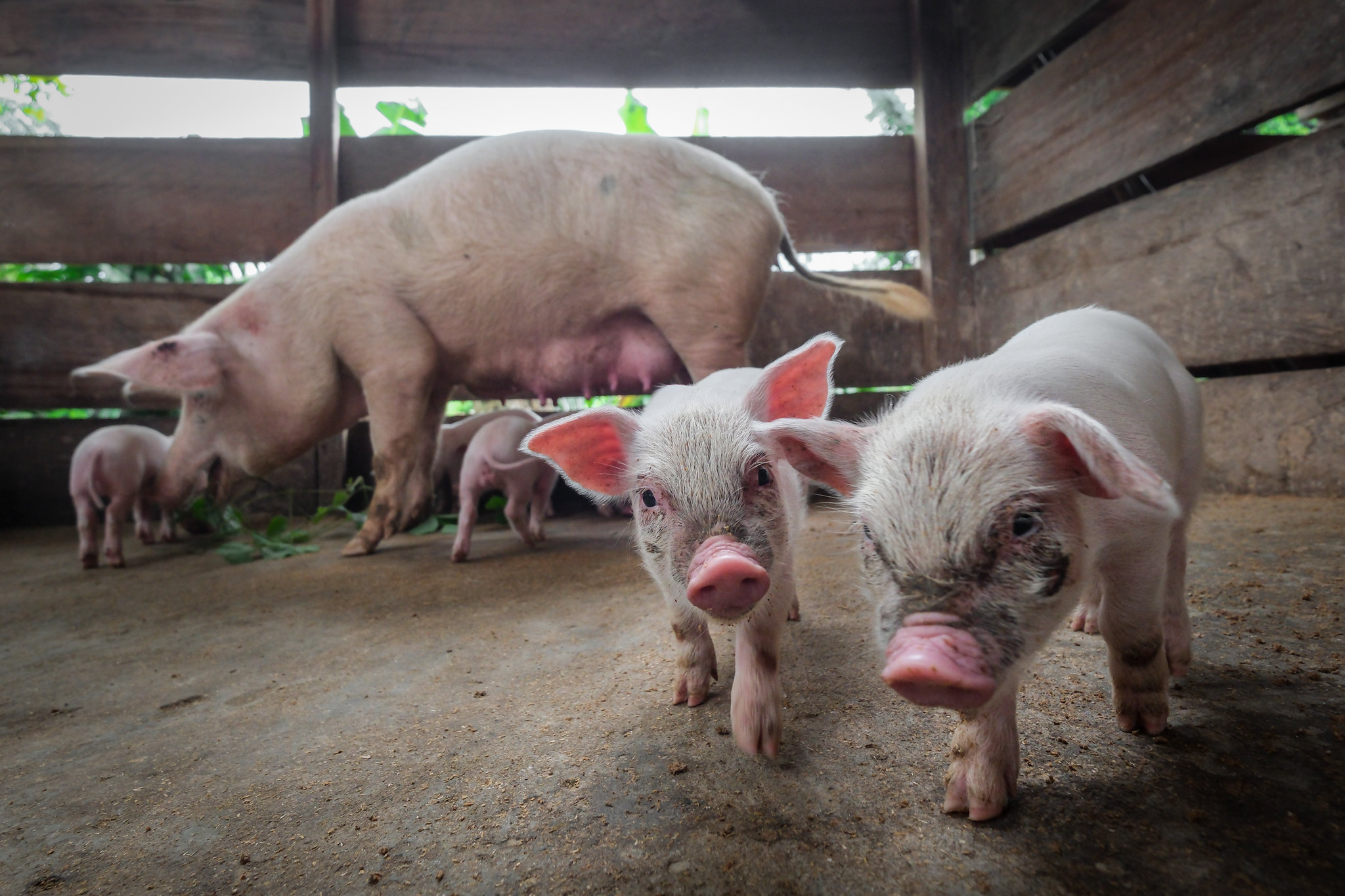
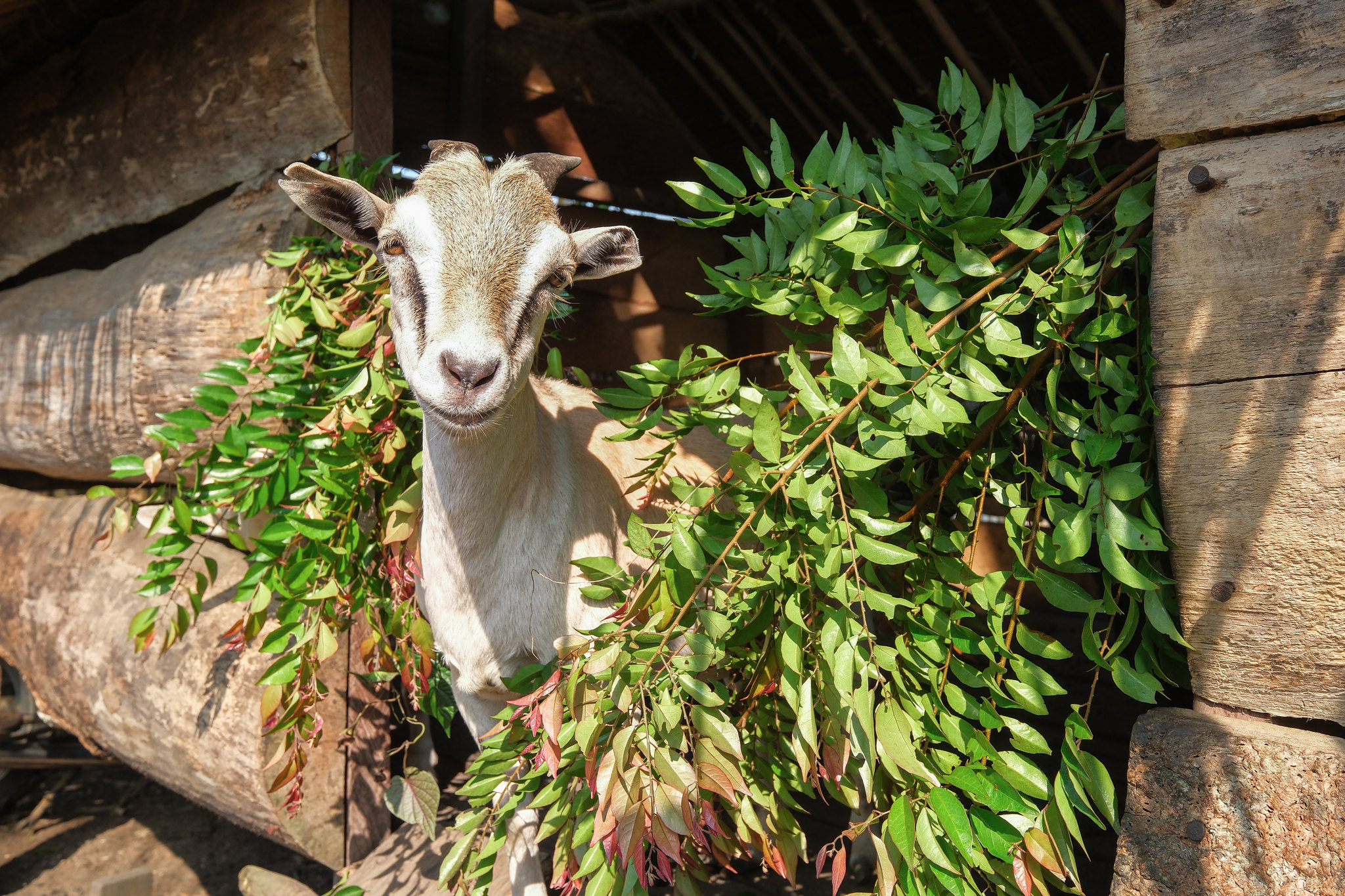
Agricultural production itself is diversifying through crops such as bananas and legumes, and new local processing services such as flour production that add value closer to where food is produced and offer new positions for more people to be included within the value chain.
Elsewhere in the landscape, forest-friendly enterprises are also expanding. While initially about 30 honey producers have been directly supported with technical mentoring and microloans to formalize production, today they have joined forces into 2 formal associations of more than 100 members, improving processing, strengthening links to local markets, and creating new income opportunities.
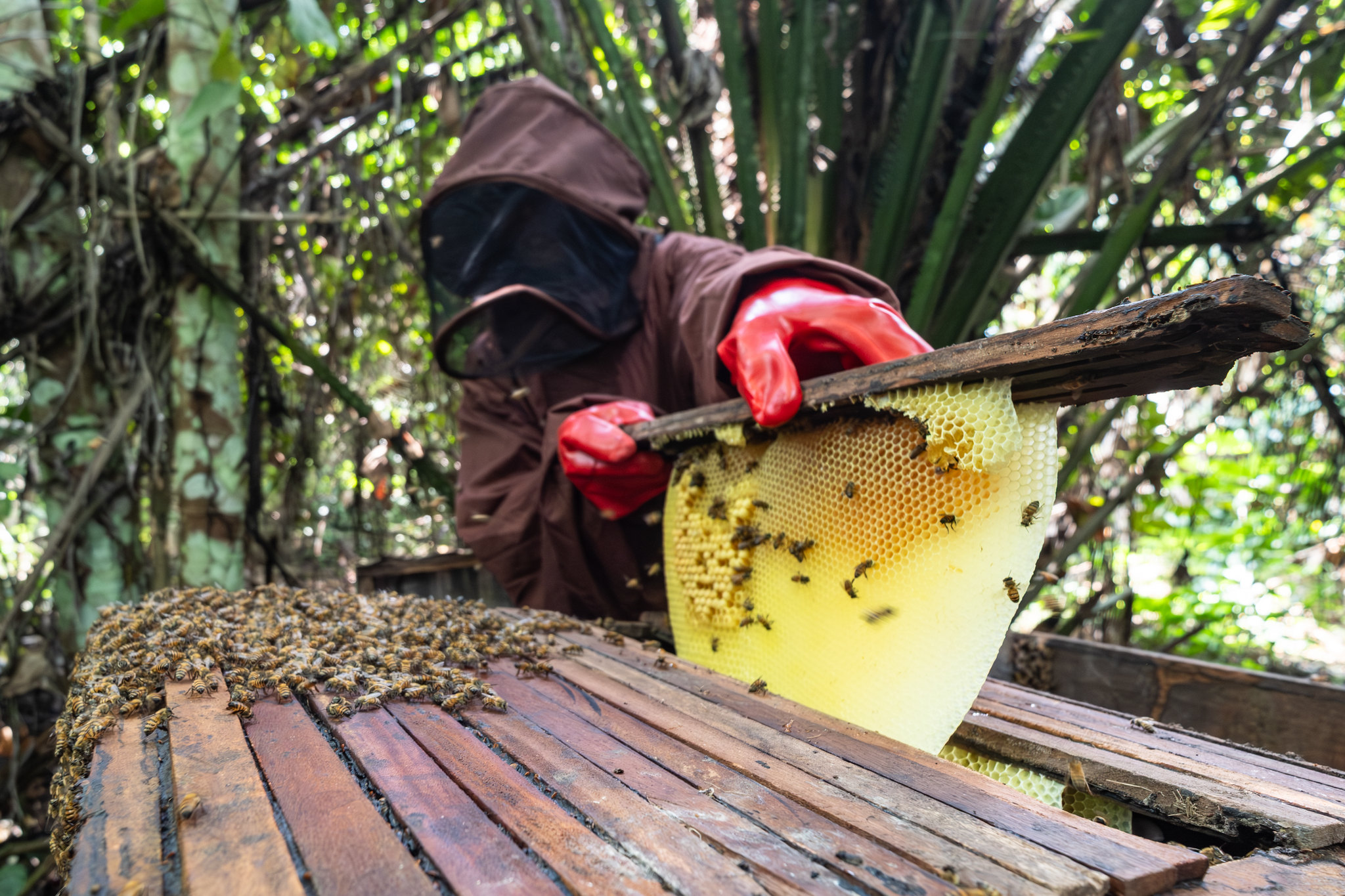
Community leadership remains central to the approach. Women, youth and farmer associations play a key role in shaping and implementing activities, ensuring that solutions are adapted to local needs and more likely to endure over time.
Like the Congo River itself, the YEL draws resilience from many sources.
By connecting farming, energy, forests and enterprise, the programme is building circular bioeconomies that can help protect Congo Basin forests while strengthening local economies for years to come.