

Food insecurity remains a daily reality for many households in the Democratic Republic of the Congo’s Tshopo Province, where a lack of infrastructure and climate shocks disrupt people’s ability to produce food and access markets. In response, emergency efforts were launched in 2023 to boost short-term agricultural productivity in a way that would also strengthen local value chains.
The FORETS-Food project is anchored in more than a decade of the Center for International Forestry Research and World Agroforestry (CIFOR-ICRAF) engagement in the Yangambi Engagement Landscape (YEL) – a long-term initiative shaped by sustained investment from the European Commission, with the UK’s Foreign Commonwealth and Development Office, the GoodEnergies Foundation, the Belgian Cooperation and other donors also currently contributing to the realisation of this long-term initiative. That continuity made it possible to respond quickly to immediate food needs while strengthening the systems that underpin longer-term resilience.
Delivering food at scale
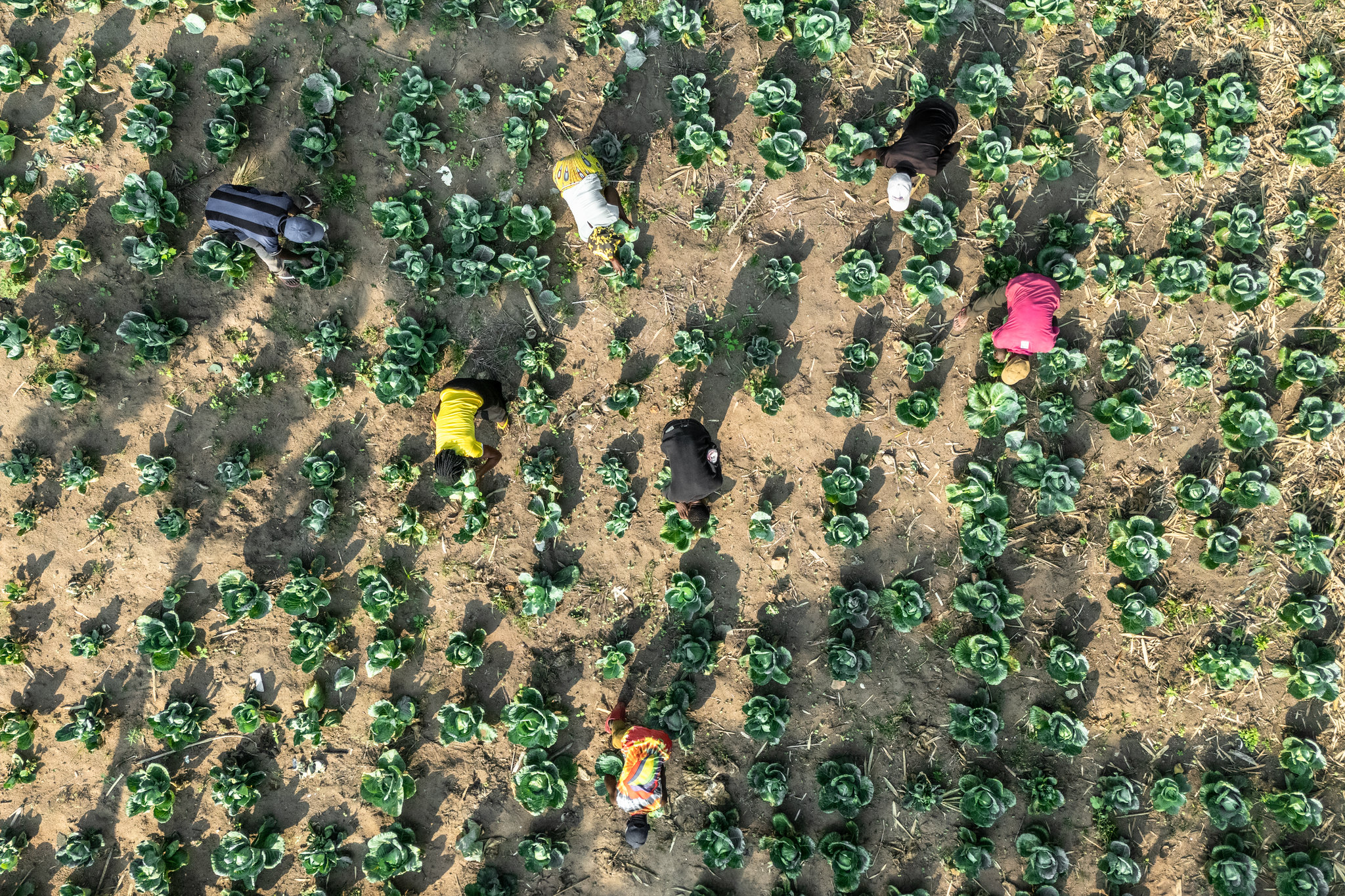
Over three growing seasons, FORETS-Food supported the planting of nearly 2,000 hectares of staple crops, producing an estimated 3,650 tonnes of food, including maize, rice, cassava and legumes. Alongside this, around 400 home gardens were established to diversify diets with vegetables.
Green peppers harvested at a Farmer Field School near Weko, Tshopo Province, Democratic Republic of the Congo. Photo by Axel Fassio / CIFOR-ICRAF
Altogether, the programme is estimated to have positively impacted around 60,000 people, through improved food availability, better nutrition and new income opportunities.
“The focus was deliberately pragmatic,” said Paolo Cerutti, coordinating the CIFOR-ICRAF team in Yangambi. “The team functioned as a fundamentally missing layer of extension services, training and working with networks of local monitors – largely selected from local rural agricultural schools, and reaching farmers who worked with familiar crops, locally available inputs and short production cycles to increase food supply as quickly as possible.”
Farmer Field Schools as delivery engines
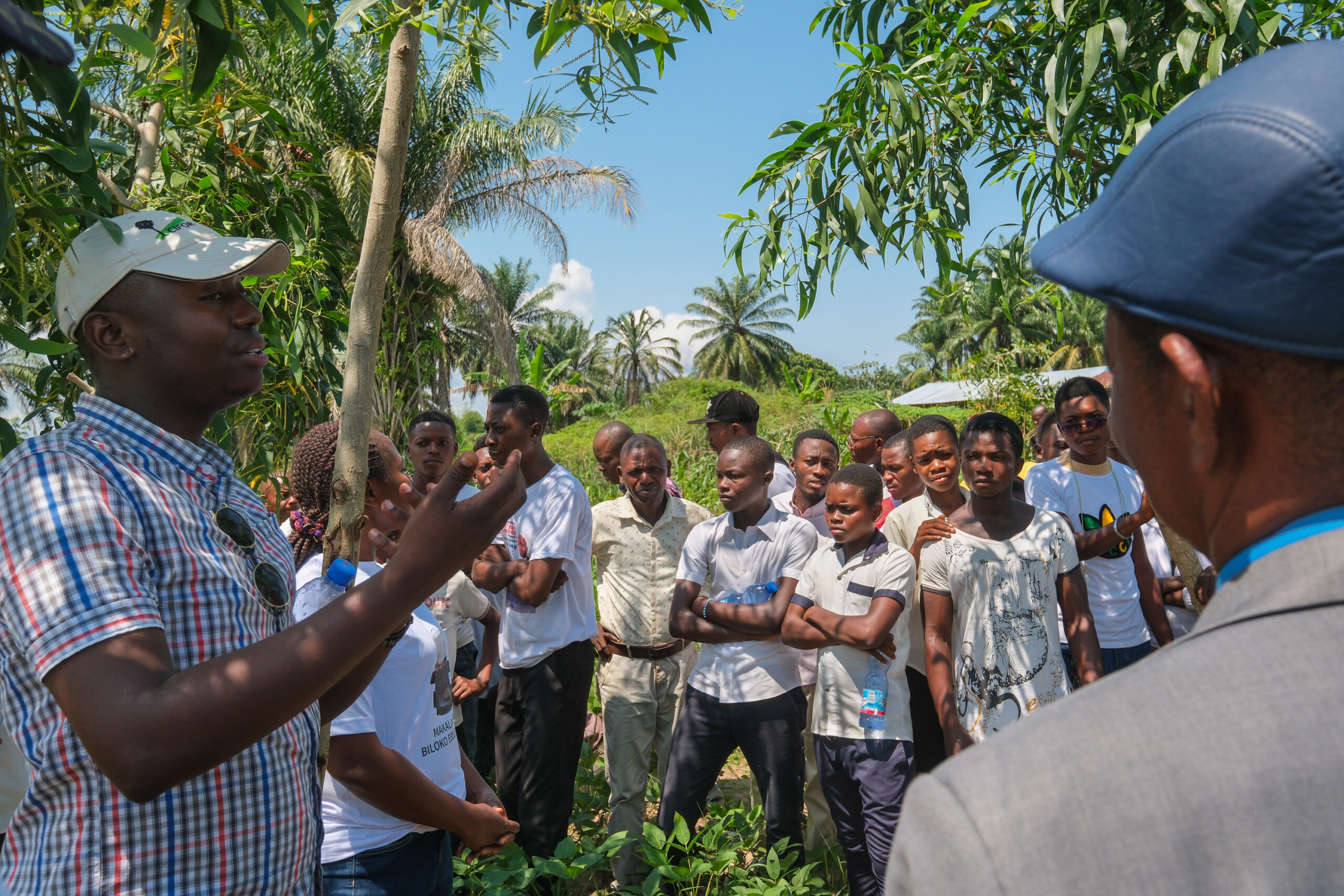
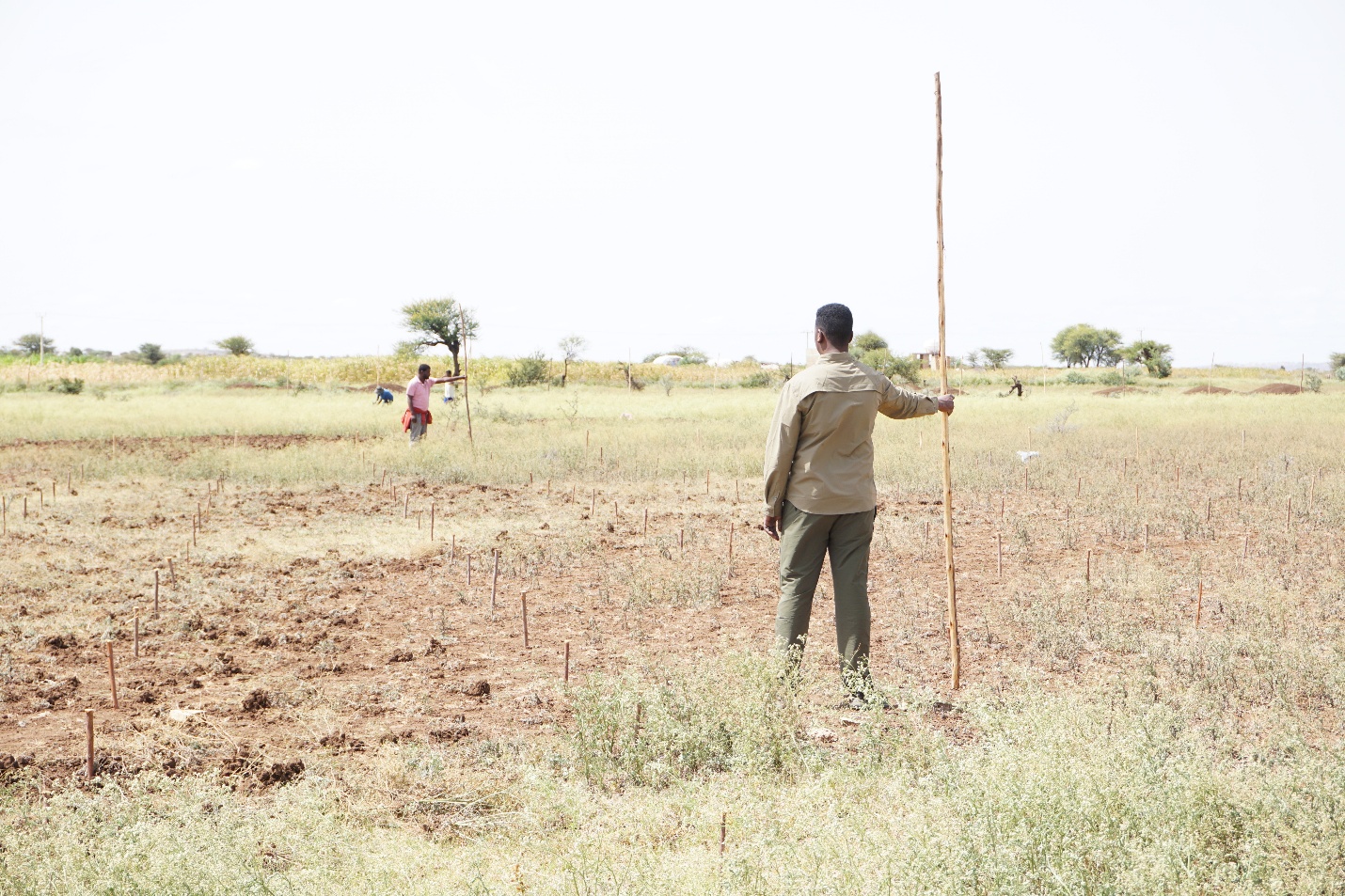
Much of this work was channelled through an initial set of 26 Farmer Field Schools (FFS), growing over time, which served as the backbone of FORETS-Food implementation. These schools combined demonstration plots, peer-to-peer learning, and practical training in agroecological practices, seed selection, soil management and pest control.
The network of FFS allowed to reach around 900 farmers, more than 800 of whom received structured training. Farmers tested practices directly in their fields, adapting them to local conditions and sharing results with neighbours.
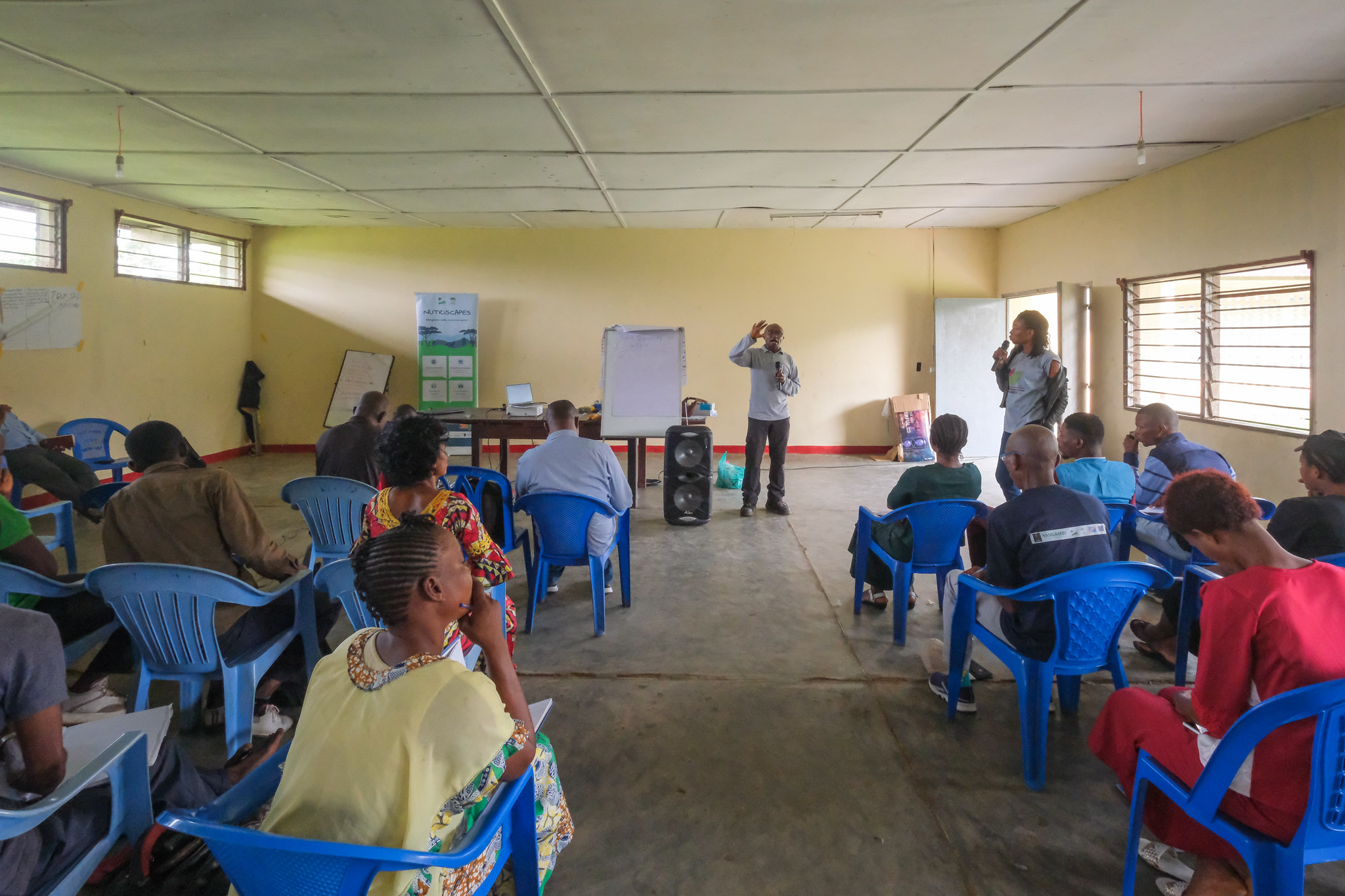
Photo by Axel Fassio / CIFOR-ICRAF
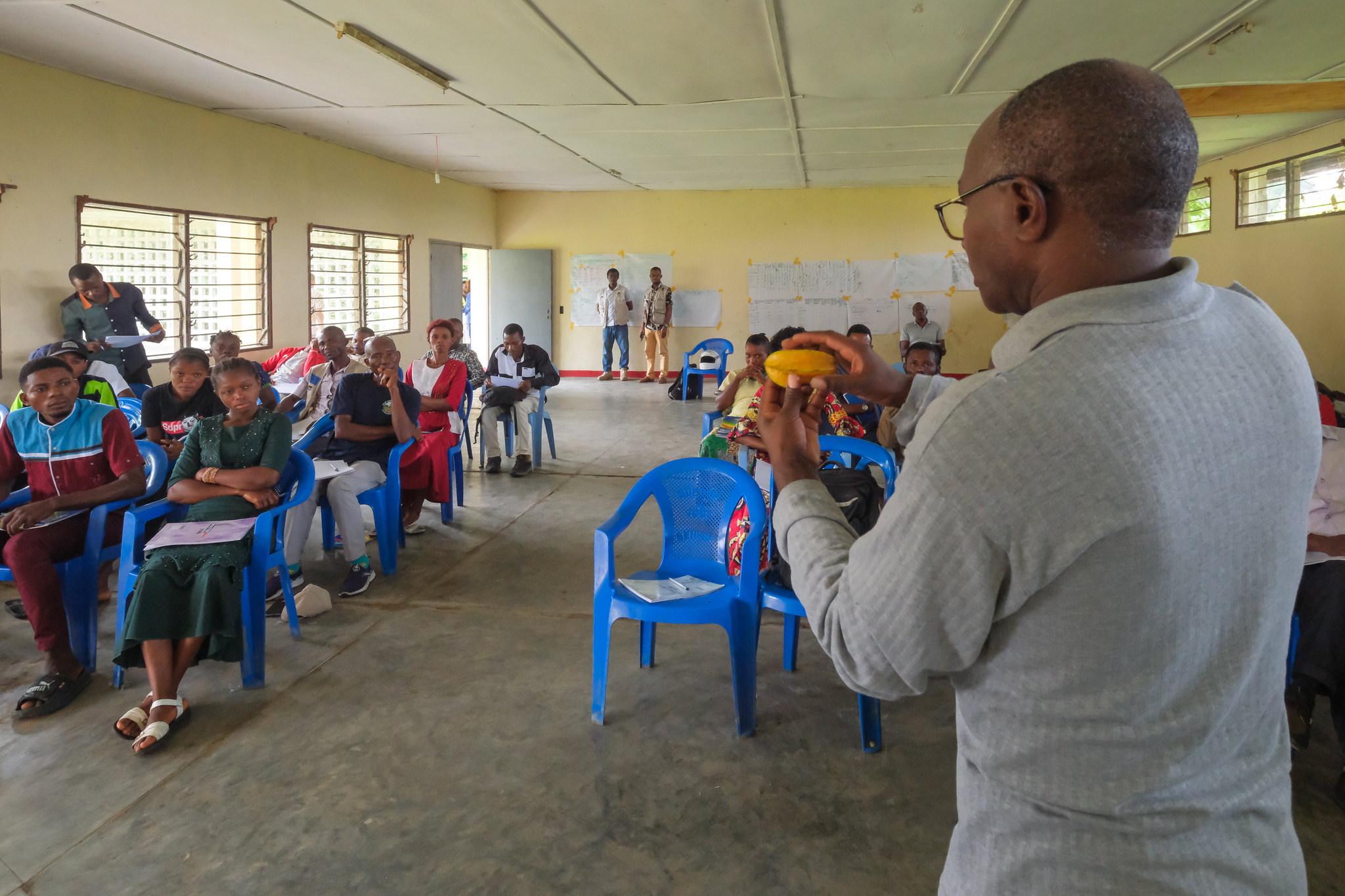
“For us, the Farmer Field Schools are not just about teaching techniques,” said Julianus Thomas, who works closely with farmers in the landscape. “They are about building confidence. Farmers are learning how to observe, test and improve their practices season by season, and the results can be seen in their fields.”
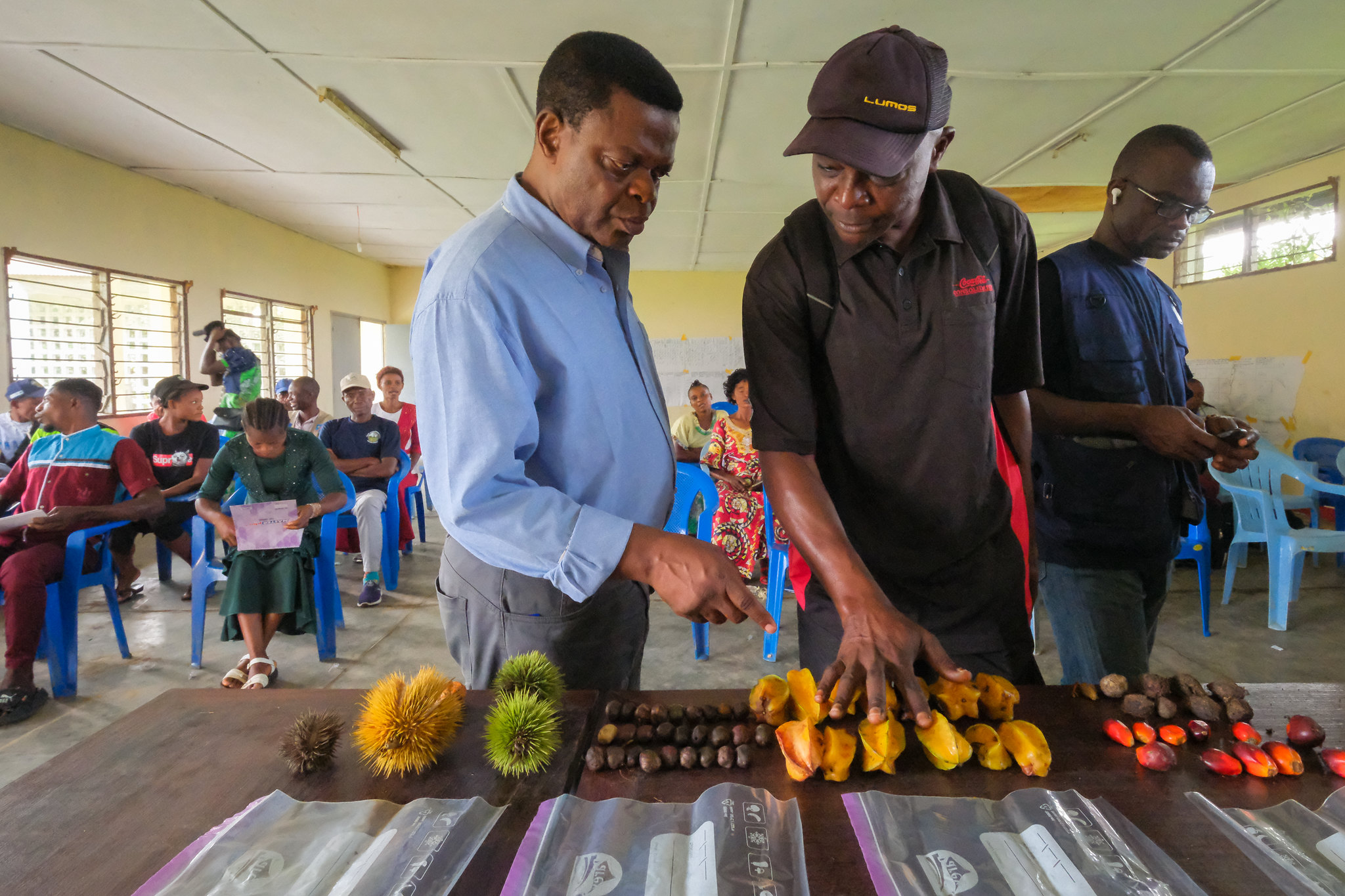
Beyond production: Nutrition, income and markets
FORETS-Food also worked beyond production to strengthen seed and food systems at household and community levels. Home gardens improved access to vegetables, while surplus crops were sold locally or to the neighbouring city of Kisangani, generating income that families used for health care, schooling or reinvestment.
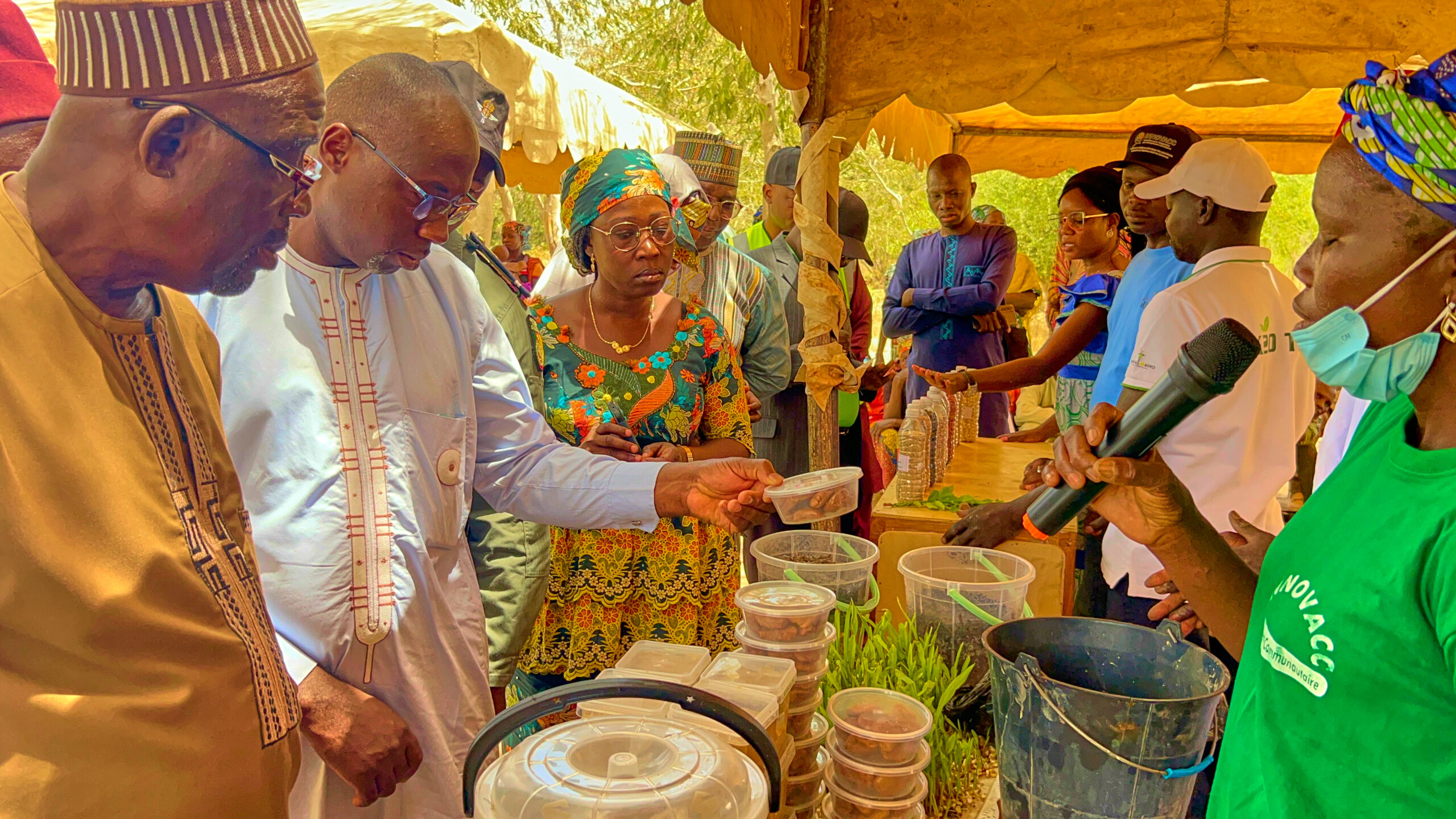
Looking beyond the household, twenty promising farmers were also trained in financial literacy and business planning, aiming at establishing future agricultural-based enterprises. Agricultural fairs and local marketing initiatives helped farmers connect with buyers, including in nearby Kisangani, strengthening links between rural producers and urban demand.
“These activities are about more than harvests,” said Cerutti. “FORETS-Food was designed to respond quickly to food insecurity, but always as part of a longer-term landscape strategy to build strengthened underlying seed and food systems.”
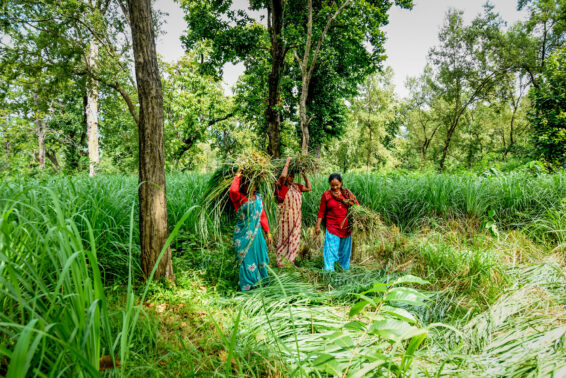
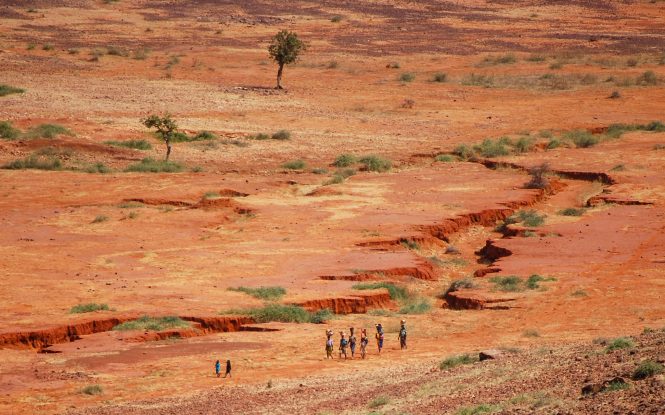
Women and children move through the Yangambi landscape in Tshopo Province, where everyday activities such as food production, fuelwood collection and caregiving are closely intertwined. Photo by Axel Fassio / CIFOR-ICRAF
Protecting gains and building resilience
To reduce losses at the production and post-harvest stages, around 1,000 farmers were trained in pest and disease management, improved protocols for banana and market-garden production, and post-harvest handling. Just as importantly, the project team established a communication network among FFS members.
“Pests and diseases vary according to the seasons and crops,” explained Thomas. “With open communication channels, farmers can spot problems earlier, share their experiences and adjust solutions in real time.”
With support from the Food and Agriculture Organization of the United Nations (FAO), five mills were provided to improve processing efficiency, and post-harvest centres were established in Yangambi and Yanonge.
Farmer field schools bear fruit in Yangambi Engagement Landscape, DRC
Food systems within a connected landscape
While FORETS-Food focused on food security, its activities were designed to fit within the wider Yangambi Engagement Landscape, alongside work on agroforestry, sustainable woodfuel, nutrition, enterprise development and community awareness.
Seen in this context, FORETS-Food is both a response to urgent needs and a building block for what comes next. The strengthened food systems it helped put in place are now feeding into broader efforts to develop interconnected bioeconomies, where food, energy, soils and livelihoods reinforce one another at landscape scale.