

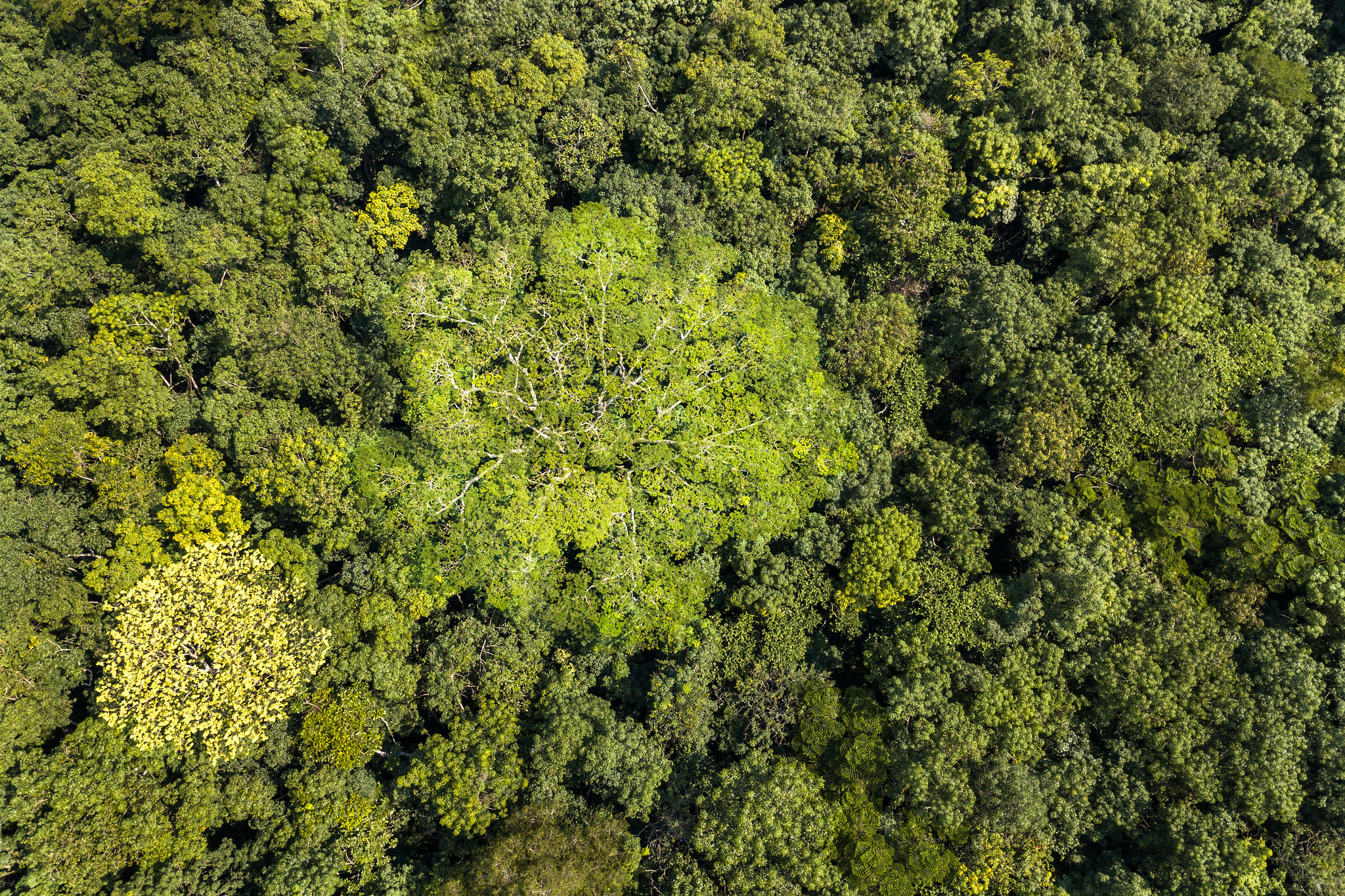
Stretching across central Africa, the Congo Basin is often described as the world’s second-largest tropical rainforest after the Amazon. It is home to extraordinary biodiversity and supports millions of people who depend on its resources for food, income and other essential needs.
Over the years, countries in the region have signed and ratified international agreements intended to protect these forests and address the environmental challenges and pressures they face. Governments have committed to numerous global and regional frameworks covering climate change, biodiversity conservation and illegal logging.
But signing an agreement is only the beginning.
The new State of the Forests of the Congo Basin 2025 (EDF 2025) report examines what happens after those commitments are made. It assesses how effectively agreements are being implemented and whether they are producing their intended results.
This focus makes the 2025 edition one of the most distinctive in the history of the State of the Forests series.
From forest trends to environmental governance
Previous editions concentrated primarily on the condition of the region’s forests, examining issues such as forest resources, land-use change, forest concessions and restoration. This year’s edition takes a different approach by focusing on the governance systems intended to protect them.
The report considers how Central African countries are translating international environmental commitments into policies, institutions, investments and actions.
Published in French, the 13-chapter publication subtitled ‘Mise en œuvre des conventions internationales sur l’environnement et les forêts’ evaluates the implementation of major agreements, including the Paris Agreement, the Convention on Biological Diversity, the United Nations Convention to Combat Desertification and the Convention on International Trade in Endangered Species. It also examines voluntary partnership agreements on forest governance and several regional treaties developed within Central Africa.
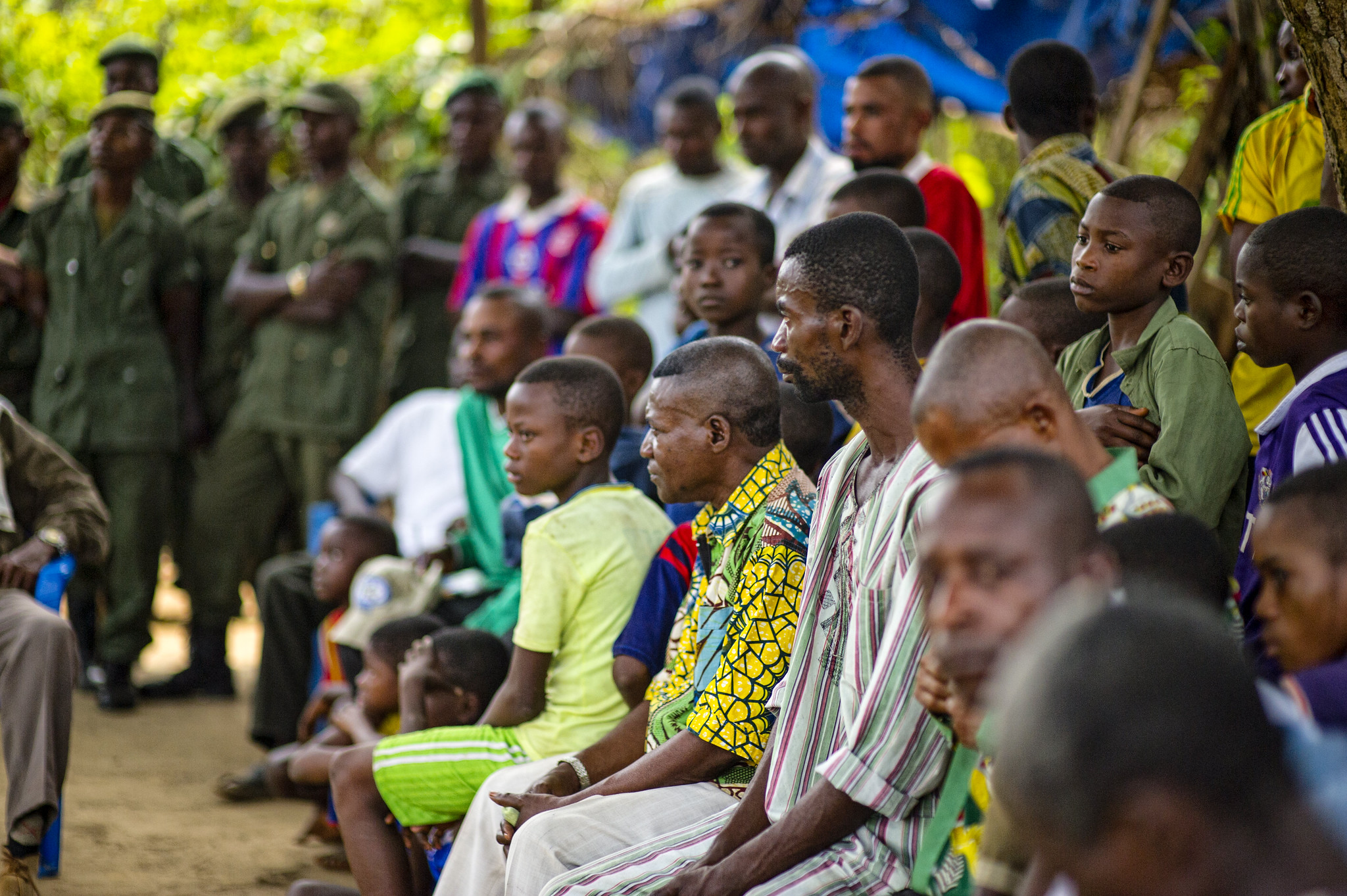
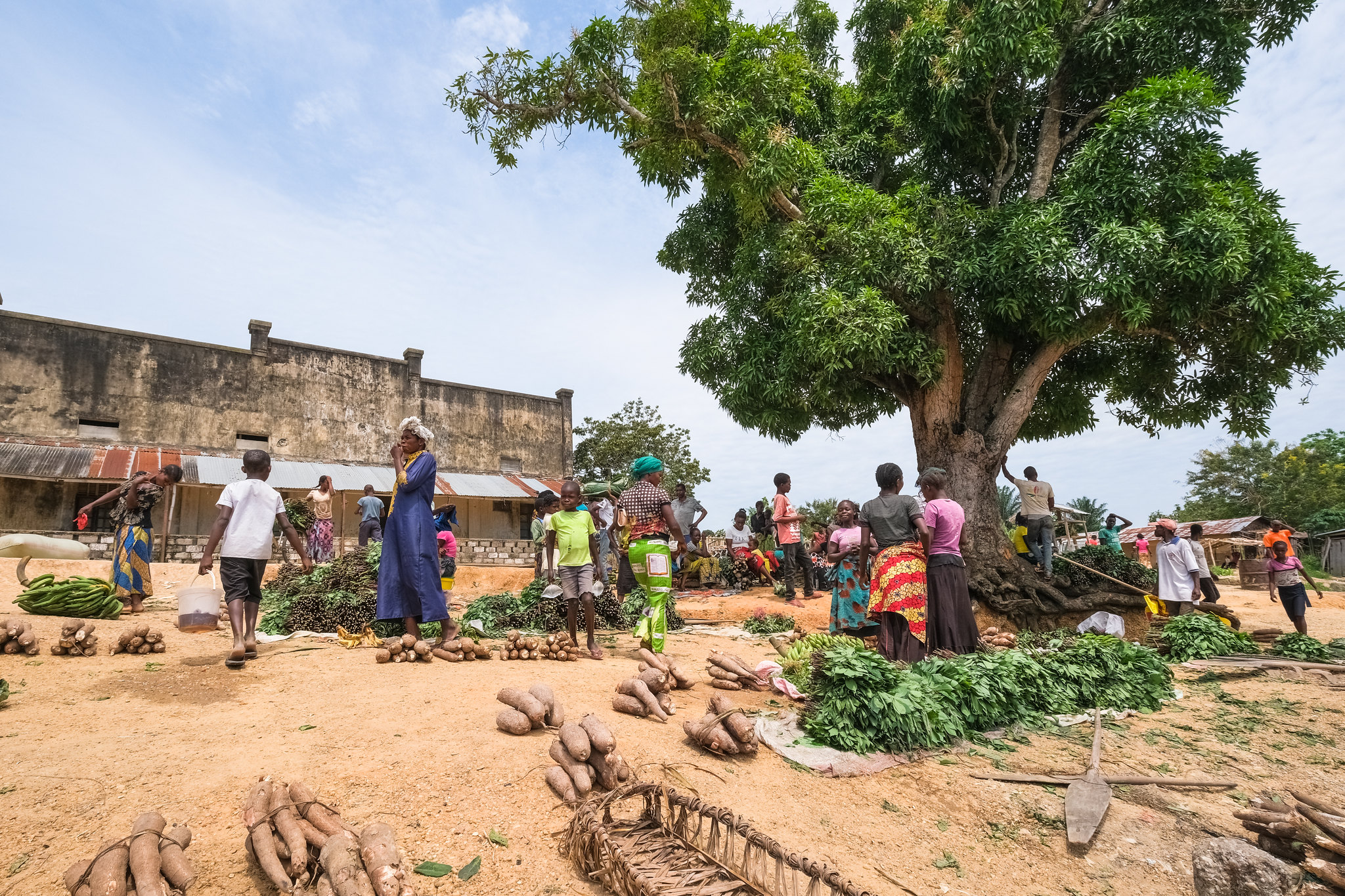
By considering how environmental agreements intersect with human rights, Indigenous Peoples and local communities, the report presents a comprehensive picture of the legal, institutional, social and political systems shaping the future of the Congo Basin.
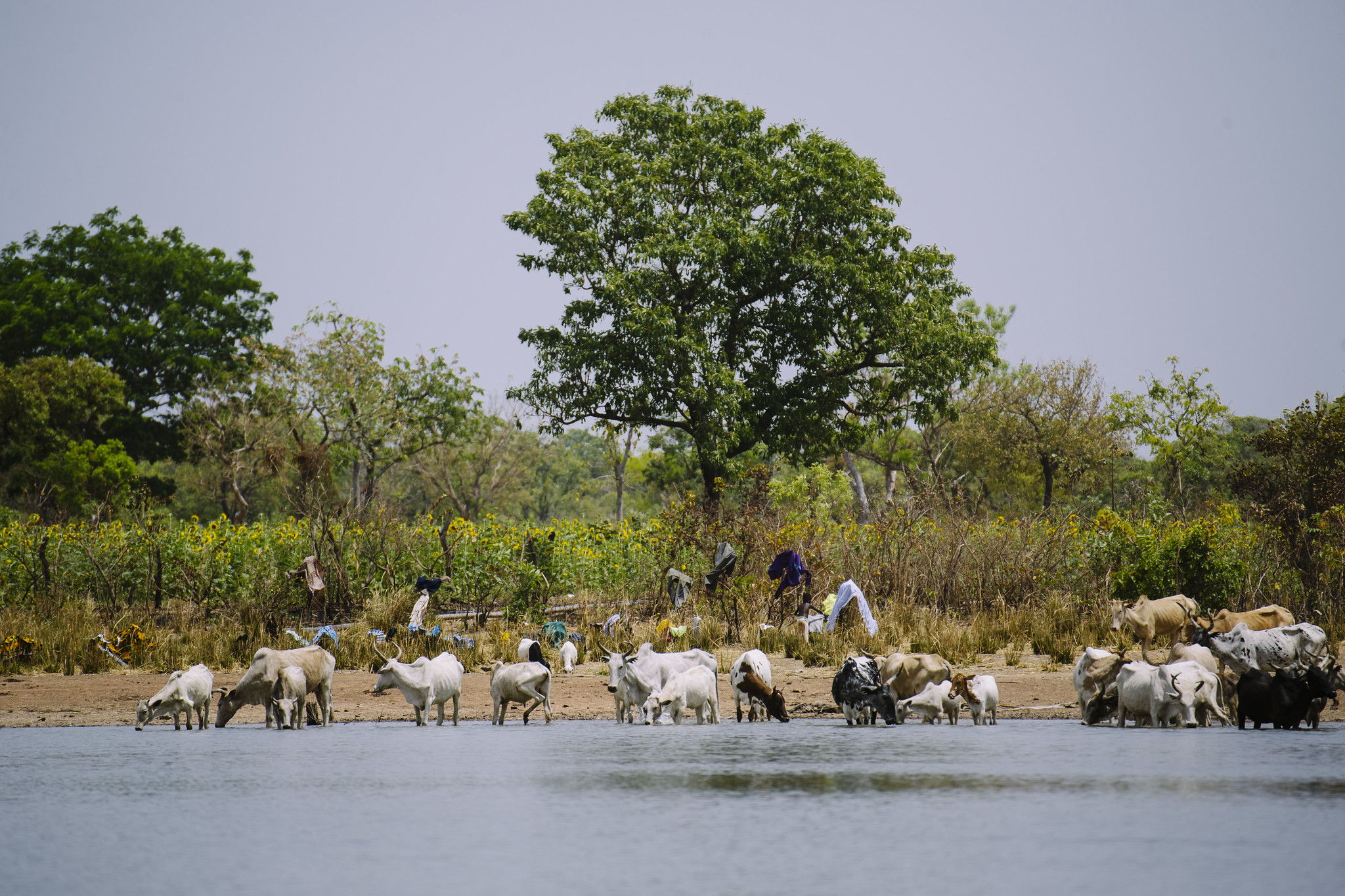
People collect water and carry out daily activities along a riverbank in the Democratic Republic of the Congo. Photo by Axel Fassio / Landscape Alliance.
Why is this important now?
Governments around the world are making increasingly ambitious commitments to address environmental pressures and advance sustainable development. Yet deforestation pressures continue, biodiversity is declining and many forest-dependent communities still face economic hardship. Governments are now compelled to balance conservation goals with development needs, while navigating limited financial resources and complex governance systems.
The report identifies effective implementation as one of the region’s central challenges. Although circumstances differ among Central African countries, many governments struggle to turn international commitments into workable national policies and action. This gap between ambition and delivery continues to limit progress.
“This volume is set against a global backdrop characterized by an increase in climate commitments, a growing awareness of biodiversity concerns, but also a proliferation of economic and political crises that complicate the conditions for implementing environmental standards,” said Abdon Awono, the Central African Forest Observatory – Center of Excellence (OFAC-CE) project coordinator at Landscape Alliance. “In Central Africa, these tensions often result in difficult trade-offs between the requirements of ecosystem conservation and the imperatives of economic growth, national sovereignty or social justice. Thus, despite the proliferation of regulations, the expected results in terms of combating deforestation, strengthening forest governance or valuing ecosystem services are struggling to materialize.”
The report documents persistent obstacles, including the difficulty of reconciling international expectations with national realities. It also recognizes significant progress made by countries across the region. Its recommendations call for stronger environmental governance, better coordination among institutions and measures to ensure international agreements deliver tangible benefits for forests and people.
As global attention increasingly turns to the Congo Basin, EDF 2025 presents a clear conclusion: protecting one of the planet’s largest tropical forest landscapes requires more than promises. It requires action, accountability and sustained political commitment.
A collaborative effort for the region
Produced by OFAC, the technical unit of the Central African Forest Commission (COMIFAC), the 2025 report draws on expertise and experience from across Central Africa.
Researchers, legal experts, policymakers, regional organizations and civil society actors contributed to the publication. Participating institutions are based in Cameroon, Republic of Congo, Democratic Republic of Congo, Gabon, Central African Republic, Equatorial Guinea, Chad, Rwanda and Burundi.