


This is the first in a two-part opinion series examining why the Congo Basin receives far less forest finance than other tropical regions.
The Congo Basin absorbs six times more carbon dioxide than the Amazon. Yet it receives a tiny fraction of the global money invested in improved forest management and conservation. After two decades working on tropical forest policy, we have come to see this imbalance as one of the most dangerous market failures in global climate finance. And it is getting worse even as pledges get bigger.
Between 2008 and 2017, international tropical forest finance flowed roughly as follows: Southeast Asia 55 percent, the Amazon 34 percent and the Congo Basin 11 percent. That pattern has not really changed during the last decade.
Norway alone has channelled $1.2 billion to Brazil through the Amazon Fund since 2008. In 2010, the country signed a comparable $1 billion REDD+ deal with Indonesia.
The Central African Forest Initiative (CAFI), which serves six Congo Basin countries collectively, has mobilized $680 million in total commitments across two letters of intent with the Democratic Republic of the Congo (DRC) — $200 million in 2016 and $500 million in 2021 — along with additional partnerships with Gabon, the Republic of Congo, Cameroon and Equatorial Guinea. Yet disbursement has been slow. By the end of 2020, only $202 million had been transferred. Although disbursements accelerated in 2024 (reaching $122 million disbursed that year), the gap between commitments and cash on the ground remains wide.
To put this in perspective, dollar-wise and hectare-wise: CAFI’s total commitments to the DRC since its founding in 2015 — roughly $700 million across two letters of intent — equal about two-thirds of what Norway alone has pledged to a single country in the Amazon, since 2008.
The Amazon attracts roughly $1.14 per hectare per year in tropical forest finance. Southeast Asia receives an estimated $1.50 to $2.10. The Congo Basin countries receive between $0.21 and $0.50.
Meaningful conservation in the DRC alone would require $10 to $15 per hectare annually. For the country’s 143 million hectares of forest, that translates to more than $500 million each year.
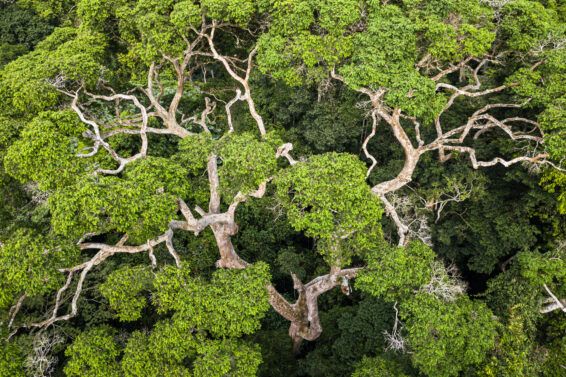
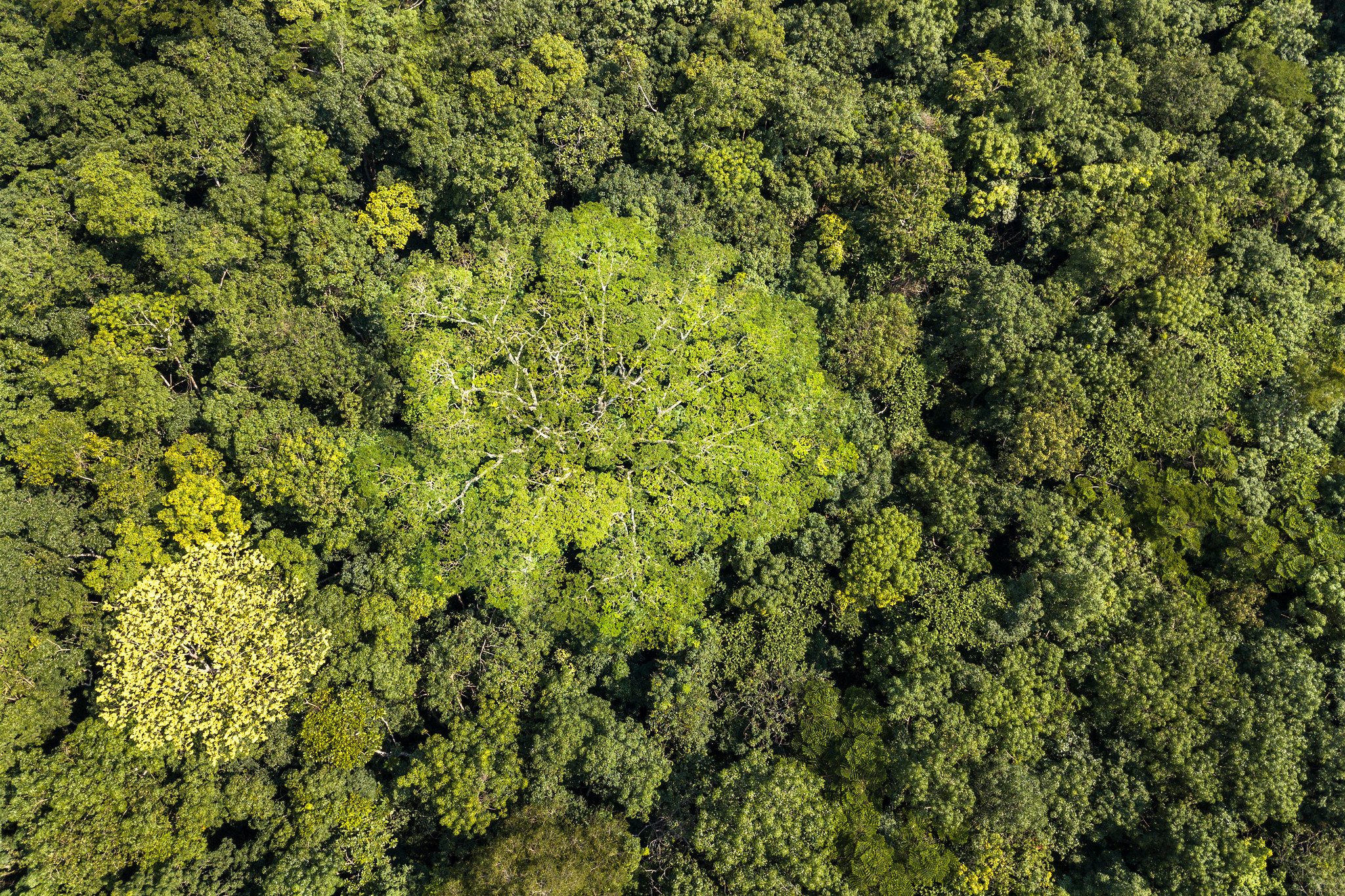
Aerial view of the forest in Yangambi, DRC. Photo by Axel Fassio / CIFOR-ICRAF.
The Center for Global Development has priced the Congo Basin’s annual carbon removal service at $55 billion. Meanwhile, forestry development assistance to Africa averages just $170 million per year. That ratio of approximately 150 to 1 between service value and compensation represents perhaps the most striking market failure in global climate policy.
Why this imbalance?
The immediate explanation most often cited for this funding gap is governance. Congo Basin countries score poorly on the fight against corruption, transparency, the rule of law and the Doing Business indices. Hence, both public and private investors are cautious.
But governance explains at best a fraction of the story.
Indonesia and Brazil score similarly to Congo Basin countries on Transparency International’s Corruption Perceptions Index — all fall below the index midpoint of 50, which over two-thirds of the world’s countries share. Yet Indonesia and Brazil receive vastly more forest finance than the Congo Basin. Governance scores alone do not explain the gap.
So what else could be at play? Here are a few hypotheses.
The commodity supply chain effect
One underappreciated factor lies in global commodity markets.
For good or for bad, palm oil, rubber, soy, beef and timber connect Brazil and Southeast Asian forests directly to the balance sheets of multinational corporations, their banks and their shareholders. These supply chain dynamics create corporate constituencies for conservation and generate reputational pressure to reduce deforestation. They trigger extensive global dependencies and connections that do not yet exist in the Congo Basin countries.
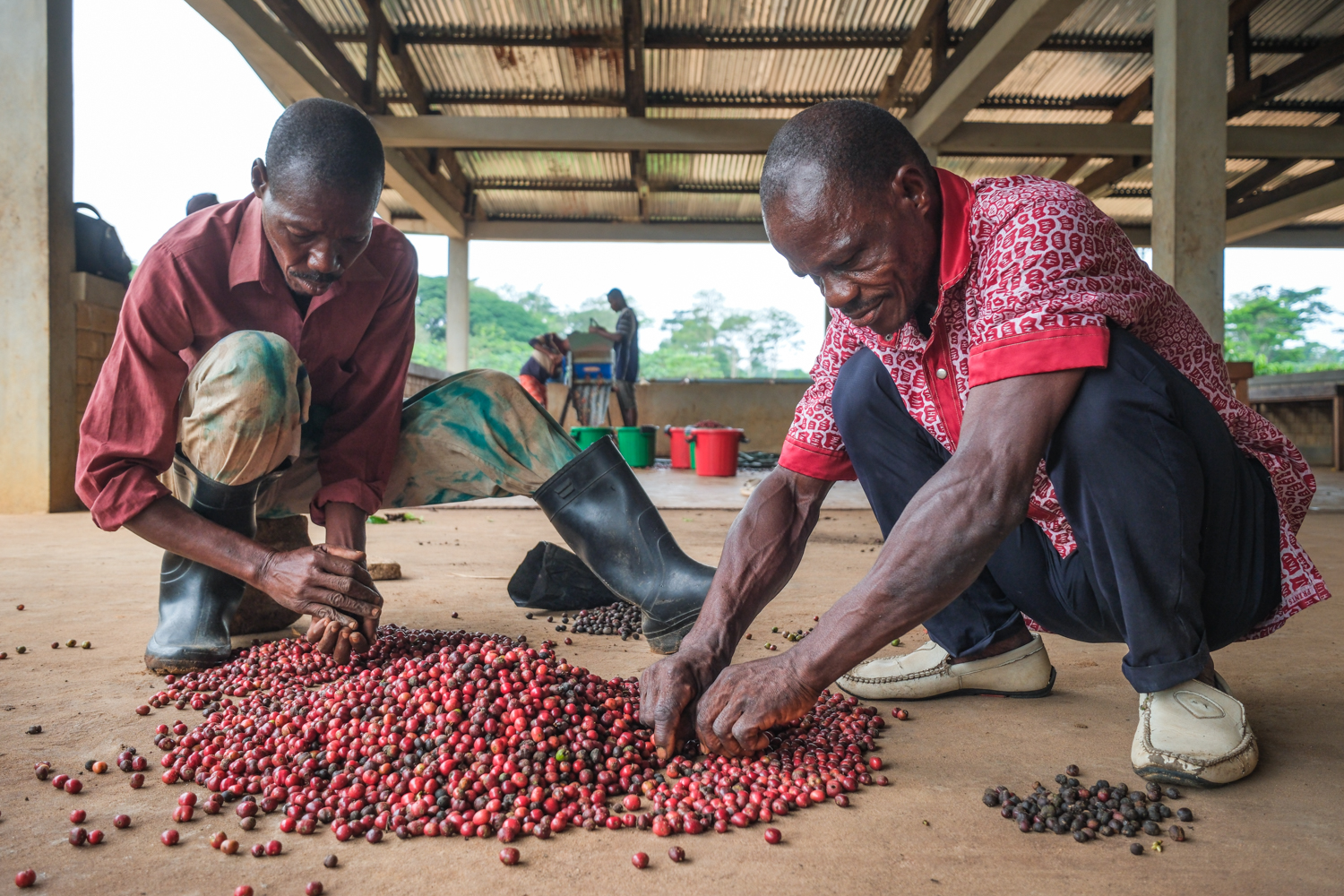
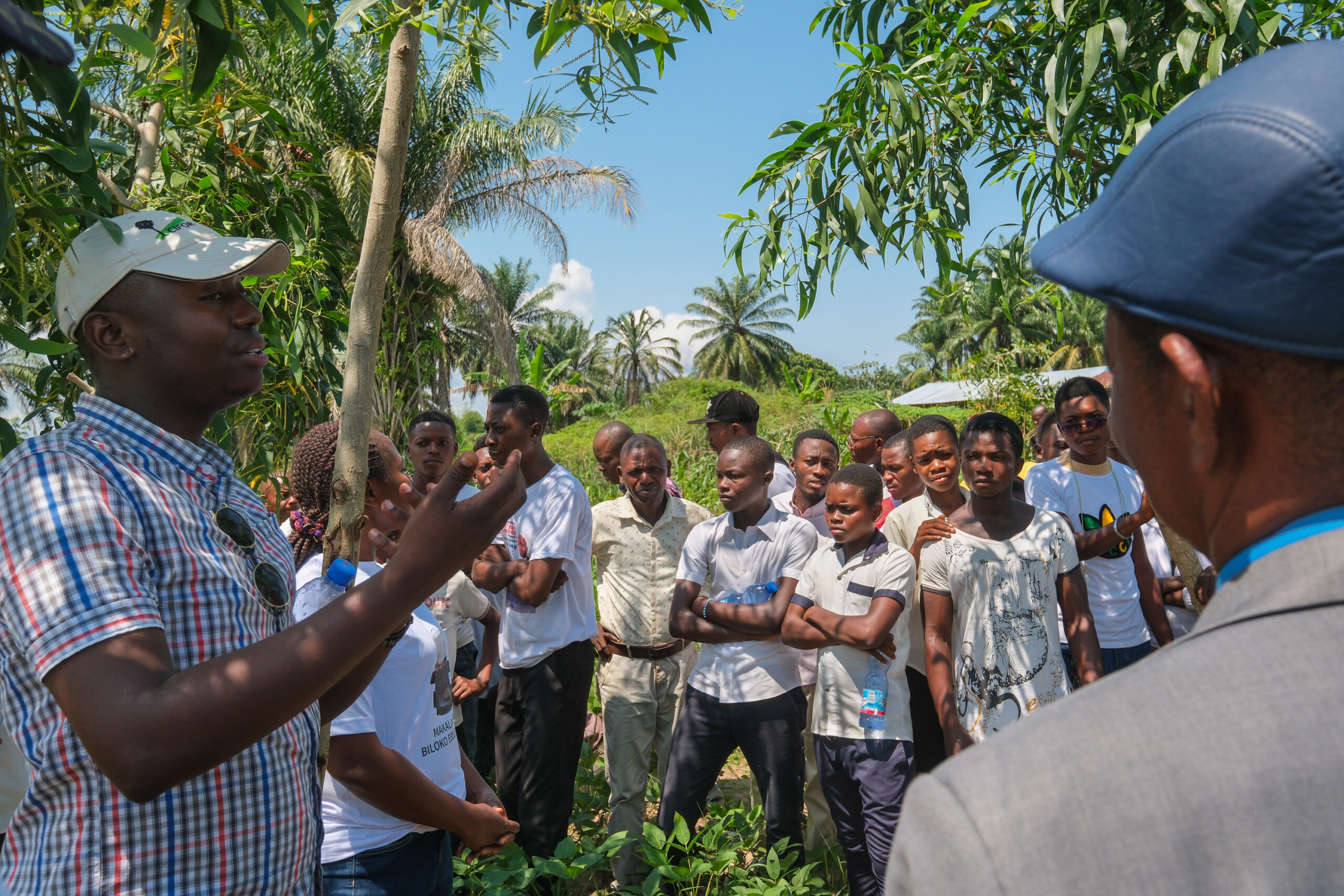
Photo Axel Fassio / CIFOR-ICRAF
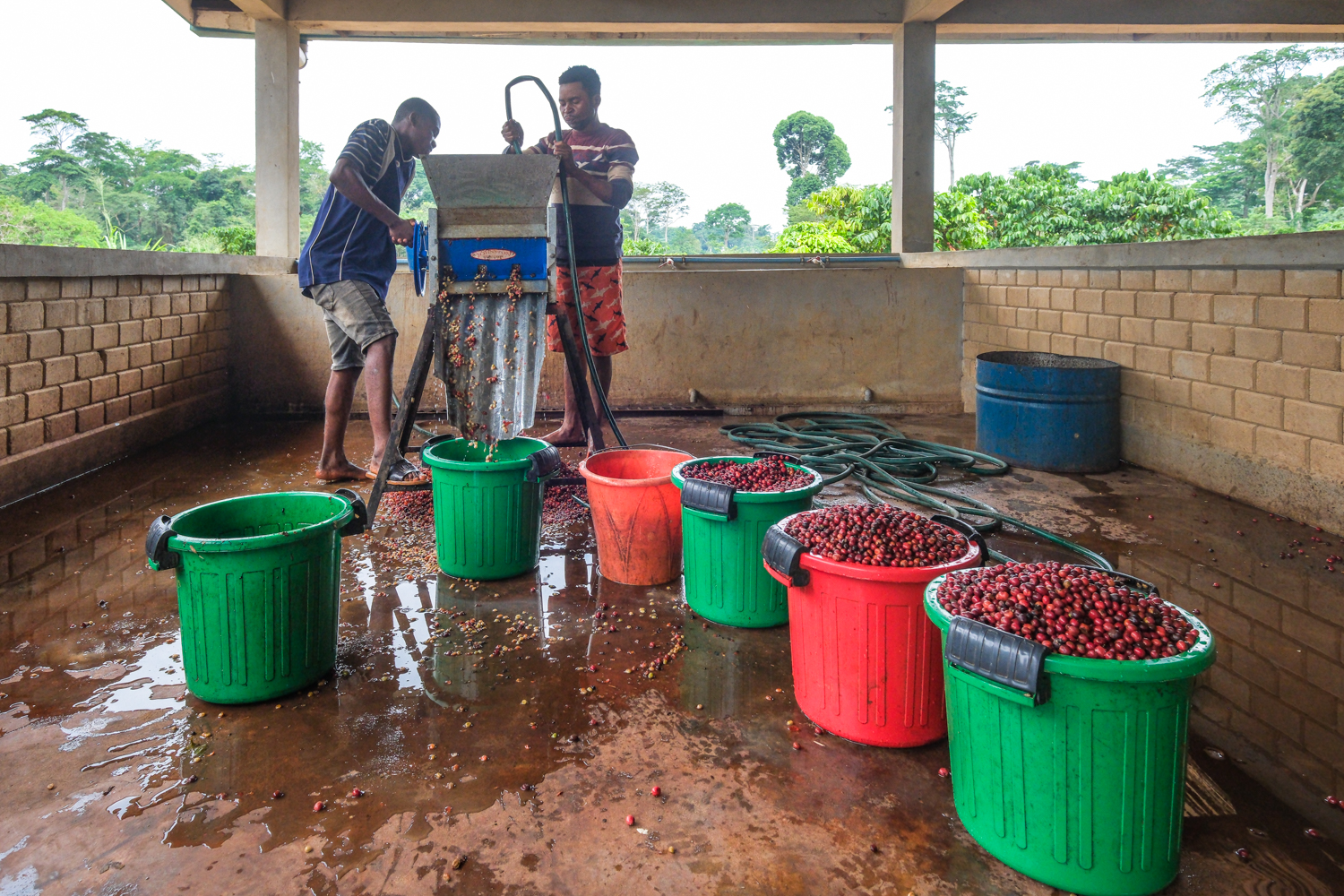
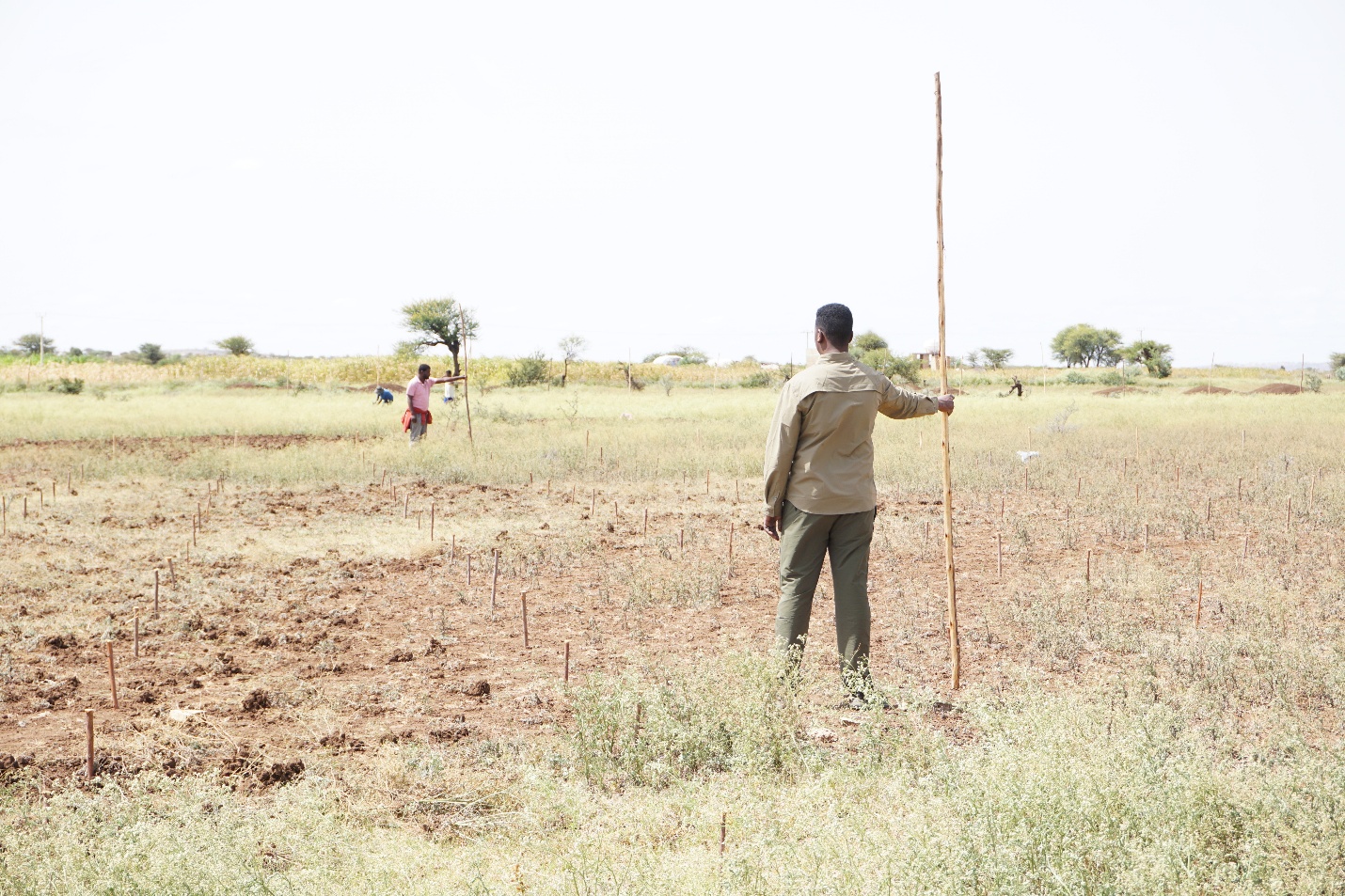
Photo by Axel Fassio / CIFOR-ICRAF
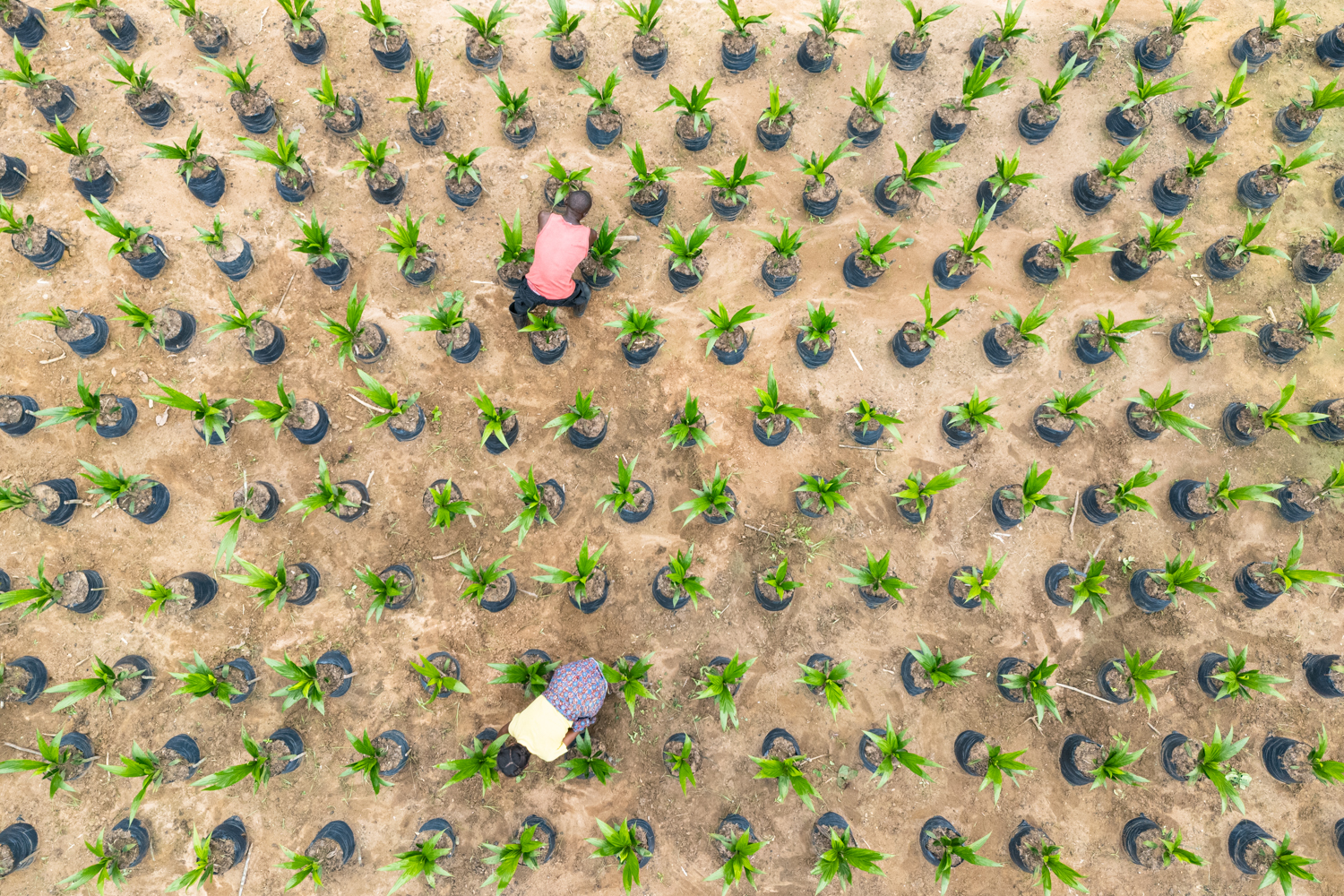
For example, when Wilmar International adopted a no-deforestation policy in 2013, it triggered a cascade of corporate commitments across the palm oil industry. Within a decade, Indonesia reduced palm oil-driven deforestation to roughly 18 percent of its peak levels.
The Rimba Collective, backed by Nestlé, PepsiCo, Procter & Gamble and Wilmar, now aims to mobilize $1 billion in conservation investment.
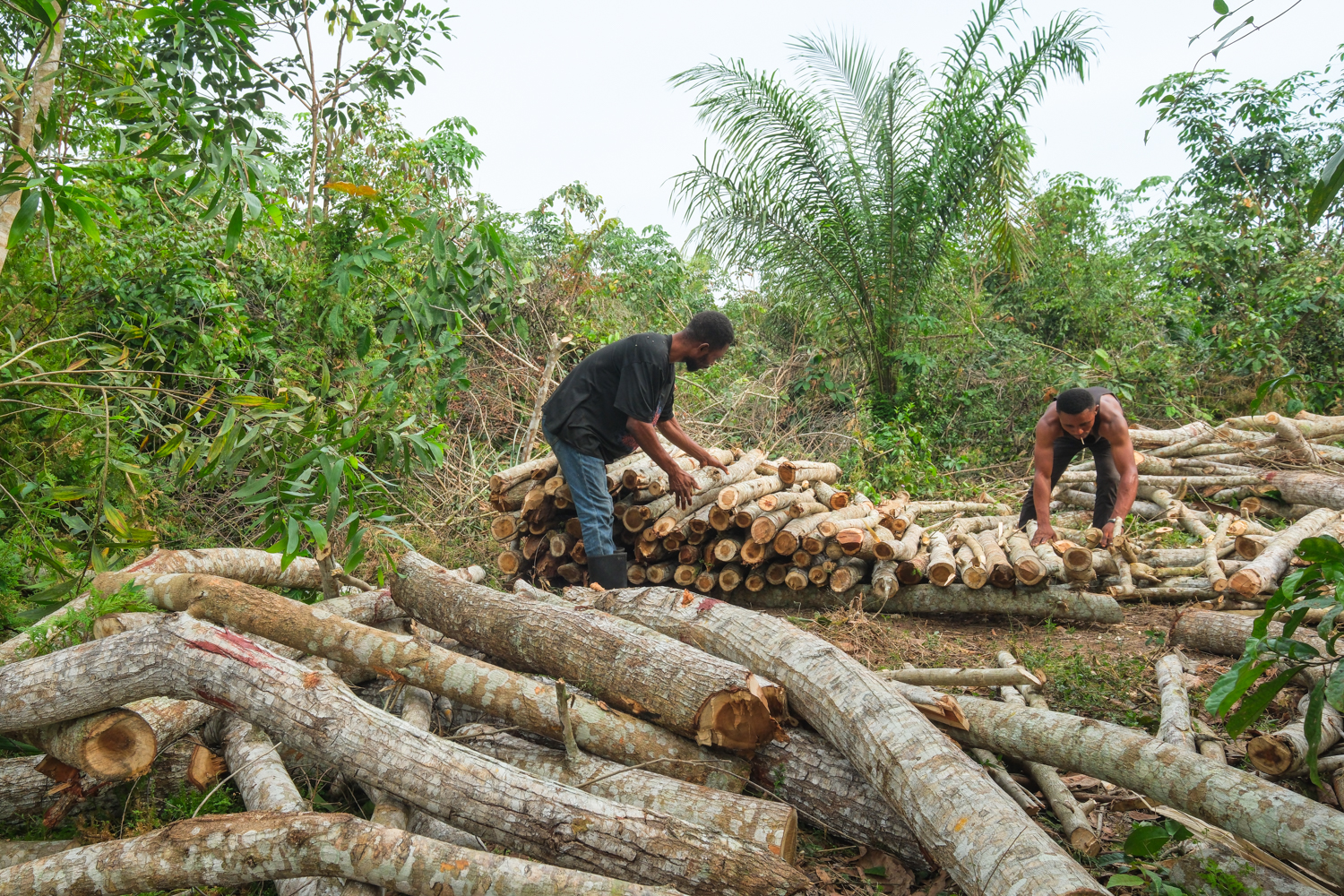
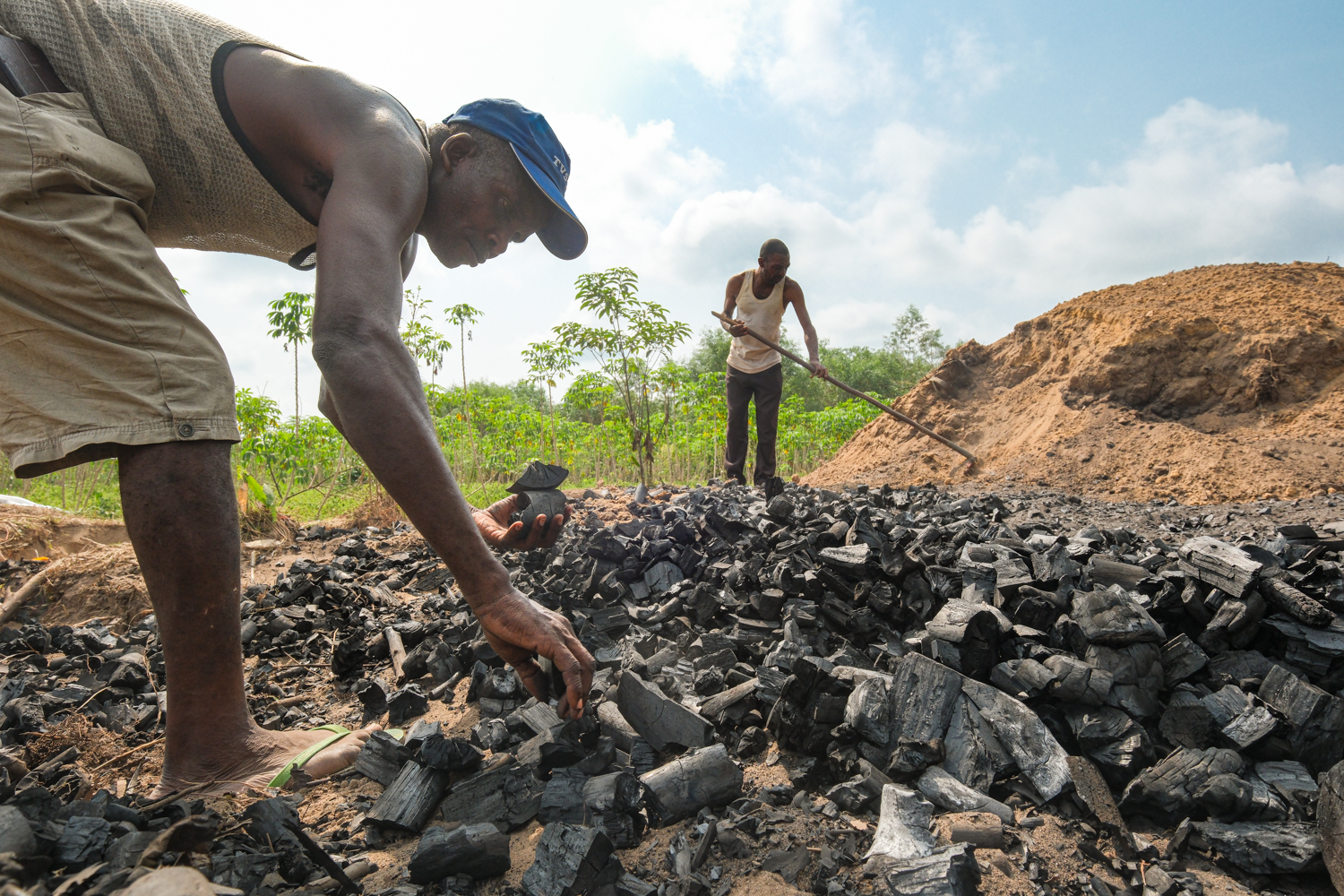
By comparison, the Congo Basin countries have very few such companies with extensive dependencies, connections and reputational skin in the game. Deforestation in the Congo Basin remains driven primarily by subsistence agriculture and related activities (charcoal production and timber harvesting), thereby generating weak corporate accountability leverage and international supply chain pressure.
The REDD+ design flaw
Another structural issue lies in the design of REDD+ itself.
The REDD+ framework was designed to reward reductions in deforestation rather than maintenance of standing forests. This created a perverse dynamic: countries that had already destroyed substantial forest areas and then reduced destruction (Brazil, Indonesia) received payments, while countries that successfully kept their forests standing (Gabon, Republic of Congo) did not.
The “worse-first, paid-first” logic systematically channelled finance away from where forests were kept intact.
The new Tropical Forest Forever Facility (TFFF) appears designed to address this flaw but remains neither functional nor fully funded.
The monitoring gap
Without monitoring, reporting and verification (MRV) systems, countries cannot prove emission reductions and therefore cannot access results-based payments, regardless of how much carbon their forests actually sequester.
Brazil has operated satellite-based deforestation monitoring since 1988 through its National Institute for Space Research (INPE), employing approximately 2,000 staff. Indonesia has built a national MRV system that demonstrated 577 million tonnes of verified emission reductions.
Papua New Guinea (PNG) invested a decade in building a National Forest Inventory that enabled its first-ever REDD+ results-based payment of $63.4 million from the Green Climate Fund in 2025. PNG ranks similarly to several Congo Basin countries on the Corruption Perceptions Index — yet it successfully unlocked results-based climate finance.
The lesson is clear: scientific infrastructure and solid, transparent and verifiable data are not a nice-to-have but a prerequisite for accessing climate finance.
With the possible exception of Gabon, the Congo Basin countries lack nationally owned monitoring systems of this scale. What the region does have is significant international research support, which is growing by the day with a multitude of initiatives.
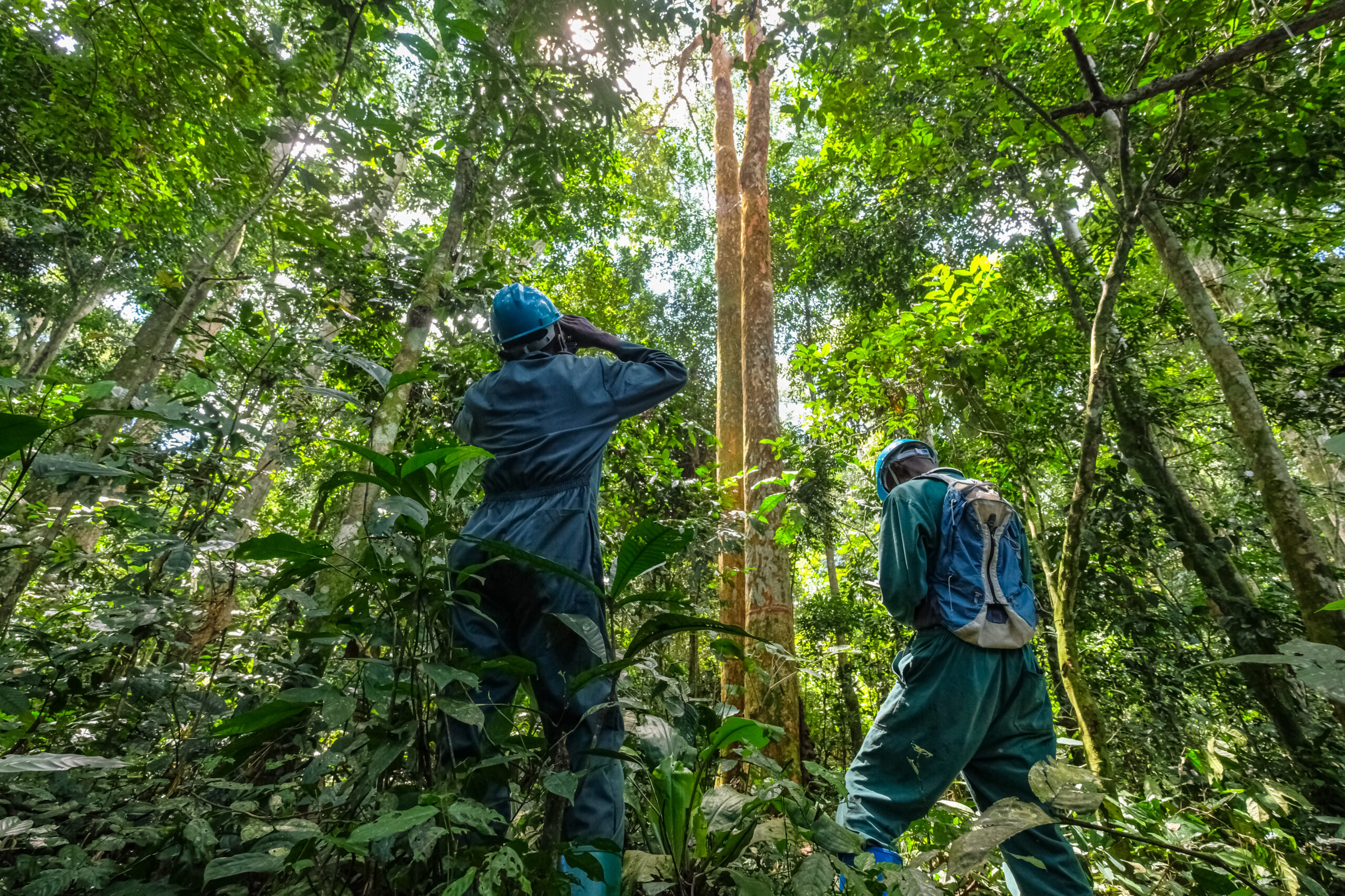
For more than two decades, for example, the European Commission has supported the creation and regular updates and improvements of the Central African Forest Observatory (OFAC), coordinated by the Center for International Forestry Research and World Agroforestry (CIFOR-ICRAF) and now a specialized unit of the Central Africa Forest Commission (COMIFAC). This regional body has become the region’s principal knowledge infrastructure. OFAC’s flagship publication, the State of the Forests of the Congo Basin, has been produced seven times since 2005. The 2021 edition mobilized 152 authors across 13 chapters and remains the gold-standard and most comprehensive reference for anyone working on Central African forests.
But OFAC, its partners and other initiatives cannot substitute for what is ultimately needed: nationally owned monitoring systems that Congo Basin governments can operate, maintain and scale independently.
> Read Part 2 of this series, which examines the deeper institutional challenges facing the Congo Basin and what it will take to secure its future.