
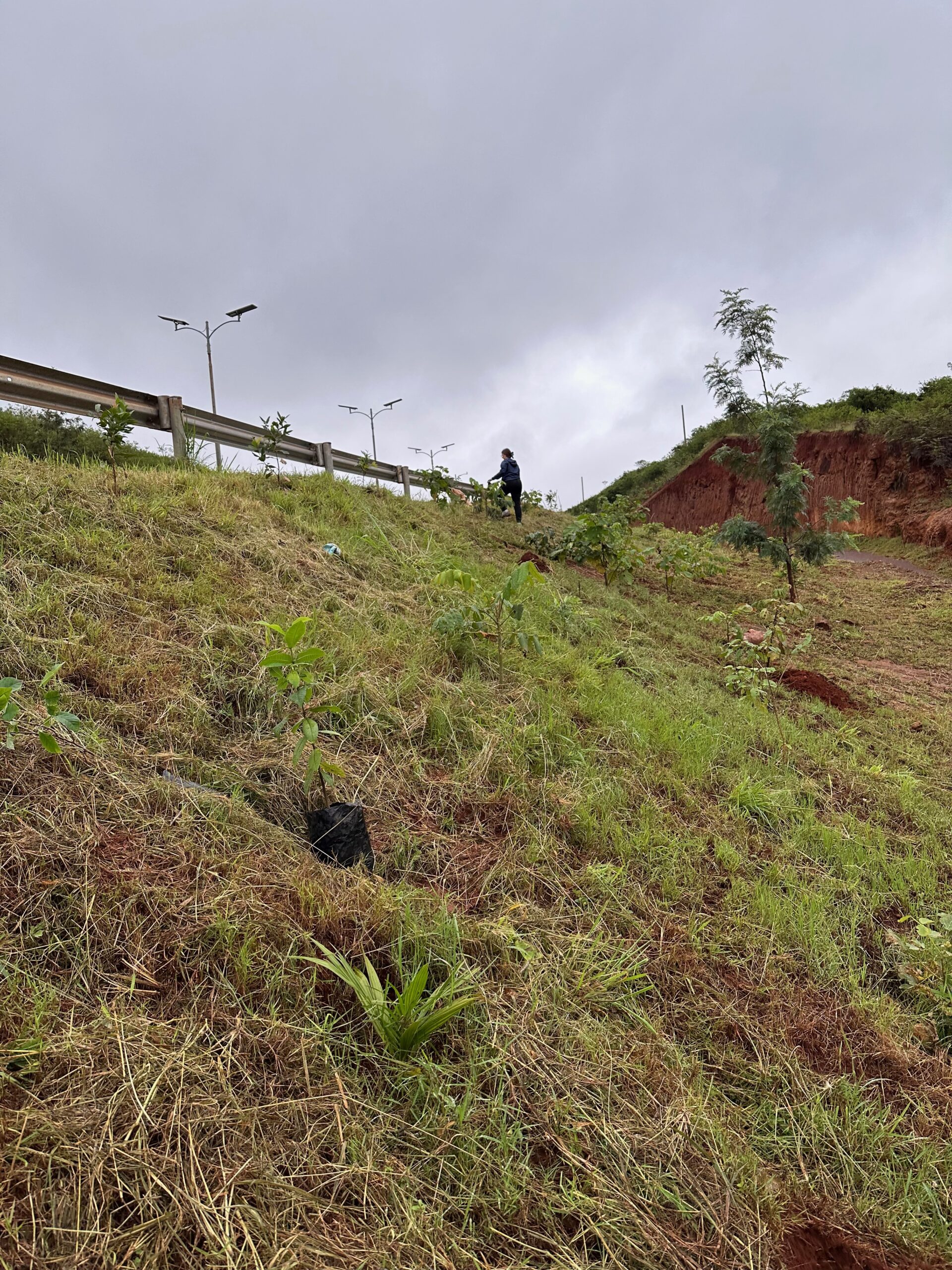
When a four-lane highway went up near Landscape Alliance senior advisor Cathy Watson’s Nairobi home in 2019, the red soil left bare on the road reserves struck her. “There was no planting: not a blade of grass, just concrete and mud, rivulets forming,” she describes. Those rivulets, she knew, foreshadowed serious problems in a city where lives are lost, roads and bridges damaged, and families are displaced each rainy season.
“It was such a wonderful opportunity to grow trees, trial species, create jobs and create something gorgeous for people and nature,” she says.
Watson got permission from Kenya Urban Roads Authority and, in January 2020, found her team and began planting trees on the reserves of the new road, the Waiyaki Way-Red Hill Link Road. A retired senior forester was hired to lay out the trees and a team of labourers to prepare the soil and maintain the site going forward, by watering, staking, mulching and weeding the trees and applying soil amendments like manure and mulch.
Six and a half years on, the “treated” stretch hosts approximately 2,500 trees of 163 species — 142 indigenous (21 rare, nine endangered); 21 exotic species, mostly natural regenerants from seed blown in or from the mulch applied; and shrubs, flowers and grasses.
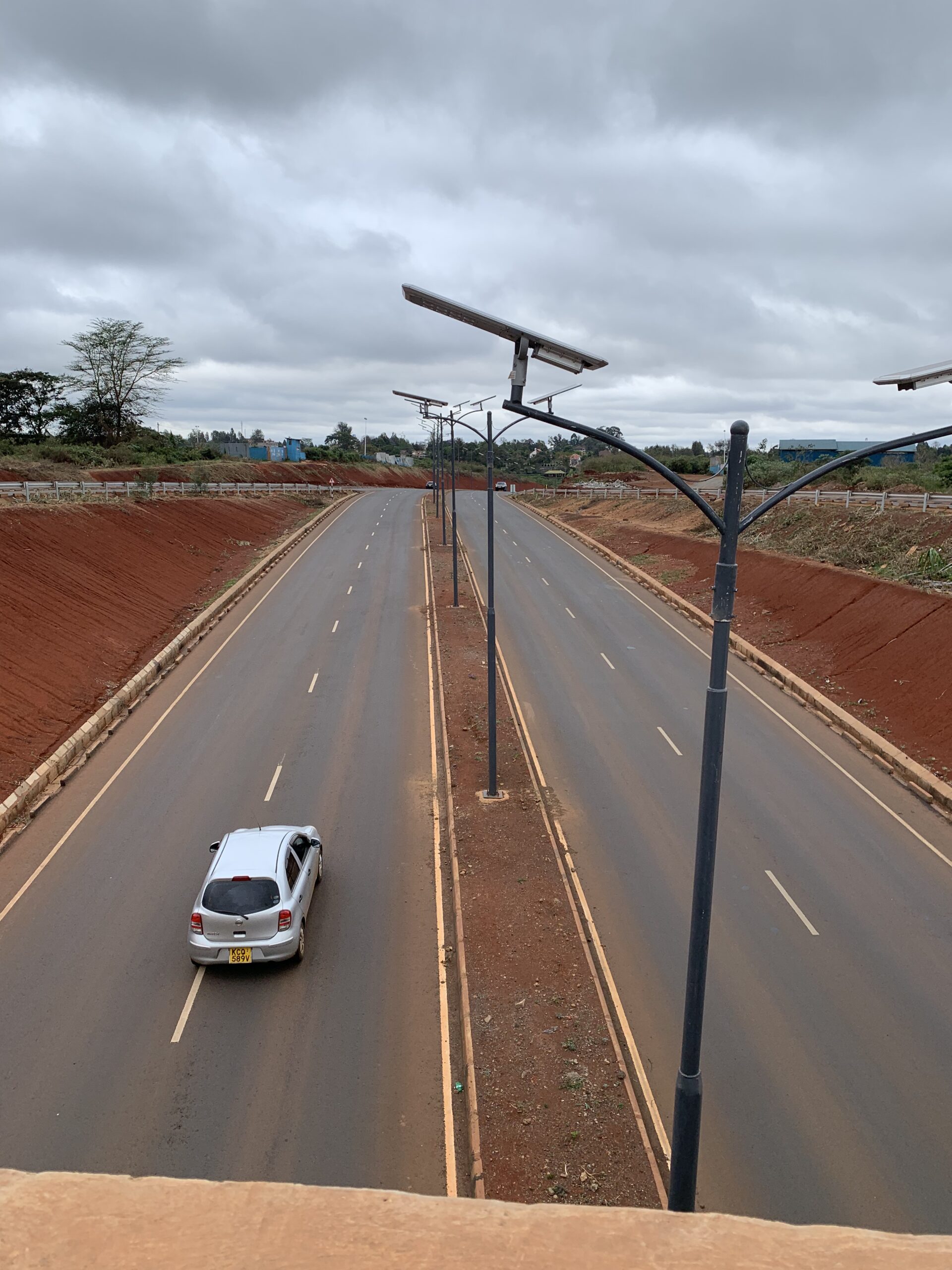
Photo by Cathy Watson / Landscape Alliance
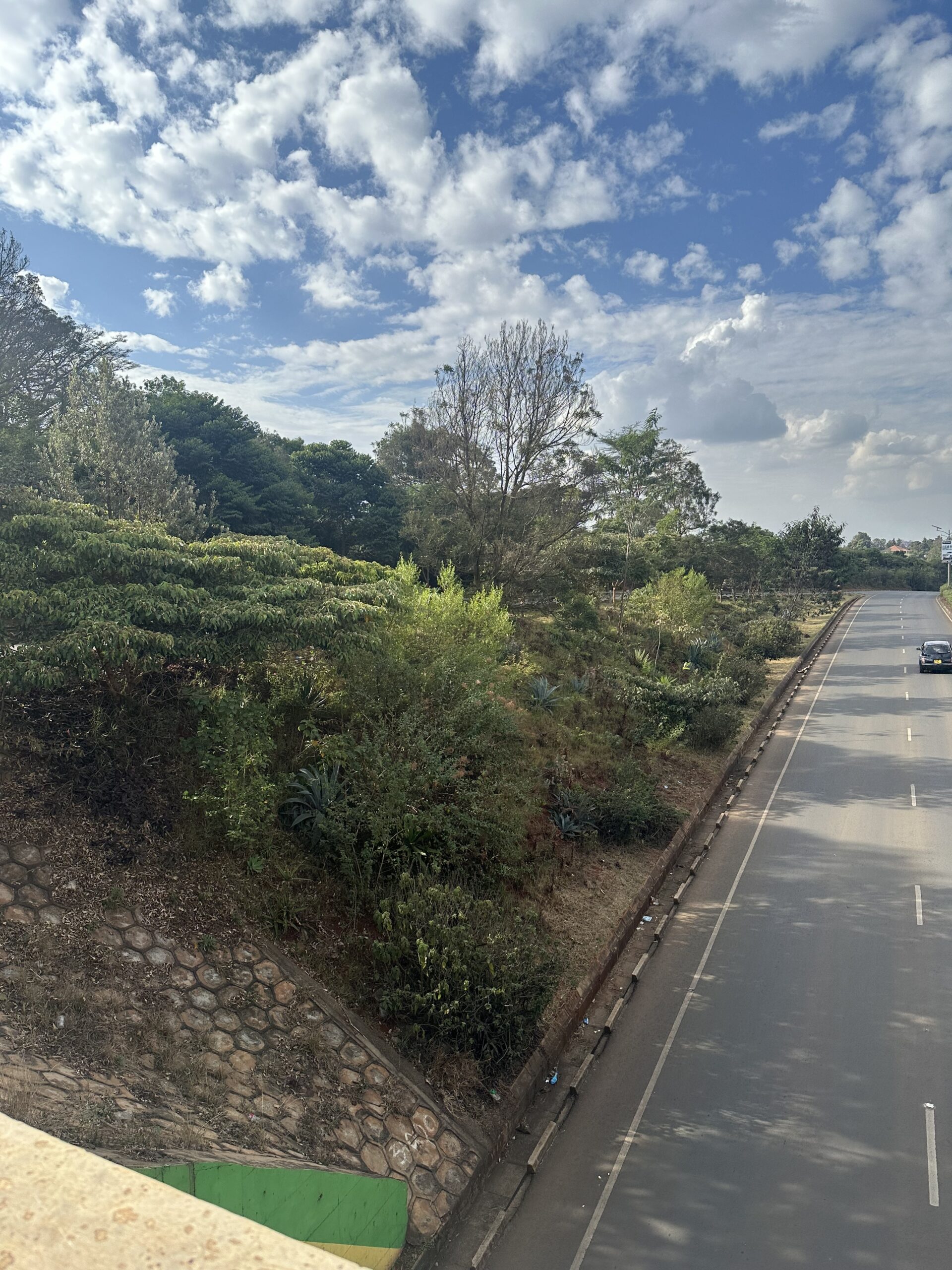
“I was amazed by the transformation,” says Landscape Alliance Seed Physiologist Zakayo Kinyanjui, who participated in numerous early tree planting efforts on the link road and visited again a couple of weeks ago. The corridor offers year-round food and habitat for the large number of birds and other animals that now frequent it, he observes.
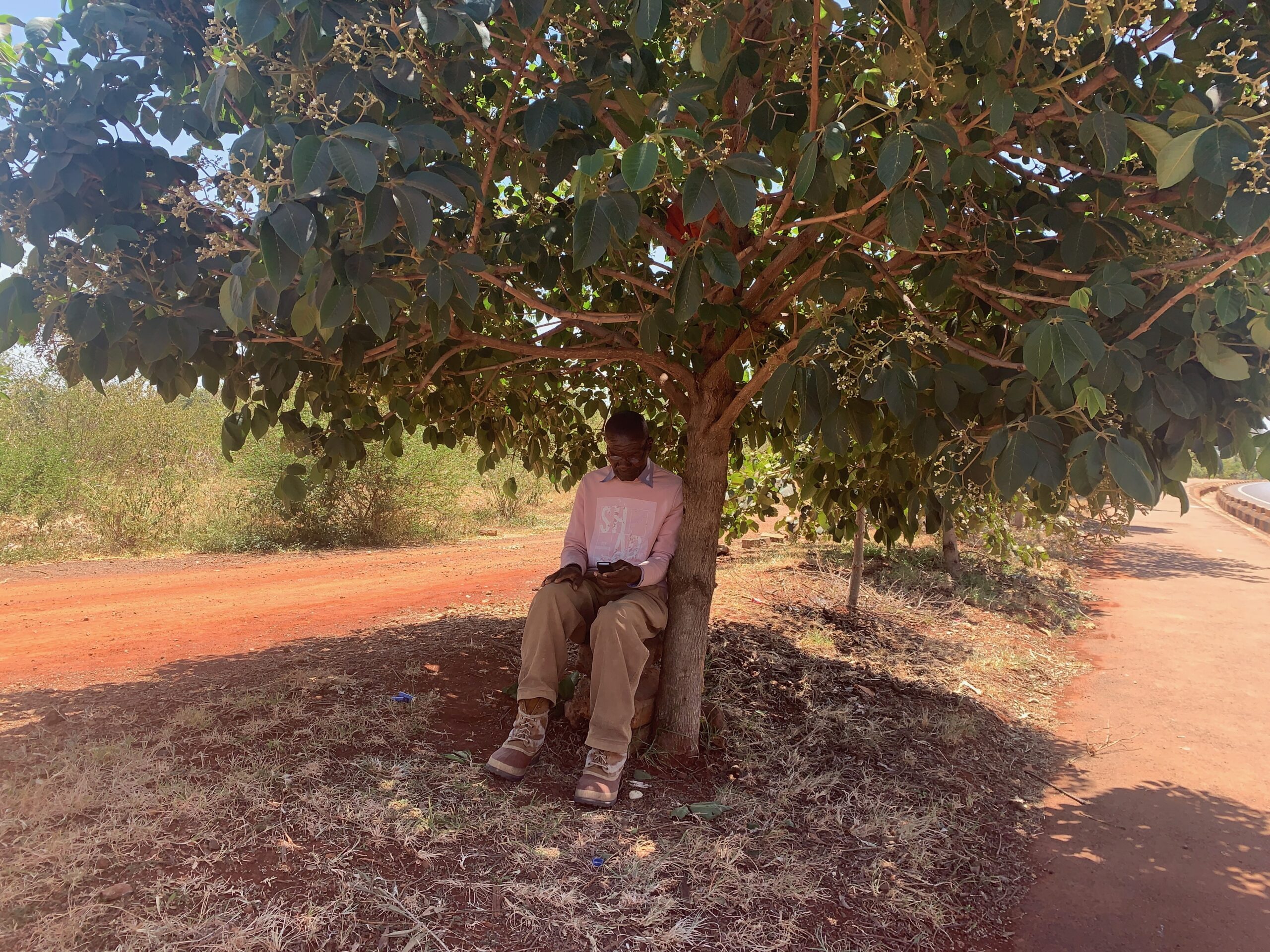
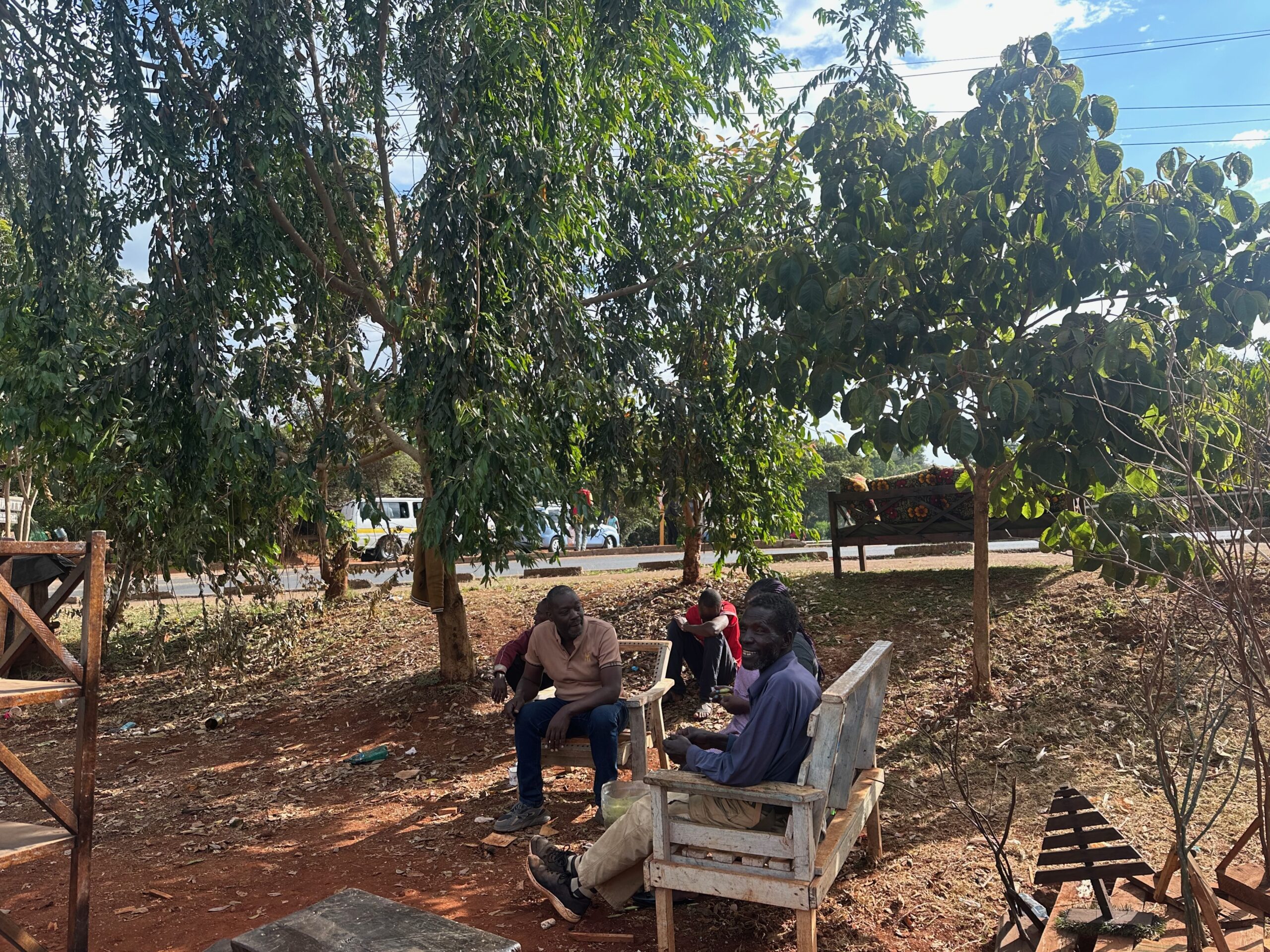
And it is no longer lonely and deserted. People have flocked in, selling furniture, baskets and other wares under the trees: two kiosks sell tea and chapattis, doing a roaring business with Uber drivers, security guards and boda boda [motorcycle taxi] riders. “Vendors and pedestrians enjoy the green space. It is safe, and the trees shelter them from the sun and rain,” says Watson.
Much of Nairobi is ultra-dense, and 60% of people live in informal settlements. Tree-lined public outdoor space is hugely valuable, says Landscape Alliance Soil Scientist David Lelei. “Visiting during the day, one will see many people around the trees — sleeping, reading, relaxing, picnicking, meeting, and praying.”

Photo by Nicholas Omemu
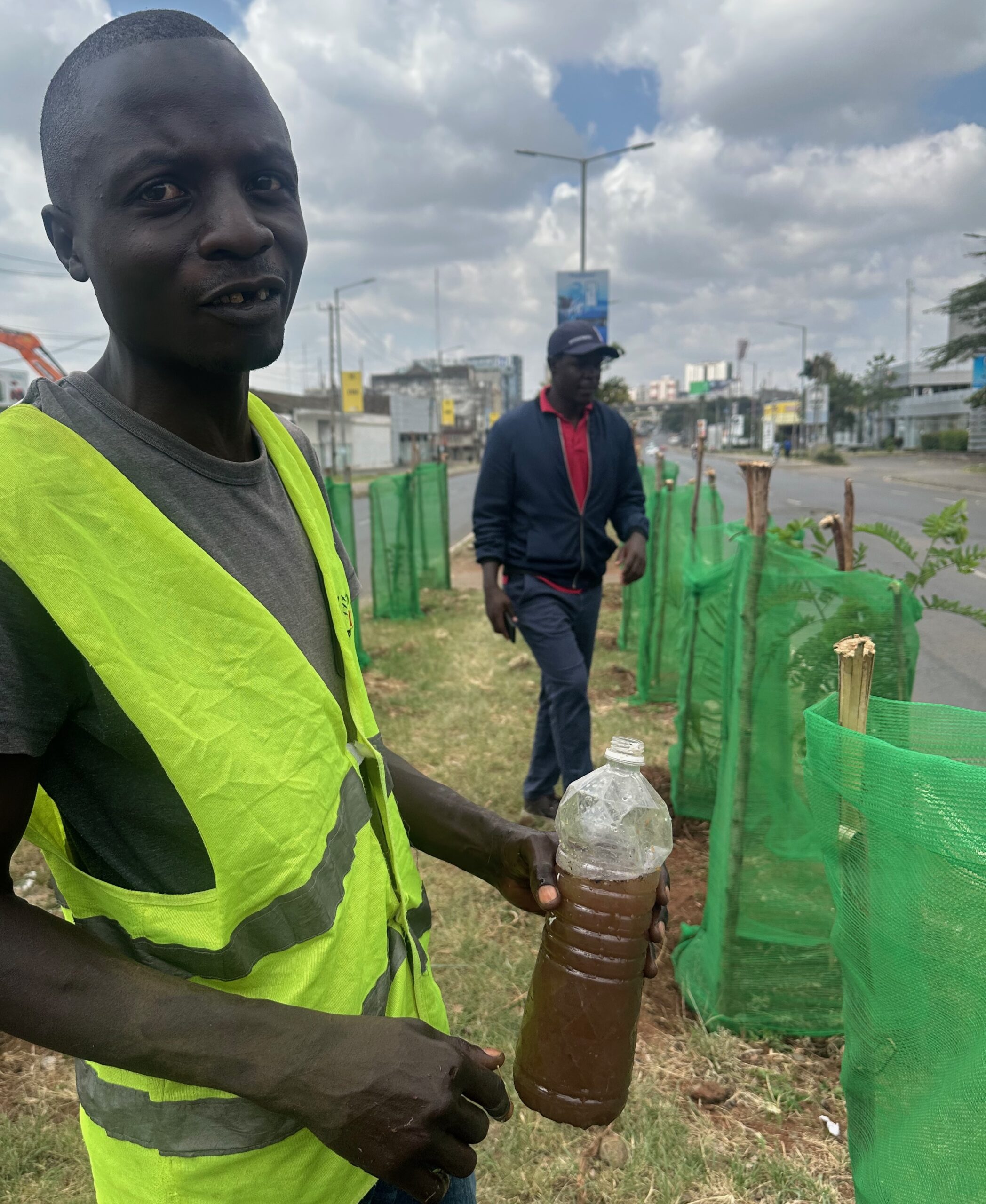
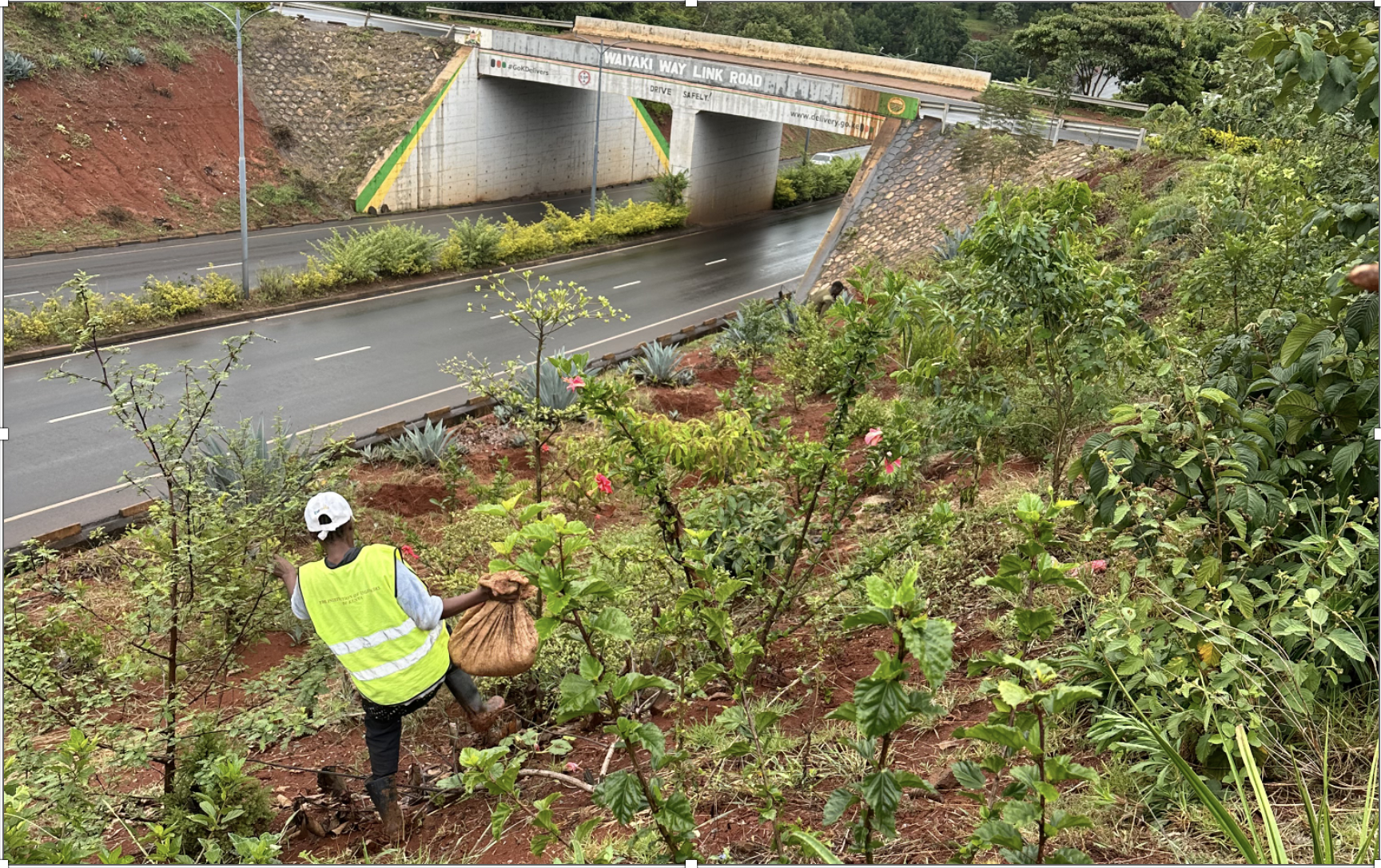
Photo by Cathy Watson / Landscape Alliance
While most forest research, investment and restoration take place in rural areas, evidence of the multifaceted value of urban trees is growing. Green spaces support physical and mental health and reduce air pollution and noise. They also improve soil structure, reducing sedimentation in nearby streams, a critical task in Nairobi. “As we prepare for the El Niño rains, with many clogged drainage systems, there is disaster in waiting,” says Lelei. “But planting and restoring the environment along our urban roads reduces such problems through improved groundwater recharge.”
“Urban forestry has often been sidelined in development,” says Watson. “People felt that trees aren’t progress: buildings are what matters. But now many are very worried: when a big tree is cut down in Nairobi, it’s all over the internet.”
QUÉSACO? Urban forest, a definition
Urban forests can be defined as networks or systems comprising all woodlands, groups of trees, and individual trees located in urban and peri-urban areas; they include, therefore, forests, street trees, trees in parks and gardens, and trees in derelict corners. Urban forests are the backbone of the green infrastructure, bridging rural and urban areas and ameliorating a city’s environmental footprint. (Source: FAO)
The Waiyaki Way-Red Hill Link Road project is a lesson for other groups. Across the city, restoration projects are connecting with each other to share on species choice, maintenance options, safety risks and more. Sam Dindi, the director of community-based non-profit environmental organization Mazingira Yetu, runs a similar project in the city’s industrial area, which has so far planted 250 trees of 30 native species. “What we picked up from the ink road was the casual labourer payment model and how workers are supported to care for trees.”
Landscape Alliance scientists are using the Regreening App, a citizen science tool designed to track restoration efforts, to monitor tree survival, species diversity, and restoration progress over time along the bypass, says Leigh Winowiecki, global research lead for Soil and Land Health.
Nairobi isn’t the only African city where activists and communities are turning to ‘green infrastructure’. Across the continent, people are taking urban reforestation into their own hands. Some of their approaches are captured in what is the first book on Africa’s urban forests; edited by Watson, Urban Forests and Green Spaces in Africa: Case Studies from Across the Continent features 34 stories from 30 cities in 14 countries.
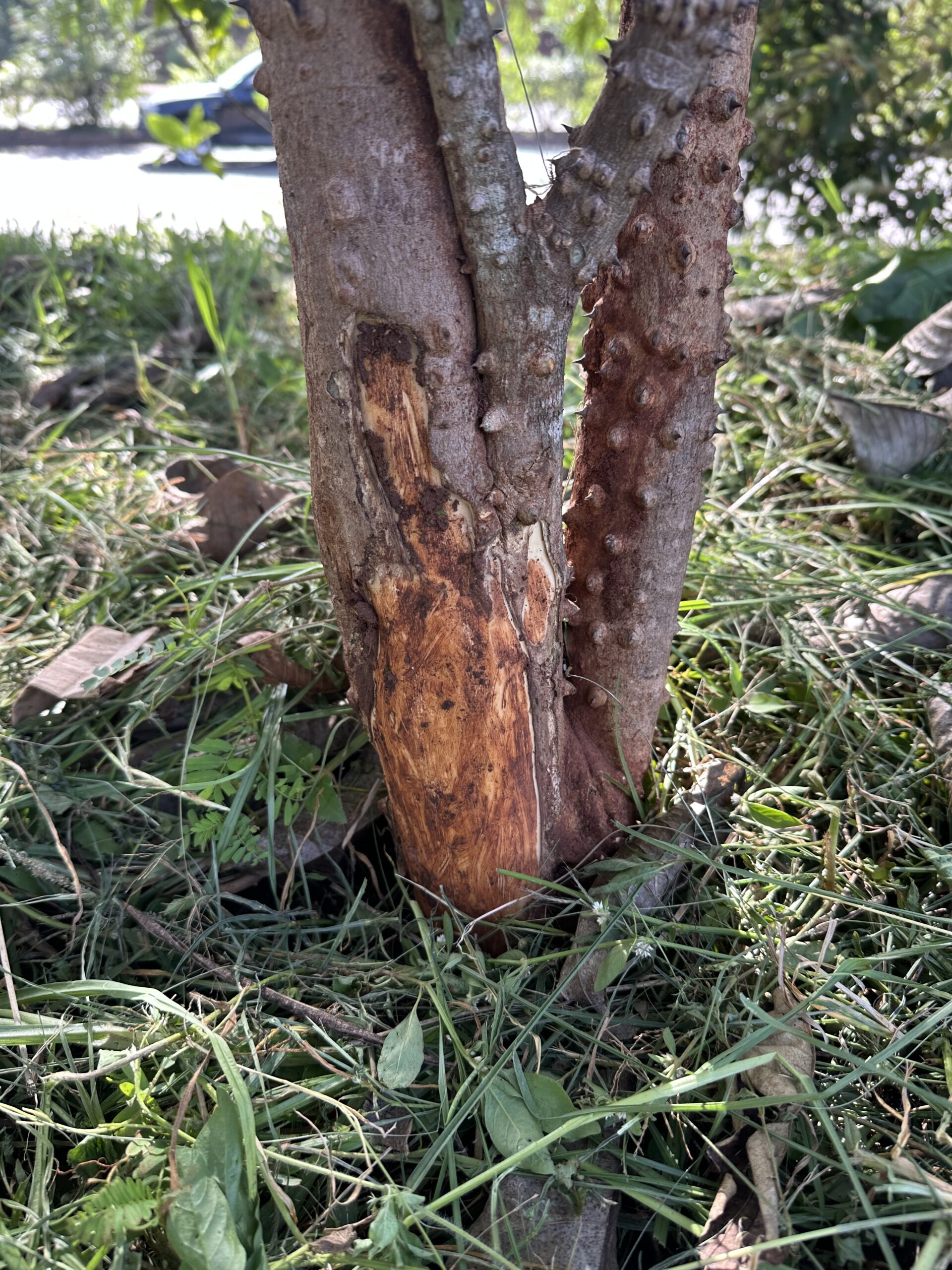
Photo by Cathy Watson / Landscape Alliance
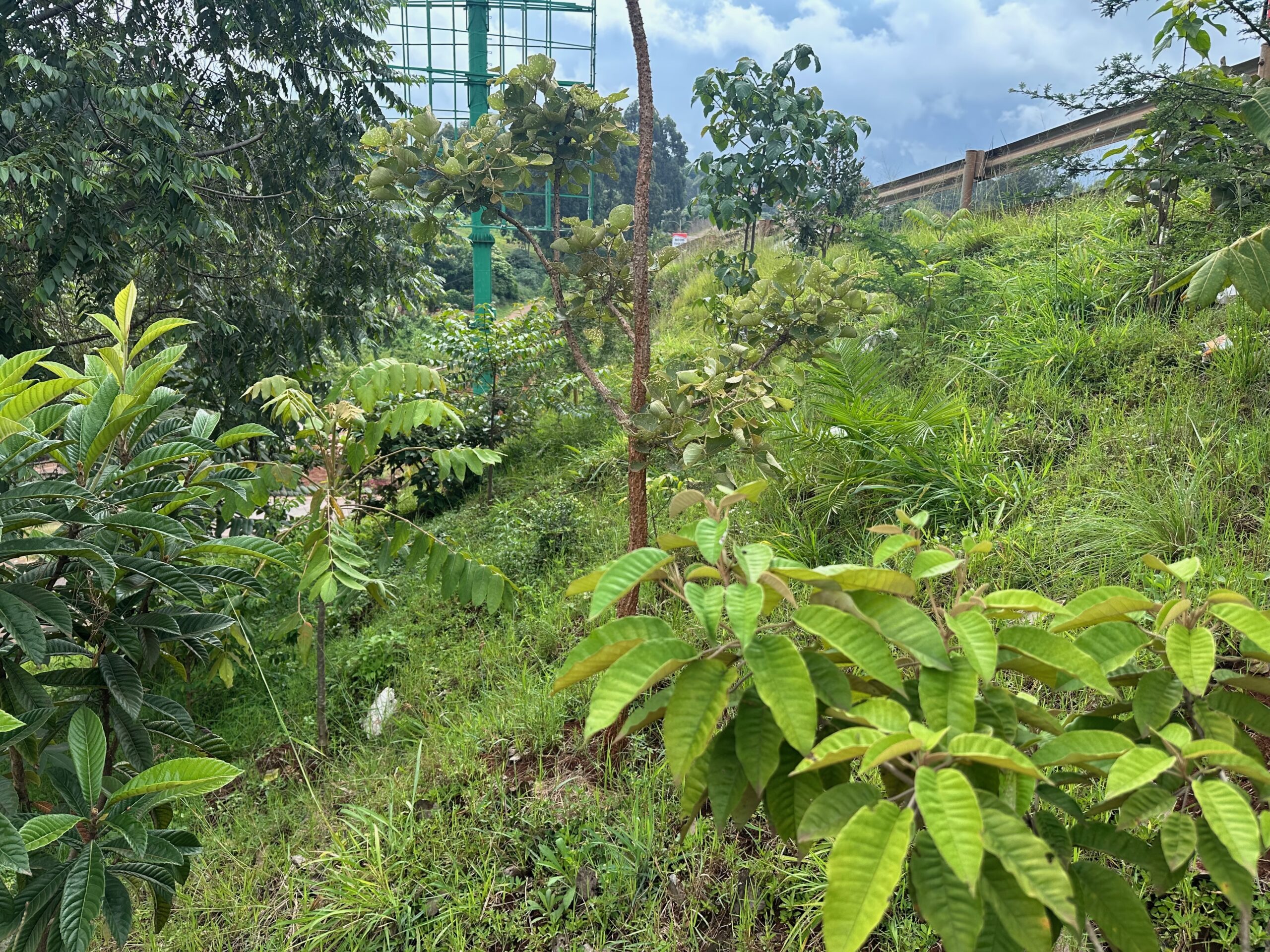
Photo by Cathy Watson / Landscape Alliance
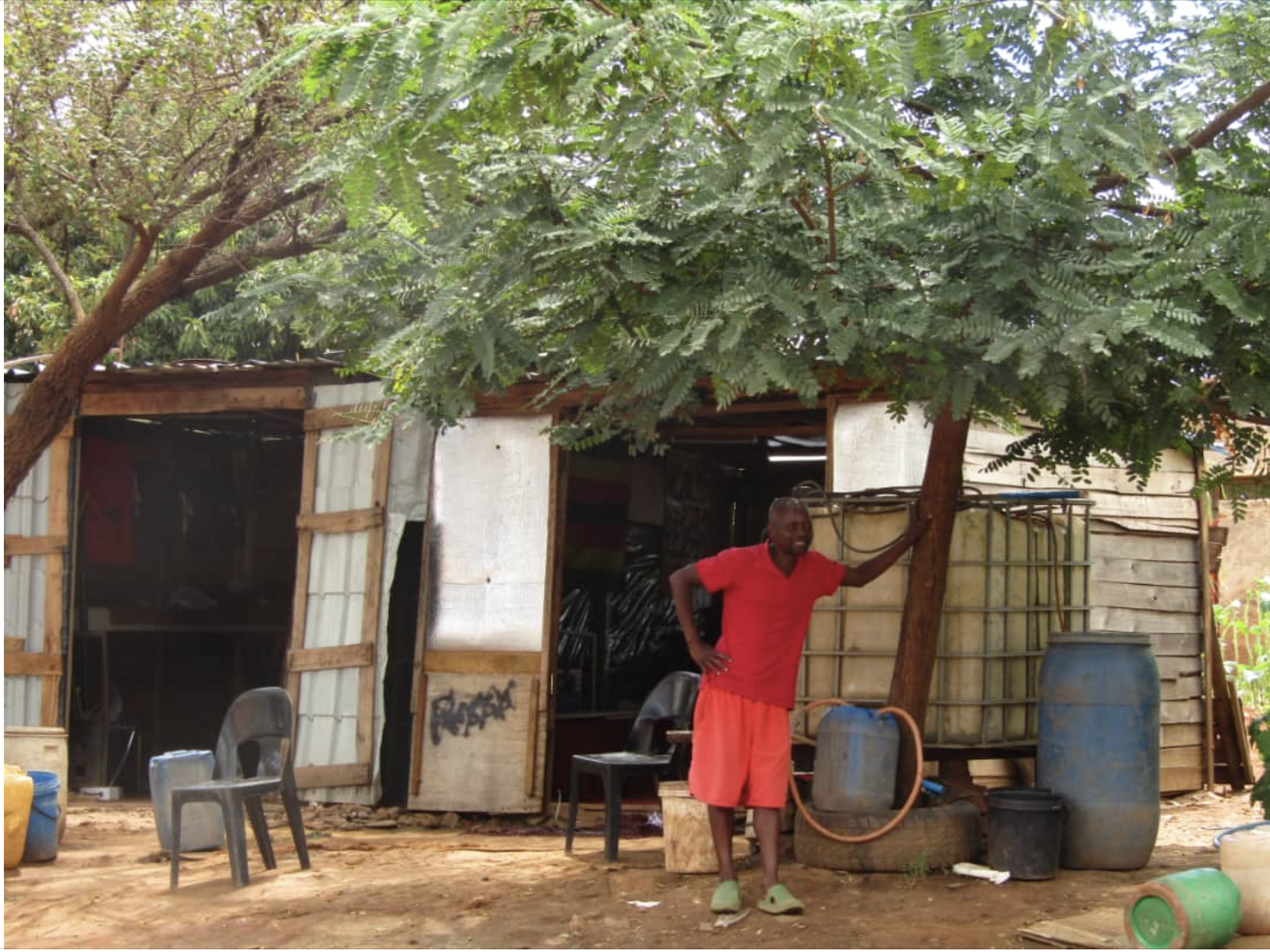
Case study 1: Harare: Who benefits from a city’s trees?
The benefits of urban green spaces are often unequally distributed. For Tafadzwa Gwini, a climate action innovator and community organiser in Zimbabwe, that was made tangible when he began commuting from low-income, high-density suburb Kuwadzana to attend the University of Zimbabwe in the high-income, low-density suburb of Mt Pleasant.
“My community was hot and the air was dusty, but when I got to Mt Pleasant, all of a sudden it’sit was cooler, and the air iswas super crispy and clean,” he said. “I felt like people in low-income communities were facing environmental injustice. Trees and other green spaces like parks are fundamental public health infrastructure.”
So, in 2020, Gwini decided to lead restoration in Harare’s low-income townships. Over the past six years, the project he now calls Green the Ghetto has planted and maintained over 15,000 trees; created community recreational parks; and held around 100 awareness-raising events using dance, music, poetry, drama and street art. In September this year, it won the Best Newcomer award at the national garden show for its ‘bucket gardening’ concept, which enables people without access to land to grow food.
The project, which also only plants native trees, is not without challenges — one being a lack of funding for basics such as tools and watering equipment. Gwini points to a recent fire that broke out in a micro-park the group is creating in Kuwadzana, which destroyed the 32 trees they had planted. “This could have been avoided if we had brush cutters to effectively clear off the land and create fire guards,” he says.
Yet Gwini continues to dream big. “Our hope is to expand into all the high-density suburbs in Zimbabwe by 2030,” he says. “We also hope to get more partners to make the work easier for us.”
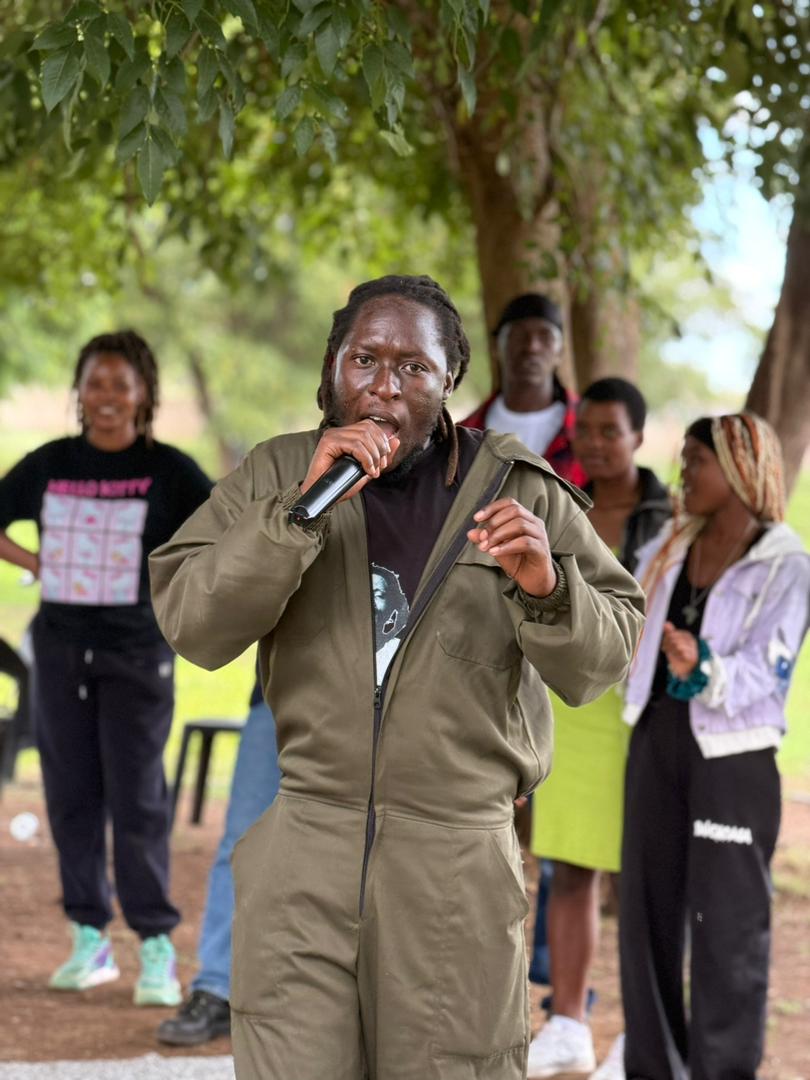
Photo by Green the Ghetto
Case study 2: Dakar: What happens after planting?
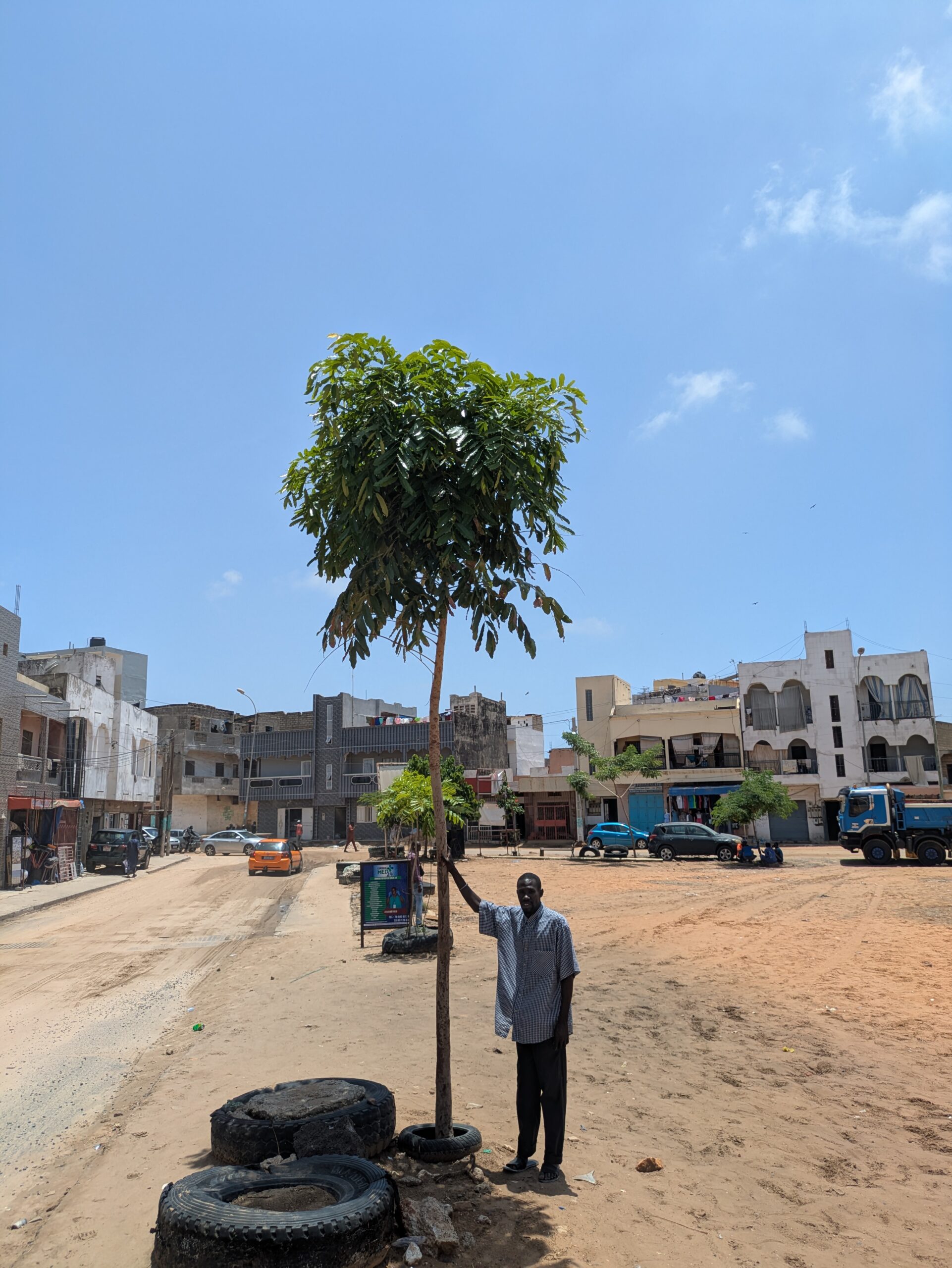
Hot, dry Keur Massar Nord, a fast-growing municipality on Dakar’s northern edge, has almost no tree cover and a staggering population density of 17,058 people/km2. It also suffers from flooding, traffic pollution and contamination from the vast Mbeubeuss landfill.
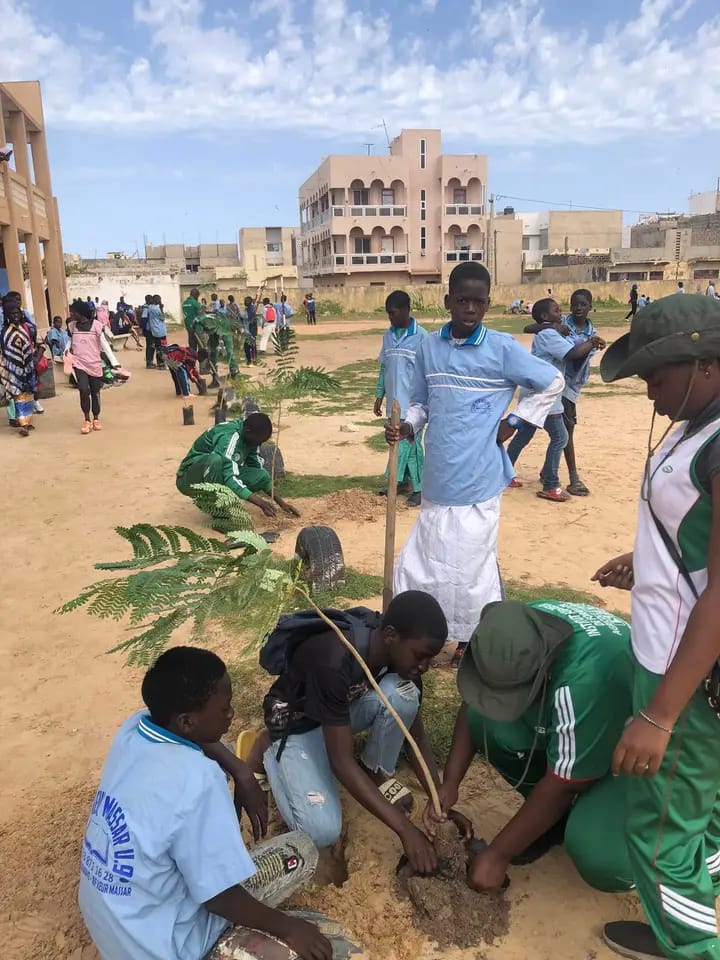
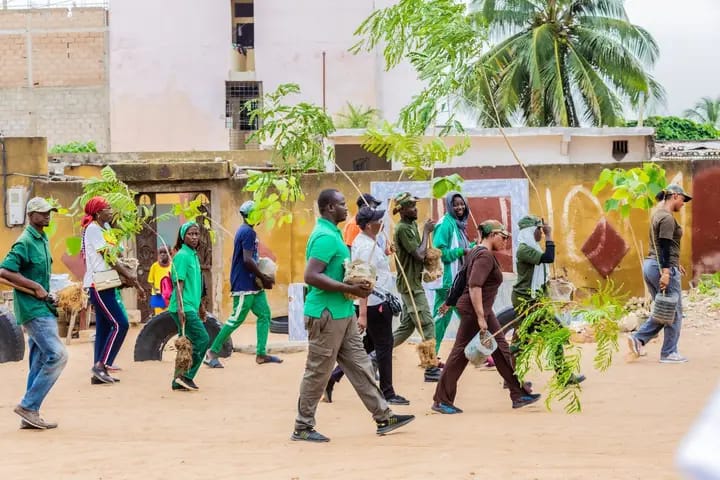
In 2023, the municipality’s Environmental Committee collaborated with the central government and local community associations to plant saplings of indigenous trees in the public spaces and schools of each of its 105 neighbourhoods. Cognizant of the difficulties of maintaining plantings for each tree, the committee recruited a local sponsor at the house or shop closest to water to protect it. They also deterred livestock, vandals and thieves by surrounding the trees with iron, mesh and cement guards; georeferenced the trees using the KoboCollect mobile app; and spent time building local awareness about trees’ benefits to increase buy-in and ownership.
The strategy is labour- and cost-intensive, and the number of trees planted to date — 2,137 — appears modest. But it is superior to large numbers that do not survive and is paying off: 94% of the trees survived their first year, the highest documented by the case study book, Urban Forests and Green Spaces in Africa. The project aims to plant 15,000 trees by the end of 2027, says Alioune Badara Gueye, the municipal head of Planning, Natural Resources, and Sustainable Development — and to keep them alive with its special combination of people, resources and care.
Infrastructure that grows itself
As climate change and rapidly increasing populations put ever greater pressure on African cities, the need for diverse, creative, technically skilled and scientifically informed regreening projects is only going to grow, says Lelei. “Residents face rising temperatures, air pollution, flooding, soil erosion, loss of biodiversity and limited access to recreational green spaces,” he says.
When the Nairobi link road was built, an indigenous tree arboretum and mini-forest on the road reserves, some of which are 8 metres deep, were not part of the plan. Yet they’re already a valuable part of the road system: slowing water, supporting biodiversity, providing shade and creating safe spaces for people. The project is a reminder that critical urban infrastructure can also be planted and grown, not just built out of concrete.
For more information on this project, please contact Cathy Watson, [email protected].
To download Urban Forests and Green Spaces in Africa: Case studies and Lessons from Across the Continent click here. And for information about the African Forum on Urban Forests, see here.