
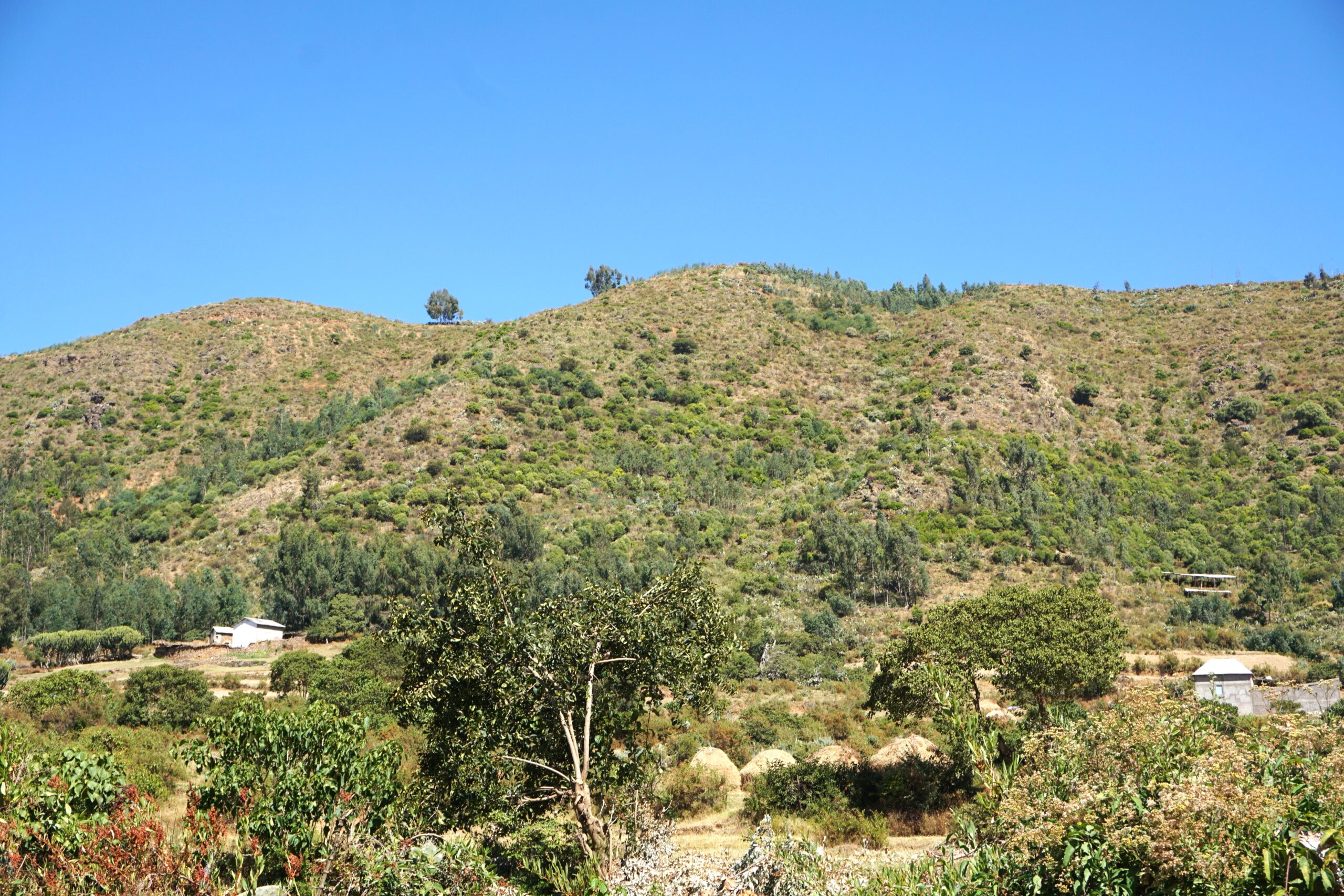
Ethiopia is working to bring institutions involved in the Great Green Wall Initiative (GGWI) closer together, as government agencies, development partners, researchers and regional representatives look for ways to better coordinate restoration activities across the country.
The National Great Green Wall (GGW) Consultation Workshop jointly organized by Landscape Alliance and Ethiopian Forestry Development (EFD) was held on 14 August 2026 in Addis Ababa. Participants reviewed and validated the National Great Green Wall Coalition Framework and discussed how institutions could work together on planning, monitoring, communication and reporting.
The coalition is intended to support Ethiopia’s Green Legacy Initiative and forest and landscape restoration (FLR) programmes, while bringing greater consistency to how GGWI activities are planned and tracked. In his opening speech, EFD Director General Kebede Yimam said stronger cooperation is needed to address land degradation, biodiversity loss, climate change, and declining natural resources. He highlighted the GGWI’s role in supporting Ethiopia’s Green Legacy Initiative and broader restoration and sustainable development goals.
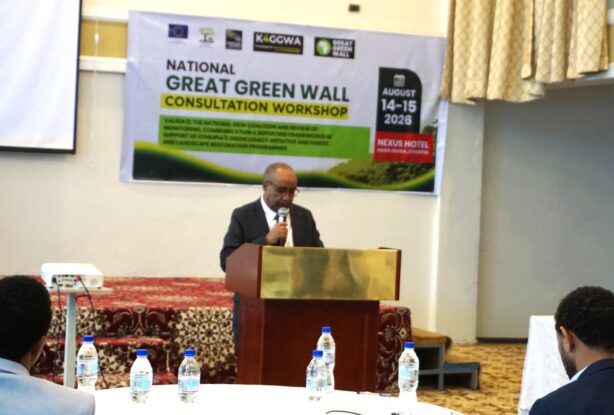
He also urged the institutions represented and participating in the workshop to see the coalition as a way to share responsibility for the initiative, rather than simply as another coordination mechanism.
“Together, we can build a strong partnership that accelerates implementation, strengthens monitoring and reporting, and enhances the overall impact of the Great Green Wall Initiative across Ethiopia,” he said.
Ethiopia Country Director of Landscape Alliance, Niguse Hagazi, presented an overview of the Knowledge for the Great Green Wall Action Programme (K4GGWA), which aims to improve capacity to implement sustainable land management (SLM) practices across the GGW countries.
Led by Landscape Alliance and the United Nations Food and Agriculture Organization (FAO), the initiative works with the Pan-African Agency of the GGW member states to increase access to locally relevant restoration technologies and knowledge across the GGW.
“Knowledge is the foundation for scaling restoration and delivering measurable impact.”
Niguse Hagazi, Ethiopia country director, Landscape Alliance
The program builds on lessons learnt from local partnerships developed through restoration initiatives such as the EU-supported Regreening Africa, Niguse noted.
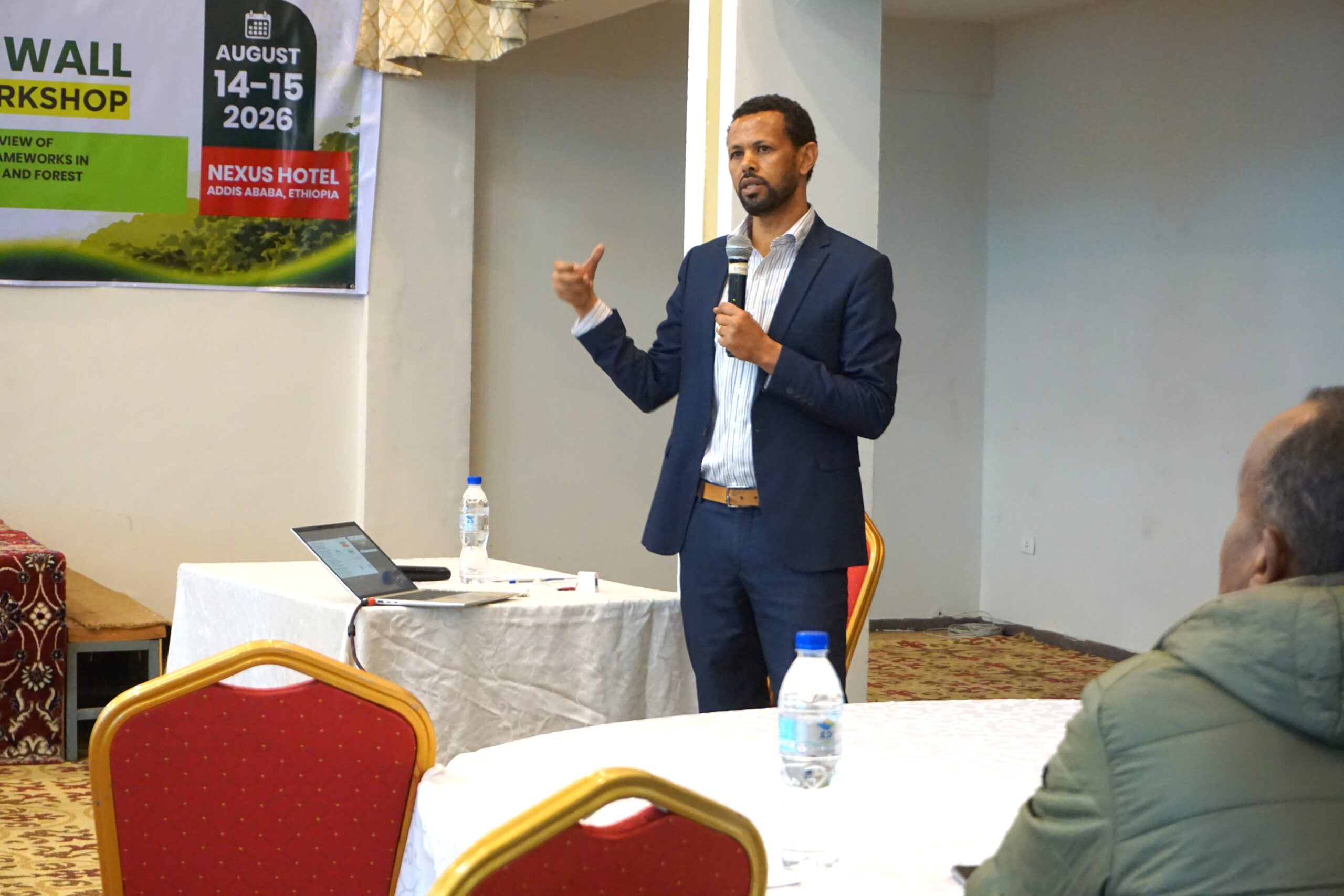
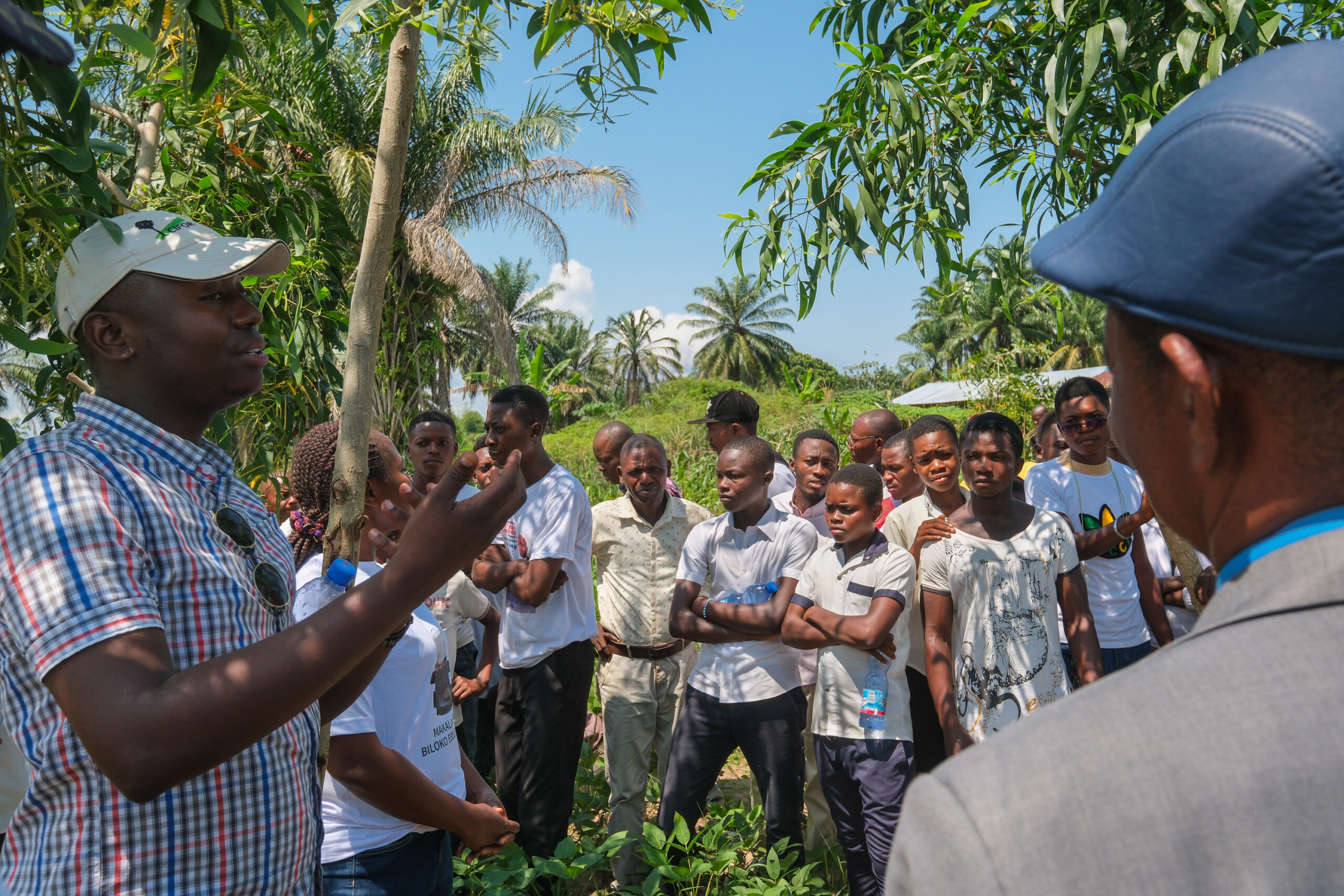
Photo by Eyob Getahun / Landscape Alliance.
K4GGWA supportstraining and knowledge on SLM, FLR and regreening practices, as well as improved monitoring, communication and reporting frameworks. It also supports the National GGW Coalition, knowledge management and evidence generation, South-South learning among GGW countries and the scaling of Green Legacy and FLR practices.
As part of K4GGWA, Landscape Alliance has organized two Training of Trainers, training for GGWI monitoring and evaluation experts and a consultative workshop involving GGW focal points and other actors, Niguse said.
National GGW Initiative Focal Person for Ethiopia, Adefires Worku, presented progress and challenges related to the National GGW Coalition Terms of Reference.
“Aligning the national efforts through the to-be-materialized platform will create coordinated delivery of the national commitment along with creating interoperability easier and cheaper,” said Adefires.
The discussion then turned to how the coalition could work in practice, including coordination, monitoring and reporting, and collaboration among the institutions involved.
Participants pointed to several practical challenges that have made it difficult to coordinate GGWI activities in Ethiopia. Information does not always flow between stakeholders while planning, monitoring and reporting mechanisms across institutions and programmes. Reliable, standardized data for tracking progress and measuring impact are also limited.
They also cited shortages of resources and capacity constraints at national and regional levels, limited documentation, dissemination of lessons learned, and inconsistent engagement and regular reporting among partners implementing GGW-related activities. The discussion then turned to how the coalition could address some of these gaps. Participants called for clear governance structures, defined roles and responsibilities and regular coordination meetings involving all relevant stakeholders. They also recommended better coordination and communication between government institutions, development partners, NGOs, research organizations and regional actors to reduce duplication of efforts.
They suggested developing and implementing a harmonized monitoring, evaluation, and reporting framework, including common indicators and reporting templates. This would allow progress to be tracked more consistently across GGWI activities.
The following day, representatives from Tigray, Amhara and Afar, the three regions implementing the GGWI, met to discuss how they could coordinate their work more closely.
Bizuayehu Alemu, GGWI monitoring and evaluation expert at EFD, led the discussions.
“We had discussions to have a joint planning, reporting and monitoring system,” said Bizuayehu. “The participants refined the action plan we already have, added their inputs and cancelled some activities. They also commented on the GGWI monitoring framework proposal. It was generally a fruitful meeting.”
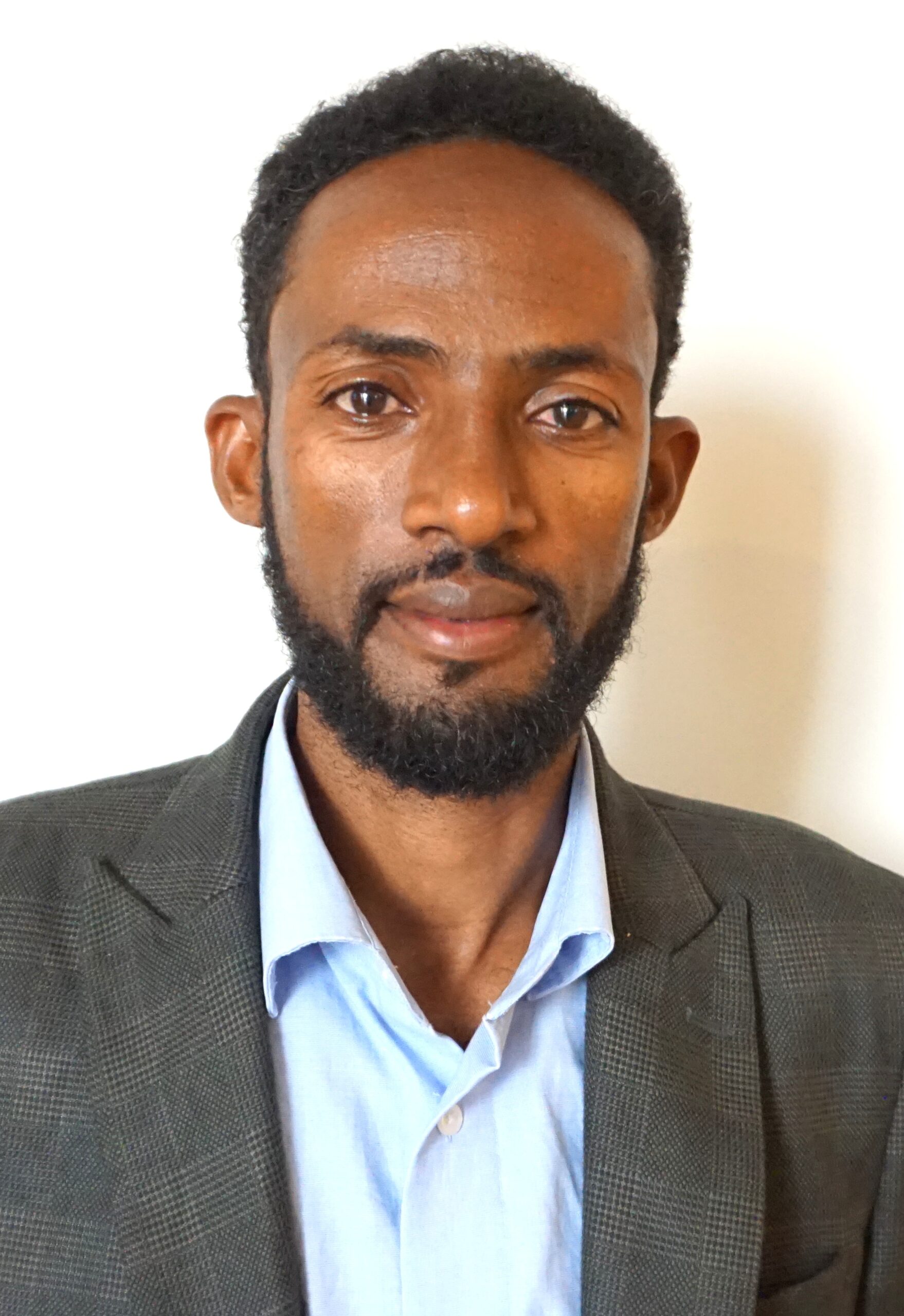
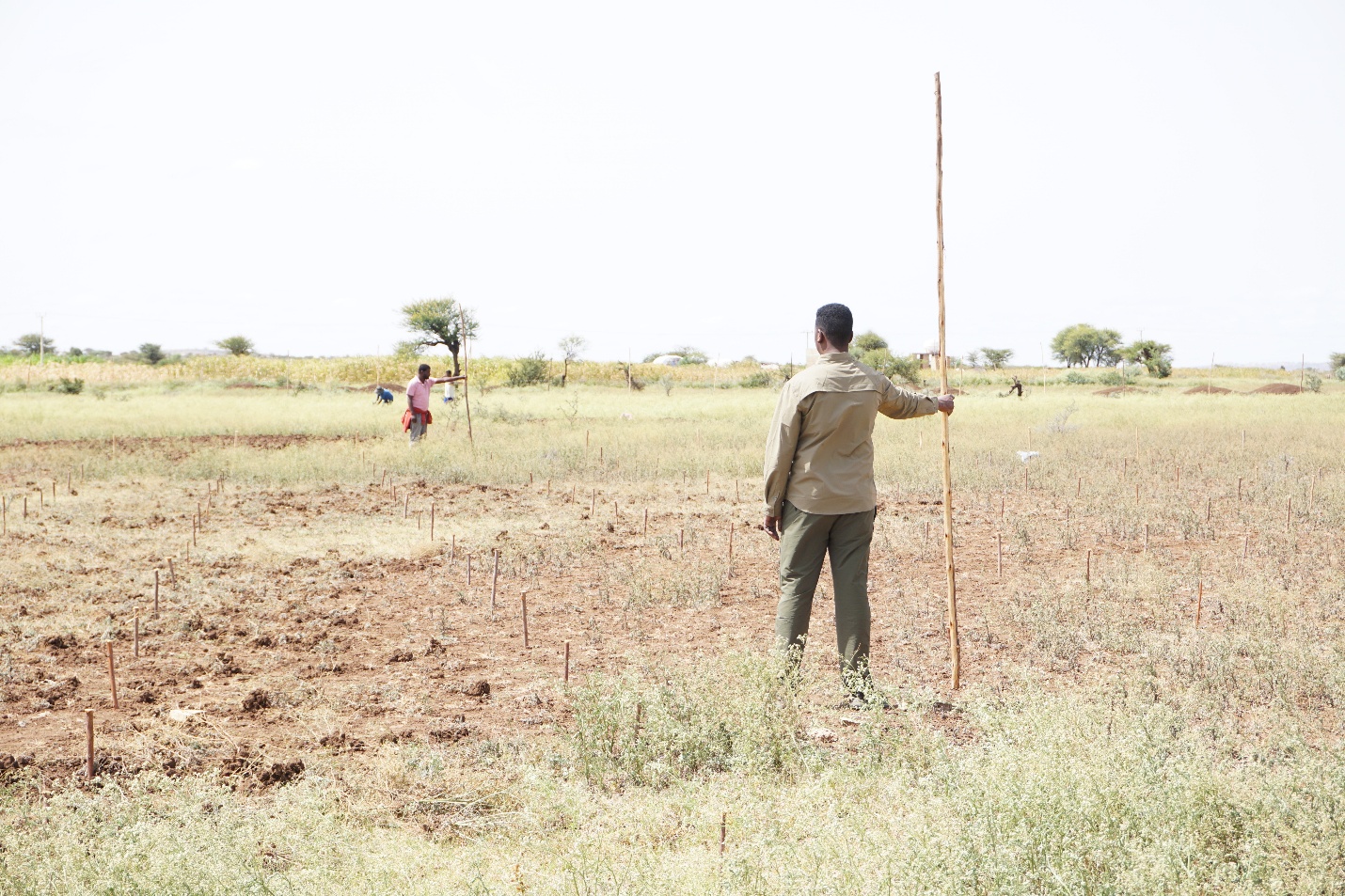
Photo by Eyob Getahun / Landscape Alliance.
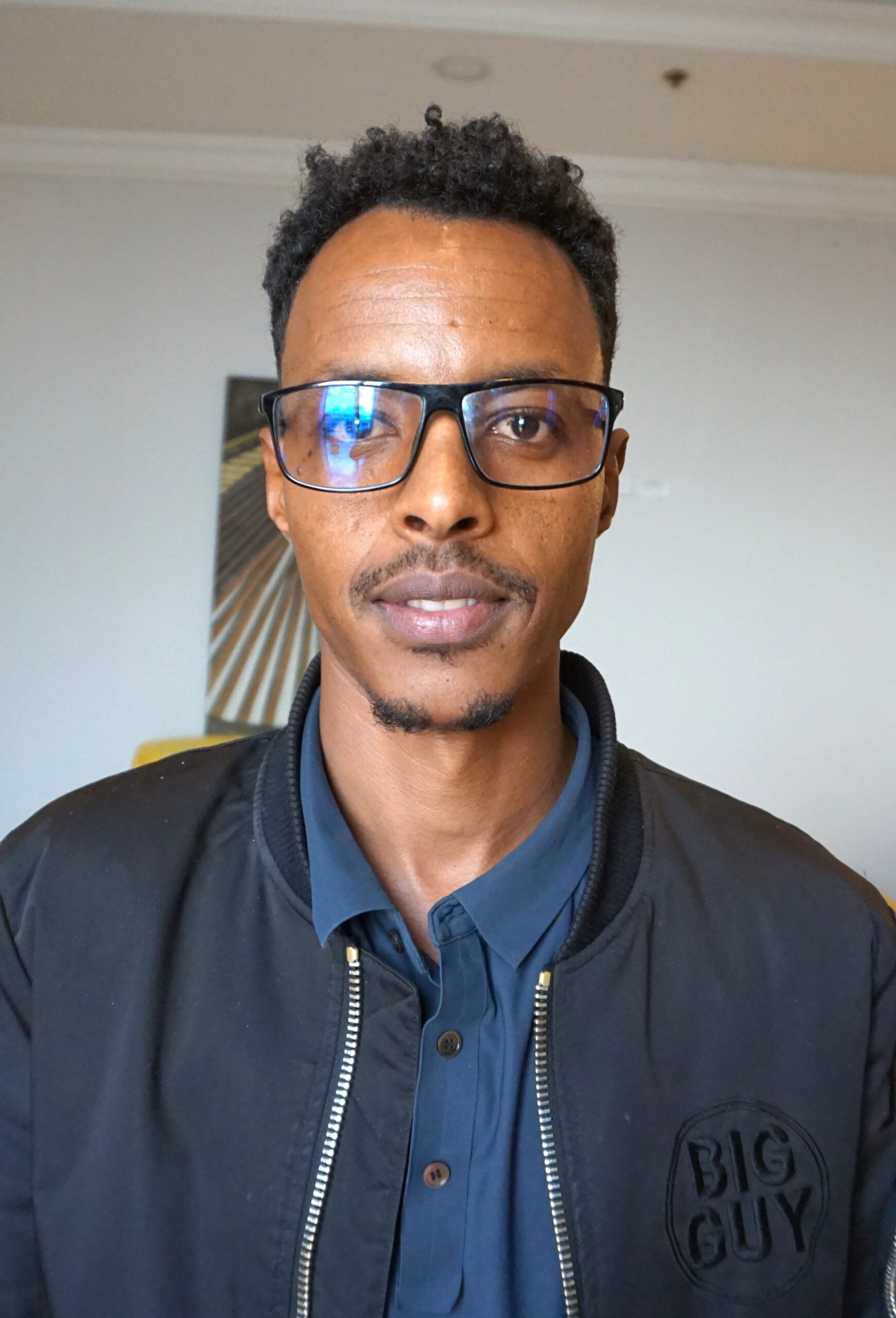
Photo by Eyob Getahun / Landscape Alliance.
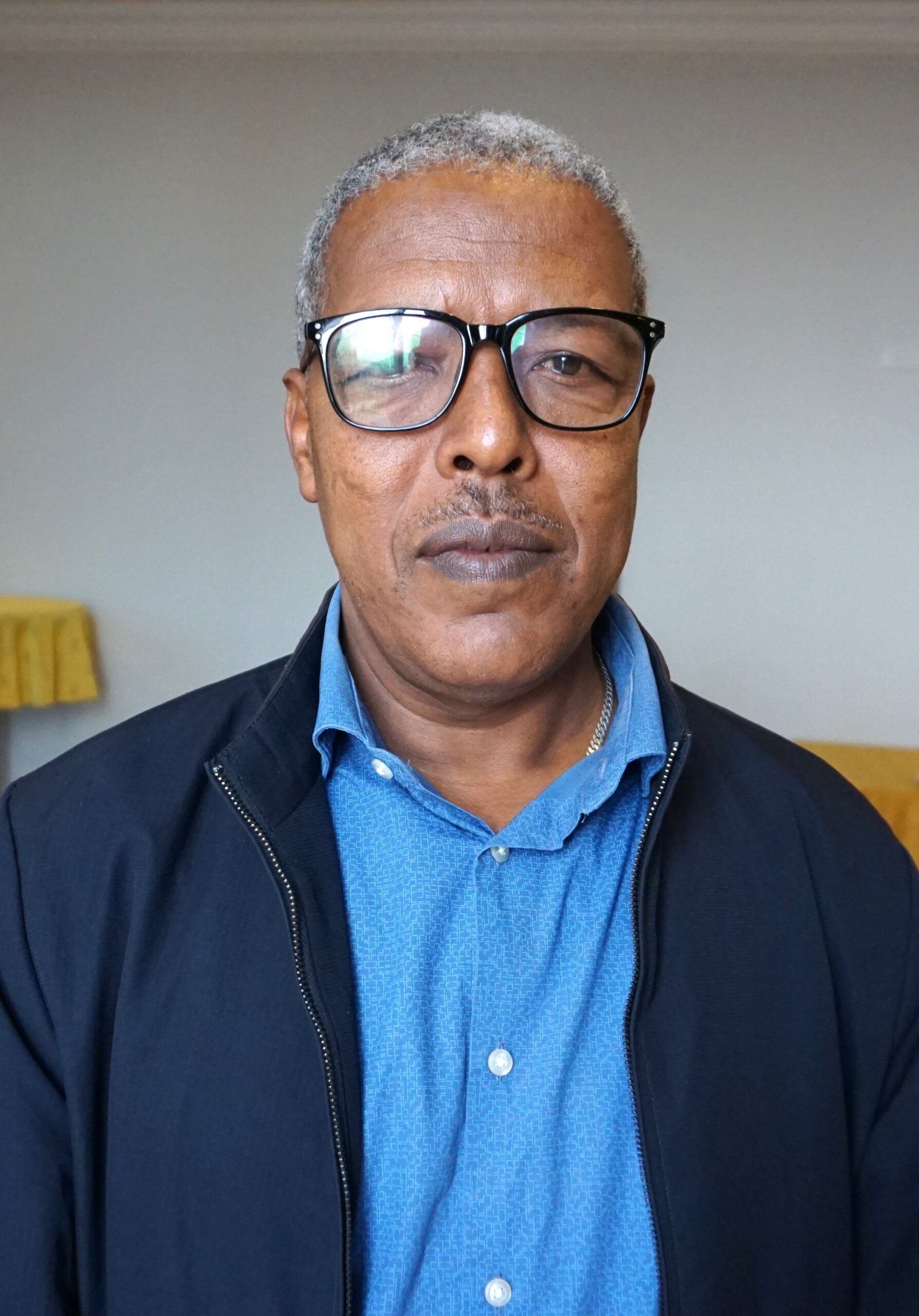
Photo by Eyob Getahun / Landscape Alliance.
For Yikuno Amlak Gebre Wahid, a senior researcher and director of the Natural Resource Department at the Tigray Agricultural Research Institute, the meeting addressed a gap that had affected how the three regions worked together.
“There has been little integration among the GGWI implementing regions before. Activities were done by individual regions. We now discussed integrating our efforts, which I think is very important,” he said.
Issme Lealem Mihret, director of the Natural Resource Conservation and Utilization Department at the Amhara Region Agriculture Bureau, said the participants also discussed problems they had encountered while implementing the GGWI and how to improve communication with districts.
“We raised problems that we have faced while implementing the GGWI,” Issme said. “We discussed how to correct them and how to communicate and work with districts. Secondly, we discussed the reporting system and how to report in the future and how to cascade the reporting system down to the grassroots.”
They also discussed how activities could be carried out in collaboration with the federal government, projects and NGOs.
“I think it was a useful discussion,” Issme said.
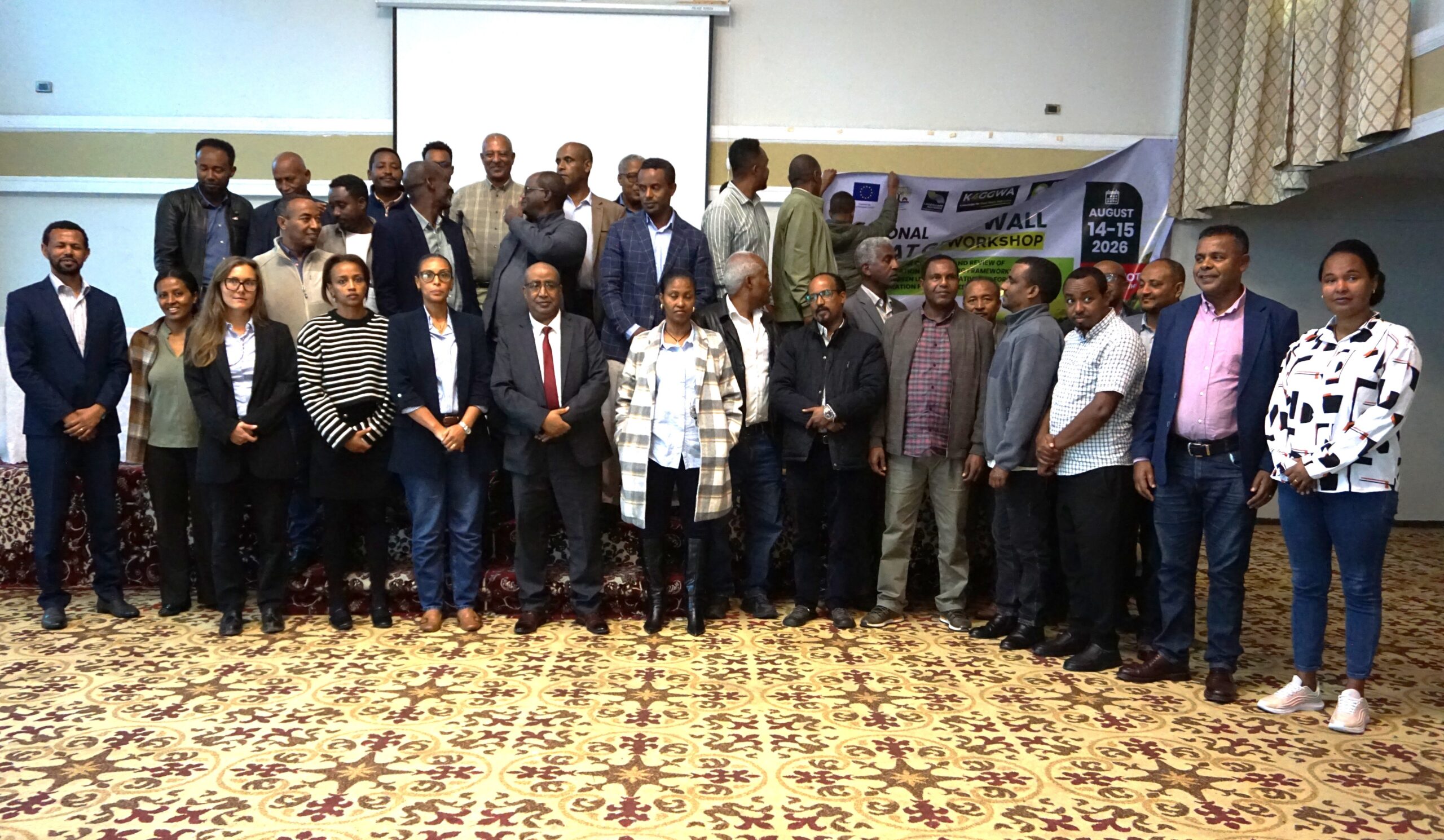
The workshop brought together representatives from government institutions, development partners, NGOs, research institutions, civil society organizations and regional stakeholders engaged in landscape restoration, environmental sustainability and climate resilience initiatives.