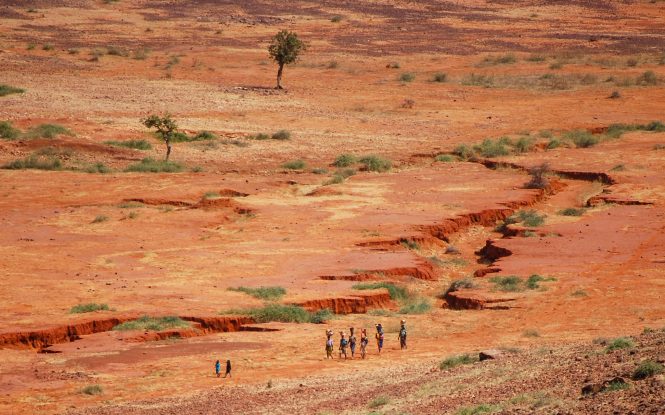


Across Ethiopia’s highlands and drylands, millions of hectares of once-productive soil lie degraded — stripped of vegetation, battered by erosion and increasingly unable to support the farming communities that depend on them.
Regreening Africa was established to confront that challenge at scale. Working across multiple countries in sub-Saharan Africa, the initiative promotes farmer-led restoration practices — agroforestry, farmer-managed natural regeneration, soil and water conservation and tree-based value chains — designed to rebuild ecosystem function while strengthening rural livelihoods. Its first phase (2017–2023) supported nearly one million hectares of land under improved management and reached more than 600,000 households across eight countries, including Ethiopia.
Building on that foundation, Regreening Africa Phase II (2024–2029), funded by the European Union and led by the Center for International Forestry Research and World Agroforestry (CIFOR-ICRAF), the project is working across seven countries, five of them along the Great Green Wall. In Ethiopia alone, more than 217,000 hectares were restored during the first phase.
But restoring land at scale is not only about numbers. It also depends on what is planted, where it comes from and how it is raised. Poor-quality seed or weak nursery practices can quietly limit the impact of even the most ambitious restoration efforts.
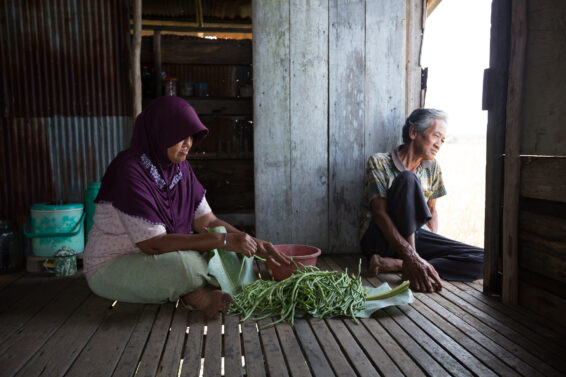
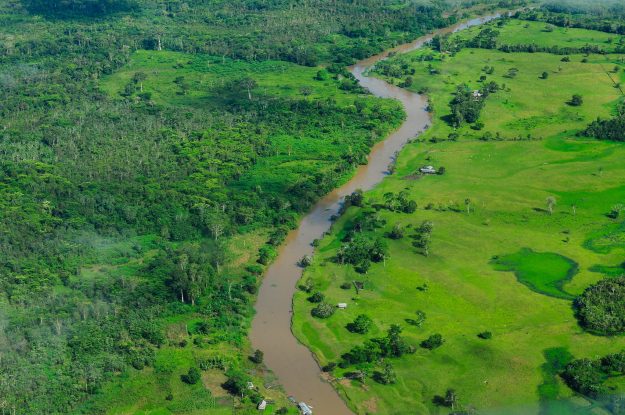
A landscape in northern Ethiopia, where Regreening Africa supports farmer-led restoration to rebuild soil health, vegetation cover and rural livelihoods. Photo by Mokhamad Edliadi / CIFOR-ICRAF
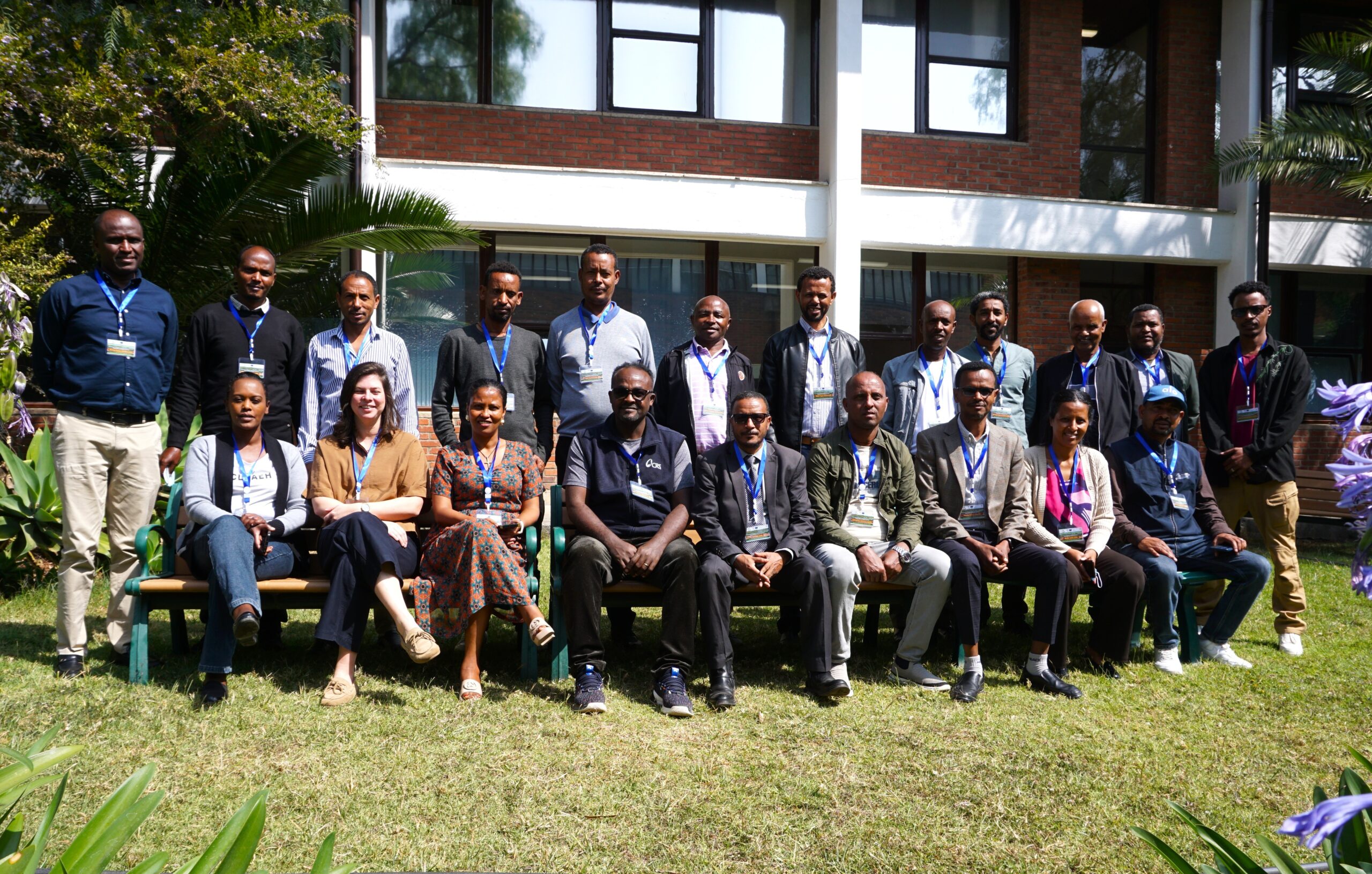
For Phase II, improving that foundation has become a priority. That is why, from 27–29 January 2026, officers from implementing partners and relevant stakeholders gathered in Addis Ababa for a training of trainers (ToT) titled Developing thriving nurseries and diverse tree seed supply options to regreen Ethiopia.
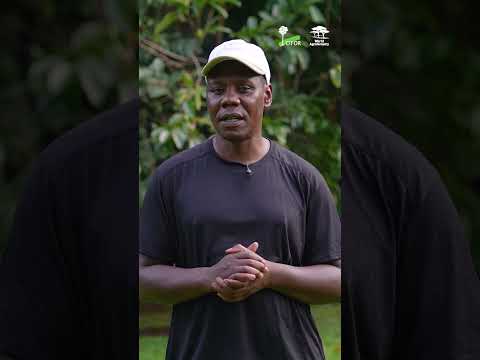
The training was delivered by a team from CIFOR-ICRAF’s Nairobi office — agroforestry scientist Sammy Carsan, stakeholder engagement and learning specialist Ilse Hennemann and seed physiologist Zakayo Kinyanjui — alongside Ethiopian colleagues.
“Diverse native tree and grass seeds are the foundation of restoration,” Carsan told the participants. “The goal of Regreening Ethiopia II is to move beyond just planting trees and to build resilient ecosystems that recover ecological, livelihood and cultural value. By prioritizing locally adapted, indigenous species, we provide communities with the biological tools needed to withstand the unpredictable effects of climate change.”
Linking nurseries to restoration practice
Niguse Hagazi, CIFOR-ICRAF Ethiopia country director, demonstrated to the participants opportunities to connect nursery stock production with regreening practices such as farmer-managed natural regeneration (FMNR), agroforestry, soil and water conservation and fodder regeneration.
For Malefia Tadele, Regreening Africa II project manager at Catholic Relief Services (CRS), one of the implementing partners, the rationale for the training was clear.
“We organized this ToT for our staff and for implementing partners because we saw a continuous capacity gap in the area of nursery management and seed sourcing,” she said.
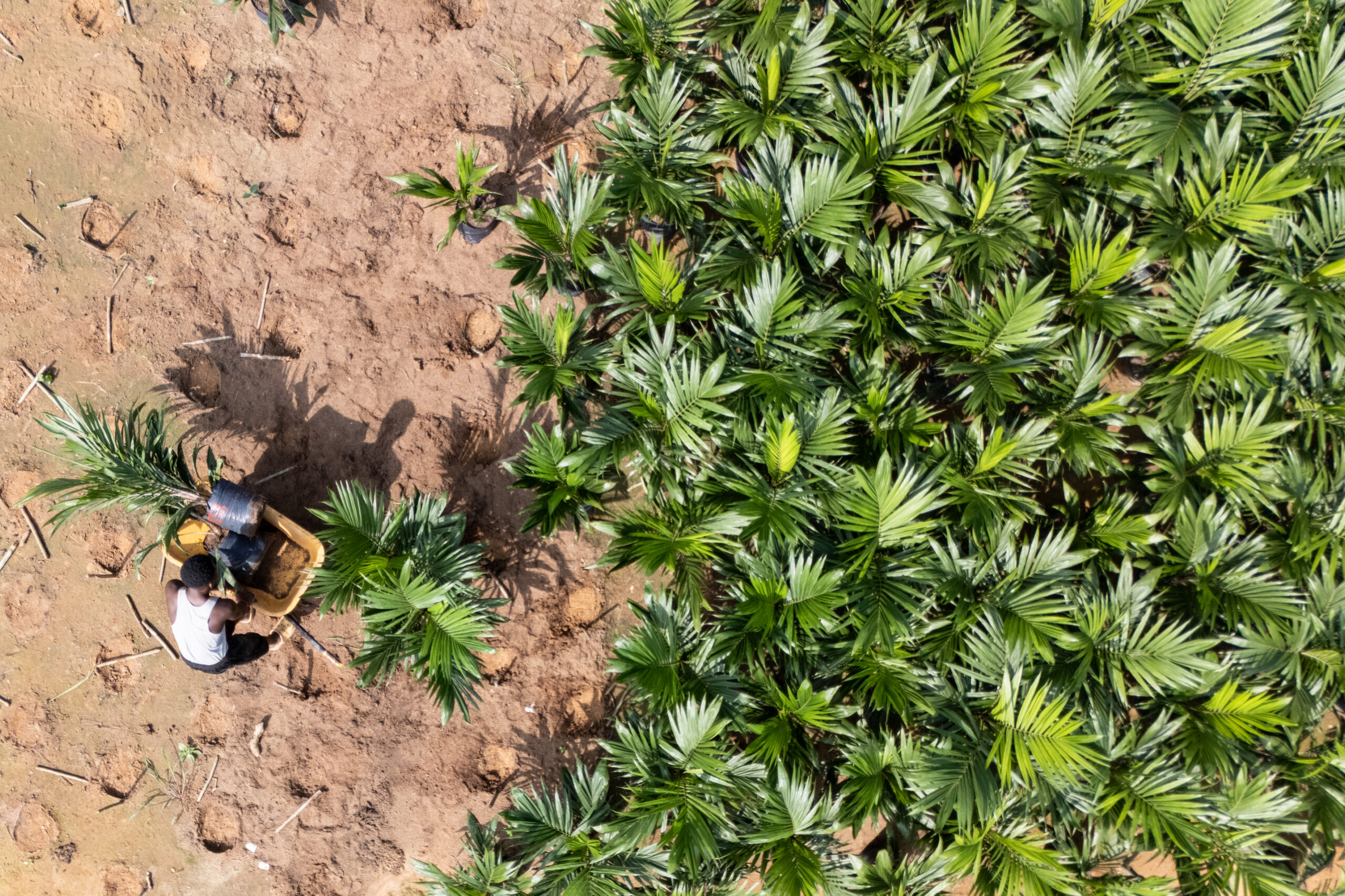
“Nursery is the core activity of Regreening Africa II. We work with government nurseries. Our staff need to provide the right skills and knowledge and technically equip nursery operators. We will cascade this training to nursery operators, stakeholders, and development agents.”
Scientific rigour in seed selection
Yordanos Berhe, manager of Regreening Africa II at World Vision Ethiopia (WVE), noted that her organization relies on government nurseries, as its approach centres largely on FMNR and area closures, with tree planting used mainly for enrichment.
“When we share the technical knowledge gained from this training, quality seedlings will be raised with the needed technical capability,” she said.
Yordanos also acknowledged that, in the past, large quantities of seed had sometimes been purchased unnecessarily, leading to wastage.
“When every activity is based on scientific knowledge, we can consciously select the right tree species for the right purpose and based on the needs of the community.”
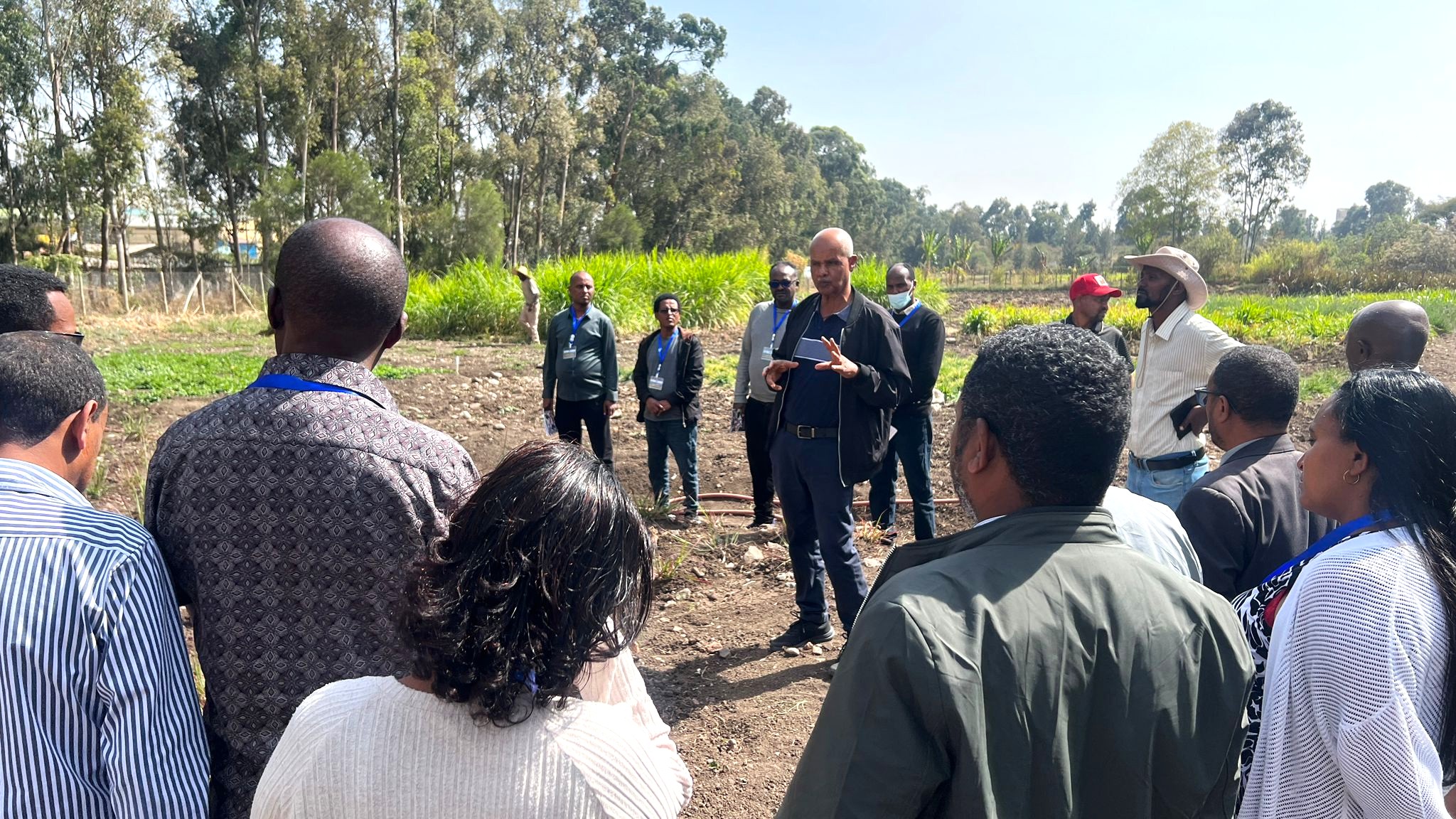
For Berhane Tsegay, WVE project officer in Tigray, quality begins well before seedlings appear in nursery beds.
“If you want to demand quality seedlings from government nurseries, you need to train the nursery operators first,” he said. “Training ensures quality from the source of seed to the seedlings raised. We were also trained how to collect tree seed, how to do the seed extraction, how to store and transport it.”
Teum Kumanit, a CRS staff member working in Tigray, emphasized the ecological realities of drylands. “We were trained on how important it is to select tree species that are appropriate for the area. In Tigray, we need to select drought-resistant as well as fast-growing tree species, as the region is mostly dry land.”
Training trainers, not just technicians
Beyond the technical focus on tree nurseries and seed supply, the ToT was designed as a learning and empowerment process.
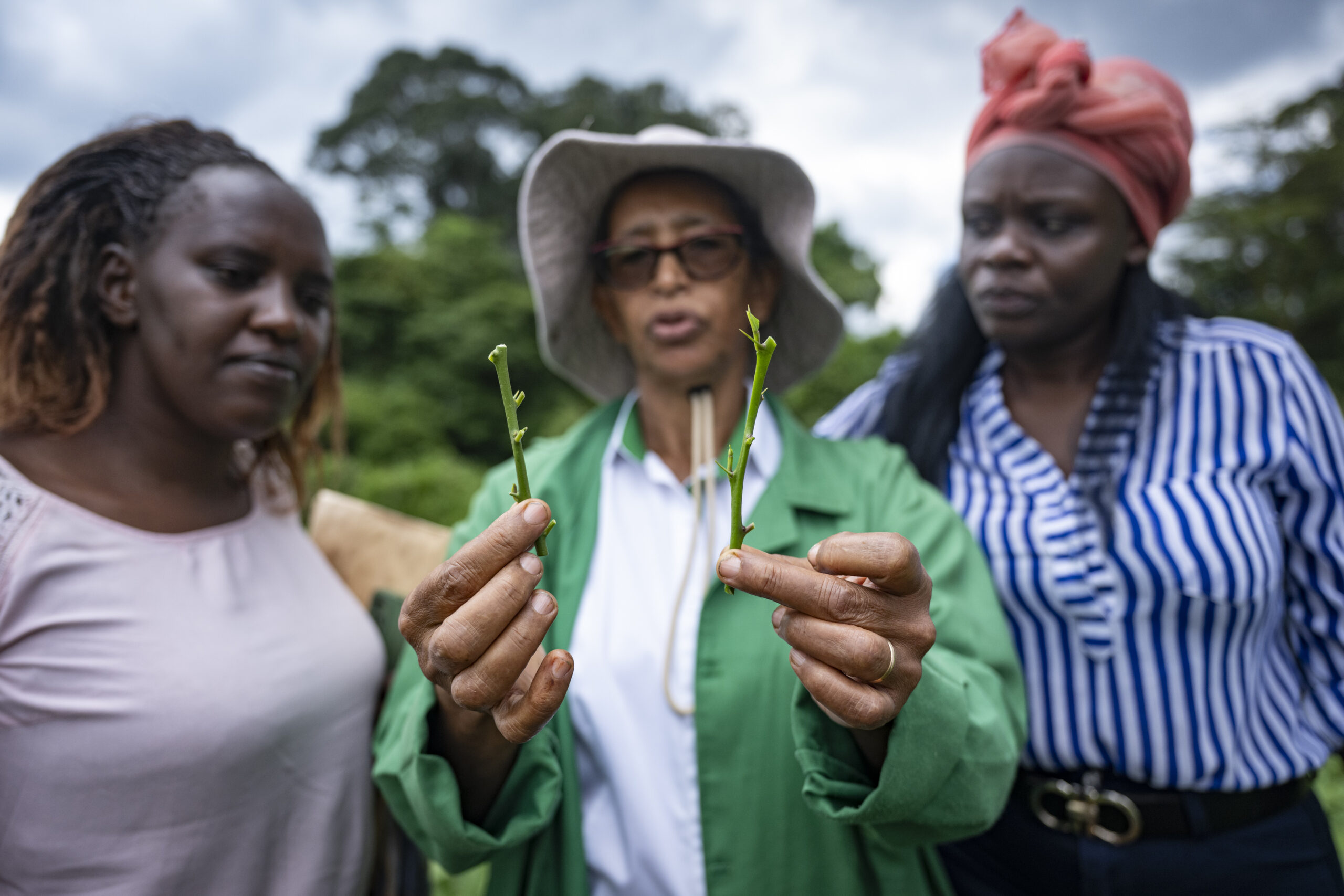
As a learning specialist, Ilse Hennemannfocused on the how of learning. She guided participants through key phases of training design, starting with a simple but often overlooked question: Who are you going to train? What is their context? And what are their capacity strengths and gaps?
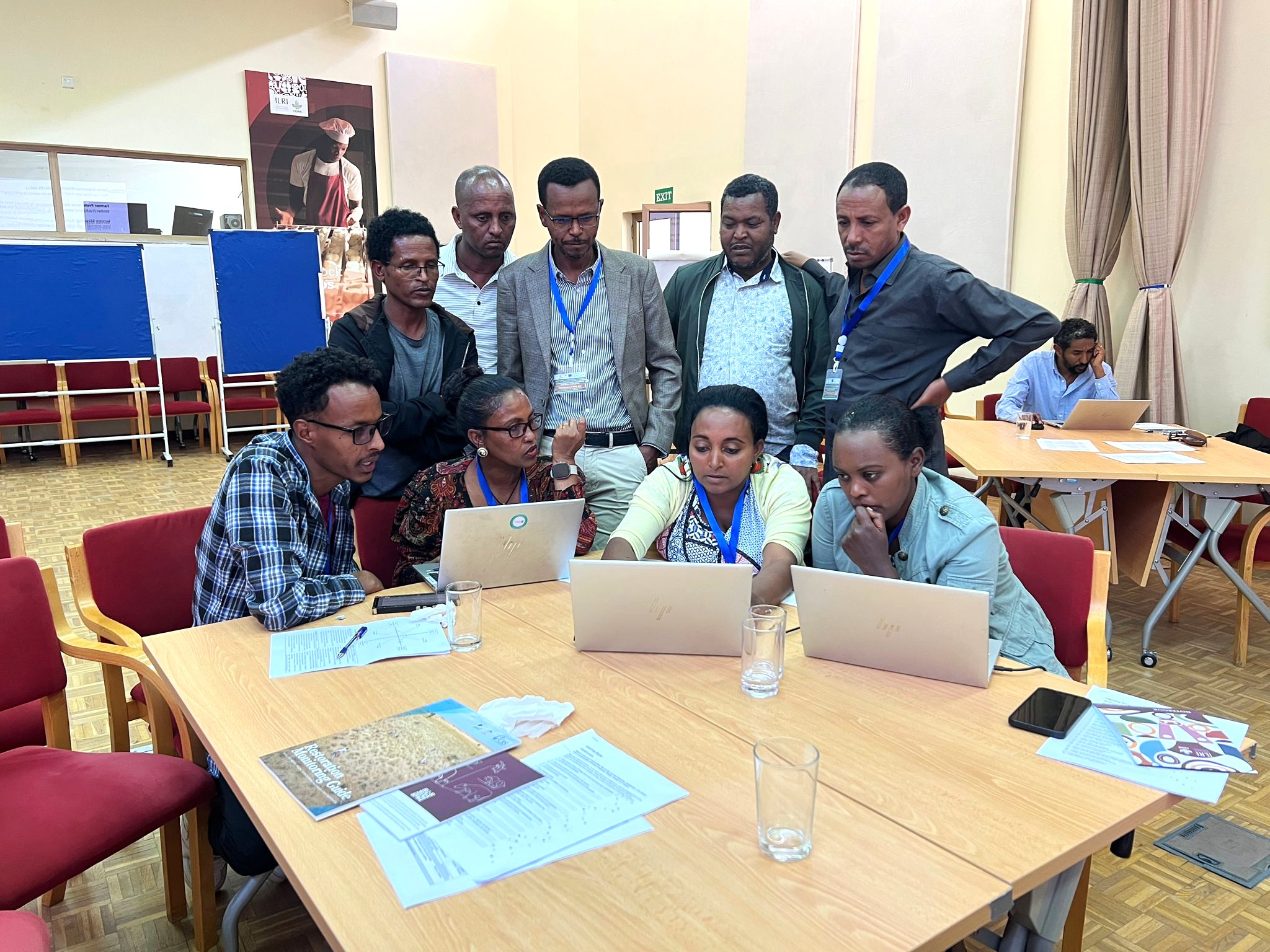
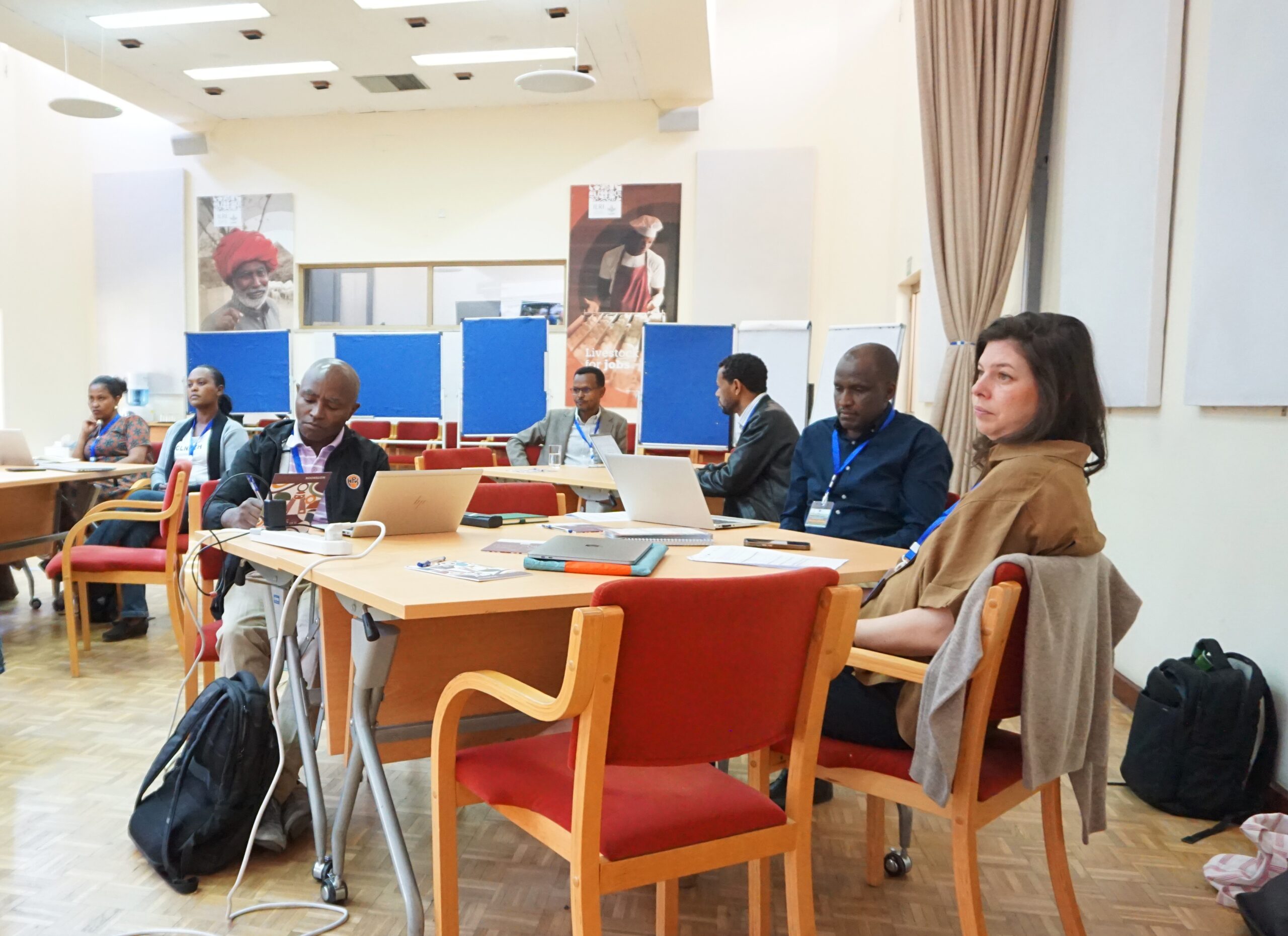
“Understanding the target audience is the foundation of any effective training,” Hennemann said. “That is what distinguishes a training from a ToT — not just transferring knowledge, but enabling participants to adapt content, develop their own materials and confidently train others.”
The sessions were interactive, with participants sharing practical experiences from the field. The expectation is that the training will strengthen nursery systems and improve the quality and diversity of tree and grass seed supply chains in the districts where Regreening Africa II is being implemented