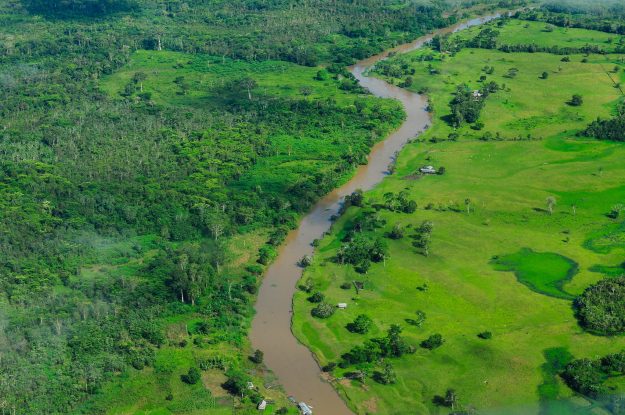



Protecting tropical forests while supporting local communities is the core idea behind Reducing Emissions from Deforestation and Forest Degradation (REDD+), a UN-led programme launched in the mid-2000s. The premise is simple: conserve forests, reduce emissions and create economic opportunities for those who depend on them.
But does it actually work for the people on the ground? Unfortunately, our new study suggests otherwise.
We analysed two major REDD+ projects in the Indonesian part of the island of Borneo, known as Kalimantan. In both cases, we found that REDD+ impacts on household income were either negligible or negative. These findings raise difficult questions about the vulnerability of rural households in tropical forest areas, and about who bears the risks and costs of change for people in already-precarious situations.
Testing the income promise
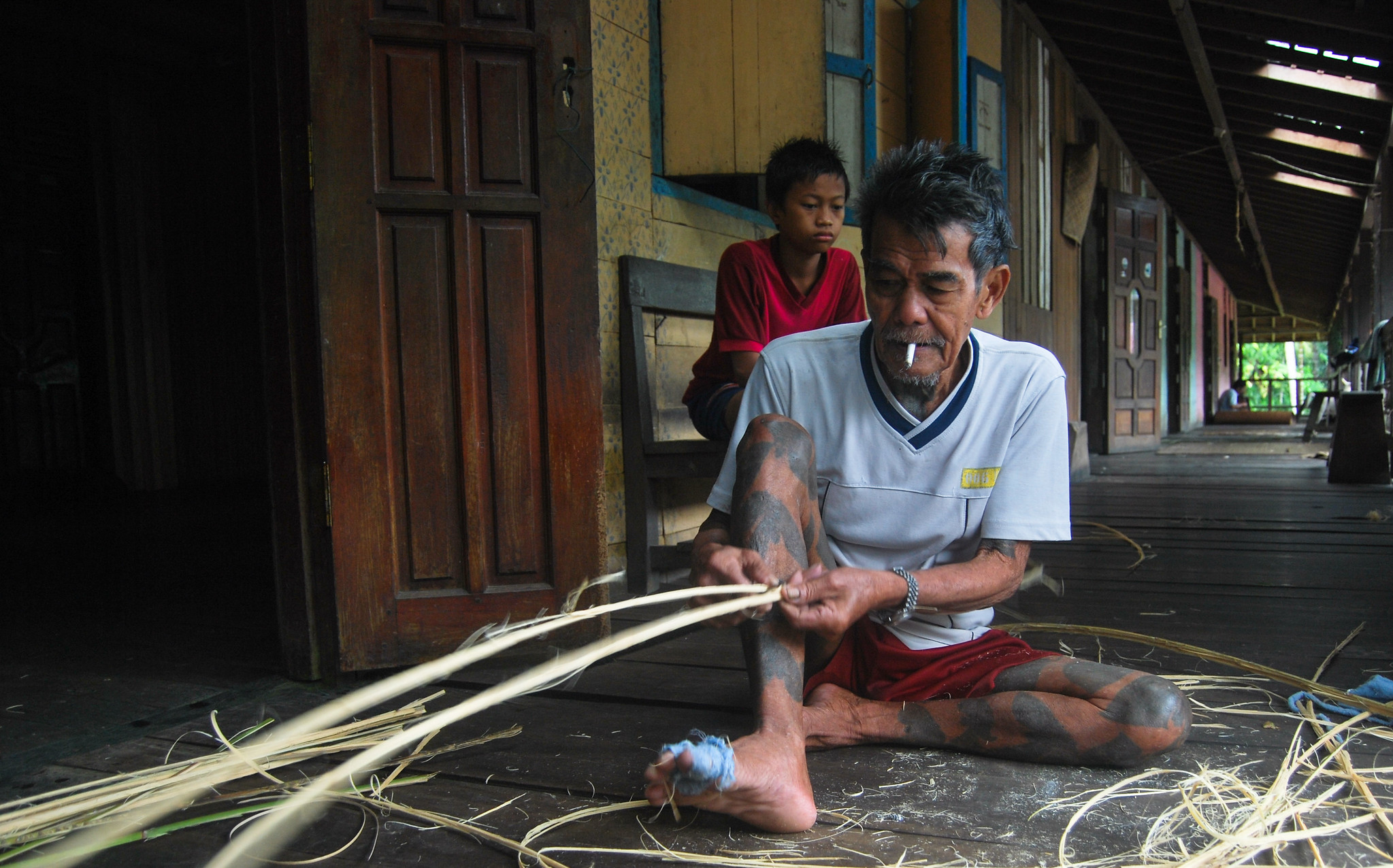
REDD+ projects are designed to support communities in establishing new and resilient livelihoods while keeping forests intact. In practice, this often means restricting forest clearance for agriculture and other uses. As a result, agricultural incomes may decline in the short term, but overall incomes are expected to rise as communities receive REDD+ benefits and diversify their economic activities.
To examine whether this hypothesis holds, we focused on two contrasting initiatives in Kalimantan.
The first, the Katingan-Mentaya Project (KMP) in Central Kalimantan, is one of the world’s largest and most commercially successful REDD+ projects. Managed by a private company, it generates revenue primarily through carbon offset trading.
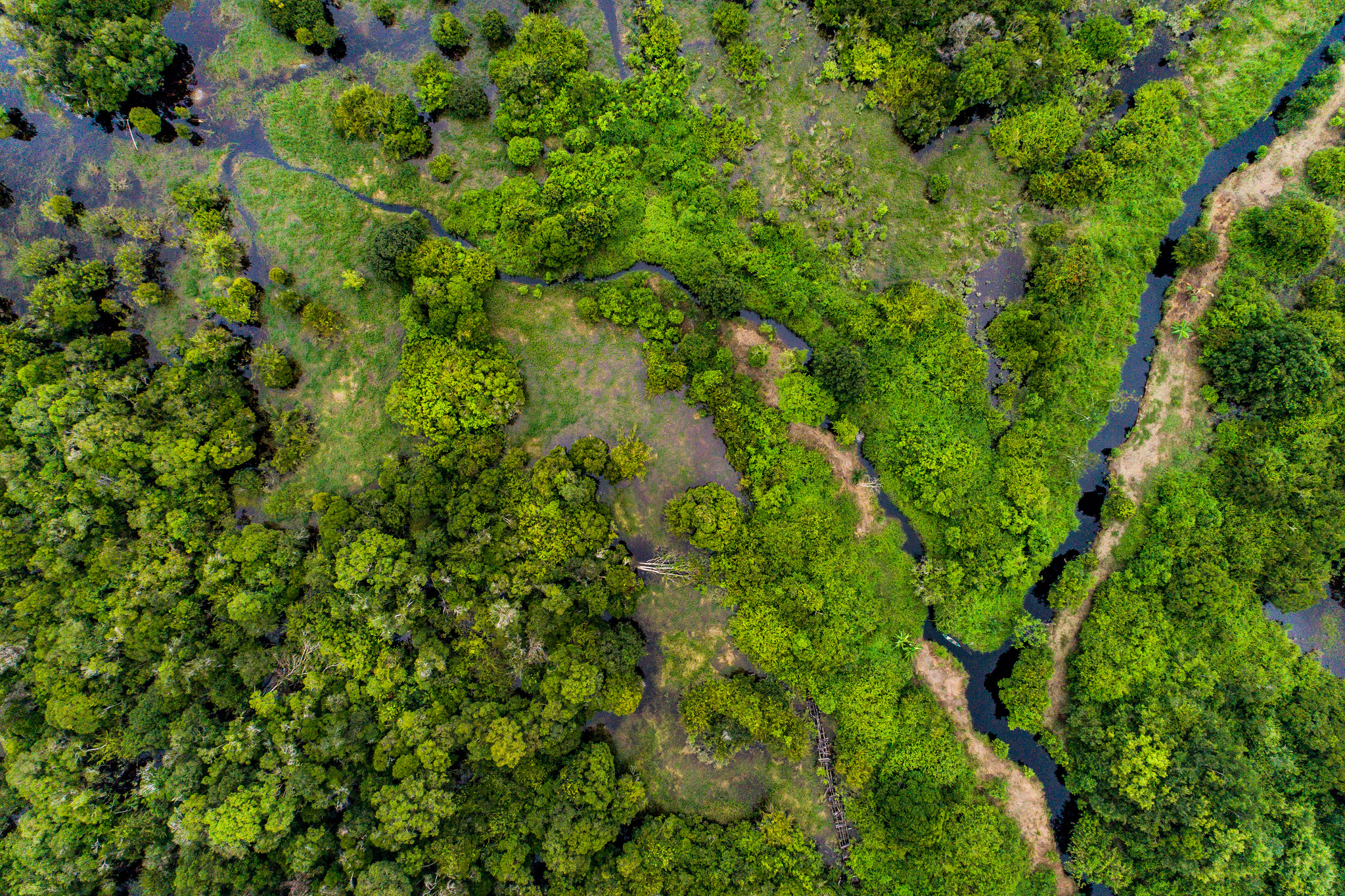
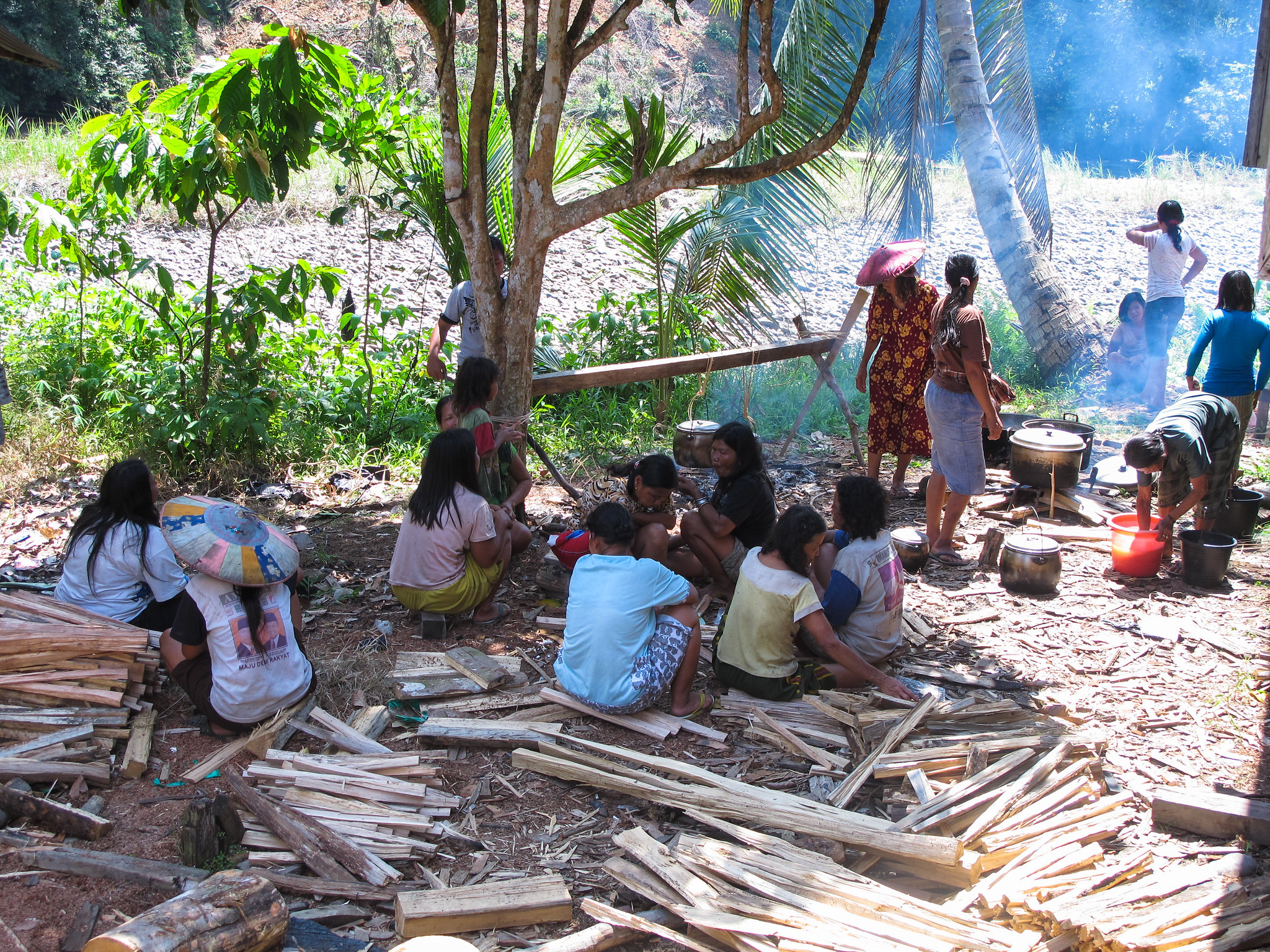
Rather than providing direct cash payments to individual households, the company delivers benefits to villages. These include support for agroforestry, sustainable aquaculture, fisheries and non-timber forest products (NTFP) projects, as well as peatland rewetting and water management, reforestation and enrichment planting, and forest fire prevention and control. The project also employs local staff and labourers.
The second initiative, the Berau Forest Carbon Programme (BFCP) in East Kalimantan, was Indonesia’s first jurisdictional REDD+ programme. Funded by donor aid, it sought toreduce deforestation and promote sustainable forest management at the district scale. Like the KMP, the programme did not provide direct payments to individuals or households. Instead, it invested in institutional capacity, supported transition to more sustainable practices, and offered conditional village-level funding, for example, in exchange for limiting swidden agriculture. Since 2020, BFCP has been integrated into the provincial-level REDD+ program in East Kalimantan.
Unlike Payment for Environmental Services (PES) schemes in countries like Costa Rica and Mexico, which transfer funds directly to landowning households for reducing emissions, both Indonesian projects directed revenues to the village level rather. This structure makes it difficult to track and trace the effects on individual household income. Nonetheless, the expectation was that indirect benefits — improved market access, new livelihood opportunities and village investments — would translate into measurable gains.
Yet these had to compete with the more immediate economic benefits of traditional land uses like timber and swidden agriculture.
A man manoeuvres logs in a river in Central Kalimantan, Indonesia. Timber extraction remains an important source of income in many forest-dependent communities. Photo by Achmad Ibrahim / CIFOR-ICRAF.
What the data show
By analysing survey data collected from over 400 households in 2010, 2014 and 2018, we found that REDD+’s impact on participating households’ income was insignificant at the BFCP site.
Meanwhile, in the KMP project, REDD+ participation led to a decline in household income during the first four years of implementation (2010-2014), but this effect dissipated over the longer term (2010-2018).
The overall picture is less encouraging than hoped. The findings highlight the vulnerability of rural households trying to adapt to new rules and new ways of life. There is a clear need for strategies that support and protect household incomes against the temporary disruptions that come with REDD+ implementation.
Looking for spillover effects
Because REDD+ projects were implemented at the village level while household engagement remained voluntary, we also examined whether there were intra-community ‘spillover’ effects. Specifically, we compared the incomes of non-participating households in REDD+ villages with those of households in non-REDD+ villages.
In the end, we found no conclusive evidence of such spillover effects. Non-participating households neither experienced income gains from other REDD+-related activities nor suffered financial harm as a result of non-participation.
This finding echoes research on a Brazilian REDD+ project called TransAmazon, which similarly found no meaningful intra-community income spillover.
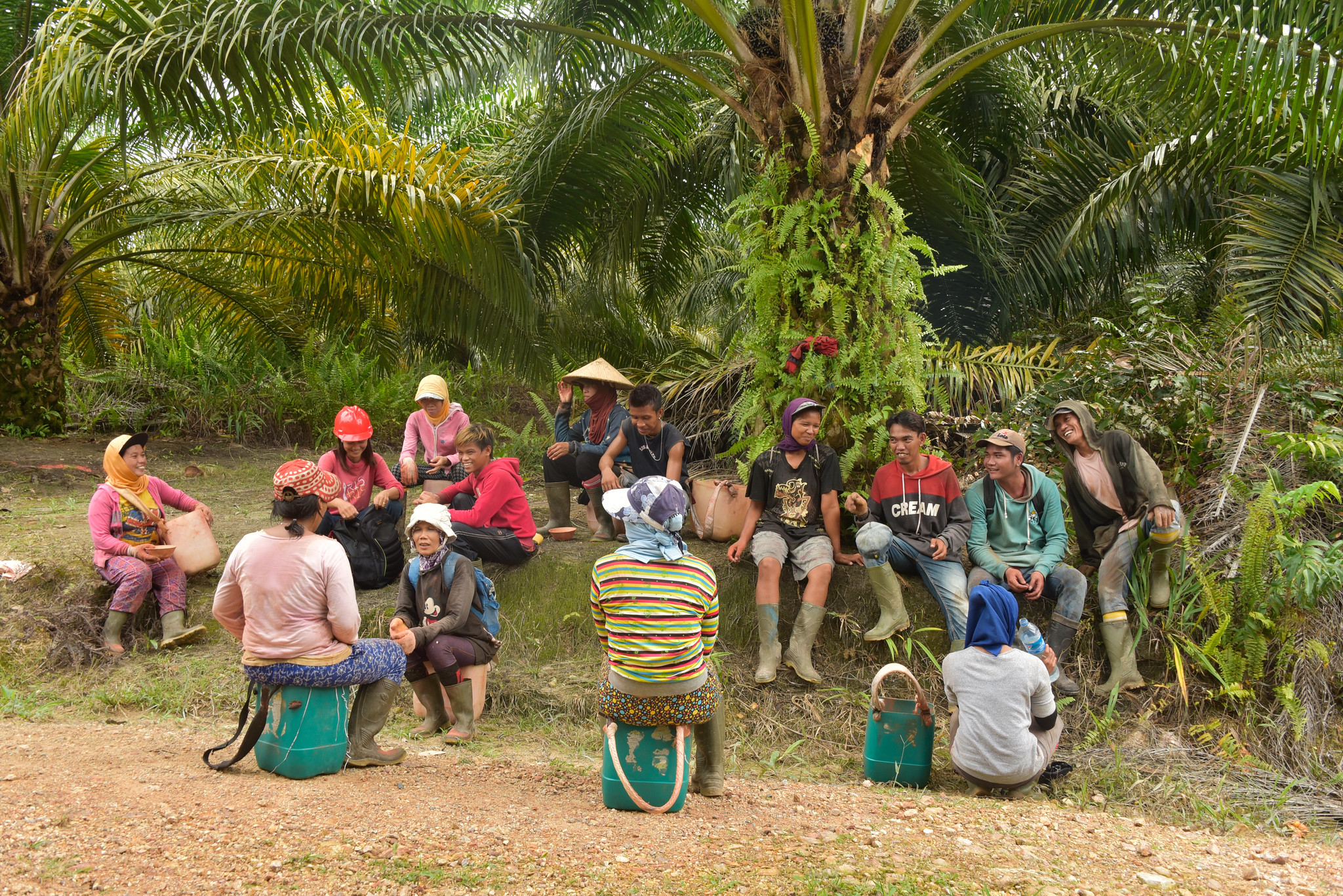
Mixed outcomes, unresolved tensions
Our findings are not isolated. Numerous studies have described REDD+ income impacts as mixed and modest, including negative effects in some cases. This does not mean the concept cannot work. However, it points to the need to strengthen the delivery of tangible economic and development benefits for communities and individuals.
If REDD+ is to reconcile climate mitigation with rural development, it must ensure that people’s livelihoods are concretely improved — in both the short and long term — while keeping tropical forests standing for generations to come.