
Mohammed Jemal remembers a time when the days felt long and empty.
Before August 2021, the young man from Seko, in Gechi District, had no job and few prospects. He spent much of his time wandering nearby forest areas, with little opportunity for productive work. Frustration gradually took hold. Prolonged unemployment strained his relationship with his family and eroded his sense of belonging.
“Back then, I used to fight with my family often,” Mohammed said. “At some point, they were so offended that they even forbade me from eating at home.” He describes that period as one of deep frustration and uncertainty, marked by isolation and a lack of direction.
A turning point rooted in opportunity
Change arrived in August 2021, when an initiative led by the Center for International Forestry Research and World Agroforestry (CIFOR-ICRAF) began operating in his locality. Mohammed was selected by the kebele (the local government) to join a youth group known as Lalistu Seko Cooperative.
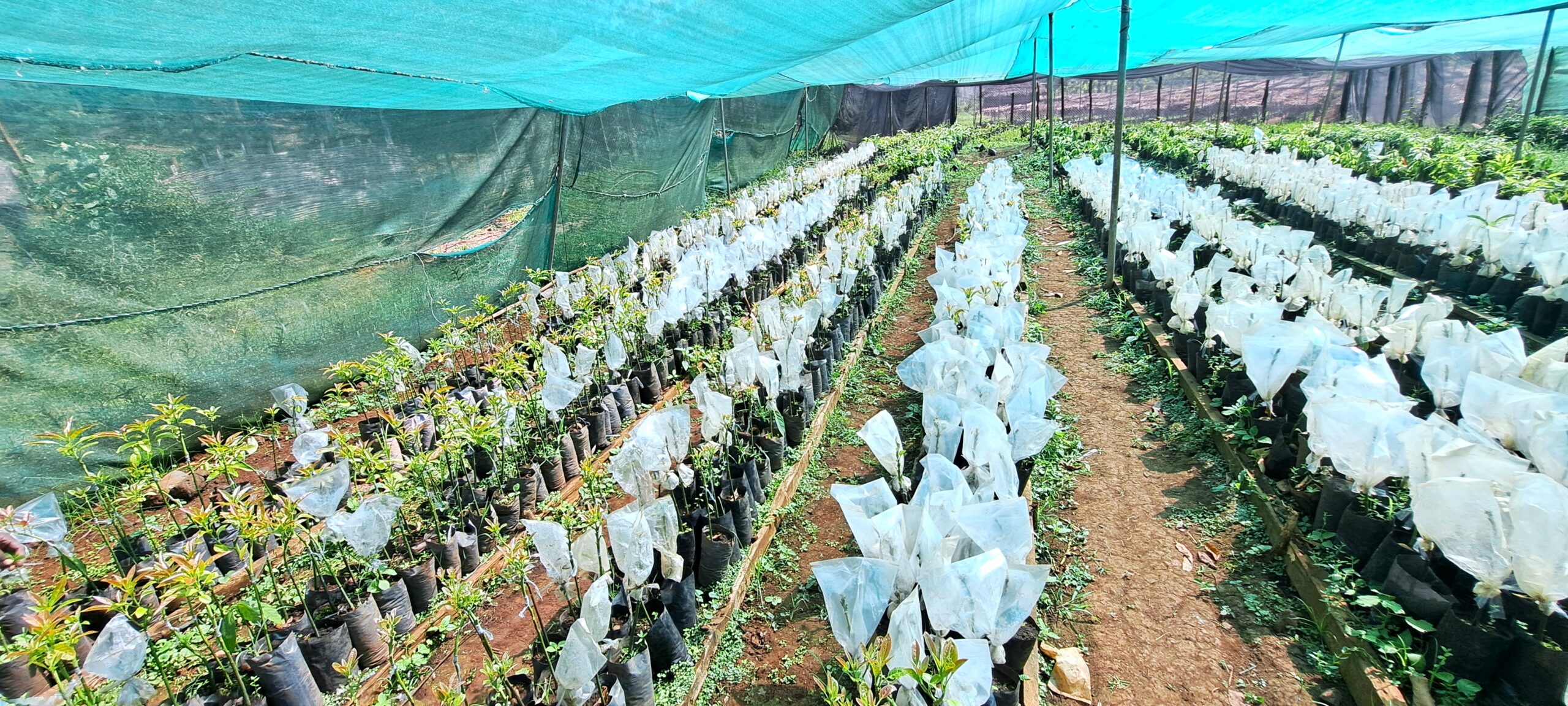
The CIFOR-ICRAF project Engaging Rural Youth in Tree-based Value Chain and Functionalizing the Watershed and Agroforestry Multistakeholder Platform funded by the David and Lucile Packard Foundation, established a Rural Resource Center (RRC) within a government-owned nursery in Seko, creating green job opportunities for a group of youth and women. Through the project, Mohammed and his colleagues received training and began raising avocado seedlings at the RRC. For Mohammed, this marked a turning point in his life.
“When I joined the group and started working at the RRC, my life transformed,” Mohammed said. “I became hopeful. My behaviour changed. I began rebuilding my relationship with my family.”
Income that grows over time
A year later, in July 2022, the group sold the first batch of grafted avocado seedlings raised at the RRC. The income exceeded their expectations, providing both financial relief and renewed hope. The group members had never thought they would earn that much within such a short time. Mohammed was even able to build his own house four years later.
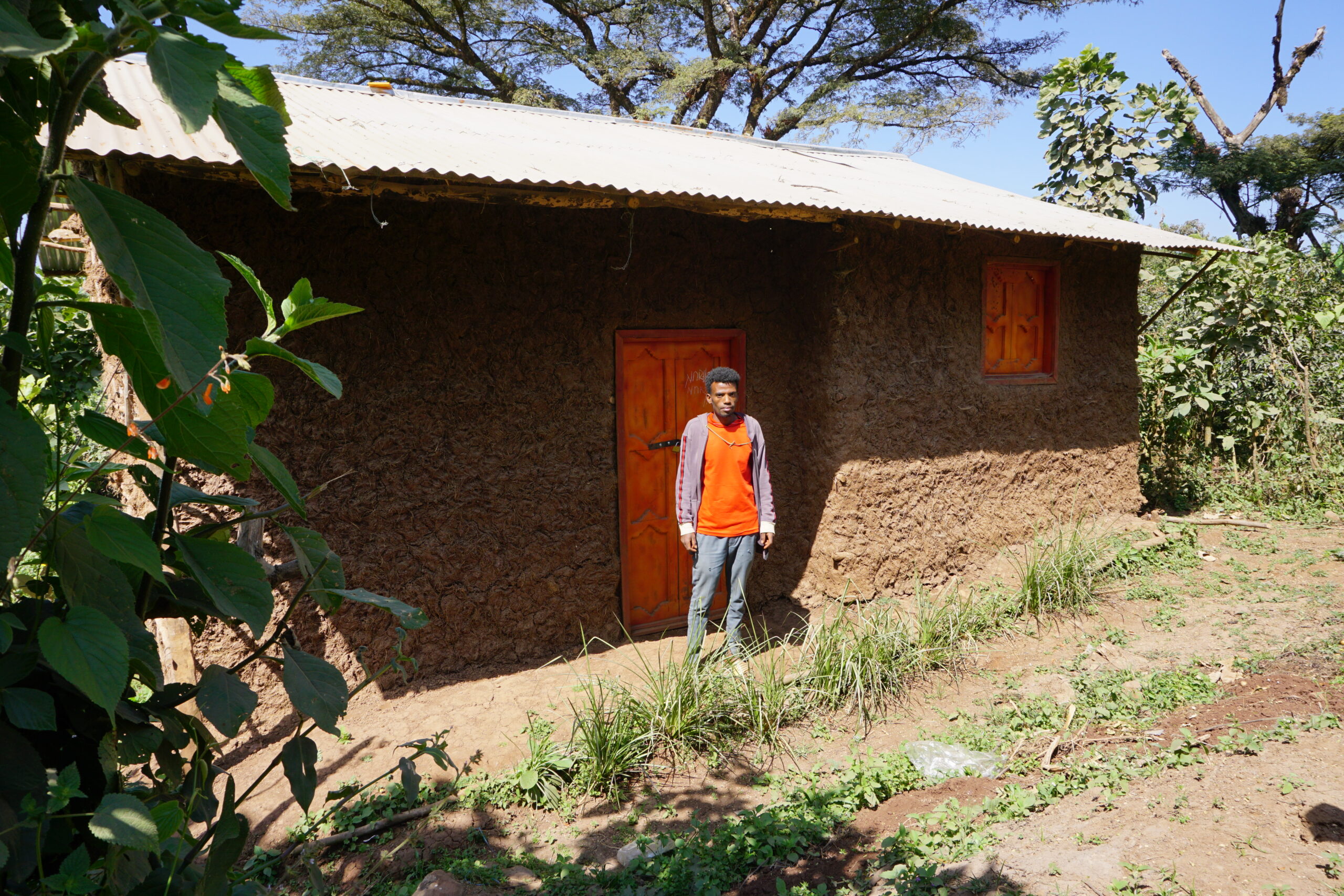
“I bought a calf with the money I got from the RRC,” Mohammed said. “I took care of it for some years. When it became a young bull, I sold it for 20,000 birr. My family, who were happy to observe the significant change in my manner, supported me, and I was able to construct a house at a cost of 70,000 birr.”
Mohammed got married last year and now lives in his new house with his wife, a major milestone in his life that he attributes to the project.
“We have the knowledge and skills to run an RRC,” he added. “In the future, we can buy land where there is a big market, run the RRC business there and have a brighter future.”
Women building assets and futures
Zahara Mekonnen, another member of the youth group running the RRC in Gechi District, followed a similar path of gradual progress.
When the CIFOR-ICRAF Ethiopia communication team, visited her in June 2023 she owned a pregnant ewe.
The ewe soon gave birth to two lambs and, a few months later, to another lamb. In November 2025, Zahara sold the four sheep and bought a male calf.
“I bought this calf for 13,000 birr from the sale of the four sheep,” she said. “I plan to keep the calf for three years and sell the bull for at least 70,000 birr.” What began as modest livestock ownership has become a pathway towards financial independence.


Zahara Mekonnen in Gechi District before and after investing income earned at the Rural Resource Center into livestock. What began with sheep later allowed her to purchase a calf, marking a step towards greater financial independence. Photos by Eyob Getahun / CIFOR-ICRAF
Collective success at scale
These individual success stories reflect a broader transformation achieved collectively.
According to Kemal Bekele, chairperson of the Lalitsu Seko Coopertive, the group has so far sold 18,500 improved grafted avocado seedlings, generating more than 1.8 million birr.
Some of the income has been used to cover the running costs of the RRC, while much of it has been invested to ensure the sustainability of the enterprise. The group agreed with a local farmer to share income from timber production and planted Cupressus lusitanica trees on 2.5 hectares of land. Timber is expected to be harvested after 15 years. “If we want to take a loan from the bank, we can put the trees up as collateral,” said Kemal.
The group is also working towards making a flour mill operational. They have started constructing a house and plan to install the flour mill in it within a year. We may need to take a bank loan,” Kemal added.
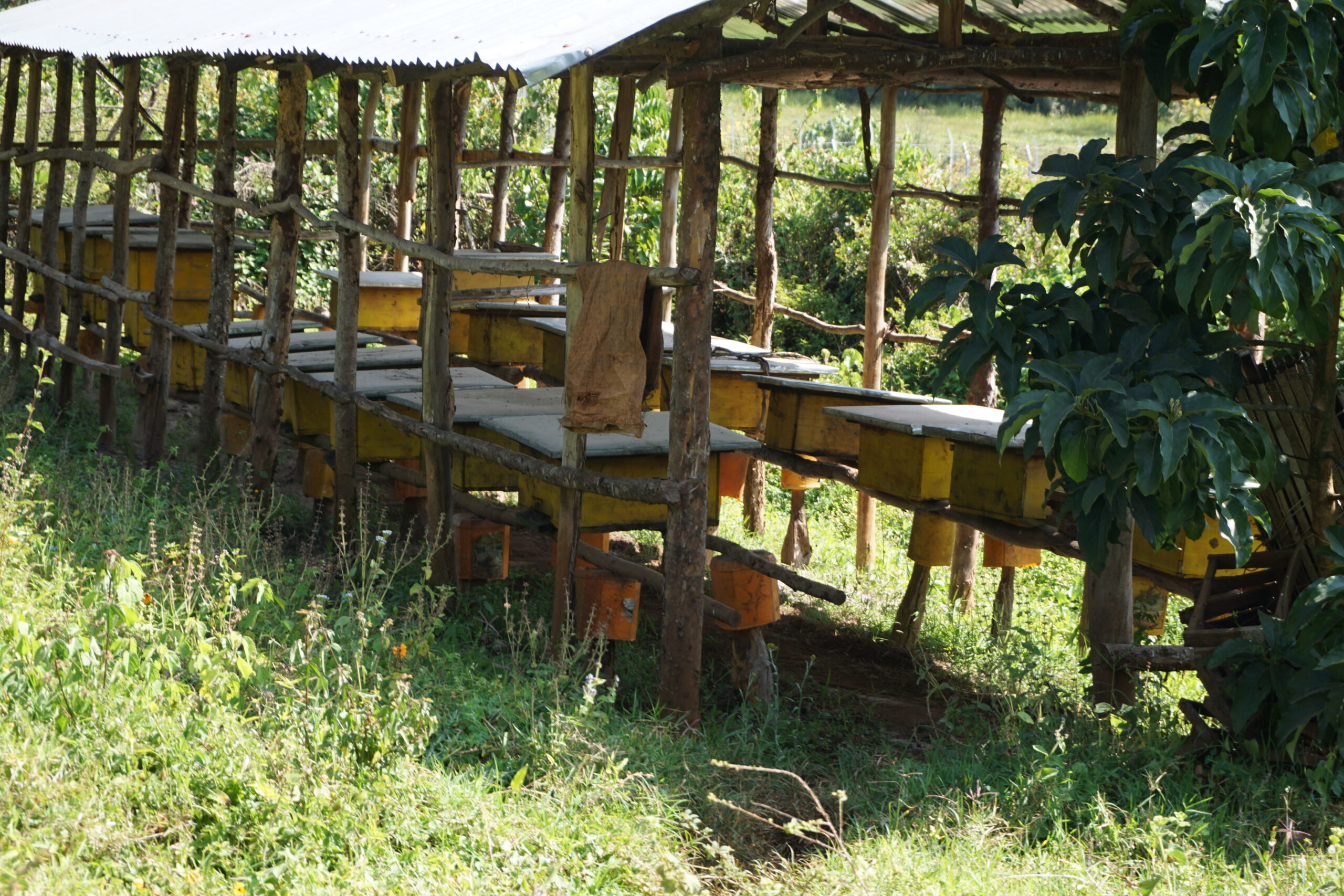
To help diversify income and ensure long-term sustainability, the project provided 30 modern beehives. Over the past year, the cooperative harvested 70 kilograms of honey in two rounds, selling it at 1,000 birr per kilogram.
Designing resilience into livelihoods
Feyisa Ararsa, who has been coordinating the CIFOR-ICRAF project in southwest Ethiopia for the past five years, reflects on the project’s approach.
“When people build shared assets, their commitment to one another grows stronger,” he said. “The same applies to youth groups. Diverse income sources help keep the group together until each member can stand on their own.”
The project ended on 31 December 2025. During its lifetime, RRC were established in four districts in southwest Ethiopia, including Gechi, Chora, Becho and Mattu. Three are functioning successfully. The RRC established in Mattu did not succeed due to a lack of commitment among its members.
In Becho District, youth received training in grafting techniques from their peers in Gechi. The group leader, Ibrahim Nagassa, said, “We sold grafted avocado seedlings once this year and got 700,000 birr. The RRC business is profitable.” The group has since purchased land to expand the business and invested in additional beehives.
Feyisa said, “Nearly 45,000 grafted avocado seedlings were produced by the RRCs during the project period. A seedling, on average, was sold for 100 birr.” In total, that amounts to around 4.5 million birr in revenue.

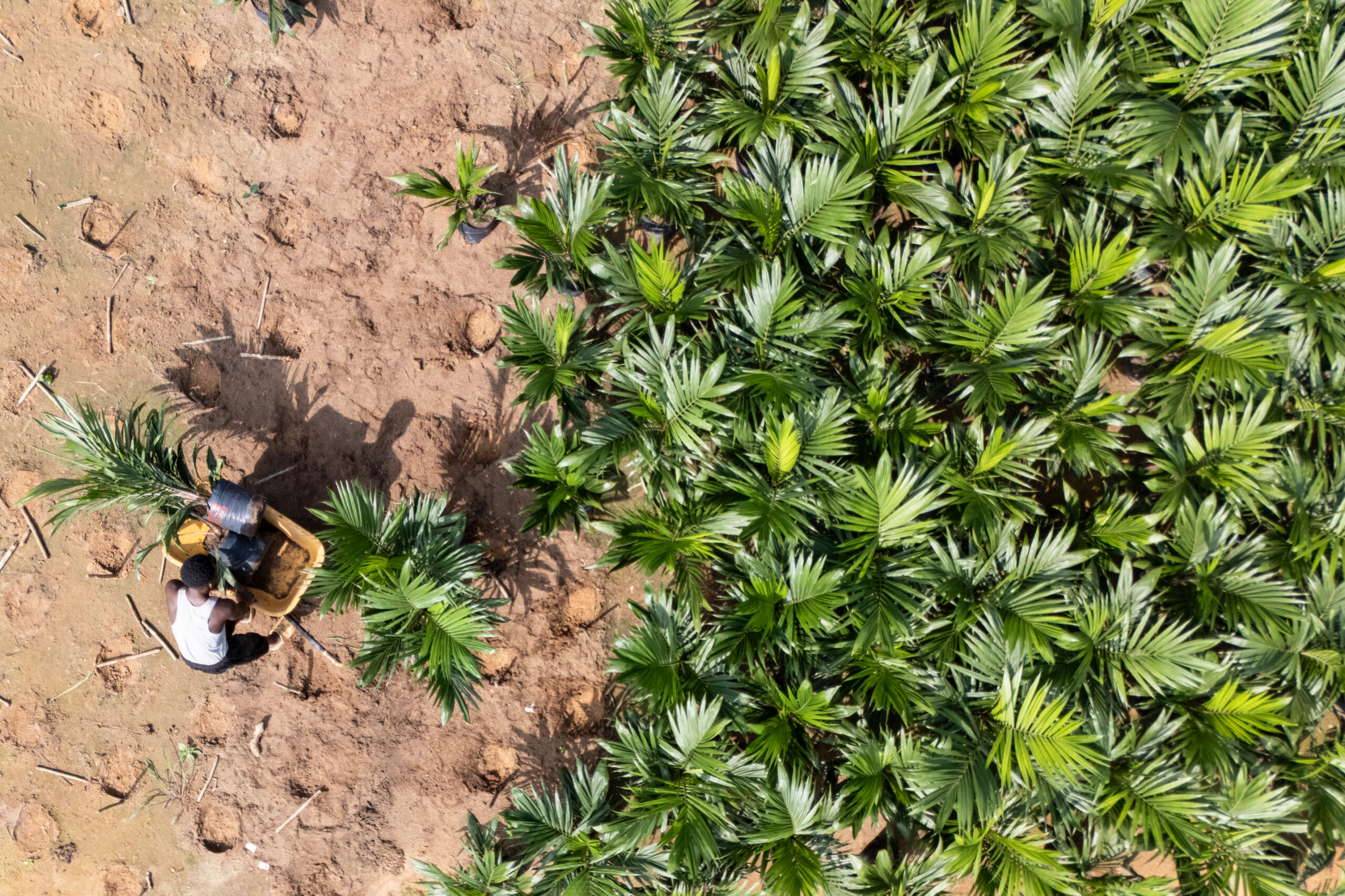
Youth cooperative members tend grafted avocado seedlings at the Rural Resource Center in Seko, where green jobs have created new livelihood opportunities. Photo by Eyob Getahun / CIFOR-ICRAF 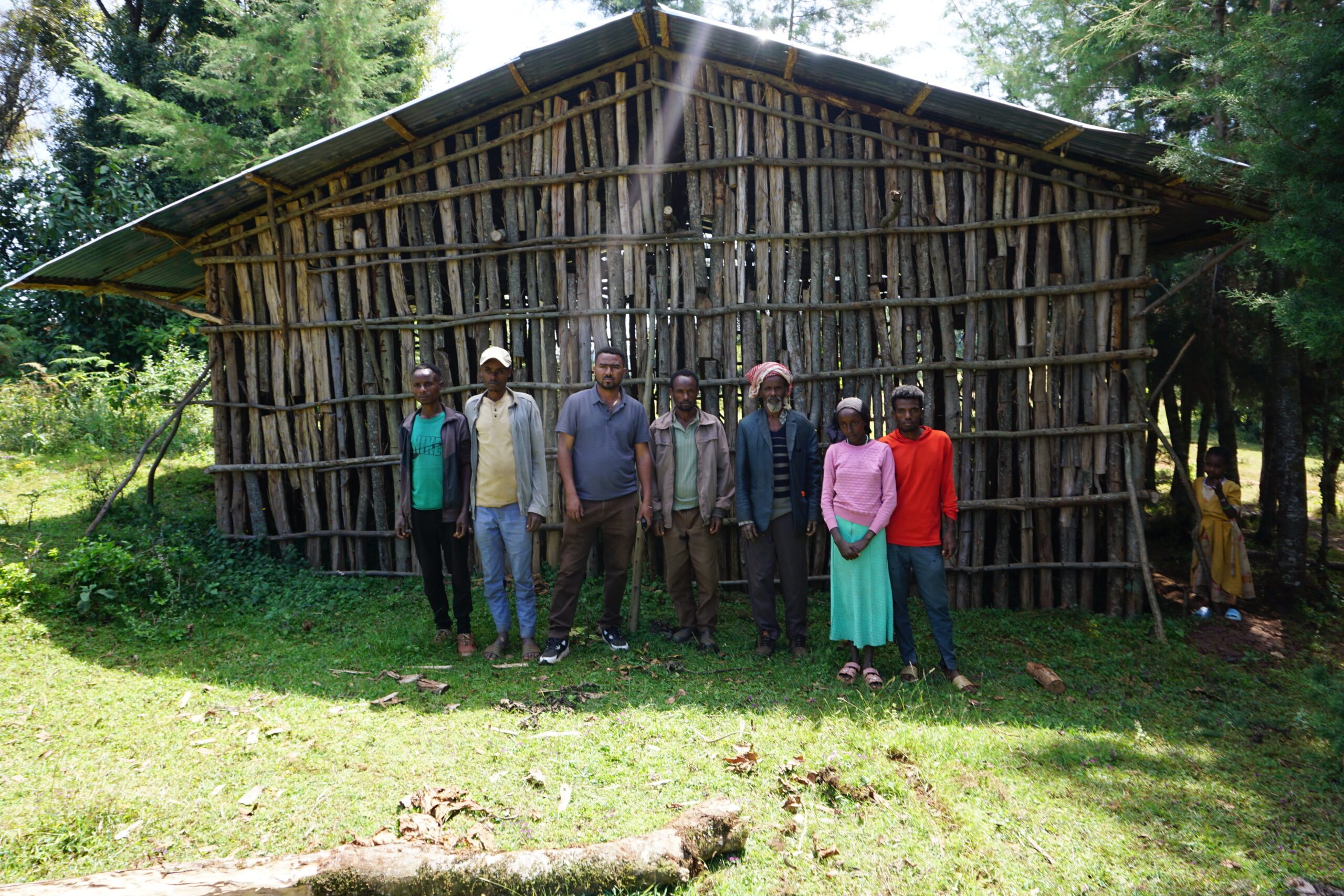
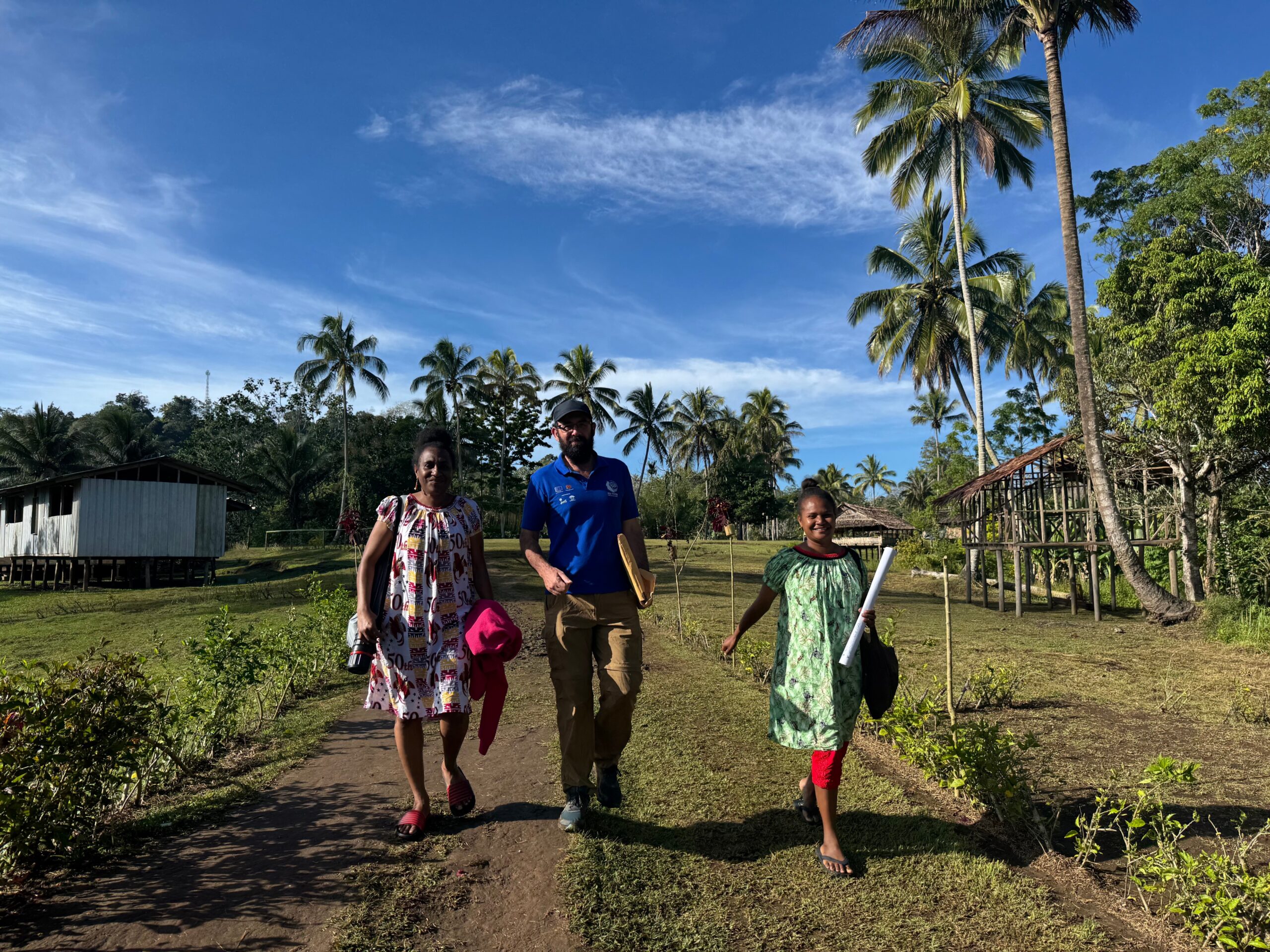
Members of the Lalistu Seko youth cooperative pose in front of a storage structure at the Rural Resource Center in Gechi District. Photo by Eyob Getahun / CIFOR-ICRAF 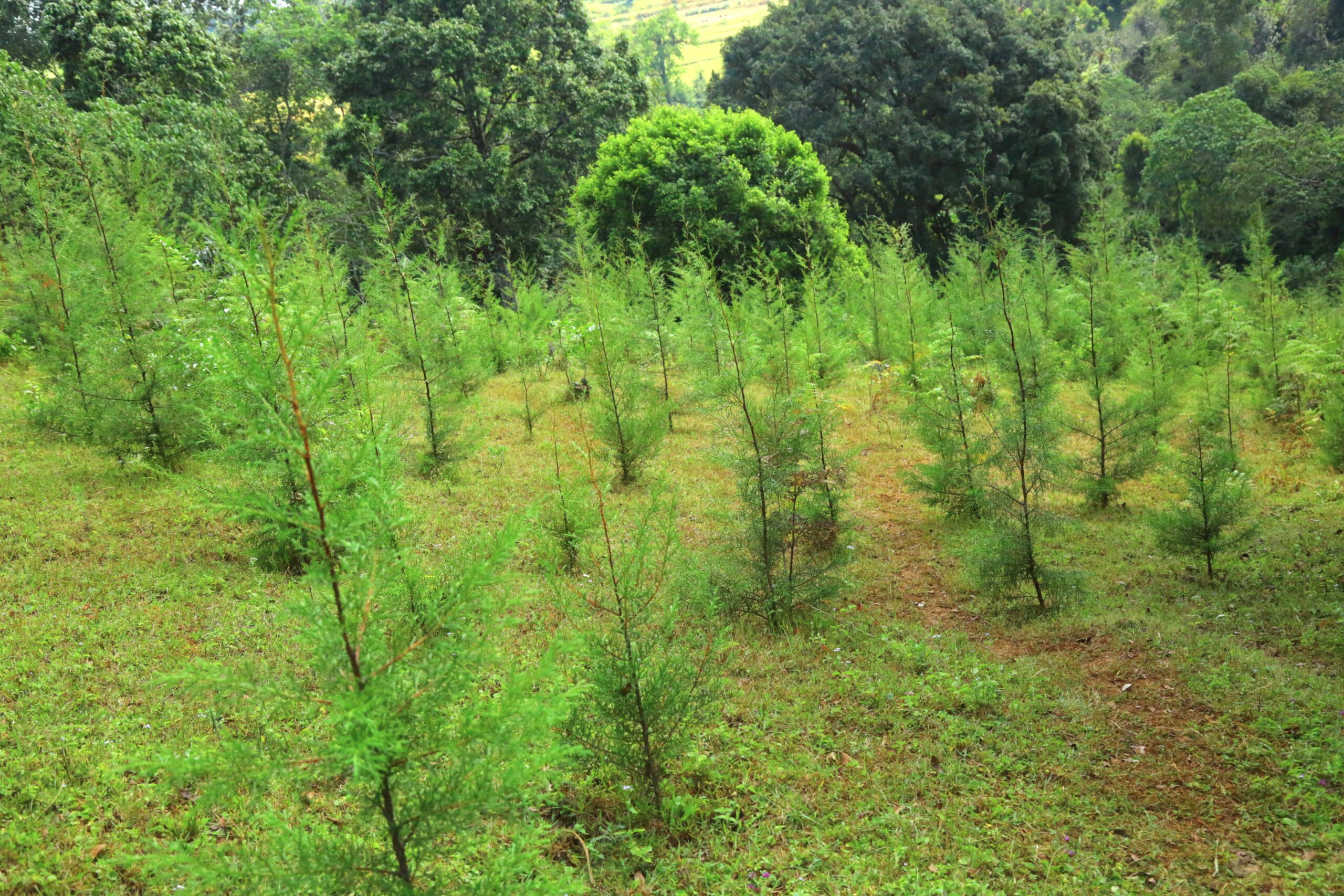
Cupressus lusitanica trees planted by the youth cooperative as part of a long-term investment in timber and sustainable income. Photo by Eyob Getahun / CIFOR-ICRAF
According to CIFOR-ICRAF Country Director Niguse Hagazi, the impact extends beyond employment.
“By creating green jobs, our project has transformed the lives of the youth working at the RRCs,” he said. “In addition to promoting agroforestry, the grafted avocado trees they produce have improved nutrition and increased farmers’ incomes.”
As the project comes to a close, its effects are already visible in restored landscapes, cooperative enterprises and young people who now see a future taking root.