




More than a decade ago, my colleagues and I reviewed the status of botanical pesticides derived from trees and other plant species in sub-Saharan Africa. We found that regulatory barriers and limited investment were holding back a promising sector.
Farmers across the continent had long relied on these plant-based solutions to protect field crops and stored produce from pests because they were affordable, locally available and effective. Nevertheless, they remained largely overlooked by policymakers, investors and industries.
Now, the landscape is changing. Africa’s biopesticides market, currently estimated at USD 195.98 million, is projected to grow to USD 320.3 million by 2031. This growth is driven by increasing demand for pesticide-free foods and products that comply with stringent pesticide-residue standards.
Despite this immense potential, many tree species with proven pesticidal properties remain underutilized. They are valued primarily for timber, fuelwood or environmental services rather than for the natural pesticidal compounds that they possess.
Neem trees contain natural compounds that help protect crops from a wide range of pests. Photo by Axel Fassio / Landscape Alliance
Among the best-known pesticidal tree species are neem (Azadirachta indica), violet tree (Securidaca longepedunculata), velvet-fruited zanha (Zanha africana), snake bean (Bobgunnia madagascariensis) and mukau tree (Melia volkensii). Widely used woody shrubs include fish-poison bean (Tephrosia vogelii), lemon bush (Lippia javanica) and bitter leaf (Vernonia amygdalina). Non-woody species with pesticidal properties include pyrethrum (Tanacetum cinerariifolium) and wild marigold (Tagetes minuta).
Long before the term “biopesticide” entered mainstream use, farmers across Africa were using many of these species to protect crops and stored produce.
Neem provides one of the most successful examples of how a pesticidal tree can be transformed into a commercially traded product. Compounds found in its seeds and leaves disrupt insect feeding, growth and reproduction. This makes it effective against a wide range of pests affecting cereals, vegetables and legumes. Other tree species and woody shrubs have also demonstrated pesticidal properties against a range of field and storage pests. Together, they highlight the diversity of tree and woody plant resources available for sustainable pest management.
Pyrethrum offers another important example. Although it is not a tree species, it can be incorporated into agroforestry systems and cultivated alongside trees in diversified farming landscapes. The natural insecticidal compounds found in its flowers have earned global recognition and supported a thriving commercial industry for more than a century. Today, pyrethrum remains one of Africa’s most successful plant-based pest control products.

The success of these species illustrates an often-overlooked opportunity. As countries seek to build tree-powered bioeconomies, tree-based biopesticides show how forests, trees and agroforestry systems can generate value beyond timber, fuelwood and other traditional products while contributing to more sustainable pest management.
Their contribution to pest management is particularly important because pests remain a major threat to agricultural production across Africa. They reduce yields in the field and destroy grain and pulses in storage. This undermines food security, farmer incomes and broader efforts to increase agricultural productivity. Important field pests such as aphids, red spider mites and diamondback moths can significantly reduce yields and increase production costs through crop damage and the need for repeated pest control interventions. In addition, storage pests, including larger grain borers, lesser grain borers, weevils, bruchids and flour beetles, also continue to threaten household food supplies and incomes.
Farmers have long responded to these challenges using pest management solutions derived from trees and other plant species. More than 70 percent of smallholder and subsistence farmers are estimated to use these practices because they are affordable, locally available and generally safer than synthetic alternatives.
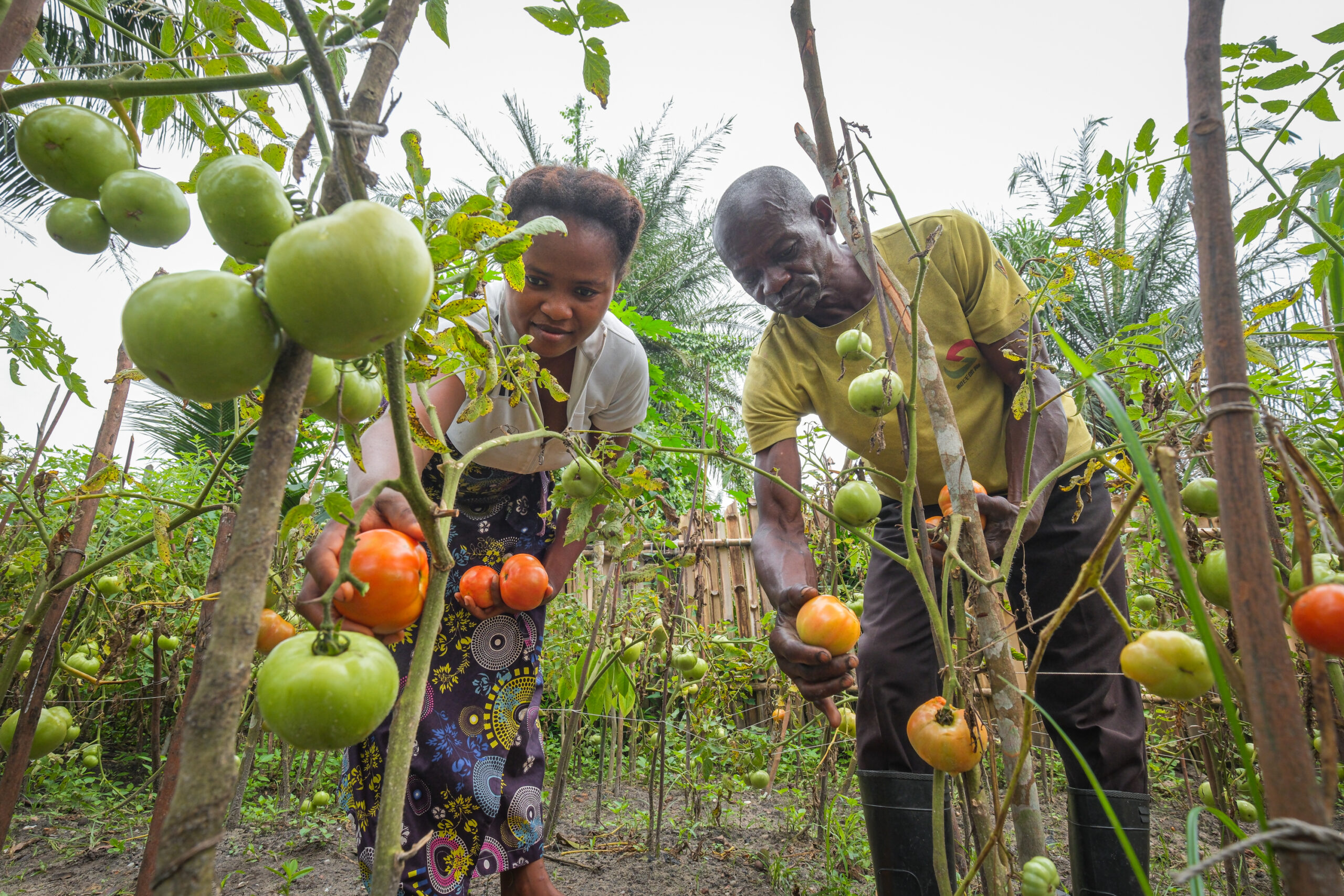
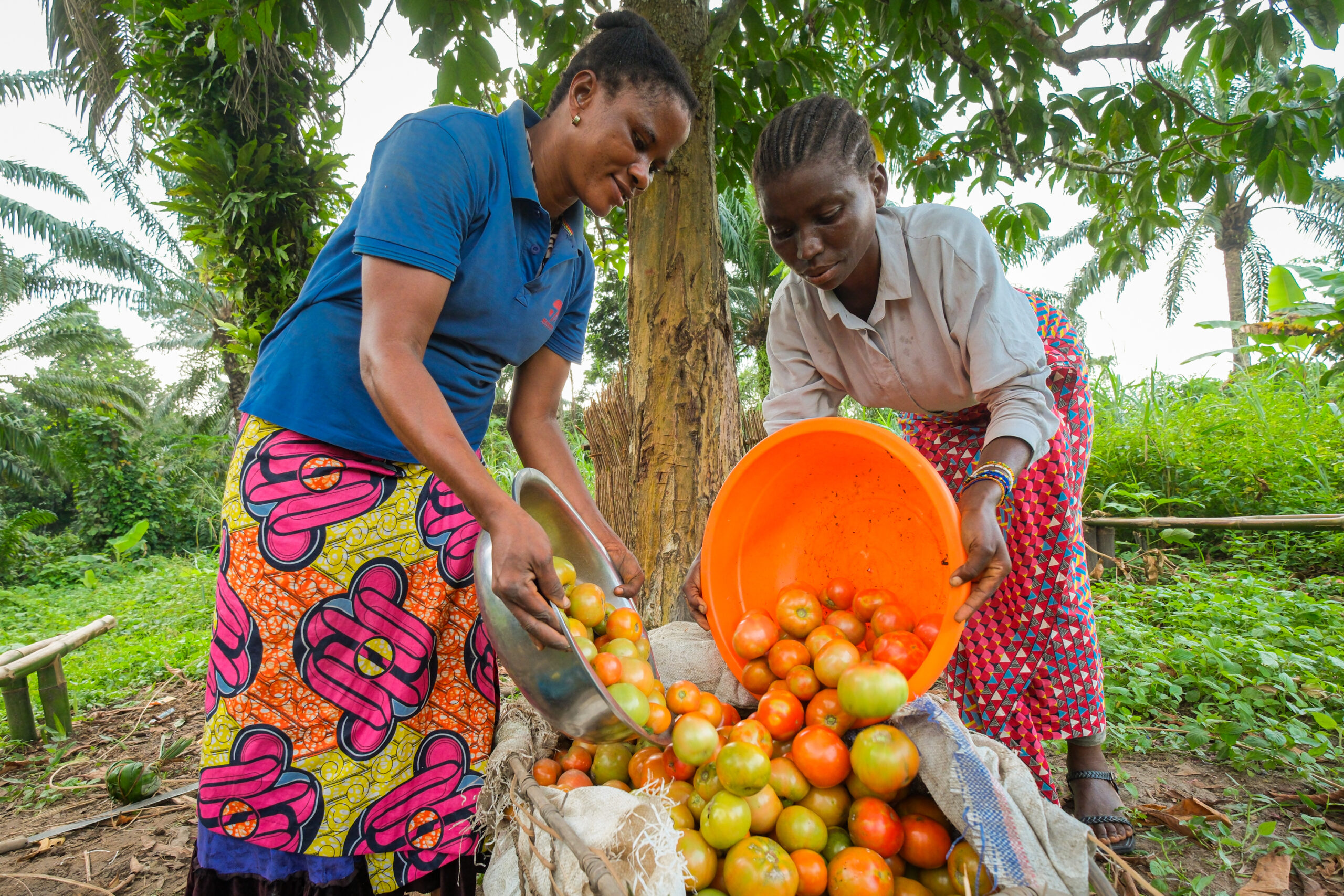
Despite this long history of use and growing market demand, tree-based and other plant-derived biopesticides remain significantly underutilised. Bringing these products to market requires rigorous evidence on efficacy, safety, toxicity, persistence and shelf life. Generating this information is expensive, and regulatory approval processes have often been difficult for small-scale innovators and enterprises to navigate.
Additional challenges arise because pesticidal properties can vary with climate, soil conditions and harvesting seasons. Such variability complicates standardisation, quality control, large-scale production and trade.
Progress has nevertheless been made. Regulatory frameworks in several African countries have evolved from restrictive systems towards more enabling and harmonised approaches. At the same time, market conditions are increasingly favouring botanical pesticides.
Exporters are increasingly required to comply with strict pesticide residue limits, particularly for products destined for European markets such as coffee, cocoa and fresh produce. Demand for organically produced food is also rising globally and indeed across Africa.
Taken together, these trends suggest that the conditions for wider adoption are stronger today than they were a decade ago. Yet, as researchers have observed, commercialisation continues to lag behind the growing body of evidence demonstrating the effectiveness of botanical pesticides.
Maize is among the staple food crops in Africa that are highly affected by pests on farms as well as during storage. Photo by Sarah Ooko/Landscape Alliance
Africa is home to a remarkable diversity of trees and plant species with proven pesticidal properties. Tapping into these native resources can help reduce crop losses, boost smallholder incomes, create green jobs and support sustainable agricultural intensification.
Realizing the sector’s full potential will require continued investment in research and product development, stronger value chains connecting producers to markets, investment in processing and manufacturing, and policies that encourage innovation while maintaining quality and safety standards.
The continent already has many of the ingredients needed to become a leader in plant-based biopesticides: rich biodiversity, extensive traditional knowledge, growing scientific expertise and expanding markets for sustainable agricultural products. With the right investments, partnerships and enabling policies, Africa can move from being primarily a user of crude botanical pesticides to becoming a producer and innovator in bio-based pest management solutions.