Young professionals and academics from Europe and China spent two weeks crisscrossing China’s Yunnan province in a travelling field laboratory designed to reshape how a new generation thinks about turning mountain biodiversity into sustainable livelihoods.
The Sino-Europe Young Leadership in Bioeconomy: Mountain Futures Summer School, held from 13 to 26 August 2026, took participants through Kunming, Jingning, Yuanjiang and Honghe. The programme used these locations as a living laboratory to compare how biological resources become food, medicine, fibre and income across different ecosystems and economies.
“Bioeconomies connect biodiversity, livelihoods and markets,” said Jianchu Xu, Landscape Alliance’s country director for China and a professor at the Kunming Institute of Botany, Chinese Academy of Sciences (CAS). “Their success depends on the health of the landscapes supporting them and on how benefits are shared.”
The summer school’s 20 selected participants came from institutions including the universities of Oxford in England, Bonn in Germany, Aarhus in Denmark and Santiago de Compostela in Spain. They worked alongside Chinese participants, mentors and local hosts. The programme was designed as a graduate-level field laboratory for leadership in mountain bioeconomies.
“We approach bioeconomies through the relationships between biodiversity, people and landscapes,” said Xu. “We ask how biological resources can support livelihoods and businesses while maintaining the ecological systems that make those activities possible.”
A vendor arranges fresh vegetables at Zhuanxin Farmers’ Market in Kunming, Yunnan province, China. Photo by Daniel Rozeik / University of Bonn.
From biological resources to market value
Participants used the “Five Fs” – food, flowers, fungi, fibre and formulations – as entry points into one interconnected bioeconomy rather than treating them as separate industries. Working in five teams, they each traced a biological resource from soil and forest to factory floor and retail shelf, asking at every stage who creates value, who benefits and who bears the risk.
The “Four Rs” – restoration, recreation, recycling and resilience – offered another way to assess whether an economic pathway helps repair ecological damage or simply extracts further value. That framework is aligned with the Kunming-Montreal Global Biodiversity Framework.
That shared structure helped bridge disciplines, said Cory Whitney, a senior scientist at the University of Bonn’s Institute of Crop Science and Resource Conservation, who served on the summer school’s scientific steering committee. It gave every team a common framework for discussion, he said, allowing “a biotechnologist and a policy researcher to debate the same case with the same vocabulary.
“Diversity was a strength for the course, for sure. We had everyone from lab-based scientists to policy-oriented researchers.”
Cory Whitney, senior scientist at the University of Bonn’s Institute of Crop Science and Resource Conservation
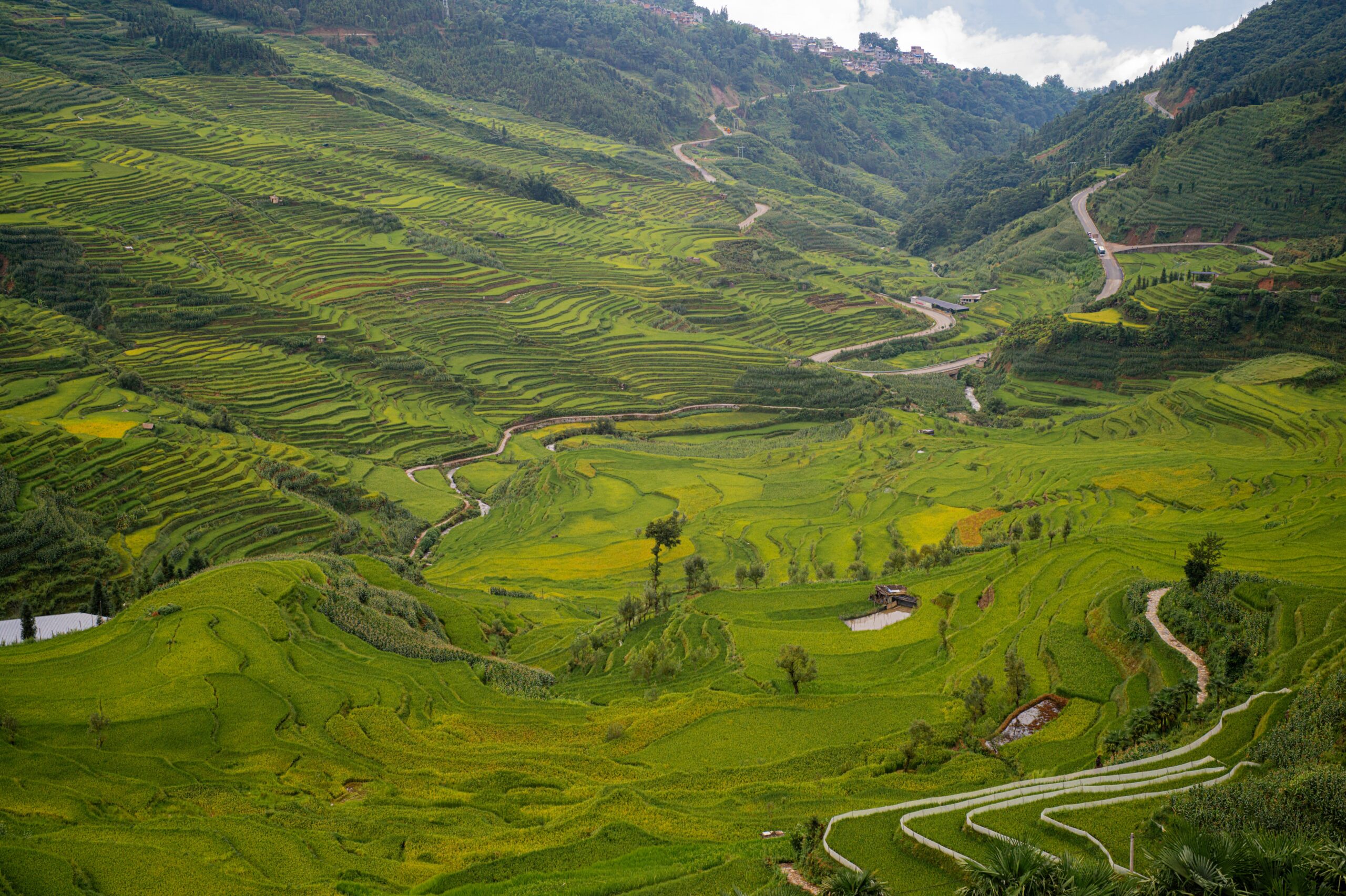
Students toured Botanee Group’s skincare facility in Jingning, the district’s cut-flower industry and a lake-restoration project at Dianchi. They compared wild-harvested mushrooms at a Kunming market with cultivated production at a biotech facility, studied aloe processing in Yuanjiang’s hot, dry river valley and visited a Calotropis natural-fibre initiative in Honghe that is exploring whether textile production can help restore degraded land. The programme concluded at the UNESCO-listed Hani Rice Terraces, where centuries-old Indigenous water-management practices sustain farming and local culture.
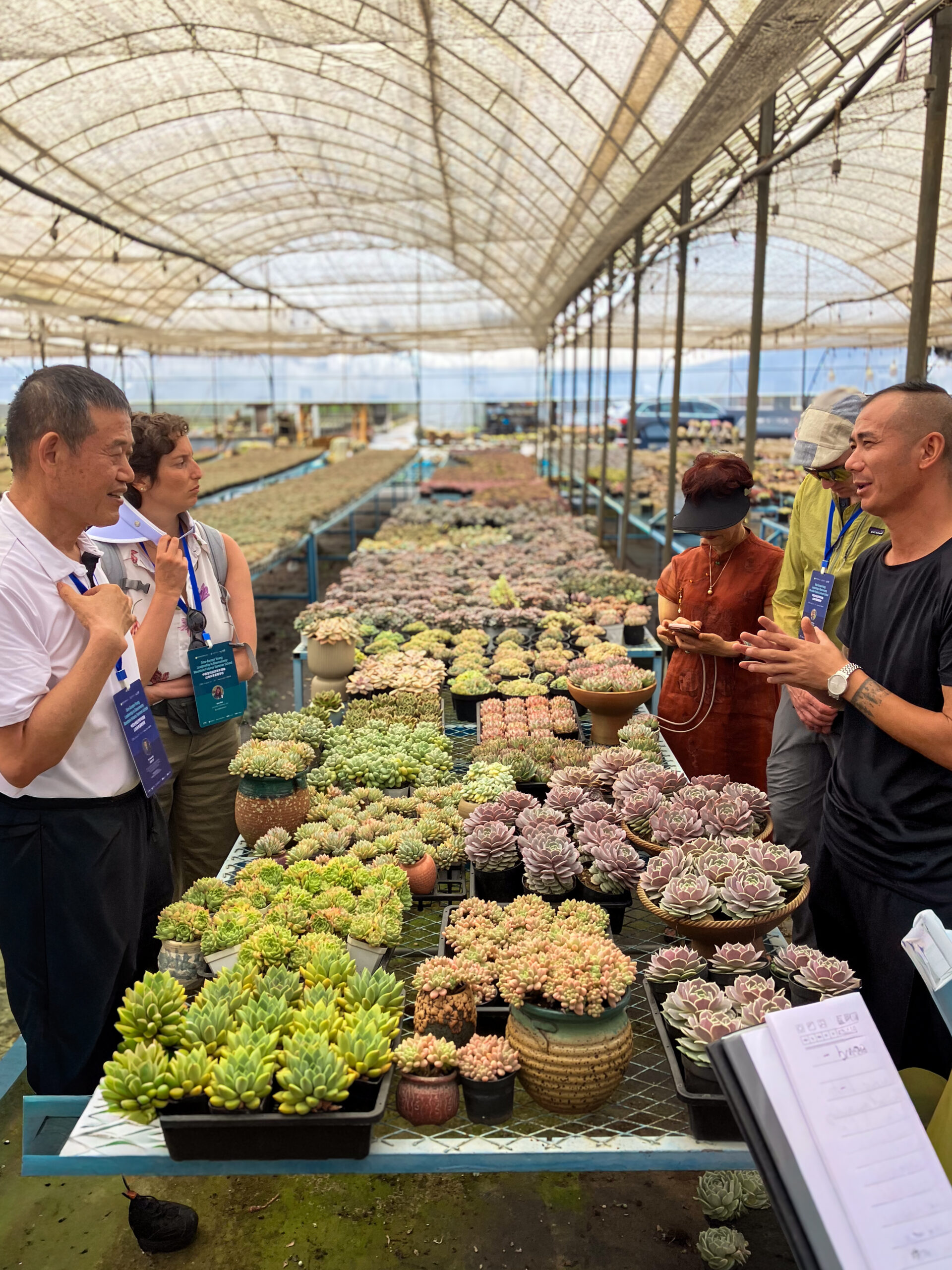
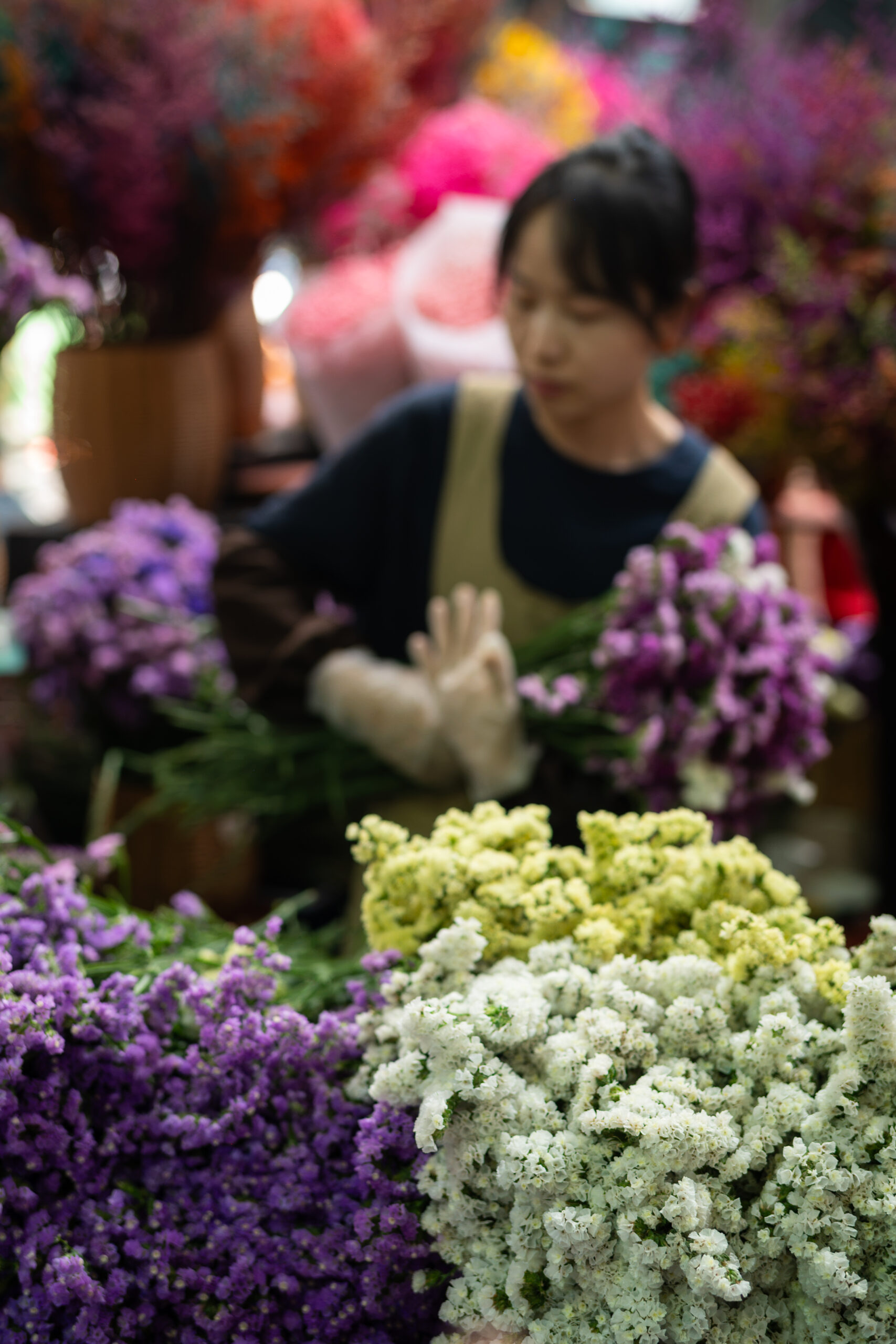
Photo by Daniel Rozeik / University of Bonn.

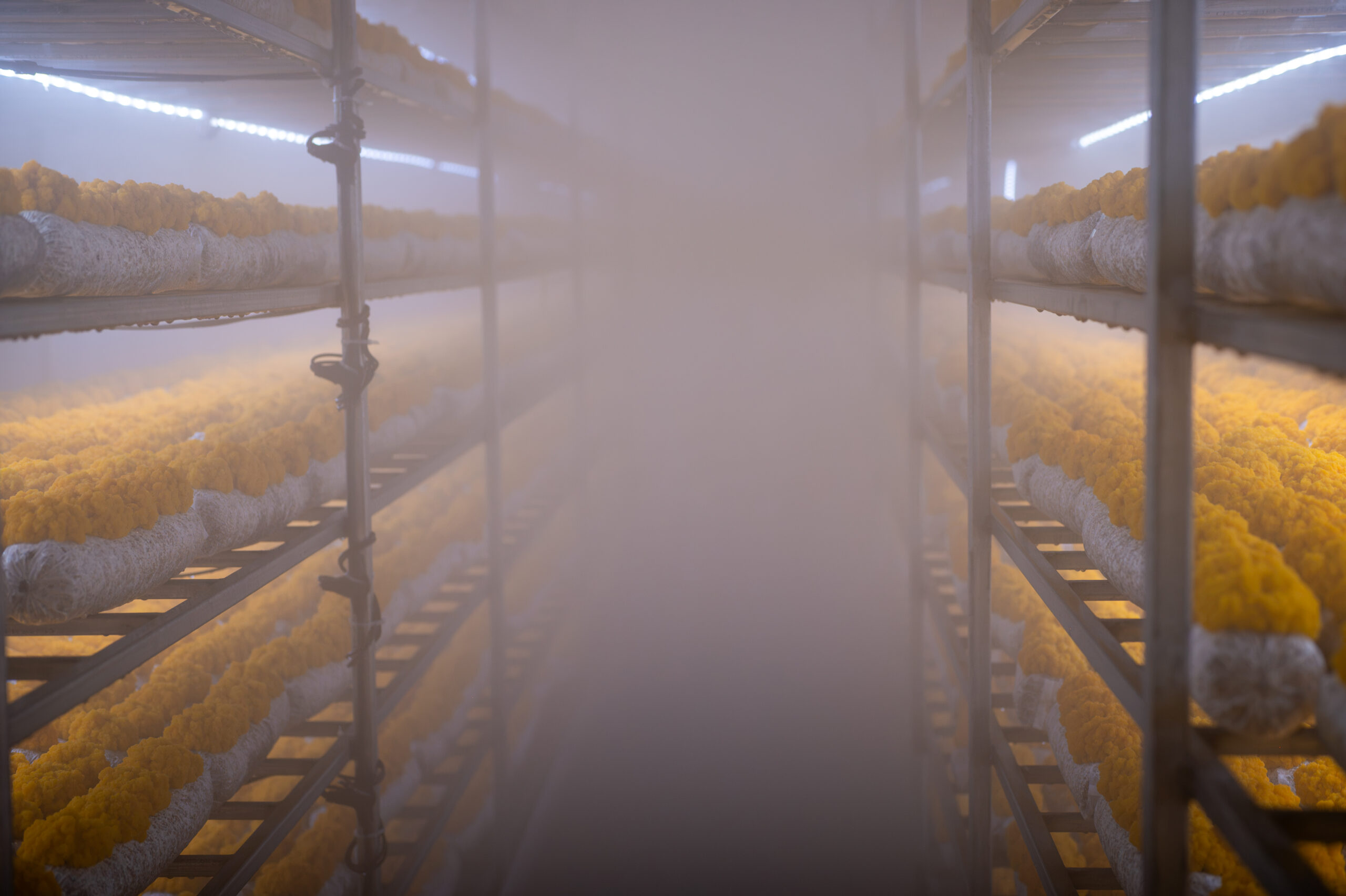
Photo by Daniel Rozeik / University of Bonn.
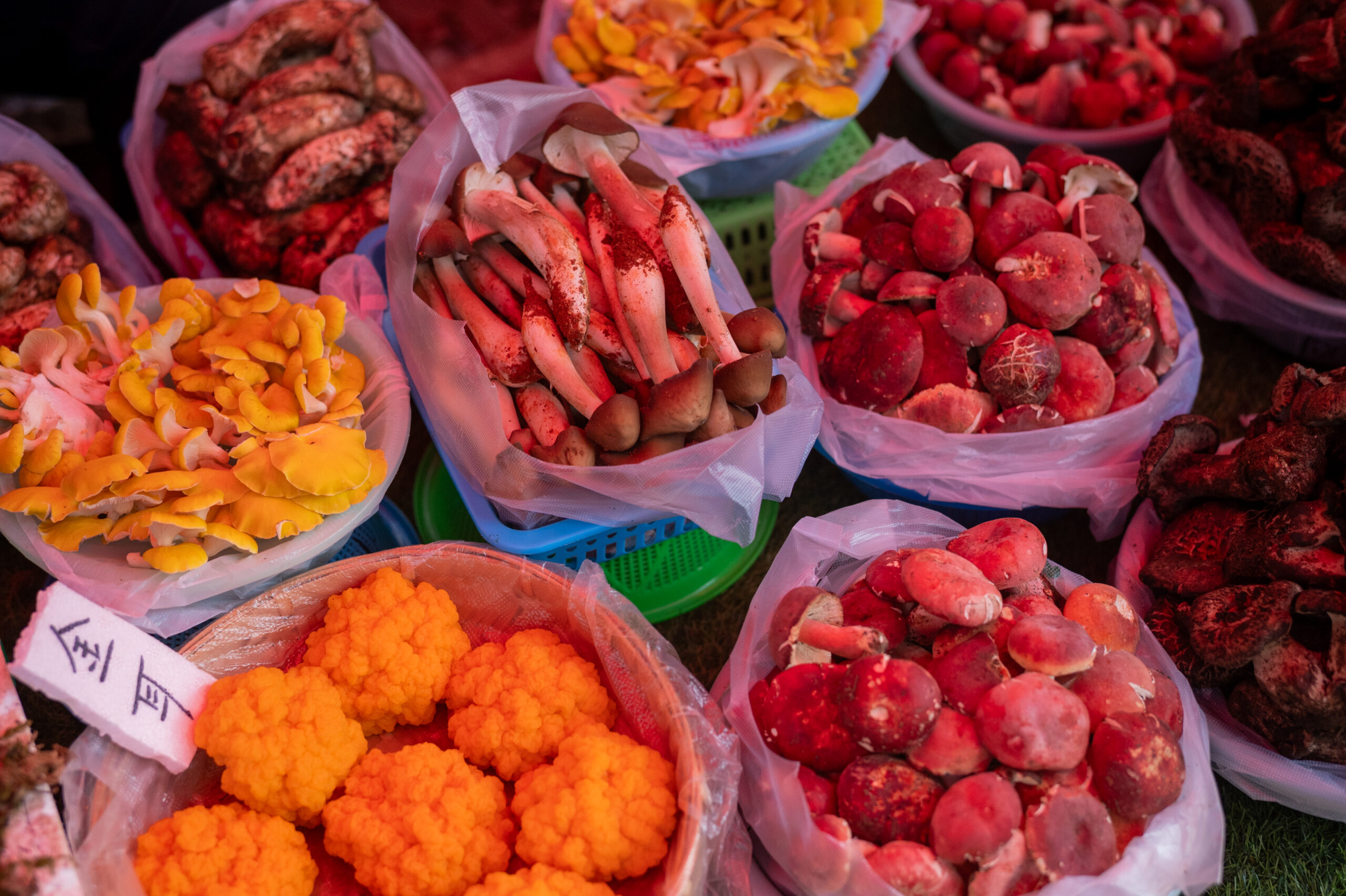
Photo by Daniel Rozeik / University of Bonn.
Chinese supply chains, from the colourful Dounan flower market to Yunnan’s mushroom trade, offer concrete cases for testing how value, risk and return are distributed, organizers said, while Europe contributes stronger frameworks for environmental assessment and circular-resource policy, including the EU’s Bioeconomy Strategy.
Both sides face the same core tension, said Xu: making bioeconomy enterprises commercially viable while protecting biodiversity and ensuring smallholders aren’t squeezed out.
Zhang Liang Flowers, Farmers’ Flower Association, Jingning. Photo by Daniel Rozeik / University of Bonn.
The framework applies well beyond mountains, added Whitney.
“The core questions we asked at every site – is the resource base regenerative? Is value distributed fairly? Is governance legitimate? – are general decision questions, not mountain-specific ones,” he said. “What is mountain-specific is the intensity of some trade-offs: steep terrain, isolation, strong Indigenous knowledge systems, high biodiversity. The framework travels even where the exact answers change.”
After seeing wild and cultivated systems side by side, particularly in mushroom production, participants “reframed how they think about complementarity rather than competition between traditional and industrial approaches,” said Whitney.
“The main shift I saw was in how they see mountains: not only as ecosystems to protect or resources to use, but as living systems where nature, knowledge, people, and economies are closely connected.”
Building partnerships for mountain bioeconomies
The summer school was organized by the Kunming Institute of Botany in partnership with the Mountain Futures Initiative, launched in 2016 by the institute alongside the Chinese Academy of Agricultural Sciences, Landscape Alliance, the UN Environment Programme, the Food and Agriculture Organization of the United Nations (FAO) and the International Centre for Integrated Mountain Development. The University of Bonn, a long-standing Landscape Alliance partner, was another key organizer.
Its success demonstrated the value of strong partnerships, which are crucial to the work of the Landscape Alliance, said Anja Gassner, CIFOR’s Bonn-based director for Europe, who leads the implementation of the Landscape Alliance in Europe. The value of these partnerships was also evident in the exchanges between summer school participants, she added.
“Their knowledge exchanges and collaborations on approaches to bioeconomies across biological resources, environments and locations show us what is possible through partnerships,” said Gassner.
The summer school project is one strand of Landscape Alliance‘s broader work to connect biodiversity conservation with viable rural economies, including those across the world’s mountain regions.
The approach also widens what counts as a forest-based bioeconomy, said Xu: not just timber, but non-timber products such as fungi and botanical ingredients, and the soils, water and local knowledge behind them – themes central to Landscape Alliance’s work on forests, trees and agroforestry.
Including mountain communities in the bioeconomy
Xu is also pressing bioeconomy thinking to include the roughly 500 million people living in the world’s mountains, most of them Indigenous Peoples or members of local communities (IPLC).
In a paper published in Frontiers in Environmental Science in August 2026, Xu and co-author R. Edward Grumbine argue that no country yet has a bioeconomy plan specifically addressing mountain-dwelling IPLC.
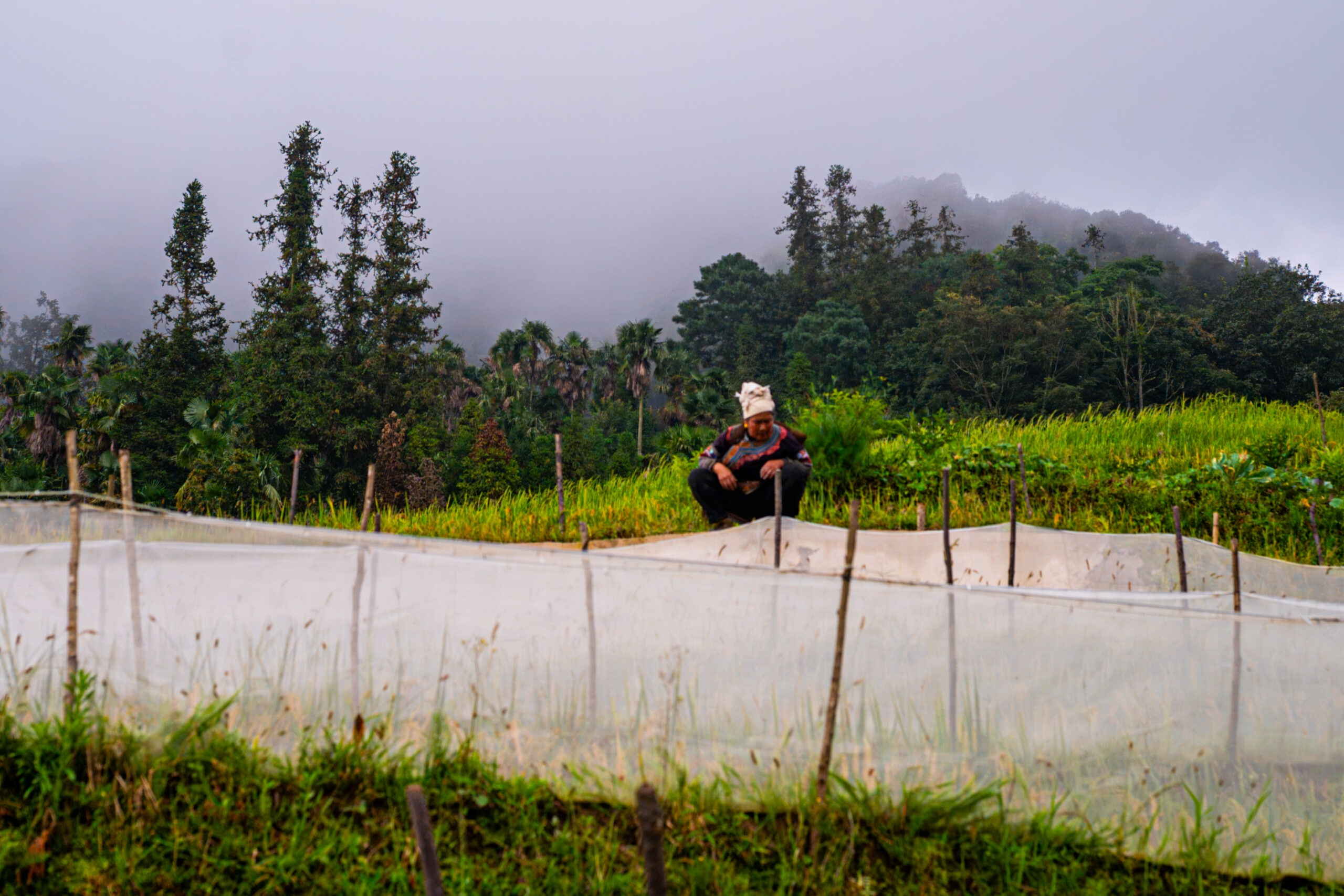
The authors identify several barriers, including weak land-tenure rights, limited institutional funding and decision-making processes that still happen for, rather than with, mountain communities. According to the paper, IPLCs formally control just 11 per cent of the lands they inhabit.
The paper proposes widening the bioeconomy concept to include seven overlapping sectors: biodiversity protection, biocultural conservation, circular-economy practices, biotechnology, digital integration, sustainable fair trade, and social equity and justice.
The summer school focused more on enterprise value chains than on land rights, but both workstreams share a premise: value creation and ecological and cultural integrity must be assessed together, rather than traded off against each other.
Organizers see the summer school’s work feeding into wider conversations, including the Global Bioeconomy Summit 2026 in Dublin, organized in partnership with the Global Landscapes Forum.
Xu concluded: “Ultimately, the success of bioeconomies should be measured by the value they create for people and by the health of the landscapes that sustain them.”