


Since the COVID-19 pandemic, the world has been on alert for “Disease X” — the spillover of a virus from animals to humans that could trigger the next pandemic. Much of this attention has focused on the risks of consuming meat from wild animals, with more than one-third of the scientific papers ever published on the topic dating from the past five years. Meanwhile, Africa and Asia have seen a rise in campaigns to blanket-ban the trade in meat from wildlife.
Accurately assessing the health risks linked to wild meat is therefore critical. If the risk is underestimated, the consequences for public health could be severe. If it is overestimated, bans on wild meat consumption could undermine food security for millions of people across the tropics and beyond, fuelling malnutrition and poverty while disrupting cultural practices and traditions.
So how well is the global community assessing and communicating these risks?
A review of existing data and literature by scientists from the University of Kent and the Center for International Forestry Research and World Agroforestry (CIFOR-ICRAF) suggests there is significant room for improvement. Notably, in terms of defining and quantifying the risk; comprehending the exposure of given populations through meat supply chains; and avoiding the misuse of global health arguments to justify strict wildlife conservation practices that, so far, are not rooted in evidence.
“Given the importance of the topic and the global attention it is attracting, coming into the field I was very surprised to learn just how much we don’t know, and how inconsistently we use of crucial words like ‘pathogen,’ ‘infection,’ and ‘zoonotic disease’ in scientific reporting,” says lead author of the study Natalie Yoh, from the Durrell Institute of Conservation and Ecology in Kent.
The paper, which starts by providing a glossary, calls for clear and consistent definitions of zoonotic terms across studies to enable better comparison. It also urges researchers to consider the disease risks of meat within the broader context of food safety and animal husbandry, which heavily influence the chances of a spillover from both domestic and wild meat.
Finally, the authors call for transparent communications that foster trust between wild meat consumers and institutions. Where messaging is perceived to prioritize wildlife protection over people’s access to food, income, and culture, they say, populations are likely to disengage from future health education campaigns, leading to lasting damage.
A hunter transports wild boars on his motorbike in Honitetu village, West Seram Regency, Maluku Province, Indonesia. Photo by Ulet Ifansasti / CIFOR-ICRAF
Scientific challenges
Risk mapping depends on close collaboration across disciplines, from doctors and veterinarians to social scientists and conservationists. However, working across sectors is made more difficult by a lack of shared language. For example, the researchers found a great deal of discrepancies in how core terms such as ‘zoonosis’ are used by different authors —an issue compounded by the fact that many studies fail to explain how they define these terms.
Another challenge is identifying which infectious agents truly pose a risk to human health.
Scientists rely on a range of methods, from tracing known human infections back to animal hosts to screening viruses, bacteria and parasites in wildlife, but each approach has limitations. Some may miss infections that go undetected, while others may overstate risk by identifying agents that are unlikely to infect people or cause disease.
Also, studies do not always take into account how pathogens are transmitted or whether people are likely to be exposed at all. According to the authors, each approach comes with its own blind spots, making it essential for researchers to clearly flag limitations to avoid miscommunicating health risks.
“We hope our work encourages researchers across disciplines to think more critically about what the evidence really shows and how best to present it,” says project lead Daniel Ingram of the Durrell Institute.
Risk in food systems
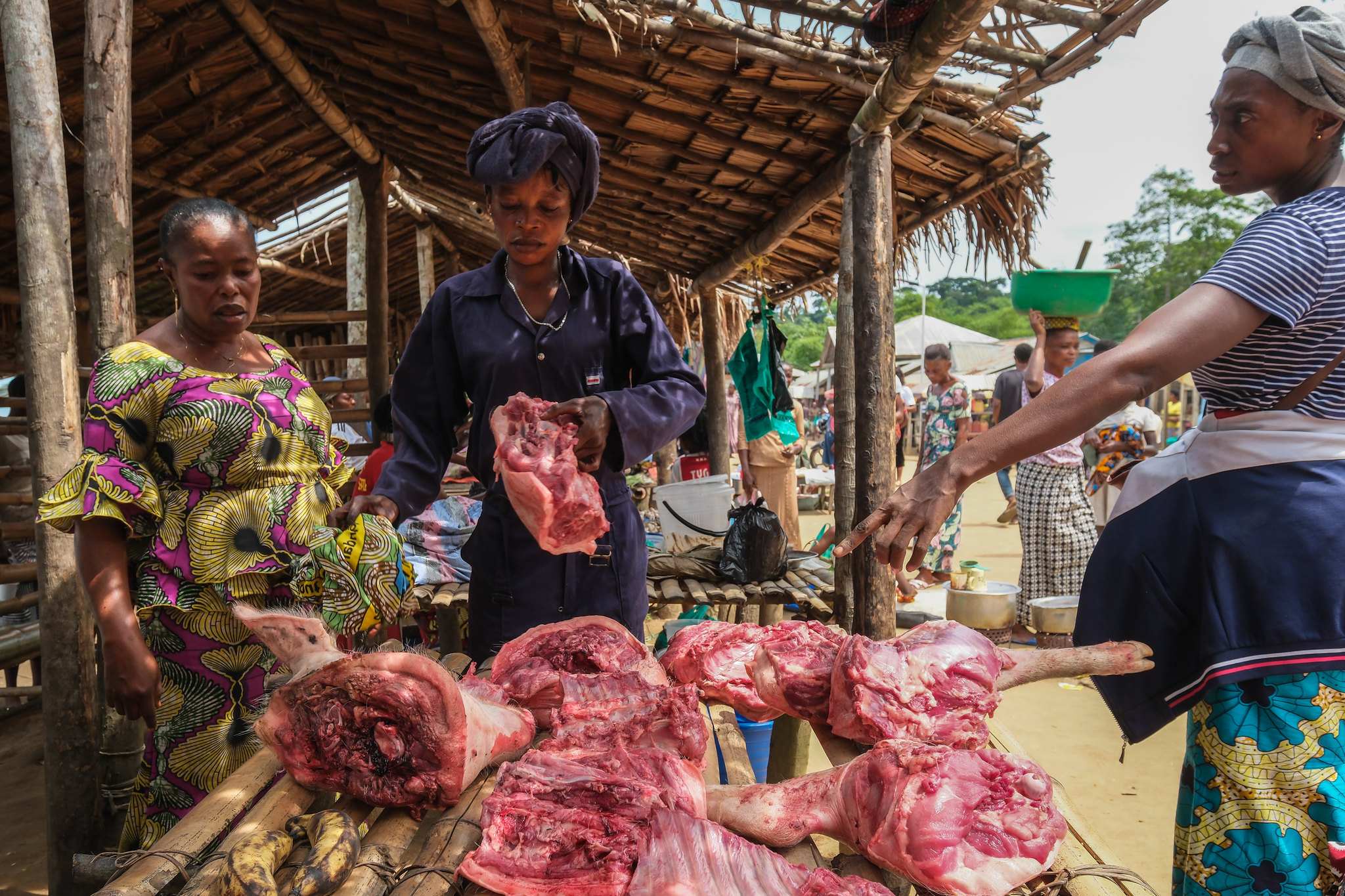
While research on zoonoses tends to focus on the spillover of viruses from wild meat in tropical regions, all meat is potentially dangerous to human health depending on factors like animal health and meat storage and handling, say the authors.
That means that high-income countries, which rely on industrial livestock production, are not immune to disease risk in meat supply chains. Meanwhile, zoonotic diseases endemic in developing countries often receive little international attention, as does the importance of wild meat for millions in rural areas around the world.
For example, foodborne diseases cause around 600 million cases of illness worldwide each year, but they are rarely the focus of media or research attention.
“People who advocate for the banning of wild meat consumption don’t always consider the impact it could have on people’s health and food security, and whether domestic supply chains for meats like pork or poultry are accessible or safer in all contexts,” points out Yoh. “Investing in safe food-handling everywhere would be an important first step to reduce spillover risk.”
Next steps
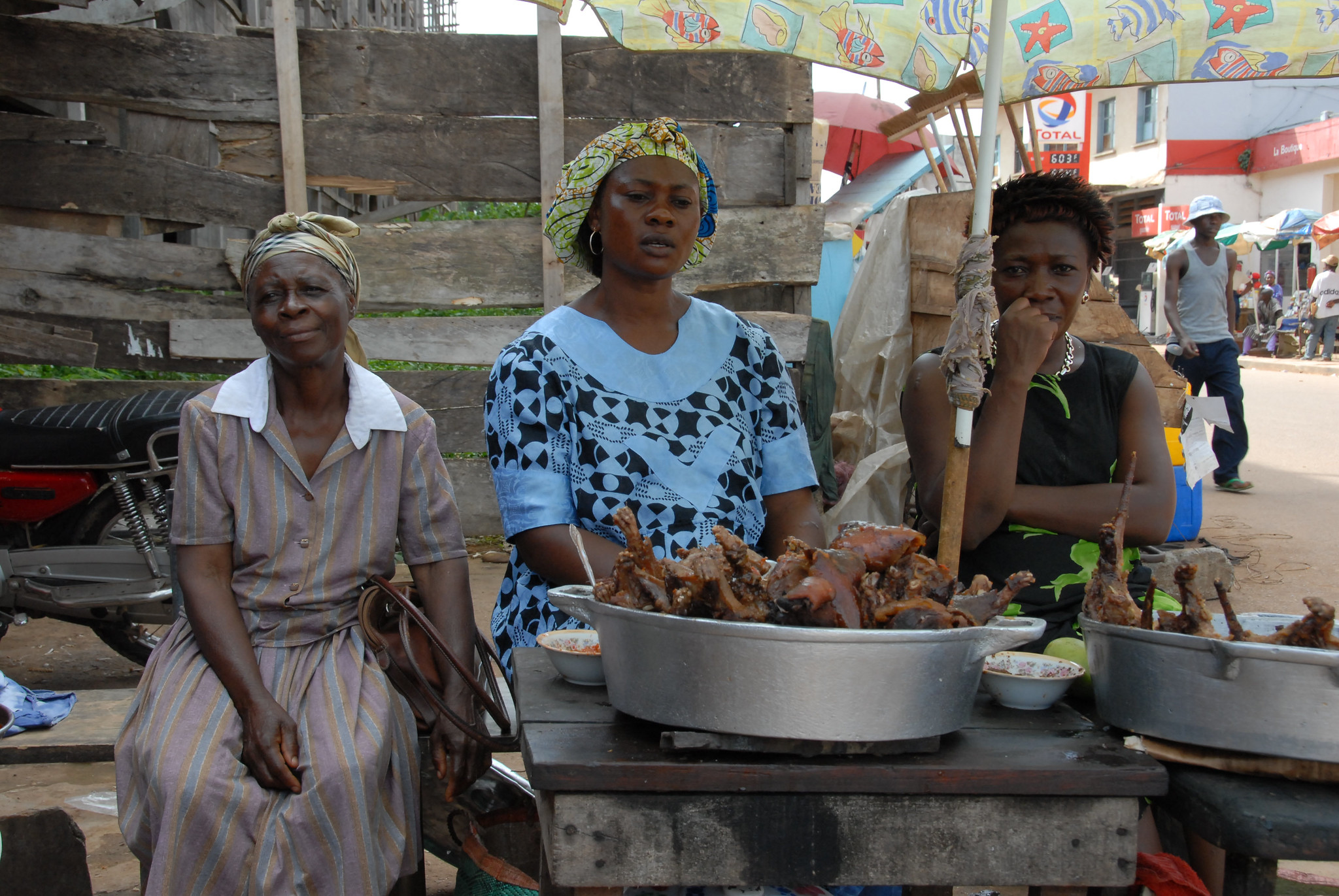
The researchers are now analysing market data from ten countries across Central and West Africa to compare the health risks linked to wildlife sold for food against domestic animals used for food. Their goal is to better understand where risks already exist within food systems and how they can be managed more effectively.
“Wild meat consumption is a sensitive issue for many people, whether because of health concerns, conservation, animal welfare, or cultural values,” says Ingram. “We must consider all of these perspectives to design policies that are fair and balanced.”