


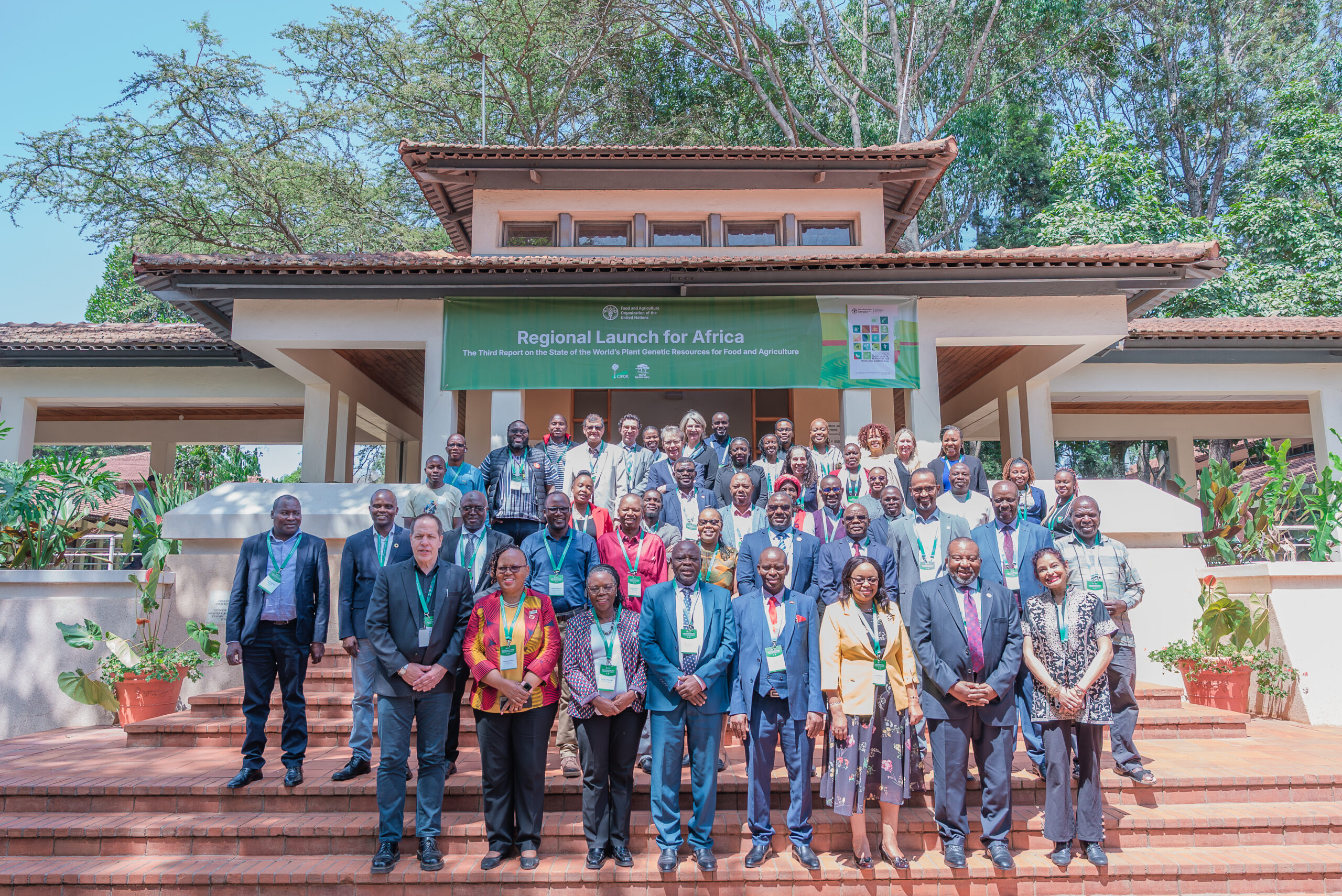
Africa’s vast and diverse plant genetic resources, essential to feeding millions of people now and in future, is disappearing amid threats from climate change and inadequate support for their conservation and use, experts warned during the Africa Regional Launch of the Third Report on the State of the World’s Plant Genetic Resources for Food and Agriculture.
The landmark report – produced by the Food and Agriculture Organization of the United Nations (FAO) – shows significant deficiencies in how the continent conserves and uses its diverse plant species crucial to crops and food security. Urgent action is therefore needed to halt and where possible, reverse losses, experts said during the event held 12 February 2026.
“This report shows clearly that Africa is losing plant genetic diversity at a pace that threatens food security, nutrition and the overall resilience of agrifood systems,” said Chikelu Mba, deputy director of FAO’s Plant Production and Protection Division (NSP).
“Crop diversity, including farmers’ varieties or landraces, wild food plants and the genetic relatives of major crops, is essential for developing progressively improved crop varieties needed to climate-proof the continent’s agrifood systems, he added.
“Yet many of these resources are disappearing faster than they are being protected.”
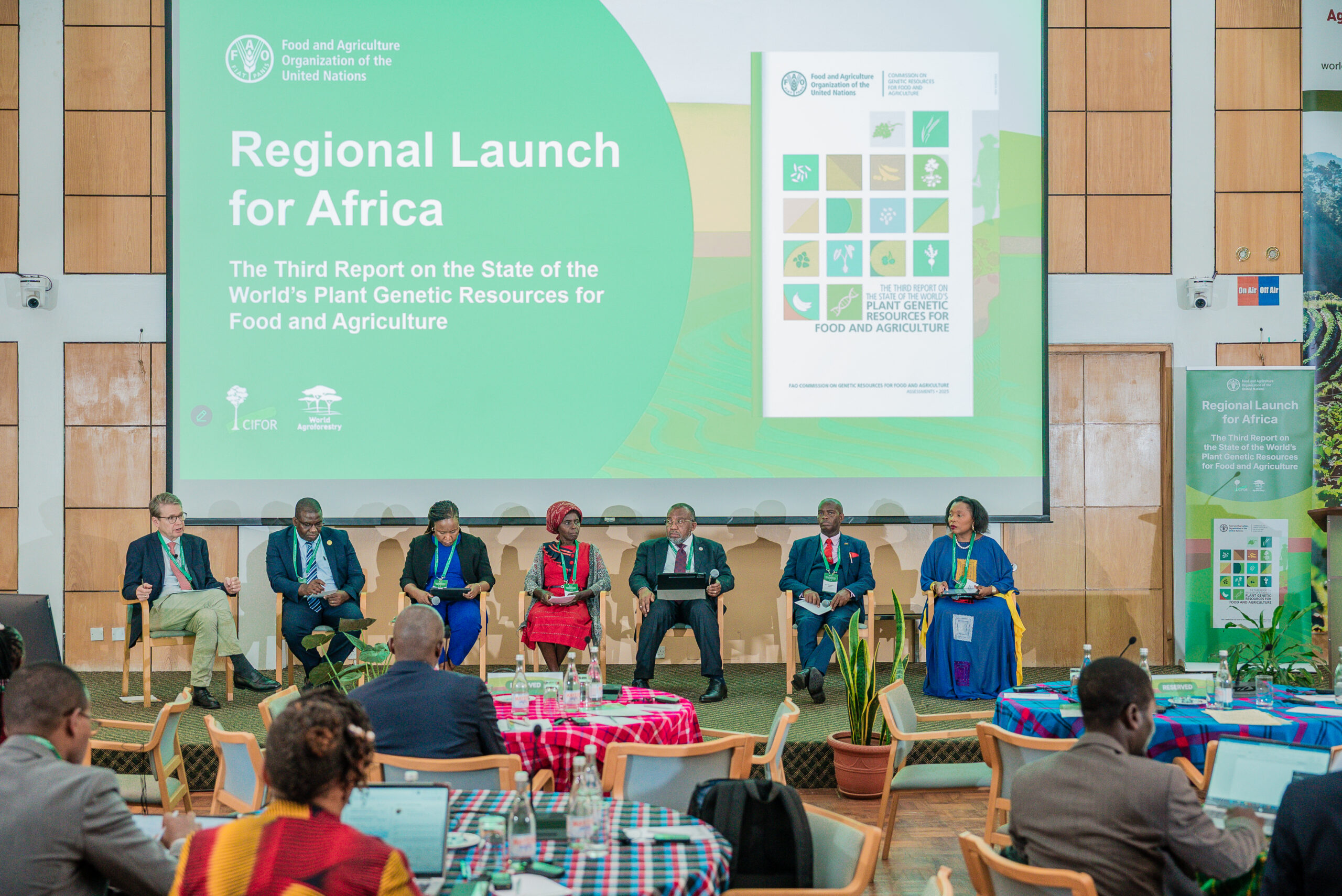
Experts at the event urged policy actions and technical measures to fill gaps in the conservation and use of plant genetic resources for food and agriculture (PGRFA). Long-term financial stability for genebanks and investments in scientific and technical capacity, robust information systems, national action plans and stronger back-up and storage were emphasized as solutions for the long-term protection of these valuable genetic resources. Surveys of PGRFA are needed to understand the immense genetic diversity available. Better integration across land uses and stronger coordination and knowledge sharing among national and regional agencies, farmers and experts was underscored.
Policy priorities
Africa faces an above average level of threat to plant genetic diversity amid harsh challenges: land degradation, biodiversity loss, population growth, numerous global crises and conflicts. With 40 percent of the world’s population – more than 3.1 billion people – facing hunger, PGRFA must be protected for future generations, the report said. In sub-Saharan Africa, for example, about 16 percent of more than 12,000 of distinct, locally adapted crop varieties recorded across 19 countries were found to be threatened, narrowing farmers’ options as climate extremes, such as droughts and heat, intensify.
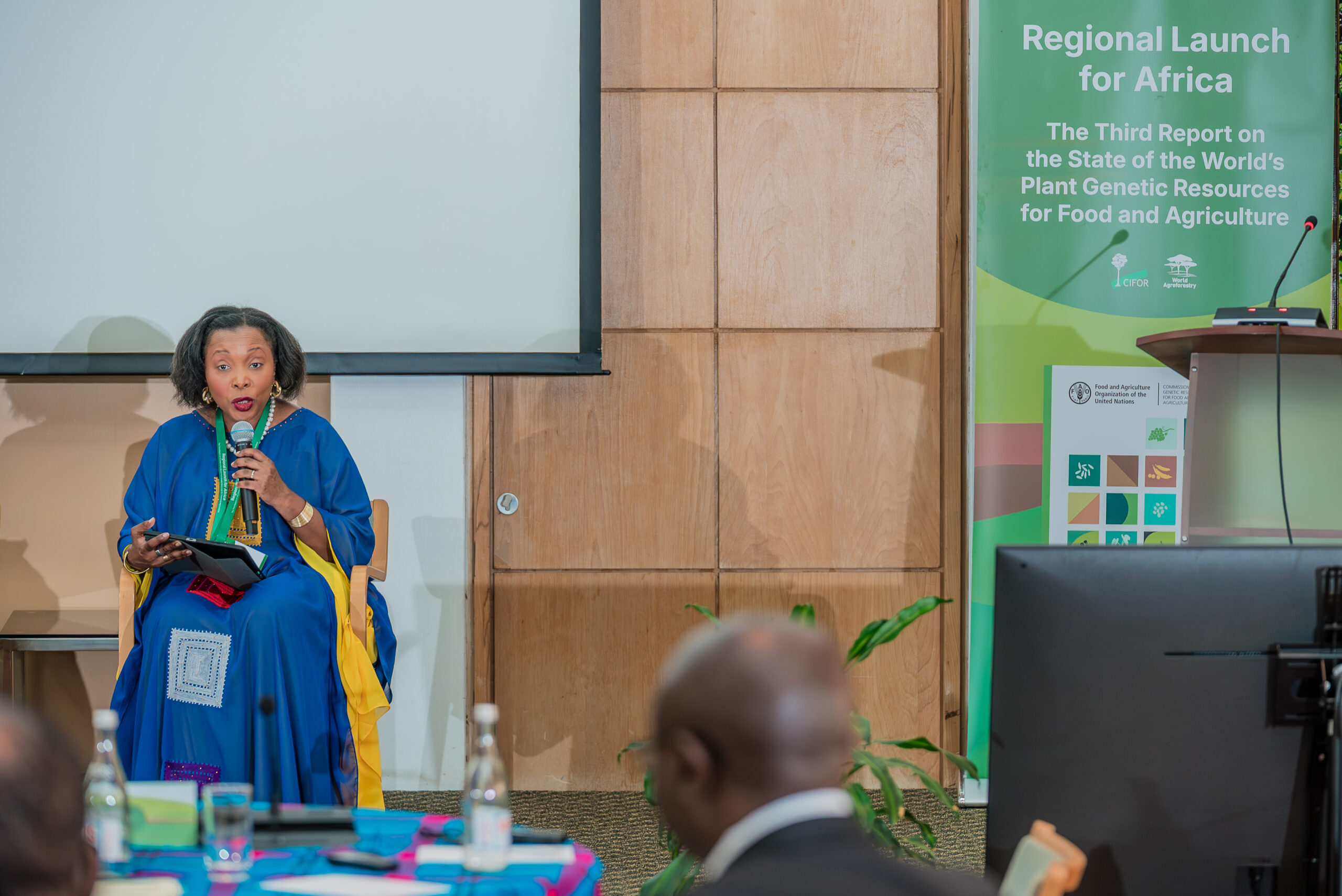
Sharp declines in wild food plants, which provide essential nutrients and act as safety nets for vulnerable populations during times of food scarcity, were also reported. “Africa’s food security and nutrition depend on the widest possible diversity of crops, trees and wild plants that farmers and communities have relied on for generations. As climate change accelerates, losing this diversity means losing the very options that allow agriculture to adapt,” Éliane Ubalijoro, chief executive officer for the Centre for International Forestry Research and World Agroforestry (CIFOR-ICRAF), said during the morning session focused on conservation and sustainable use of genetic resources.
“Today’s launch is more than the release of a report. It is a moment to collectively face a fundamental reality: our ability to feed Africa in a changing climate depends on the diversity we choose to conserve today,” said Ubalijoro.
The comprehensive report draws on data from 128 countries, four regional centres and 13 international centres from 2011 to 2022, with contributions from more than 1,600 experts. It examines the status of conservation of PGRFA, on-farm management, sustainable use and human and institutional capacities to protect these resources.
Those capacities are often stretched too thinly, the report warned. Under-resourced genebanks, often lacking specialized staff, are unable to keep up with the demands for conservation, characterization and breeding of species, putting unique collections at risk of being lost. More than 70 percent of assessed crop wild relatives in Africa are under threat, yet genebanks on the continent are conserving just 14 percent of those collected.
Some 220,000 accessions (or distinct samples) from almost 4,000 species of plants are conserved in genebanks across Africa; yet only about 10 percent of collections are safely duplicated and held elsewhere, leaving them vulnerable to conflict and disaster, noted Mba.
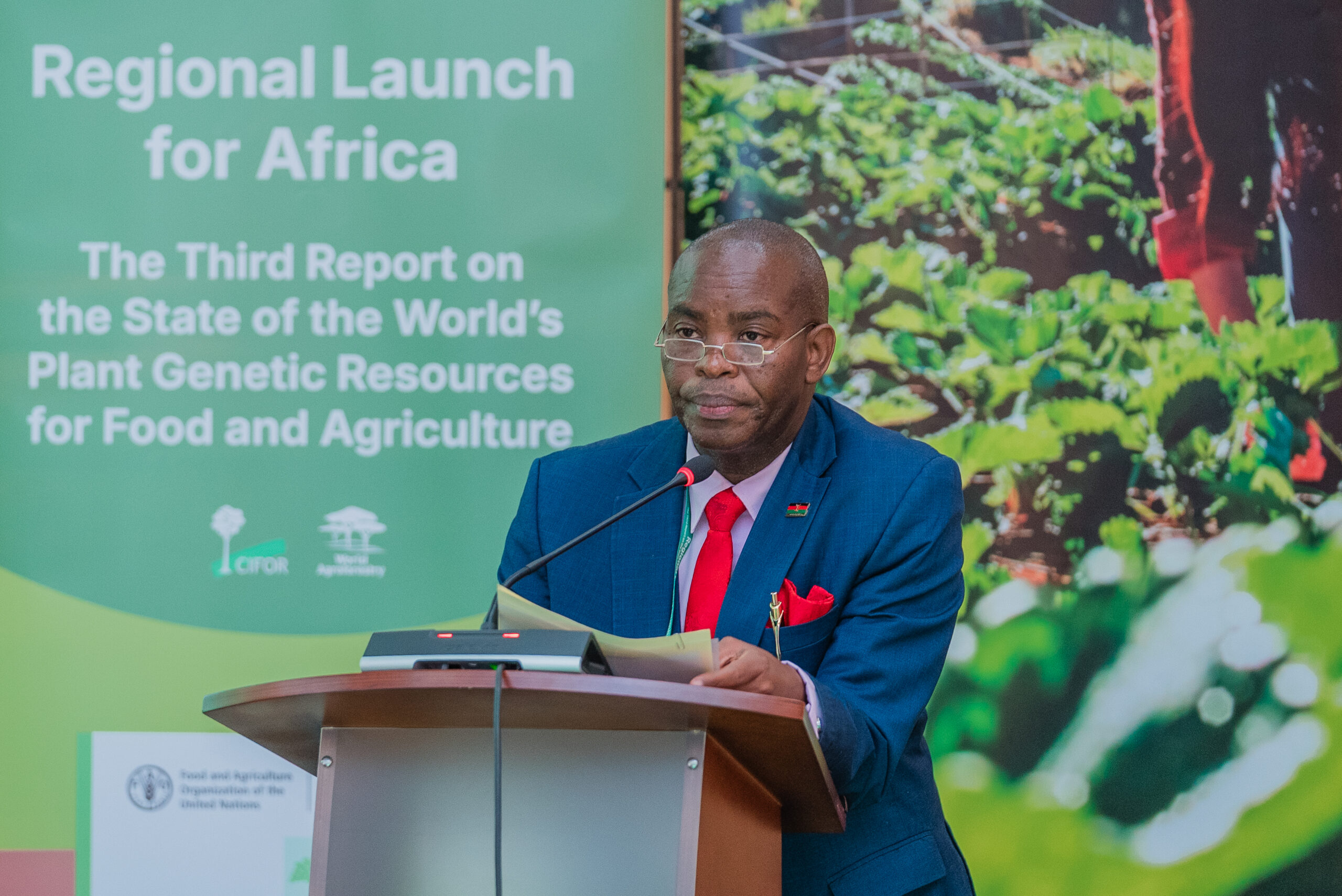
“Protecting plant genetic resources is a necessity for food security, economic growth and environmental sustainability,” said Theophilus Muturi, managing director, Kenya Plant Health Inspectorate Service (KEPHIS), Ministry of Agriculture, Kenya. “The choices we make today will determine the diversity and viability of future generations.”
Technical gaps
The fundamental need for plant genetic diversity for food security intensifies the urgency of acting to conserve these resources, added Dan Leskien, senior liaison officer, Commission on Genetic Resources for Food and Agriculture at FAO. He spoke during the afternoon session that looked at technical gaps in conservation and use of PGRFA.
“Plant genetic diversity is the biological foundation of resilient, productive, and sustainable agricultural systems, yet despite its fundamental importance, this diversity is under increasing pressure worldwide – from genetic erosion, land-use change, climate viability and also conflict.”
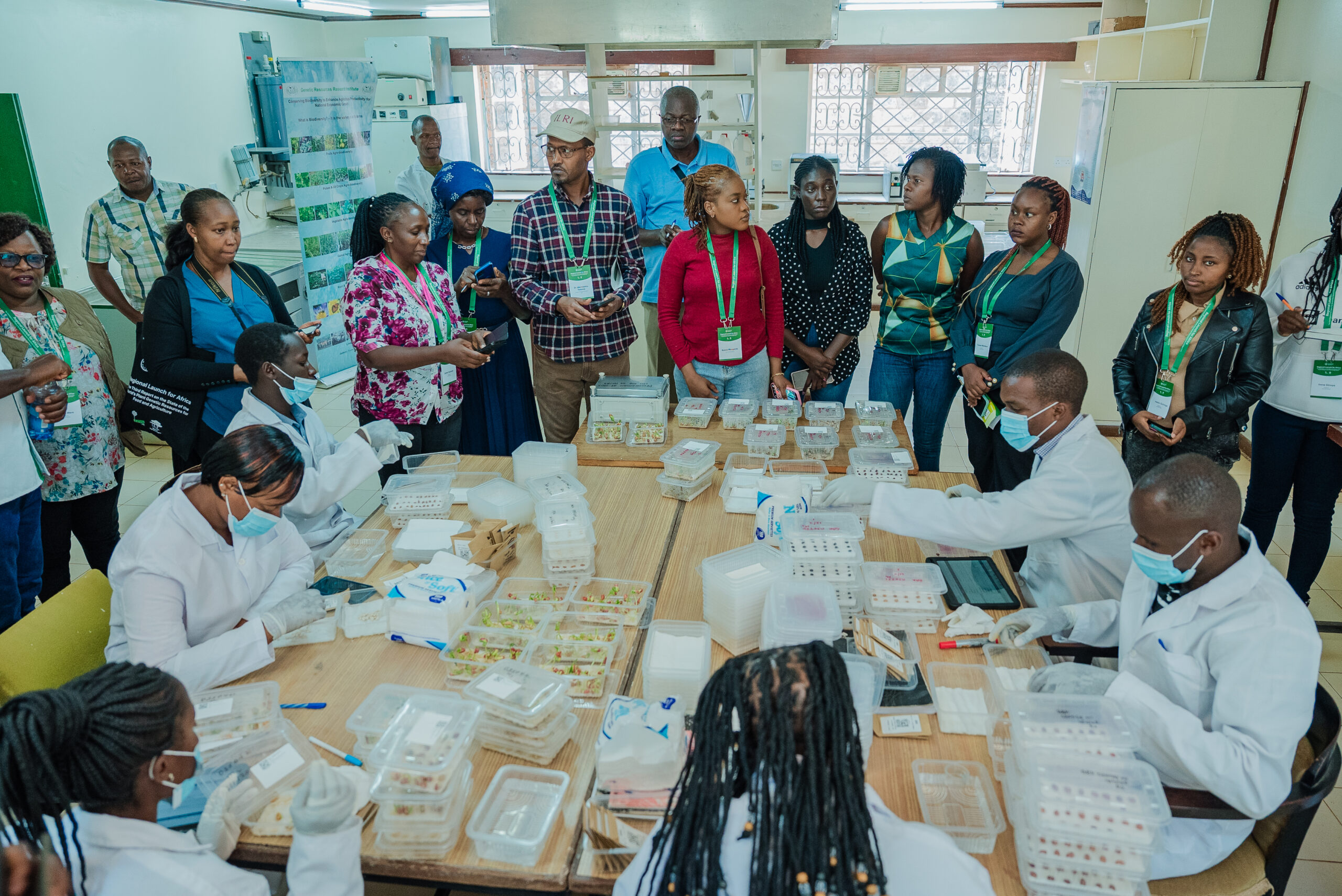
Effective conservation requires more than simply storing seeds. Alice Muchugi, theme leader for Tree Genetic Resources & Biodiversity at CIFOR-ICRAF, stressed the importance of regularly updating plant genetic collections, some of which date back to the 1970s.
“Conservation should be dynamic – it should not be static,” Muchugi said. Genetic material in the real world continues to evolve and build resilience to pests, diseases, and climate change. These adaptations must be captured through perioding collectioning new material, she explained.
Jane Njuguna, chief executive officer, Kenya Forestry Research Institute (KEFRI), called for a forest genetic resource national strategy, including surveys to understand the status of genetic resources, plus more scientists trained in hands-on seed collection and analysis.
“We are recommending… integrating forest conservation, agricultural production and agroforestry,” she said. “And that calls for coordination of institutions and specialists working in these areas.”
Alemayehu Teressa, forage genebank manager, International Livestock Research Institute (ILRI), urged greater public awareness of plant genetic resource’s benefits to bolster support their conservation and use. “Even as we are speaking, we are losing genetic resources.”
Crop diversity is also threatened by changing consumer tastes that favour Western food over more nutritious local products, said Desterio Nyamongo, director, Kenya Agricultural and Livestock Research Organization-Genetic Resources Research Institute (KALRO-GeRRI), Ministry of Agriculture.
Farmers who are currently struggling with low production and yields, due to challenges like pests, plant diseases and climate change, need governments to make available a greater variety of seeds, including traditional strains, said Regina Mbugua of Kenya’s AVOMAC Farmers’ Cooperative.
A smallholder farmer, she grows crops including maize, cassava, beans, arrowroot and potatoes, as well as avocado for commercial sale. But Mbugua said she sees in her community that “production is getting low and some families are suffering; they are not getting enough food.”
Participants underscored the importance of collaboration for conservation.
“Conservation and use must move together. We conserve in order to use, and we use in ways that create incentives to conserve,” said Ubalijoro. “When we get that balance right, we protect biodiversity, strengthen resilience, and support livelihoods.”