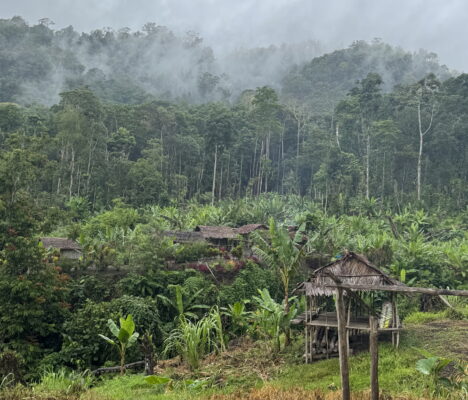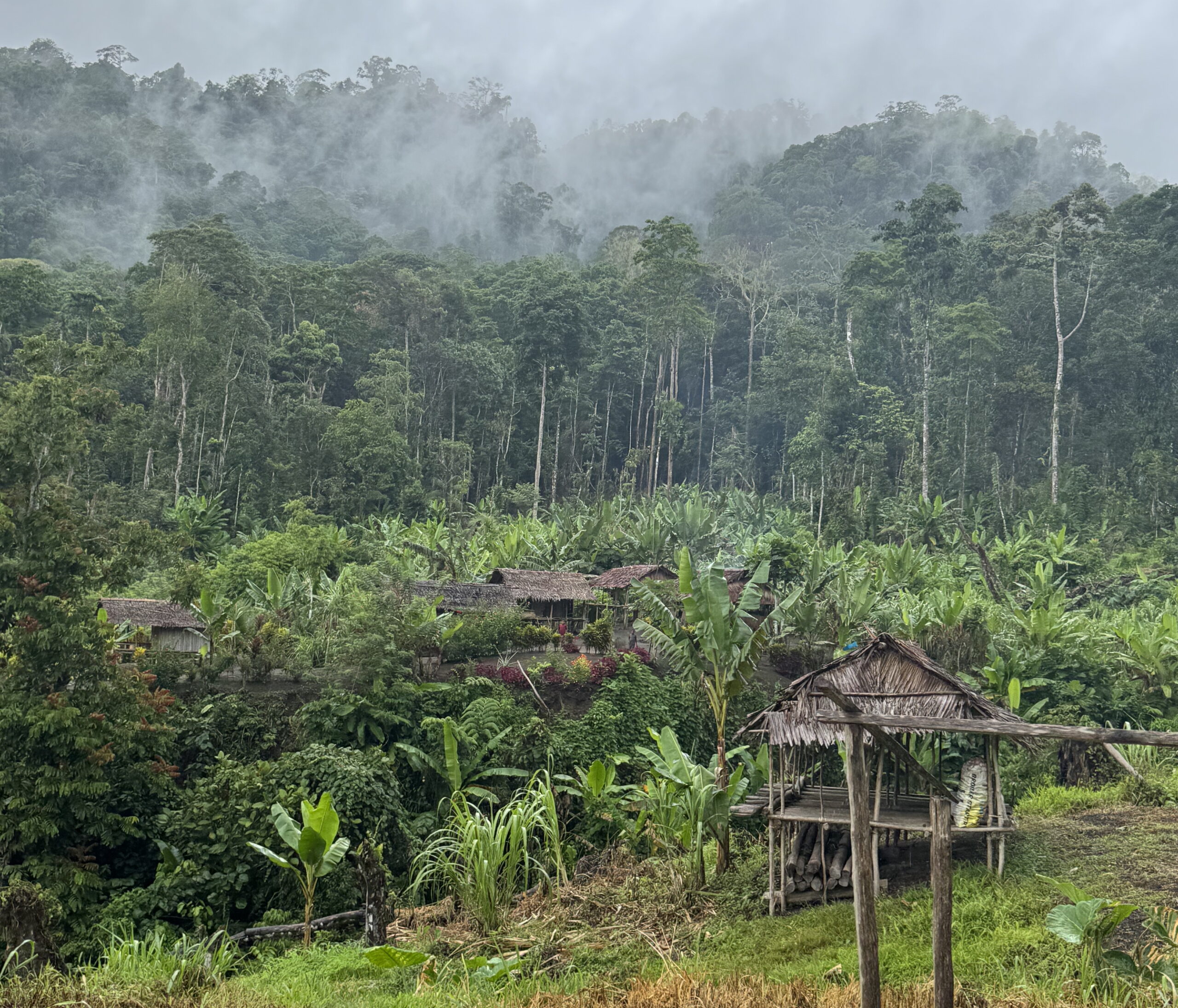
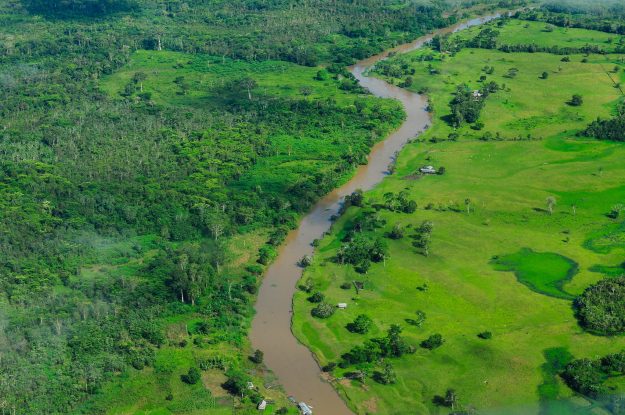

The Managalas Conservation Area (MCA) — a 214,696-hectare plateau in Papua New Guinea‘s Oro Province, home to more than 22,000 people — has taken 30 years of negotiation to protect it from large-scale logging, mining and other forms of extractive development.
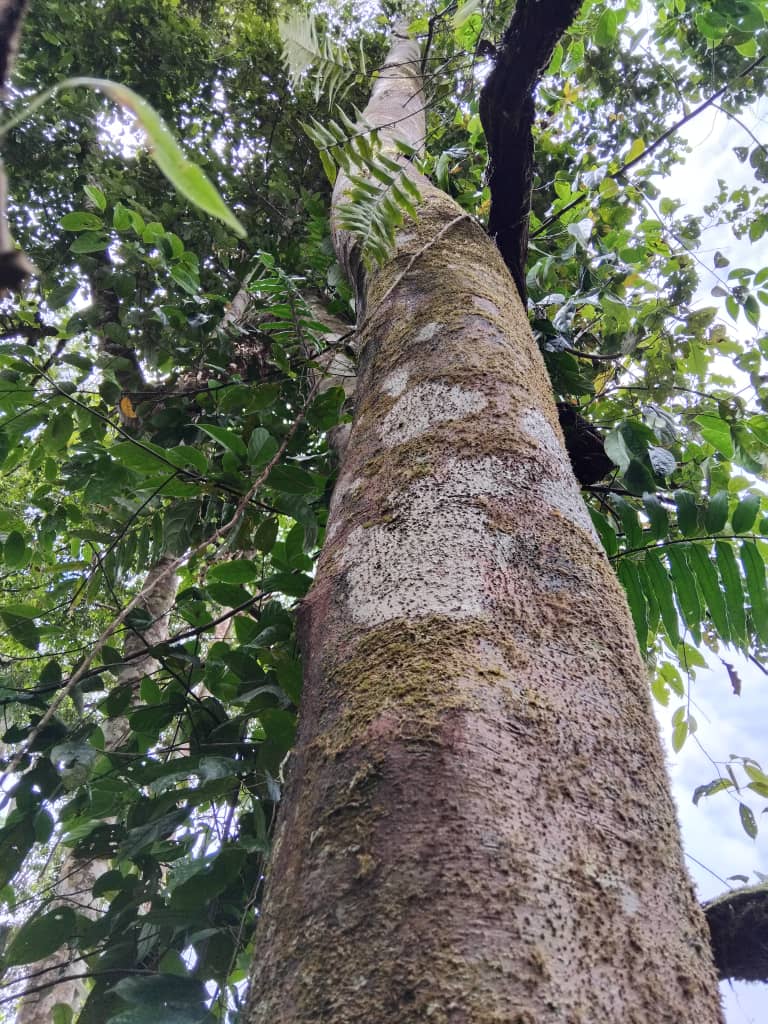
For the conservation area to endure, communities also need ways to earn a living from the land without depleting its natural resources. One candidate is masoi (Cryptocarya massoia), a native tree whose bark produces a caramel-coconut scented essential oil traded globally in perfumes, food flavouring and medicine.
Communities on the Plateau have been harvesting and selling the bark for about 10 years, developing a small-scale cottage industry (source of income). But growing demand could put pressure on wild masoi populations. Eaglewood (Aquilaria), another high-value wood that was once abundant on the Plateau, has already been harvested to near-exhaustion.
Joshua Ombo, a project officer with Landscape Alliance working on the EU-funded Managalas and Oro Province Project (MOPP), is trying to prevent the same outcome for masoi. As part of his master’s research, he is investigating how sustainable masoi value chains could support local livelihoods for generations to come.
Forests News asked him how the work is progressing.
Q: Why the focus on masoi trees?
A: Locals have already been harvesting the tree and selling the bark for about 10 years, so it’s already an established income source. But there is a risk that it could follow in the path of eaglewood — overharvested before anyone intervened. The project is focused on coming up with approaches to sustainably harvest masoi bark without depleting the resource.
Q: How widespread is the problem?
A: Where there is government infrastructure, such as road access, you hardly see any masoi. It is found in remote areas like Umwate, which is a three-to four-hour walk from where the road stops at Itokama.
We believe masoi was once widespread in more accessible areas, so we are starting oral history interviews with senior citizens in three zones to understand if the species existed there before the roads or colonial times.
Q: What are you seeing on the ground?
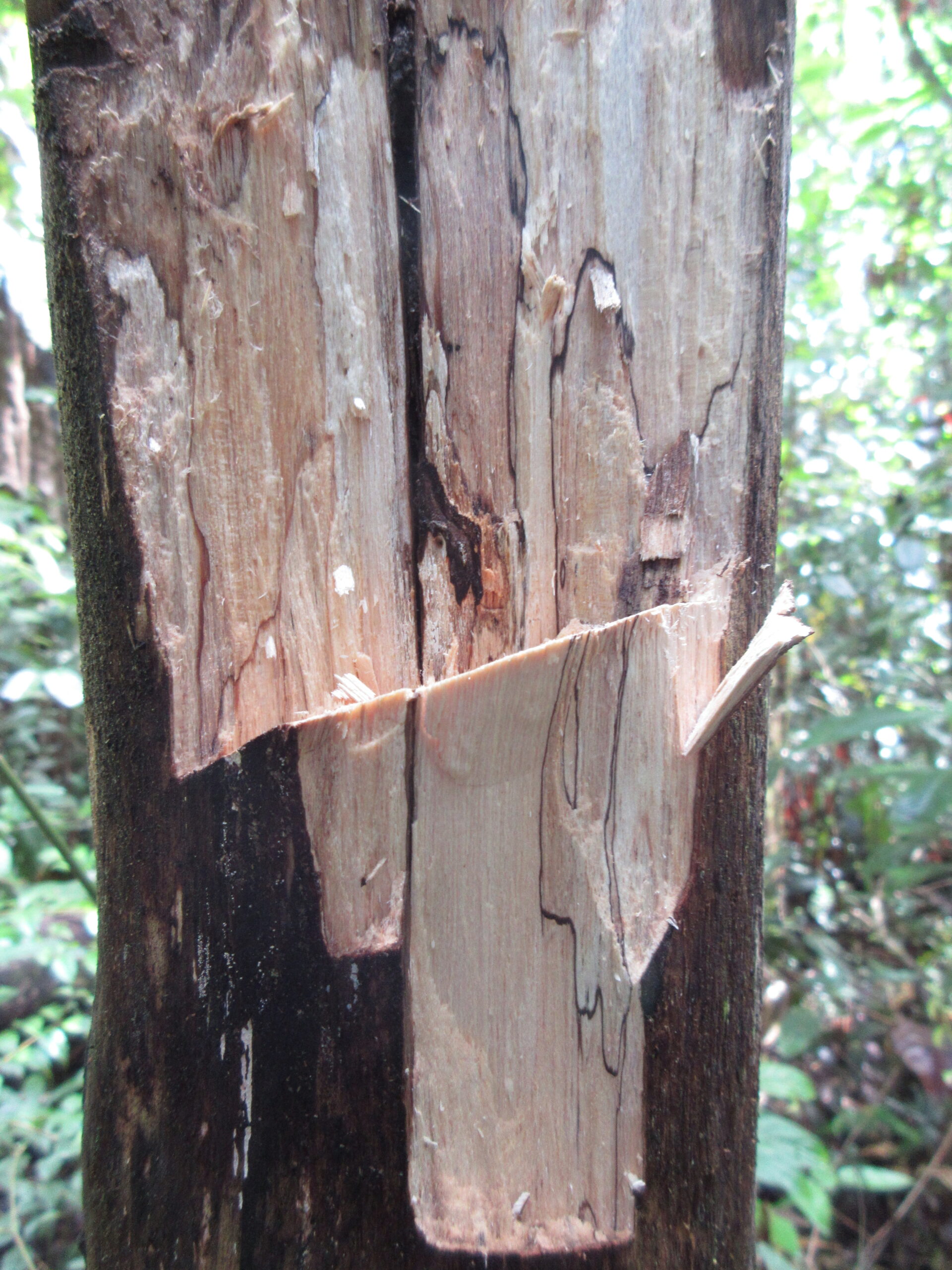
A: When I first visited Umwate in October last year, I surveyed the forest area, and to my surprise, I found that they have a lot of masoi there already. But there was also a lot of damage. You can see the aftermath of people wild-harvesting the plant — taking off the bark and leaving the whole thing to rot away in the bush.
Q: How are communities being involved?
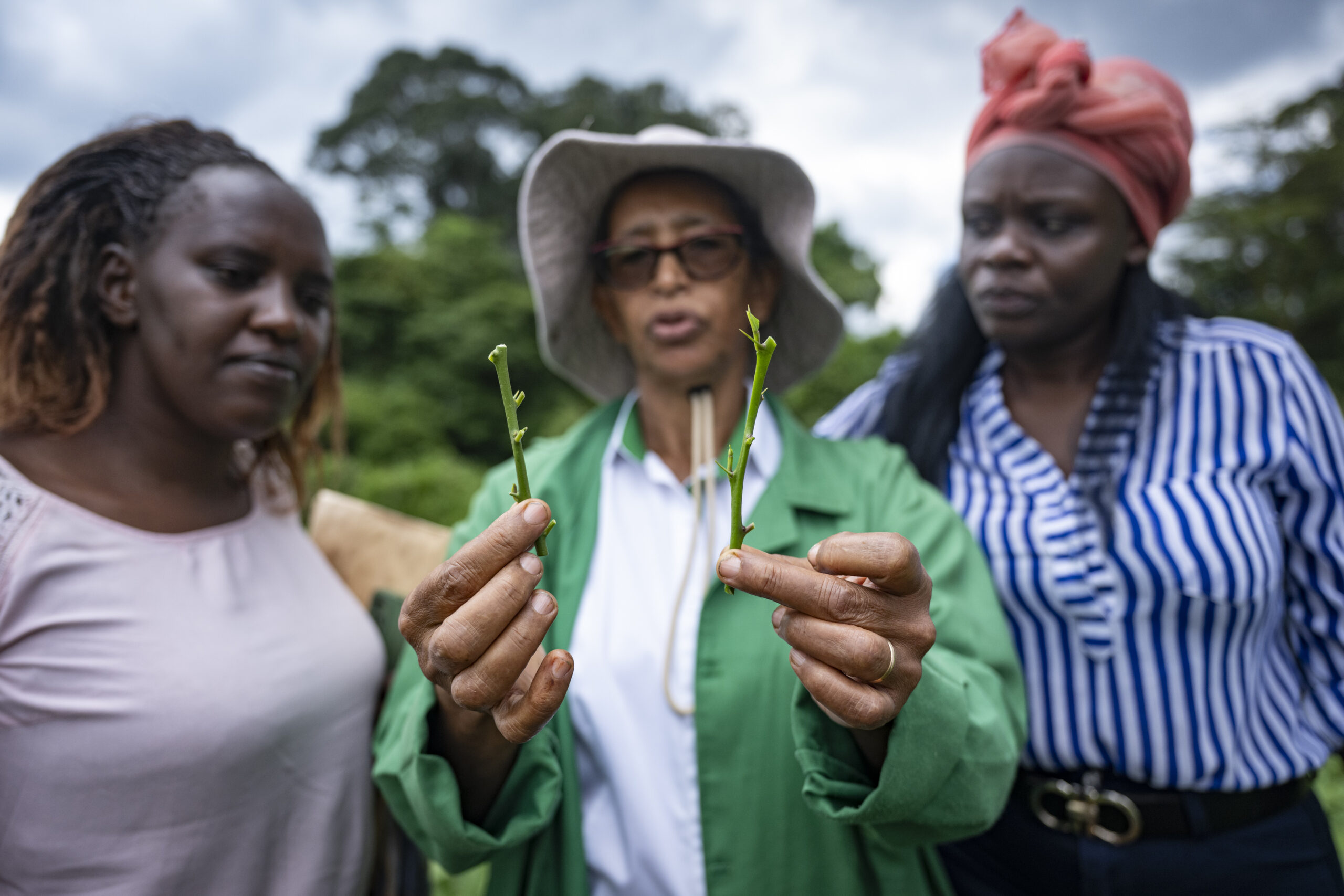
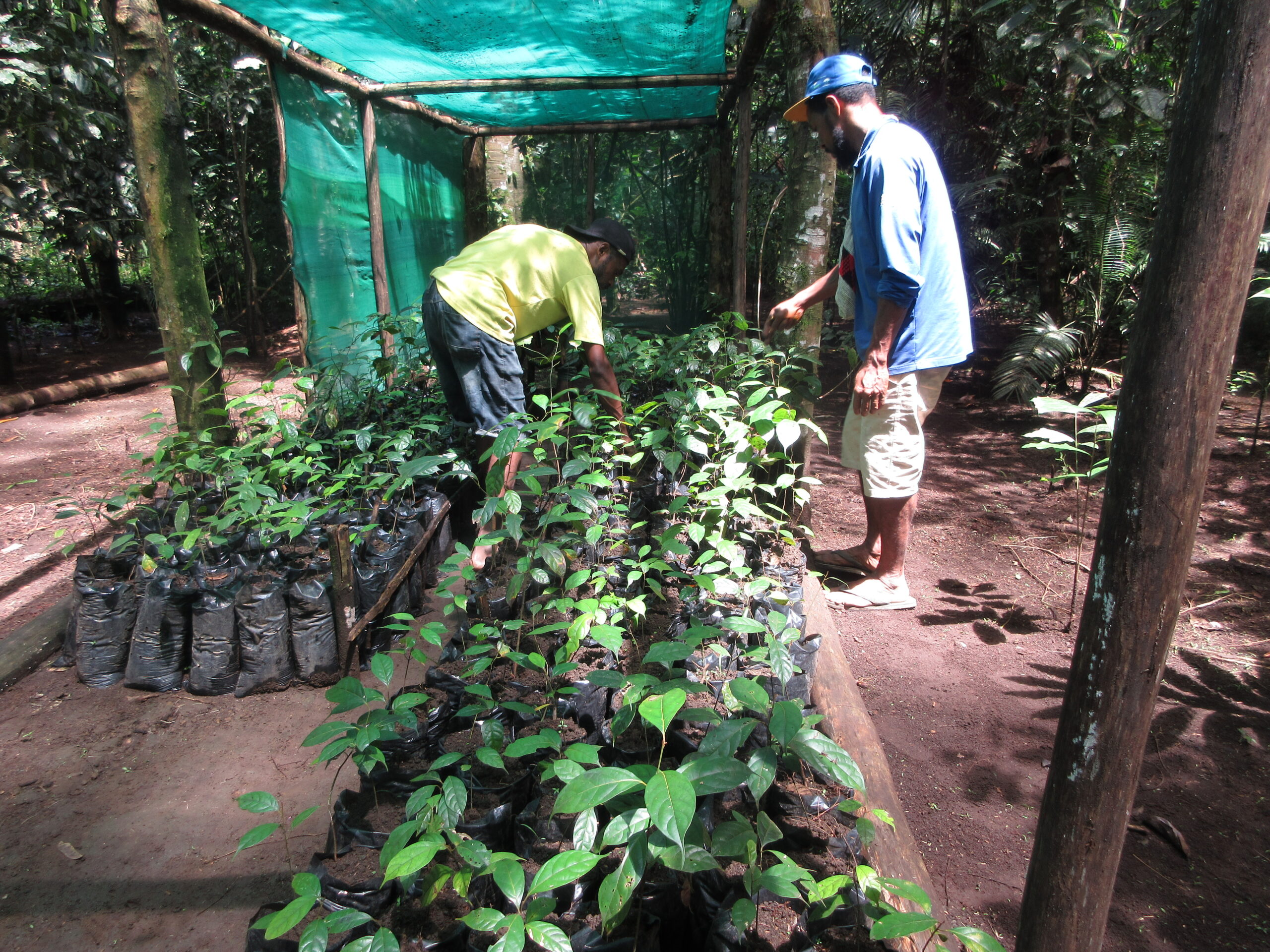
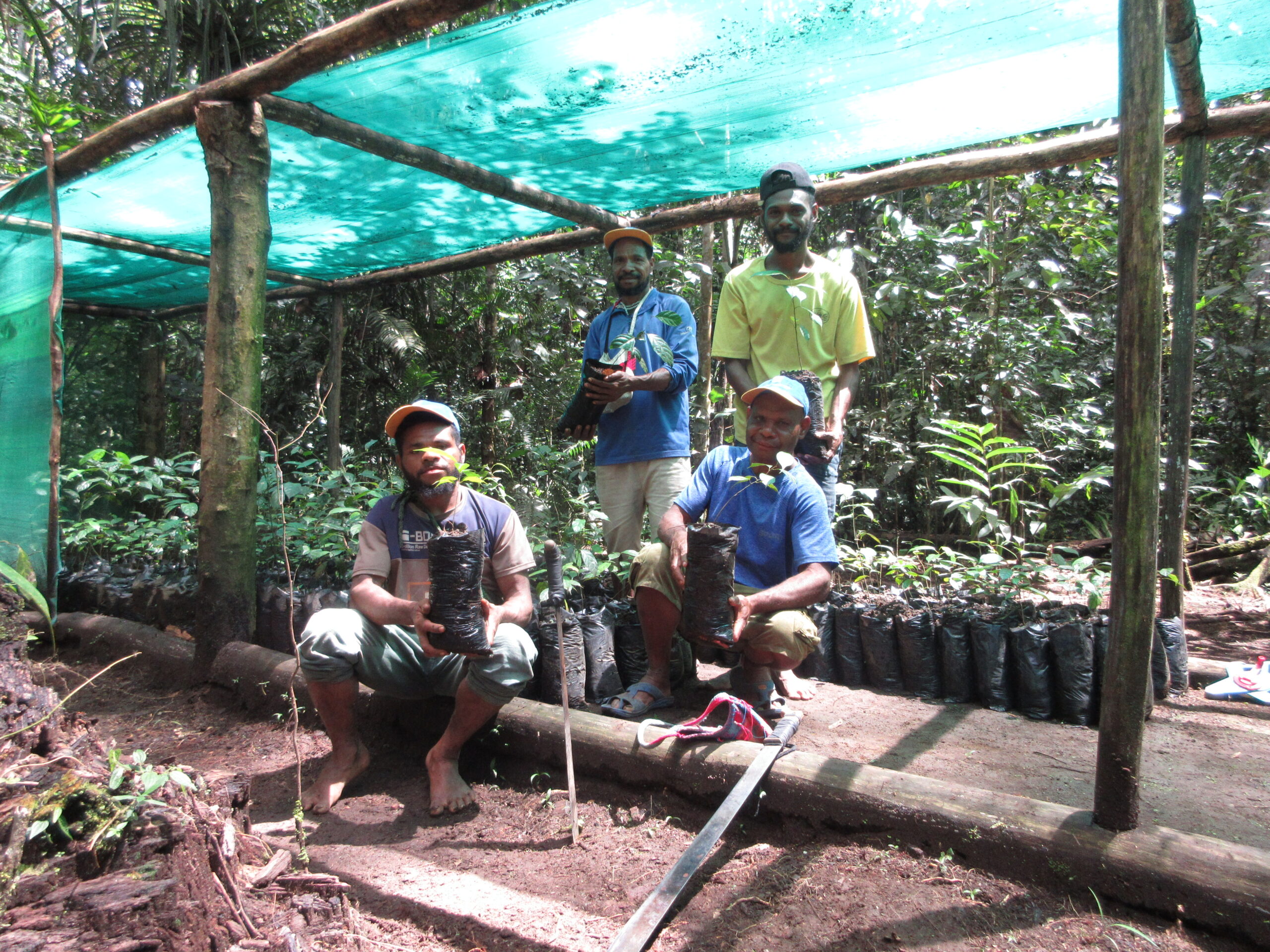
A: We sat with the community and all of the chieftains from the four clans in the Umwate area. We discussed how to sustainably manage the remaining masoi resource without depleting it. Each clan appointed two representatives, known as clan stewards — eight stewards in total — who were trained on how to set up a community forestry nursery specifically to grow masoi, and how to monitor masoi trees in the forest.
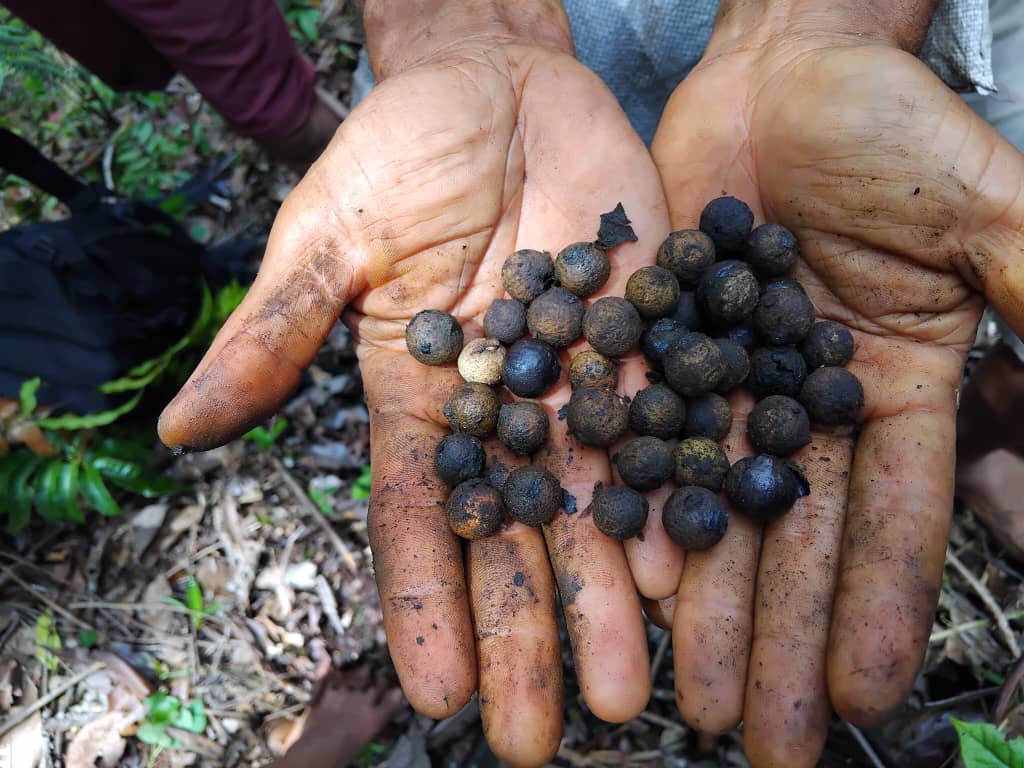
The nursery has now been built, with shaded germination beds and capacity for 2,000 seedlings. Masoi seeds have a tough outer shell, so we are applying three approaches to activate them: scarification with a file, puncturing with a nail, and placing seeds in warm water.
Q: What does the monitoring involve?
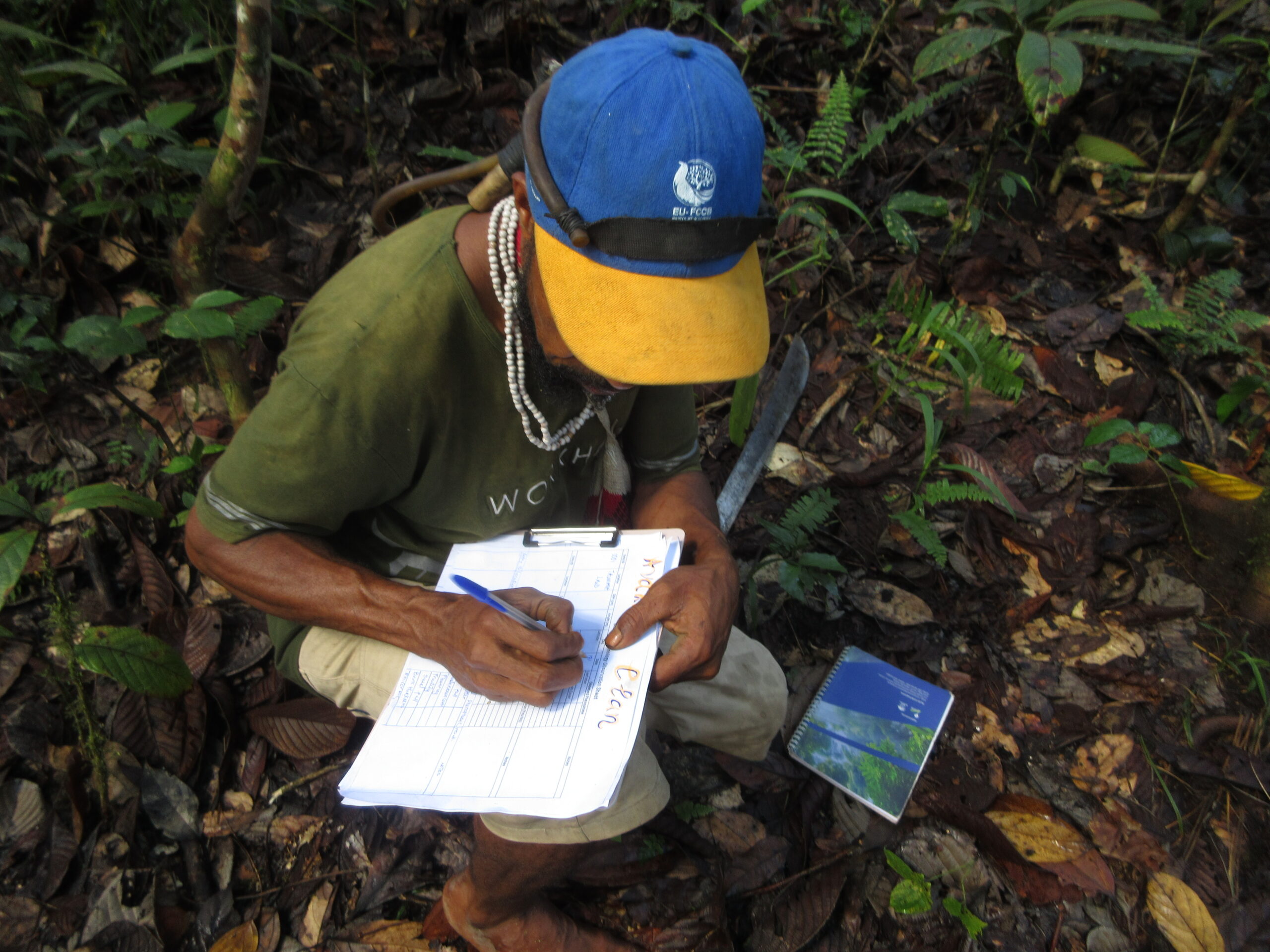
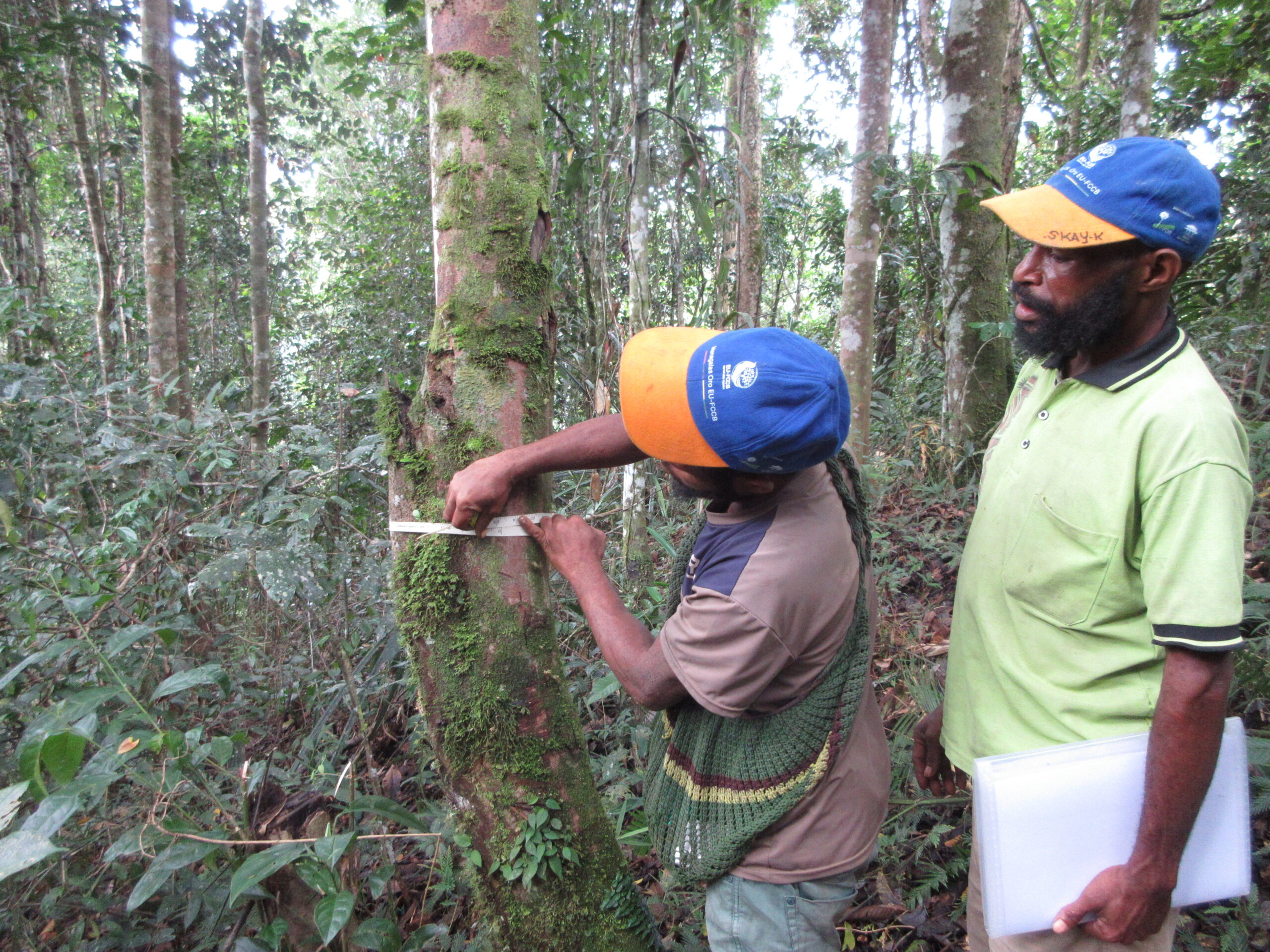
A: The clan stewards are monitoring 30 marked trees per clan from December 2025 through to December 2026, observing leaf flush, flowering, fruiting, and seed fall to get an idea of which trees are seeding and when they are ready, ensuring a constant supply of seeds for the nursery.
One challenge is that we missed the seed fall in January because most clans missed observations due to the rugged topography and heavy rain. We are now considering digital recording on phones. We have also converted our observation forms from English to Tok Pisin to make it easier for clan stewards to record their findings.
Q: How will seedlings be distributed?
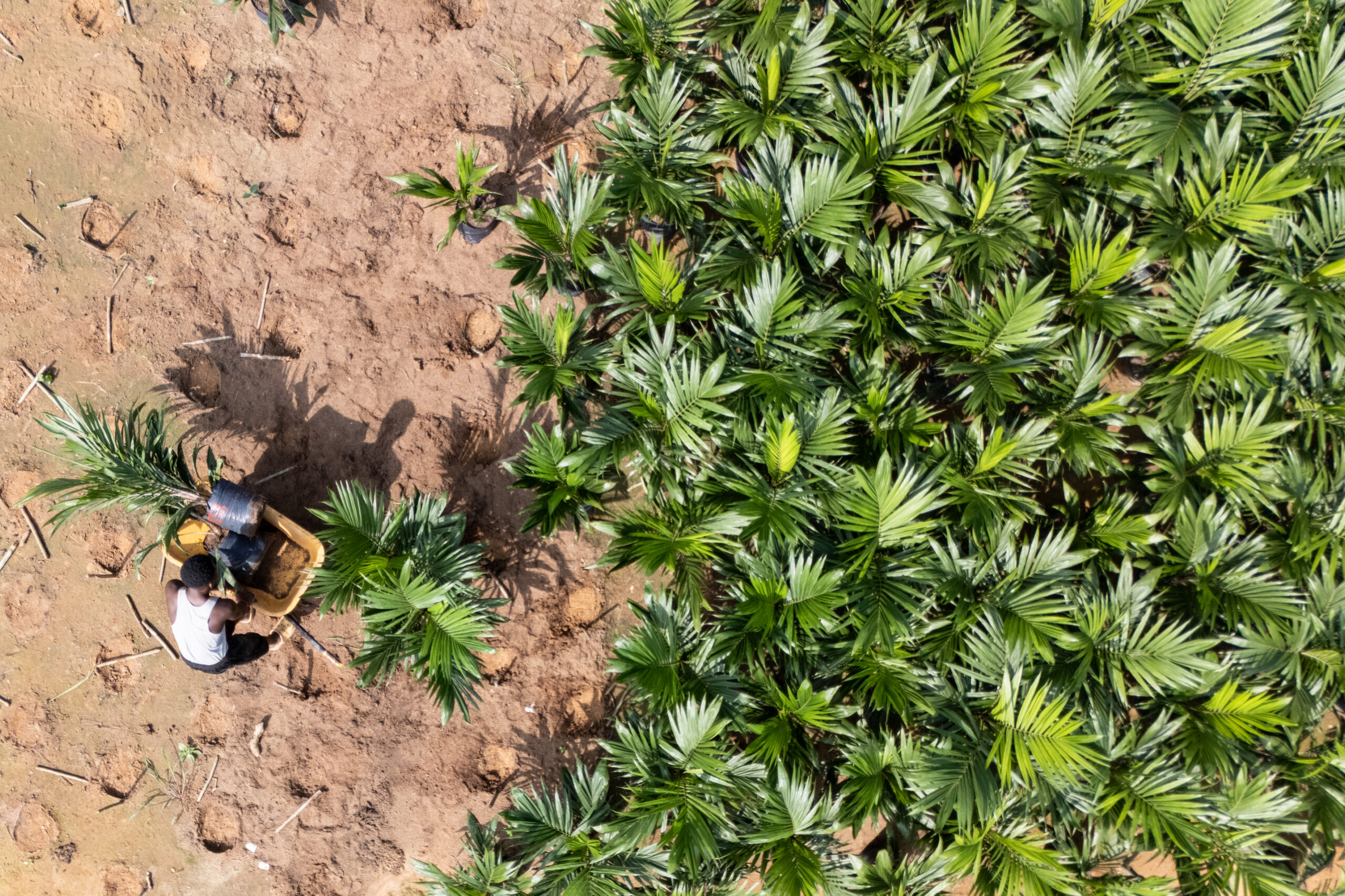
A: Most seedlings will be distributed amongst the clans and then to members to plant on their own land. This encourages a sustainable approach where locals plant masoi instead of just doing wild harvesting. If demand increases, they will be able to meet it through these planted trees rather than stripping the forest.
For more information on the project, please contact Landscape Alliance’s PNG Program Manager, Will Unsworth: [email protected]