


Agroforestry — the integration of trees into farms and landscapes — is emerging as one of the most promising pathways for climate resilience, food security and rural prosperity in Nepal, according to a new chapter authored by the Center for International Forestry Research and World Agroforestry (CIFOR-ICRAF) scientists in the recently released volume, Agriculture Sector Transformation in Nepal: A Roadmap (Springer Nature, 2025).
The chapter, titled, Climate-Smart Agroforestry for Sustainable Landscapes and Agri-Food Systems’ Transformation in Nepal, calls for climate-smart agroforestry (CSAF) to be mainstreamed within national agricultural and land-use policies. Co-authored by Dr Himlal Baral (CIFOR-ICRAF), former Ministry of Forests and Environment secretary Dr Bishwa Nath Oli and Dr Jagadish Timsina of the Institute for Study and Development Worldwide. It presents CSAF as a practical and scalable approach to address the intertwined crises of land degradation, food insecurity and climate change.
“Nepal’s agricultural and forest landscapes are deeply interconnected,” said Baral. “Climate-smart agroforestry offers an integrated solution: it restores degraded land, diversifies farm income and sequesters carbon, while strengthening the resilience of communities and ecosystems.”
Bridging agriculture, forestry and climate policy
Drawing on evidence from across Nepal, the authors argue that agroforestry systems — from alley cropping and silvopastoral systems to community-based woodlots — can deliver multiple ecosystem services. These include improving soil fertility, watershed protection, biodiversity conservation and carbon storage.
Yet despite their proven benefits, agroforestry in Nepal remains fragmented across sectors and largely excluded from formal agricultural programmes.
To bridge this gap, the chapter proposes a national CSAF roadmap built around a policy “nexus approach” that links agriculture, forestry and climate agendas.
Key priorities include:
- strengthening climate and agricultural information services for farmers
- conserving agrobiodiversity through site-specific tree–crop combinations
- developing value chains for agroforestry products, such as fruits, timber, essential oils and bamboo in partnership with the private sector
- enhancing capacity and training in CSAF technologies for farmers, technicians and local governments
- investing in research and infrastructure to quantify ecosystem services, including carbon sequestration and ecotourism potential
“Agroforestry is not only about trees and crops,” said Oli. “It is about policies that recognize multifunctional landscapes as engines of sustainable development.”
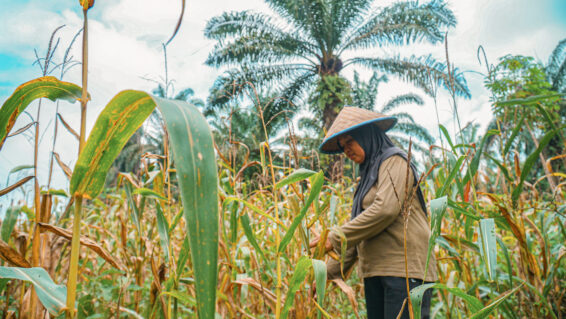
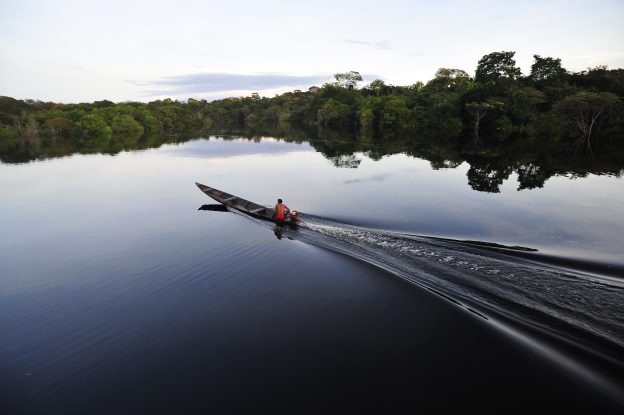
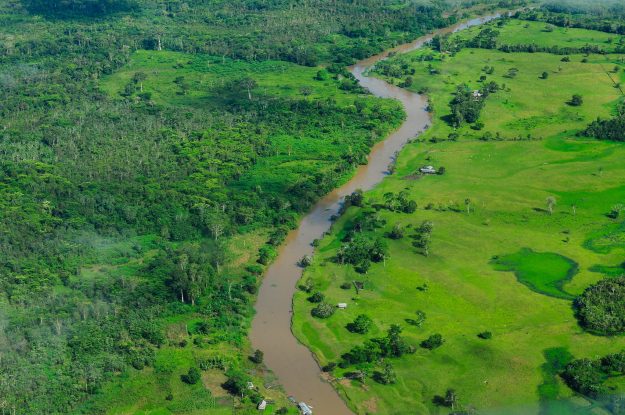
Photo by Mokhamad Edliadi / CIFOR-ICRAF
Aligning with Nepal’s transformation agenda
The book situates climate-smart agroforestry within Nepal’s broader agricultural transformation roadmap, which seeks to shift from subsistence farming toward modern, market-oriented and sustainable agri-food systems.
The CSAF framework complements national strategies, including the Forestry Sector Strategy (2016–2025), the National Adaptation Plan (NAP, 2021–2050) and Nepal’s updated Nationally Determined Contribution 3.0 (NDC, 20250). All highlight the importance of integrating trees into farming systems to support both climate mitigation and adaptation.
According to Timsina, scaling CSAF practices could help Nepal meet its commitments to restore at least 0.5 million hectares of degraded land by 2030, while enhancing smallholder livelihoods.
“By scaling agroforestry,” Timsina said, “Nepal can transform its agri-food systems from vulnerability to resilience, linking local action to global sustainability goals.”
Science for policy and practice
CIFOR-ICRAF’s research across Asia demonstrates that well-designed agroforestry systems can store up to five times more carbon than annual croplands while providing sustainable sources of food, fodder and fuel.
Building on this evidence, the authors call for agroforestry to be integrated into local development planning and climate finance mechanisms,; including carbon and ecosystem-service payment schemes.
They also highlight the importance of community forestry networks, cooperatives and private enterprises in scaling CSAF models.
With appropriate incentives, these actors can drive investments in tree nurseries, value-added processing and market access, helping ensure agroforestry becomes both profitable and climate-positive.
A model for South Asia’s mountain economies
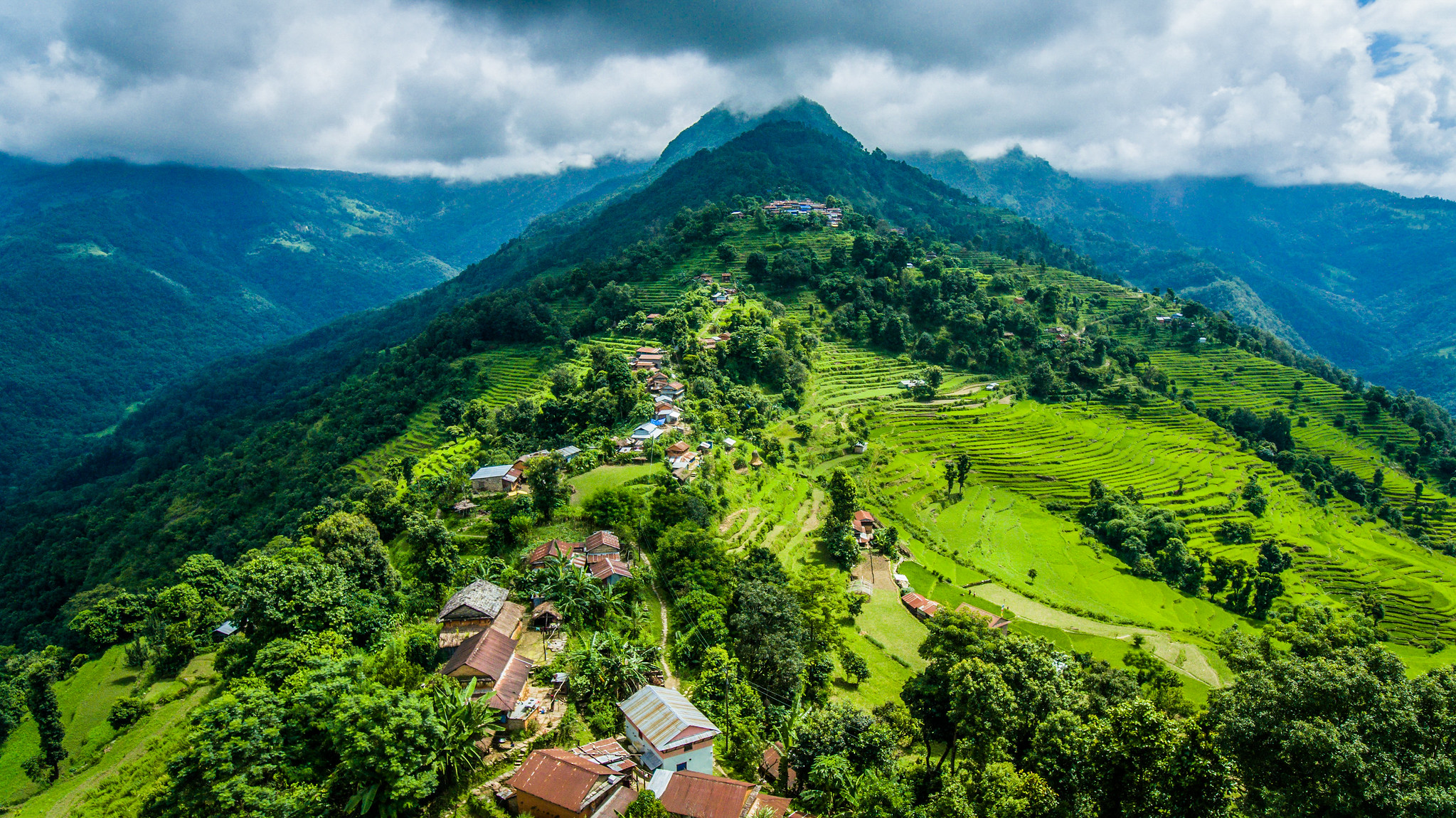
The chapter concludes that Nepal’s long experience with community forestry and participatory natural-resource management offers valuable lessons for other mountainous countries facing similar climate and livelihood pressures and challenges.
“If Nepal can make agroforestry central to its agricultural transformation,” Baral observed, “it could inspire a new generation of climate-smart farmers across South Asia.”