

Across Africa, conserving biodiversity while supporting rural livelihoods has become an increasingly complex challenge. In Zambia’s Nyawa Chiefdom, this tension is particularly pronounced.
Once part of a vibrant wildlife corridor linking Kafue National Park to the wider Kavango–Zambezi (KAZA) landscape, the area has seen wildlife populations dwindle to levels too low to generate tangible benefits for local households. Yet this is precisely where meaningful transformation is now taking shape.
Through the Sustainable Wildlife Management (SWM) Programme, we are working alongside communities to restore wildlife, diversify livelihoods and strengthen local governance. In practice, this work is already beginning to yield results. In Nyawa Chiefdom, early results from the Mize Community Conservancy point to a simple but often overlooked truth: when communities are genuinely empowered and supported, they become the most committed custodians of biodiversity.
That process begins with robust governance. Sustainable wildlife management depends on clear decision-making structures, accountability and the local level. The SWM Programme has prioritized support for regular meetings of the Site Review Committee — the community body responsible for overseeing conservation decisions — alongside the Mize Community Conservancy Management Board. Together, these forums have strengthened transparency, coordination, accountability and collective ownership.
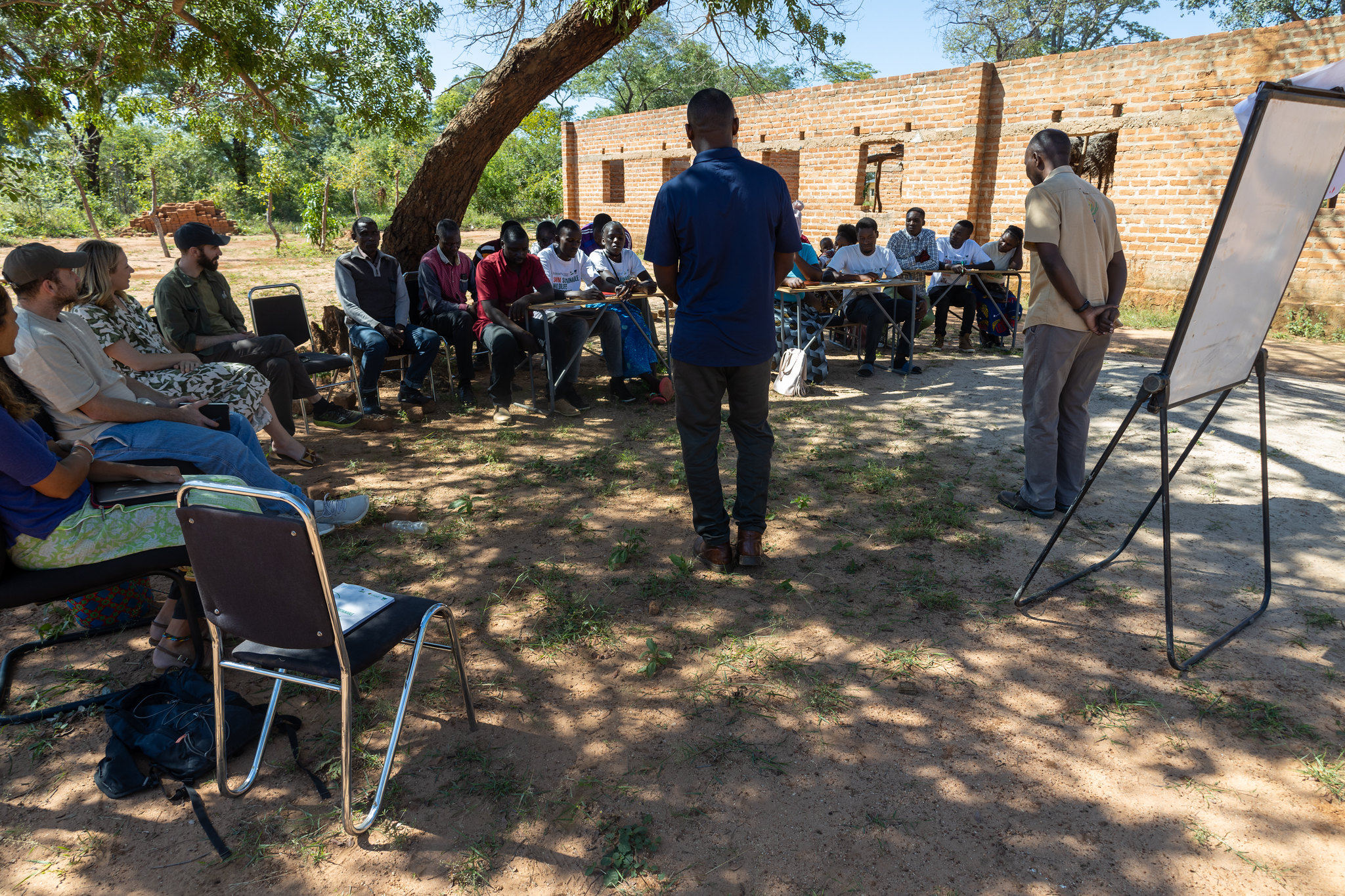
Alongside these governance structures, the review of customary laws and community rights has helped clarify how wildlife will be managed and how benefits will be shared equitably. Partnerships with Peace Parks Foundation, the Wildlife Producers Association of Zambia and Wildlife Trade Futures have further anchored the Conservancy within wider institutional frameworks.
Taken together, these steps have laid a strong foundation for community-led stewardship of natural resources, a prerequisite for lasting biodiversity recovery.
With governance in place, attention has turned to ecological planning. One of the programme’s most significant achievements has been the development of a detailed management plan for Mize Community Conservancy, informed by comprehensive baseline ecological data. This plan provides a clear pathway for rebuilding wildlife populations in a landscape that has long been under pressure.
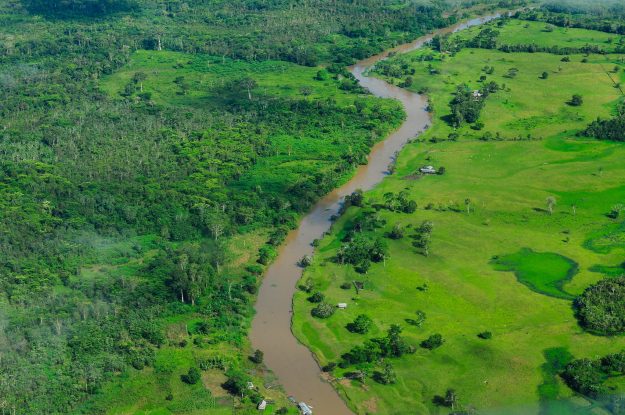
A wetland landscape within the Mize Community Conservancy in southern Zambia, part of a wider corridor where community-led management is supporting wildlife recovery.
Photo by CIFOR-ICRAF
A central component of this effort has been the delineation of a 10,000-hectare wildlife sanctuary, with materials now in place to support future fencing. The sanctuary is intended to support wildlife recovery while laying the groundwork for sustainable use options, including community-based game ranching and regulated game meat production approaches Zambia is already exploring as part of broader wildlife economy reforms.
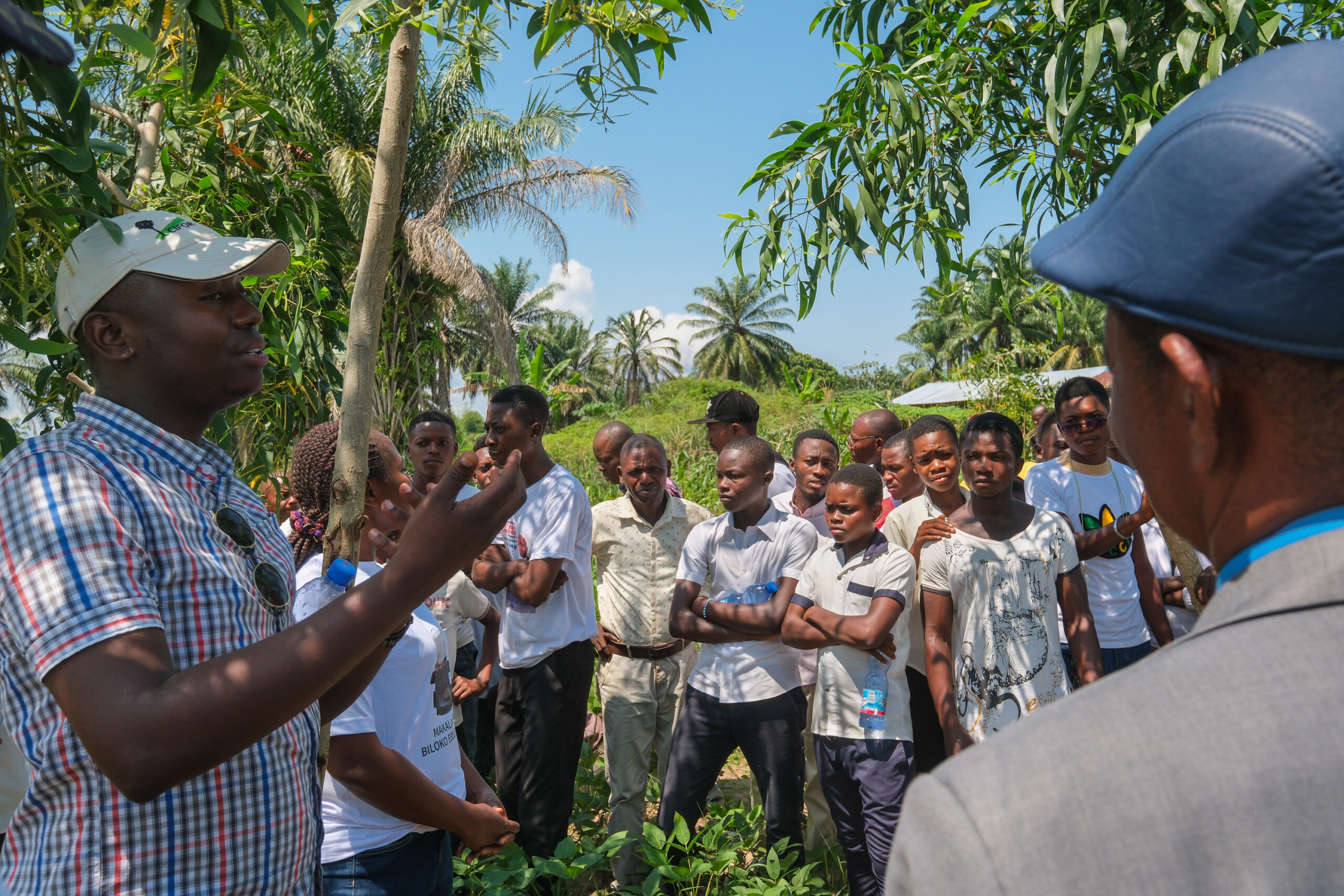
Protection alone, however, is not sufficient. Conservation on the ground depends on people. Training community scouts from Nyawa Chiefdom at Chunga Wildlife Training School has been equally transformative and a much-needed investment. These young men and women now play a crucial role in monitoring wildlife, reducing illegal activities and fostering coexistence between people and nature. Their leadership is strengthening community pride while nurturing and creating a new generation of conservation ambassadors.
At the same time, communities cannot be expected to conserve wildlife without secure and reliable sources of income. Recognizing this reality, the SWM Programme supports alternative livelihoods that reduce dependence on wildlife during its recovery phase.
Fish farming has emerged as one of the most promising enterprises in the area. Several ponds supported by the programme are now fully operational, with communities receiving technical guidance, essential inputs and ongoing mentorship. This has improved food security while creating new income opportunities for households.
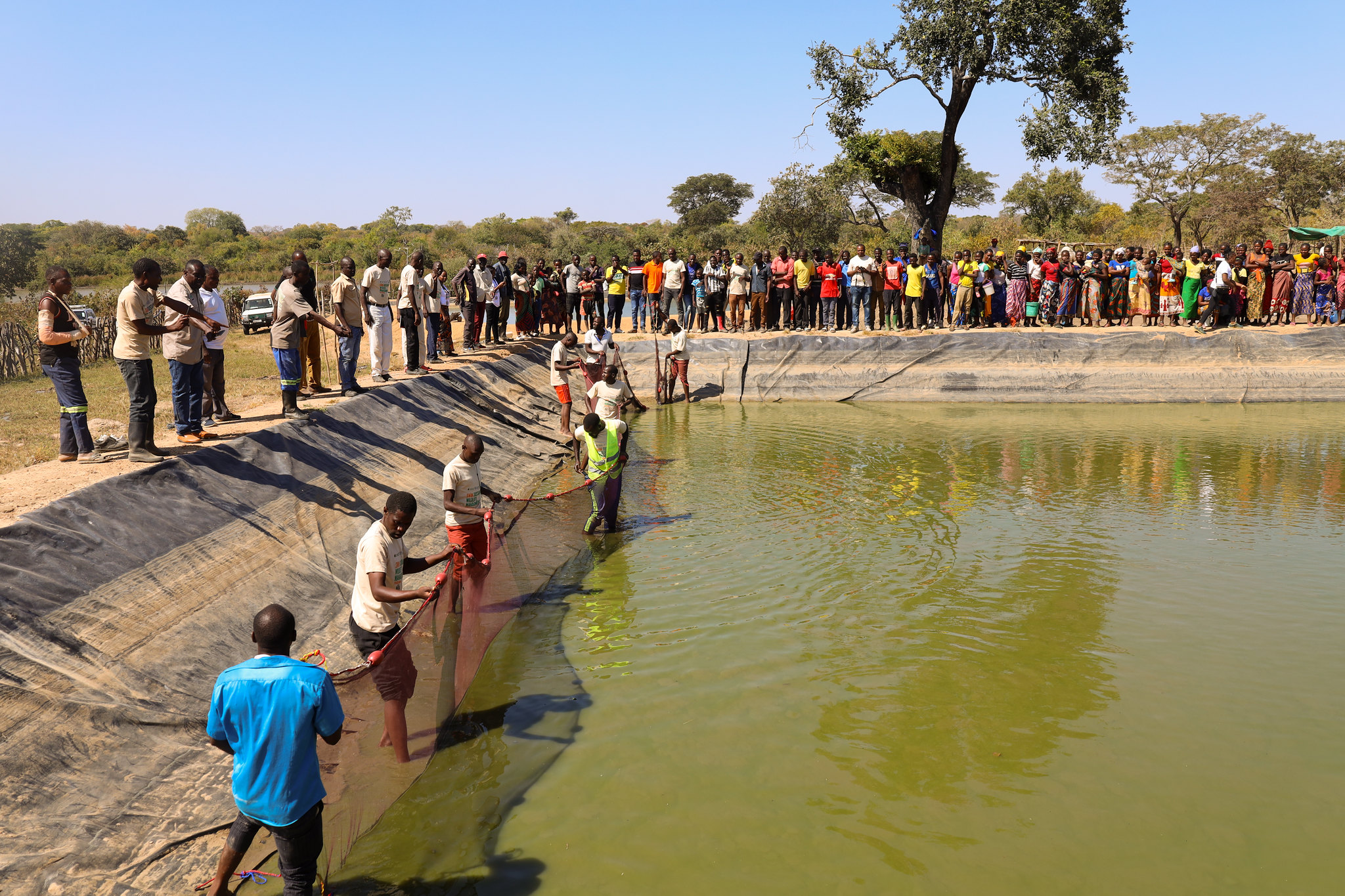
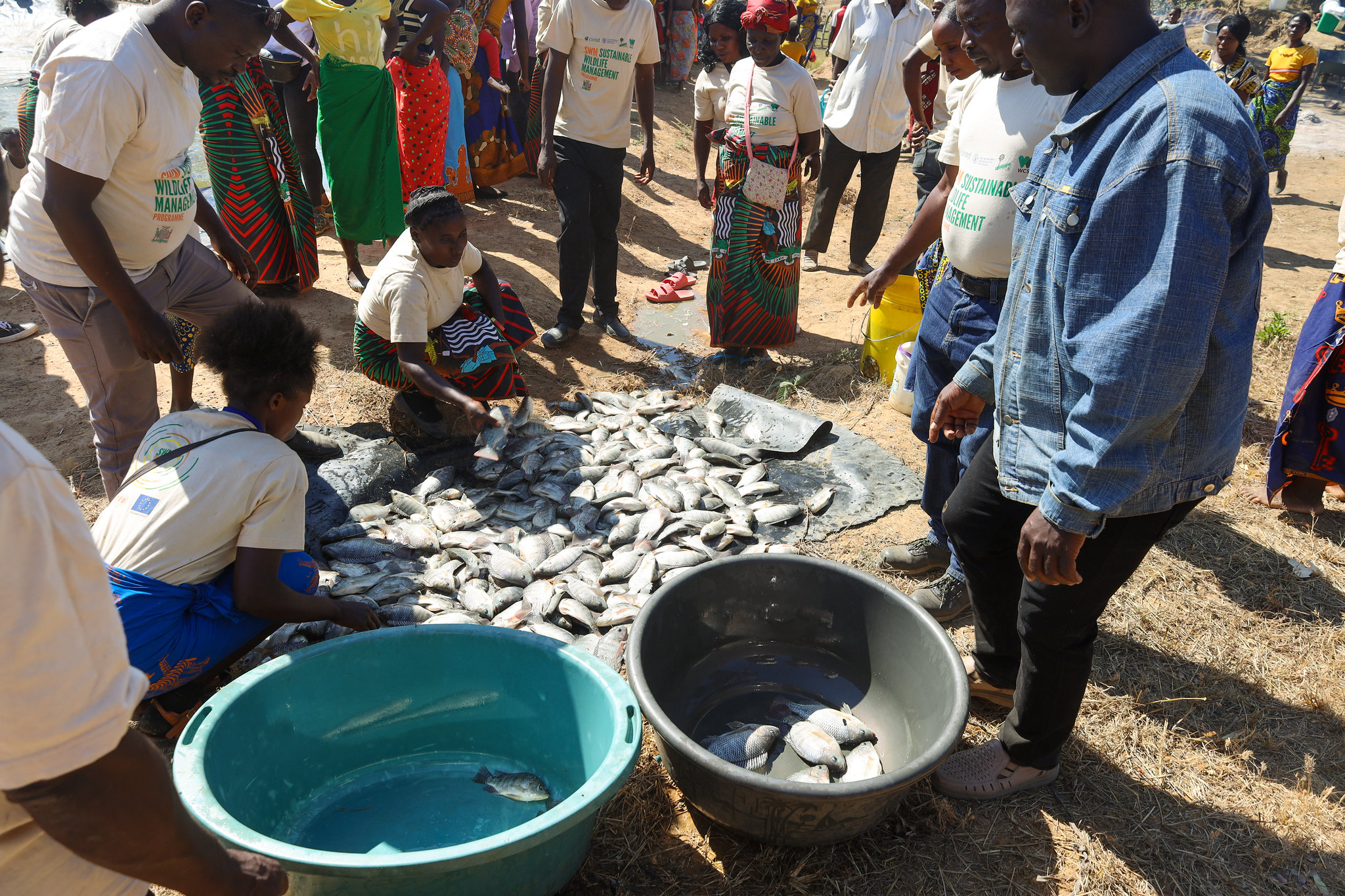
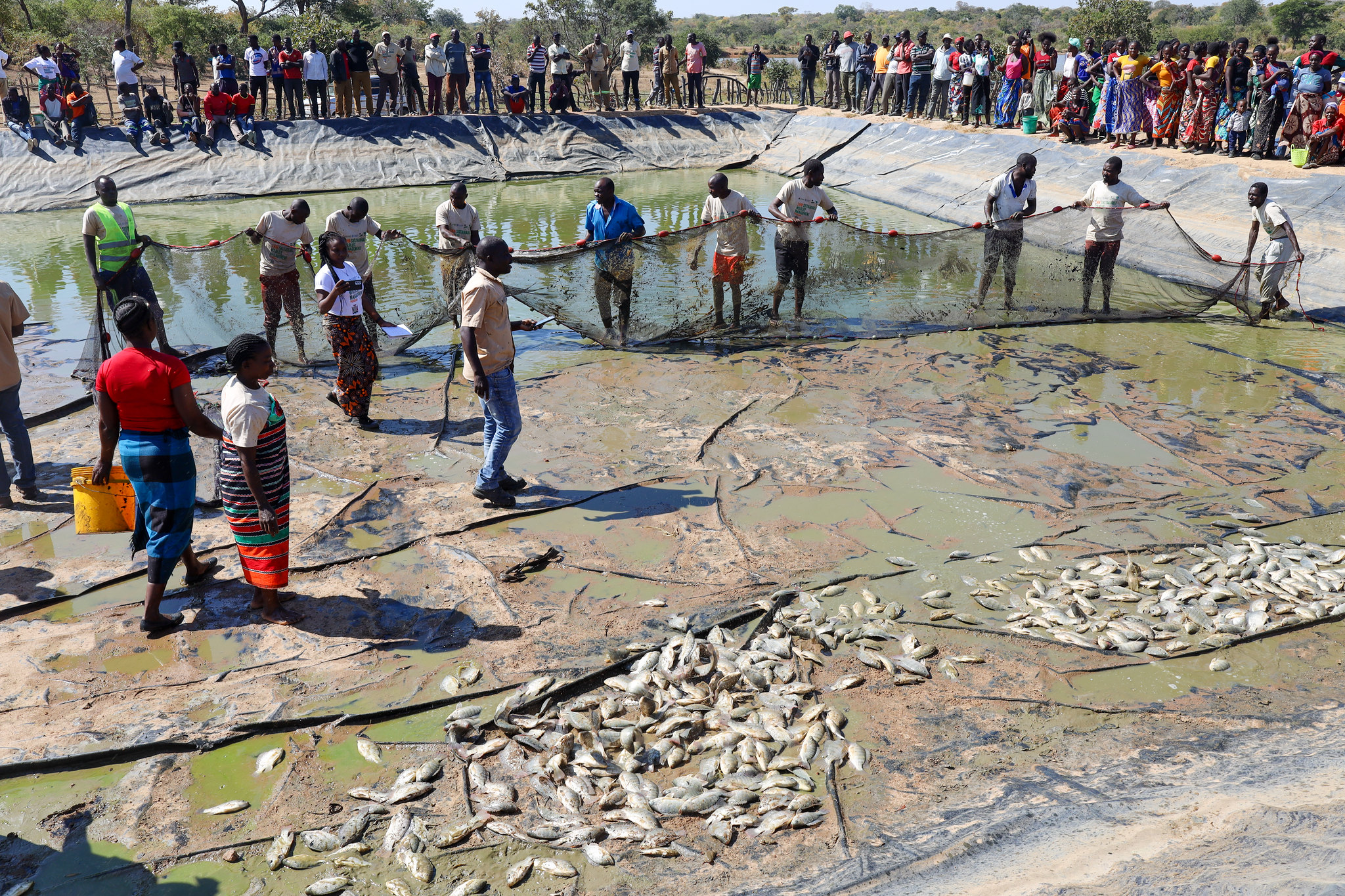
Photo by Edward Banda / CIFOR-ICRAF
Similarly, beekeeping is also expanding through the provision of modern beehives to local cooperatives. Honey production offers a nature-compatible income stream that encourages communities to protect surrounding vegetation and forests. Ongoing technical and business development support is helping these emerging enterprises grow sustainably.
Healthy ecosystems are inseparable from healthy people and livestock. Reducing zoonotic and livestock disease risks has therefore been a key priority. Through participatory disease mapping across the Conservancy, communities are better equipped to understand and manage potential threats. The construction of three spray races now enables effective livestock disease control, with locally established management committees ensuring these facilities operate as sustainable community enterprises.
Beyond Nyawa Chiefdom, lessons emerging from Mize Community Conservancy are informing national discussions. Insights from the programme are feeding into platforms such as the Community Wildlife Economy workshop and Zambia’s Community-Based Natural Resources Management forums. A Gender Assessment and a newly developed Gender Action Plan have also ensured that women and marginalized groups benefit equitably from conservation investments.
Restoring a depleted wildlife corridor is not an overnight achievement. But signs of progress are visible: strengthened governance, renewed ecological planning, empowered youth and diversified livelihoods. Together, these efforts are laying the groundwork for a future in which wildlife and people thrive side by side.
The work underway in Nyawa Chiefdom shows that community-led conservation is not only possible; it is essential for safeguarding Zambia’s biodiversity and building resilient rural livelihoods.
About the SWM Programme
The SWM Programme is a major international initiative aimed at enhancing the conservation and sustainable use of wildlife in forest, savannah, and wetland ecosystems. It is funded by the European Union, with co-funding from the French Facility for Global Environment (FFEM) and the French Development Agency (AFD). Projects are being piloted and tested with governments and communities in 16 participating countries. The programme is implemented by a dynamic consortium of partners that includes Center for International Forestry Research and World Agroforestry (CIFOR–ICRAF), the Food and Agriculture Organization of the United Nations (FAO), the Wildlife Conservation Society (WCS) and the French Agricultural Research Centre for International Development (CIRAD).
In Zambia, the SWM Programme activities are carried out by the Government of the Republic of Zambia and the Nyawa Royal Establishment (NRE) in collaboration with CIFOR-ICRAF.