

Tree planters need better access to high-quality seeds and seedlings of native species, as well as support tools for managing their use, to make informed decisions when choosing between native and introduced species, according to the authors of a recently published Infobrief.
In the brief, the authors explain that both native (otherwise known as “indigenous”) and introduced (or “exotic”) tree species are important for planting. The choice of which species to use in a particular landscape ultimately depends on the desired products and ecosystem services, the location and the planters themselves.
The themes will be the focus of discussion on 22 January 2026 when the Center for International Forestry Research and World Agroforestry (CIFOR-ICRAF) – together with the Global Landscapes Forum – convenes a webinar under the Transformative Partnership Platform for quality tree seed and seedling delivery systems (Quality Tree Seed TPP) on the topic Choosing between native and introduced tree species during tree planting.
The webinar will be the first in a series organized by the platform to connect science, practice and policy around quality tree seed and seedling delivery systems. The aim is to support resilient restoration and sustainable tree planting at scale.
The Quality Tree Seed TPP is an initiative of the Right Tree, Right Place, Right Purpose project (RTRP-Seed), supported by Germany’s International Climate Initiative (IKI). Its purpose is to strengthen the development of the tree-seed and seedling sector in Africa, so that higher-quality trees – especially native species – are planted.
“There are significant obstacles to choosing native tree species, including the absence of suitable planting materials and the lack of guidance on where to plant – and how to manage and use – the trees,” says Ian Dawson, CIFOR-ICRAF’s senior ecologist and the Infobrief’s lead author.
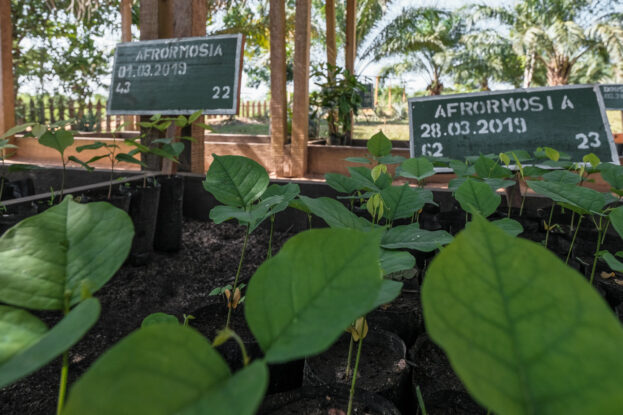
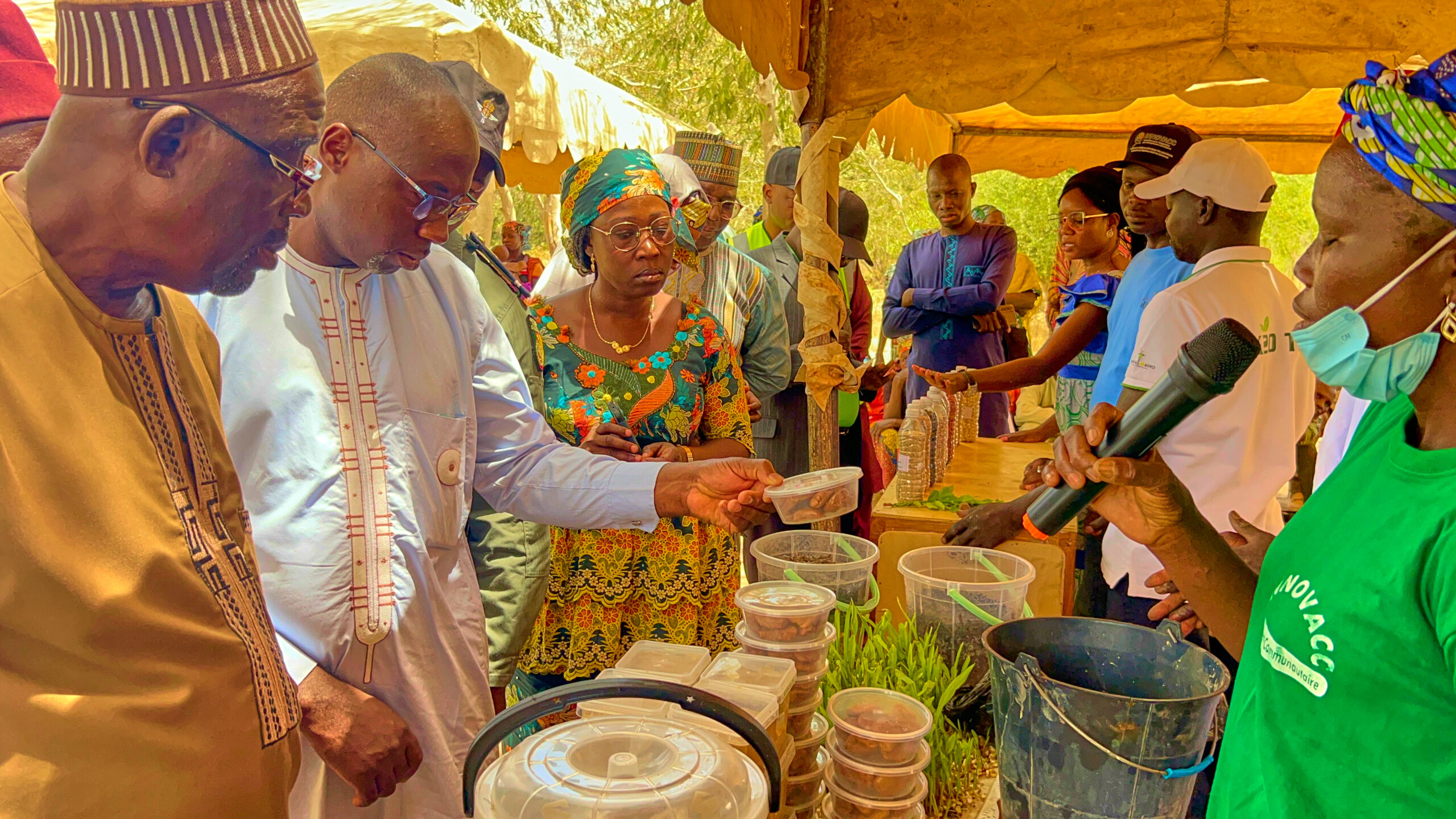
Seeds prepared in nursery bags highlight the role of seed quality and availability in tree-planting decisions. Photo by Lucy McHugh / CIFOR-ICRAF
Right tree for the right purpose
In recent decades, there has been much debate about the planting of native and introduced tree species, with their relative advantages and disadvantages for commercial wood production, biodiversity conservation, broader ecosystem restoration, and other purposes. Reaching a consensus among scientists, planners, planters and other stakeholders involved in tree-planting programmes has proven challenging. Current discussions sometimes adopt a binary framing that pits one category of tree against the other in a confrontational way.
While introduced species enjoy widespread popularity among farmers, foresters and other managers of production landscapes, global planting initiatives are increasingly seeking to include a broader range of native trees. This shift aims to counter the current focus on a narrow species — which can leave planted trees vulnerable to system shocks and affect the supply of tree products and services — and reflects a growing emphasis on tree planting for ecological restoration.
A parallel can be drawn with crop production.
Diversity — both among species and within species, conserved in genebanks worldwide — is widely regarded as one of the most effective tools for addressing threats to food security and livelihoods posed by climate change. Similarly, using a greater variety of tree species can boost resilience on a warming planet with increasingly unstable weather patterns, while safeguarding the trees from the risk of extinction due to agricultural expansion, overexploitation, climate change and the spread of invasive and other problematic species.
Regenerating landscapes
Native tree species can play an important role in enhancing biodiversity and supporting ecological restoration, while also contributing to a wide range of ecosystem services. In restoration contexts, planted native trees can both represent biodiversity — contributing to the regeneration of local tree populations if they reach maturity — and provide critical habitat for other native organisms.
“The Global Biodiversity Standard (TGBS) was devised to address the insufficient attention that many tree-planting initiatives pay to biodiversity and ecological restoration,” says Paul Smith, secretary-general of Botanic Gardens Conservation International (BGCI) and one of the brief’s authors. “It aims to assure tree-planting investors that biodiversity is not being harmed and that biodiversity uplift targets are being met.”
UK-based Botanic Gardens Conservation International leads the Global Biodiversity Standard, a biodiversity certification scheme for tree planting and other uses. TGBS seeks to recognize and support tree-planting projects that have a positive impact on biodiversity while meeting local communities’ needs and achieving carbon-capture requirements.
Planting native tree species can offer additional benefits. In principle, these species are often well adapted to the prevailing environment, having evolved there over thousands or even millions of years. They also provide products and services linked to cultural values, supporting livelihoods and creating new economic opportunities for local communities.
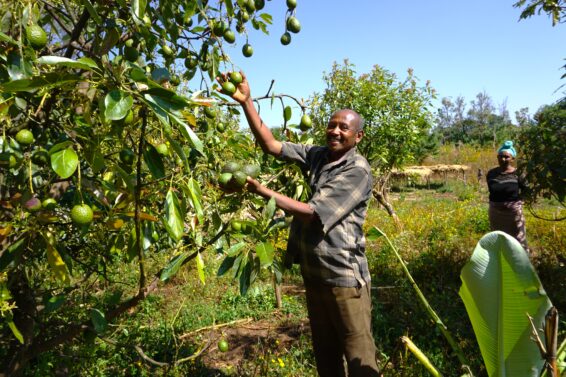
“I am especially interested in the planting of native food tree species in landscape restoration,” says Ramni Jamnadass, a CIFOR-ICRAF principal scientist and senior advisor on tree genetic resources and biodiversity, who contributed to the brief. “This is because these trees can support multiple environmental- and human-health outcomes, in the latter case providing nutrient-rich and culturally appropriate diets for people.”
Jamnadass adds that access to high-quality tree seed refers not only to the physical quality of seeds or seedlings, but also to their genetic quality, including diversity and appropriate sourcing, which strongly influence long-term performance.
Caption image here
Trade-offs and incentives
The authors note that efforts to promote the planting of native tree species are often complex. In certain situations — particularly where production is the primary objective — introduced species may remain the preferred option.
“Neither native nor introduced species are automatically suited to future climates,” Jamnadass says. “Growers may face real trade-offs when adopting native species.”
The brief recommends measures to make the planting of native trees worthwhile for growers and the wider communities where planting takes place. These measures include commercializing planted native timber, fruit and other tree products for a limited range of species. Also important is the introduction of tax breaks or other financial incentives for growers, traders and processors who are enhancing biodiversity and ecosystem services.
“Limited uptake of native species often reflects weak or fragmented seed systems – due to a lack of investment in native species – rather than only a lack of interest from planters themselves,” Jamnadass says.
The authors conclude that a transition to native species use involves boosting the availability of tree seeds and seedlings for users; training local communities in the production and processing of new planted products; the establishment of new infrastructure for product processing, storage and sale; as well as the development of growers’ cooperatives and information systems that connect growers with traders.