

When journalists from across Central Africa gathered in Yaoundé in August, it quickly became clear that this was not just another workshop. Organized by the Center for International Forestry Research and World Agroforestry (CIFOR-ICRAF) through the RESSAC programme and supported by the European Union, the three-day training set out to do more than build professional capacity. Its ambition was to reshape how environmental stories from the Congo Basin are told.
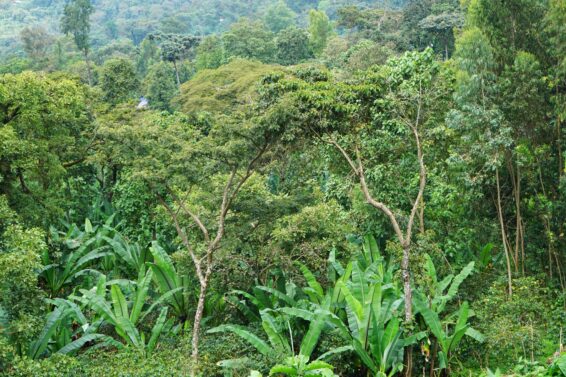
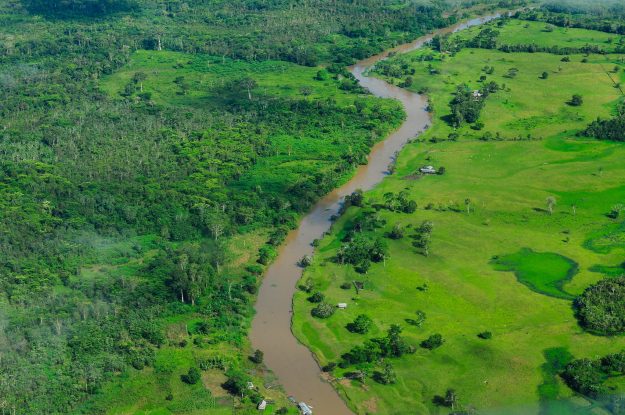
Central Africa is home to the world’s second-largest tropical rainforest. The Congo Basin is a vast ecosystem, both a biodiversity hotspot and a vital carbon sink that helps regulate the global climate. It also sustains the livelihoods of millions of people across the region. Yet, despite its global importance, the Congo Basin remains one of the least reported regions in international environmental journalism. When it does feature, complex issues such as deforestation, biodiversity loss or Indigenous rights are often overlooked or reduced to simplified narratives.
In this context, environmental journalism plays a critical role. It brings depth, accuracy, and local perspectives into public debate. Journalists help raise awareness, holdleaders accountable, and give a voice to communities living in and around the forests. When reporting is informed and grounded in evidence, it can shape perceptions, influence decision-making and prompt action at local, national and global levels.
It has long been clear that science alone does not drive change. Research only matters when it reaches the people and institutions able to act on it, and when it is communicated in ways that are both accurate and meaningful. In Central Africa, where environmental challenges are complex and deeply rooted in local realities, the gap between research and public understanding remains wide.
For journalists, navigating scientific evidence, policy debates and lived experience is not always straightforward. Environmental reporting demands both technical understanding and ethical responsibility, particularly in regions where forests are central to livelihoods and identity. Strengthening journalists’ ability to interpret and convey scientific information is therefore a crucial part of improving how environmental issues are discussed in the public sphere.
The Yaoundé training was designed with these challenges in mind. Held under the theme Enhancing environmental journalism for climate and forest resilience in Central Africa, it brought together around 30 journalists from across the region from 26 to 28 August 2025 at the Merina Hotel in Yaoundé.
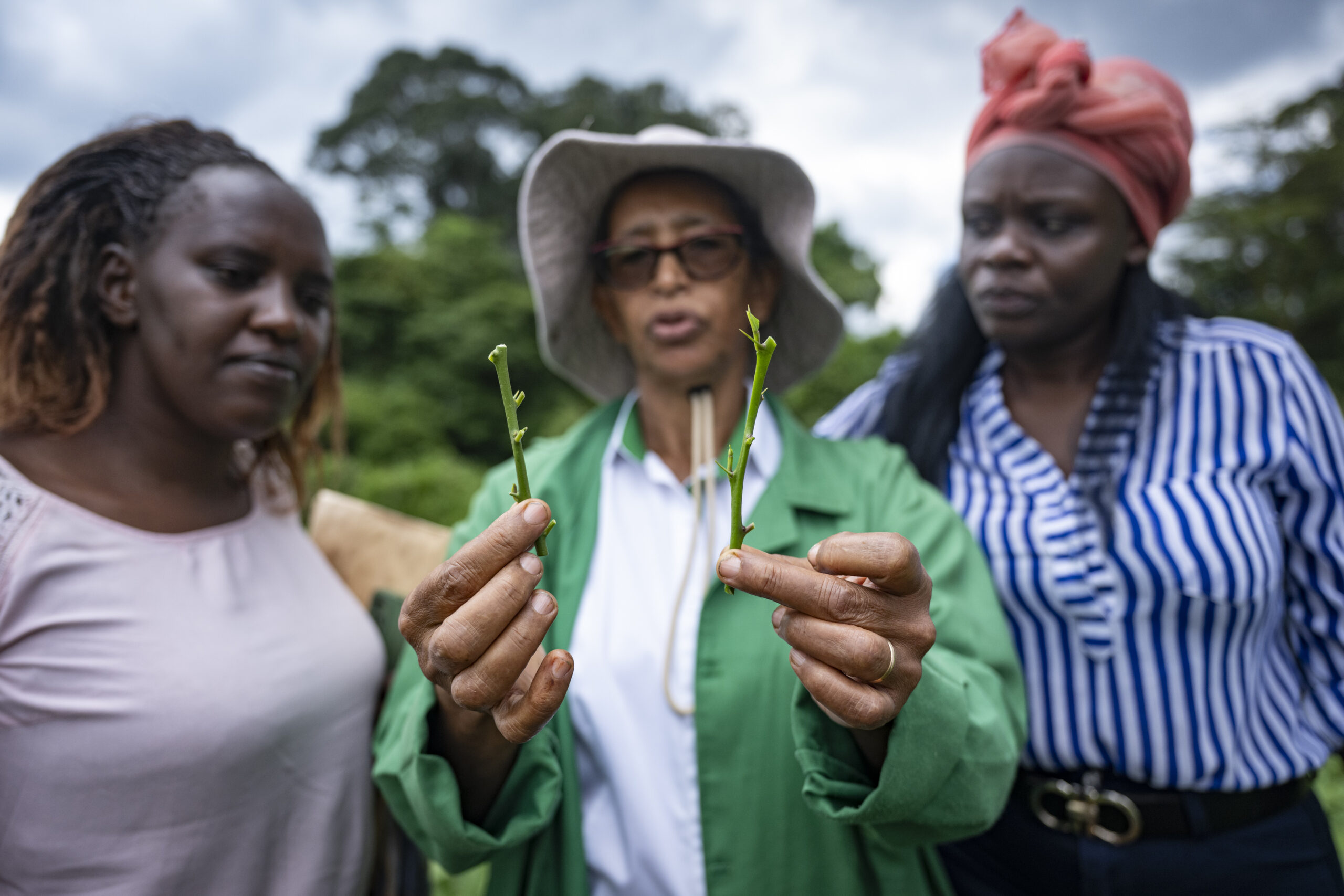
Over three days, participants took part in interactive sessions on climate science for non-specialists, environmental ethics in journalism and solutions-oriented reporting. A field excursion to a project site offered an opportunity to observe research activities first-hand and to practise translating scientific observations into stories accessible to the public.
For some participants, the training marked a turning point. “I have always been very interested in green journalism, but never had the opportunity to cover it,” one journalist said. “This training came at the right time to give me the hands-on skills I need to start reporting effectively on climate and forest issues.”
Journalists, the discussions repeatedly highlighted, are not simply conveyors of information. In the Congo Basin, where millions of people depend directly on forests for their livelihoods, careful, evidence-based reporting can shape public understanding, influence policy debates and support more sustainable approaches to managing natural resources.
“This initiative is about more than communication,” said Richard Sufo, RESSAC programme coordinator and scientist at CIFOR-ICRAF. “By strengthening journalists’ capacity, we are supporting more accurate and impactful reporting that can contribute to real change in Central Africa.”
The training is part of CIFOR-ICRAF’s broader efforts under the RESSAC programme (Recherche appliquée en écologie et en sciences sociales en appui à la gestion durable des écosystèmes forestiers d’Afrique centrale), which seeks to link applied research with local realities in the Congo Basin. By bringing journalists closer to the science behind forest management, biodiversity conservation and climate resilience, such initiatives aim to support reporting that reflects both the complexity of environmental challenges and the experiences of the people most affected by them.
As participants received their certificates at the end of the workshop, one message stood out. This was not just another media training. It was a step towards more informed, nuanced environmental journalism in Central Africa — and towards stories that better capture the importance of the Congo Basin for the region.