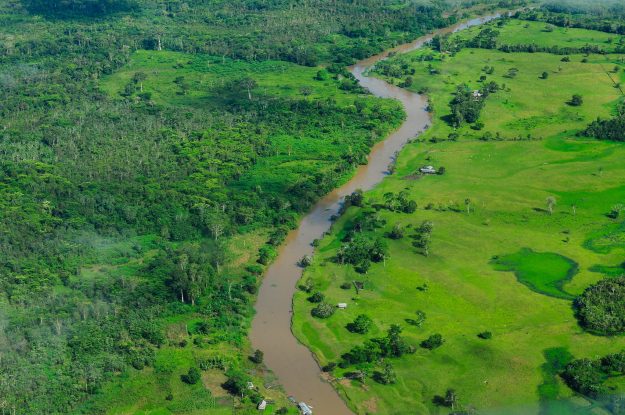



The world has made bold promises about restoring its landscapes. Under the United Nations Decade on Ecosystem Restoration (2021–2030), governments have committed to reversing the degradation of hundreds of millions of hectares by the end of the decade. Countries have signed onto the Bonn Challenge, pledging to restore 350 million hectares by 2030.
On paper, the commitments are ambitious. But turning them into practice is another matter. Who will do the restoring?
A global capacity needs assessment by the Food and Agriculture Organization of the United Nations revealed a troubling answer: the professionals needed to deliver on these commitments are simply not being trained. While technical subjects — ecology, silviculture, soil science — were reasonably well represented in existing university curricula across Asia, the assessment identified gaping holes in the areas that often determine whether restoration projects actually work. Missing from classrooms were participatory community engagement, governance, socio-economic inclusion, gender and equity considerations, and the integration of ecological knowledge with practical skills for planning, monitoring and adaptive management. In other words, the human dimensions of restoration were present, but unevenly taught.
The gap between what governments are pledging and what universities are preparing students for is becoming harder to overlook.
“The restoration agenda is accelerating — but education has not kept pace”, said Ilse Henneman, project lead of the Restoration Education initiative at the Center for International Forestry Research and World Agroforestry (CIFOR-ICRAF). “What we need is not just more courses on tree planting. We need transformative education that equips future professionals to think across disciplines, engage communities and lead restoration from the ground up.”
Hennemann has watched this disconnect widen over time. The question now is how to narrow it.
A regional effort takes shape
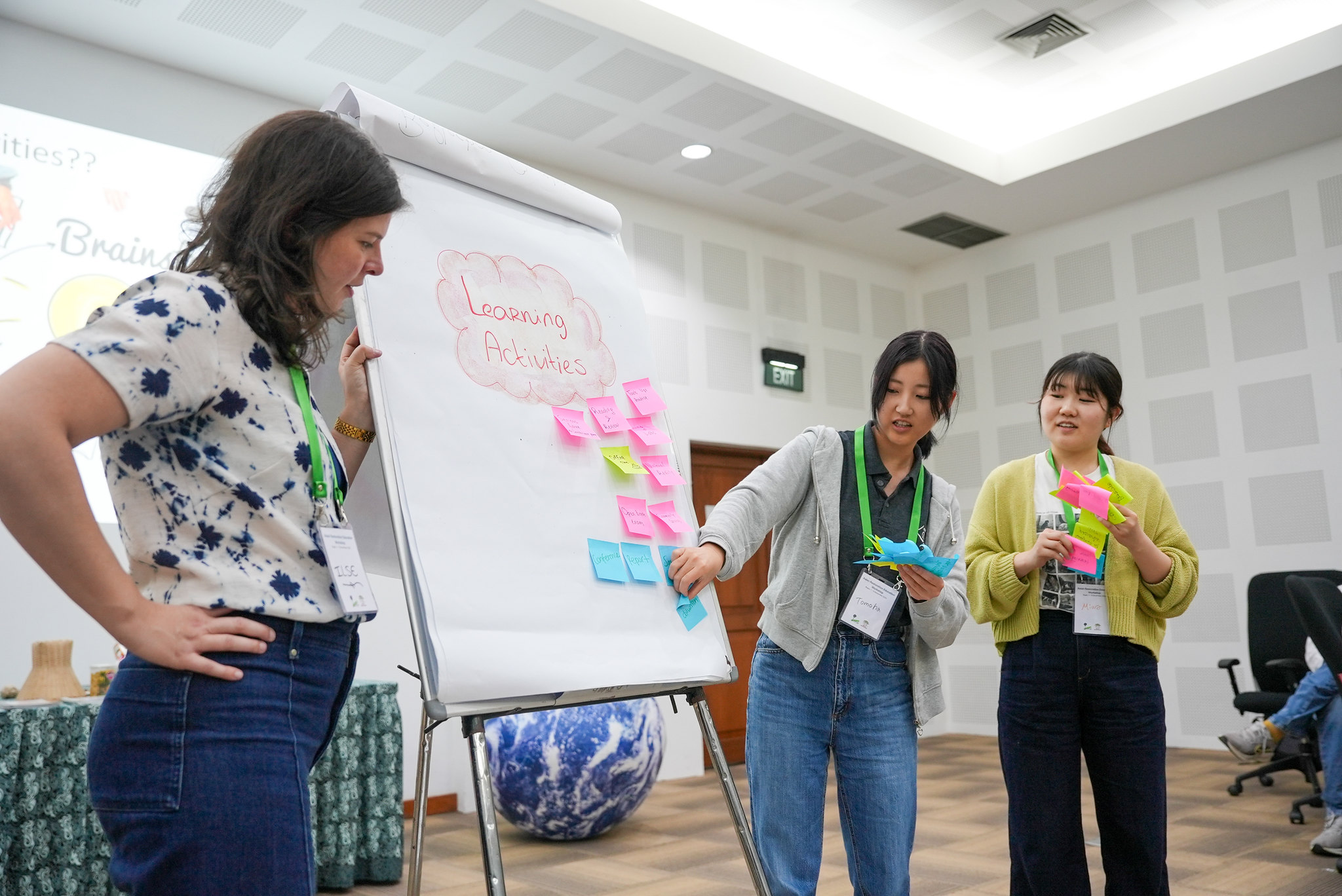
Restoration Education was conceived as a practical response to the widening gap between policy ambition and professional preparation. Rooted in Africa and now expanding to Asia, the initiative works to embed landscape thinking into universities and training programmes, equipping students, practitioners and policymakers to design and lead restoration efforts that are both ecologically sound and socially grounded.
In early 2025, building on experience in Africa, the Restoration Education initiative expanded to Asia. Led by CIFOR-ICRAF in partnership with the Global Landscapes Forum and the International Model Forest Network, the initiative has rapidly assembled a network of 14 universities across 10 countries: Bangladesh, Bhutan, India, Indonesia, Japan, the Philippines, Nepal, Thailand and Vietnam.
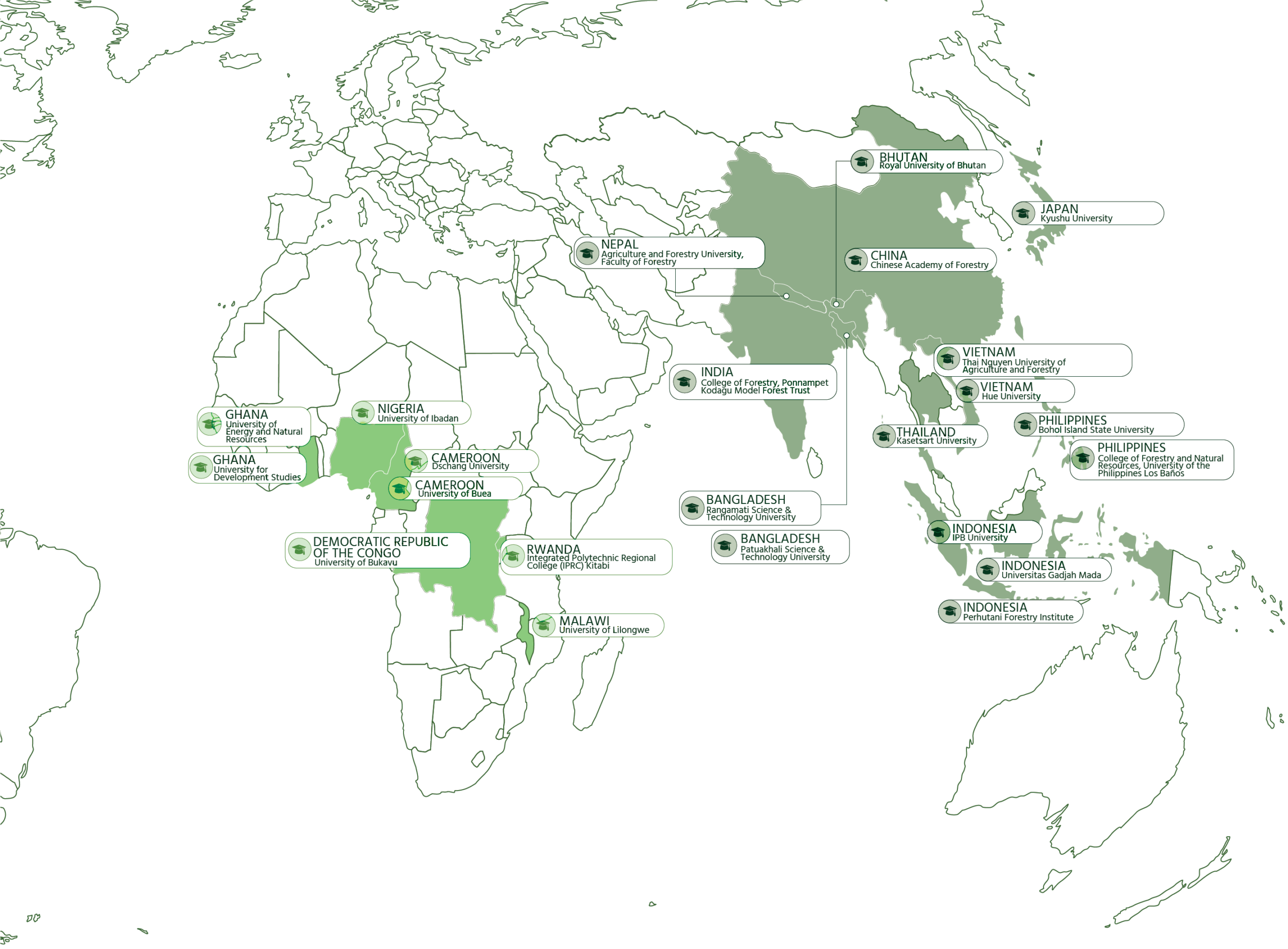
The intention was not only to develop a shared curriculum, but to connect a generation of young professionals across one of the world’s most ecologically and culturally diverse regions. By linking institutions that operate in very different landscapes — from Himalayan forests to coastal systems and drylands — the network aims to foster collaboration that extends beyond national borders.
Rather than introducing a standalone course, partner universities are co-developing a joint curriculum that can be adapted locally while retaining shared foundations. The focus is on preparing graduates to design inclusive restoration initiatives, strengthen livelihoods where landscapes are under pressure and contribute to restoration efforts at scale.
Co-creating the curriculum
If restoration requires collaboration across landscapes and institutions, the same logic applies to education.
In practice, that has meant lecturers, students and prospective employers working together to shape the curriculum. Rather than drafting modules in isolation, partner universities have opened the process to broader input.
One important contribution came from a training needs assessment conducted by the International Forestry Students’ Association (IFSA), which gathered perspectives from students across the region. Many expressed a need for stronger grounding in professional and personal skills that are underrepresented in existing programmes.
“It is very important that we gather input from the youth, from the students, since they will be the ones who will first-hand use and take this curriculum,” said John Miguel B. Cortes from the Association of Filipino Forestry Students at the University of the Philippines Los Baños. “Without these inputs, it might be tailored for different demographics as well.”
Those findings were integrated directly into the curriculum design process.
Jasmin Packer, research fellow in the School of Biological Sciences at the University of Adelaide, described the approach as transdisciplinary. “Interdisciplinary is where we bring these different disciplines together to solve a problem. And then transdisciplinary is where we bring these different disciplines together to solve a problem that’s really important and really big, a big global challenge,” she said. “And we bring together these disciplines to solve the problem together with society.”
From dialogue to direction: WINNER 2025
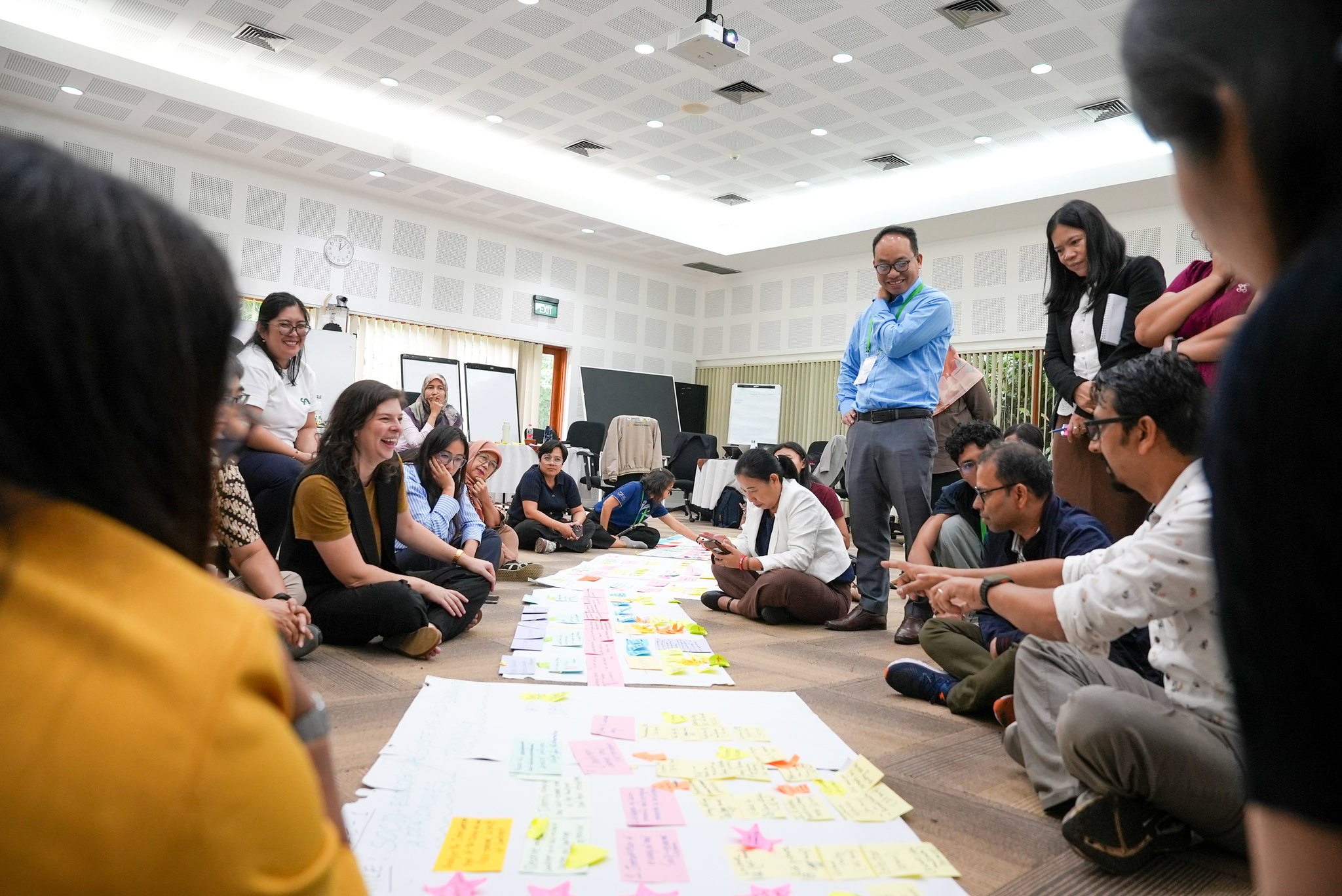
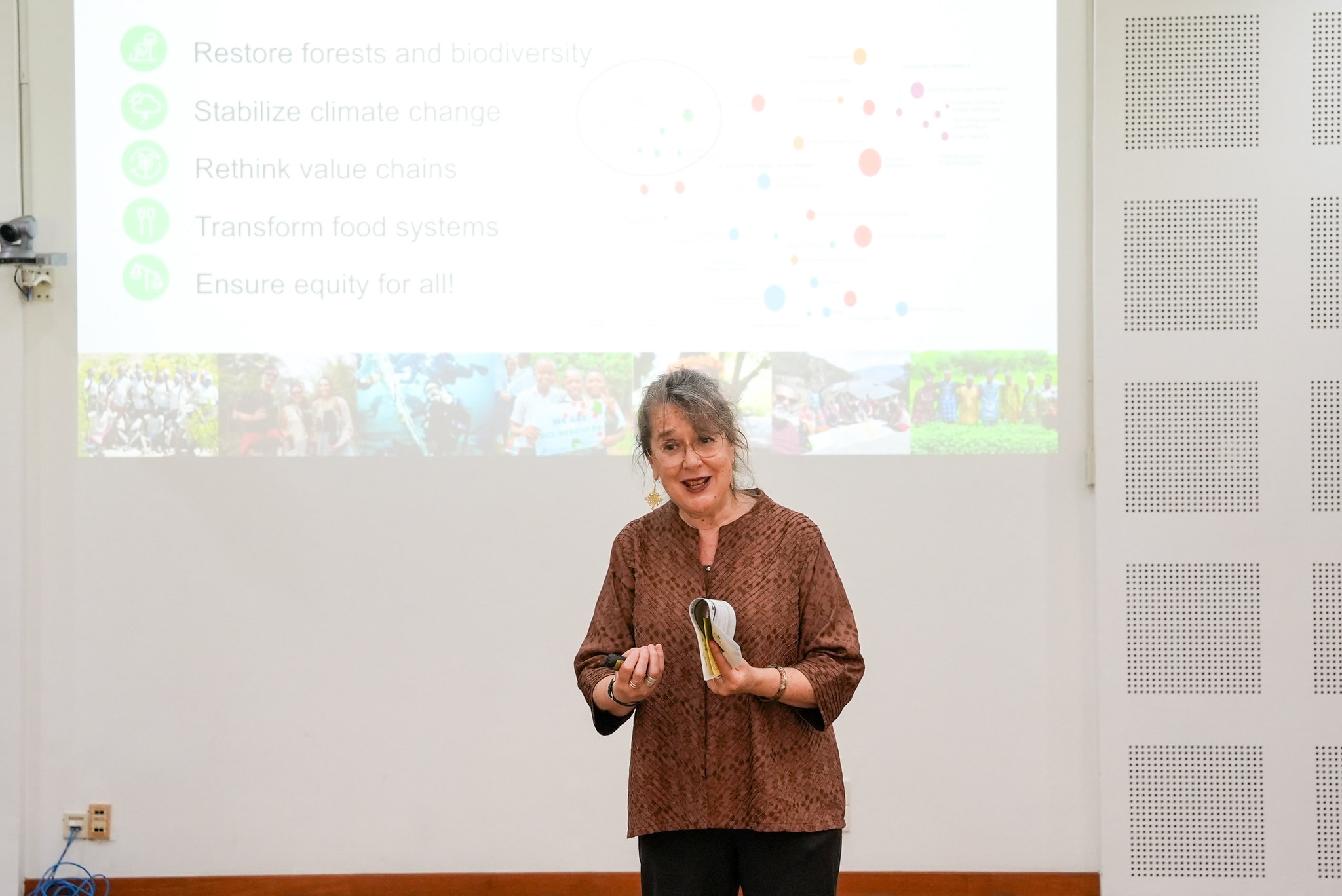
At WINNER 2025 in Jakarta, the initiative moved from framework to feedback. The session, hosted at Erasmus Huis, as part of the Embassy of the Netherlands in Jakarta, on 9 October 2025, brought together educators, students and employers in a structured co-creation dialogue. Participants were grouped by role and asked to reflect on what restoration education in Asia should deliver — and what it currently lacks.
Across discussions, several priorities emerged. There was broad agreement that curricula must be interdisciplinary and practice-oriented, combining ecological science with governance, policy and socio-economic realities. Employers called for stronger links between universities and labour markets, including joint modules, short programmes and digital platforms to share case studies and teaching materials. Students emphasised hands-on learning, field exposure and opportunities to build regional networks of young restoration professionals.
The online session reinforced these themes.
Participants highlighted the need for a dual skillset: technical competencies such as GIS, mapping, project management and data analysis, alongside social facilitation skills including stakeholder engagement, participatory governance and communication. Knowledge alone, they noted, is insufficient without the attitudes required for long-term restoration work — stewardship, resilience, collaboration and responsibility.
For Cora van Oosten, director of Capacity Development and Education at CIFOR-ICRAF, the message is clear. “The guiding principle of restoration is that restoration needs to fit in a place. It needs to be contextualized. It needs to fit in the ecosystem. It needs to be carried and owned by the people,” she said.
Five modules, fourteen universities
As of early 2026, the 14 partner universities have organized themselves into five thematic working groups, each responsible for developing one core module of the emerging curriculum. The modules span ecological principles and landscape dynamics, governance and policy frameworks, socio-economic dimensions, community engagement and monitoring and adaptive management. Teaching materials are being developed collaboratively, drawing on case studies and field-based learning approaches that can be adapted to different social, ecological and institutional contexts across Asia.
For Beeju Poudyal, professor at Nepal’s Agriculture and Forestry University, Faculty of Forestry, and Module 1 coordinator, the urgency behind this work is evident. “We are in a society or era where food security is one of the major challenges. And with deforestation, there is a lot of devastation across Asia,” she said. “We live with the impacts of those issues daily. Restoration Education in Asia is not only needed for students, but also for educators. We need to move beyond traditional teaching approaches and reflect more on field realities.”
Her module examines the drivers of landscape change — not only ecological processes, but the economic, institutional and social systems that shape them. The aim, she explained, is to prepare students to understand landscapes as interconnected systems and to respond with approaches that are transdisciplinary and grounded in practice.
Beyond the curriculum content itself, the network of educators may prove just as significant. As universities collaborate across borders, they are comparing pedagogical approaches, aligning learning objectives and building a shared understanding of what restoration education should look like in the region.
Fourteen universities. Ten countries. Five modules under development.
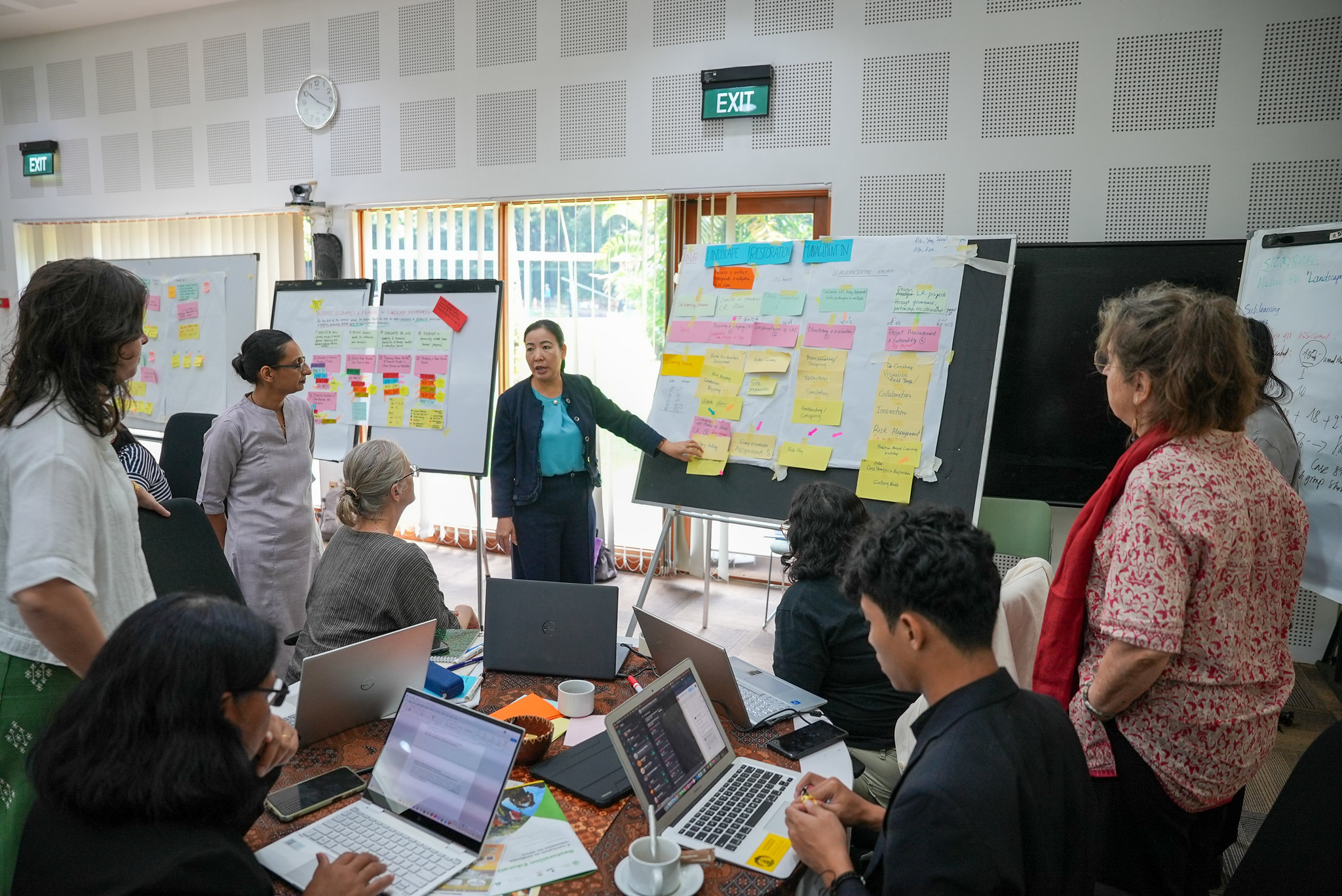
Participants gather during an Asian Restoration Education curriculum development workshop at CIFOR-ICRAF’s Bogor campus, bringing together educators and practitioners from across the region. Photo by Fajrin Hanafi / CIFOR-ICRAF.
The curriculum is still being written. But across Asia, a more coordinated approach to restoration education is beginning to take form — one designed to equip future professionals to respond to the environmental and social pressures already reshaping the region’s landscapes.
Over the next six months, as the modules are drafted and tested, the insights and lessons emerging from this process will be shared and debated by participants at a follow-up workshop and summer school scheduled for July 2026 in the Philippines.