
In 2025, four students from Indonesia and the Philippines stepped into a role few students ever get: co-designers of the very education meant to train people like them.
They were consultants with the International Forestry Students’ Association (IFSA), brought into Landscape Alliance’s Restoration Education initiative to help answer a question that rarely gets asked:
What do students studying forest and landscape restoration in Africa and Asia actually need to learn, and where is that education falling short?
Restoration Education is Landscape Alliance’s initiative bringing together universities, educators, students and practitioners across Africa and Asia to build restoration capacity through higher education. Its mission is to move beyond knowledge transfer to shape how students understand themselves, others and the systems they’ll work in.
IFSA, a global student-led network for forestry students, and Landscape Alliance have collaborated for more than a decade on knowledge-sharing, professional development and youth engagement in forestry research. Their partnership renewal in 2024 opened a new way of working together: the IFSA student consultancy programme, which brings undergraduate and master’s students in as consultants, rather than interns or observers, on Restoration Education.
“Real youth engagement happens when students are given structured targets and real trust, rather than just a seat at the table,” says Nilo Wijaya, former president of IFSA. “What I mean by structured targets is having clear deliverables agreed on from day one, then the freedom to decide how to get there. That combination gives young people real responsibility and real ownership, and it protects everyone from the vague, ever-expanding asks that often creep in when expectations were never set clearly in the first place.”
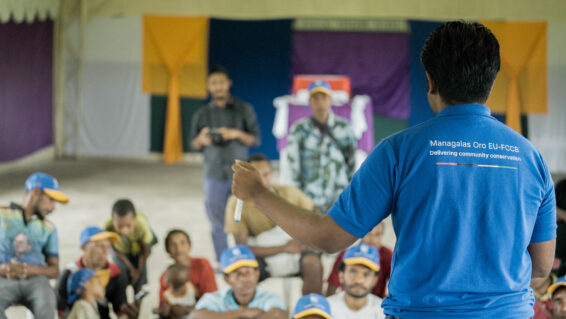
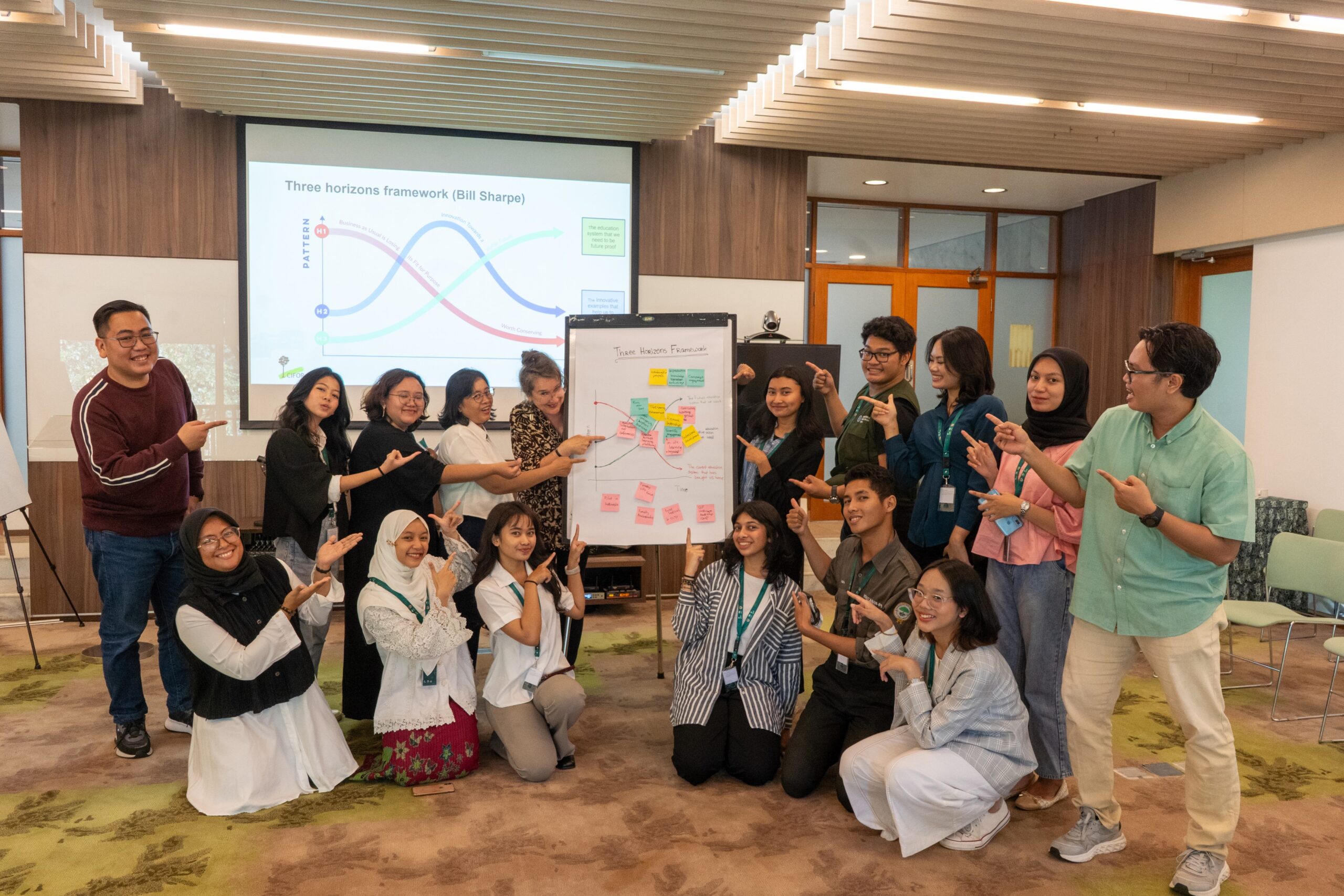
IFSA Consultants presenting the outcomes of the student training needs assessment during the Restoration Education curriculum design workshop, Bogor, Indonesia, December 2025
A curriculum for students, shaped by students
The first task fell to the four consultants working in Asia: develop a student training needs assessment (TNA) to identify the core competencies forest and landscape restoration (FLR) professionals in the region need, examine how universities were teaching restoration and recommend what should change.
Through a survey of 40 students and recent graduates across 10 Asian countries, along with focus groups and interviews, they found a consistent pattern: strong theoretical grounding but clear gaps in practical skills. Most respondents (75.8 per cent) said they lacked the geospatial mapping skills needed to track restoration and degradation. Nearly as many felt unprepared in project design (72.7 per cent) and international policy frameworks (72.7 per cent).
The findings pointed to a need for restoration education in Asia to shift towards applied, experiential and interdisciplinary learning.
The consultants took their findings to the Restoration Education curriculum design workshop in Bogor, Indonesia, in December 2025. They briefed university partners on the content, topics and teaching approaches the curriculum needed to reflect, then stayed to help design it, bringing student perspectives into every module.
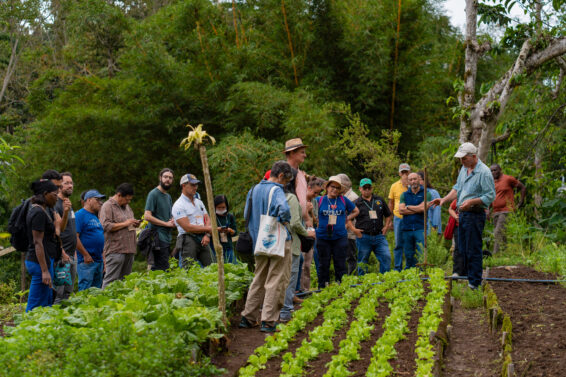
After a year of curriculum development, it was time to put the material into practice. The Restoration Education summer school, hosted by the University of the Philippines Los Baños, welcomed 25 local students from different environment-related disciplines. The eight-day programme equipped participants with knowledge, skills and perspectives to contribute to restoration initiatives across Asia.
The IFSA consultants helped deliver every module. Ferizta Hardika, an IFSA consultant from Indonesia, co-facilitated the module “People, Culture, and Identity for Landscape Restoration” and led a mapping exercise that helped students understand the value of a sense of place when working with local communities.
“Beyond just delivering content, it felt like closing the loop, from doing the TNA to building the curriculum to finally stand in the room and see how students respond to it. It was a full-circle moment that made all the earlier work feel real and worthwhile,” says Ferizta.
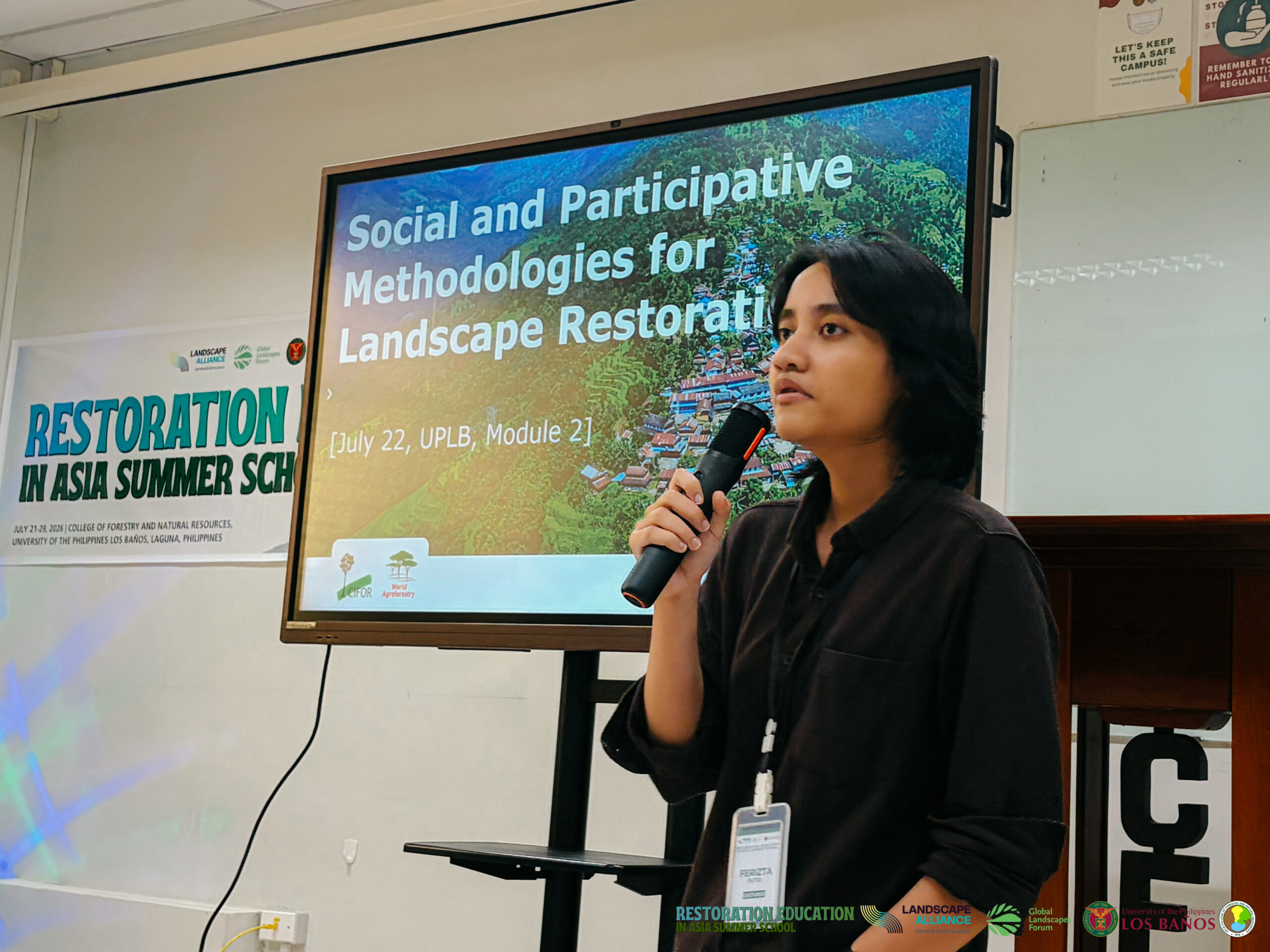
Photo by University of the Philippines Los Baños & Landscape Alliance
From Asia to Africa: continuing Restoration Education’s work
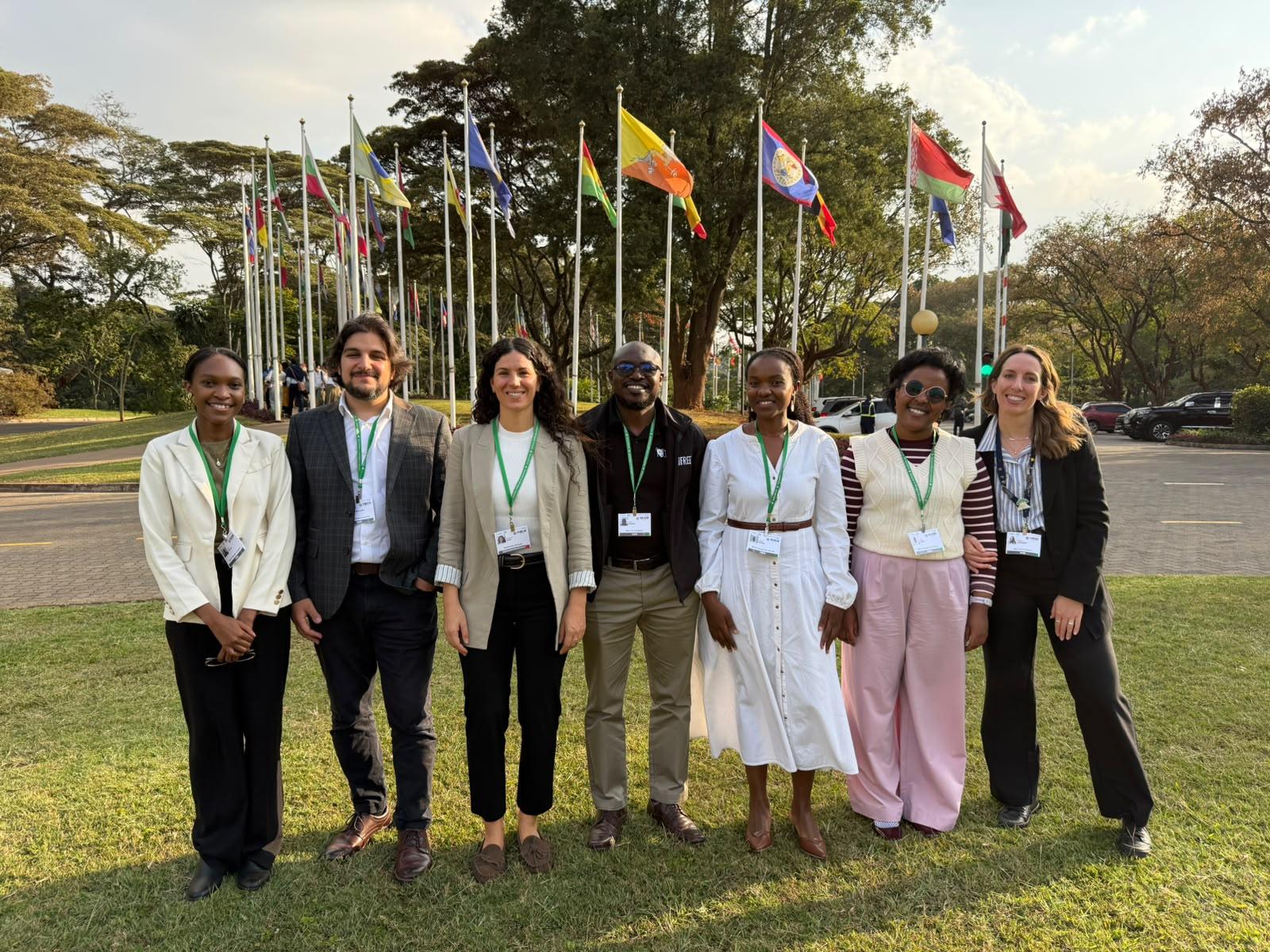
With the first consultancy assignment complete, Landscape Alliance welcomed new students from Ghana, Uganda and Nigeria to bring fresh perspectives on African students’ training needs for careers in landscape restoration.
Salvation, one of the new IFSA consultants, had her own reasons for joining: “I had my own questions from studying forestry in Nigeria. I wanted to know if some of the challenges we face here, especially around university learning and the gap between what we are taught and what we need in the field, were also common in other African countries.”
Building on the African Restoration Education curriculum launched in 2022, the African student TNA found a familiar gap between theoretical and practical training. Students had a solid foundation in the biophysical dimensions of FLR but wanted more professional and practical skills, including project management and stakeholder engagement, which are needed to design and implement viable restoration projects.
“The TNA showed me how differently we, as students from different countries, think about landscape restoration, and yet we all share the same gaps when it comes to restoration education,” says Theopista Abalo, an IFSA consultant from Uganda.

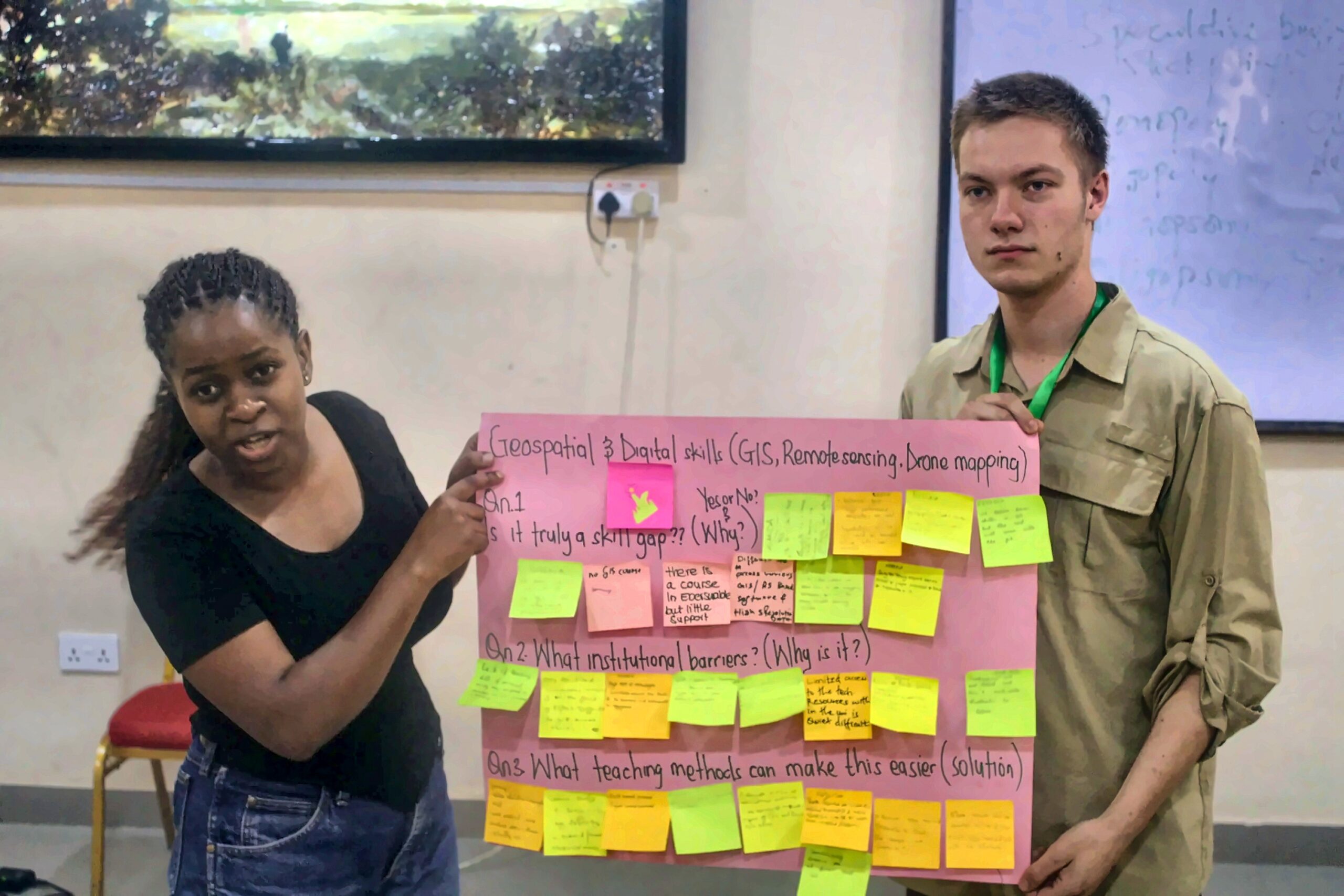
The consultants continued this work at the International Forestry Students’ Symposium (IFSS) in Nigeria in August 2026. During a Restoration Education workshop, 50 forestry students from around the world shared their views on the competencies missing from higher education, the institutional barriers behind these gaps and what could help address them.
One conclusion came through clearly: students don’t lack knowledge; they lack opportunities to apply it. Alongside more blended and experiential learning, the consultants called for mentorship initiatives that connect students with experienced restoration practitioners who can offer first-hand guidance on careers in restoration.
How students connected educators worldwide
The consultants’ work extended beyond curriculum design. They also helped strengthen the project’s university network through the launch of the Restoration Education Community on Landscape Academy, a resource repository for educator capacity development and a space for African and Asian educators to learn from one another.
For Canakya, an IFSA consultant from Indonesia who co-moderated the online community, this meant working with an entirely new audience.
“I got the chance to engage with professors, which was completely new for me,” Canakya says. The experience also challenged her to rethink her approach: “It pushed me to rethink my approach and realize that the way we engage students may not work the same way as educators.”
Canakya and her fellow consultants later presented ideas to Landscape Alliance for strengthening engagement across the Restoration Education network. These included inviting summer school alumni into the community, creating a space for student-professor exchanges between universities and drawing on educators’ networks to bring more lecturers into the programme.
Building the foundation for student engagement
Looking back across two years, two continents and eight student consultants, what stands out is the curriculum, the summer school and the network of educators, as well as what the process showed about trust. Giving students clear responsibilities and the freedom to contribute their own ideas allowed them to shape work that would affect their own education and that of their peers.
“I hope this pilot project serves as a lasting foundation for student involvement,” says Nilo. “My wish is for restoration education in Asia is to stay interdisciplinary, grounded, and continuously co-designed with students, opening up endless doors for students to shape the future they will live in.”
The collaboration between IFSA and Landscape Alliance shows what student involvement can contribute to restoration education. By bringing students into training needs assessments, curriculum design, teaching and educator networks, the initiative gives them a direct role in shaping how landscape restoration is taught and practised.