


Across Africa, wild food plants — especially fruit trees and vegetables — quietly sustain people’s diets and livelihoods.
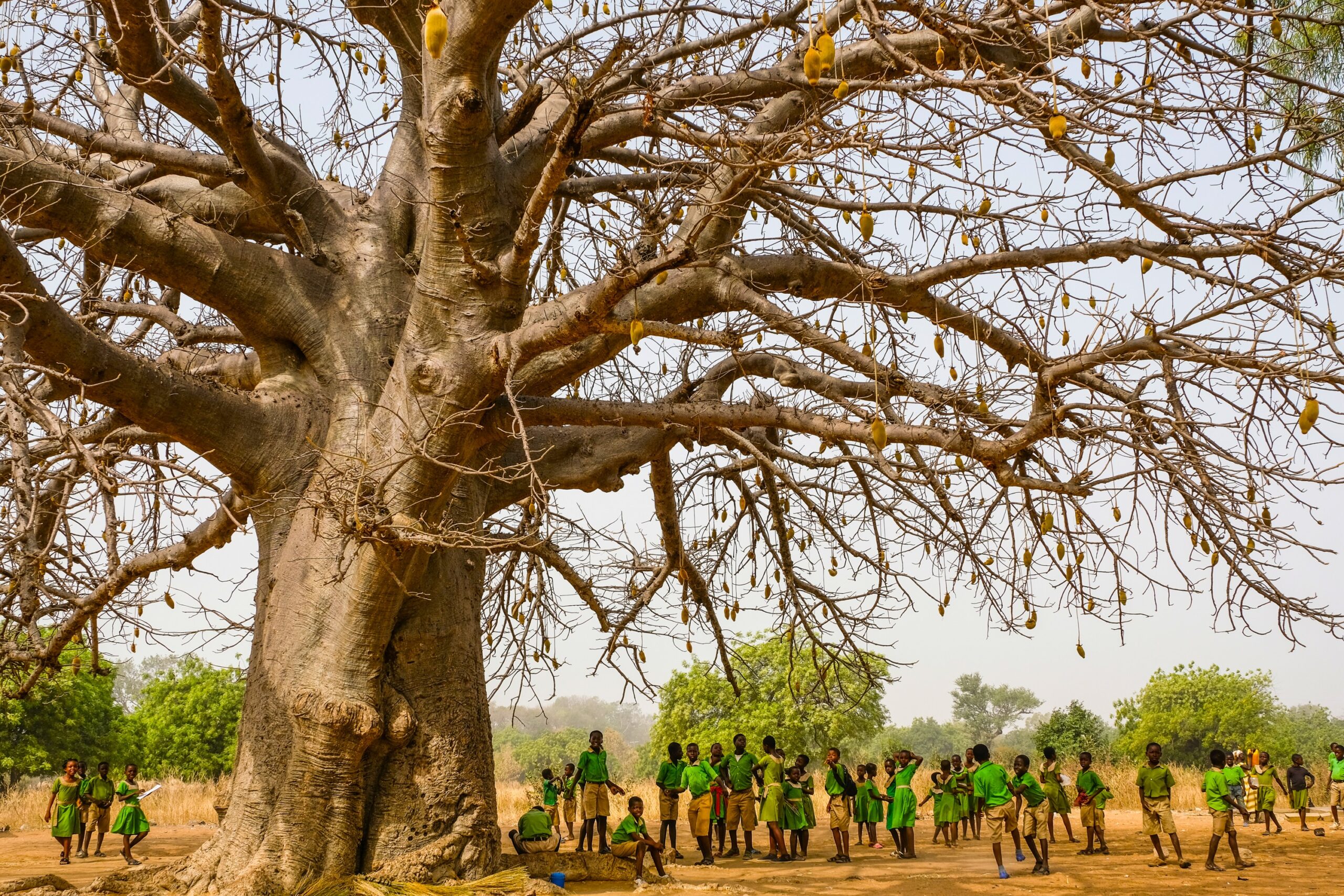
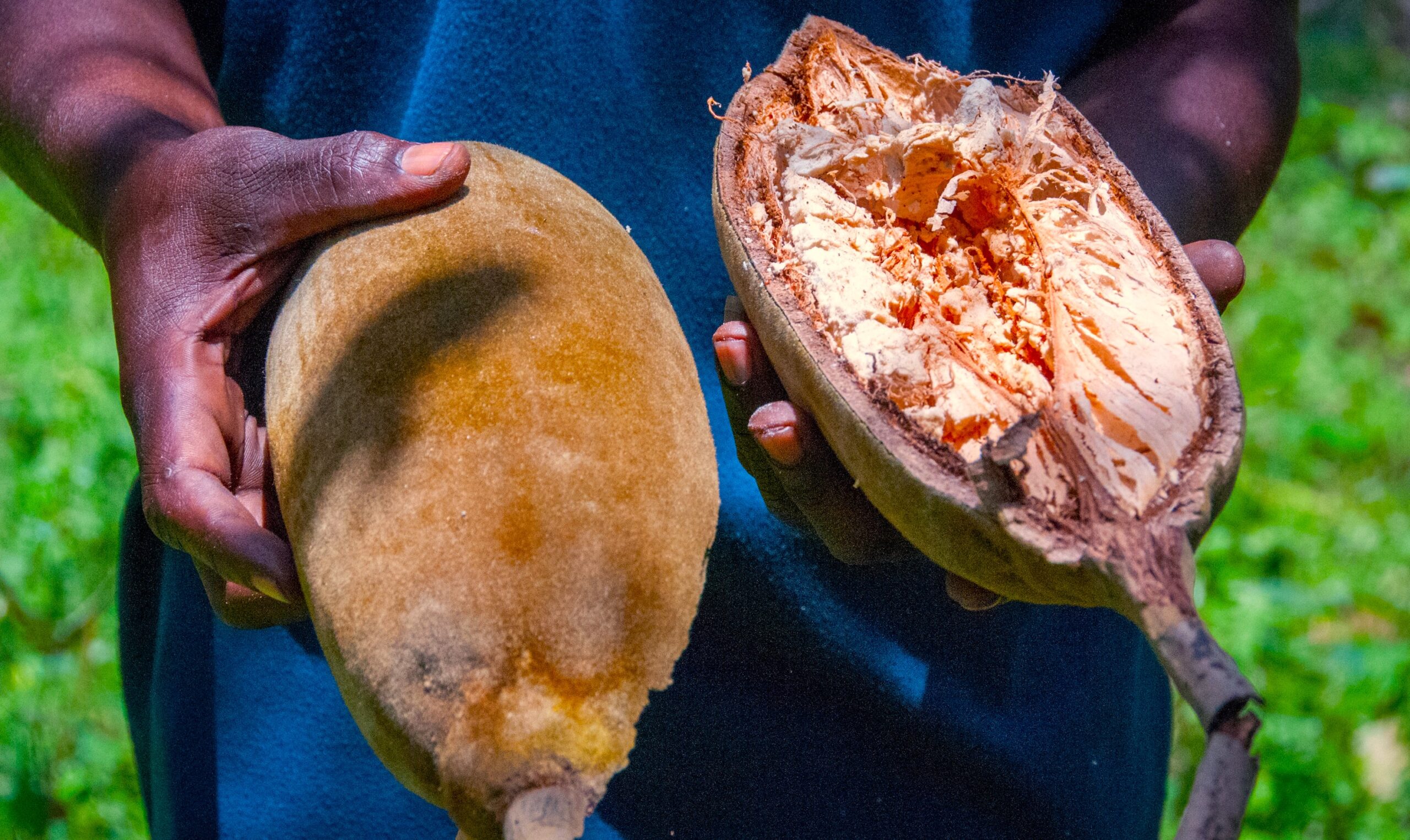
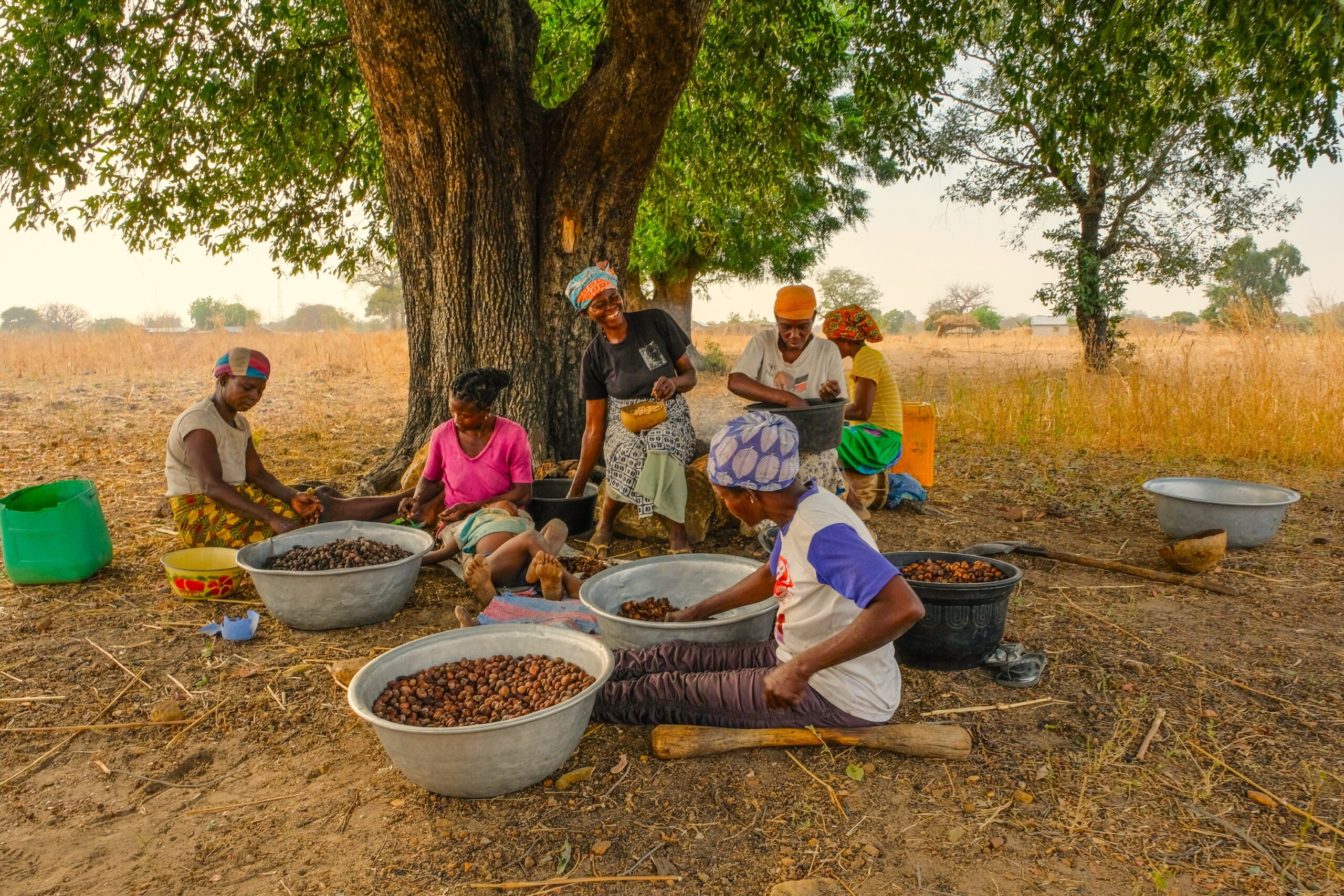
Yet many of these valuable species, including nutrient-dense orphan crops such as amaranthus, sorghum, millets, baobab, shea and marula, which have nourished communities for generations, are disappearing faster than they are being conserved.
The Third Report on the State of the World’s Plant Genetic Resources for Food and Agriculture, published by the Food and Agriculture Organization of the United Nations (FAO), reveals that 70 percent of surveyed wild food plant diversity in Africa is threatened, mainly due to habitat loss, land-use change, climate stress and underinvestment in food systems.
The report highlights sharp declines in wild food plants that provide essential vitamins and act as a buffer during hunger periods, threatening the wellbeing of millions of people and their households.
Conserving overlooked crops
In response to this decline, the Center for International Forestry Research and World Agroforestry (CIFOR-ICRAF), through initiatives such as the African Orphan Crops Consortium, is working to conserve and improve orphan crops that are central to African diets.
This work is supported by the FAO, whose global frameworks, data systems and policy guidance on plant genetic resources and underutilized crops help strengthen conservation, seed systems and crop improvement efforts. Together, these initiatives contribute to more diverse diets, improved micronutrient and reduced reliance on a narrow set of global staples.
Why genebanks matter
However, conserving the genetic diversity of these species for long-term use requires dedicated systems and infrastructure. This is where genebanks play a critical and often under-recognized role.
One way CIFOR-ICRAF is addressing this challenge is through its tree genebank — a specialized facility dedicated to conserving priority tree species seeds and live trees to safeguard their genetic diversity for the future.

“Protecting genetic diversity through genebanks is essential for the future of food. As wild food plants disappear from landscapes, genebanks become vital guardians of this diversity,” says Alice Muchugi, theme leader for Tree Diversity and Productivity at CIFOR-ICRAF.
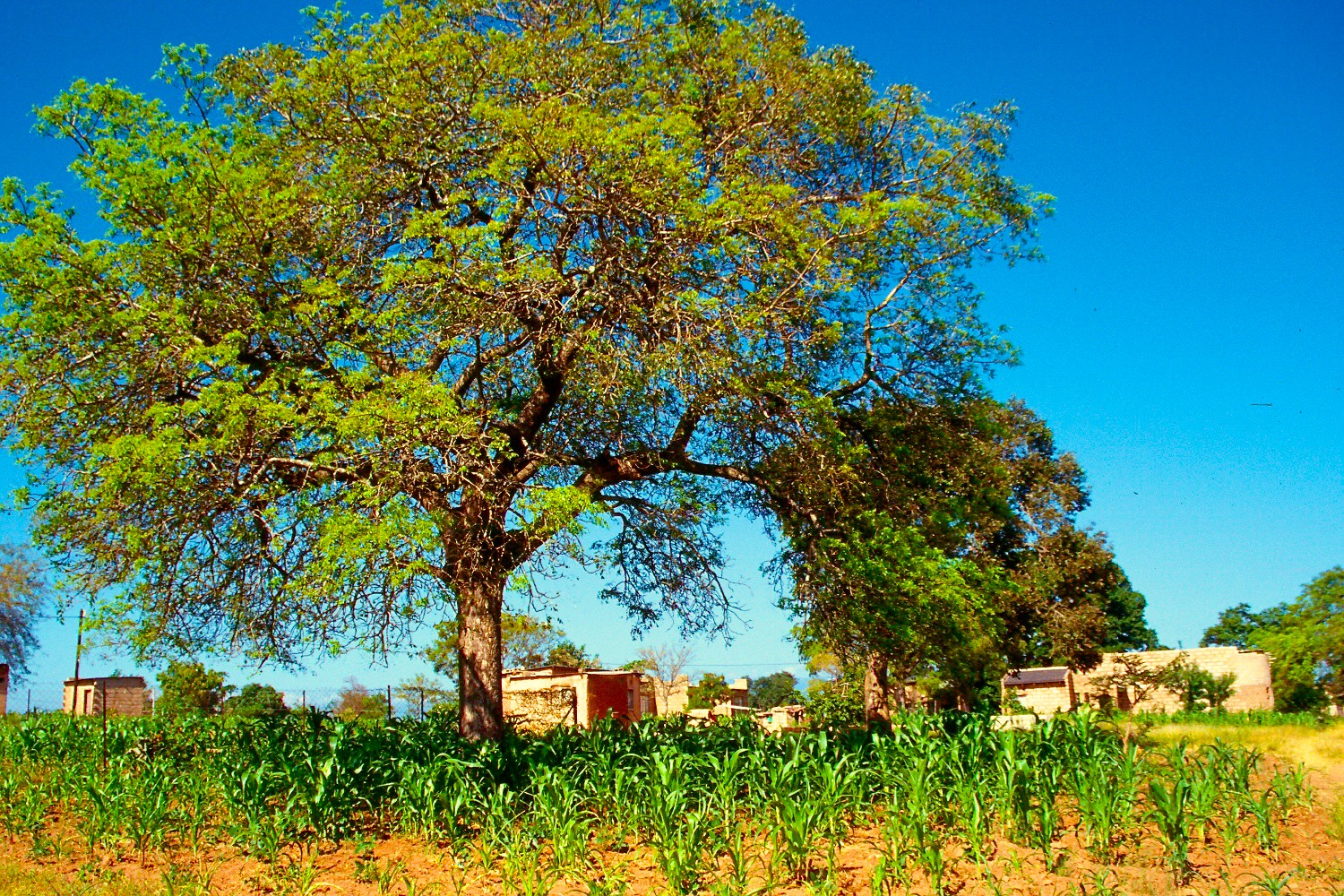
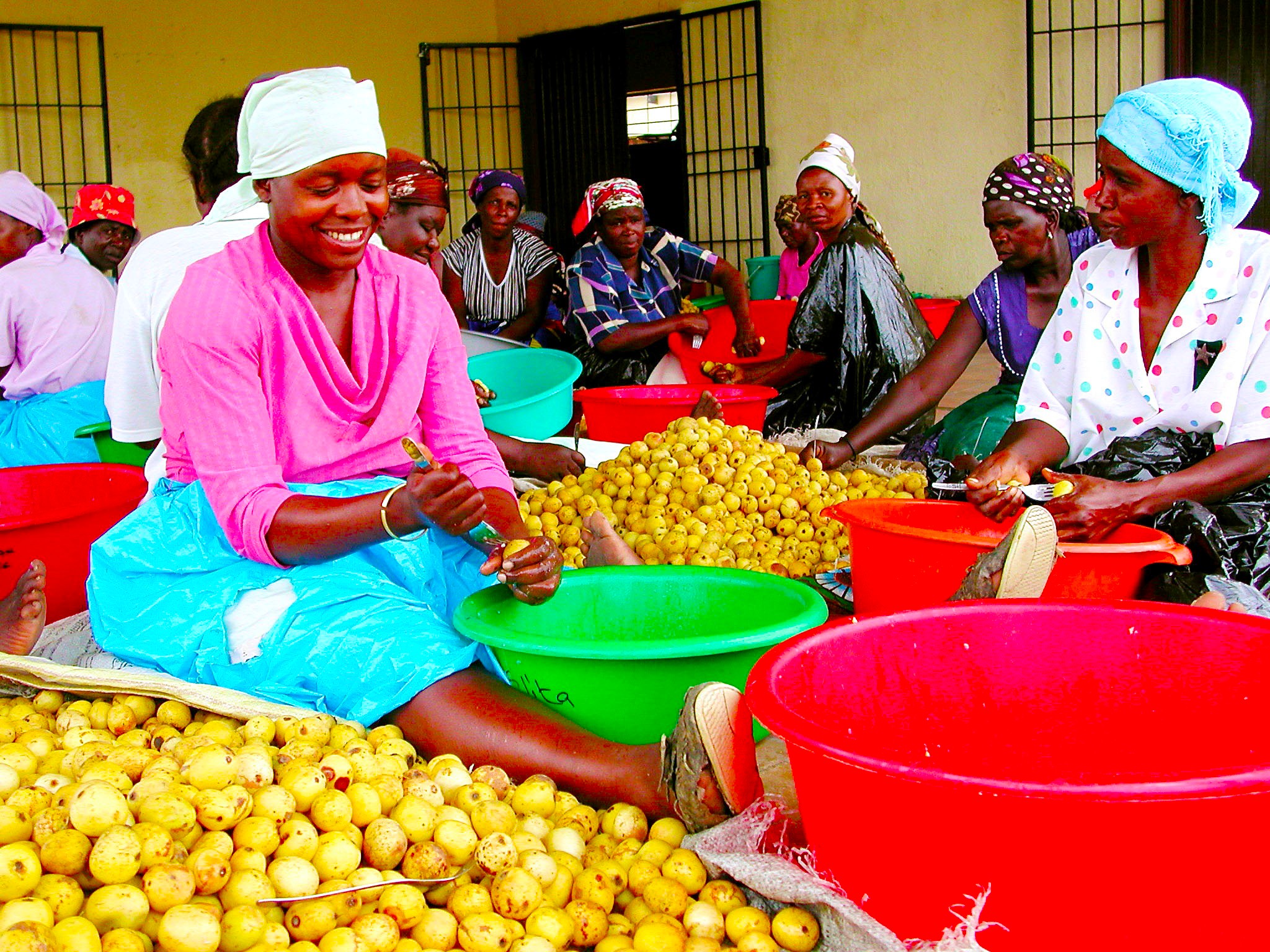
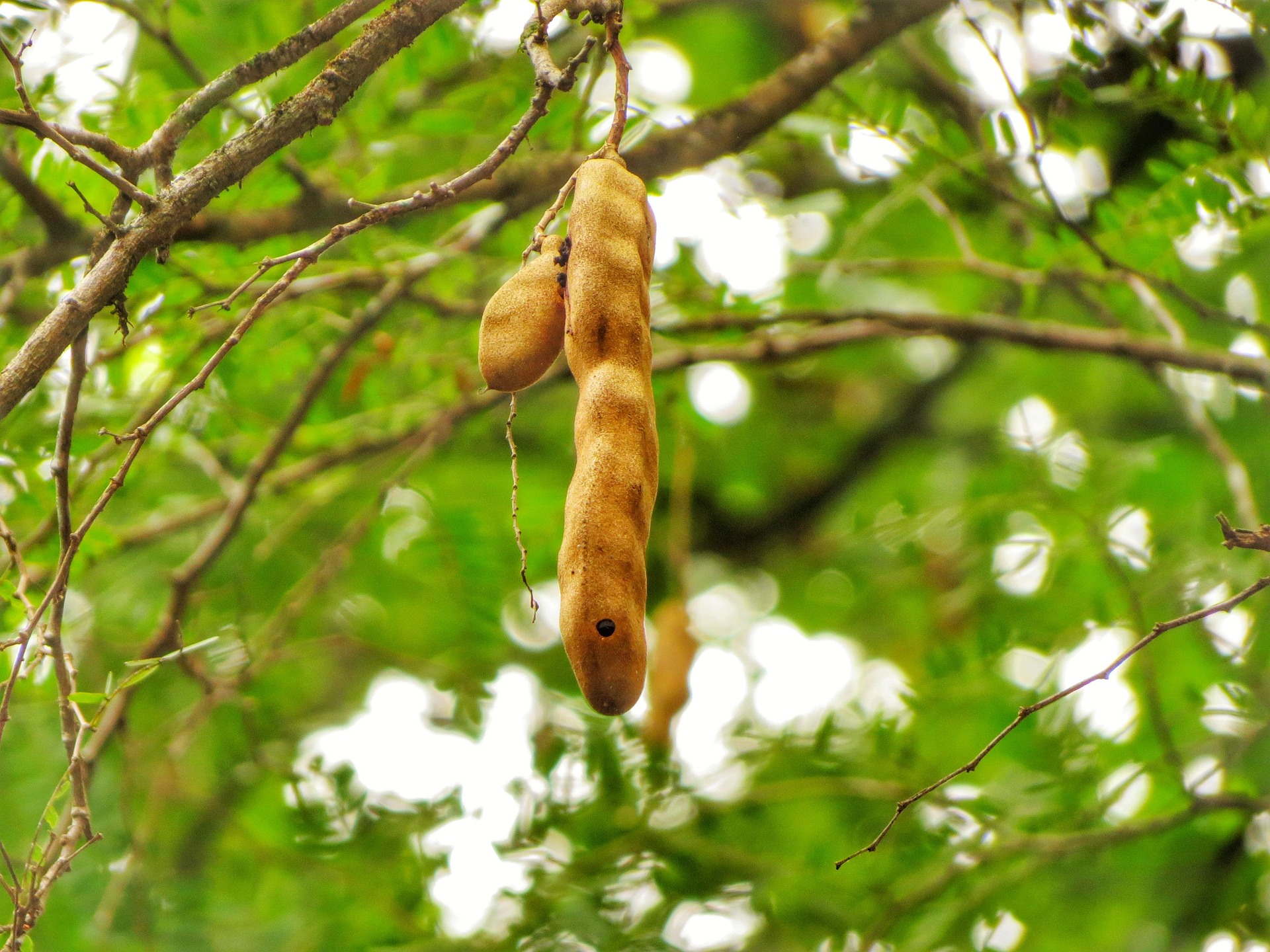
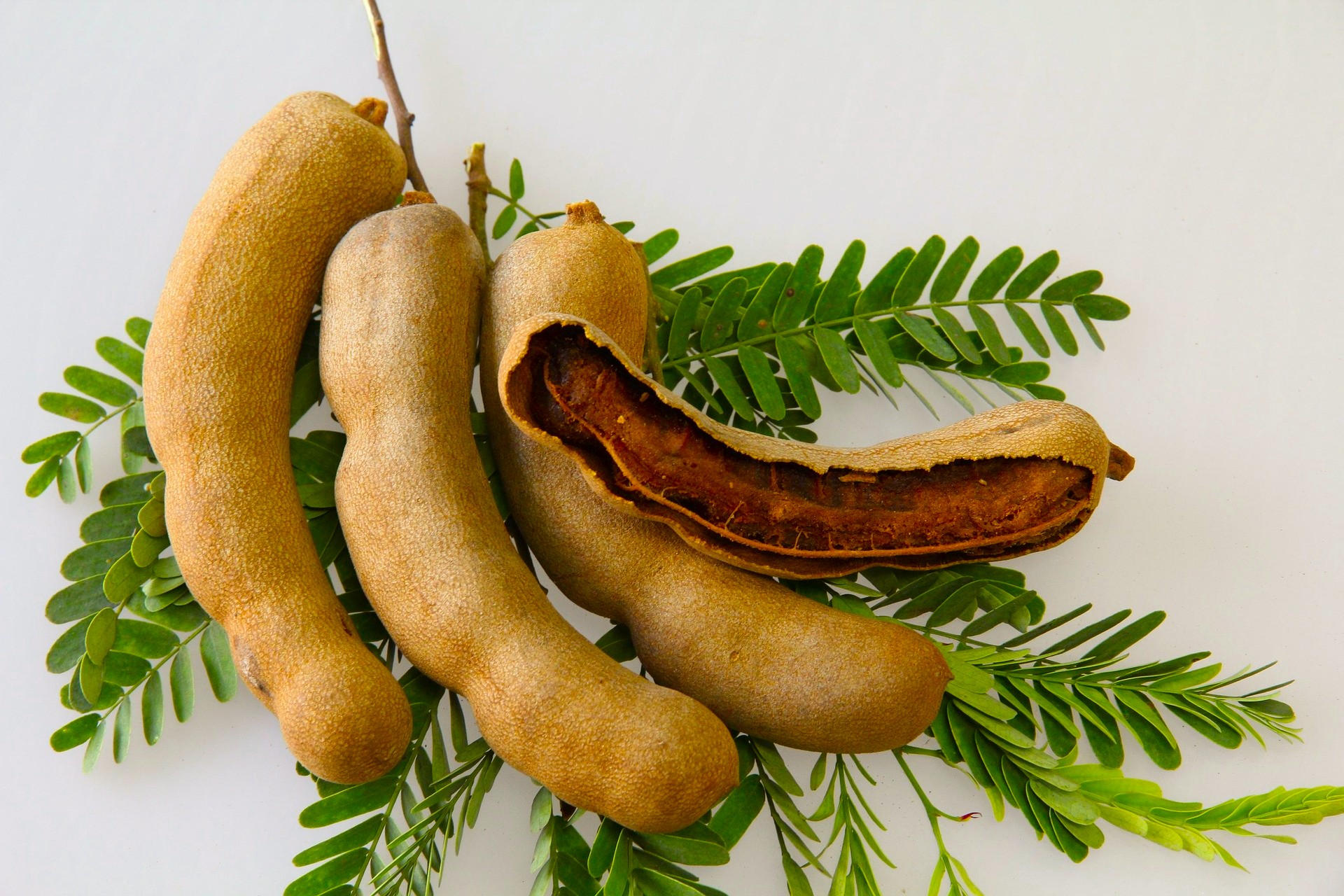
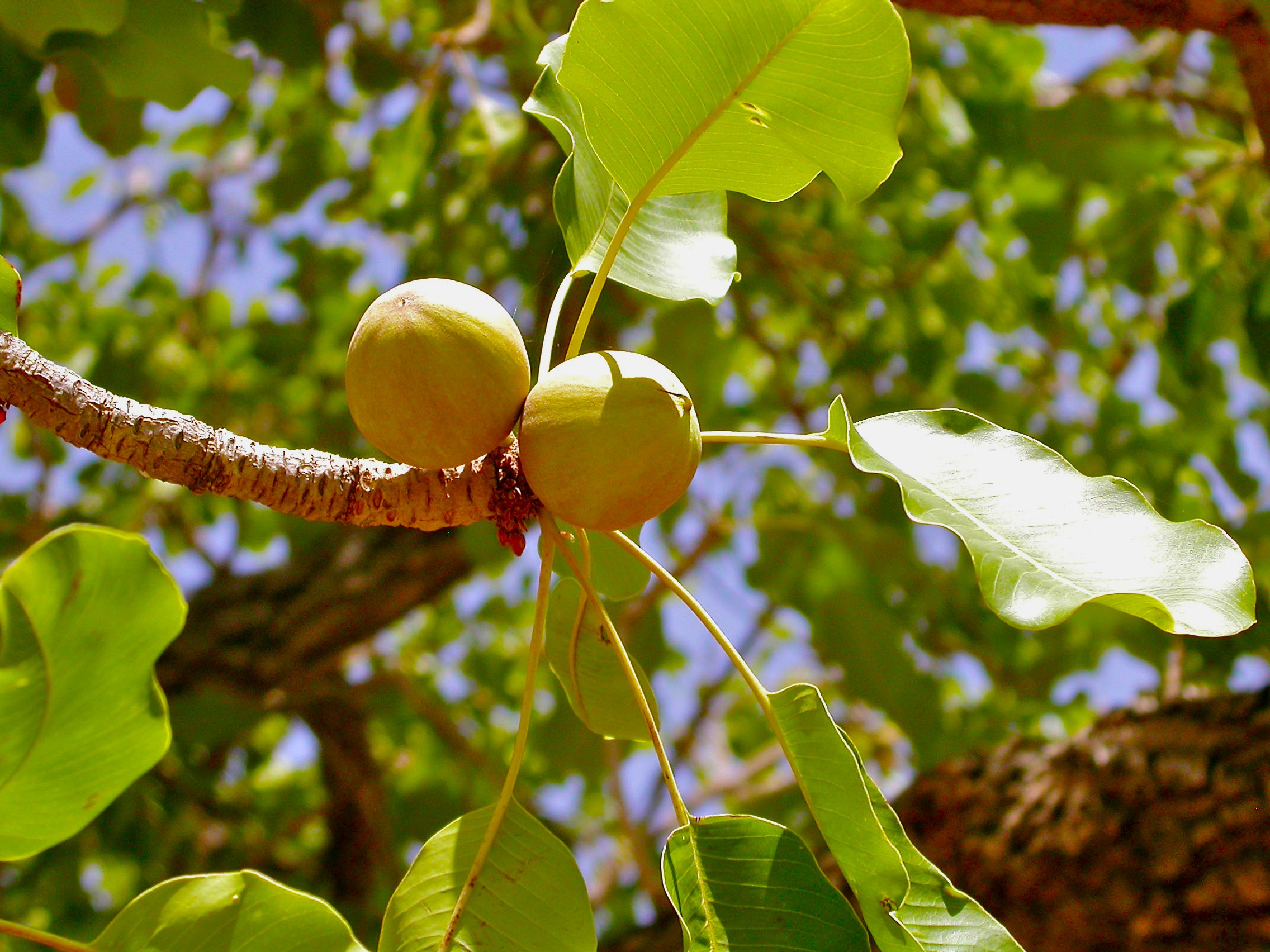
“In our tree genebank, we have conserved seeds from a wide range of tree species, including orphan crops such as baobab, shea, marula, tamarind and African bush mango. These trees are rich in essential nutrients that support people’s health and wellbeing. By preserving them, we are helping safeguard the nutrition of communities today and for generations to come,” she adds.
Genebanks promote the sustainable use of tree germplasm — seeds and other plant material used in conservation and breeding — to boost food and nutrition security and strengthen agricultural resilience to climate change.
They enable researchers, plant breeders, and farmers to access and utilize genetic traits that are critical for developing crops with desirable attributes.
How seeds are preserved
Inside genebanks, seeds are conserved through a careful process designed to keep plant diversity alive for the future.
The process begins in farmers’ fields, forests, and wild landscapes, where seeds are collected once fully mature to preserve their genetic integrity. After collection, the seeds are carefully cleaned and dried to remove moisture, extending their storage life.
Seeds are then sealed in airtight containers and stored in deep-freeze conditions. This slows ageing and helps maintain viability, allowing the seeds to germinate even decades later.
Yet genebanks are not static vaults. Scientists at CIFOR-ICRAF conduct regular seed viability tests to ensure seeds remain alive. When viability declines, seeds are grown out in fields or greenhouses to produce new generations for storage.
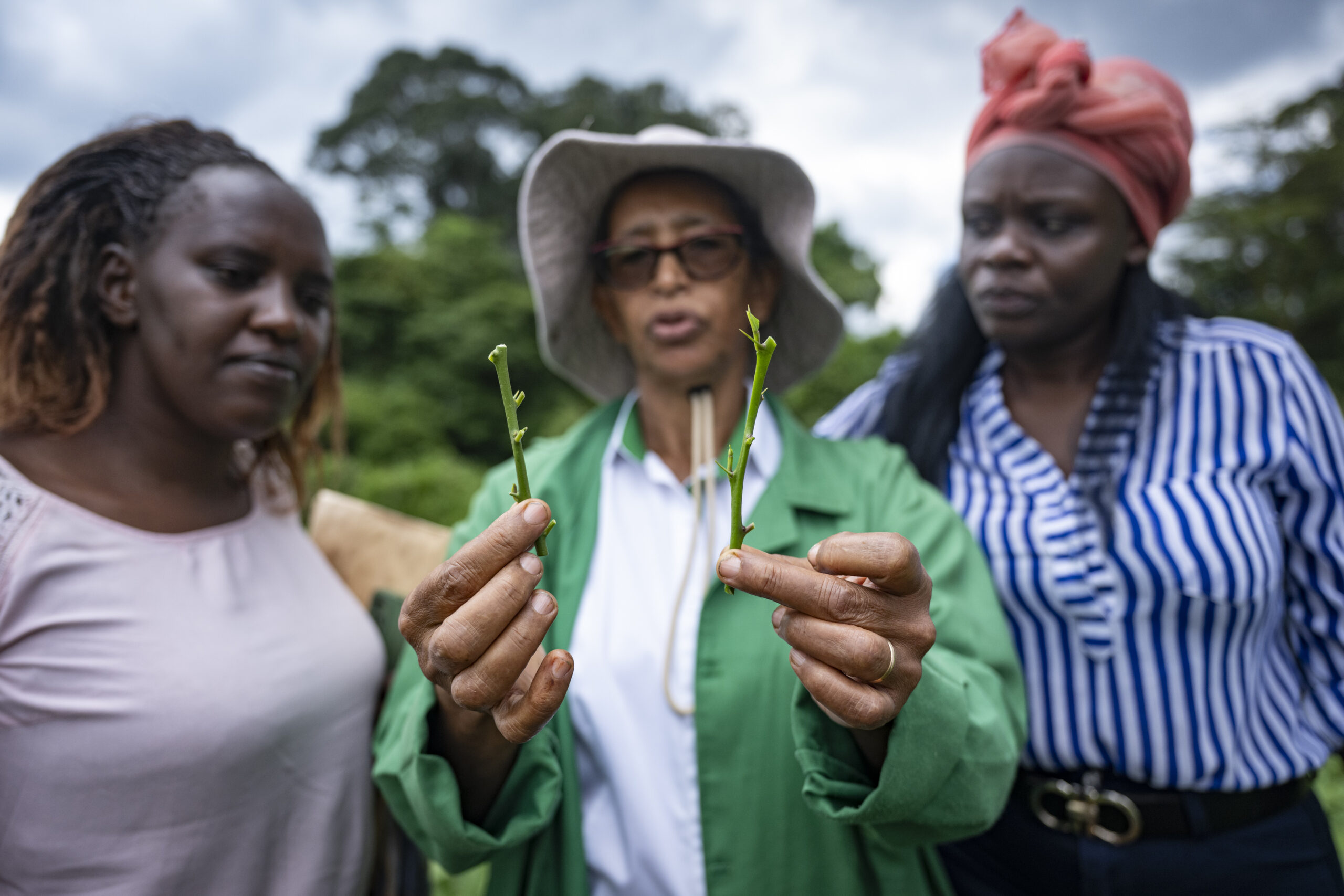
By conducting regular seed viability tests, scientists at CIFOR-ICRAF ensure that stored seeds are capable of germinating when planted. Photo by Kelvin Muchiri / CIFOR-ICRAF
At every stage, detailed records are kept for every seed, documenting origin, traits, and storage history.
By preserving seeds this way, genebanks ensure that valuable plant diversity is protected and remains available to support future food and nutrition security.
A system at risk
Despite their vital role, Africa’s genebanks face significant risks from power failures, floods, conflict and chronic underfunding, putting the continent’s seed collections and plant genetic diversity at risk.
The FAO report highlights that around 220,000 seed samples from nearly 4,000 plant species are conserved in 56 African genebanks, yet only about 10 percent of collections are safely duplicated elsewhere.
“This means that without backup storage, unique African crops could be lost permanently due to risks such as power failures, floods, conflict or chronic underfunding,” notes Noelle Anglin, secretary of the Intergovernmental Technical Working Group on Plant Genetic Resources at the FAO.
To address this, CIFOR-ICRAF has prioritized safety duplication by securely storing copies of its seed collections, including those from important tree species, in external genebanks.
These backups are held at the Kunming Institute of Botany Genebank in China, the Millennium Seed Bank in the United Kingdom and the Svalbard Global Seed Vault located in Norway. These backups ensure that critical plant diversity remains protected even in the face of local disruptions or disasters.

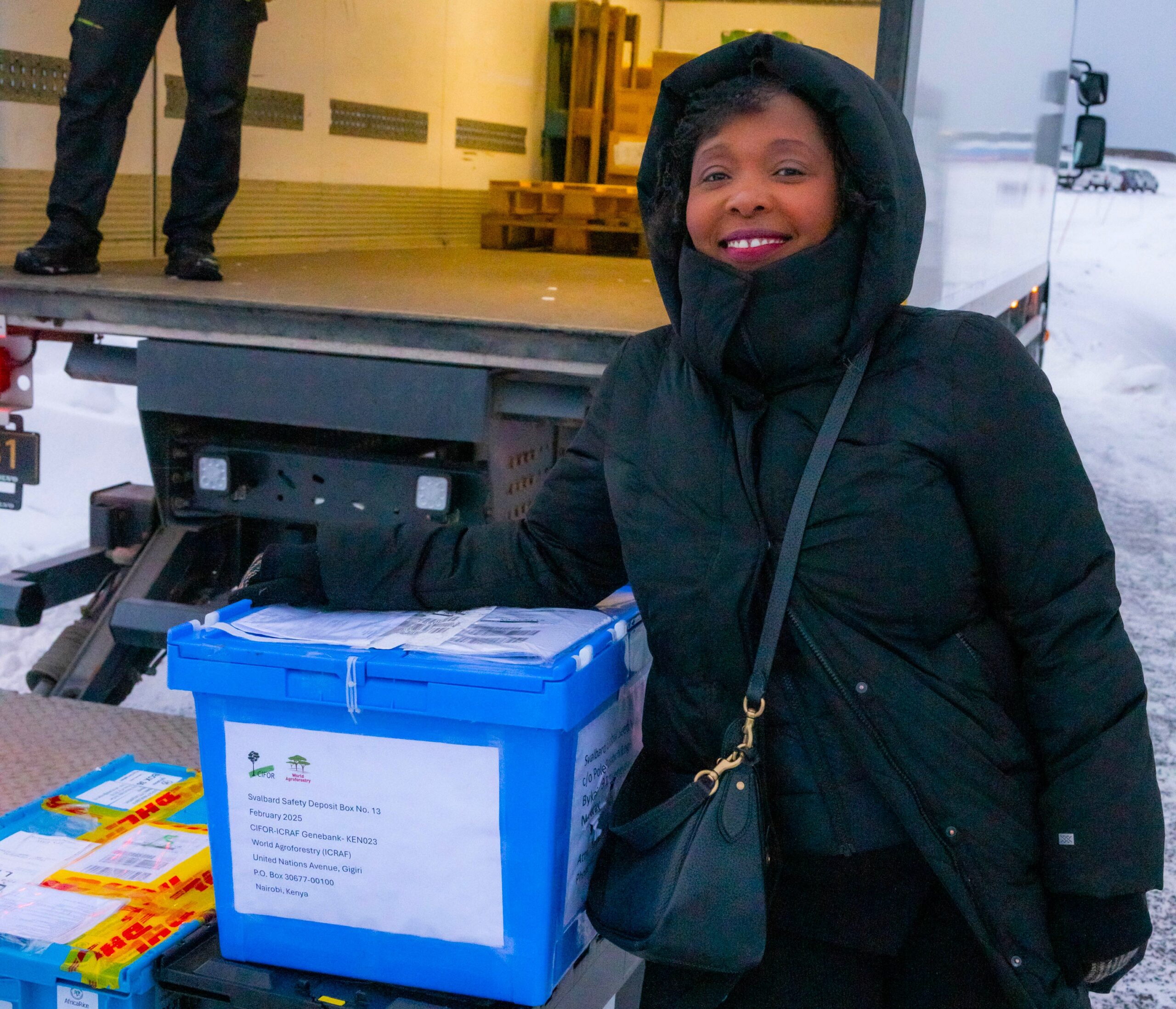
“Safety duplication is one of the most important strategies in genebank management. By storing seed samples in multiple locations, we ensure that valuable plant species are protected from disasters and remain available for generations to come,” Muchugi adds.
However, not all seeds can be stored in cold genebanks. Seeds from fruit trees like mango and citrus are known as recalcitrant seeds, meaning they cannot survive drying and freezing. When dried too much, they lose their ability to grow. When frozen, ice crystals form inside the seed and damage its tissue, making it non-viable.
Living collections in the field
To conserve these delicate seed varieties, scientists use field genebanks — living collections of plants maintained in natural or farm-like conditions.
The field genebank at the Horticultural Research Insititute conserves fruit tree varieties that cannot be stored in cold genebanks. Photo by Irene Sinoya / CIFOR-ICRAF
CIFOR-ICRAF has been working closely with the Government of Kenya, through the Kenya Agricultural and Livestock Research Organization (KALRO), to establish field genebanks across the country. These sites conserve fruit trees and other perennial species that cannot be stored as seed.
One example is the field genebank located at the Horticultural Research Institute in Thika. It conserves a wide range of fruit tree varieties, including mango, guava, citrus, loquat, soursop, avocado, starfruit, banana, Japanese apple, white sapote and custard apple.

Many of these fruits are rich in essential vitamins, minerals and dietary fibre, highlighting their importance for food security, nutrition and livelihoods.
“For more than 25 years, we have partnered with CIFOR-ICRAF to conserve plant genetic resources, an undertaking that is both technically demanding and costly. Through this collaboration, we receive critical financial and technical support that enables us to protect genetic resources, advance crop improvement research, support training and secure agricultural prosperity for future generations,” said Dr Joseph Njuguna, director of the Horticultural Research Institute.
The field genebank at the institute currently holds more than 170 banana varieties, 11 citrus varieties and 30 mango varieties, among others.
A safeguard for future food systems
Chikelu Mba, deputy director of the Plant Production and Protection Division at FAO, stresses the importance of conserving seed collections.
“Crop diversity — including farmers’ varieties or landraces, wild food plants and the genetic relatives of major crops — is essential for developing progressively improved crop varieties needed to climate-proof the continent’s agrifood systems. Yet many of these resources are disappearing faster than they are being protected, meaning their inherent potential may never be fully realised — not for the current generation, and certainly not for those who come after us. Through genebanks countries can conserve and protect these resources,” he notes.
Every seed conserved in a genebank represents a promise for the future. By protecting the genetic diversity of wild food plants today, scientists and conservationists are helping build food systems that are more diverse, nutritious and resilient in Kenya and across Africa.
→ Watch more: CIFOR-ICRAF tree seed lab promotes sustainable agroforestry