
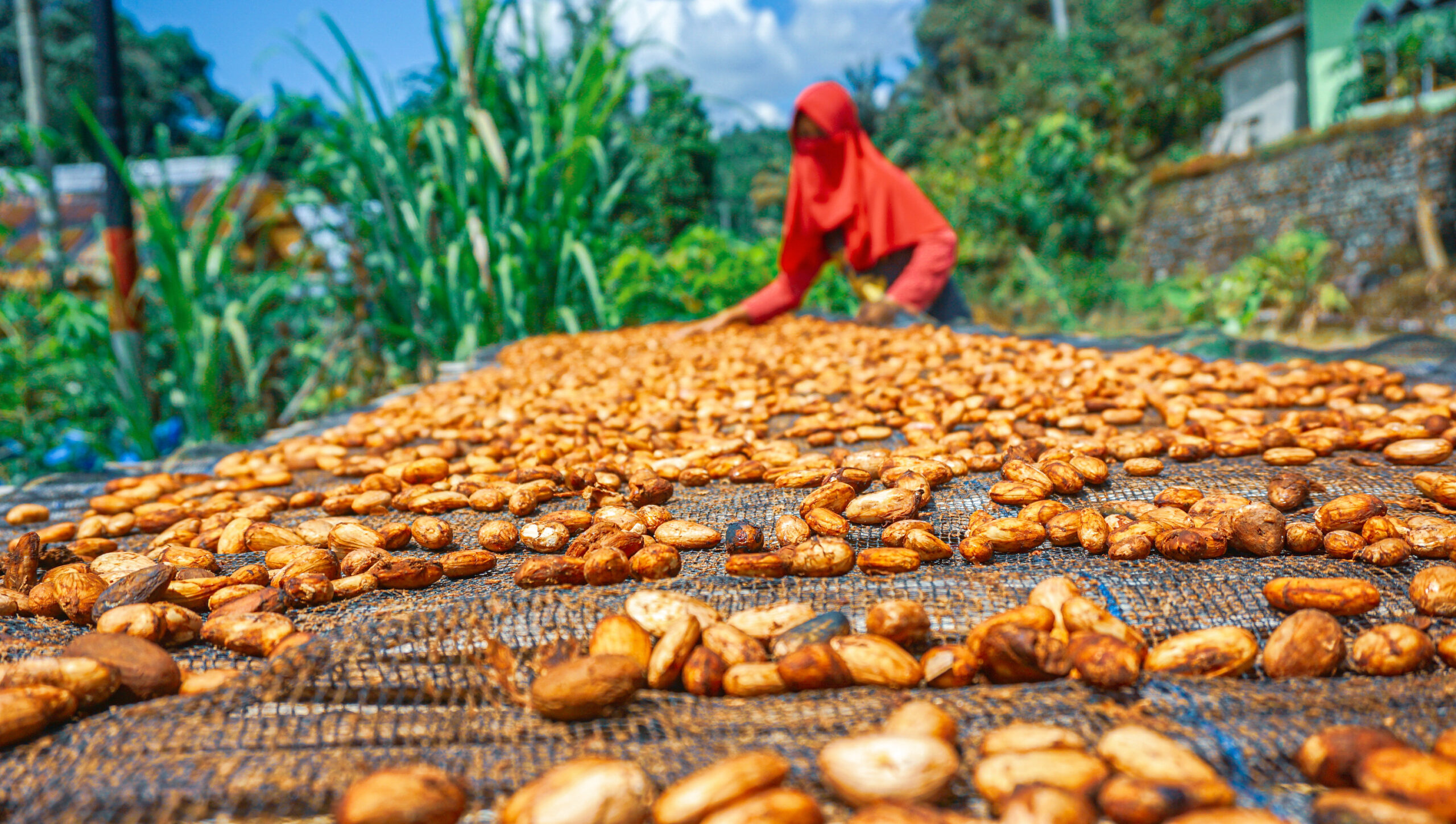
In the village of Mappadeceng in Sulawesi, Indonesia, farmers Kasum and Sulastri grow cacao for export – their beans eventually making their way into global treats like Mars Bars and M&Ms.
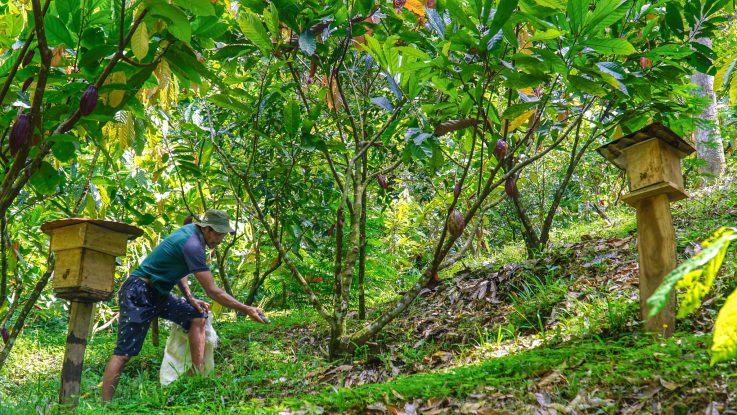
But cacao is not the couple’s only business. “At first, my neighbours thought I was crazy for hanging bee colonies under our stilt house,” says Kasum. And yet the 200 bee boxes – and the honey their buzzy residents produce – have helped the couple buy a vehicle, improve their home and send their daughters to university.
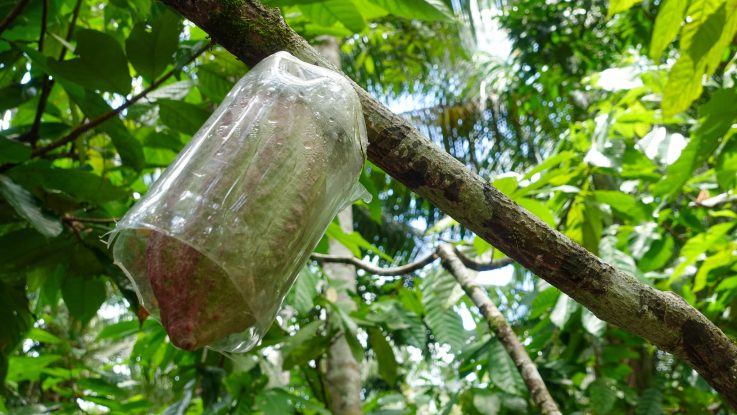
Bees need a variety of flowering and resin-producing plants, so Kasum planted durian, mango, rambutan, jackfruit and coconut trees among the cacao, which also produce food for the family and provide shade for the main crop. And because pesticides kill bees, the couple switched pest-control tactics. They now “sarong”or wrap the cacao pods in plastic bags or bottles to prevent cocoacacao pod borer larvae from tunnelling into the ripening fruit.
“In many of these landscapes, introducing agroforestry systems—growing a variety of other plants among the rows of cacao trees or oil palms—can bring multiple benefits”
From 2021 to 2025, the Sustainable Farming in Tropical Asian Landscapes (SFITAL)initiative has worked with cocoa farmers like Kasum and Sulastri in North Luwu, Sulawesi, and in Davao de Oro, the Philippines, as well as with oil palm farmers in North Labuhanbatu, Sumatra. It aims to strengthen connections to global supply chains in ways that are environmentally sustainable, economically viable and socially responsible.
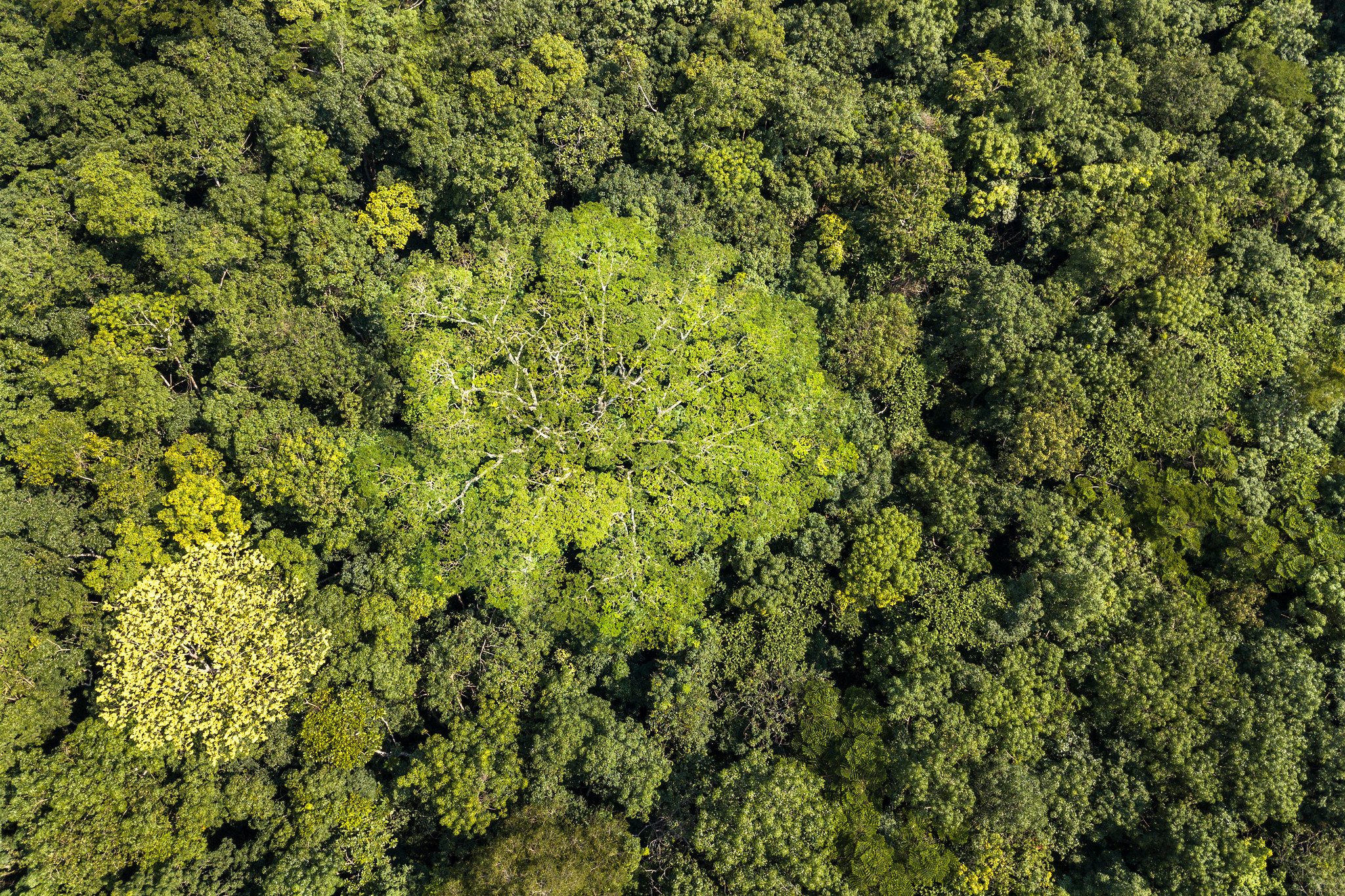
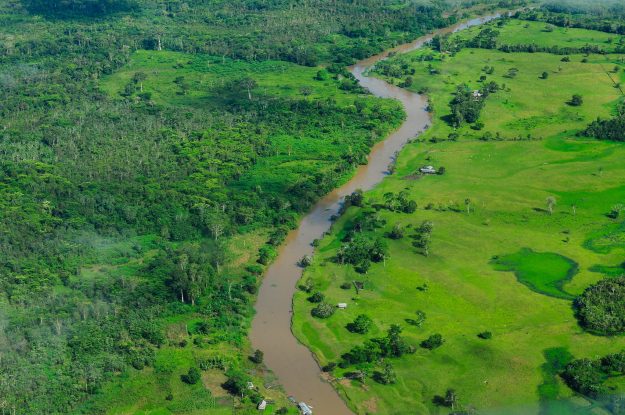
“In many of these landscapes, introducing agroforestry systems—growing a variety of other plants among the rows of cacao trees or oil palms—can bring multiple benefits,” says Betha Lusiana, scientist with theCenter for International Forestry Research and World Agroforestry (CIFOR-ICRAF) and SFITAL programme lead in Indonesia. An aerial view of a cacao and coconut agroforestry system in Maco, Davao de Oro, Philippines, where farmers integrate shade trees and crops to enhance biodiversity and resilience.
Kasum and Sulastri’s story has quickly spread through their community, inspiring other farmers to rethink how they grow cacao. Their experience shows that beekeeping can thrive in cacao plantations when part of a diverse agroforestry system – but not in monoculture. “The presence and diversity of tree species provide food sources for bees,” explains Lusiana. “Raising honeybees in agroforestry cacao plantations also encourages farmers to reduce pesticide use, which can harm bees – the crop’s natural pollinators.”
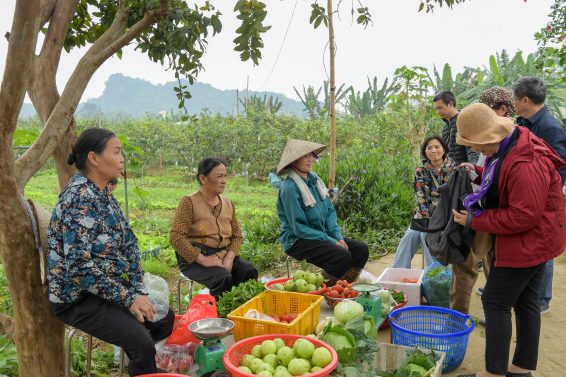
Encouraged by these examples and the training that followed, more farmers across North Luwu have begun to diversify their plots. Many now supplement their income from cacao by planting sugar palm, chillies and bananas between their trees. During dry spells, the broad banana leaves provide shade and help the soil retain moisture. “Planting bananas and chillies in the garden is like a stimulant – if you plant one, it will grow three to five shoots and can be harvested every year,” says Jafar, known locally as Papa Ono, from Tulak Tallu village. “When you go into the garden, you feel motivated because you want to harvest bananas and chillies, not just work on cacao.”
Across Indonesia and the Philippines, the initiative took shape in different ways – each tailored to local contexts, crops and administrative systems, explains Beria Leimona, senior scientist and theme leader for Climate Change, Energy and Low-Carbon Development at CIFOR-ICRAF. Despite these variations, every landscape shared a common foundation: the co-development of a jurisdictional sustainability approach – a district-level action plan for sustainable cacao or oil palm, created in close partnership with local governments and farmers.
“In the Philippines, this was the first evidence-based, spatially explicit roadmap,” says Leimona. “In Indonesia, it was also the first of its kind for the cacao industry.”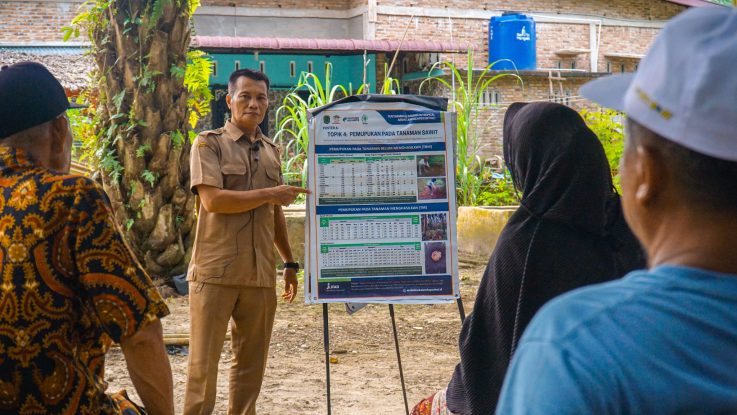
Although Indonesia’s national government mandates that oil-palm-producing districts develop action plans for sustainable palm oil, many still do not have them, says Betha Lusiana. In North Labuhanbatu, for example, where oil palm is the dominant industry and most producers are smallholders, no strategy existed to guide its development. Local administrators simply lacked the capacity and experience to create one.
“No research organizations had worked in this area before,” Lusiana recalls. “We were the first to help them develop a spatially explicit map of land cover in the area. They were very enthusiastic to receive us.”
That effort soon paid off. “We don’t know whether it was because of our advocacy or other factors, but in mid-2023 the national government announced that districts with sustainable oil palm action plans would receive a share of the export levy,” says Leimona. “Now they know exactly how to use those funds to support smallholder farmers.”
What made the beauty of SFITAL and the work stand out, she adds, was that the project focused not only on planning but also on implementation. The collaboratively developed roadmaps were grounded in local realities and linked to farmers’ own innovations and needs. “Learning isn’t about just transferring information, it’s about sparking thought, so people discover understanding on their own,” says Lusiana.
In North Labuhanbatu, Indonesia, farmers harvest ripe oil palm fruit bunches and load them for transport to local mills. Careful harvesting and handling help maintain fruit quality, ensuring better yields and income for smallholders.
That approach has already inspired change on the ground. In Simonis village, North Labuhanbatu, oil palm farmer Suhendro began planting local durian varieties among his palms in an effort to “restore the durian as an icon of Simonis village,” he says. Durians were once common here, but many were cut down when the area shifted to monoculture oil palm about a decade ago.
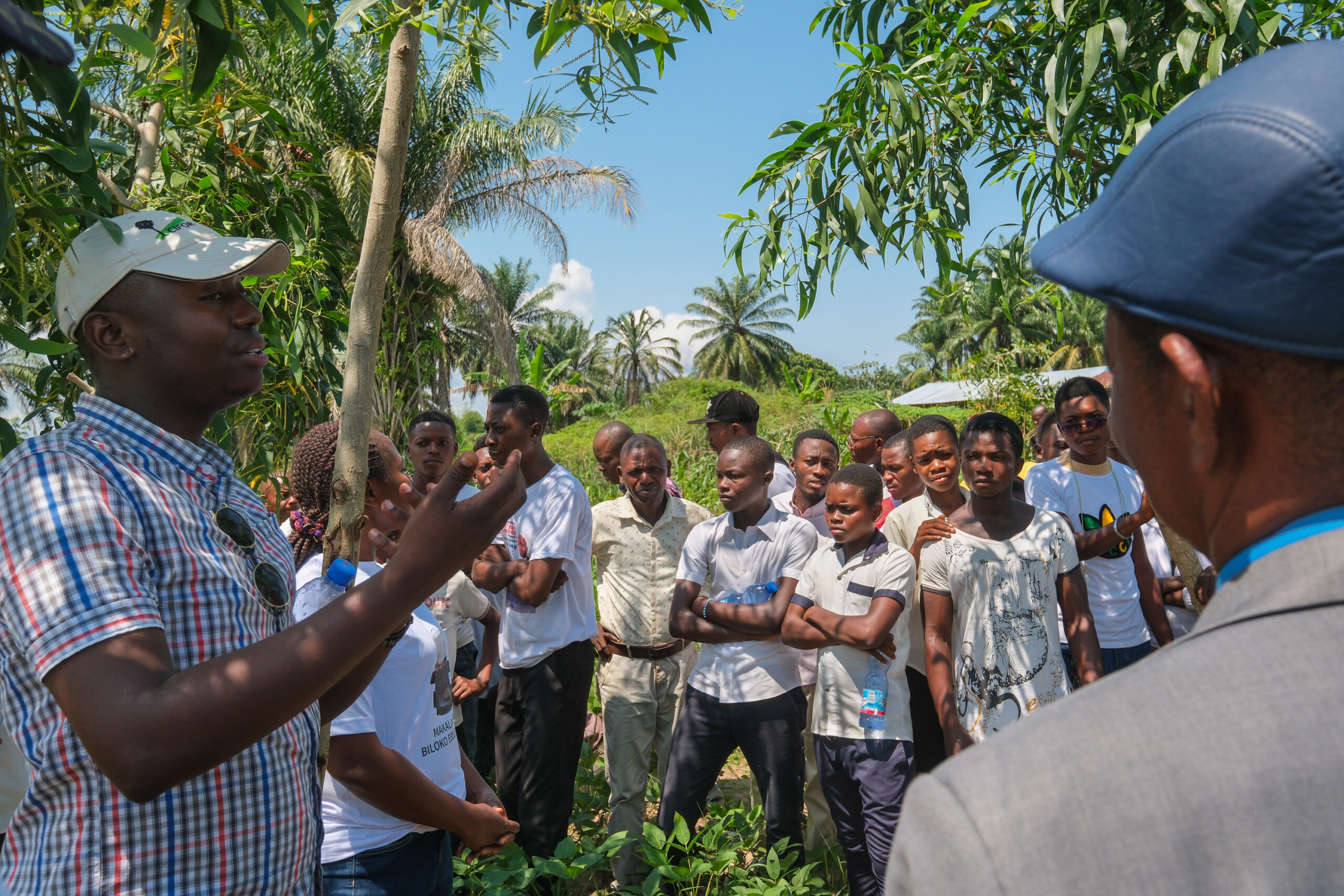
Knowledge on how to integrate such trees – and how best to care for species like durian and sugar palm – has since been shared through workshops, a custom-designed agroforestry board game and an e-learning platform.
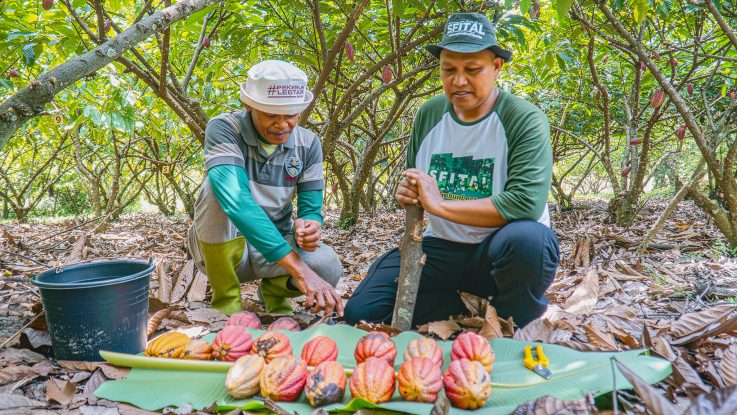
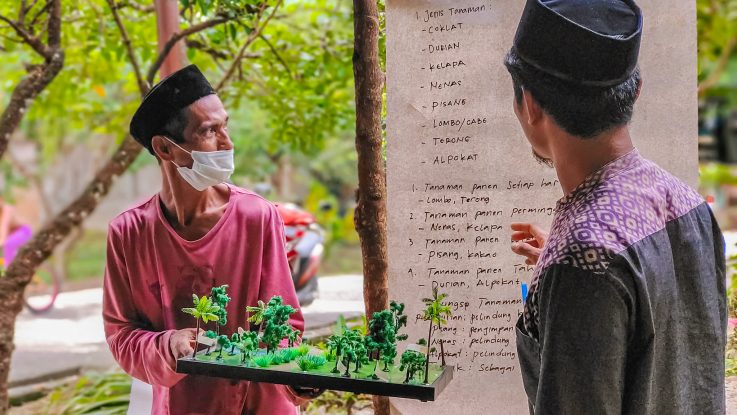
The programme’s modules cover agroforestry principles, good agricultural practices, financial literacy, gender equality and post-harvest quality. The cacao component has been adopted by the MARS Cocoa Academy, the Rainforest Alliance and local governments that helped develop it. Targeting agricultural extension workers, the training is expected to reach thousands of farmers.
“We are mainstreaming the cacao agroforestry curricula and training materials across both the private sector and government,” says Leimona.
“The national planning agency is also thinking about replicating our cacao sustainability roadmap, so this also can support similar actions in other regions of Indonesia. Ultimately, we hope that this also promotes more sustainable export-based commodities beyond oil palm and cacao in both Indonesia and the Philippines.”
For more information on SFITAL’s work, please contact Betha Lusiana (Indonesia) at email [email protected], Rachmat Mulia (the Philippines) at email [email protected]
For more information about CIFOR-ICRAF’s work on climate change and landscape investment, please contact Beria Leimona, at email [email protected]
For project portal information: https://darikebunkelanskapsehat.id/ and https://www.cifor-icraf.org/project/SFITAL/