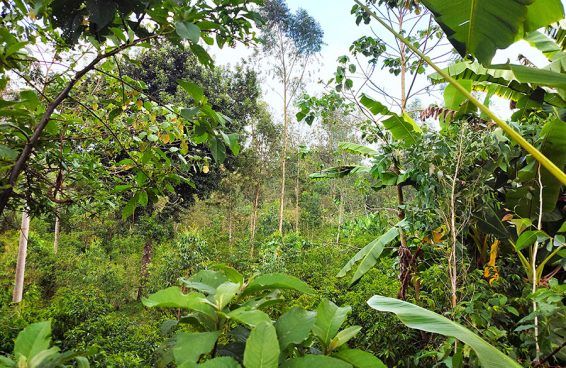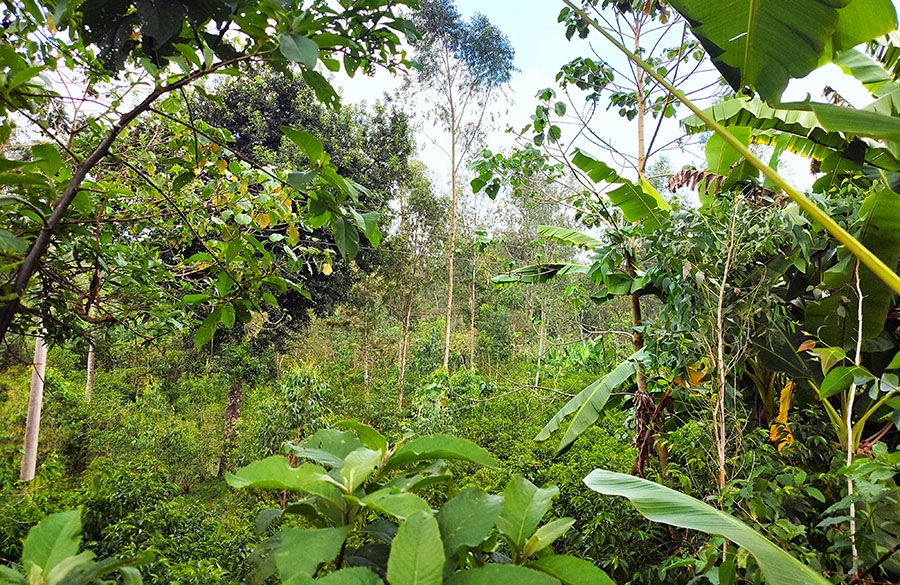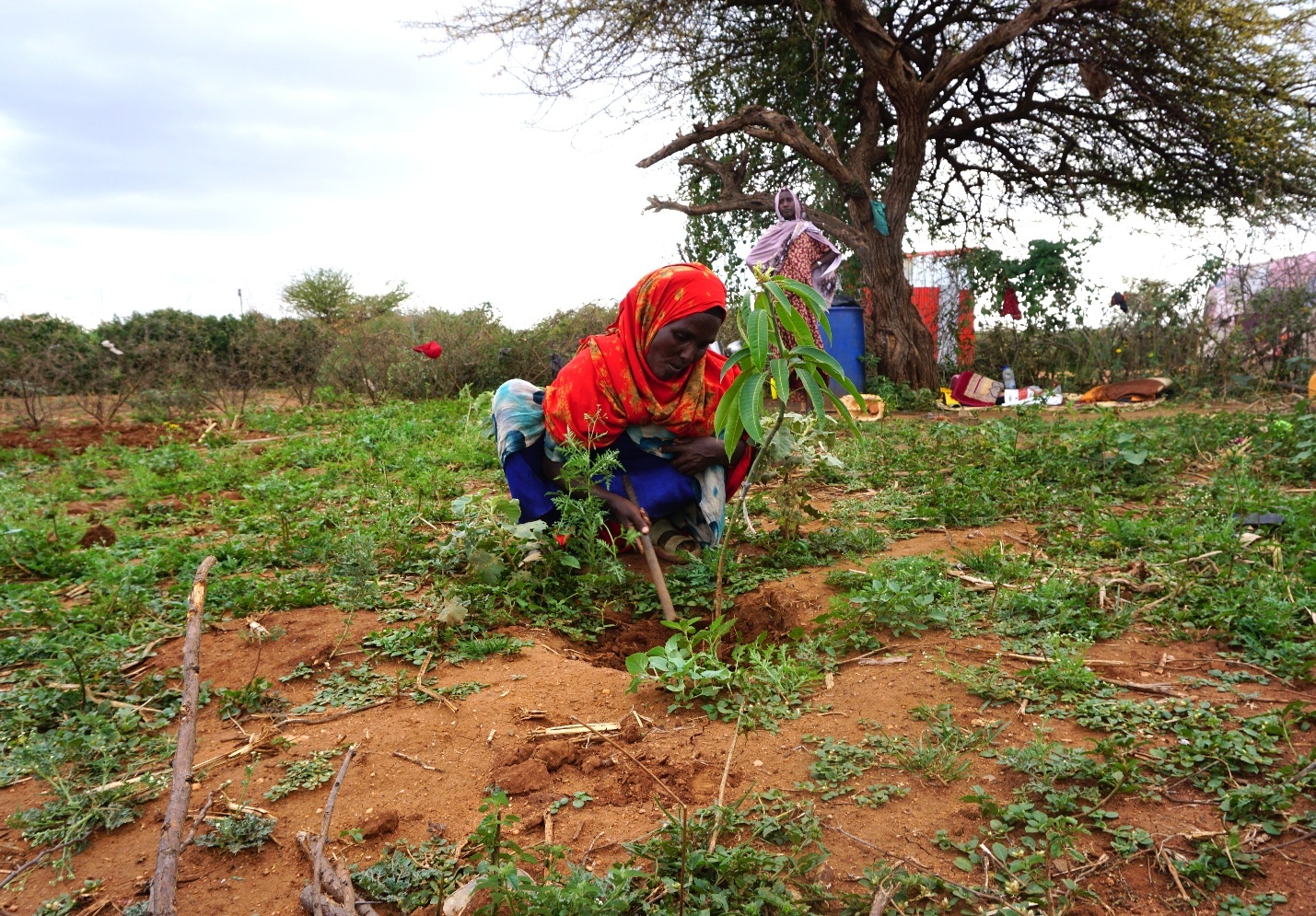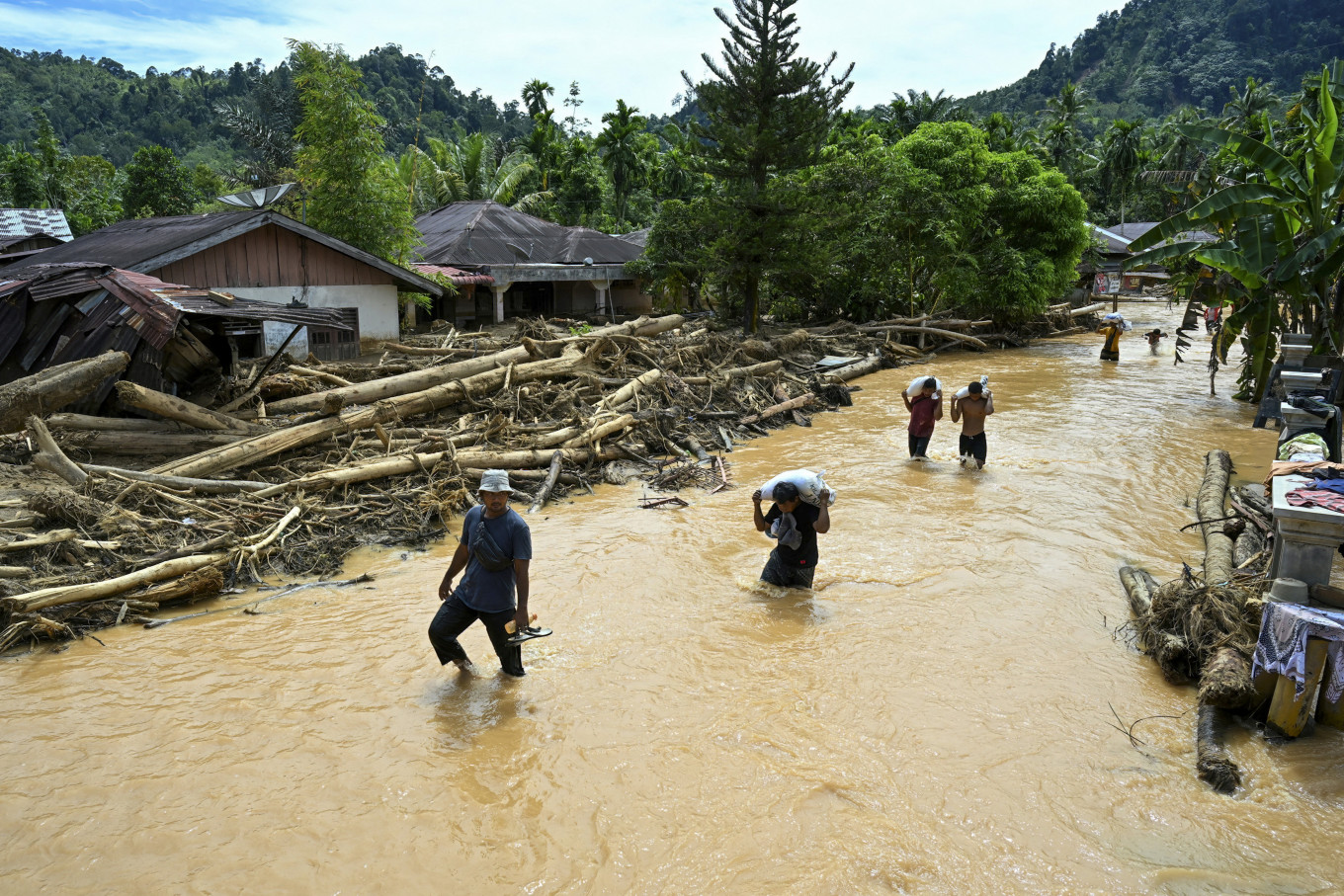
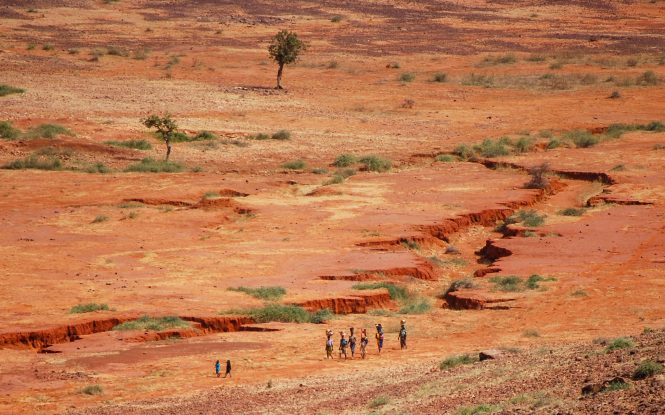
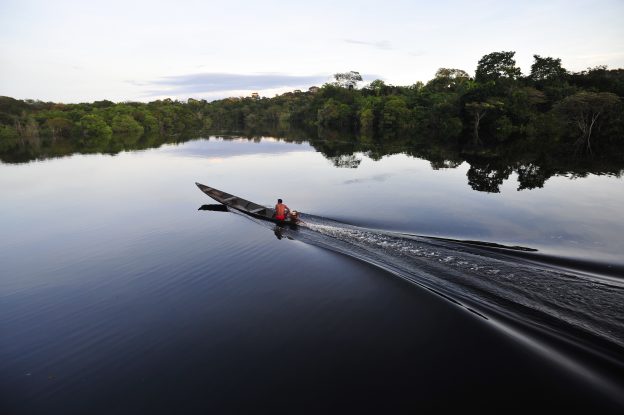
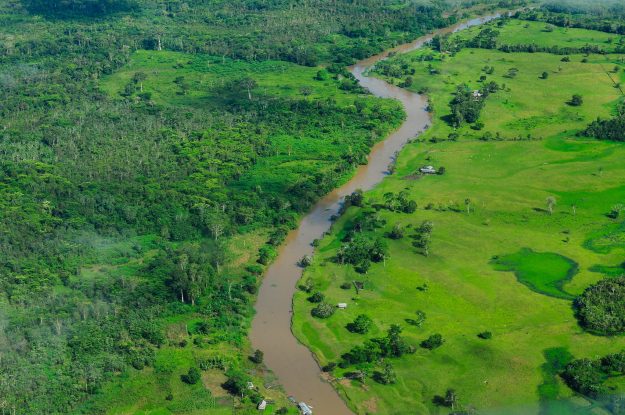
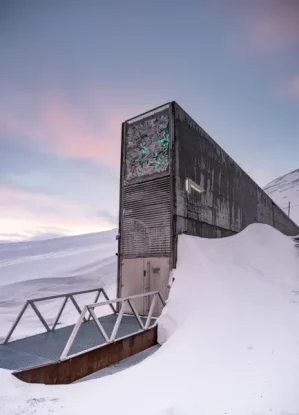
Over the past three months, negotiators for the three Rio Conventions have met in very different landscapes. Talks on desertification and land degradation (UNCCD COP17) took delegates to the Mongolian steppe around Ulaanbaatar in August. Biodiversity negotiators (CBD COP17) gathered in October in Yerevan, on Armenia’s fertile Ararat plain. Now, climate negotiators (UNFCCC COP31) have landed near the turquoise waters and high-rise beach resorts of Antalya, Türkiye. Yet the challenges these groups grapple with often converge across the same landscape, and so do the solutions.
“We finance biodiversity, climate and water security separately, despite their shared dependence on healthy landscapes. It is time to invest in landscapes as a whole, bundling finance and incentives to deliver multiple benefits while putting Indigenous Peoples, local communities and landscape managers at the centre. Nature works as one system. Our investments should too,” said Beria Leimona, Landscape Alliance’s theme leader on Climate Change, Energy and Low-Carbon Development.
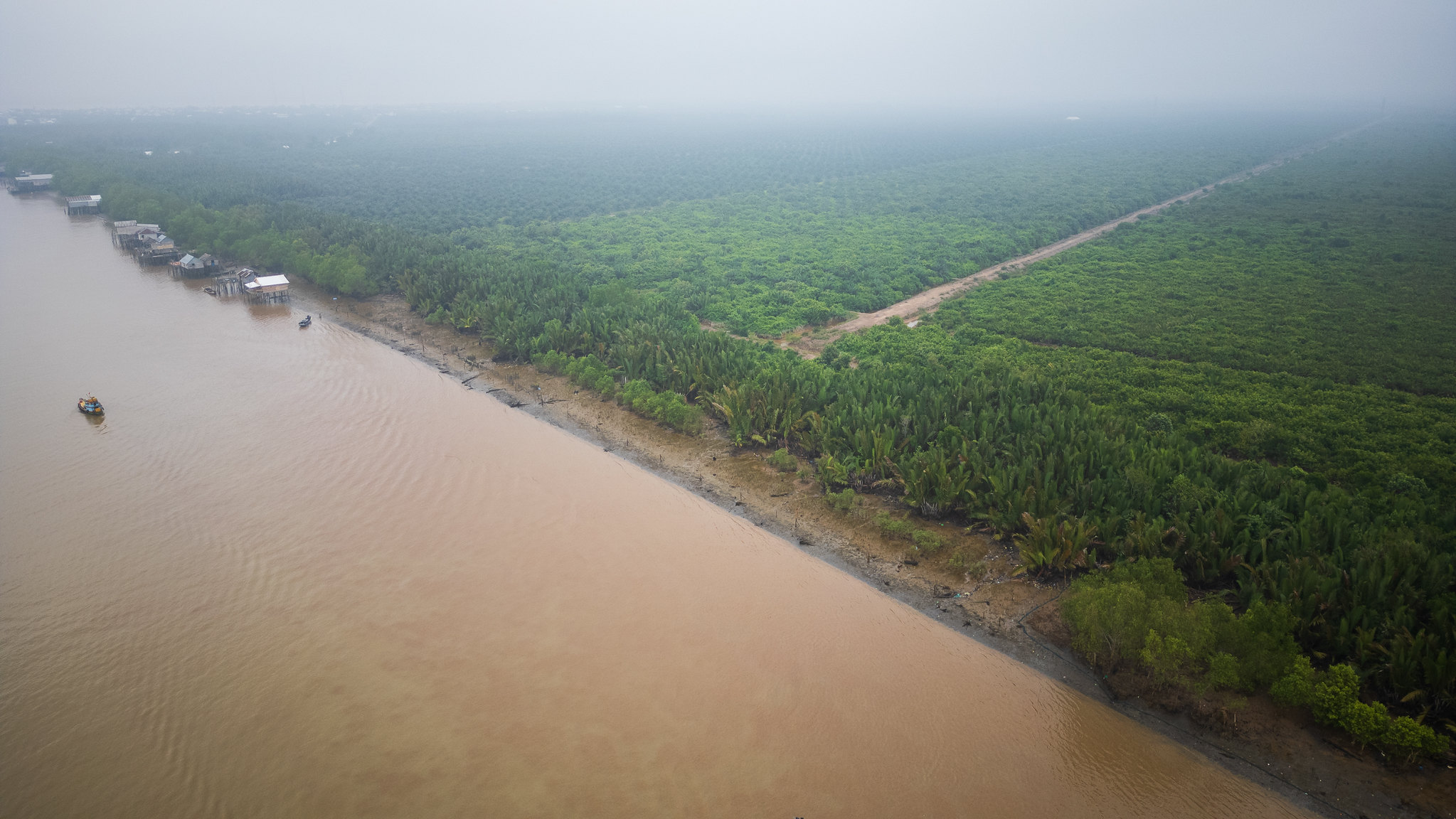
In Sungsang IV, a coastal village in South Sumatra, Indonesia, replanting and protecting mangroves tackles all three challenges at once: it restores degraded landscapes on land and at sea, rebuilds habitat for fish, birds, crustaceans and other animals, and stores carbon while helping to buffer communities from storm surges and rising seas.
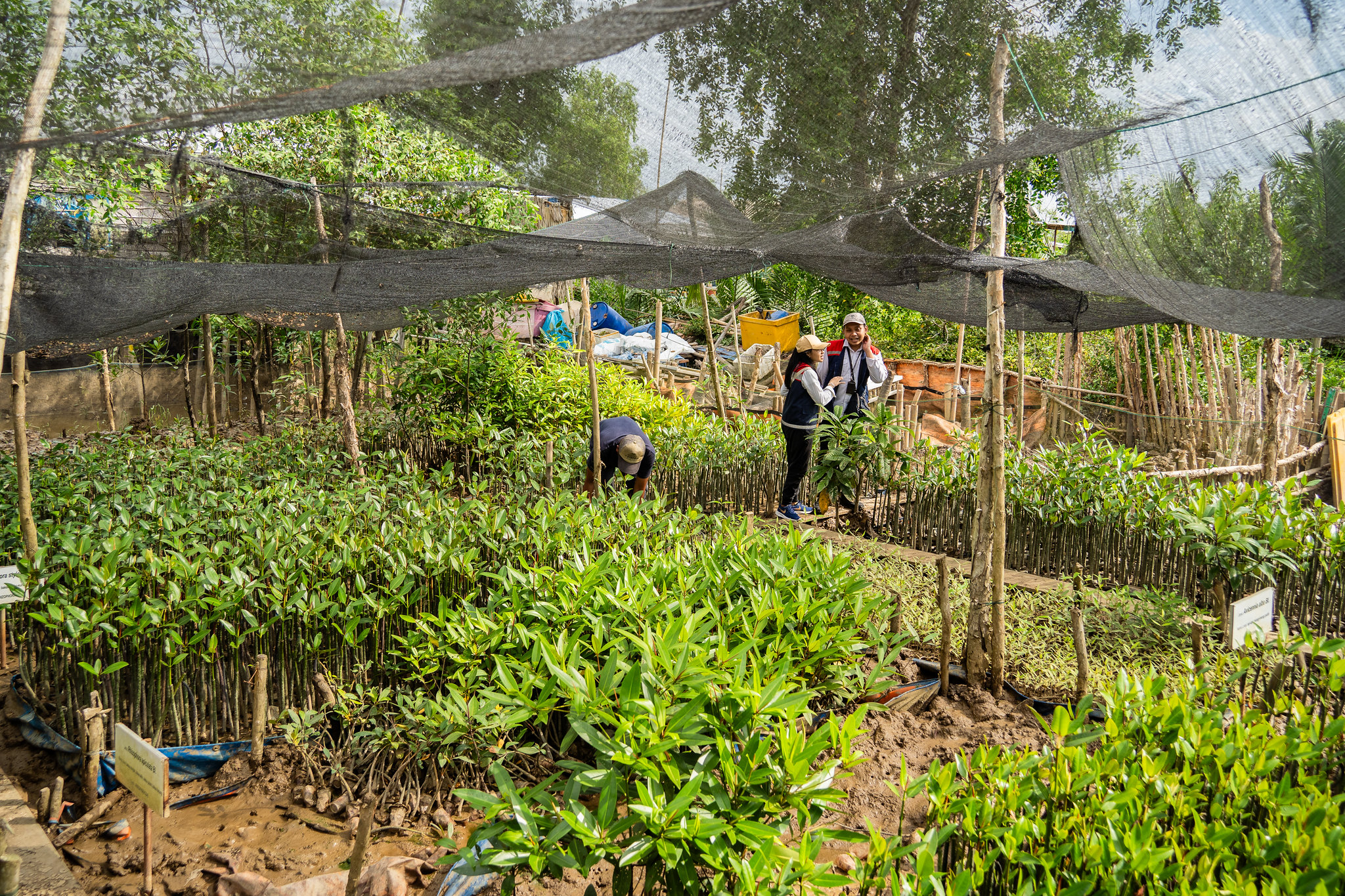
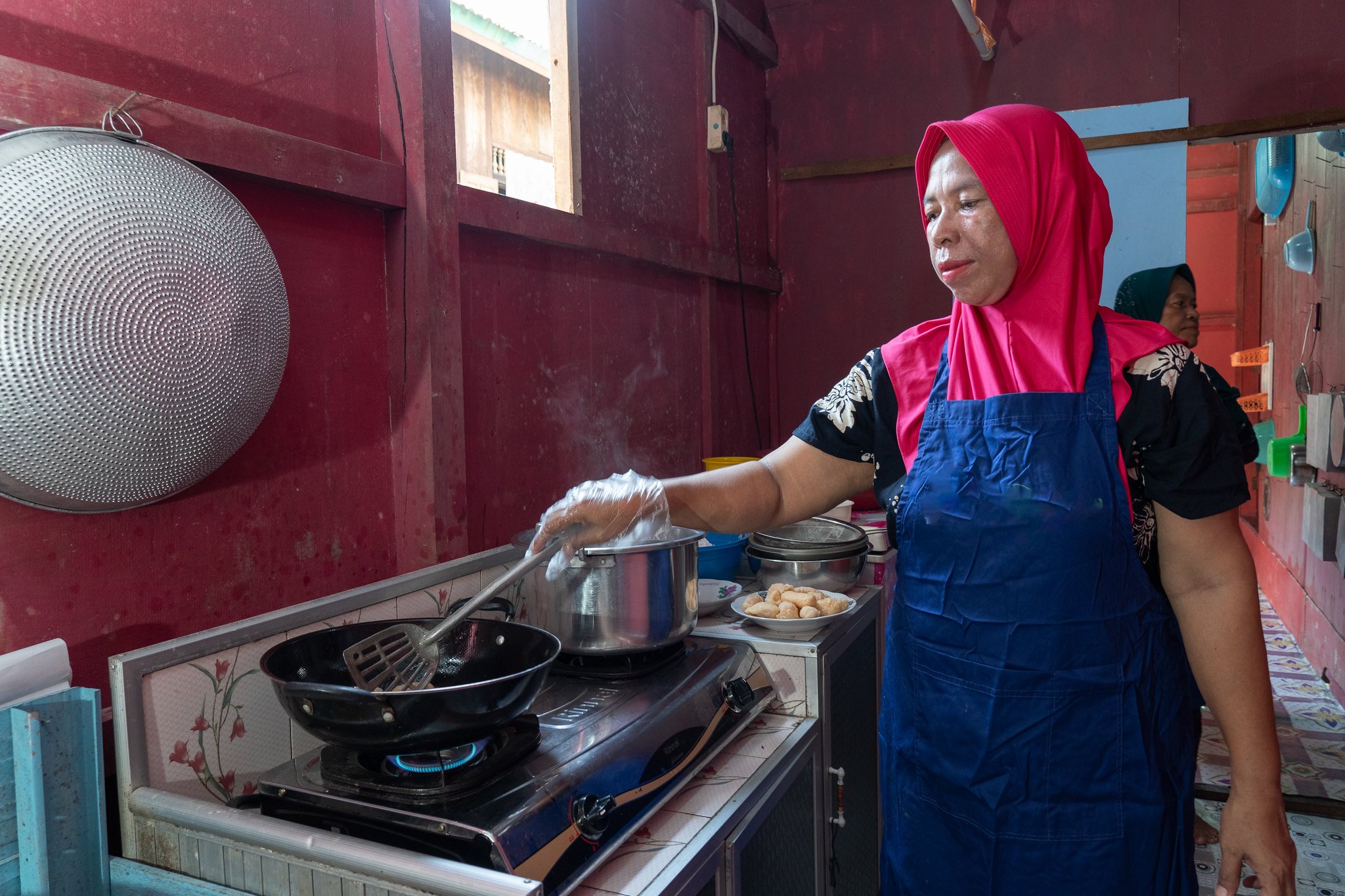
It also supports livelihoods, food security and nutrition. Most residents are Indigenous Malayu fishing families, who catch seafood, run ecotourism ventures and sell local specialities such as pempek udang, a shrimp fishcake. Since 2021, Landscape Alliance (then CIFOR-ICRAF) has worked with residents, Sriwijaya University and the South Sumatra Watershed Forum to build community businesses around restoration. The group is now exploring how the village might sell blue carbon credits to support their own development goals.
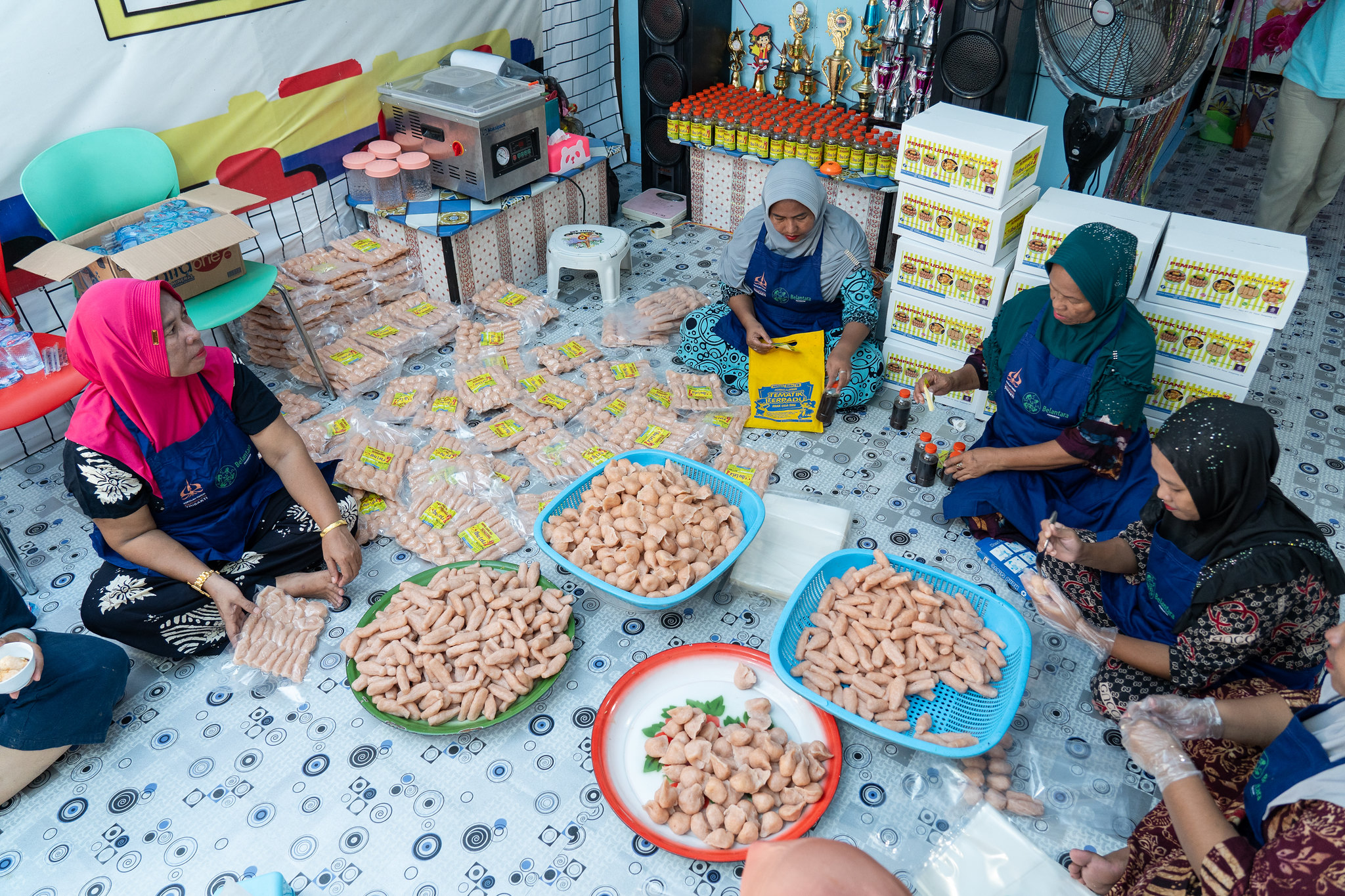
Sungsang IV captures what Landscape Alliance is bringing to COP across its themes and locations: an integrated, landscape-based approach that addresses climate, biodiversity, land degradation and food security challenges at the same time. It also directs resources, capacity and rights towards the smallholders, rural communities and Indigenous Peoples who so often put these global mandates into practice on the ground.
Daniel Murdiyarso, senior associate at Landscape Alliance, offered a different perspective at the COP31 official side event hosted by Finland: “Remotely sensed estimates of GHG emissions from the land sector should be validated using high-quality, reduced-uncertainty data obtained from ground-truthing.”
The event, “The importance of an integrated framework for AFOLU carbon balance – from boreal to tropical peatlands”, was held on 12 November. It examined how observation-based systems can make uncertainty visible and usable across boreal and tropical contexts, supporting policy implementation, transparency reporting and the Global Stocktake.
The question of who pays, and how money reaches the ground, runs through other sessions too, with events on carbon finance, biodiversity credits and other ways of mobilising investment for verified biodiversity outcomes. In the second week of the conference, the Global Landscapes Forum launched Rio Changemakers, a science-guided, AI-enabled marketplace co-designed with Luxembourg’s Ministry of the Environment, Climate and Biodiversity to match capital providers with locally led climate and nature projects.
Food systems are where all three challenges meet most visibly. Unsustainable food production clears habitat, degrades land and emits greenhouse gases. Practices such as agroforestry can do the opposite: store carbon, protect biodiversity, regulate water and support livelihoods. While the science, markets and finance that support these systems often operate in silos, a Landscape Alliance-led session made the case for financing these combined benefits: “Investing in resilient landscapes: Agriculture, agroforestry, forests and Rio synergies”.
Community-based shrimp farming in Banyuasin Marga Sungsang village, South Sumatra. Photo by Ricky Martin / Landscape Alliance
Across a series of sessions and showcases on agriculture, soil, nutrition and food security, Leigh Winowiecki spoke about soil health and its links to food security, ecosystem restoration, climate action and biodiversity. Winowiecki is Landscape Alliance’s global research lead for Soil and Land Health and co-founder of the Coalition of Action 4 Soil Health (CA4SH).
In a Forests News video, she says, “Soil is life, let’s stop treating it like dirt!” The video also notes that a teaspoon of healthy soil can contain more living organisms than there are people on Earth.
Landscape Alliance’s science is also reaching the negotiating rooms.
Its Sri Lanka team, led by Country Director Prasad Senadheera, is supporting the country’s delegation in developing payment for ecosystem services (PES) policies. These policies would channel contributions from hydropower and industrial water users into watershed conservation and restoration. The team is also piloting voluntary carbon market approaches to create additional income opportunities for smallholder agroforestry farmers.
“We cannot build climate-resilient farms without…”
For Prasad Senadheera, the answer is agroforestry.
Growing trees alongside crops can help reduce soil erosion, support biodiversity and improve farmers’ incomes.
Watch Prasad explain how these benefits help farms cope with a changing climate.
Water security and watershed resilience are key priorities under the Global Goal on Adaptation (GGA). These initiatives could offer practical lessons on translating the GGA into action on the ground while mobilising long-term investment in carbon markets and other ecosystem services.
Ahead of the talks, the team engaged with governments in Indonesia, the Philippines, Timor-Leste, Côte d’Ivoire, Nepal, Cameroon, Nigeria and other countries. These discussions helped clarify national climate priorities, identify areas for research and policy support, and explore opportunities for joint project development, climate finance and co-investment.
The next step is making sure the decisions made and resources committed in negotiating rooms find their way back to landscapes like Sungsang Bay, where local people continue planting their “food baskets” back, one mangrove seedling in the mud at a time.