
“Systemic responses are required to adapt agricultural and food systems to the interrelated challenges posed by climate change,“ said Fergus Sinclair, co-convenor of the Transformative Partnership Platform on Agroecology (AE-TPP) during his opening speech at the 2026 AE-TPP Annual Members’ Forum Meeting (AMFM2026) in Turrialba, Costa Rica.
The Agroecology TPP brings together a global community of researchers, practitioners, policymakers and partners working to advance agroecological transitions. Through collaboration and knowledge exchange, the platform supports efforts to shift towards more sustainable and resilient food systems.
Co-hosted by the Tropical Agricultural Research and Higher Education Center (CATIE), from 12-15 May, the forum marked the Agroecology TPP’s first annual gathering in Latin America. Following previous meetings in France, Kenya and Viet Nam, this year’s gathering placed a particular emphasis on Latin America’s diverse agricultural experiences and the knowledge emerging from communities, researchers and practitioners across the region.
Over four days, 131 researchers, farmers, practitioners and policymakers from around 33 countries and 84 institutions across Latin America, Africa, Asia, Europe and North America gathered in person and online to exchange ideas, learn from one another and explore how agroecology can respond to today’s intertwined food, climate and biodiversity challenges.
Opening the forum, Alejandro Solis, director of strategic alliances and acting director general of CATIE, welcomed participants alongside Jorge Segura Guzmán, representing Costa Rica’s Ministry of Agriculture and Livestock (MAG). AE-TPP co-convenors Fergus Sinclair and Bernard Triomphe joined Reinhold Muschler of CATIE in framing the week ahead, highlighting the importance of bringing together diverse perspectives to accelerate agroecological transitions.
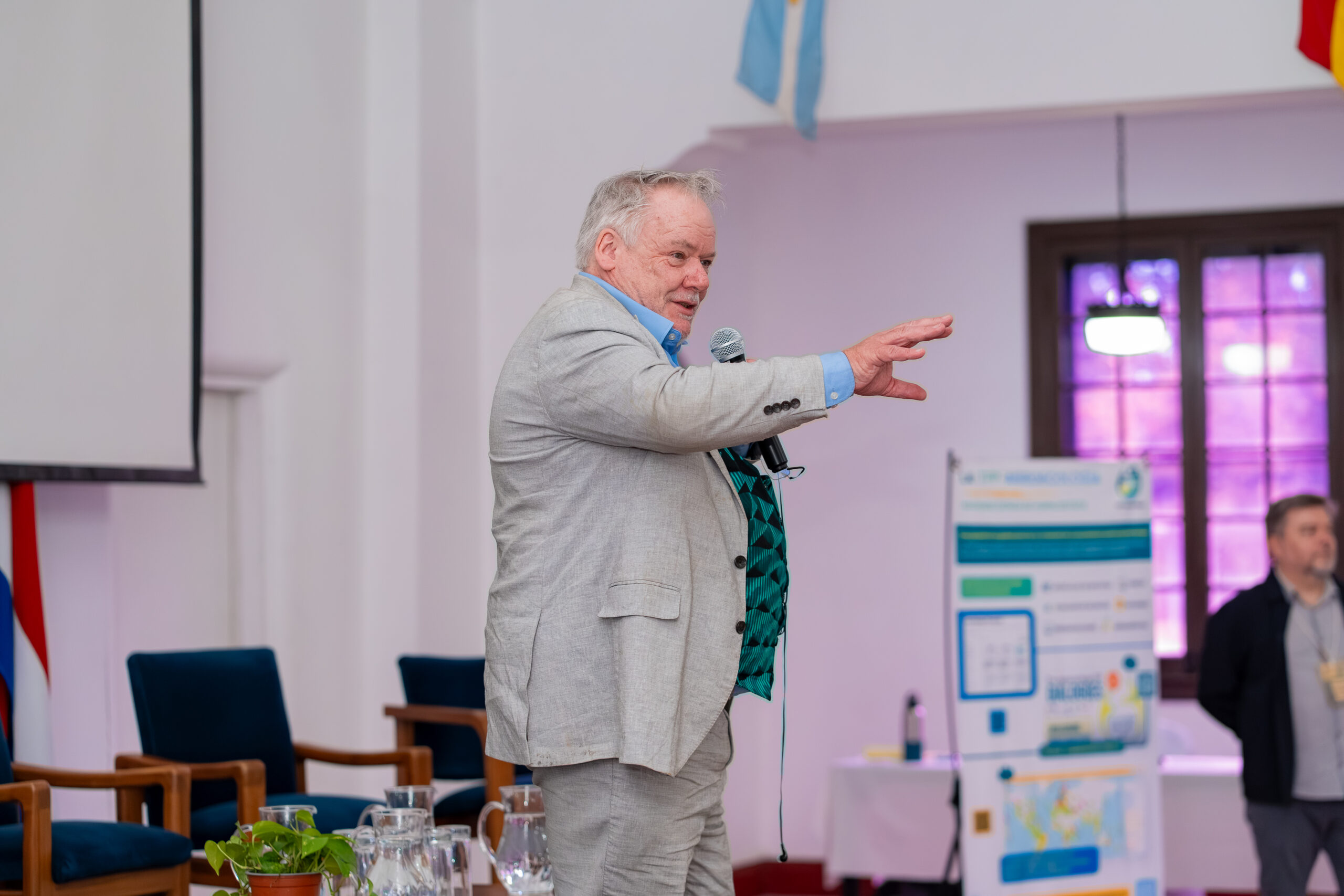
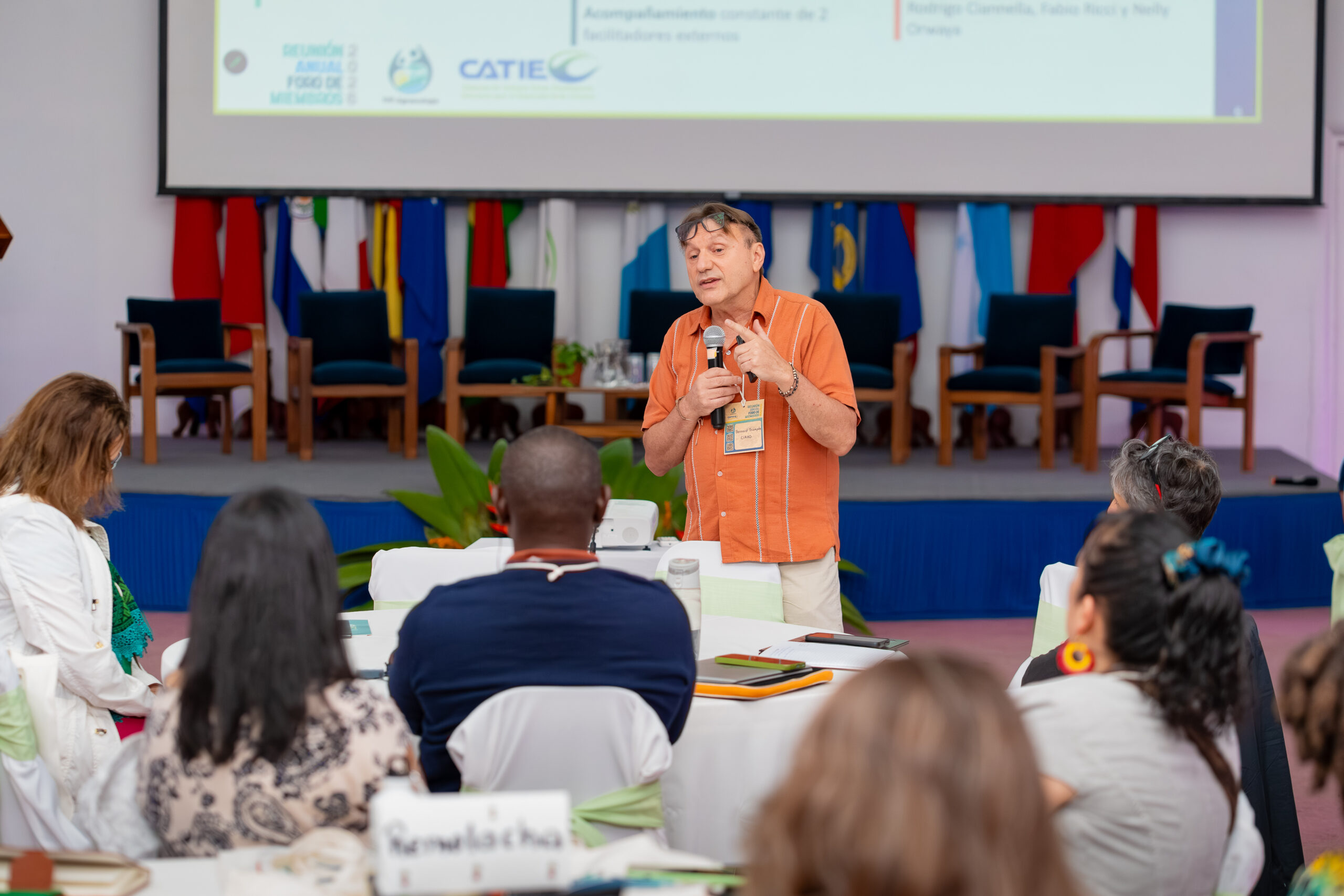
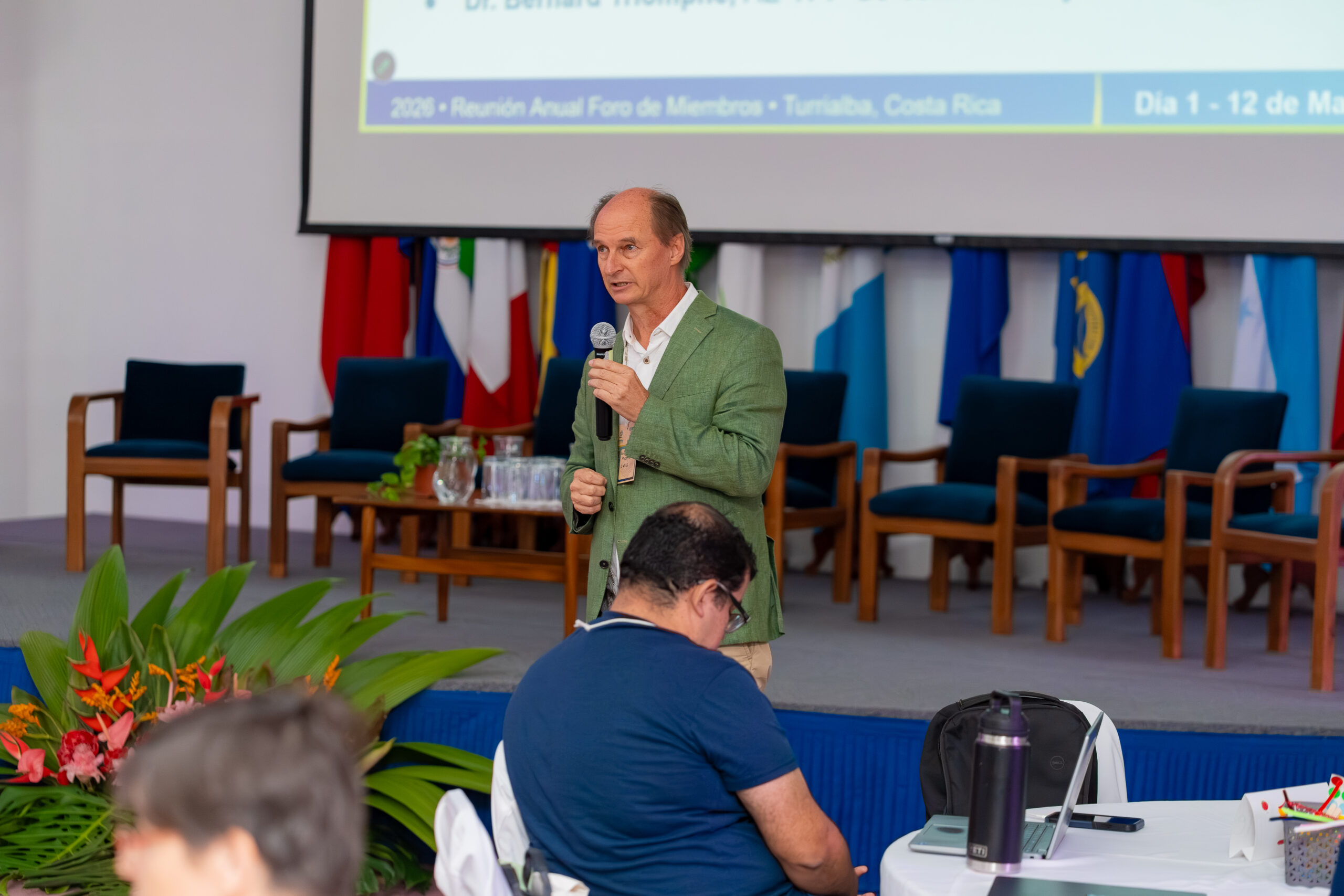
Sinclair described agroecology as more than a collection of farming practices. “Agroecology is an integrated response,” he said. “It is not a linear set of steps like a staircase but a circular reinforcing cycle of steps like in Cuban salsa.” A message that echoed throughout the week.
Learning from across the region
Throughout the four-day forum, participants shared experiences from across Latin America, showcasing agroecological initiatives at community, national and regional levels. Presentations from regional networks highlighted how local innovation is helping transform food systems, while discussions explored how scientific research, local knowledge and public policy can work together to support more resilient agricultural systems.
“One of the most important discussions at this forum was how we can build stronger evidence for agroecology while respecting its diversity,” said Hannah Wittman, professor of land and food systems at the University of British Columbia. “We need stories and evidence that recognize different regional realities but also help policymakers understand why agroecology deserves greater support.”
One session explored a persistent tension: the gap between policy promises and field realities. Drawing on cases from across the region where policy and practice have pulled in different directions, participants discussed how scientific and Indigenous knowledge could be better woven into policy.
Finance was another recurring theme, with speakers and participants examining the opportunities and challenges of financing agroecological transitions. They shared experiences, compared notes on what has worked and what has not and identified remaining gaps.
Participants at the 2026 Agroecology TPP Annual Members’ Forum. Photo by Diego Salazar / Landscape Alliance
Co-creating solutions
Throughout the forum, participants were encouraged to contribute their own experiences, shape discussions and co-create ideas through interactive sessions. One highlight was the Open Space sessions, where participants identified issues they considered most relevant and urgent, then led discussions around them.
These participant-driven conversations encouraged peer learning, sparked new collaborations and generated ideas that reflected the priorities of the agroecology community. Working groups then focused on strengthening collaboration between agroecology networks across Latin America and with groups in other regions, including Africa and Asia, mapping existing partnerships, identifying gaps and exploring ways to strengthen connections between them.
“I return home inspired by the strength of the networks I encountered here and motivated to bring these ideas, experiences, and partnerships back to Asia”, said Irish Baguilat, coordinator for sustainable agriculture and women farmers’ agenda at the Asian Farmers’ Association for Sustainable Rural Development.
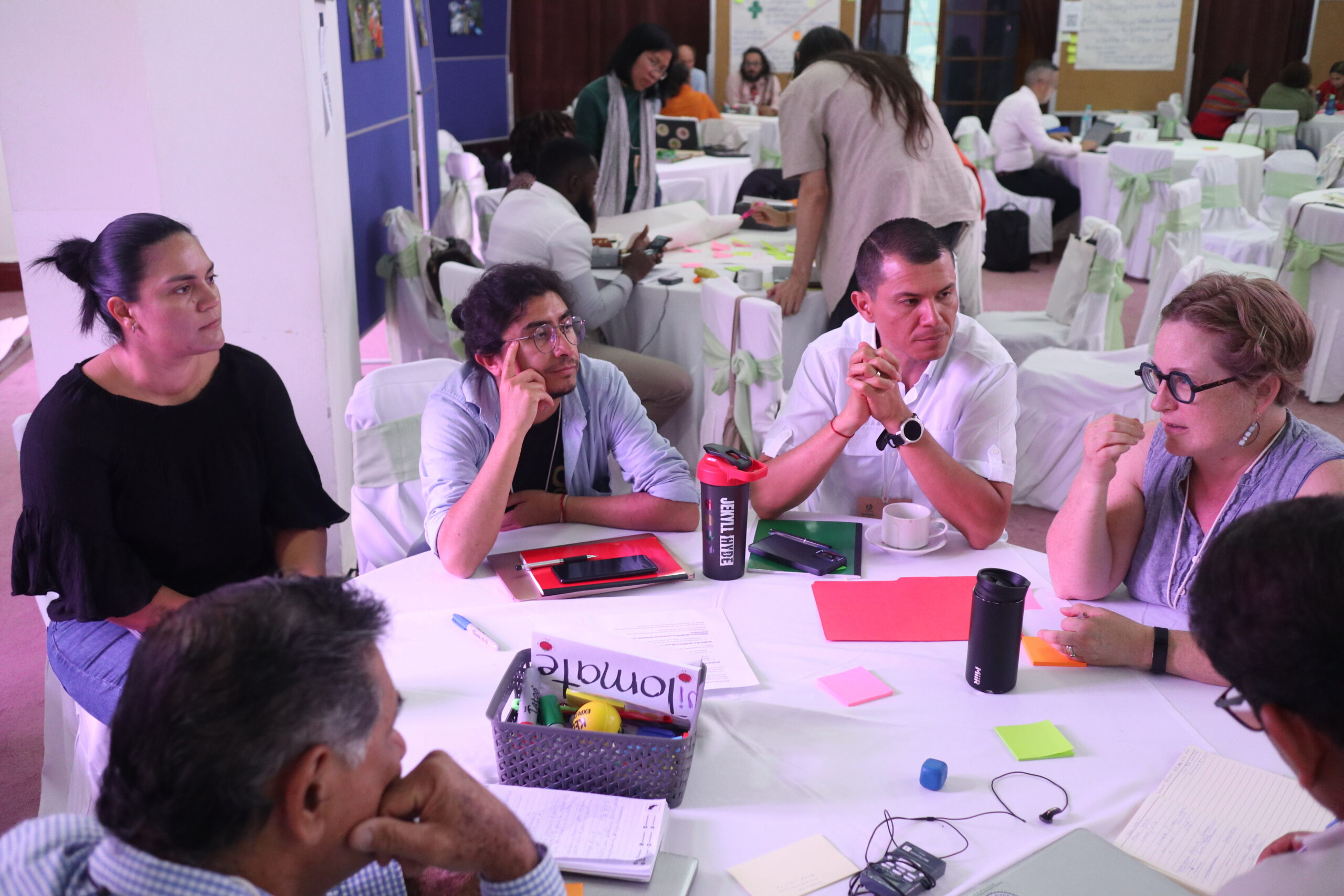
Photo by Louisa Michael / Landscape Alliance
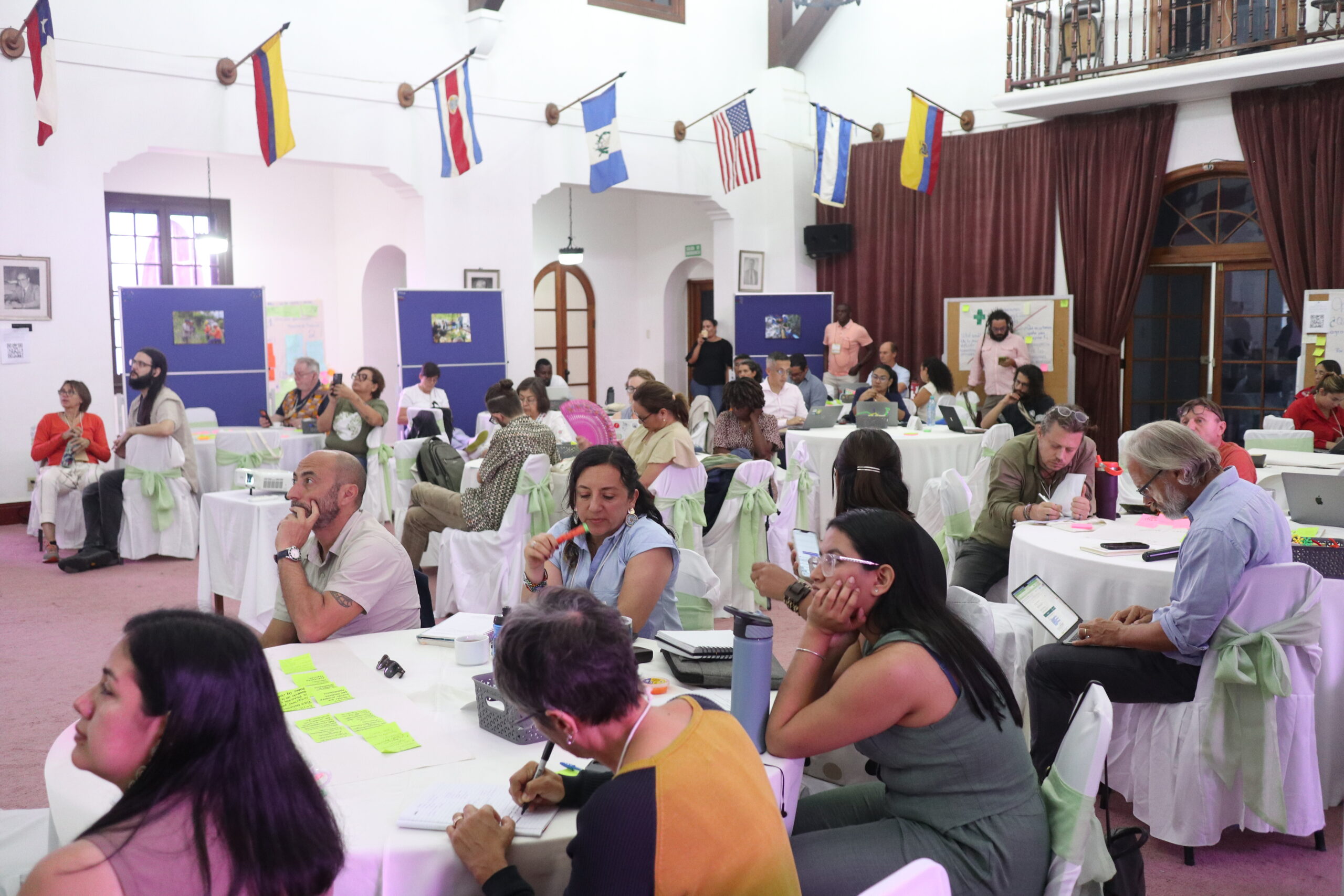
Photo by Louisa Michael / Landscape Alliance
Beyond the meeting rooms
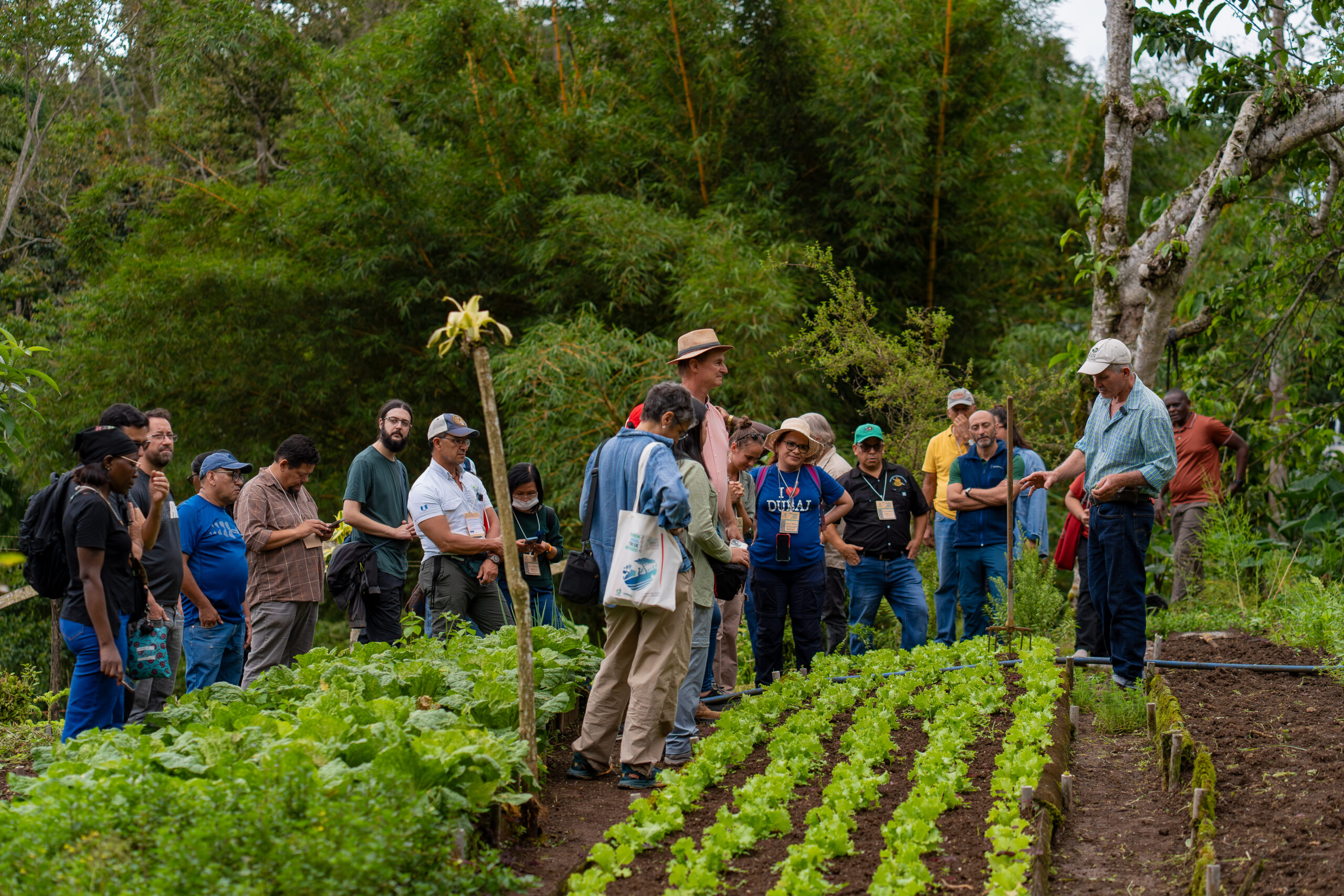
For those attending in person, the forum moved beyond the meeting rooms and into the field, where two visits offered a chance to see how agroecological ideas are put into practice.
A first group of participants visited Los Helechos Farm, a smallholder farm where the family members shared lessons from three generations of building a diversified agroecological farming system. The seven-hectare property now produces coffee, bananas, vegetables, livestock, honey, timber and fruit, demonstrating how diversity can strengthen both rural livelihoods and healthy landscapes.
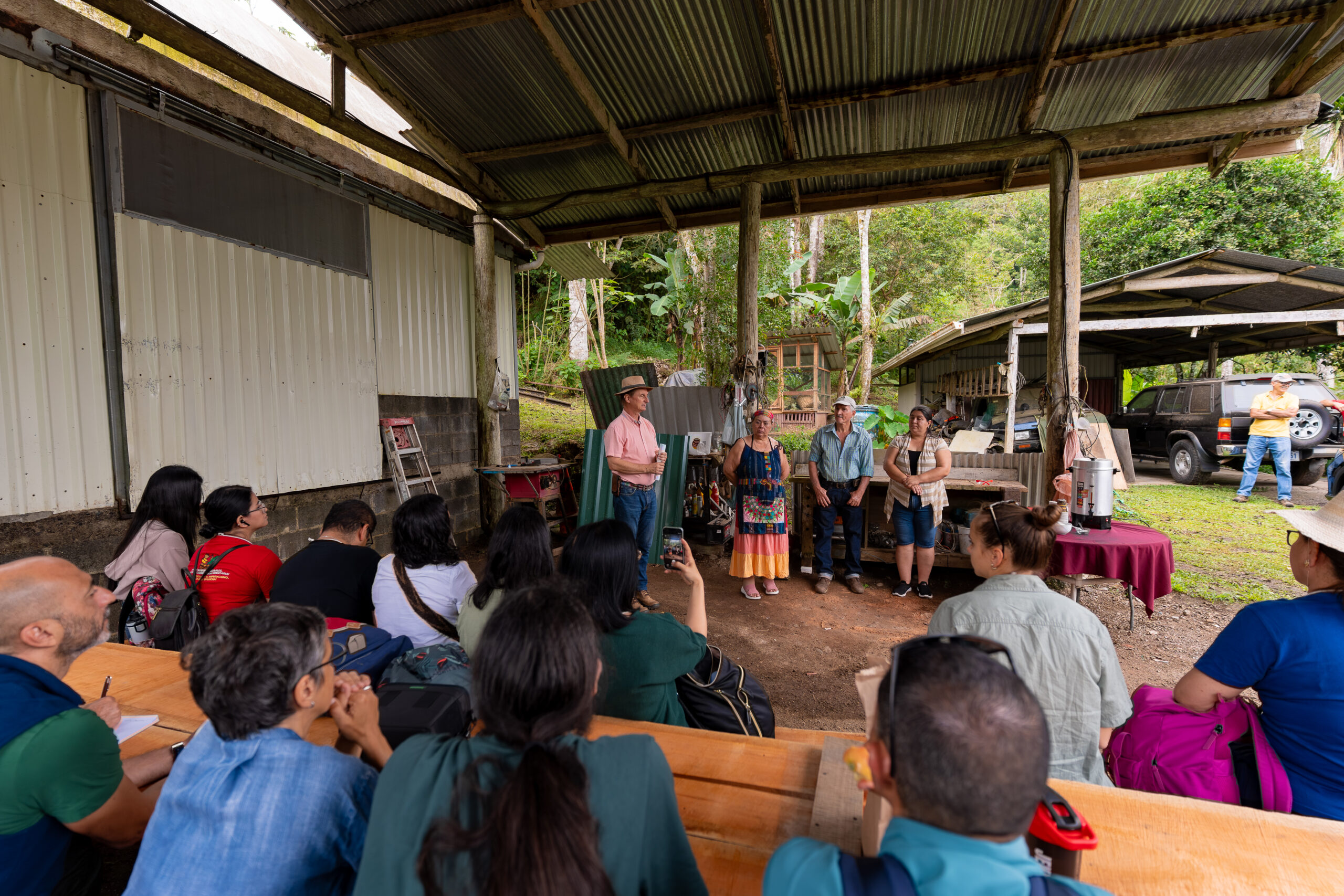
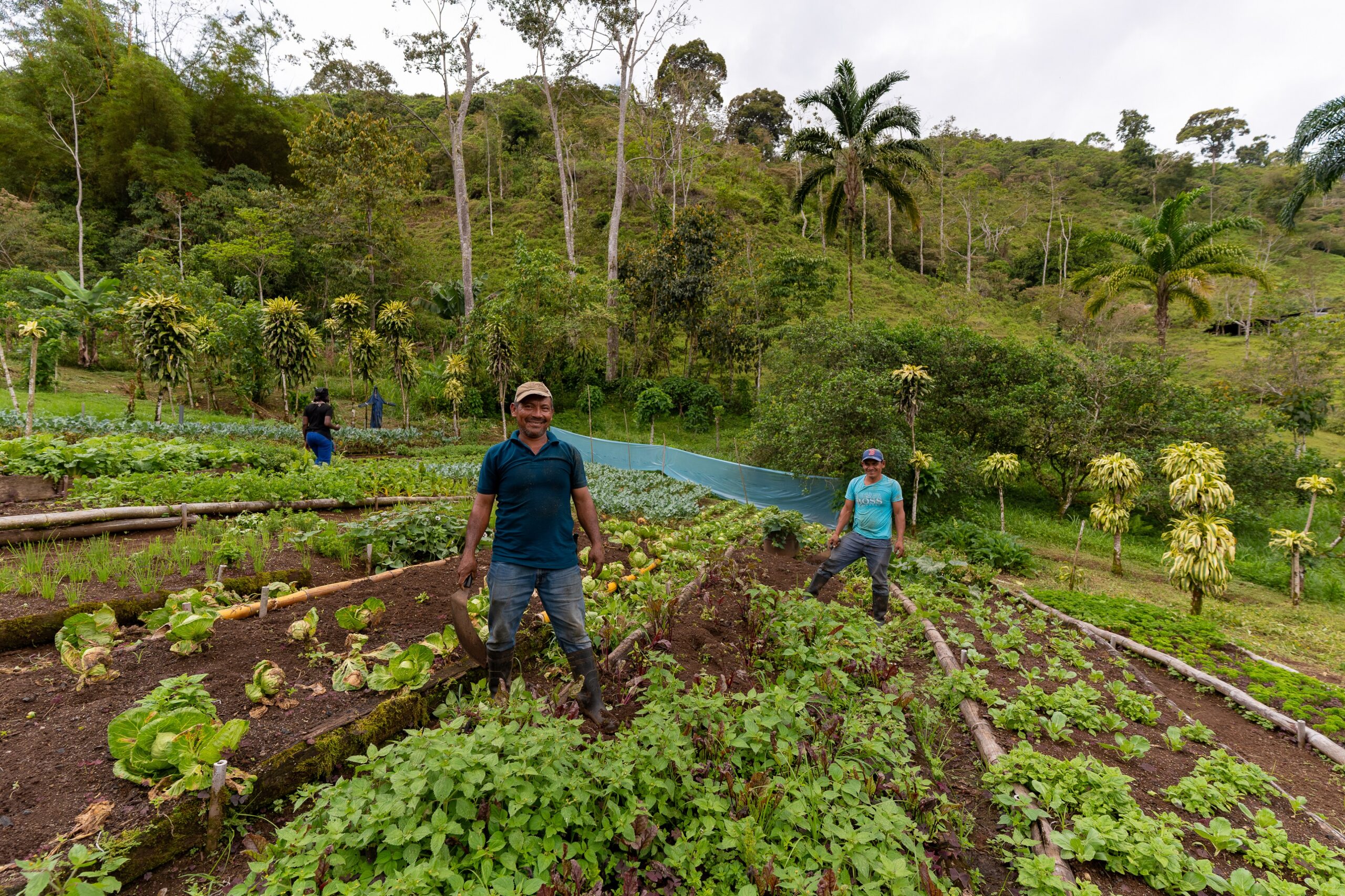
“The family has found ways to add value to what they produce, creating better economic opportunities while reducing waste and emissions”, said Janet Maro Wostry, director and founder of Sustainable Agriculture Tanzania. “It’s an inspiring example of how agroecology can support both environmental sustainability and rural livelihoods,” she added.
A second field visit took participants to Costa Rica’s National Specialized Center for Organic Agriculture, operated by the National Learning Institute. Spread across 17 hectares, the centre offers practical training in organic production across more than 20 topics. Participants explored practical training programmes covering composting, biological pest management, seed conservation, irrigation and other agroecological techniques.
The visit highlighted the importance of investing in education and knowledge exchange to equip the next generation of agroecology practitioners.
Forum participants visit Costa Rica’s National Specialized Center for Organic Agriculture (CNEAO) during a field visit. Photo by Diego Salazar / Landscape Alliance
Celebrating community
The forum also celebrated the stories that connect the global agroecology community. Ahead of AMFM2026, members of the Agroecology TPP Community of Practice were invited to participate in the Through the Agroecology Lens photo contest by submitting their most compelling agroecology photographs.
The winning photo, Seeds of the Ancestors, Harvest of the Future: The Women Seed Keepers of Tachara, by Gbankulso Amir Abdallah Aidas, captured the diversity of local crops and traditional foods, while celebrating the communities, specifically the women whose knowledge continues to sustain agroecology across generations.
Amir joined the forum virtually to receive recognition for his winning photo and reflected on the inspirationand on how agroecology has shaped his journey. It echoed a message heard throughout the week: some of the strongest evidence for agroecology is found not only in research and policy, but in the everyday knowledge and commitment of the people who put it into practice.

Strengthening connections
Beyond the presentations, discussions, and field visits, the forum reinforced the value of relationships. Bringing the meeting to Latin America created opportunities to strengthen regional engagement and partnerships, connect with organizations working across the continent and expand the AE-TPP’s growing network of collaborators.
Participants repeatedly pointed to networking — not just knowledge-sharing — as one of the forum’s most valuable aspects of the meeting.
“For me, the greatest success of this forum was bringing together organizations from across Latin America that were willing to co-create this process from the very beginning,” said Bernard Triomphe, co-convenor of the AE-TPP. “Even more encouraging is that this collaboration will continue beyond the event, giving us a strong foundation for future collective action,” he added.
Looking ahead
From AMFM2026, one message emerged clearly: agroecological transitions cannot be achieved by individual institutions or disciplines working in isolation. They depend on farmers, researchers, policymakers and communities learning from one another, building partnerships and co-creating solutions that respond to local realities.
Supporting links