
EDITOR’S NOTE
This article is translated from the original Spanish,PAAMARI: Una respuesta comunitaria para proteger a la Amazonía peruana de los incendios, and follows Living with fire: Why the Pan-Amazon needs prevention, not just suppression, the first story in the FUTERRA series.
Romer Quentimari still carries the memory of the 2023 fire that swept through Tsiquireni, a neighboring Asháninka community in Peru’s central Amazon. When the alarm spread, around 200 community members gathered, armed with water bottles, machetes and improvised tools, and walked into the flames.
“I always remember that fire. It was the most dangerous thing that has happened. We faced it without equipment, without protection,” he says.
The fire had started from an agricultural burn that got out of control. A dry tree, its roots still smoldering, toppled into the forest. The heat and wind did the rest.
Community members managed to contain part of the fire. The rest could not be stopped. After two weeks, the Peruvian Army arrived — and also failed. Only a month of waiting for heavy rain finally put it out. Behind it came the damage: dead animals, lost timber and medicinal plants turned to ash.

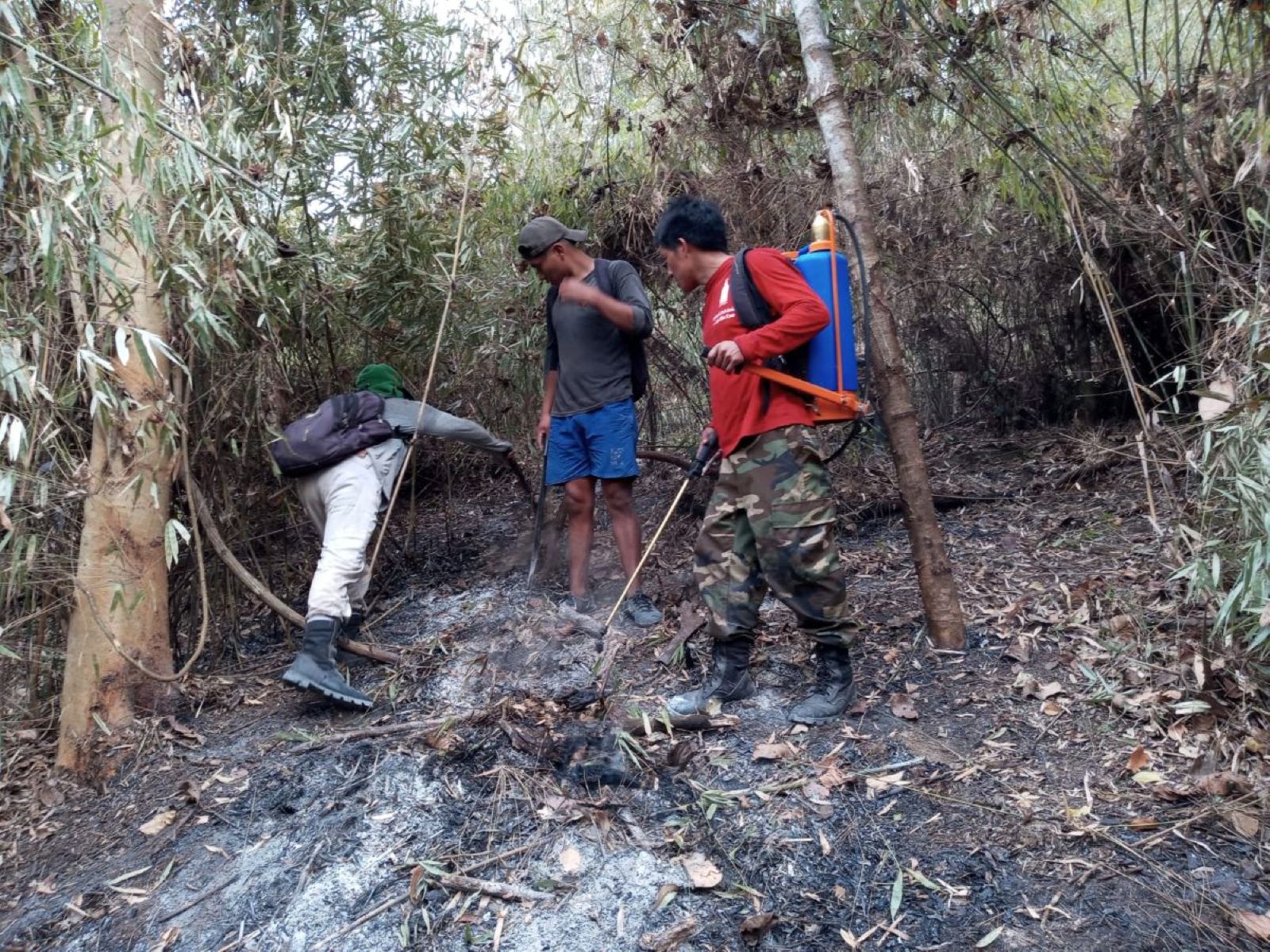
Tsiquireni was not an isolated case. Since the mid-2000s, forest fires have become more frequent across the Ene River basin, alongside temperature shifts that communities have observed themselves.
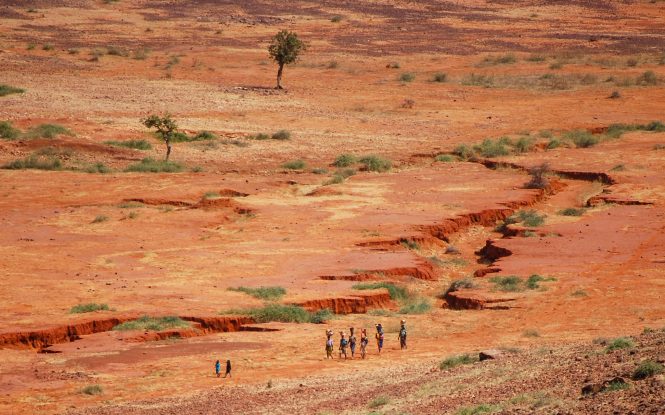
“We have seen a drastic change in temperatures. The normal range used to be 20 to 24 degrees Celsius, but now it has exceeded 38 degrees,” says Saúl Vega, vice president of the Central Asháninka del Río Ene (CARE), an organization representing 45 Native communities in Peru’s central rainforest.
Faced with that change, communities did not look toward leaving. They looked inward.
“There was concern about where we would go,” says Vega. “But we were also thinking about how we could improve our internal management of fire. We work with fire, but in a controlled way, using the knowledge we had before.”
An Asháninka common good
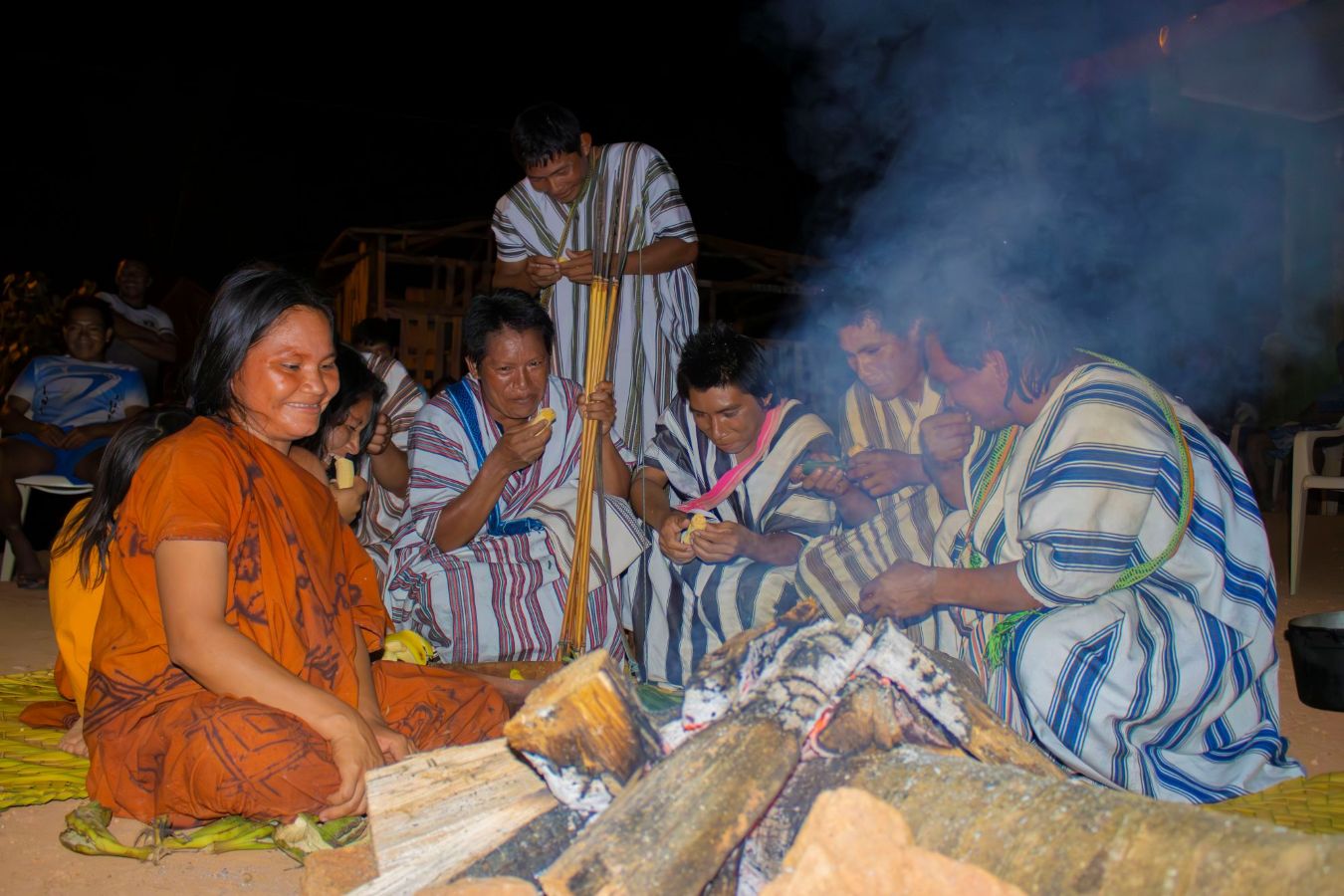
In Asháninka culture, fire is not a threat to be extinguished. It is something closer to a shared inheritance.
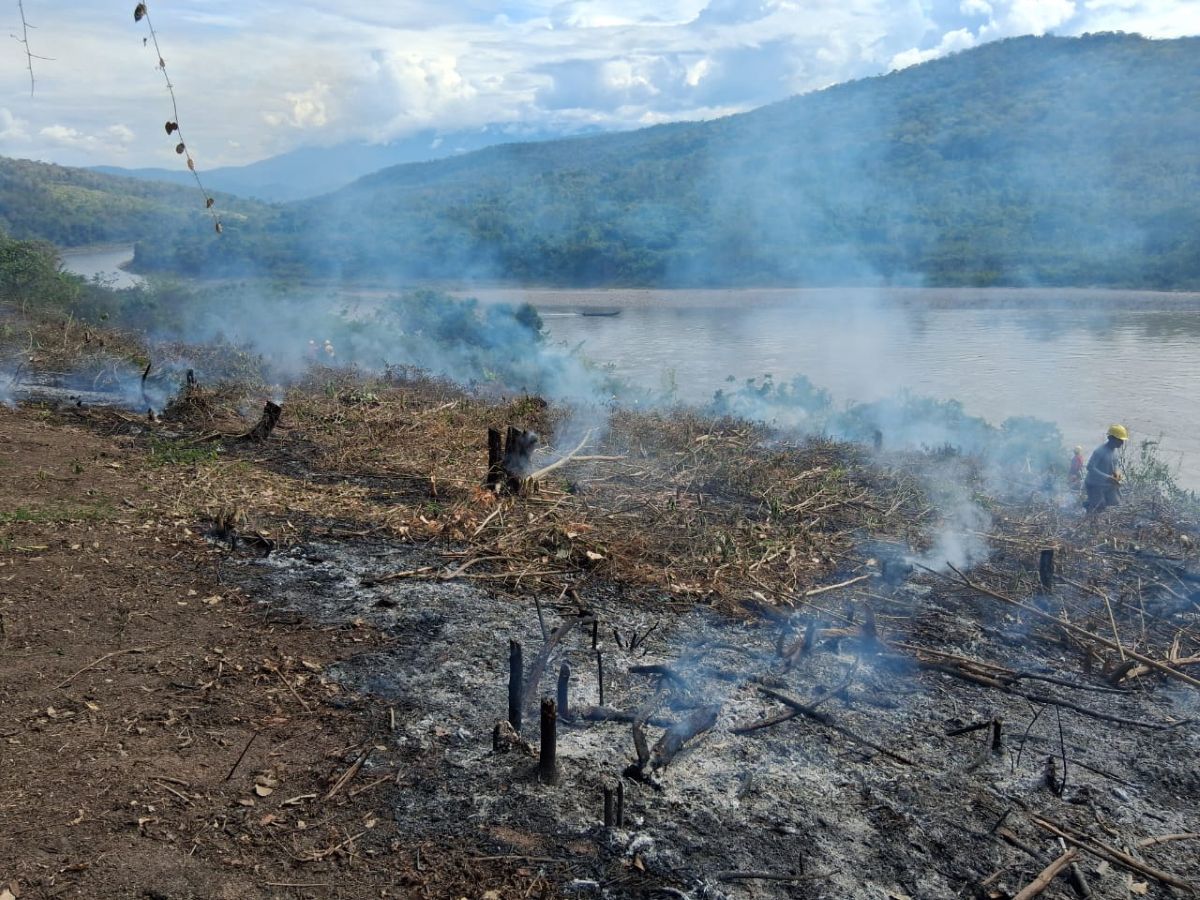
For generations, families throughout the Ene basin have used fire in managed agricultural burns to clear small plots for banana, cassava, cacao and sesame. The practice followed its own logic of scale and timing.
“It was done as a family — parents, children and relatives,” Vega says. “We burned at midday. At that time, it was not as hot and the wind was not as strong as it is today.”
The word paamari — fire in the Asháninka language — appears in origin stories about cooked food. Fire is woven into daily life: in the mornings, when mothers stoke it to call the family to warm themselves, in the vaporeo practice through which women use hot stones and medicinal plants to treat ailments, and in the smoking of meat during hunting and fishing.
Romer learned to light a fire from forest materials as a child. He knows what fire is for. The problem, as communities recognized, was not fire itself but the conditions in which it now burns.
“It is an important tool, but you have to know how to use it so it does not affect the forest,” Vega says. “As Indigenous Peoples, we only clear half a cuadra (a small agricultural plot) or one cuadra.”
A community response
In 2021, CARE organized a community diagnosis involving men, women, young people and elders to address a question that traditional emergency response could not answer: how do you prevent controlled fire from becoming wildfire in a landscape of extreme heat and deepening drought without criminalizing communities that have safely managed fire for generations?
From that process, PAAMARI was born.
The initiative draws on Integrated Fire Management (IFM), an approach that combines prevention, monitoring, community preparedness and the responsible use of fire through what CARE specialist David Torres describes as “the IFM triangle: technical management, fire culture and ecology.” The goal, he says, is to “stop demonizing fire.”
PAAMARI is among the cases documented by FUTERRA (“Fire and Territory: Traditional Knowledge for Fire Management in the Amazon”), a project implemented by Landscape Alliance with support from the Global Fire Management Hub. The project examined how Indigenous and rural communities in Peru and Bolivia are combining ancestral knowledge with new tools to strengthen territorial fire governance.
Getting PAAMARI off the ground was not easy. Fire-related policies in Peru have tended to focus on prohibition and sanctions for burning, without distinguishing between wildfires and traditional practices. Nor was funding available.
“We presented our strategy to the ministries, the regional government and local governments, but they had no budget,” Vega recalls. “We came back somewhat worried because without funding, we could not move forward.”
The turning point came when CARE established a partnership with Cool Earth, an international organization whose support made it possible to launch the strategy.
Brigades, data and the PAAMARI Hand
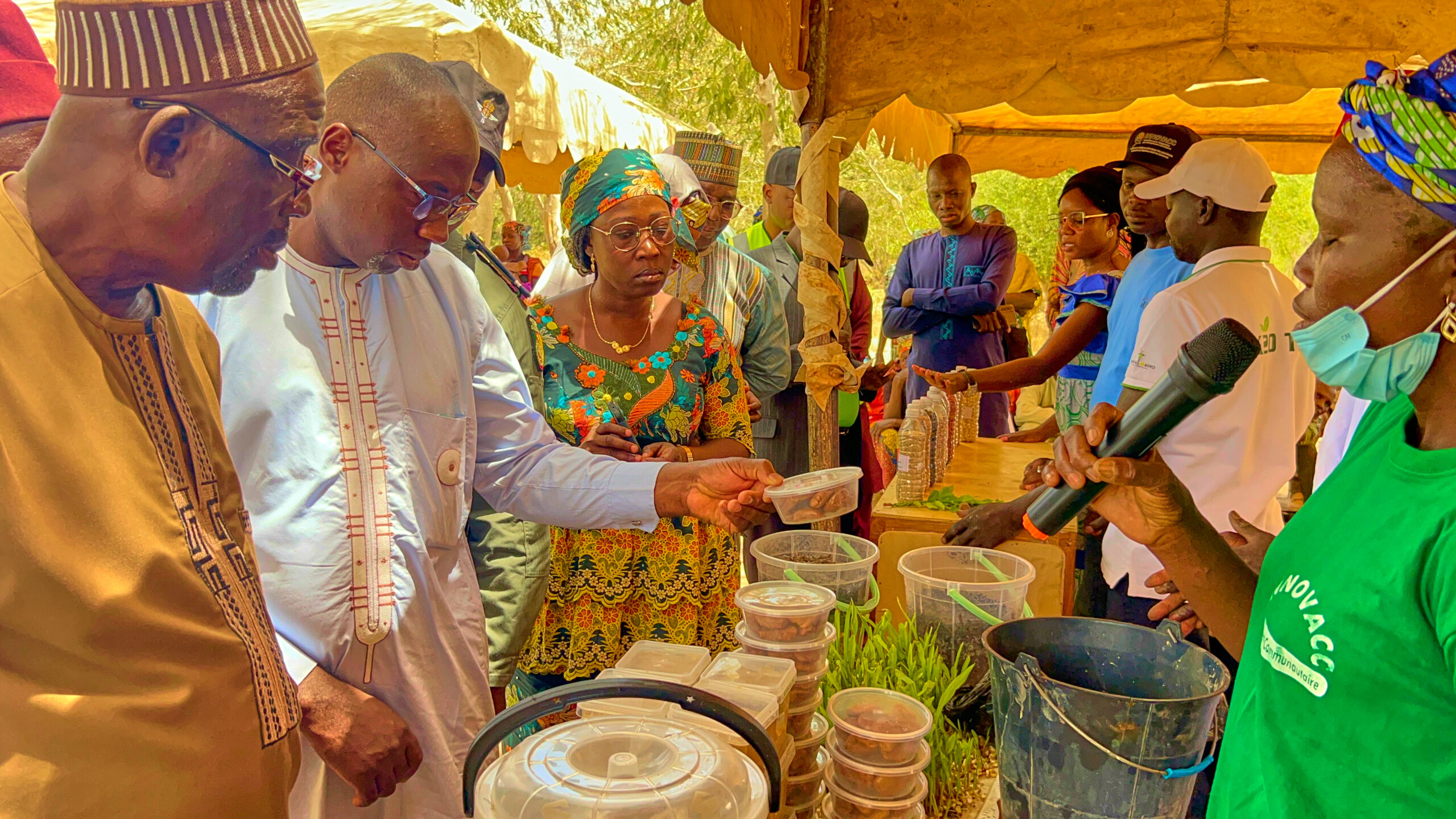
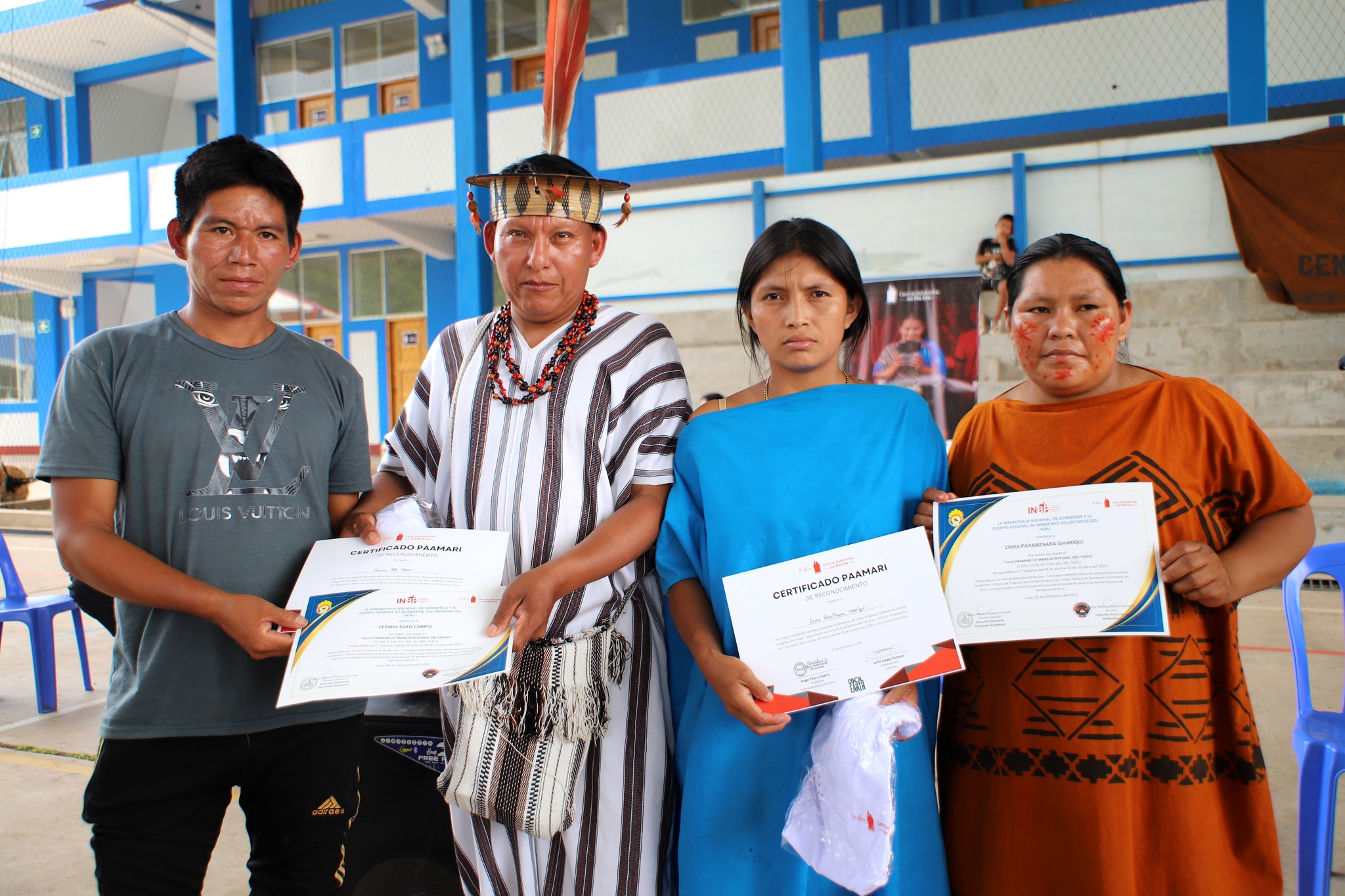
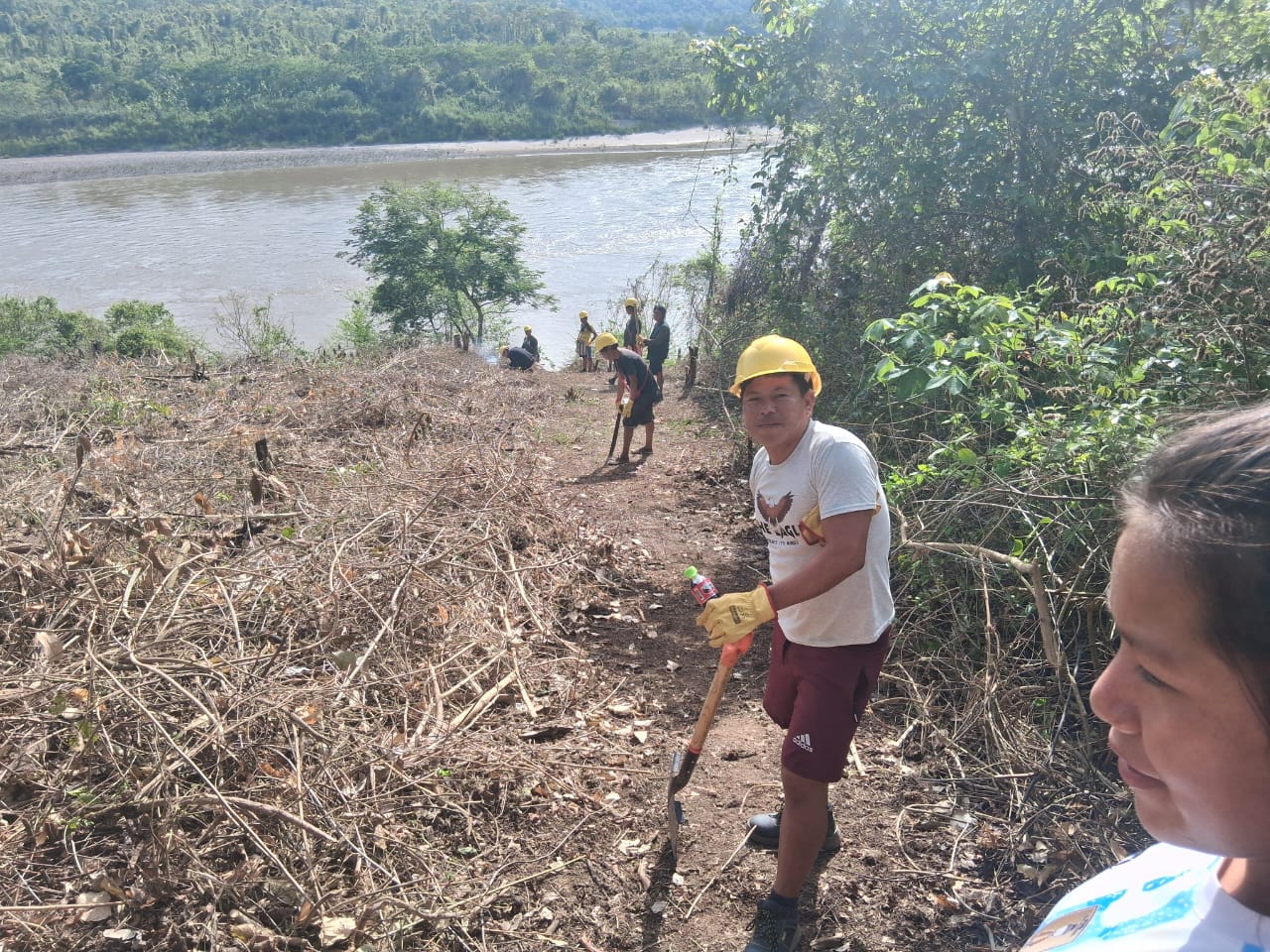
The operational backbone of PAAMARI is the PAAMARI School, which has trained more than 250 community members and certified 55 of them, including Romer, as official brigade members through the self-defence committees.
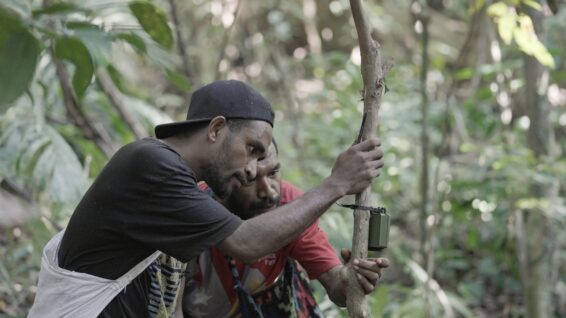
The brigades work through a hybrid monitoring model. A central team reviews satellite and meteorological data; brigade members then verify conditions on the ground, cross-checking the information against what they observe directly. This two-step validation enables a faster, more accurate response and generates local records in areas where systematic monitoring has historically been absent.
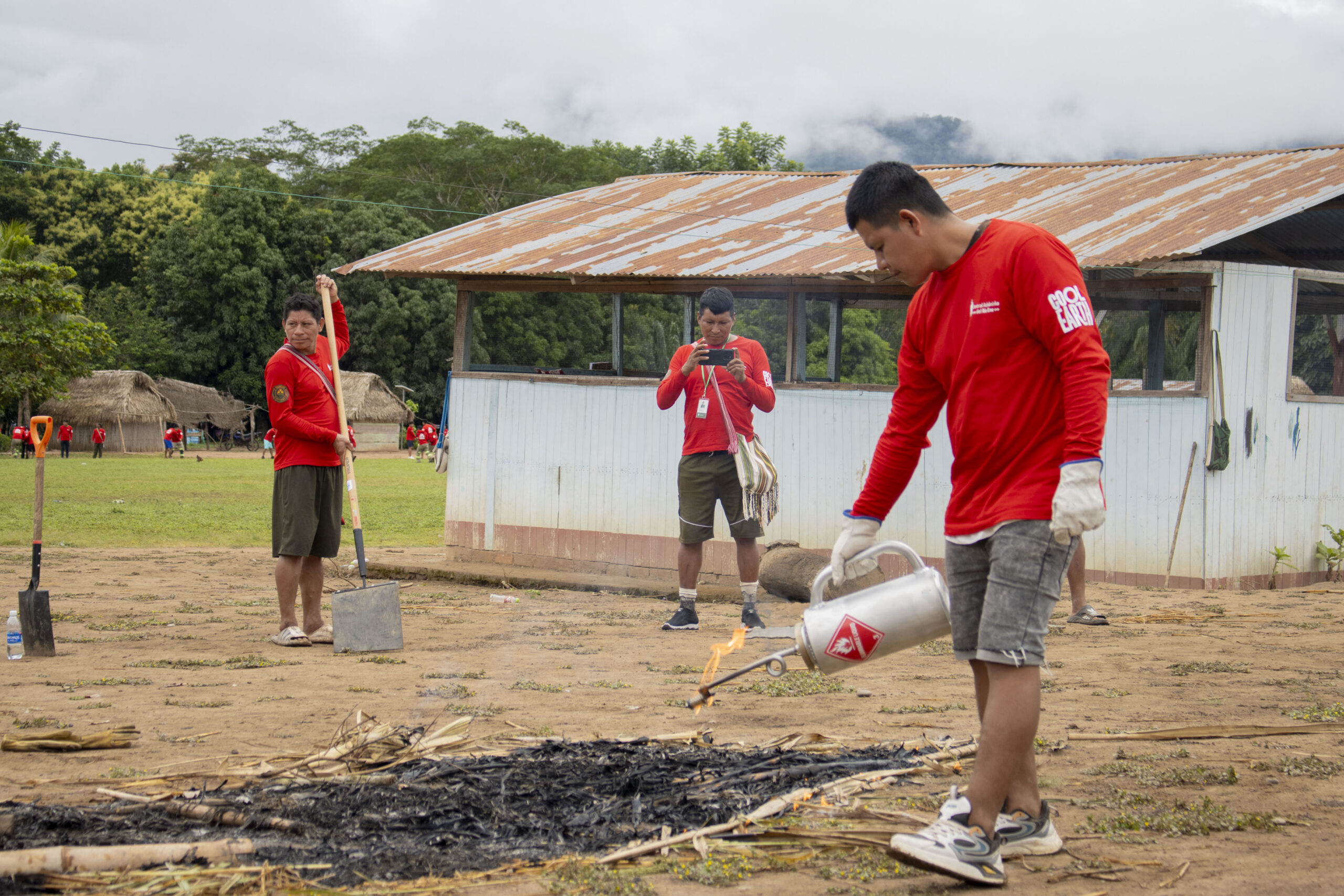
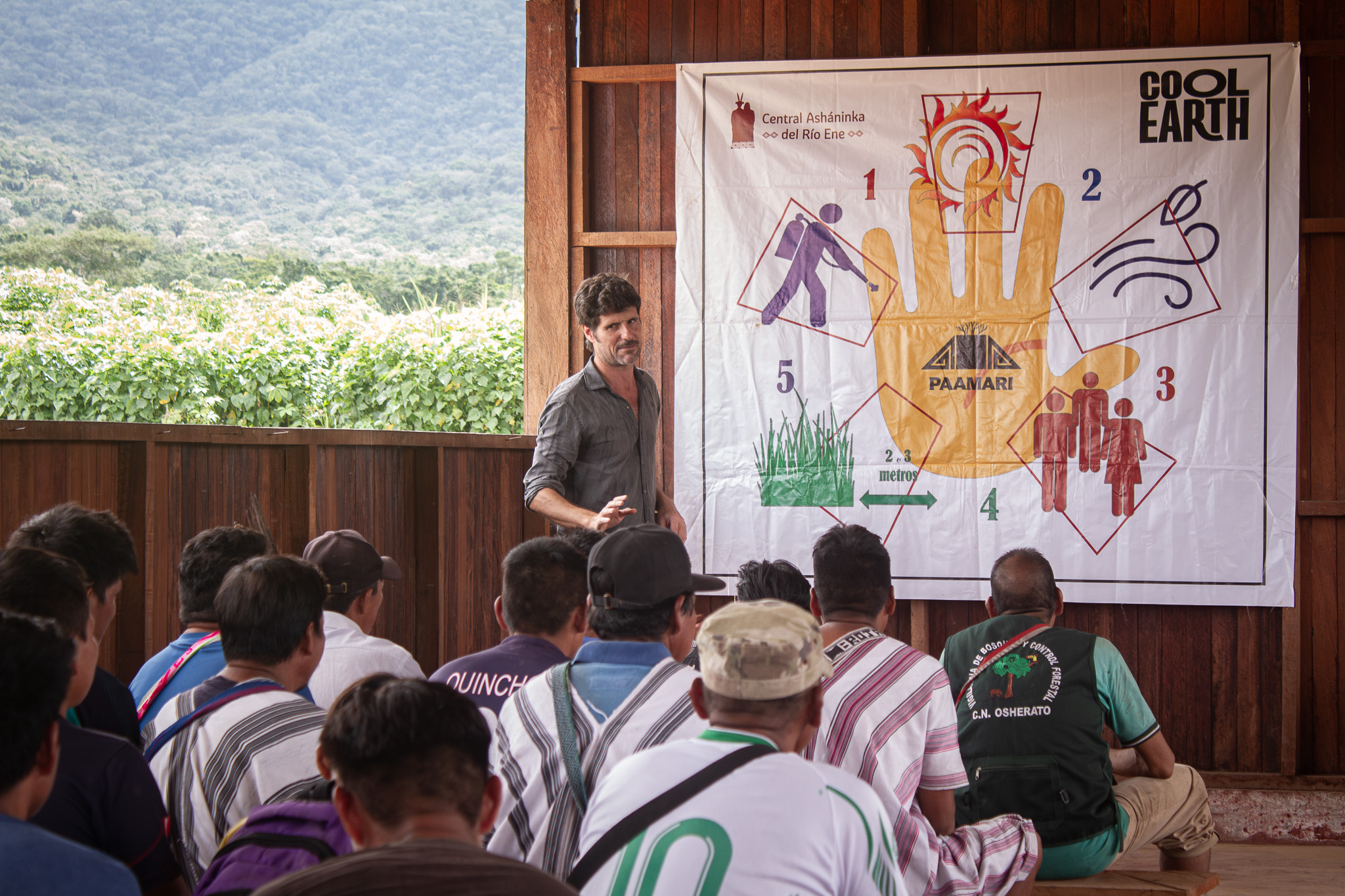
Agricultural burning now follows a structured protocol developed by the communities themselves: the “PAAMARI Hand”, a collective work methodology that turns every controlled burn into a coordinated group effort.
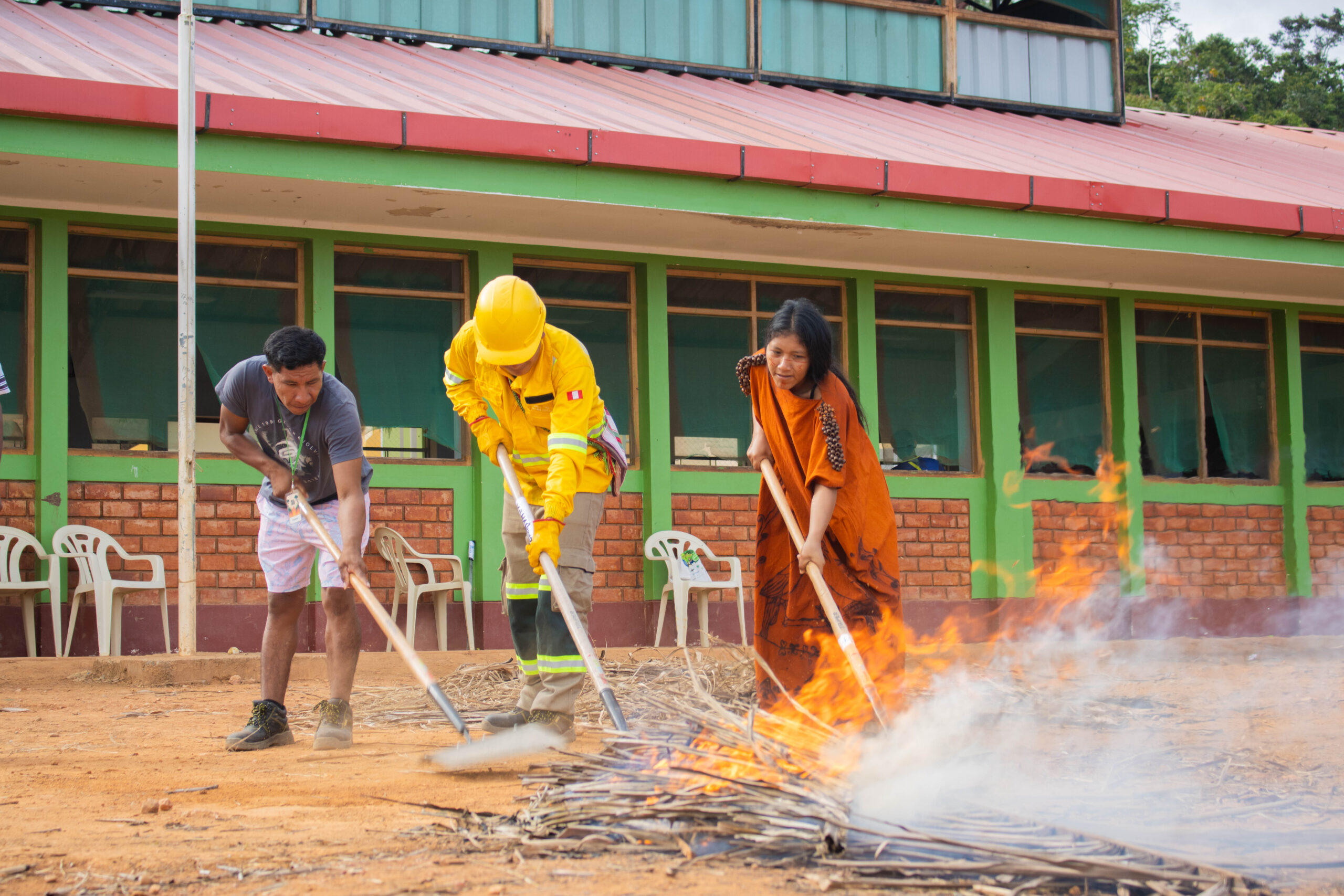
“The owner of the field coordinates with brigade members and community members to work as a group,” Romer explains. “With the participation of men and women, the area is cleared to reduce combustible material, firebreaks are opened, and control points and escape routes are established. Then the burn begins under constant supervision, and water is kept on hand to prevent it from getting out of control.”
Beyond fire response, PAAMARI has also strengthened institutional ties. This year, 19 Asháninka brigade members were certified for the first time as instructor-facilitators by Peru’s National Fire Department, giving communities the capacity to train others. In 2025, an agreement with Peru’s National Meteorology and Hydrology Service (SENAMHI) led to the installation of the Ene River basin’s first meteorological station, a step towards making local climate data a permanent part of fire management.
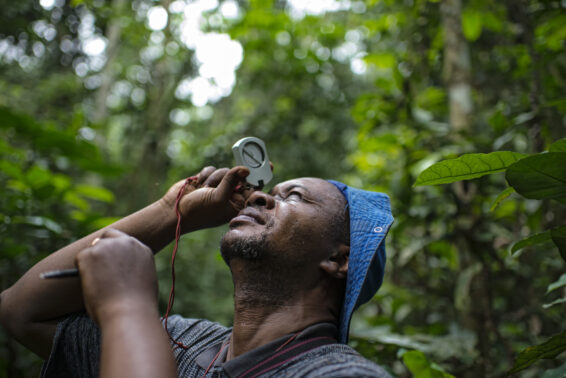
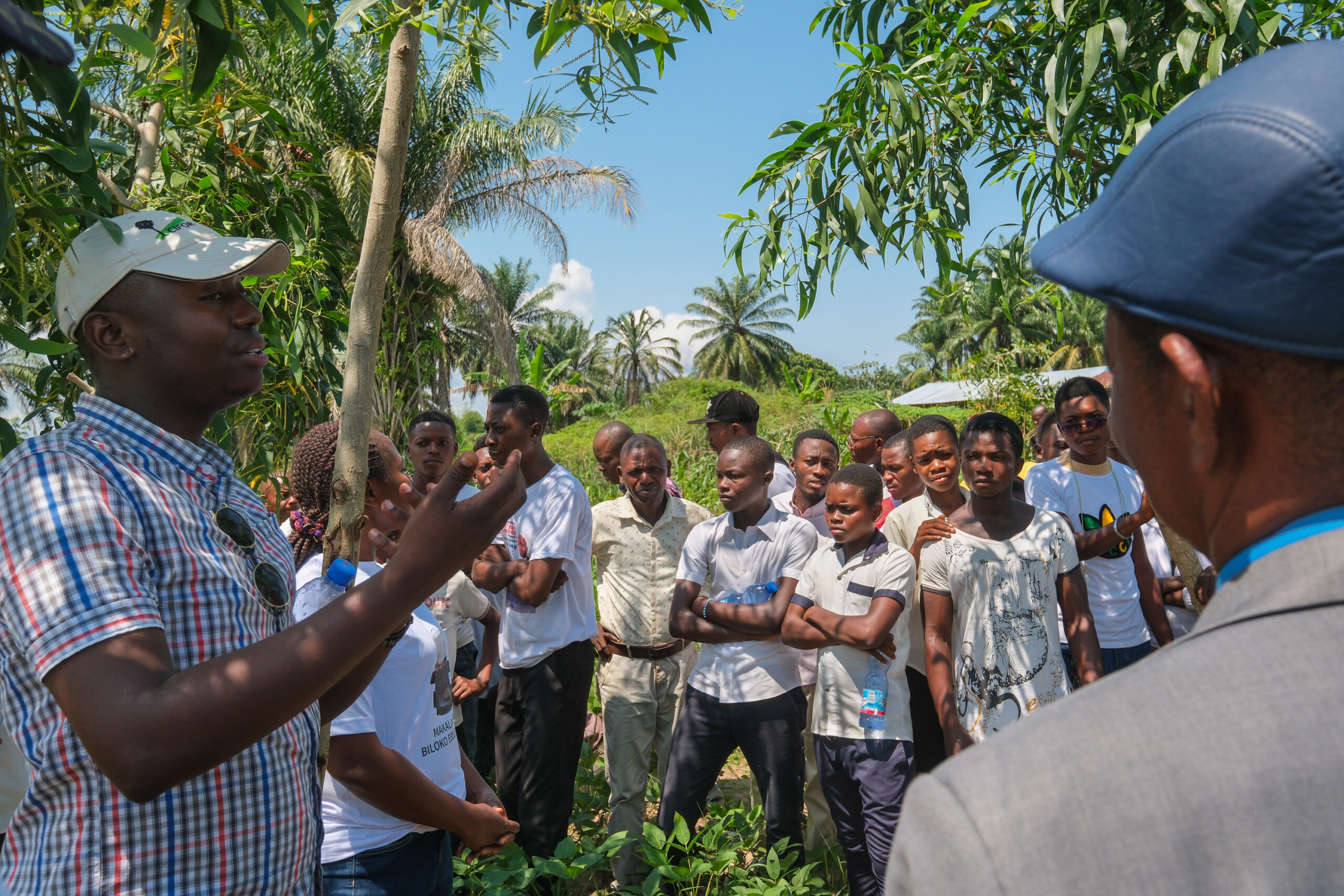
Community members, brigade volunteers and Asháninka firefighters take part in PAAMARI training in the Ene River basin. Photo by CARE
Tangible results
The numbers speak for themselves. According to CARE, fires in the Ene basin fell from 25 in 2023 to nine in 2024, with a significant reduction in the area affected. In 2025, no large-scale fires were recorded, and the hotspots that were detected were contained in time.
“Little by little, we are achieving our goal,” says Vega. “And this year we began restoring forest areas that were affected by fires.”
Romer, who joined the first brigade partly because of what he witnessed in Tsiquireni, now helps prepare other community members for the work. The equipment has improved. The system has been built.
“We believe in this strategy,” Vega says, “because it was built within the community itself. We protect the territory and the forest — this is where we live.”