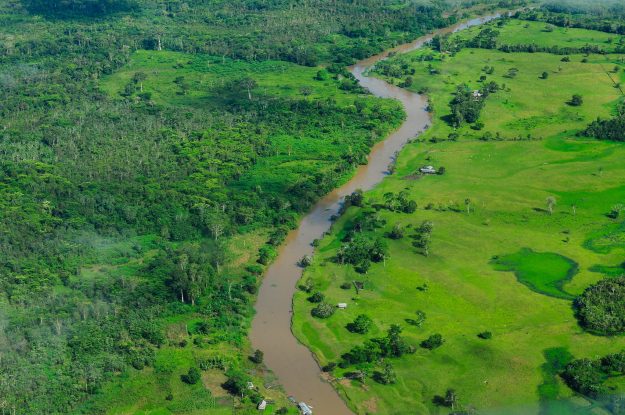
People have lived on Papua New Guinea’s Managalas Plateau for centuries, and many of them — especially those who go out hunting — know small parts of its forest intimately. All of the land here is owned by clans, and each piece has its own particular users and guardians.
But to make sense of the biodiversity of the Plateau as a whole — as a means to make better management decisions and potentially attract future support through mechanisms like biodiversity credits — we need a broader view.
That’s why the Managalas Conservation Foundation (MCF) and its partners at Landscape Alliance are working with Managalas’ clans to get a better picture of the area’s flora and fauna.
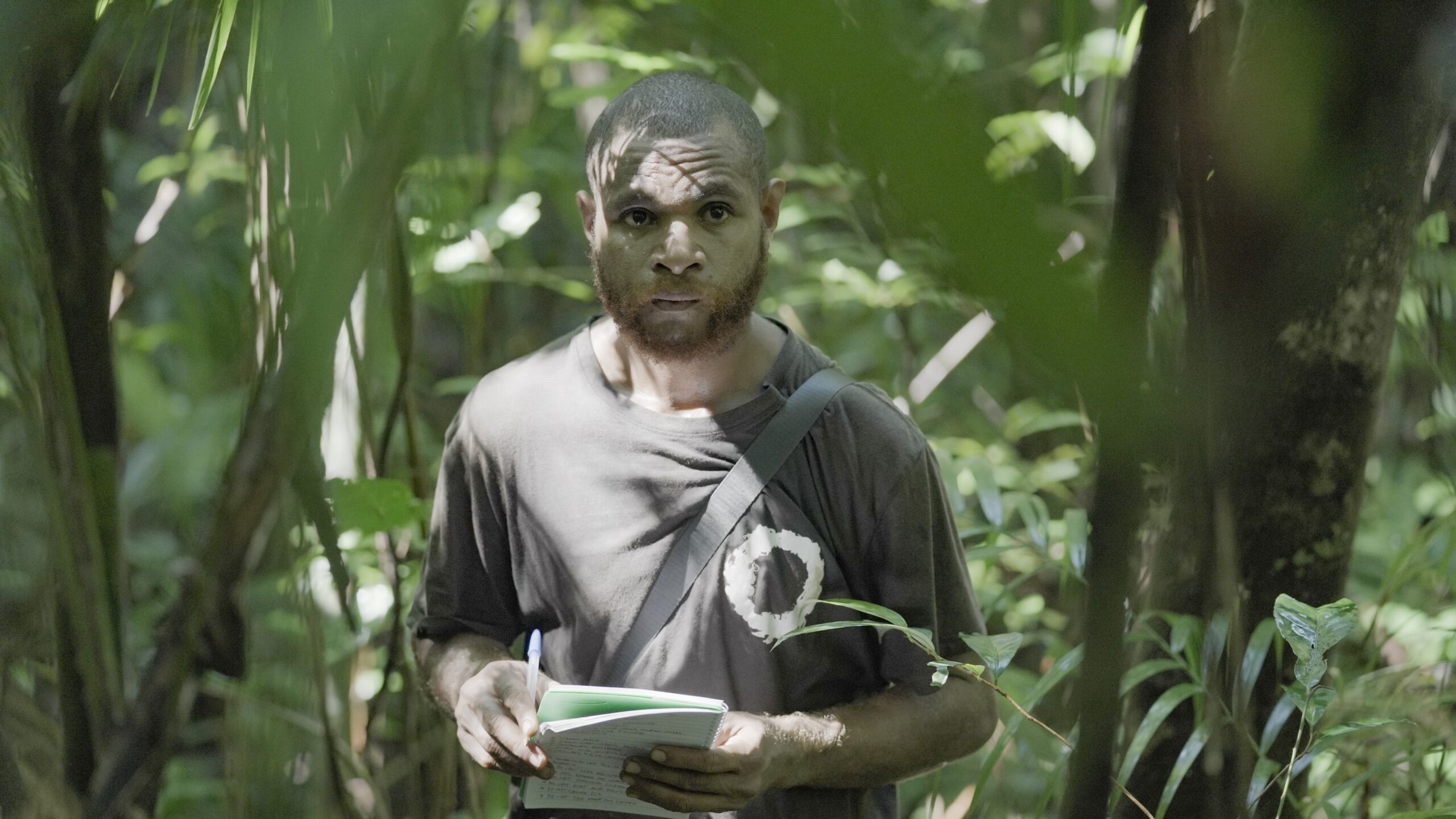
Part of that work involves training up a group of young people from across the Plateau to be Biodiversity Team Leaders (BTLs), who will oversee species tracking efforts. It’s a diverse and demanding role, requiring physical fitness alongside technological know-how and teamwork in challenging environments.
We spoke to three BTLs to learn more about their work and what they’ve gained from the experience.
Members of the biodiversity monitoring team hike across the Managalas savanna. Photo by Russell Wai / Landscape Alliance
Forests New (FN): How did you become a Biodiversity Team Leader?
Kelly Onia (KO): Our zone managers selected us from some data-gathering work we did as part of a household survey. From the 44 people who did that, they picked ten of us to come for training and join the biodiversity team.
Alpheus Mamo (AM): I got involved through the biodiversity program in my village.
Graham Etiawa (GE): We went down to town, attended training, then came back and started running the biodiversity survey.
FN: What was the training like?
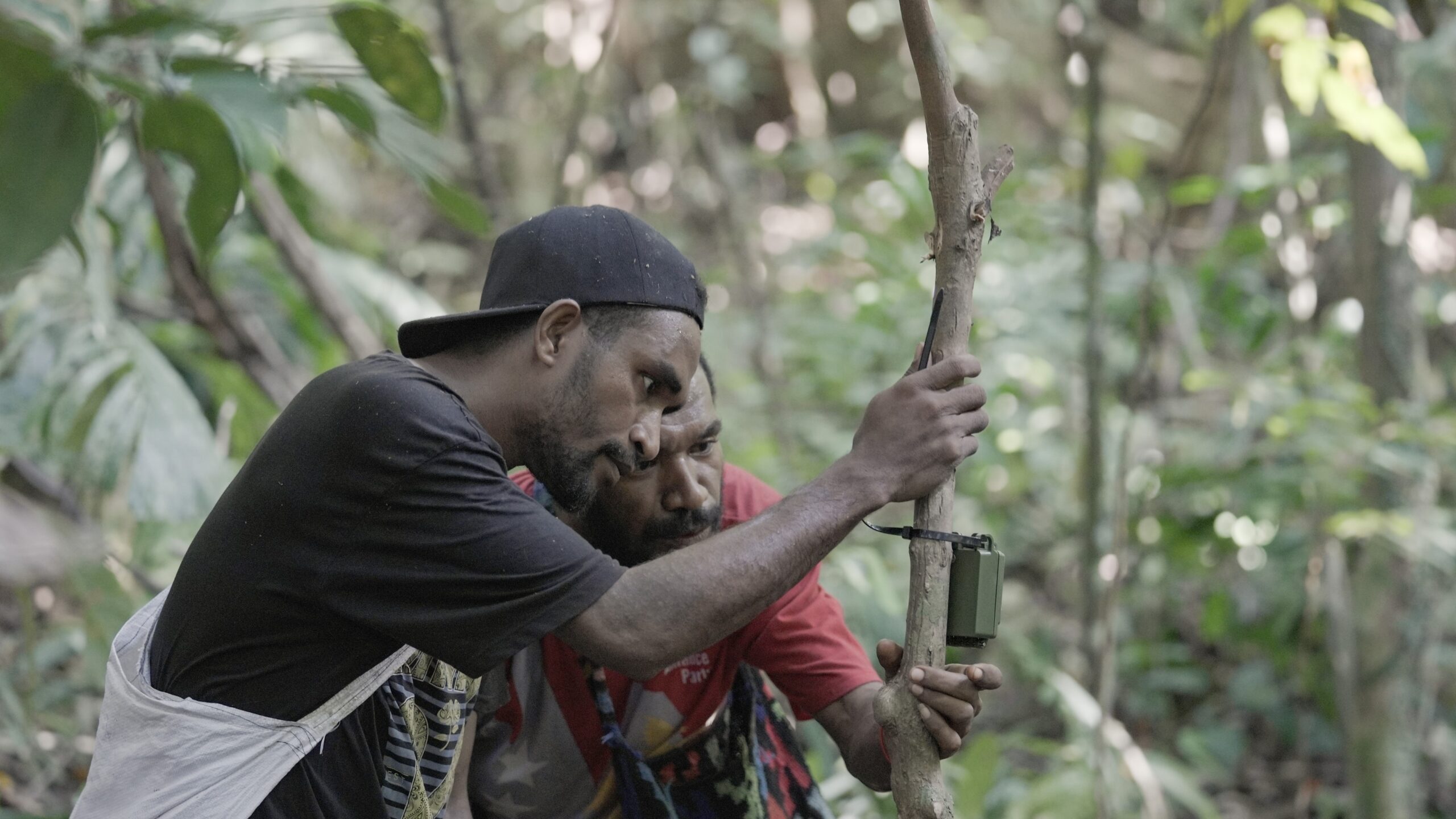
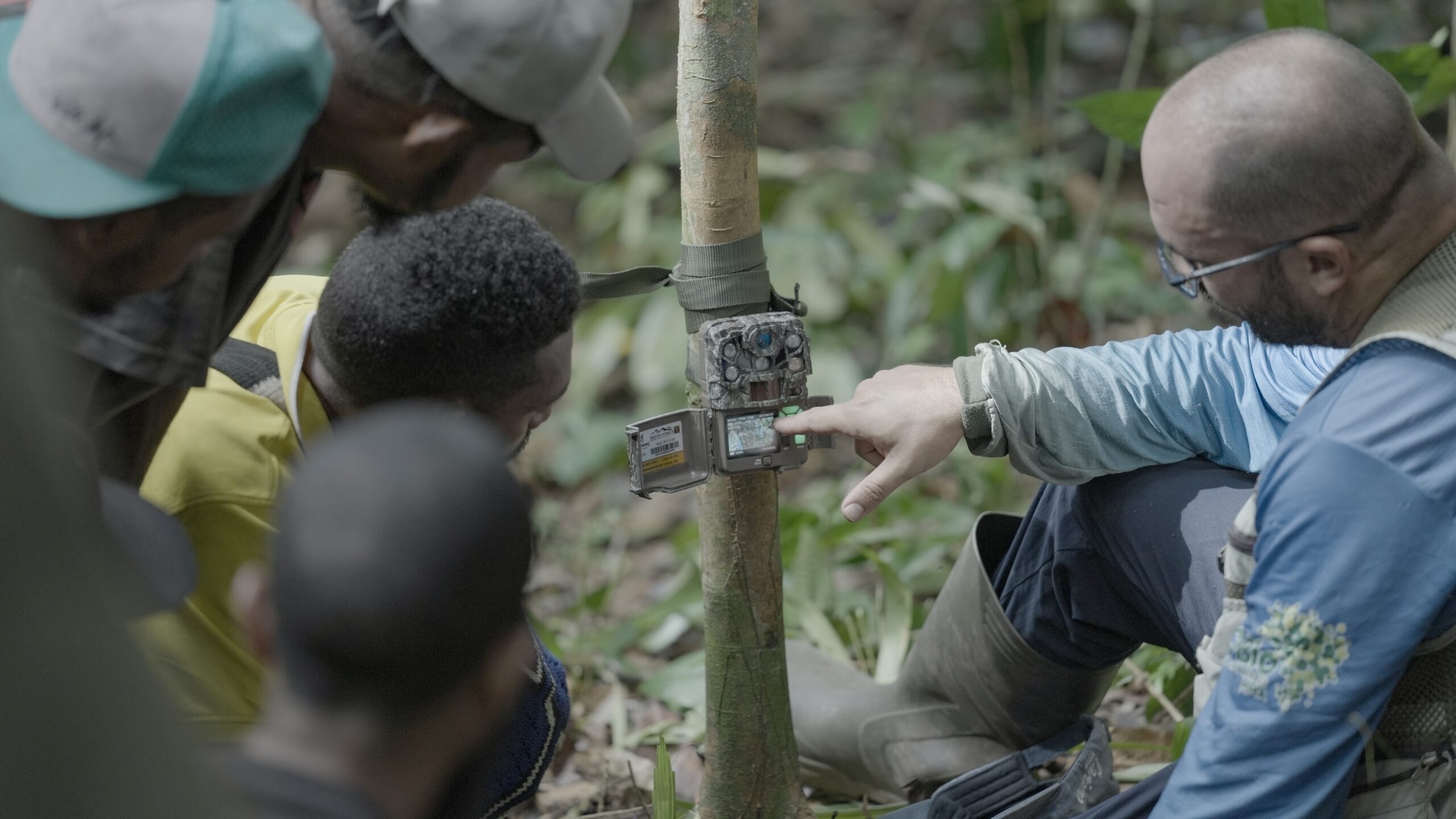
KO: We went to Popondetta for one week of online training where we learned how to set up the audio and camera trap devices. The training was provided by WildMon, a nonprofit conservation technology organization specializing in biodiversity monitoring.
AM: Then, we came back and started doing what they had shown us, with some of the WildMon and Landscape Alliance people assisting us. We did a lot of work learning how to configure the cameras to capture photos of the animals.

FN: What happens during a deployment?
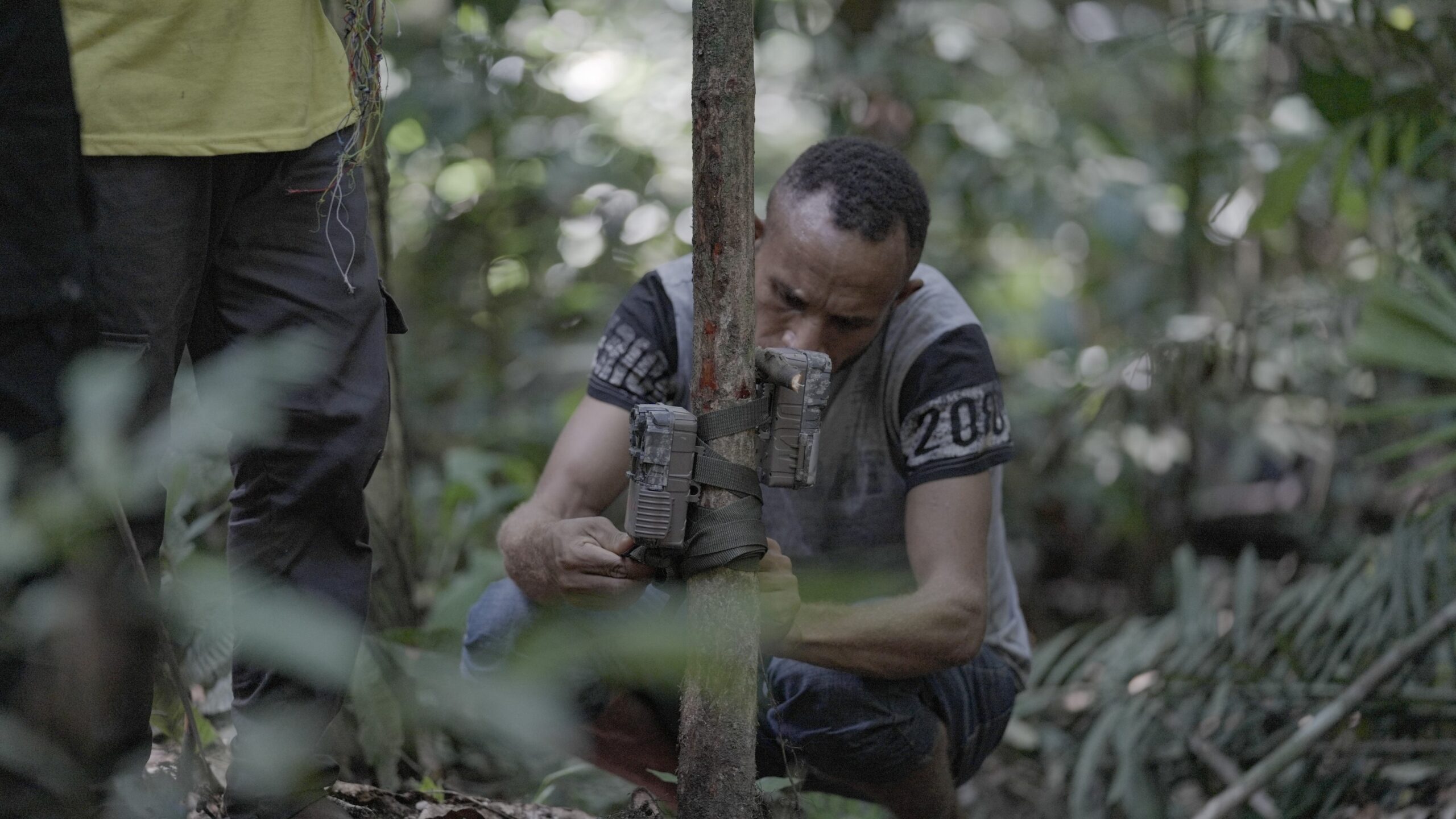
KO: We go into the bush and set up the devices [in monitoring grids across the Plateau]. The cameras stay out for one month, and sound recorders for less time, and then we go back to retrieve them.
GE: We set up camp and stay out at each grid for one night. Sometimes, when conditions are difficult, deployment takes two days instead of one, but otherwise it only takes one day. There are seven stations in a grid, 500 metres apart. We insert batteries and SD cards in the camera traps and acoustic devices and label them. Sometimes we go fishing while we’re out there.
AM: We live in the bush and work together. We eat a lot of rice!
FN: What challenges do you face in the field?
KO: The bush is very hard. Sometimes we return late at night. We don’t have enough equipment like radios or satellite phones.
AM: The places we go can be super hilly. GPS signals can play up. Sometimes arrive late, so we set up camp and sleep.
GE: It can be very rainy and cold when we camp.
FN: Have you recorded or seen any interesting animals?
GE: Yes, some of the animals are ones that we don’t find in our area here. Usually we don’t see them — we only record them in the camera traps.
KO: Tree kangaroos, black cockatoos, possums and rats.
AM: Many bandicoots, snakes and frogs.
FN: Has this work taken you to places you hadn’t been before?
KO: Yes, we climb mountains and go deep into the forest, to places I hadn’t been before.
GE: On the deployment I went on, it was my first time being there.
AM: Yes, we go into areas we normally don’t visit. Because we’re going into other people’s bush, it’s a new environment for us.
Mellie Musonera (left), Biodiversity Monitoring Lead for Landscape Alliance, joins Biodiversity Team Leaders during a field expedition. Photo by Russell Wai / Landscape Alliance
FN: How do cultural rules and land ownership affect your work?
KO: Some places are sacred sites. Our ancestors told us not to go there, so we respect that. If you go into that place, your body parts — like your leg or your eyes — might become paralysed. So we are not allowed to go.
GE: We go with the people who live around there. They tell us where not to go, so we move our stations to other places.
FN: What have you gained from being part of the biodiversity team?
KO: I have learned many things, many new things. I have new experiences climbing mountains, seeing new animals in the cameras, sleeping in the bush and working with the rest of the team.
It’s very good for us. We have not been able to go to college or university to learn all these things because we are here in our villages. But since this biodiversity programme was introduced to Managalas, we’ve experienced new things.
GE: I really liked working alongside some of the international experts and visitors coming in and learning how to use the camera equipment together.
AM: I learned about a lot of animals that we didn’t know of before.
FN: Will the results be shared with communities?
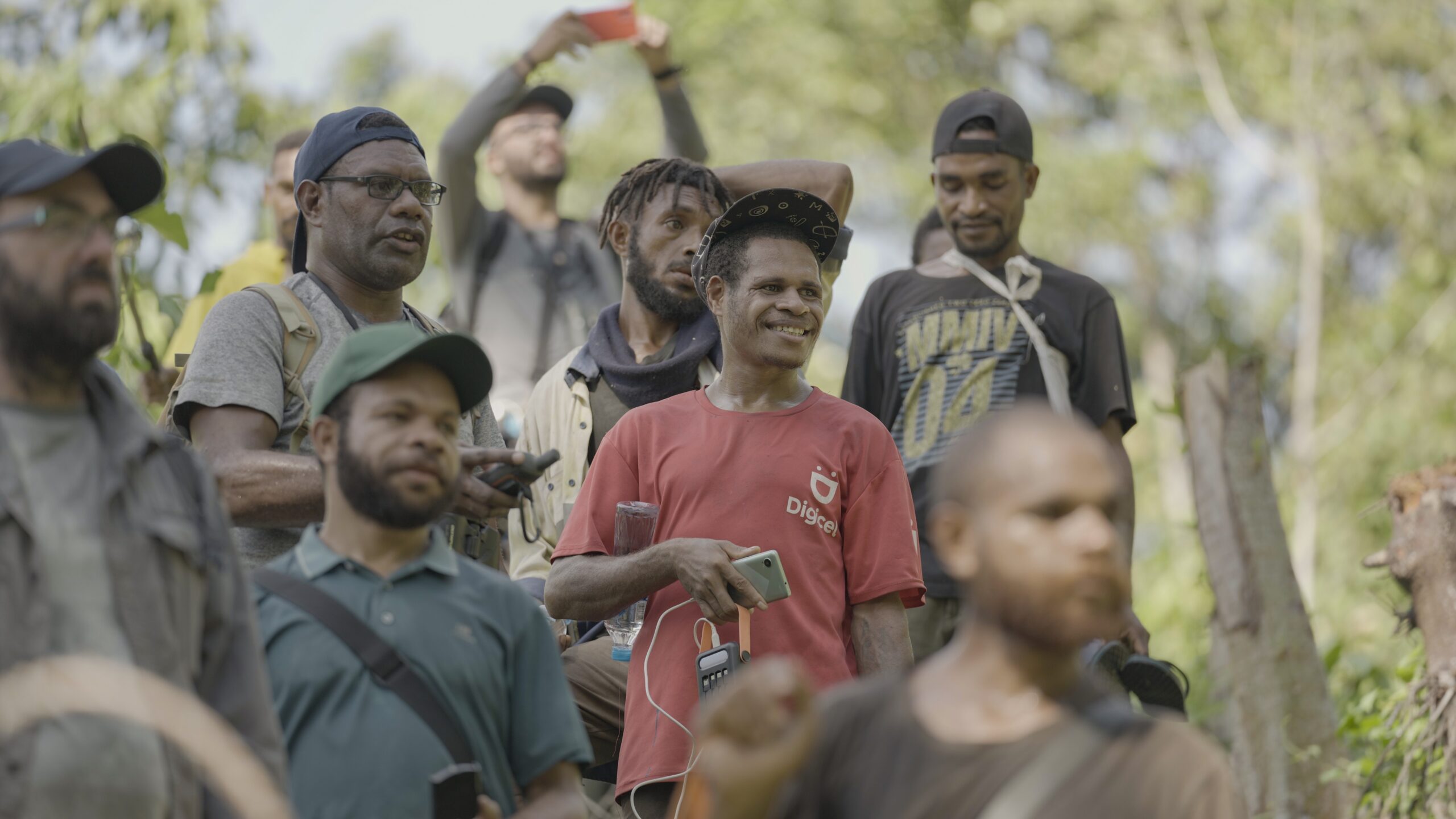
GE: Yes — sharing the results with communities is important so people can see what was recorded on their land.
KO: Yes, after the data is analysed, the partners will share a report and the monitoring data with the communities and return to discuss the findings.
FN: Do you want to keep doing this kind of work in the future?
KO: Yes. It’s new to me, and it’s very interesting. I would like to study further at a college or university somewhere.
AM: Yes, I want to keep doing this job.
For more information on this project, please contact Landscape Alliance’s PNG Programme Lead Will Unsworth: [email protected]