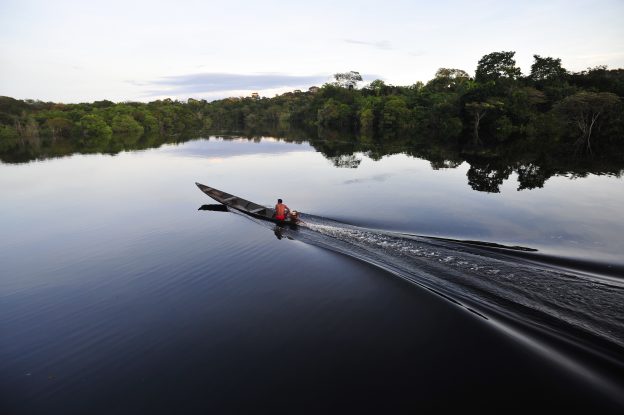





Wood remains one of Africa’s most vital natural resources, supporting livelihoods, economic development and industrial growth across the continent. According to the Food and Agriculture Organization’s Global Forest Resources Assessment 2020, more than 600 million Africans depend on forests and trees for their livelihoods, relying on wood value chains for employment, energy, construction materials and income generation.
The sector supports industries such as furniture manufacturing, paper production, packaging, electricity transmission, housing and construction. In rural Africa, wood and tree-based systems also provide fuel and income, forming a cornerstone of household survival.
As population growth and urbanization accelerate, demand for wood products is rising sharply, creating both opportunities and challenges for sustainable development. Harnessing this potential could position the wood sector as a driver of economic transformation and green growth.
At the centre of this opportunity is the idea of a resilient wood-based bioeconomy, an approach that sustainably uses renewable biological resources like wood and forest products to produce materials, energy and services while safeguarding ecosystem health.
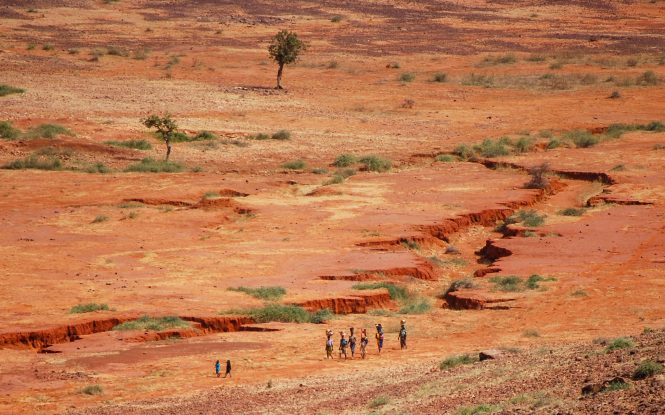
This is increasingly important as Africa faces growing pressures from climate change, biodiversity loss, land degradation and rising demand for wood products. Without resilient systems, increasing demand could accelerate deforestation, environmental degradation and dependence on imported products.
Balancing the growing demand for wood with sustainable supply
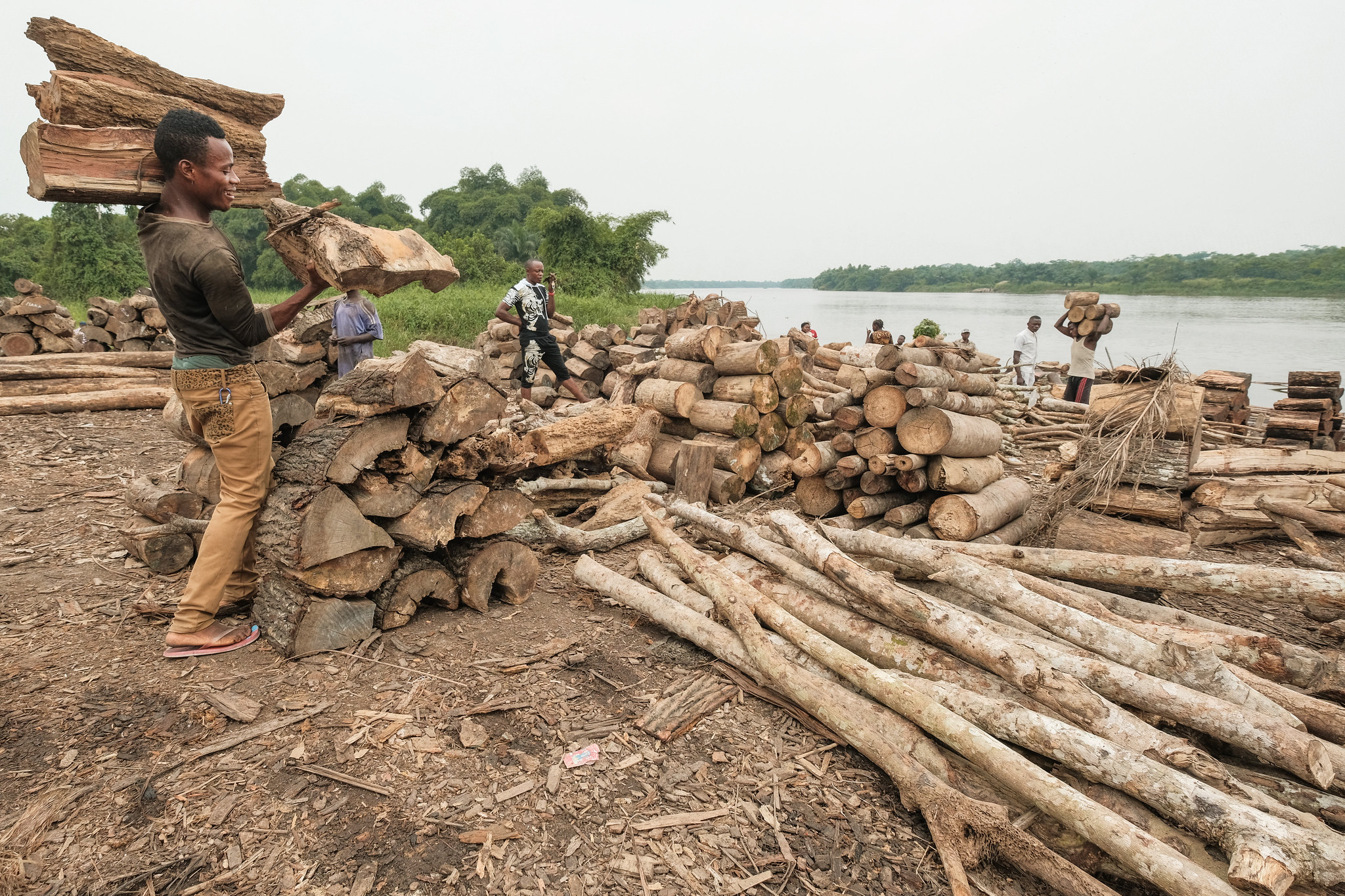
Wood already plays a central role in Africa’s economy. Demand spans both value-added wood products and wood energy. The African Forest Forum report on the role of forests and trees in Africa’s economic development estimates that the continent consumes around 100 million cubic metres of value-added wood products annually, including timber, furniture, poles, paper products and construction materials. Woodfuel, mostly firewood and charcoal, remains the dominant source of household energy for millions of people in both rural and urban areas.
According to the International Energy Agency’s Africa Energy Outlook 2023 report, biomass accounts for approximately 70–80% of household energy consumption in Sub-Saharan Africa, highlighting the continued importance of wood-based energy systems. This demand is supplied from natural forests, plantation forests and, increasingly, from trees grown on farms through agroforestry systems. However, natural forests continue to provide a substantial share of wood supply, placing vulnerable ecosystems under pressure.
In many countries, demand increasingly exceeds sustainable supply, contributing to forest degradation, illegal logging and greater dependence on imported wood products. Research published in the East African Journal of Agriculture and Food Science highlights the importance of expanding sustainable wood production through plantation forestry and farm-grown trees to reduce pressure on natural forests.
Photo by Axel Fassio / Landscape Alliance
Unlocking the economic value of wood
The wood processing industry represents one of Africa’s most significant yet underdeveloped economic opportunities. Across the continent, thousands of enterprises are engaged in sawmilling, furniture manufacturing, wood panel production, paper processing, pole treatment and packaging industries.
These activities generate employment across rural and urban areas and often create more jobs per unit of investment than many extractive industries. Yet much of Africa’s wood is still traded in raw or semi-processed form, limiting opportunities for value addition, industrial development and export earnings.
Strengthening local processing capacity through improved technologies, skills development and investment can transform wood from a primary commodity into a high-value industrial resource while creating jobs, supporting small and medium enterprises, and reducing trade deficits in processed wood products.
Beyond traditional uses, wood is increasingly becoming a strategic resource within the emerging bioeconomy. Globally, wood-based products are replacing carbon-intensive materials such as steel, cement, plastics and fossil-fuel-derived products. Innovations include engineered timber for sustainable construction, biodegradable packaging, wood-based textiles, bio-based chemicals and advanced biomaterials. These emerging industries offer Africa opportunities to participate in growing global markets while contributing to climate mitigation and circular economy objectives.
Building competitive and resilient wood value chains
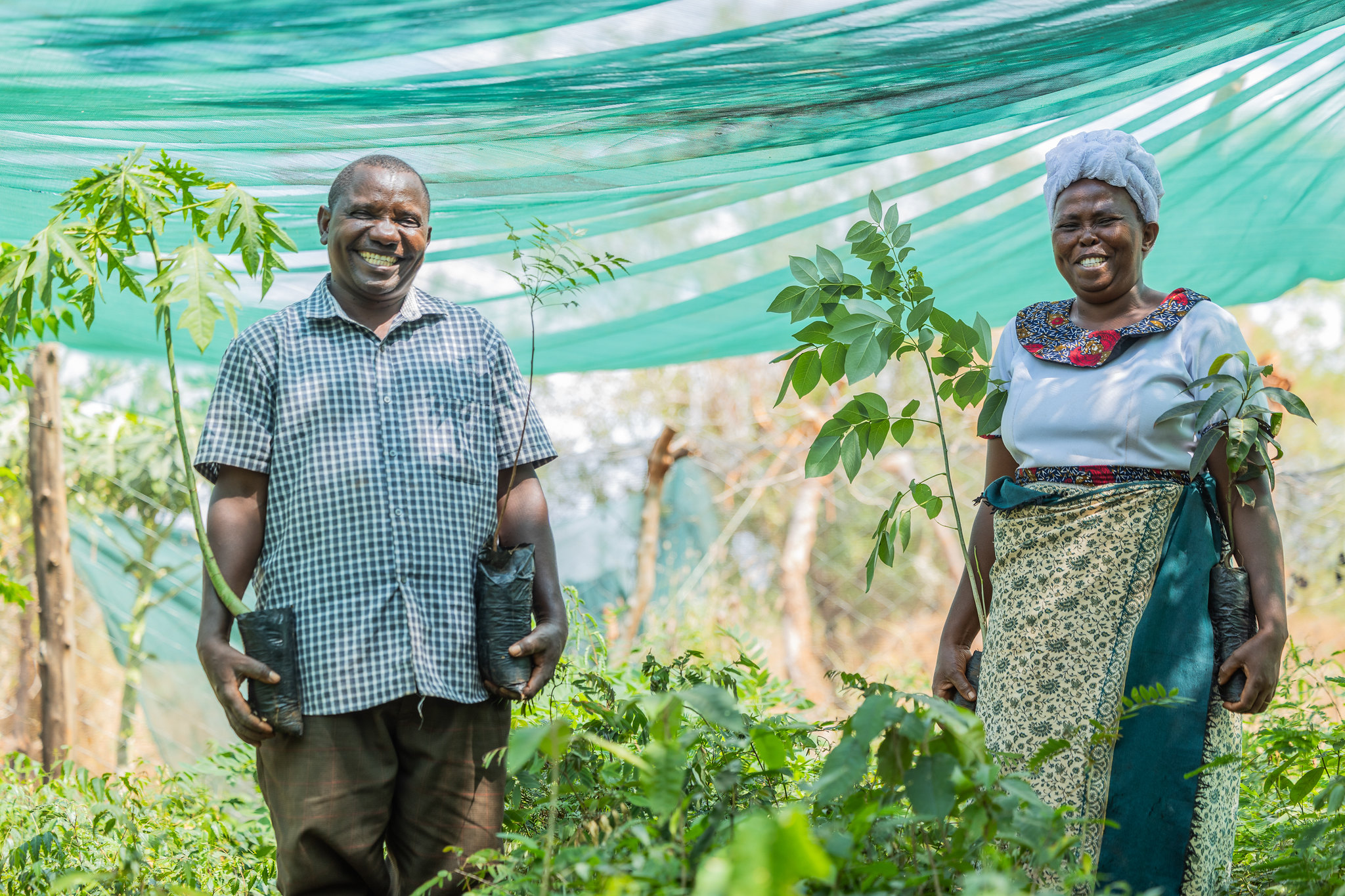
Several countries are already making progress towards a resilient wood-based bioeconomy. In Kenya, agroforestry systems involving grevillea, eucalyptus and fruit trees provide timber, fuelwood and income while improving soil conservation and landscape restoration. Publications by the Kenya Forestry Research Institute (KEFRI) indicate that on-farm forestry now contributes around 40–50% of Kenya’s timber and pole supply, making it a critical source of wood production.
Despite this progress, challenges remain.
Small and medium enterprises often face limited access to finance, fragmented value chains, weak governance structures, inadequate processing technologies and restricted market opportunities. Forestry investments are frequently viewed as high-risk because returns may take years to materialize. Moreover, many countries continue to export raw materials while importing higher-value processed wood products.
Addressing these challenges requires coordinated policy action and strategic investment.
Expanding sustainable wood production through commercial plantations, community forests and on-farm tree growing will be essential to meeting future demand. Equally important is improving efficiency in the wood energy sector. Transition pathways such as improved cookstoves, efficient charcoal production technologies, wood pellets, briquettes and modern bioenergy systems can reduce pressure on forests while supporting cleaner energy access. Investments in modern wood processing technologies can also improve recovery rates, reduce waste, and increase competitiveness across value chains.
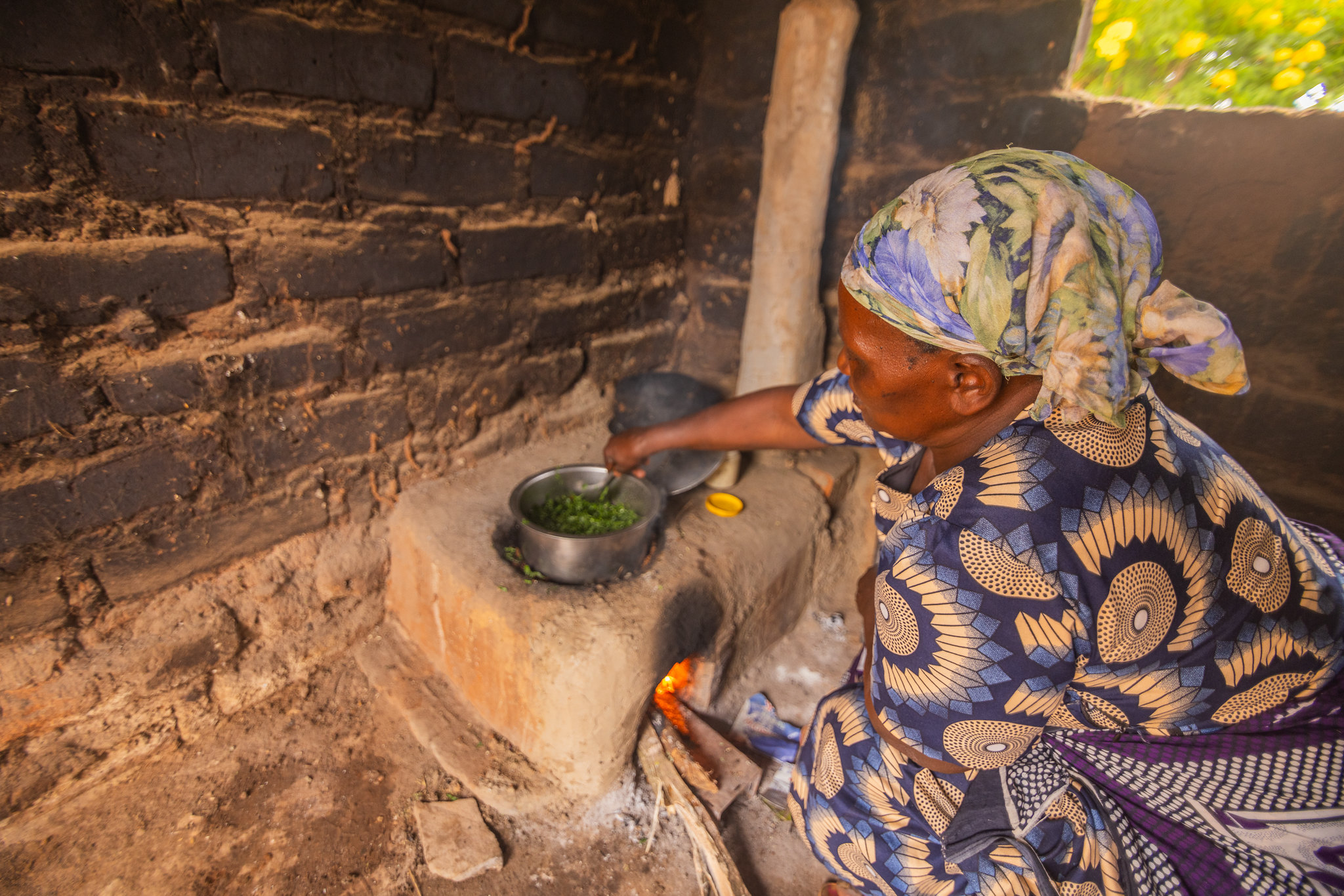
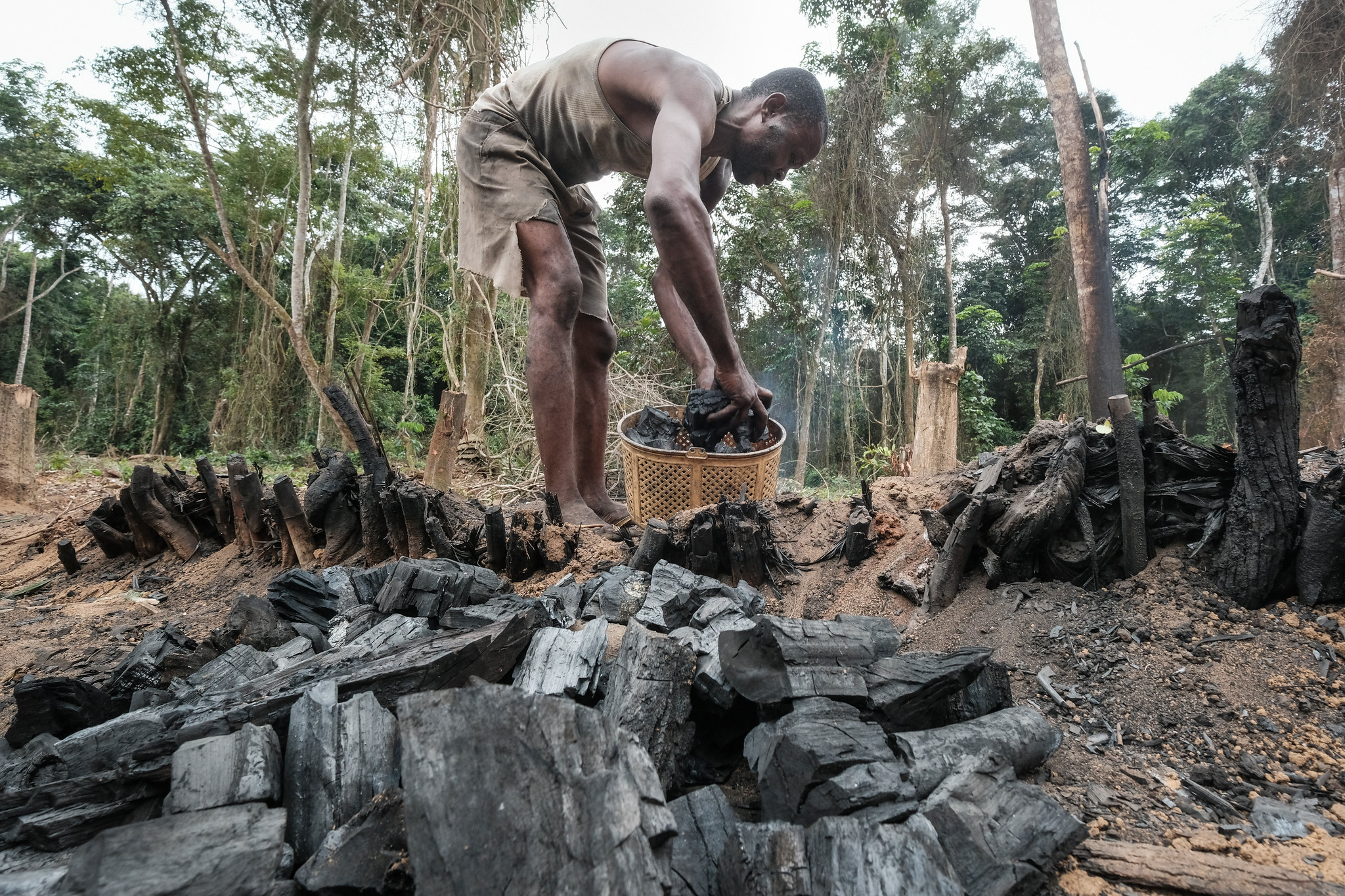
Governments have a critical role to play in creating enabling conditions for growth. Stronger policy and regulatory frameworks can promote sustainable forest management, certification systems and local value addition. Innovative financing mechanisms can reduce investment risks for farmers and enterprises while improving access to affordable capital. Targeted incentives for plantation development, agroforestry expansion and bio-based industries can help mobilize private-sector investment and strengthen market participation by smallholders.
From potential to prosperity
Africa can also learn from countries that have successfully developed wood-based bioeconomies. Finland and Sweden have demonstrated how strong policies, research investments, sustainable forest management and technological innovation can transform forestry into a major economic sector. Brazil has shown how plantation forestry and private-sector participation can support large-scale production while reducing pressure on natural forests. These experiences demonstrate the value of long-term policy commitment, innovation and partnerships among governments, communities, research institutions, and the private sector.
Africa possesses the natural resources, growing markets and human capacity needed to build a thriving wood-based bioeconomy. By expanding plantation forestry and farm-grown trees, strengthening local processing industries, promoting wood-based biomaterials, improving wood energy efficiency and creating enabling policy and financing environments, Africa can generate green jobs, reduce emissions, support climate action and improve livelihoods.