

At dawn in Joivi Village on the Managalas Plateau, a small silver object drew a crowd. A team from the Center for International Forestry Research and World Agroforestry (CIFOR-ICRAF) had hauled a stovetop espresso maker up from the lowland town of Popondetta, a bone-shaking, bumpy drive into the hills. With help — and plenty of curiosity — from the local hosts, they lit a twig fire underneath the appliance and fed it til it spat out its bitter, fragrant black liquid.
The locals watched, amused. Coffee is not a particularly popular drink in the villages, and those who drink it usually opt for Nescafe Three-in-One, a saccharine blend of sugar, instant coffee and milk powder. Yet the word coffee is woven in blackened strips into the pandanus walls of the hut behind us, and coffee plants proliferate throughout its villages and farms.
For generations, coffee has been associated with prosperity in Papua New Guinea (PNG). Introduced in the 1890s and commercially cultivated since the 1920s, it is now the country’s second-largest agricultural export and its highest foreign-exchange earner. At roughly 50,000 metric tons a year, it accounts for about one percent of global production.
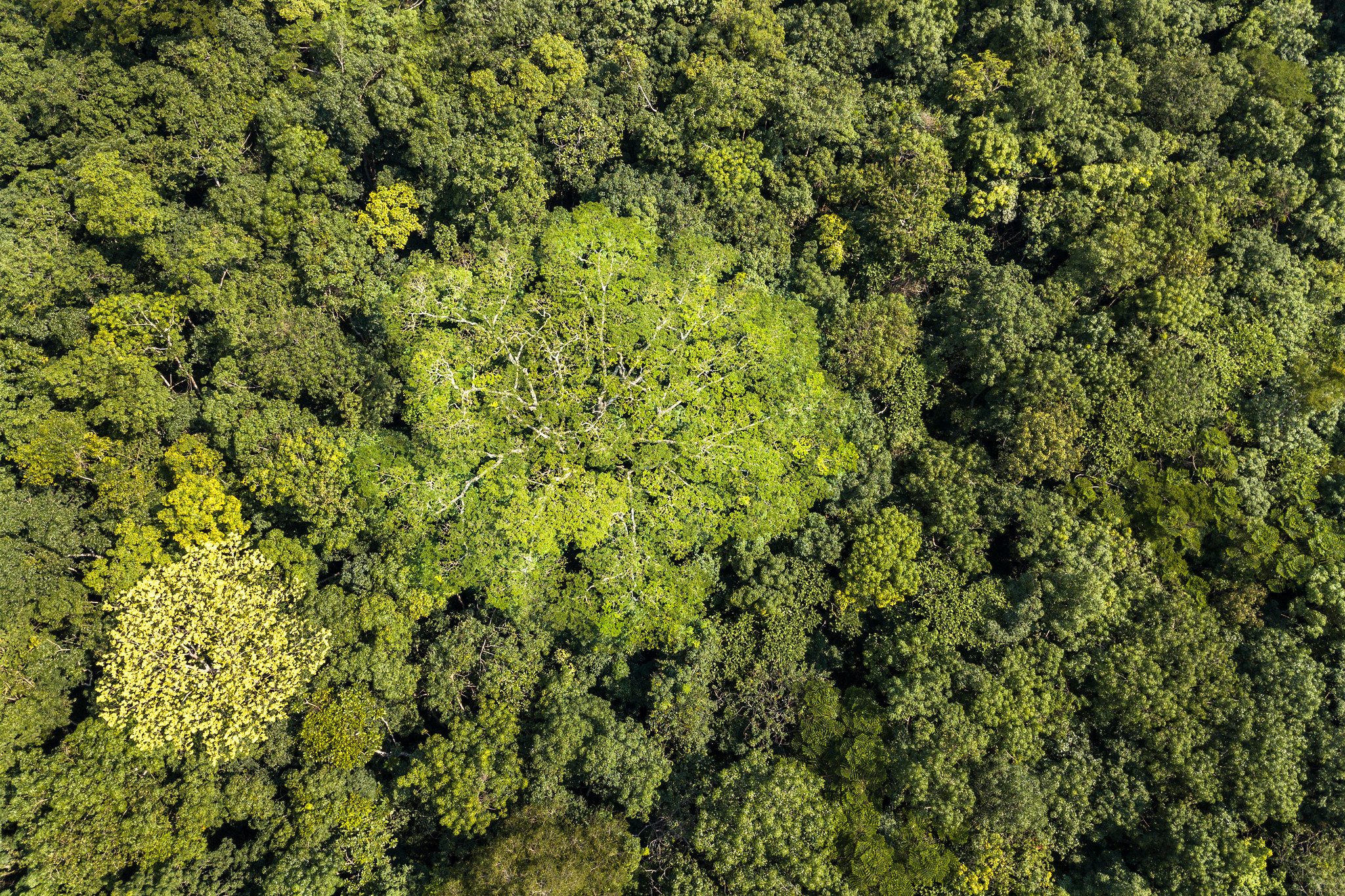
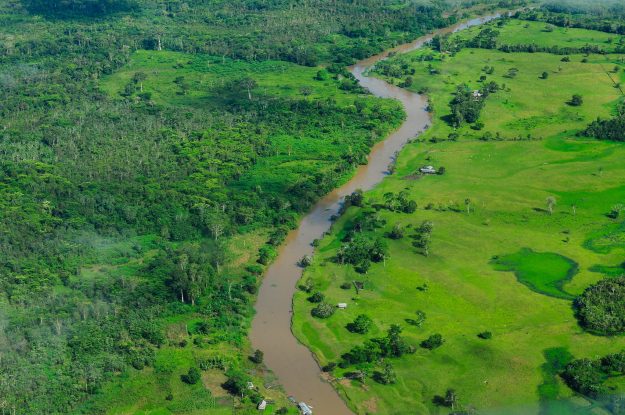
Drone footage shows a village and surrounding fields on the Managalas Plateau in Oro Province, Papua New Guinea.
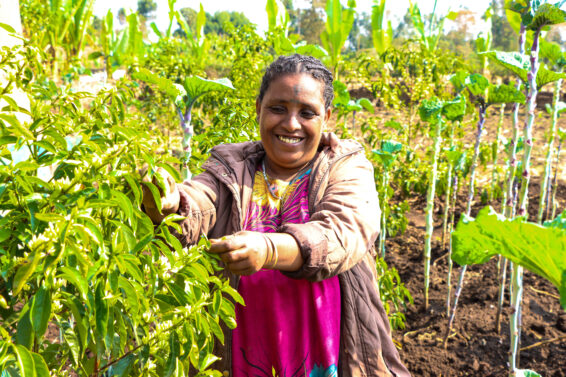
Unlike most coffee-producing countries, the sector in PNG is not plantation-based. Coffee is grown primarily by small-scale farmers, cultivated in ‘coffee gardens’— small clearings in the forest — alongside subsistence food crops. This makes it widely accessible as a source of income: coffee production supports the livelihoods of about 2.5 million Papua New Guineans, around 21 percent of the country’s population. It’s also relatively environmentally friendly, as it can be grown at small scales with few inputs and benefits from a diversified, agroforestry-style approach — including being grown under the shade of canopy trees.
On the Managalas Plateau, where CIFOR-ICRAF is supporting community organizations to develop a management plan for the new Managalas Conservation Area (MCA), coffee has been grown since the 1970s. The crop is well suited to the area’s high rainfall, moderate altitude and fertile volcanic soils. For decades, the sector was productive and profitable, with exports reaching 900 metric tons of beans annually in the mid-1990s.
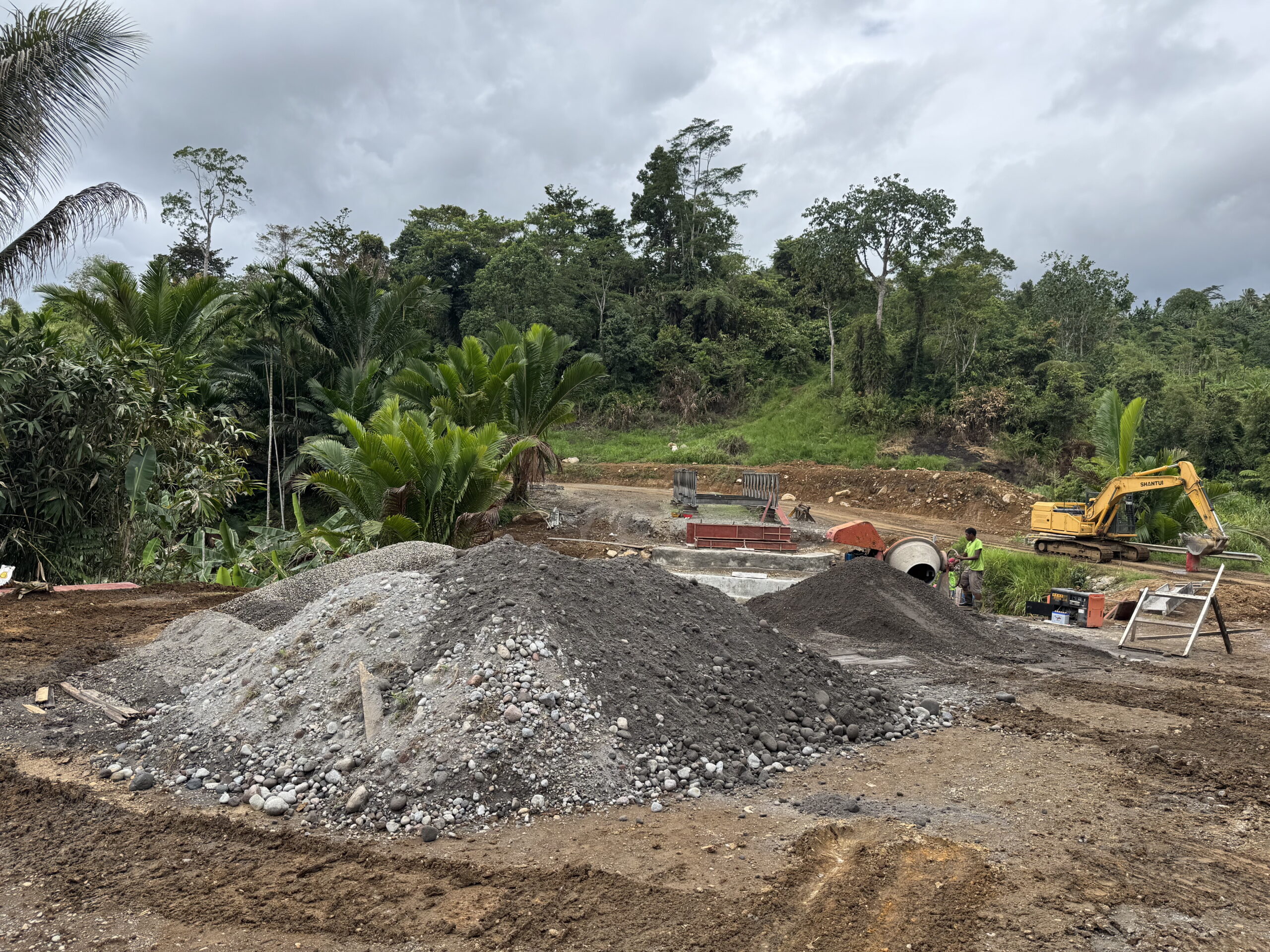
Today, however, getting beans into the hands of quality buyers has become a major challenge. The road to the Plateau is rugged, and public transport is erratic, unreliable and expensive. In the late 1990s and early 2000s, a combination of favourable international prices and subsidised freight briefly made coffee production viable for local cooperatives. When prices fell, and subsidies disappeared, that window closed.
“Coffee is not an easy job,” said Reckson Kajiaki, a local community leader. “But when the buyer comes with two kina [USD 0.50 per kilo, a relatively low price], there’s no choice but to sell. And then, all the hard work is wasted: you spend more time and earn less and less. It’s not reliable enough.”
Those national and international shifts are now marked on the landscape. Gnarled, lichened, unpruned and unproductive coffee trees proliferate along roadsides and around villages. In many cases, farmers no longer see value in tending or harvesting them. Invasive species compound the problem, including the voracious firespike shrub (Odontonema tubaeforme) and the aggressive stinging fire ant species that further discourages cultivation.
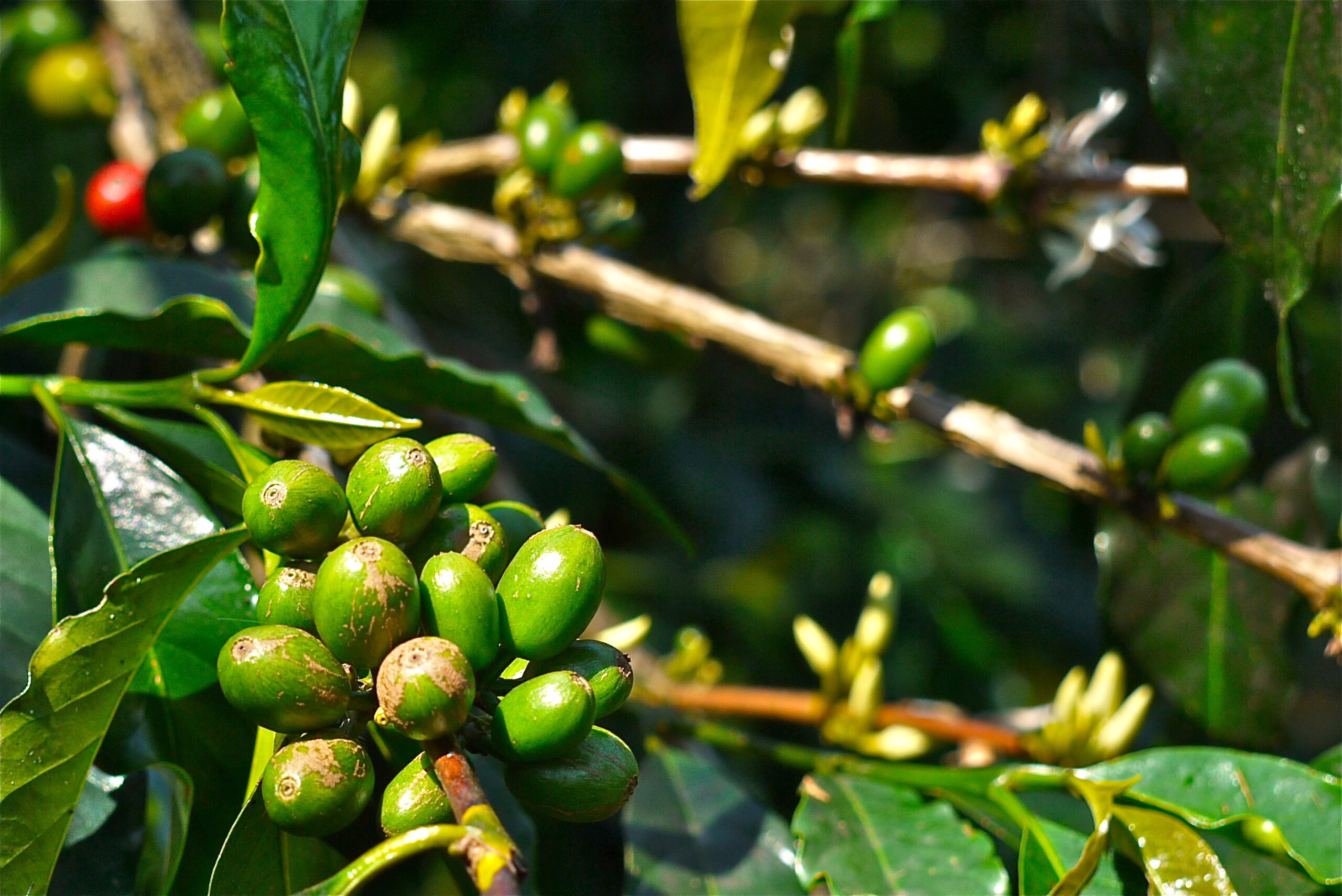

In that grim context, coffee quality and price in Managalas are interplaying in “a vicious cycle of decline,” said CIFOR-ICRAF’s PNG program manager Will Unsworth. When prices are low, farmers invest less in cultivation, harvest inappropriately (stripping trees instead of selecting well-ripened beans) and sometimes even add stones and old crop to increase sale weight. These actions result in low-quality coffee, which then keeps quality buyers away, and brings in roadside buyers who pay even lower prices.
“Many farmers are also now older and physically unable to tend to their gardens,” Unsworth said. “Block conditions deteriorate, access worsens and harvesting practices suffer. The younger generation sees their parents struggle and is unwilling to enter the coffee industry, resulting in lower yields and lower incomes. Land is abandoned, unemployment rises, and some young people turn to criminal activities for income and meaning.”
Yet the market may be shifting again. According to national lender Kina Bank, coffee prices in Papua New Guinea rose by 70 percent in 2024 and increased by an additional 18 percent in the first quarter of 2025. If Managalas’ coffee growers can restore their reputation for quality — and connect with buyers willing to pay accordingly — the crop could once again become a viable livelihood.
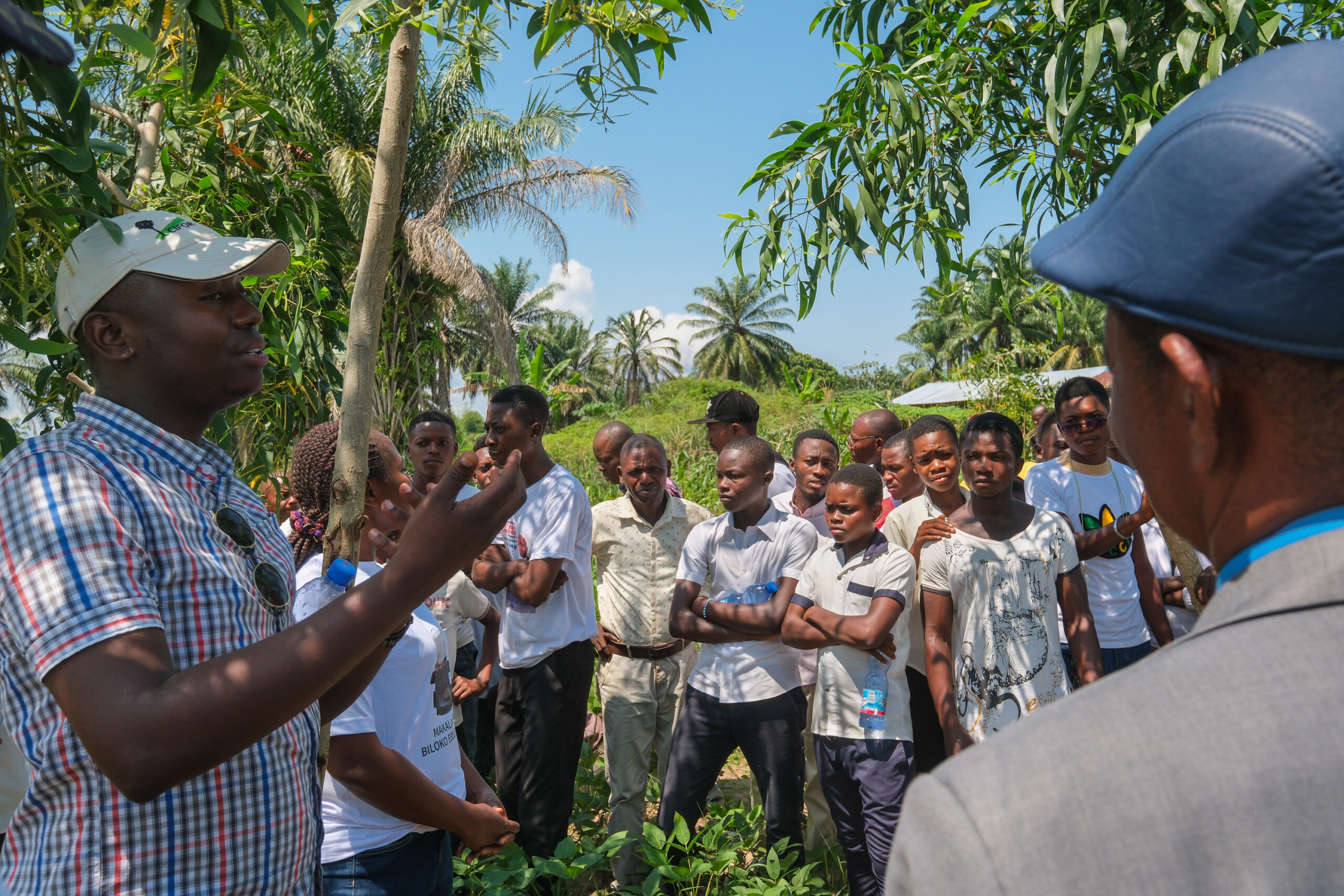
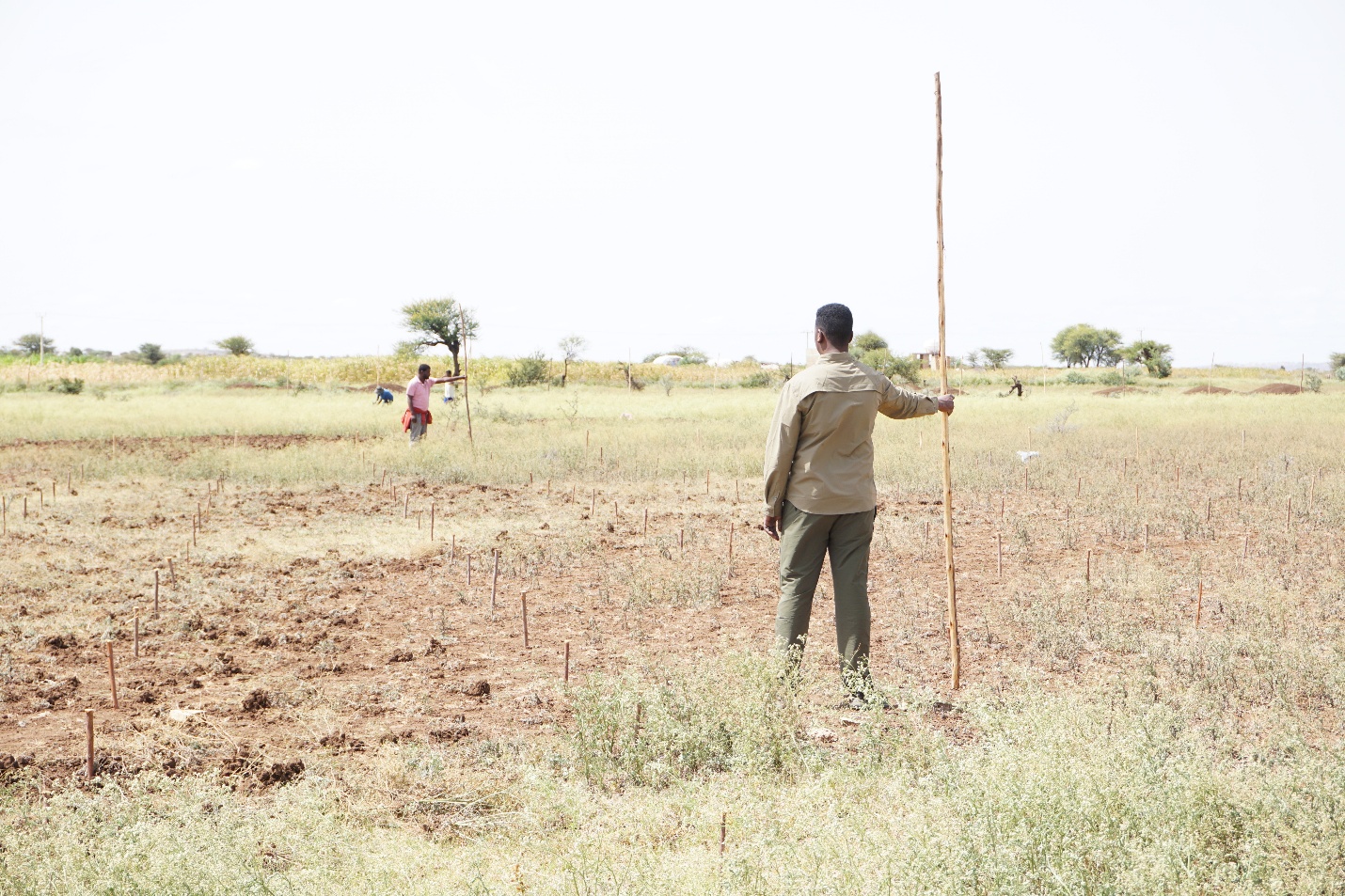
Doing so will require collective effort and consistent quality control, Unsworth said, beginning with peer-to-peer checks that can later be scaled up. His team has begun mapping coffee, cocoa and vanilla plots across the plateau — a challenging process as the MCA is a vast landscape where communities remain cautious about data collection. Still, understanding what is grown where is a critical step in improving infrastructure, communicating with buyers and making value chains work.
It is also increasingly necessary as new regulations loom — particularly with the European Union Deforestation Regulation, which requires a new level of monitoring and reporting on land-use change, raising the bar for traceability and compliance.
Reliable and affordable transport is the other, perhaps more challenging piece of the puzzle. Improving the road, building secure collection depots onsite and organizing cooperatives so that people can access economies of scale are all key foci of the year to come.
“People want livelihoods,” said Managalas Conservation Foundation chair Malchus Kajia, “and that includes whatever it takes to get the crops out.”
For more information, contact Will Unsworth, Papua New Guinea programme manager: [email protected]