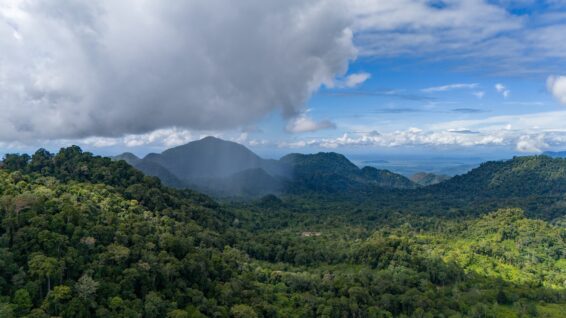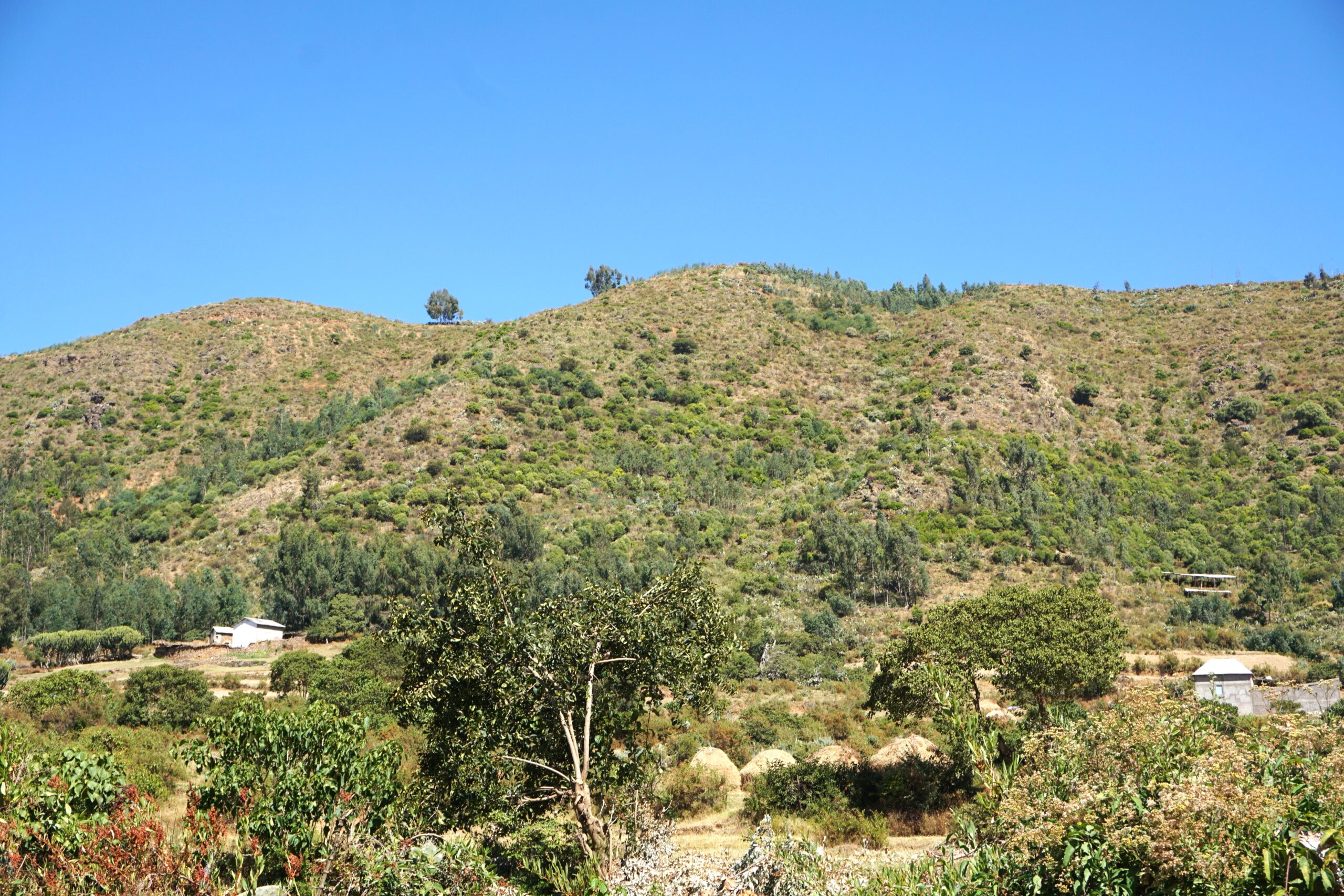
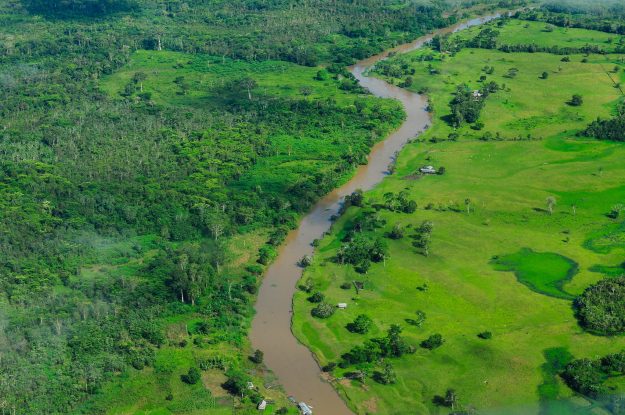



The miombo woodlands of Southern Africa have long nourished millions of rural families and sustained their livelihoods. Home to more than 75 indigenous fruit tree species, including wild loquat (Uapaca kirkiana), marula and jujube, these forests provide fruits rich in essential vitamins and minerals.
During increasingly frequent dry spells linked to climate change, households rely on these fruits as a nutritional buffer. They consume them and sell the surplus to earn income for school fees, healthcare and other basic needs.
But these resources are under threat. In its Indigenous Fruit Trees in Southern Africa report, the Food and Agriculture Organization of the United Nations (FAO) warns that indigenous fruit trees are being increasingly lost to agricultural expansion and overexploitation through harvesting.
Among the many indigenous fruit trees that sustain rural communities across Southern Africa, wild loquat is one of the region’s most valued species. Rich in vitamins and minerals, its fruits provide an important food source during dry seasons while generating income for thousands of households through local markets.
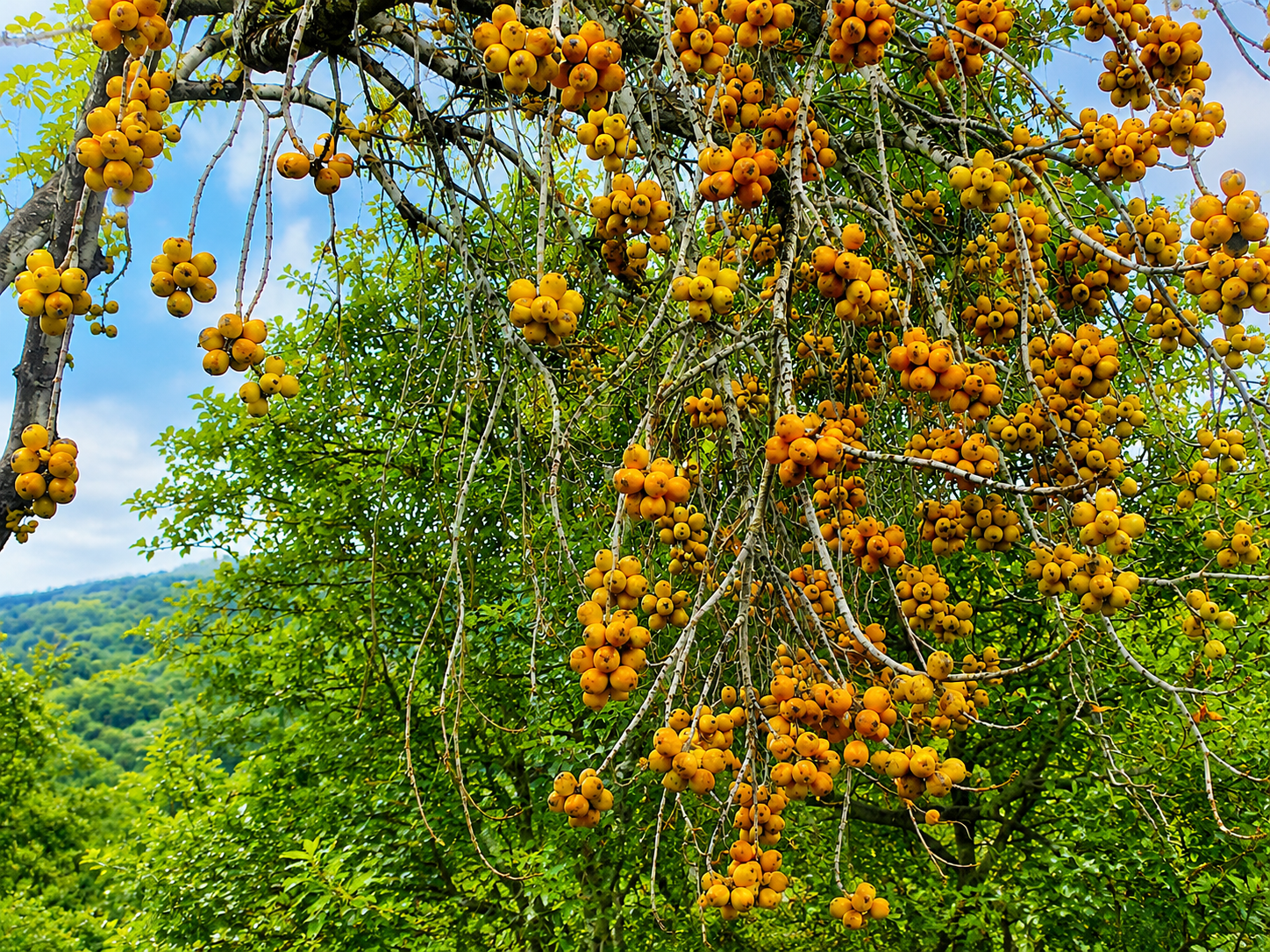
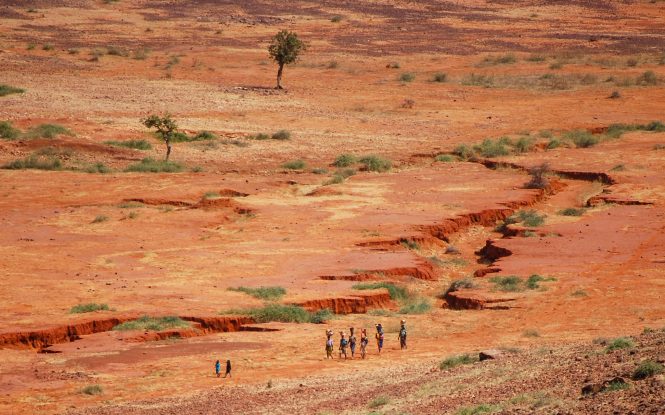
Despite these benefits, the future of the species is increasingly uncertain. As populations grow and more woodland is cleared for farming, the miombo forests continue to shrink. This forces rural households, particularly women and children, who are often responsible for collecting indigenous fruits, to travel farther in search of wild loquat.
Wild loquat moves from forest to farm
To ease pressure on these increasingly threatened woodlands, Landscape Alliance (formerly known as Center for International Forestry Research and World Agroforestry (CIFOR-ICRAF)), in partnership with National Agricultural Research and Extension Systems (NARES), has introduced an indigenous fruit tree domestication programme in Zimbabwe, focusing on priority species such as wild loquat.
A key component of the programme is the field genebank established at Domboshawa Training Centre, where researchers conserve indigenous fruit tree diversity, identify the best-performing trees and produce high-quality planting material for farmers.
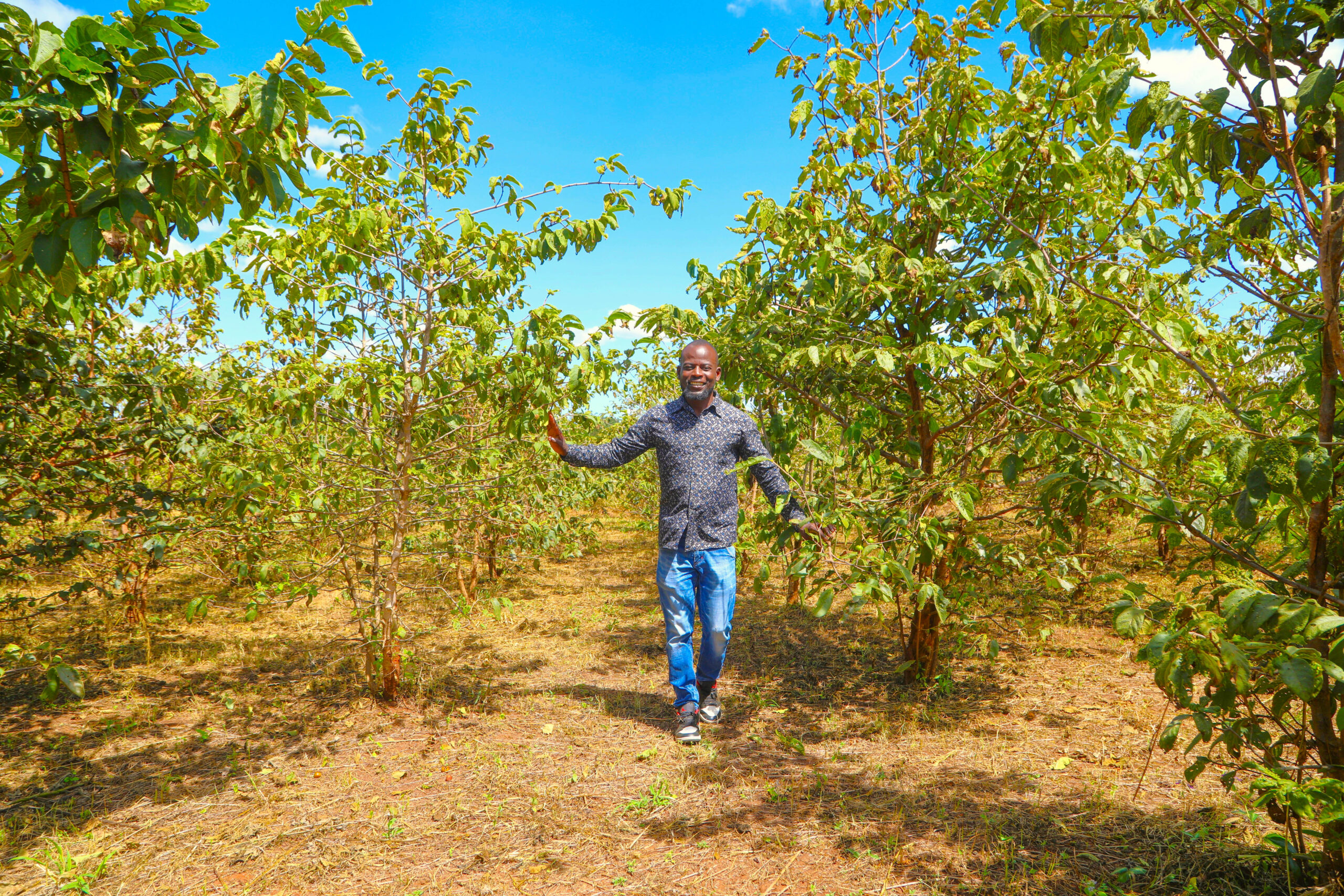
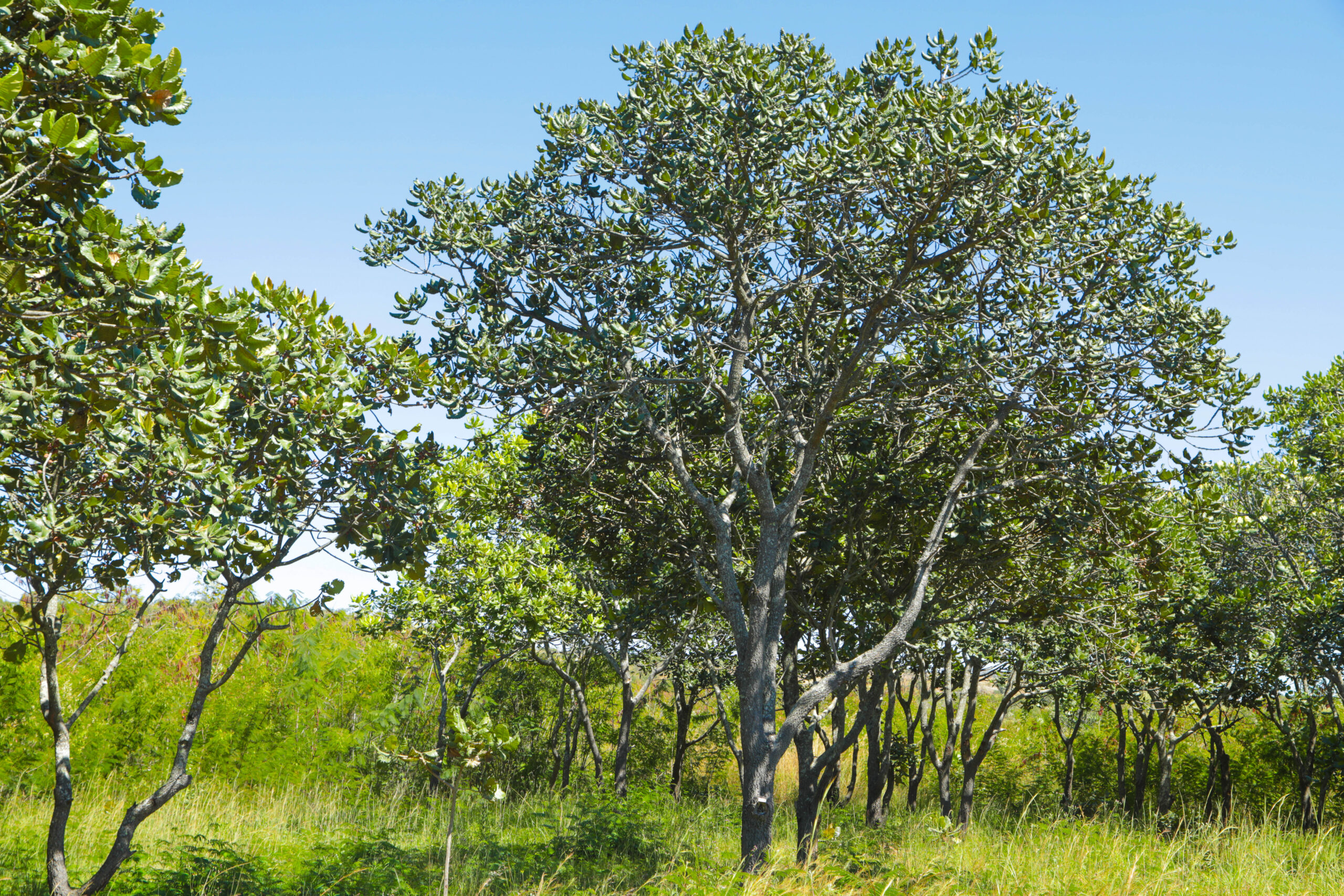
The initiative aims to improve and restore this nutritionally and economically important species. It is transforming wild loquat from a fruit harvested exclusively from the wild into a cultivated crop that farmers can grow on their own land. The approach reduces pressure on natural woodlands while providing fruit and income closer to home.
“The challenge is that many indigenous fruit trees are becoming less available as forests are degraded. That is why we have been developing propagation methods, training communities and making quality planting material accessible so these valuable species can be grown on farms,” says Alice Muchugi, theme leader for Tree Diversity and Productivity at Landscape Alliance.

The genebank contains several important indigenous fruit tree species, including wild loquat, marula, baobab and African medlar. Its wild loquat collection alone comprises 287 accessions, or unique plant samples, from Malawi, Tanzania, Zambia and Zimbabwe, where most of the species occur naturally.
The diverse collection helps researchers identify high-performing trees that can be propagated and supplied to farmers, while conserving genetic resources for future research, restoration and cultivation.
“The field genebank at Domboshawa is home to a rich diversity of indigenous fruit trees. It safeguards valuable genetic resources while serving as a reliable source of high-quality planting material for farmers,” says Isaac Betserai, Malawi country representative and southern Africa regional convenor at Landscape Alliance.

A faster way to grow wild loquat
Beyond conserving wild loquat, the Domboshawa field genebank is helping farmers access improved planting material through modern propagation techniques designed to multiply superior trees for cultivation.
One of the most promising methods is air layering. Instead of growing a new tree from seed, roots are encouraged to develop on a branch while it remains attached to the parent tree. Once the roots have formed, the branch is removed, raised in a nursery and later planted in the field.
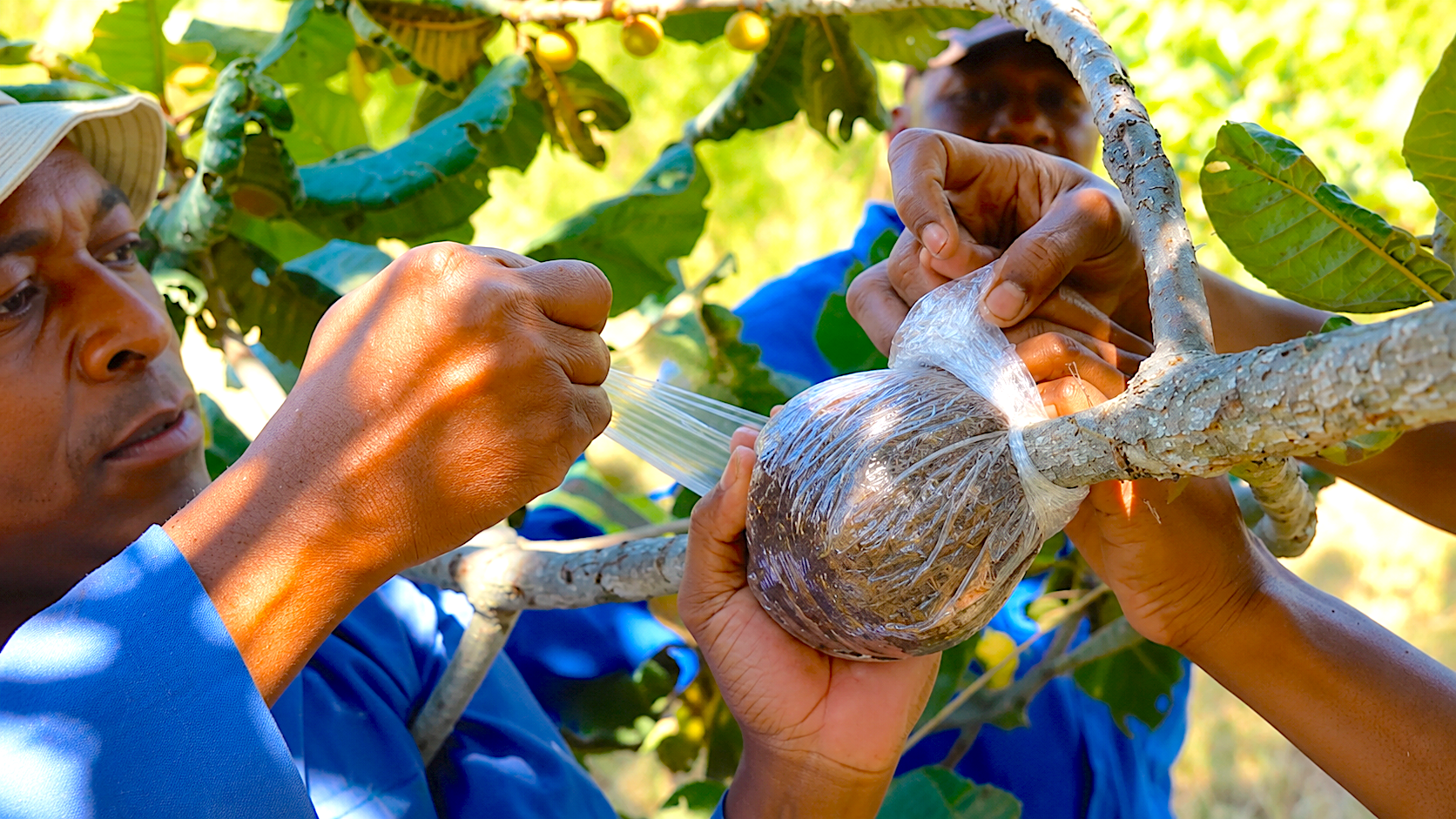
Photo by Felix Odhiambo/Landscape Alliance.
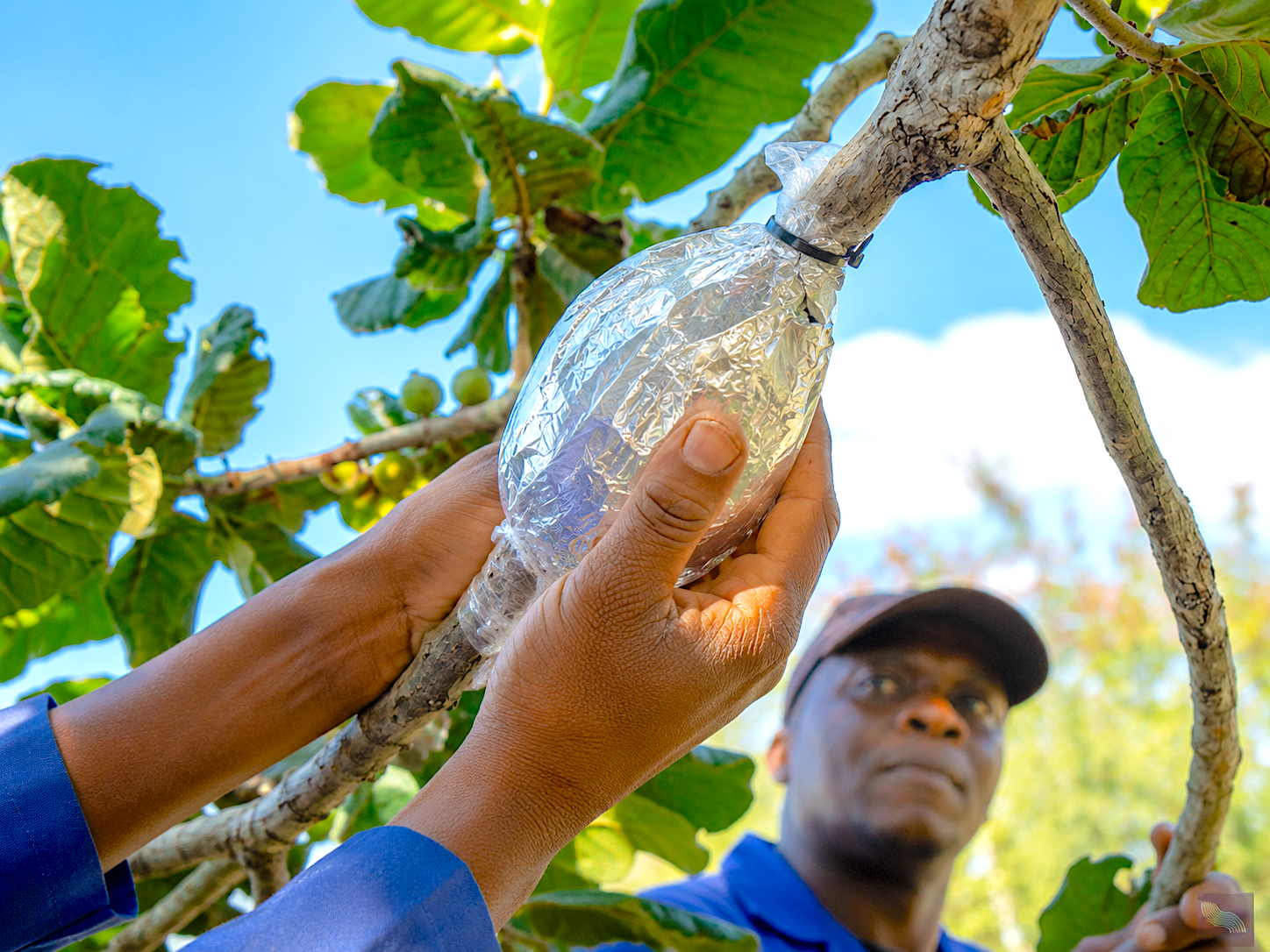
Photo by Felix Odhiambo / Landscape Alliance.
“Air layering allows us to produce new trees that retain the desirable qualities of the mother tree, such as good fruit quality and high productivity,” says Mwafongo Konisaga, a field officer at Landscape Alliance in Malawi.
The technique also helps farmers establish orchards much faster. Trees produced through air layering begin bearing fruit in about four years, compared with more than 10 years for trees grown from seed. It also overcomes the challenge of unreliable seeds, which are often damaged by pests or fail to germinate.
“By producing quality planting material more quickly, we can help more farmers grow wild loquat and reduce pressure on natural woodlands,” adds Konisaga.
Research that reaches farmers
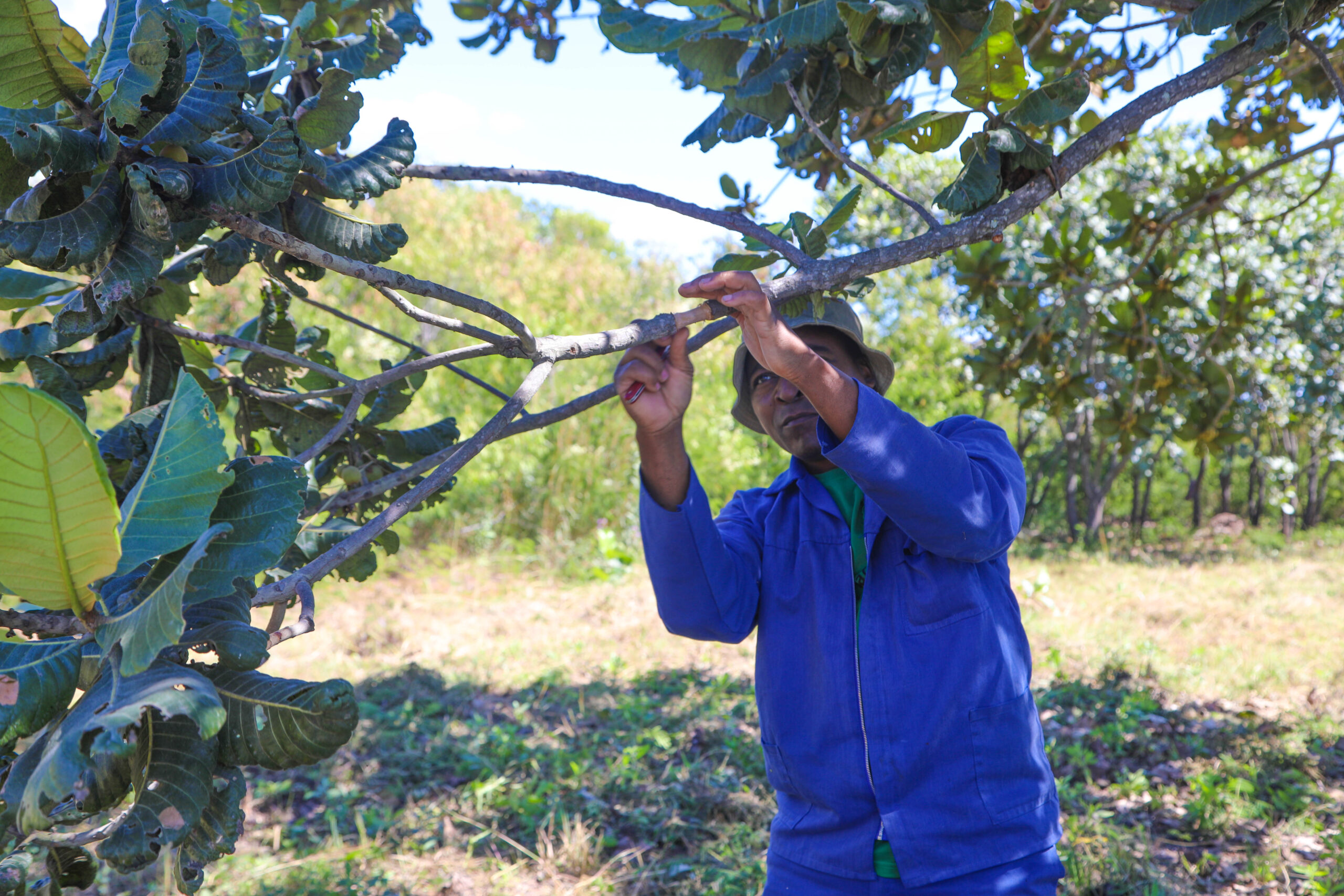
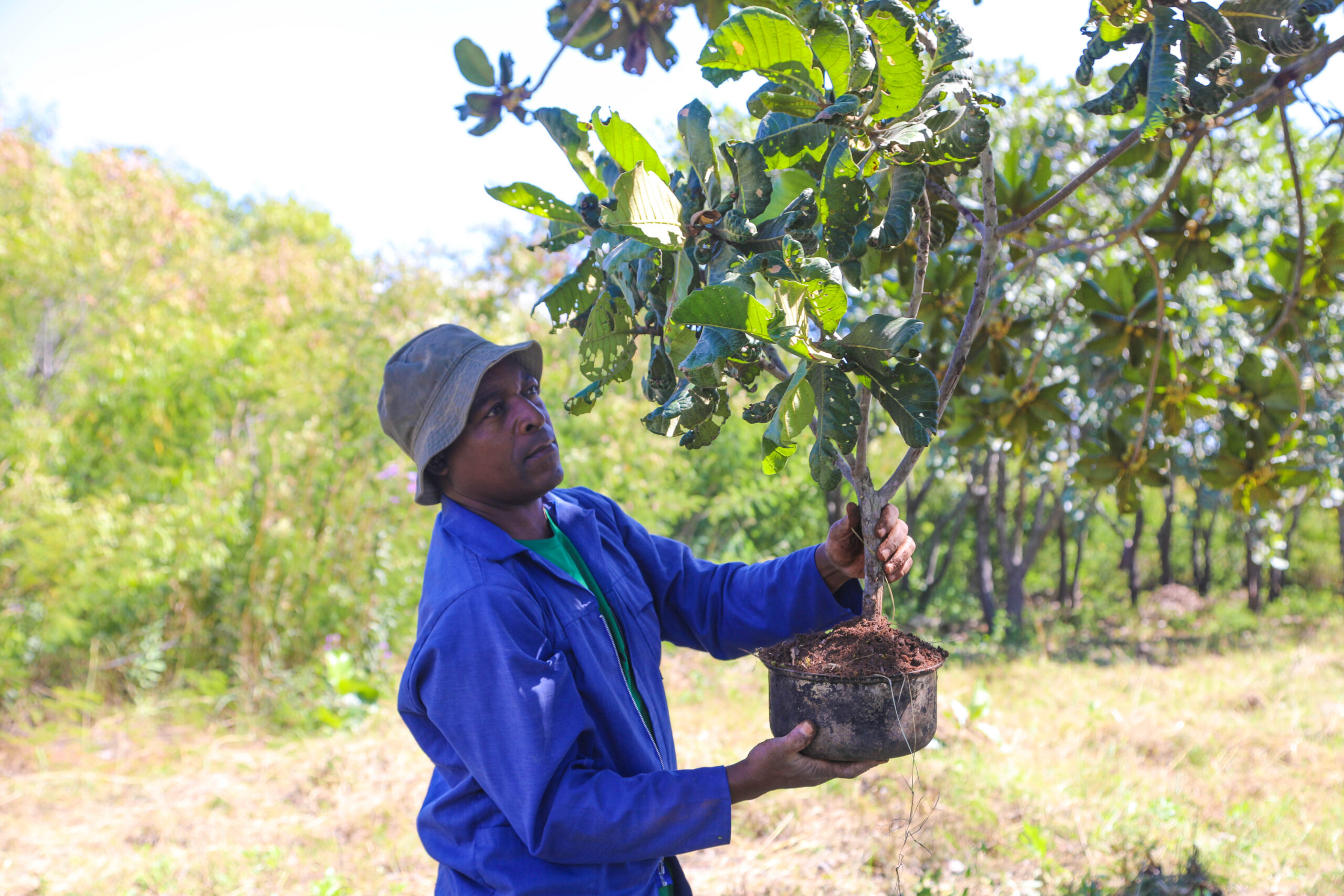
Beyond conservation, the genebank provides scion wood used in grafting to produce superior fruit trees and supplies seed for raising rootstocks in nurseries. It also produces fruit that benefits neighbouring communities.
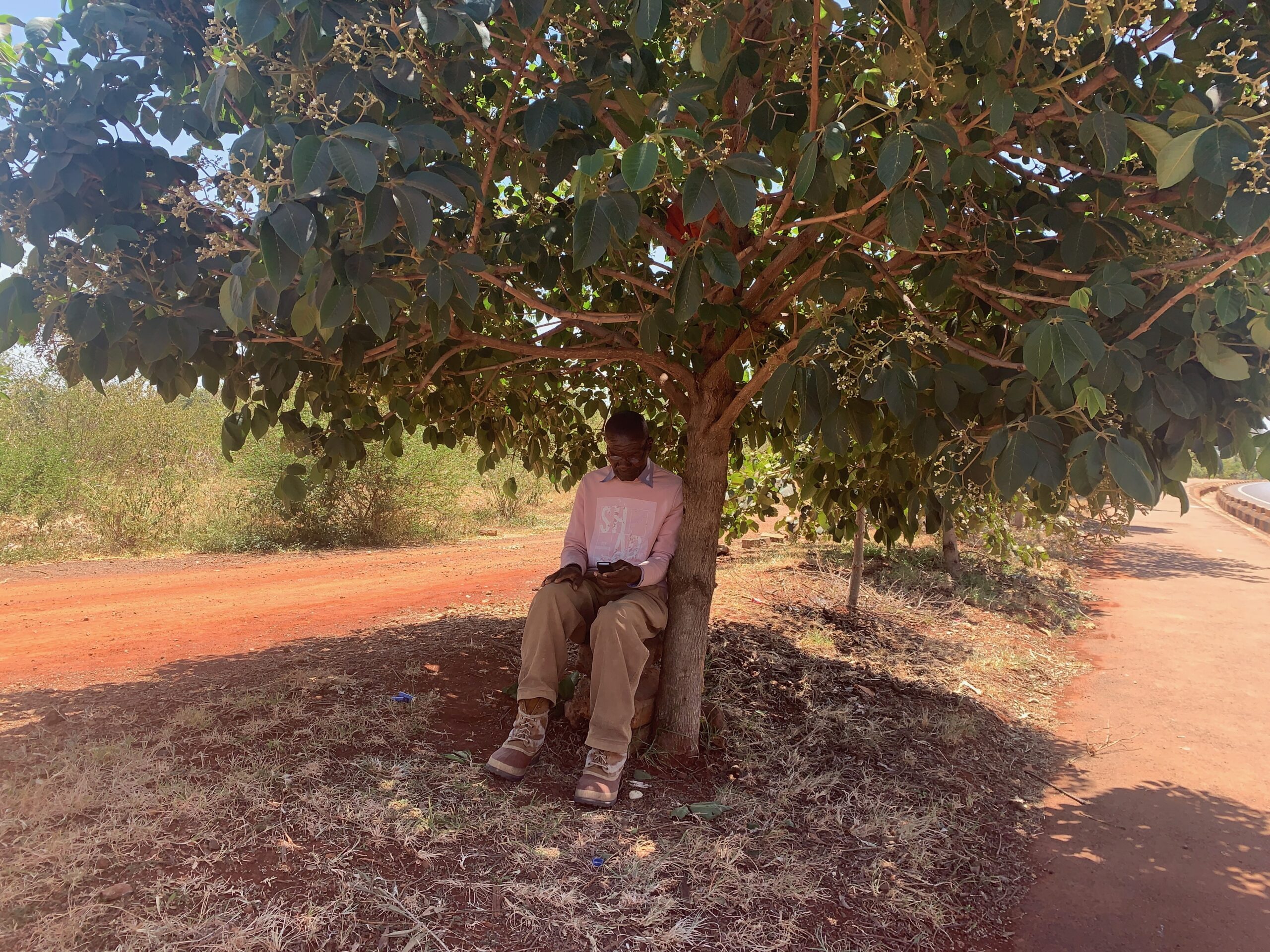
The knowledge and planting material generated through the genebank are extending far beyond Domboshawa, enabling farmers to establish indigenous fruit orchards on their own farms. One such beneficiary is 62-year-old Never Zinyoza, who received training through the programme and now cultivates wild loquat trees at his home.
“I harvest and sell wild loquat fruits every season, and the income helps me pay my son’s school fees,” says Zinyoza.
“My family also enjoys eating the fruits because they are nutritious. The training has given me valuable skills, and today I am sharing that knowledge with other farmers so they, too, can grow and benefit from these important indigenous fruit trees.”
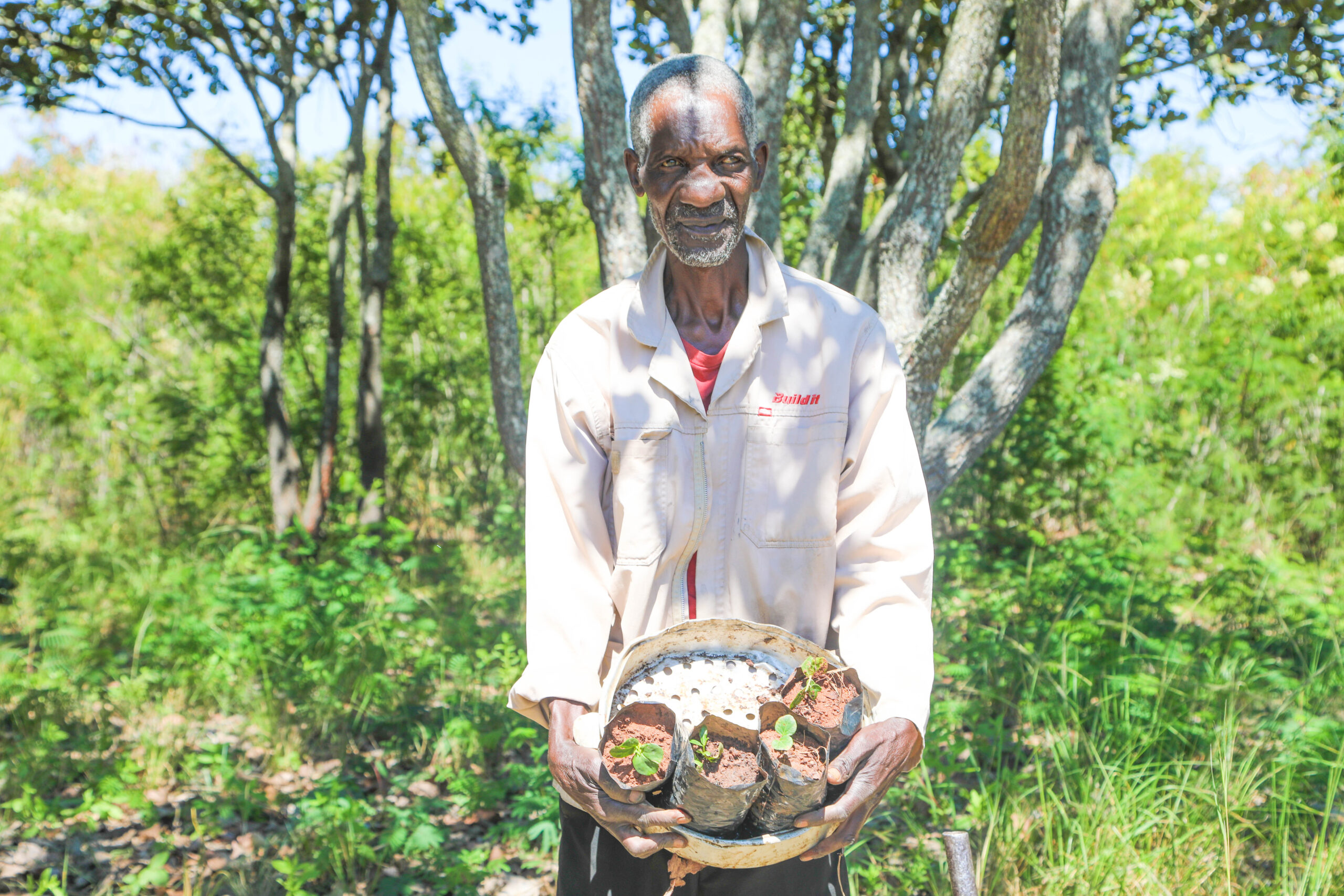
Never’s story shows the growing impact of indigenous fruit tree domestication. But ensuring that more farmers benefit depends on protecting the Domboshawa field genebank, where the trees and planting material are conserved.
Like many long-term conservation initiatives, the genebank requires ongoing maintenance, management and security to protect its valuable resources. Years of inconsistent funding left parts of the site vulnerable to tree poaching and fire after essential security and maintenance could no longer be sustained.
In response, funding from the Australian Centre for International Agricultural Research (ACIAR), together with support from other development partners, is helping restore damaged areas, strengthen management of the genebank and ensure farmers continue to access high-quality indigenous fruit tree planting material.
“Field genebanks protect valuable indigenous fruit tree diversity, but they require continuous care and investment. Without sustained support, valuable genetic resources can be lost, along with opportunities to improve livelihoods, strengthen food security and conserve biodiversity for future generations,” says Muchugi.