

If jurisdictional approaches to REDD+ (JREDD+) are to benefit Indigenous Peoples and local communities, much more attention must be focused on governance issues rather than carbon accounting alone, according to a new Landscape Alliance brief.
Too often, the complex technical demands of carbon projects distract from the territorial needs and wishes of IP&LCs, say the authors of “Jurisdictional REDD+ in theory and practice: Opportunities and risks for Indigenous Peoples and local communities in three initiatives.” Instead, focus shifts to obtaining consent without clarity on what is actually being consented to, or negotiating benefit-sharing percentages that may distract from territorial governance, deforestation and rights issues.
The initiative to reduce emissions from deforestation and forest degradation (REDD+) was introduced as a global mechanism to fight climate change through forest conservation. But the approach has long prompted debate over its effectiveness and its effects on local communities.
Amid credibility concerns, the number of voluntary carbon credits issued for project-based REDD+ fell from more than 120 million in 2021 to about 10 million in 2025, the brief notes, citing OPIS Insights.
The collapse is driving demand for high-integrity carbon credits, with attention to their validity, governance, transparency and respect for the rights of Indigenous Peoples and local communities. At the same time, donors and governments are moving towards jurisdictional REDD+ models seen as more credible and integrated than individual projects.
“A jurisdictional approach from a governance perspective is a way to address investment, drivers of deforestation, including all of the underlying causes, and come up with another – sustainable – way of doing development in your jurisdiction,” said Anne Larson, lead author of the brief and a principal scientist with Landscape Alliance.
“JREDD+ is not the same as project-based REDD+. It’s the projects that are sometimes locking communities into long-term contracts that prevent them from using parts of their forest for 30 or more years.”
The brief examines three JREDD+ initiatives: the subnational programmes in Indonesia’s East Kalimantan and Brazil’s Pará state, as well as the Indigenous-led Grupo Perú programme. It asks what a jurisdictional, or across-all-of-government approach, could mean in practice for IP&LCs.

The analysis draws on engagement conducted from 2024 to 2026 in all three jurisdictions, focused on understanding perceptions of high social-integrity carbon, related capacity-building needs and training for local governments and communities.
The findings reveal significant gaps between JREDD+ theory and implementation. All three initiatives have made some progress in engaging Indigenous Peoples and local communities, but none delivers the full range of benefits and commitments implied by a genuinely jurisdictional approach. The findings also suggest much further research is required into the extremely complex topic, to better understand the concrete opportunities and risks of jurisdictional approaches to REDD+ for IP&LCs.
The gap between theory and practice is clearest in East Kalimantan, Indonesia. It is the most advanced of the three initiatives studied and the first to receive a payment for a completed crediting period. In 2025, East Kalimantan received a final payment of USD 89.1 million from the World Bank for verified reductions of 22 million tonnes of CO₂ equivalent.
Overlapping authorities and weak coordination compounded the difficulties, said Moira Moeliono, a senior scientist with Landscape Alliance. “East Kalimantan was set up as a JREDD+ programme at the beginning, but the way it was implemented was a different story. It was more difficult than they thought,” she added.
The tension between theory and reality was echoed in the report’s ground-level findings on consultation and inclusion of IP&LCs. Participants said consultation too often involved officials communicating predetermined programmes rather than facilitating genuine dialogue. Communities felt their participation amounted to compliance rather than collaborative decision-making.
Moeliono said the gap also reflected a deeper flaw in how Free, Prior and Informed Consent (FPIC) was carried out. “Informed is not only passing on information but also that communities are understanding what (information) they actually receive and what to do with it,” she said.
Such gaps in FPIC hindered the programme’s achievements of anticipated social and governance impacts, although it is commendable that verified emission reductions were delivered, said Moeliono.
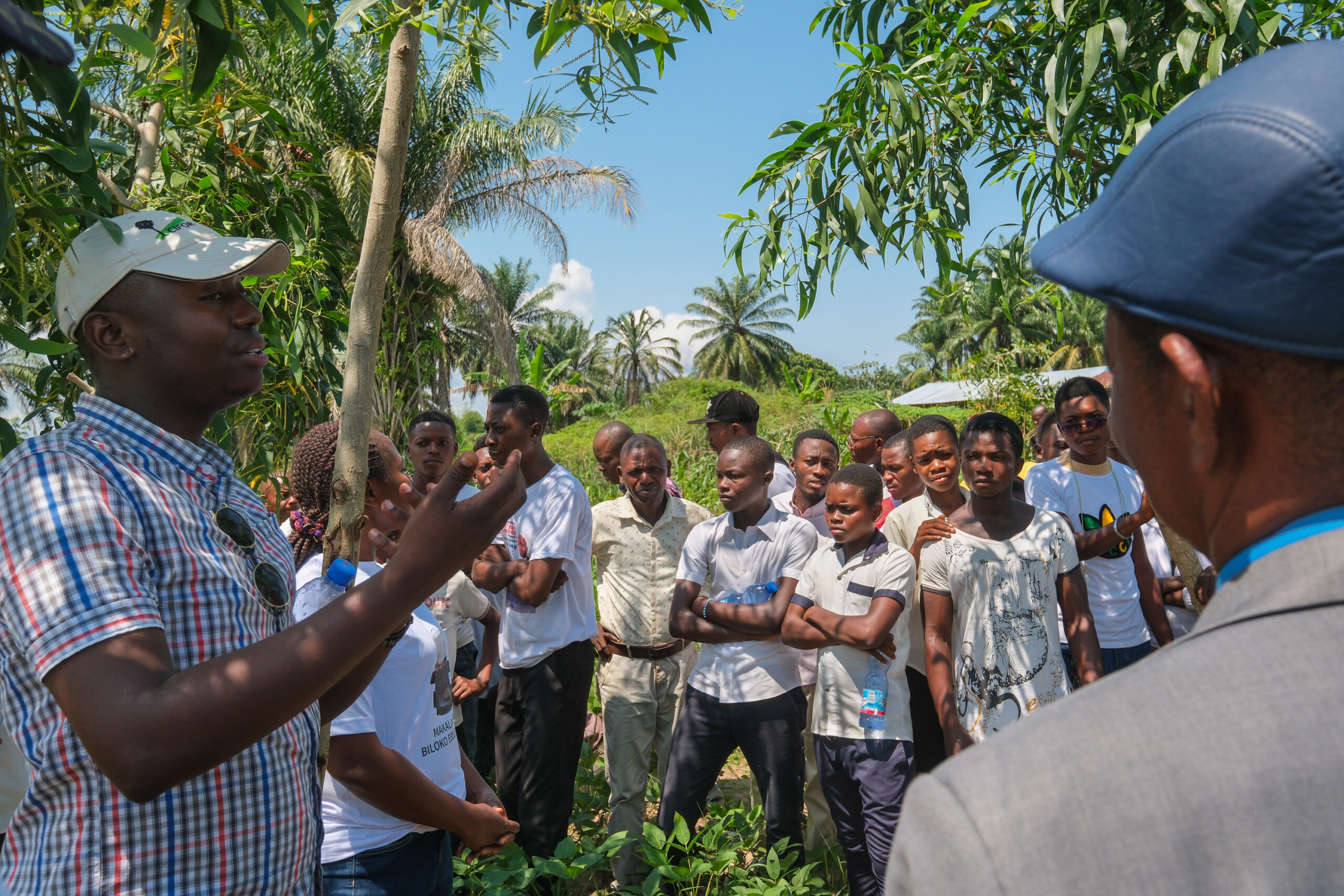
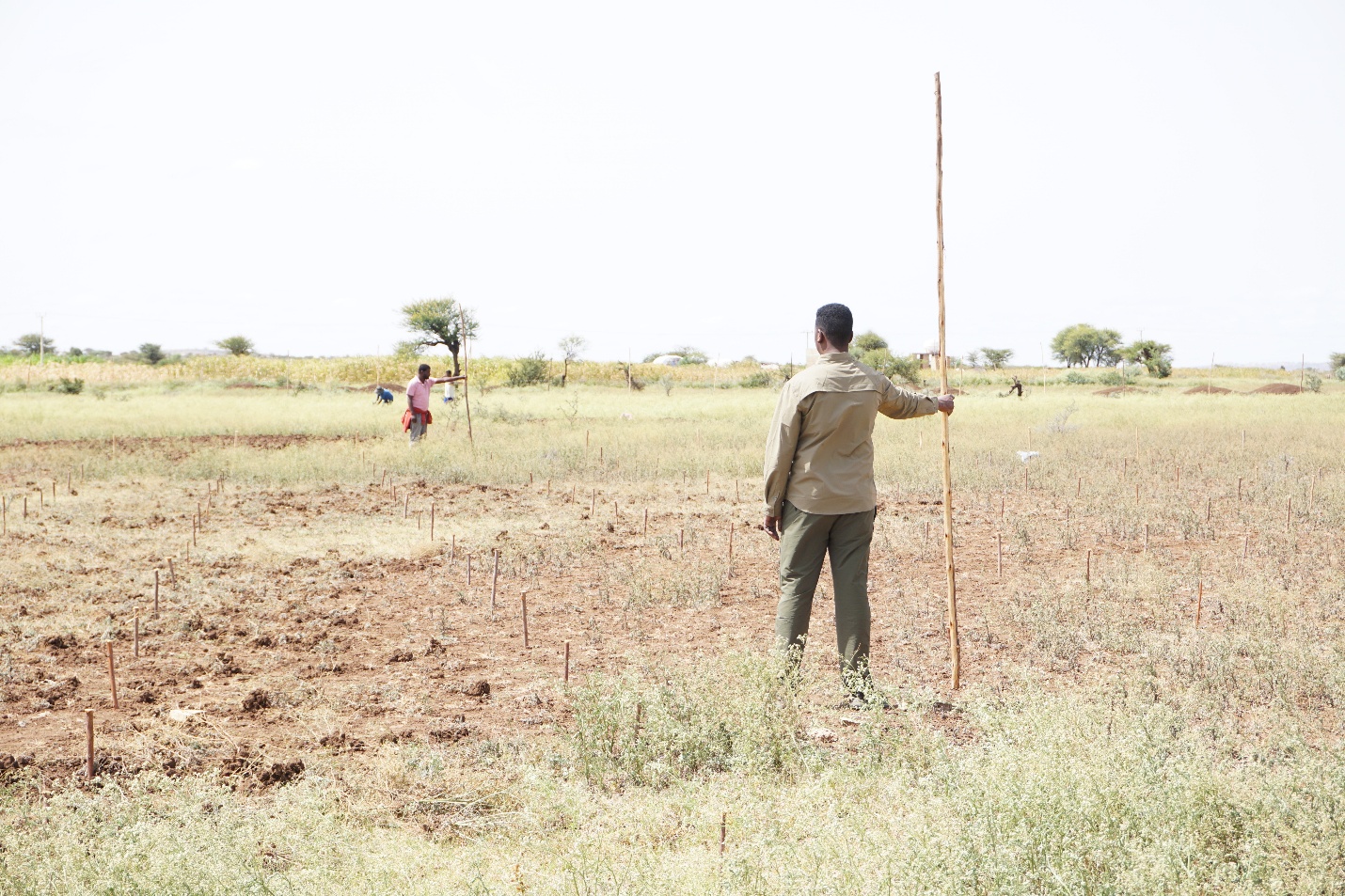
A local government officer speaks with villagers in East Kalimantan, Indonesia. Photo by Dede Rohadi/Landscape Alliance.
The picture is similar in Pará state, Brazil, a jurisdiction ten times the size of East Kalimantan. The Lowering Emissions by Accelerating Forest Finance (LEAF) Coalition has agreed to purchase USD 180 million in credits once verification is complete. Although three representative IP&LC organizations have helped develop Pará’s JREDD+ programme, their formal participation has not translated into decision-making power. For instance, IP&LC representatives say they weren’t consulted when the state established the mixed-capital agency that will manage and distribute carbon revenues.
FPIC consultations are underway, but leaders worry that communities don’t have the basic information needed to understand the complex REDD+ process and its implications. As a result, community members feel like they don’t have a say. Said one: “REDD+ itself is not the problem; the problem is the way it is being imposed on us … without explanation.”
Despite these concerns, civil society groups say participation by IP&LC representative organizations remains essential: “The process is bad with them, but it would be far worse without them,” one group member said.
Pará state hasn’t adopted a full jurisdictional approach either. JREDD+ was integrated into Pará’s climate policy framework through the State Plan Amazon Now (PEAA), but local actors say the programme functions largely as a project within the state apparatus, rather than as a broader process of structural change.
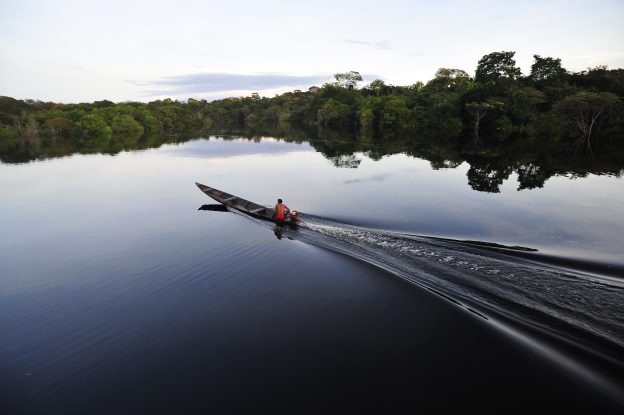
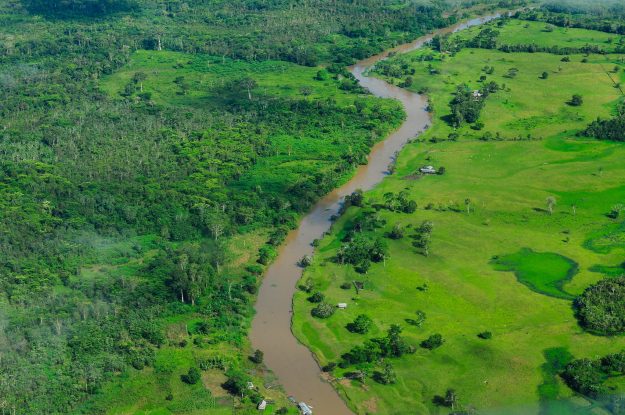
Boats travel along a stream through densely forested Combu Island, across Guajará Bay from Belém, Pará, Brazil. Photo by Dado Galdieri / Landscape Alliance
“Although IP&LCs have participated in the construction of JREDD+, during this same period they have continued to face marginalization through other state policies and interventions that directly affect their well-being,” said study co-author Marina Cromberg, a senior consultant with Landscape Alliance.
Grupo Perú, the brief’s third case, is structurally different. It brings together a mosaic of non-contiguous Indigenous communities rather than a contiguous jurisdiction and is working to align with the Architecture for REDD+ Transactions (ART) TREES carbon standard for High Forest, Low Deforestation (HFLD) carbon credits. Grupo Perú is a coalition of three Indigenous organizations: the Interethnic Association for the Development of the Peruvian Rainforest (AIDESEP), the Confederation of Amazonian Nationalities of Peru (CONAP) and the National Association of Executors of Communal Reserve Administration Contracts of Peru (ANECAP).
Larson counts it among the more promising examples for Indigenous Peoples. “Grupo Perú has their eye on the ball – they know what they want from this,” she said. However, by itself “it is not really a jurisdictional approach,” given that drivers of deforestation originate largely outside Indigenous lands, Larson noted. “This means Grupo Perú not only needs to continue to work well with the Ministry of Environment, but also that other government ministries need to be deeply involved, which seems unlikely.” Still, member organizations have forged an unprecedented national alliance, positioning themselves as political actors rather than passive beneficiaries.
The stakes are high in terms of getting the correct balance between carbon accounting and governance. A meta-analysis led by Reem Hajjar, a social scientist at Cornell University in the United States, found that carbon contracts under project-based REDD+ often interfere with local rule-making processes. The contracts can restrict resource use and lock communities into rigid land-use rules, contrary to the flexibility a governance-centred approach is meant to provide.
“The idea of getting lost in the technical details versus thinking about what the real potential of the jurisdictional approach is – that’s the key,” Larson said. “To get people’s eye back on the ball, and not just on the carbon accounting system.”
As interest in JREDD+ continues to grow, the brief concludes, governance will need to be re-centred if the jurisdictional approach is to secure both reduced deforestation and the rights, well-being and self-determination of IP&LCs – rather than simply becoming a bigger, more complicated version of the projects it was meant to replace.
Acknowledgements
This article was produced with support from the Climate and Land Use Alliance (CLUA). The views expressed are those of the authors and do not necessarily reflect the positions of CLUA or its partners.
FURTHER READINGS
- Jurisdictional REDD+ in theory and practice: Opportunities and risks for Indigenous Peoples and local communities in three initiatives
- Strengthening the role of local people in REDD+ in a post-FCPF world: The story of Indonesia and East Kalimantan
- Territory, climate and social justice: Strengthening the capacities of Indigenous Peoples and local communities in Pará through participatory methodologies