

Peru
-
Who defines “high-integrity” carbon? In Peru, Indigenous groups are not waiting for an answer
What makes carbon credits truly “high integrity”? A new study explores how Peru’s Indigenous-led jurisdictional REDD+ coalition is reshaping the…
7 min read -

Governance, not just carbon accounting, is key to jurisdictional REDD+ success
Evidence from Indonesia, Brazil and Peru shows that jurisdictional REDD+ is more likely to succeed when Indigenous Peoples and local…
8 min read -

In the flooded Amazon, communities strive to adapt to a changing climate
In the lowland Peruvian Amazon, diverse and unique ecosystems flow in a constant rhythm. Understanding the seasonal shifts of the Pacaya Samiria National Reserve is no simple…
8 min read -
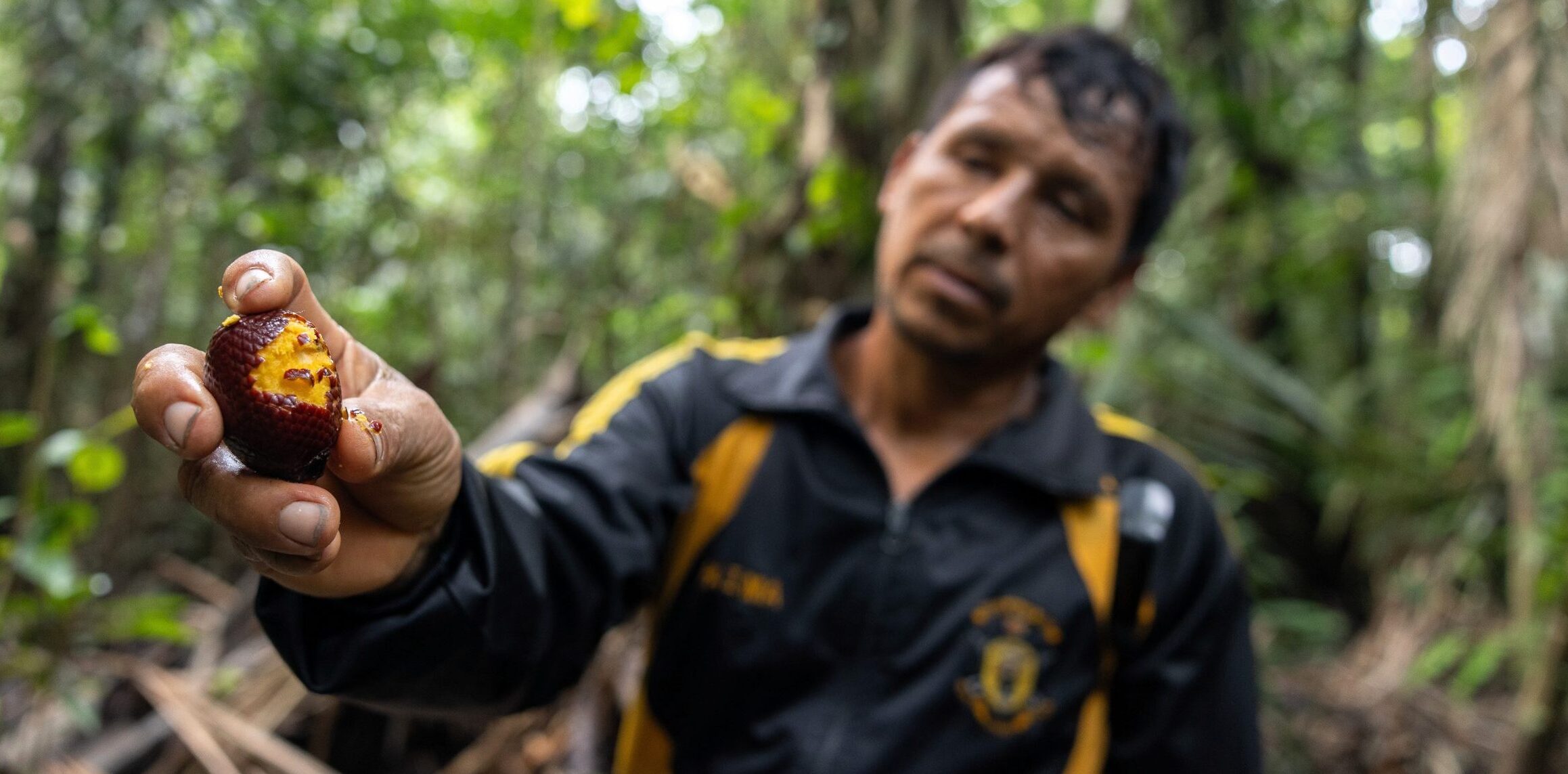
Will sustainable management keep a forest dominated by palms — and Amazon traditions — alive?
This article is translated and adapted from the original Spanish version, published on Los Bosques. At dawn in September, the…
7 min read -

Degraded Amazonian peatlands are overlooked carbon source
Peru’s Amazonian palm swamp peatlands store large amounts of carbon, but the unsustainable harvesting of palm fruit causes degradation that…
5 min read -

How transport infrastructure is influencing deforestation in the Peruvian Amazon
Recent studies estimate that nearly two million hectares of primary forests in the Peruvian Amazon have been deforested in the…
4 min read -
REDD+ lessons from Peru
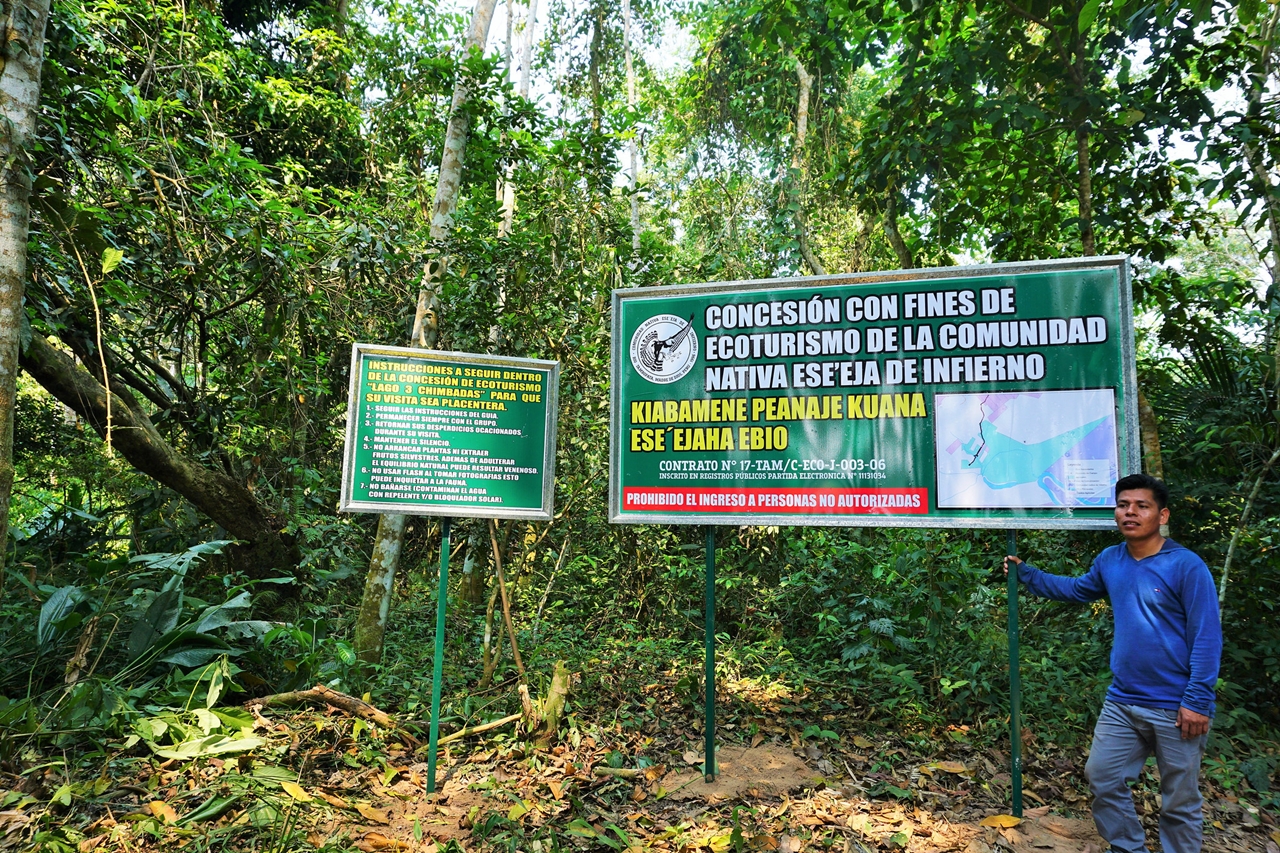
In our Infobrief, Lessons from early REDD+ initiatives to inform effective and equitable carbon mitigation efforts in Peru, we summarised…
3 min read -
Collective payments for ecosystem services: a promising policy tool to reduce deforestation?
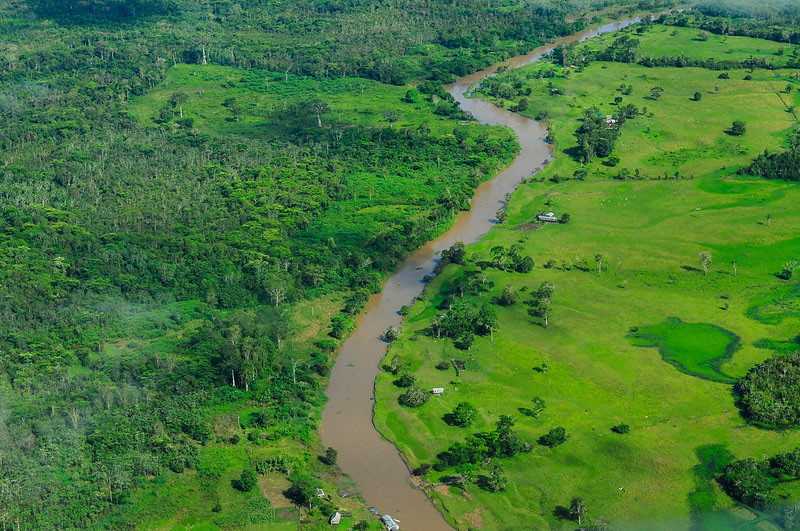
Payments for Ecosystem Services (PES) programmes are often used as a tool to reduce deforestation and forest degradation in tropical…
5 min read -

Q+A: Amazon expert Manuel Guariguata reacts to State of the World’s Forests report
The latest edition of the biennial ‘State of the World’s Forests’ (SOFO) report launched by U.N. Food and Agriculture Organization…
4 min read -

Boost governance in Peru’s secondary forests to enhance landscape restoration
Assessing the value of secondary forests in Peru is vital for designing policies that recognize the benefits they contribute to…
3 min read -

Peru’s smallholder farmers need state recognition for timber production, study says
Smallholders who produce fallow timber on their farms in the Peruvian Amazon would benefit from a regulatory mechanism to help…
5 min read -

Study on emissions breaks new ground in Peru’s palm-swamp peatlands
A new study marked a series of “firsts” for understanding greenhouse gas (GHGs) emissions and land degradation in the palm-swamp…
5 min read -

Dissecting multi-stakeholder forums and how they shape forest governance
Gathering a diverse group of people together — with various vested interests — to discuss how to best manage a…
5 min read -

The impact of multi-stakeholder co-management initiatives in the Peruvian Amazon
This is the fifth in a seven-part series highlighting the recent publication of a special issue of the International Forestry…
7 min read -

Can multi-stakeholder forums change the big picture?
This is the first of seven stories highlighting the recent publication of a special issue of the International Forestry Review…
6 min read