
REDD+
-
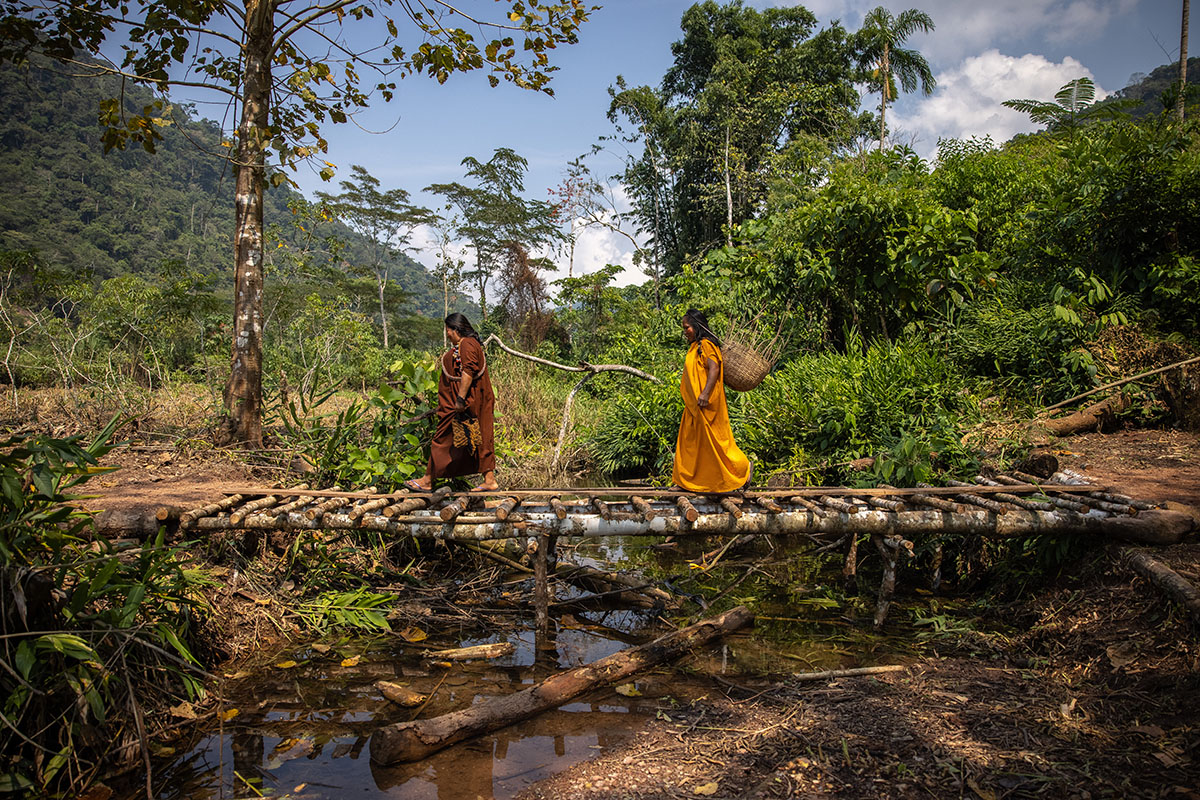
Who defines “high-integrity” carbon? In Peru, Indigenous groups are not waiting for an answer
What makes carbon credits truly “high integrity”? A new study explores how Peru’s Indigenous-led jurisdictional REDD+ coalition is reshaping the…
7 min read -
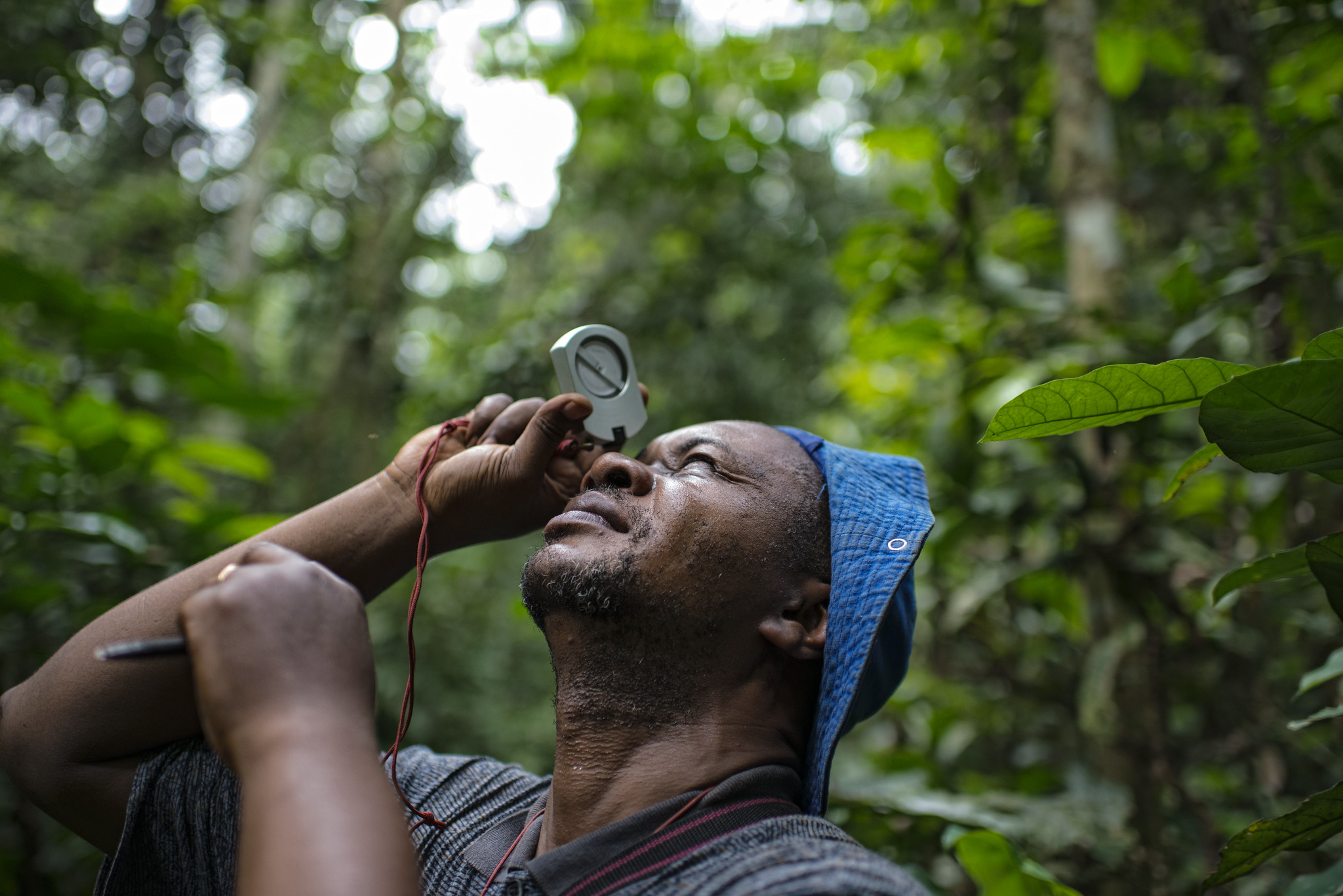
When the scorecard improves, but the forest doesn’t
New research shows that better forest management scorecards can mask declining ecological outcomes.
7 min read -

Governance, not just carbon accounting, is key to jurisdictional REDD+ success
Evidence from Indonesia, Brazil and Peru shows that jurisdictional REDD+ is more likely to succeed when Indigenous Peoples and local…
8 min read -

The World’s most important forest gets the least money. Here’s why that should alarm you.
This is the first in a two-part opinion series examining why the Congo Basin receives far less forest finance than other…
8 min read -

REDD+ can make poor households more vulnerable
Protecting tropical forests while supporting local communities is the core idea behind Reducing Emissions from Deforestation and Forest Degradation (REDD+),…
5 min read -

Building fairness into Indonesia’s carbon market: Lessons from East Kalimantan
East Kalimantan has long stood at the forefront of Indonesia’s forest and climate initiatives. Home to some of the country’s most…
8 min read -

Voices on REDD+ from Quilombolas in Pará, Brazil
“REDD started to be discussed in 2005, and only now are we really understanding what it is, its risks and…
8 min read -
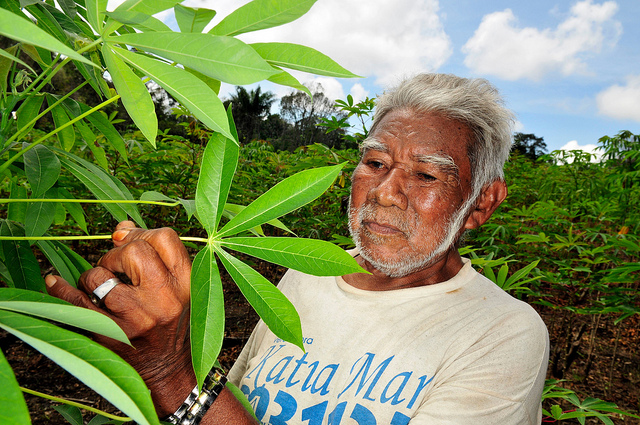
Heroes and hypocrites: Peer punishment and fair forest use
Tropical forests hold many valuable resources—timber, fuelwood, bushmeat—that are considered “common-pool” goods. They are finite, shared by all, owned by…
6 min read -
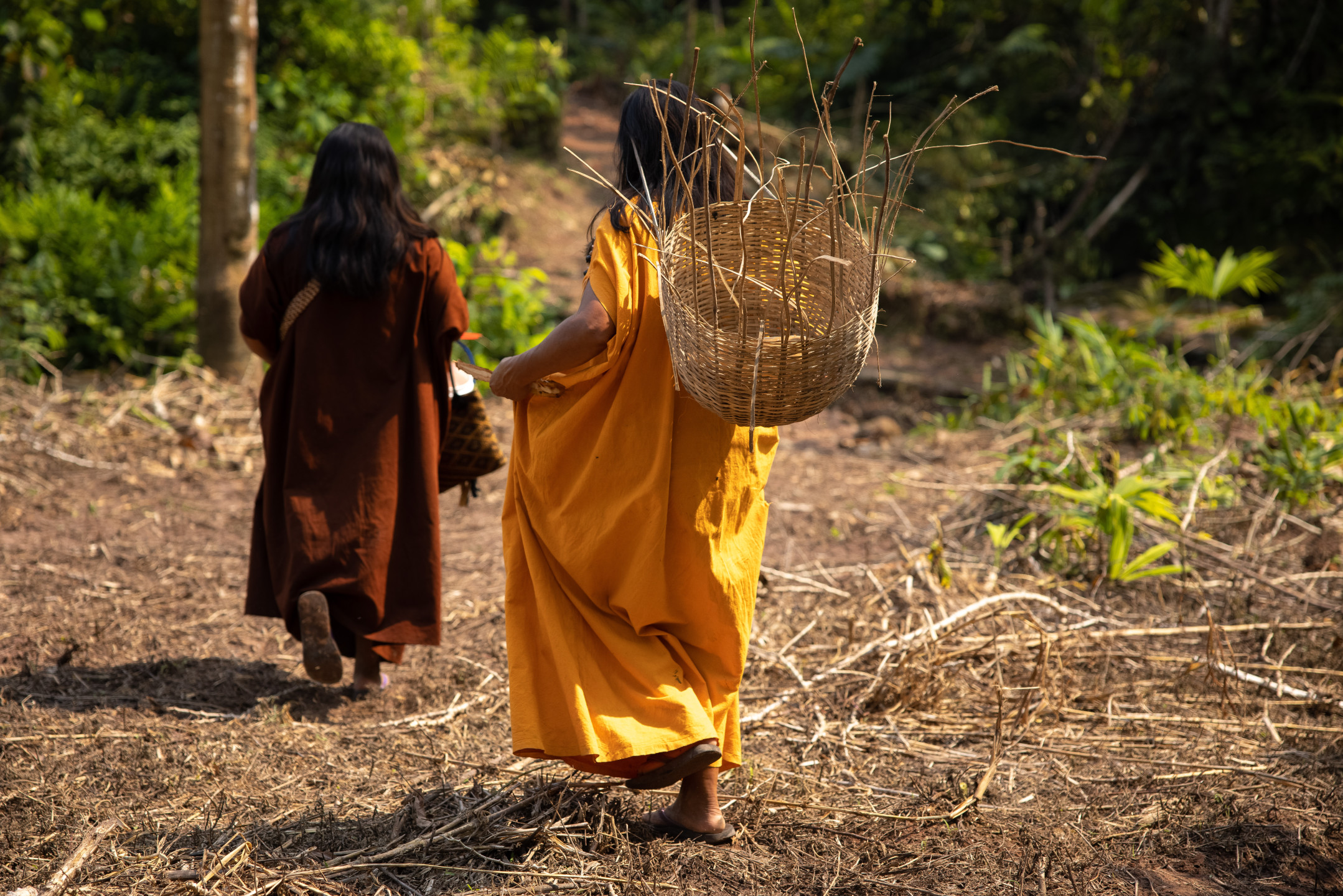
Doing better: How REDD+ safeguards can advance Indigenous rights in Peru
The Amazon is not only essential to addressing the climate and biodiversity crises, it is also the ancestral territories of…
5 min read -
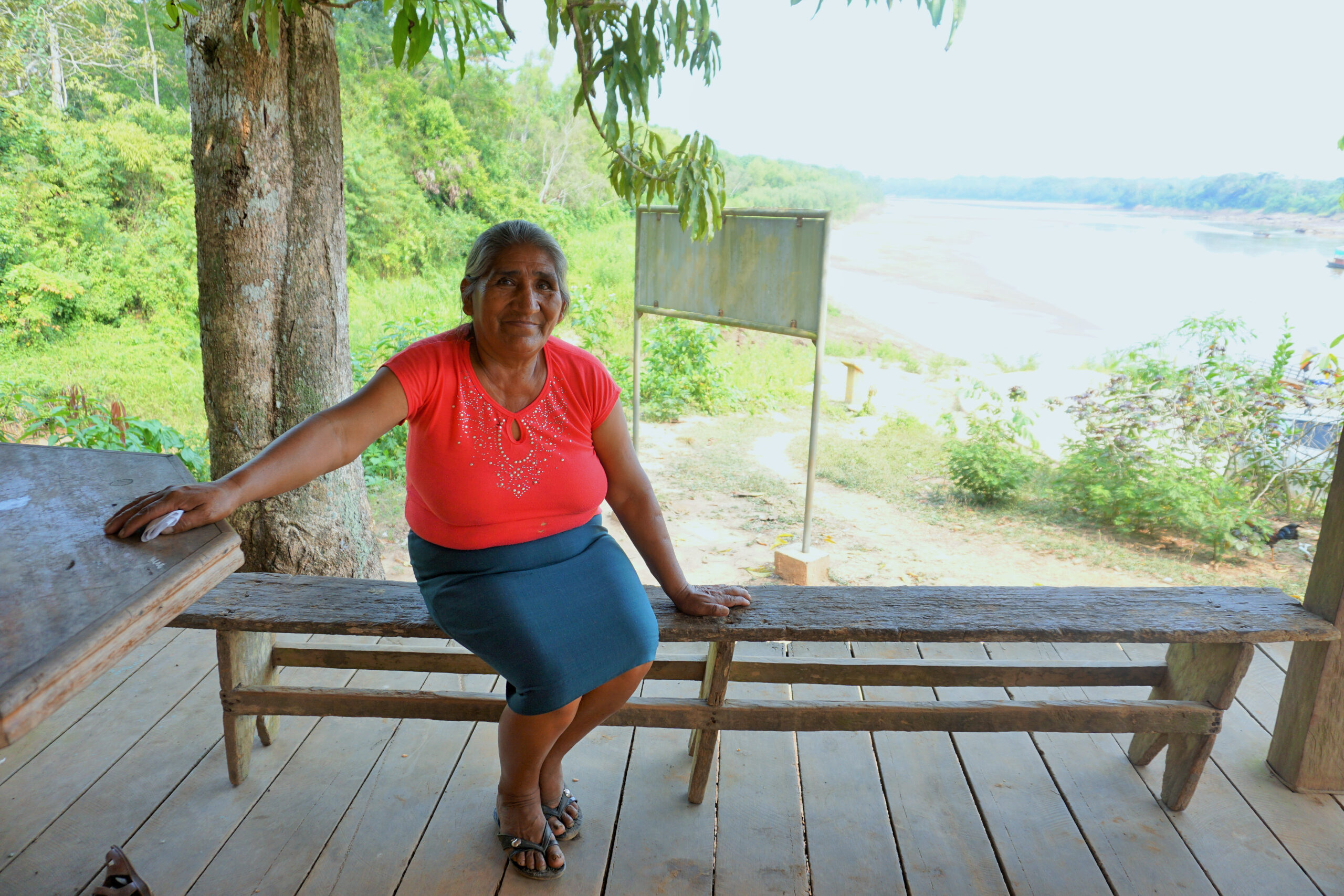
“REDD+ and other climate mechanisms must be built from the ground up”
Since its introduction as a global mechanism to fight climate change through forest conservation, the REDD+ scheme has sparked debate—not…
7 min read -
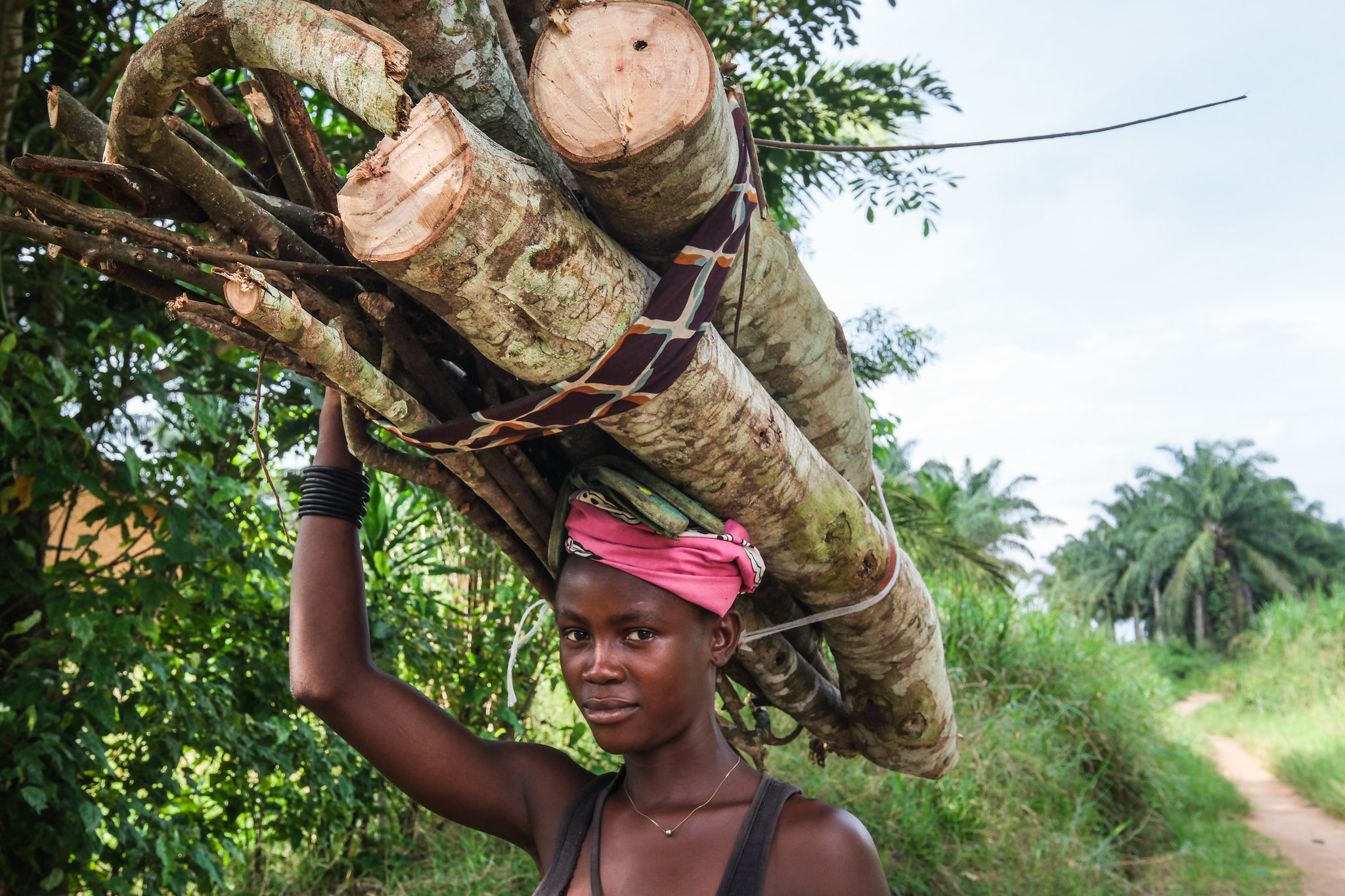
Interactive tool for Congo offers a glimpse into future forest scenarios
How will the Democratic Republic of Congo’s (DRC) greenhouse gas emissions evolve as the country implements its commitments under the…
4 min read -
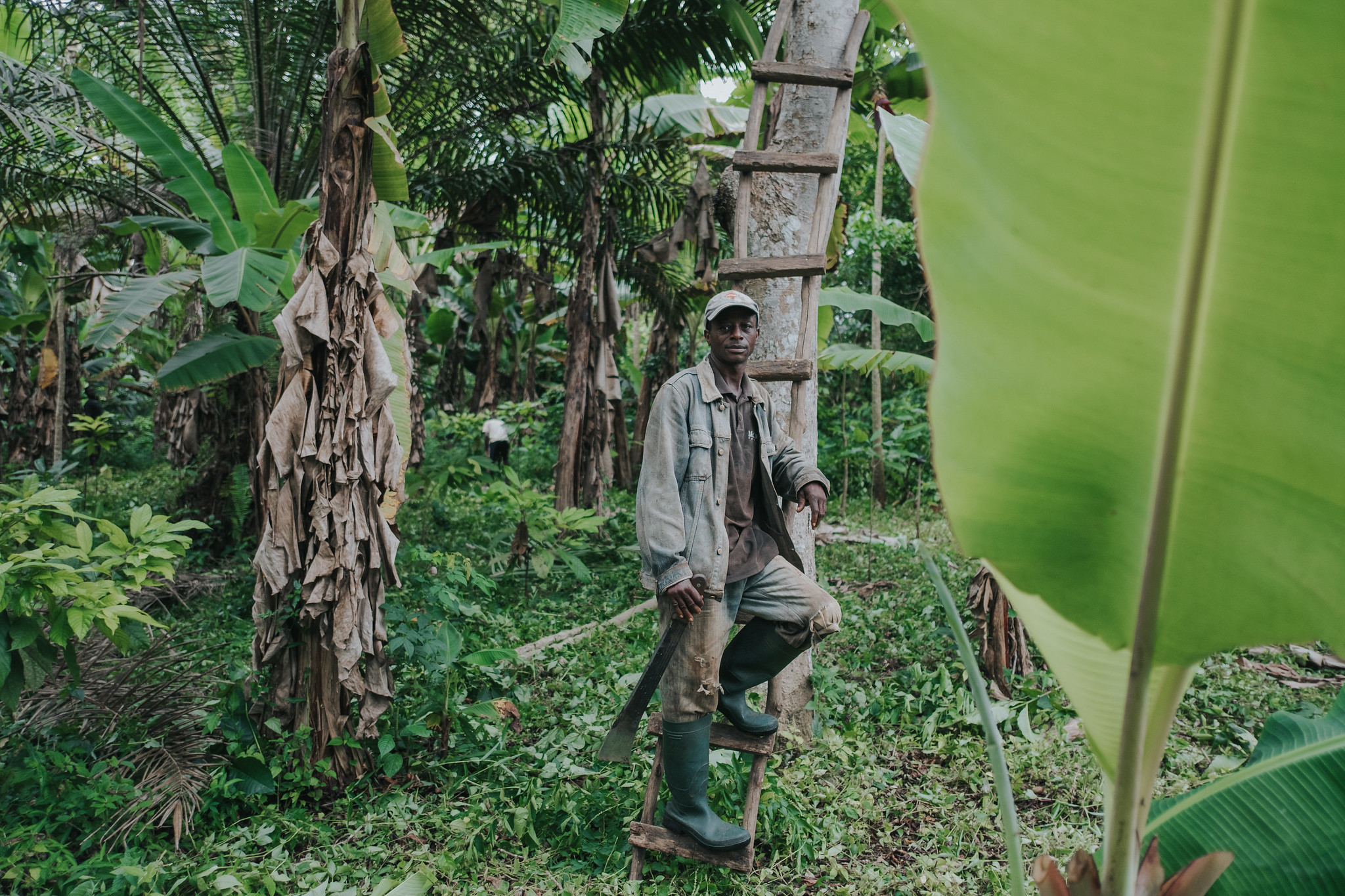
Pay attention to perennial crops’ sustainable development potential, urge scientists
Perennial woody crops—that is, those with a life cycle of at least three years, such as coffee, cocoa, grapevines, olive…
5 min read -
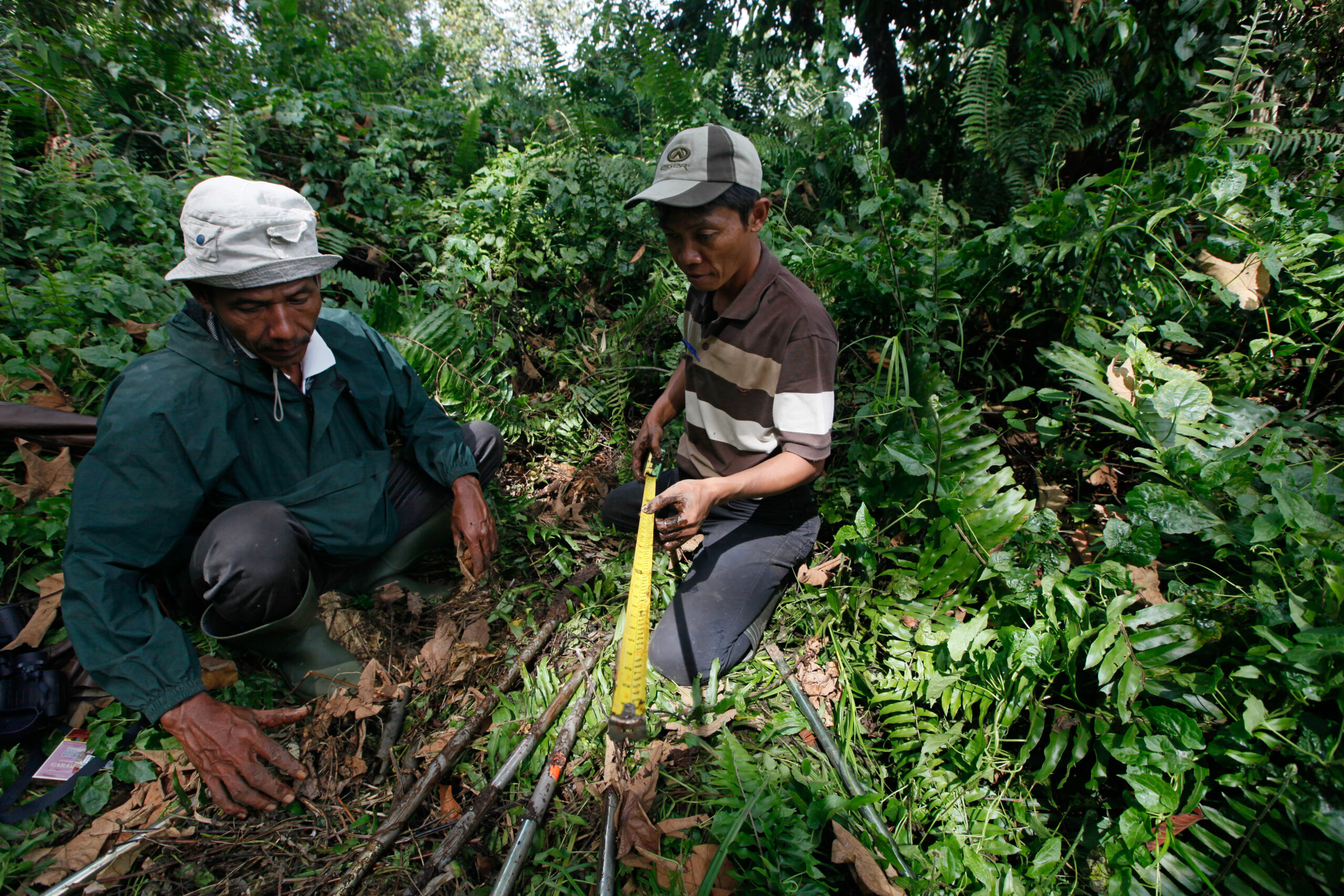
From promise to reality: The uneven impacts of REDD+
Initiatives under REDD+ (“reducing emissions from deforestation and forest degradation and forest conservation, sustainable management of forests and enhancement of…
5 min read -
In Cameroon, honing organizational arrangements to boost REDD+
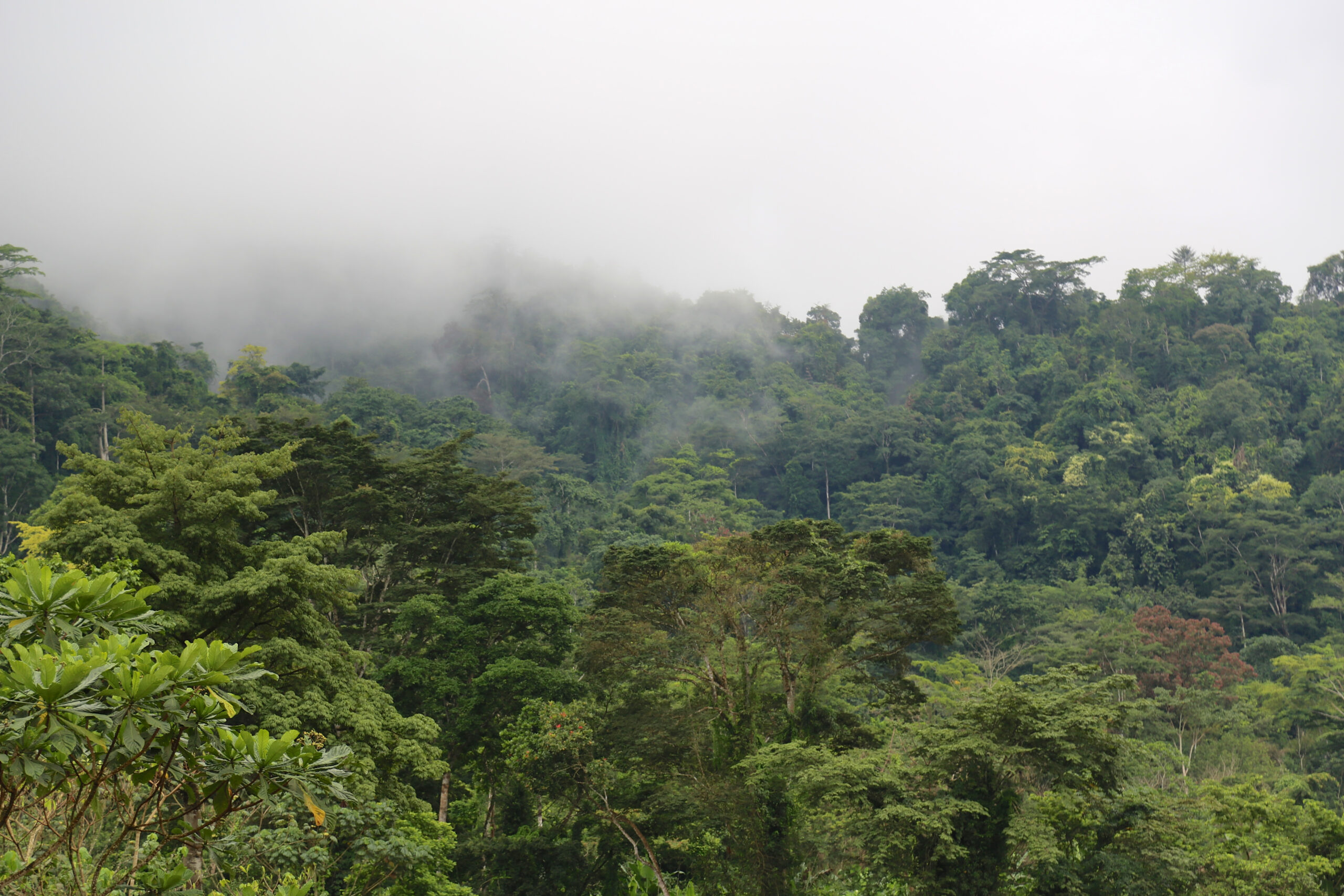
Cameroon is a rainforest-rich country, with about 46% of its land area covered in tropical forest, representing a massive carbon…
5 min read -
In DRC, mining matters for forests + people
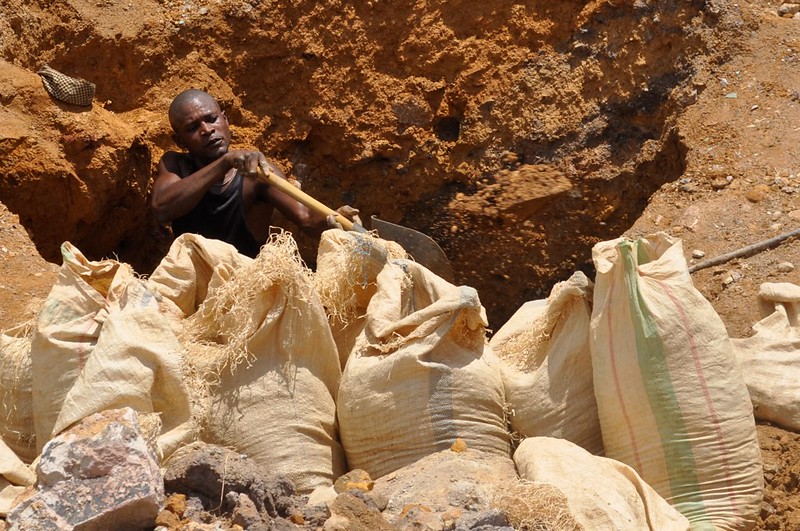
In the Democratic Republic of Congo (DRC), mining is a key consideration in the fight to preserve forests – whilst…
4 min read